 Théodore Géricaultフランス, 1791–1824
メデューズ号の筏
Le radeau de la Méduse
見られますか?
はい、現在展示中
『メデューズ号の筏』は今どこに? ルーヴル美術館, Salle 700, Aile Denon, Niveau 1, パリ. はい、現在展示中. 確認 2026年9月26日.

閉館· 明日9:00に開館
一般公開されています。
- 確認
- この状態になった日
- 出典
- 美術館
この絵画について
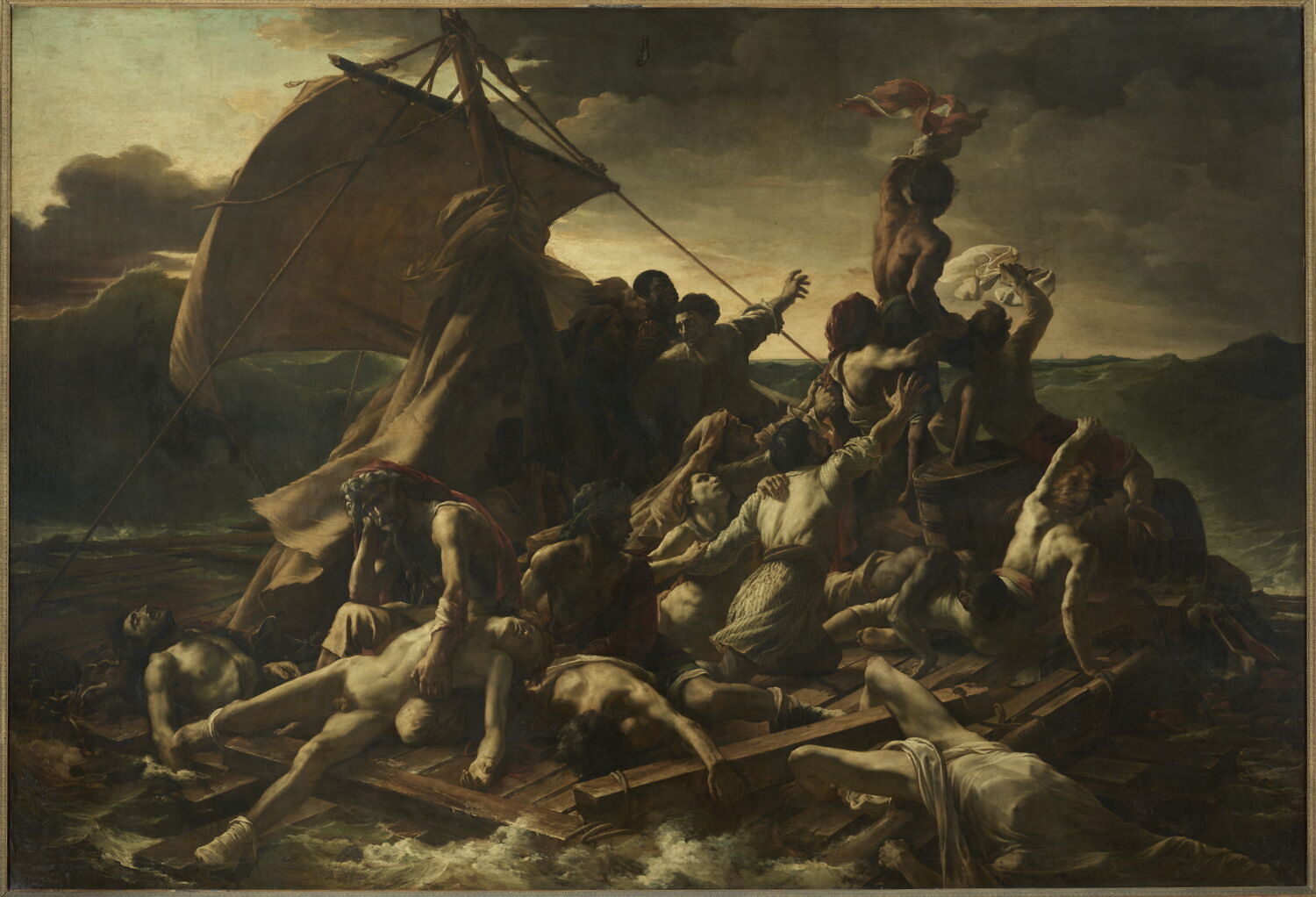
『メデューズ号の筏』(メデューズごうのいかだ、フランス語: Le Radeau de la Méduse)は、フランスロマン主義派の画家・版画家テオドール・ジェリコーにより1818年から1819年にかけて制作された油彩画で、フランスパリのルーブル美術館に所蔵されている。ジェリコーが27歳の時の作品であり、フランス・ロマン主義の象徴となった。本作は、大きさ 491 cm × 716 cm 、実物大の絵画で、フランス海軍のフリゲート艦メデューズ号が難破した際に起きた事件を表している。
メデューズ号は、1816年7月5日、今日のモーリタニア沖で座礁した。少なくとも147人の人々が、急ごしらえの筏で漂流しなければならなかった。そのほとんどが救出までの13日間で死亡し、生き残った15人も、飢餓、脱水、食人、狂気にさらされることになった。事件は国際的スキャンダルとなり、フランス復古王政の当局指揮下にあったフランス軍指揮官の、無能が遠因になったとされた。
ジェリコーは、依頼を受けてからこの絵を描いたのではない。最近起きたばかりの有名な悲劇的事件を、意識的に主題に選んだことで、この絵は世間の関心を大いに呼び、ジェリコーの名も世に知られるようになった。
若い芸術家は事件に惹きつけられ、ジェリコーは事前に様々な事柄を調べてスケッチを繰り返し、いくつも習作を作製してから本作に取り組んだ。彼は生存者の2名に取材し、筏の精密な縮尺模型を作った。死体置き場や病院に赴き、死んだ人や死にかけた人の肌の色や質感をじかに観察した。ジェリコーが予測したように、『メデューズ号の筏』は1819年のサロン・ド・パリで激しい論争の的となり、熱のこもった賞賛と非難とを同時に巻き起こした。これによりジェリコーは国際的な名声を確立し、今日ではフランス絵画の初期ロマン派画家として広く知られている。
続きを読む
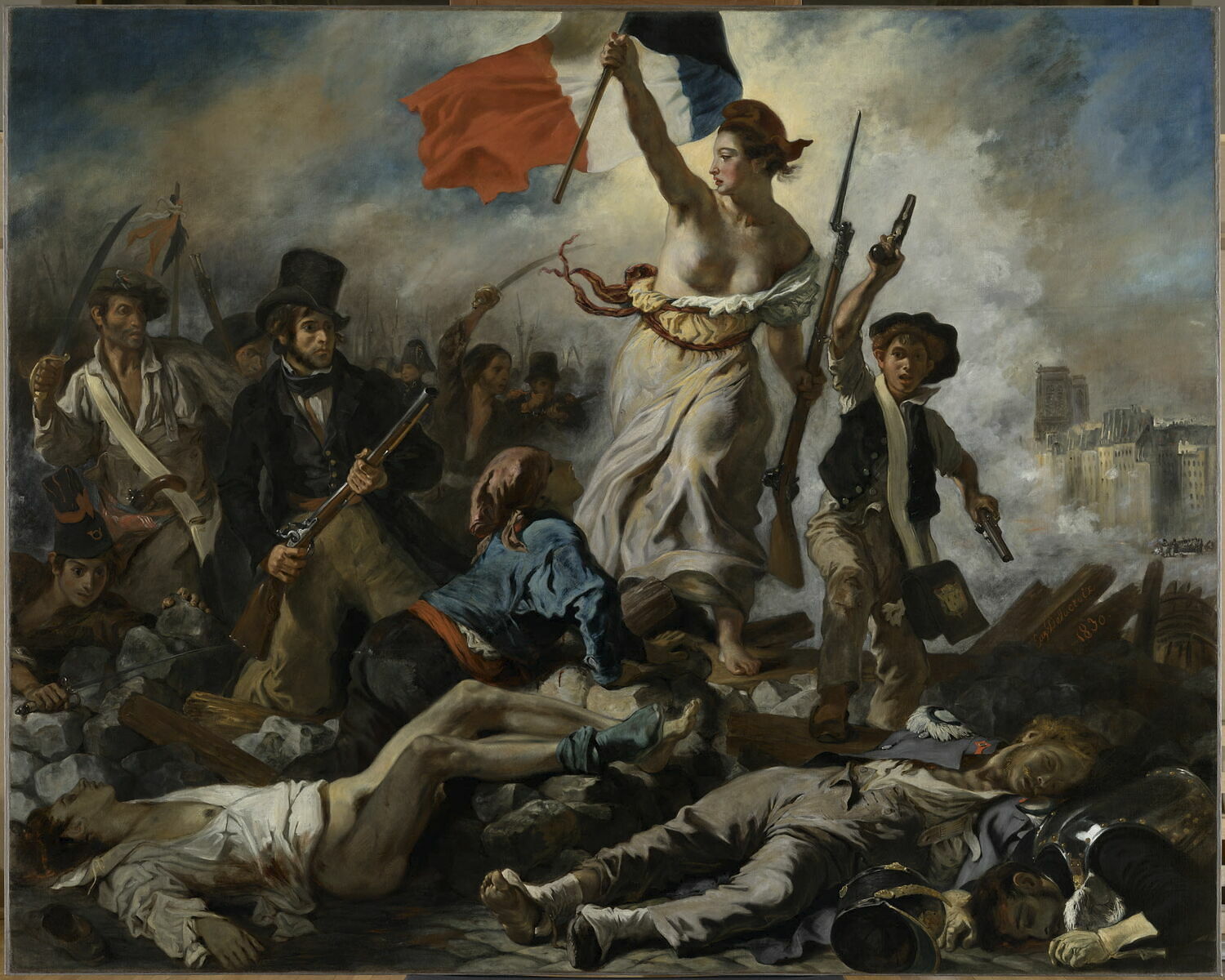
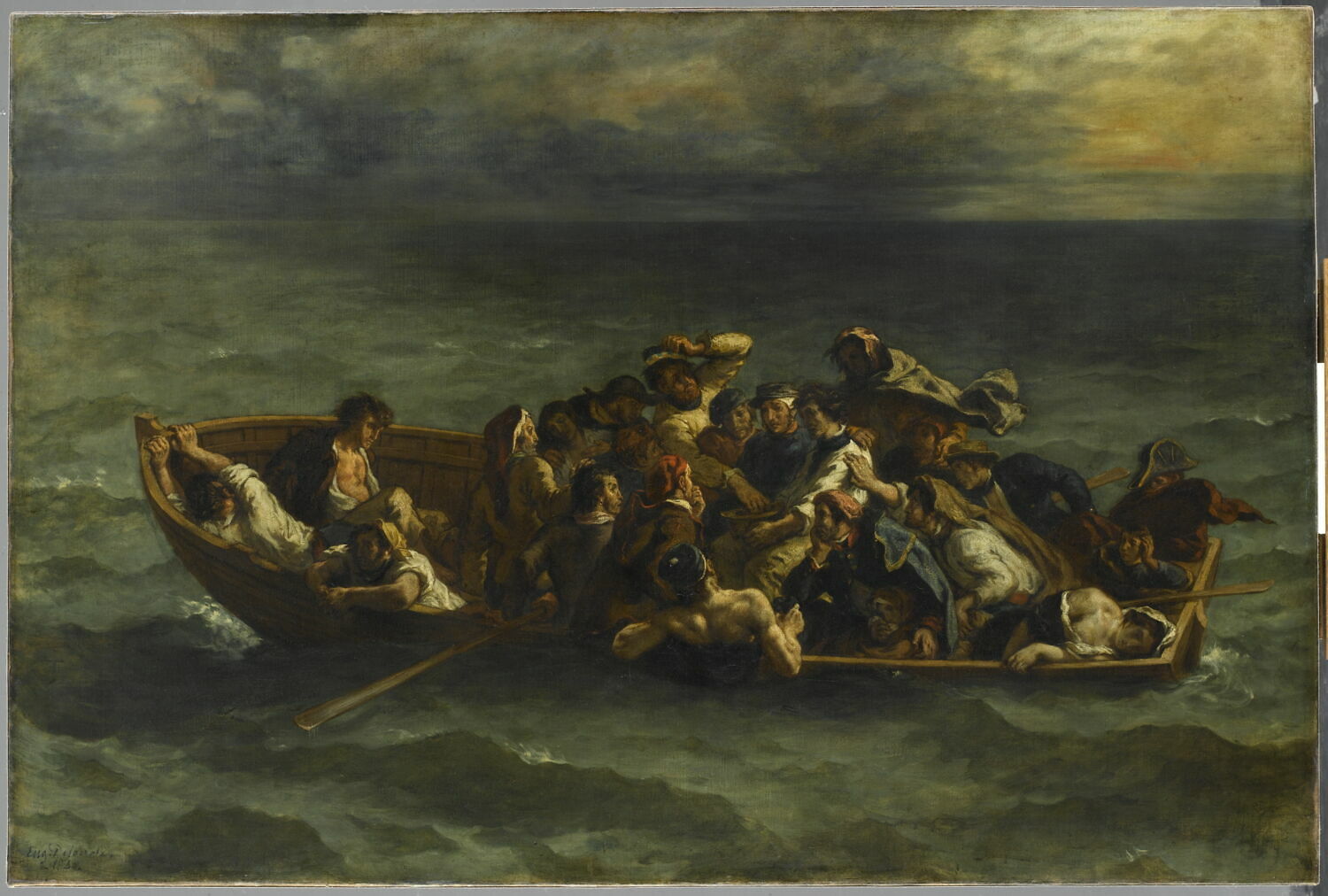
『メデューズ号の筏』は歴史絵画の伝統にしたがってはいるが、主題の選択とその劇的演出において、当時一般的だった新古典主義派の平静と秩序からの脱却を意味している。ジェリコーの作品は、最初の展示からすぐに広く関心を呼び、その後はロンドンでも公開された。ジェリコーが32歳で早逝すると、すぐにルーブル美術館に買い取られた。絵の影響は、ウジェーヌ・ドラクロワ、ジョゼフ・マロード・ウィリアム・ターナー、ギュスターヴ・クールベ、エドゥアール・マネに見られる。
作品データ
- 収蔵番号
- INV 4884
カタログ収録
出典
- ルーヴル美術館
- 画像: ルーヴル美術館 — © 2015 GrandPalaisRmn (musée du Louvre) / Michel Urtado
その頃、Théodore Géricaultの人生では
生涯をすべて見る1816–1817
Naples and Rome: the shock of Michelangelo
Géricault visited Naples, drawing the landscapes and people, but spent most of his time in Rome. The frescoes of the Sistine Chapel shook him: Michelangelo's monumentality of form inspired his pen drawings, such as “Man Felling a Bull”, among the most interesting made in Rome.
autumn 1817
The book on the wreck of the Méduse reaches Géricault
In the autumn of 1817 the book “The Wreck of the Frigate Medusa” appeared, in which the eyewitnesses, the geographer-engineer Alexandre Corréard and the physician Henri Savigny, described the thirteen-day drift of the raft after the ship ran aground off the coast of Mauritania. The book reached Géricault, who saw in it the subject for the large painting he had long dreamed of.
1817–1818
Investigating the disaster: survivors, a model raft, morgues
Géricault re-created the event by studying the available materials and meeting witnesses: he got to know Corréard and Savigny, a carpenter from the Méduse made a scale model of the raft for him, and the artist modelled wax figures himself. He visited hospital morgues, drawing dead heads, emaciated bodies and severed limbs, and the preparation ended with a trip to Le Havre, where he painted studies of sea and sky.
1819
“The Raft of the Medusa” sparks a political controversy at the Salon
When first exhibited at the Paris Salon of 1819, “The Raft of the Medusa” ignited political controversy: it indicted a corrupt establishment, in which the captain had left the crew and passengers to die, but also dramatized the eternal struggle of man against nature.
12 June – 30 December 1820
London: 50,000 visitors and 20,000 francs
The entrepreneur Bullock exhibited “The Raft of the Medusa” in London from 12 June to 30 December 1820; about 50,000 people saw it, critics called it a masterpiece, and its author was compared to Michelangelo and Caravaggio. Géricault was entitled to a third of the ticket receipts and received 20,000 francs.
1821–1824
Illness and falls from horses after his return from England
After returning to Paris from England Géricault was often ill, and his condition was made worse by several falls during horseback rides.