ART WIKI33,040 点が展示中
地図コレクション作家美術館展覧会ジャーナル
ログイン

ART WIKI

名画の居場所と、扉の開く時刻。

所蔵館:J・ポール・ゲティ美術館、アムステルダム国立美術館、ヴィクトリア&アルバート博物館、エルミタージュ美術館、クリーブランド美術館、ゲティ・ヴィラ、コペンハーゲン国立美術館、シカゴ美術館、スミソニアン・アメリカ美術館、スミソニアン国立アジア美術館、トレチャコフ美術館、ナショナル・ギャラリー、ニューヨーク近代美術館、ハーシュホーン博物館と彫刻の庭、ハーバード美術館群、プーシキン美術館、ホイットニー美術館、ミネアポリス美術館、メトロポリタン美術館、ルーヴル美術館、ロシア美術館、国立肖像画美術館、ロシア博物館資料国家目録(274館)、Europeana(19館)、ウィキデータ(6館)、Paris Musées(12館)、Joconde(フランス文化省の美術館データベース)(495館)。画像の権利は各権利者に帰属します。

ご案内

  • 地図
  • 検索
  • コレクション
  • 名作
  • 現在展示中
  • 作家

その他

  • 美術館・ギャラリー
  • 展覧会
  • ジャーナル
  • データの出どころ
  • プライバシーとCookie
ホーム地図カタログ
  1. コレクション/
  2. エルミタージュ美術館/
  3. La Boudeuse
La Boudeuse, Jean-Antoine Watteau, 1718

La Boudeuse

1718 · Painting · 42 × 34 cm

この絵画について

La Boudeuse is the modern title given to an oil on canvas painting in the Hermitage Museum, Saint Petersburg, by the French Rococo painter Antoine Watteau (1684–1721). Completed in the late 1710s, La Boudeuse depicts a young couple set amidst a park in the foreground, in a rare example of the two-figure landscape composition which is considered one of the best fêtes galantes in Watteau's later work. However, the picture's authenticity was also a subject of scholarly debate, for it had been engraved by English painter Philippe Mercier, once a follower of Watteau, and was not included in Jean de Jullienne's edition of Watteau's work published in the 1730s.

続きを読む

Since the mid-18th century, La Boudeuse was among collections formed by the British statesman Robert Walpole, and later by his son, the writer Horace Walpole; until the sale of 1842, it was located in Horace Walpole's estate, Strawberry Hill House. Following a number of sales in the middle of the 19th century, the painting came into possession of prominent Russian art collector, Count Pavel Stroganov; after the Revolution of 1917, La Boudeuse was transferred into the Hermitage Museum, where it remains.

ウィキペディア · CC BY-SA

美術館の言葉で — ロシア語

Картина признается одной из лучших галантных сцен позднего периода творчества Антуана Ватто, чье авторство никогда не вызывало сомнений. Своим оригинальным названием «La Boudeuse», поныне фигурирующим в иностранной литературе, картина обязана французскому романисту, историку и художественному критику Эдмону де Гонкуру, который именно так упомянул ее в «Catalogue raisonné de l’oeuvre peint, dessiné et gravé d’Antoine Watteau» (Goncourt 1875). Русское название «Капризница» связано со старым переводом этого слова на русский язык. В действительности оно означает «надувшая губы». Многих историков ставил в тупик загадочный сюжет картины. Они безрезультатно силились осмыслить роль женской фигуры – то ли надменной, высокомерной, то ли безразличной до бесчувственности и презрительной (Rosenberg 1984). Одеяния персонажей также достаточно необычны.

その頃、Jean-Antoine Watteauの人生では

生涯をすべて見る
  1. 1710s

    Meets Edme-François Gersaint

    At Sirois's house Watteau meets his son-in-law, the art dealer Edme-François Gersaint, who soon becomes a close friend.

  2. 1710s

    Tuberculosis sets in

    Watteau's fame grows steadily, yet he is as a rule dissatisfied with everything that comes from his brush; at the same time he develops a serious illness, tuberculosis.

  3. c. 1717

    Crozat recommends Watteau to Rosalba Carriera

    Watteau's fame spreads beyond Paris: the banker Crozat writes to the celebrated portraitist Rosalba Carriera in Venice that among Paris painters he knows no one but Watteau who could produce a work worthy of being shown to her. Crozat's patronage and lucrative commissions help to launch the painter's European reputation.

  4. 28 August 1717

    Elected to the Academy: a “fête galante”

    By 1717 Watteau's “gallant scenes” have had such wide success that an exception is made for his reception piece, “Pilgrimage to Cythera”: in the minutes the words “pilgrimage to Cythera” are struck out and replaced by “fête galante”. Watteau is elected a full member of the Academy; the ceremony is attended by the First Painter to the King, Antoine Coypel, by Claude Gillot and by the Regent, the Duke of Orléans.

  5. 1718

    Leaves Crozat's house

    Watteau's independent character does not let him stay long in such luxurious but constraining circumstances, and in 1718 he leaves the house of his patron, who does not lose interest in his art. “Gilles” was probably one of the last works painted in the large studio put at his disposal in Crozat's mansion.

Jean-Antoine Watteauのほかの作品

すべての作品

同じ展示室 · Зал 284, エルミタージュ美術館

美術館のページ
続きを読む

На голове кавалера красуется красноватый берет, какие носят только на сцене; черное платье дамы, с длинными прорезными рукавами, – тоже, несомненно, театральный костюм. Подобные одеяния в духе XVII в. очень характерны для французcкого театра особенно первой четверти XVIII столетия. Ватто любил ставить своих персонажей в пространстве между ролью и реальной жизнью, что придавало загадочный смысл многим его произведениям. Интересную трактовку нашего сюжета предложила Ю. Н. Белова (2010). Каприз в теории светского общения того времени – целая структура прихотливого поведения, связанная скорее с женским самоутверждением, нежели с глупыми притязаниями. Главная героиня играет в каприз, осваивая новый тип обольстительницы, знающей себе цену. Кавалер, опытный ловелас, кажется, заинтригован этой таящей неожиданные повороты игрой не по правилам, которую принесла в светскую жизнь эпоха Регентства. Но повод для обиды представляется надуманным и, по-видимому, призван спровоцировать кавалера на притворную ссору.

エルミタージュ美術館

作品データ

1718 · 34歳
16841721
収蔵番号
ГЭ-4120

出典

  • エルミタージュ美術館
  • 画像: エルミタージュ美術館 — Museum open access
  • late 1719 – summer 1720

    To London, to see Dr Richard Mead

    Watteau's health is failing, and he goes to England at the invitation of Philippe Mercier, an admirer and imitator, hoping to overcome tuberculosis with the help of the well-known physician Richard Mead. The treatment brings no noticeable result and the London climate only aggravates his condition; he returns to Paris in summer 1720, gravely ill.

  • Jean-Antoine Watteauの肖像Jean-Antoine Watteauフランス, 1684–1721

    お目にかかれますか?

    はい、お客様をお迎えしています

    エルミタージュ美術館

    サンクトペテルブルク, ロシア

    展示室展示室 284

    一般公開されています。裏付けとなる出典は下に記しています。

    確認
    2026年8月29日
    この状態になった日
    2026年8月30日
    出典
    美術館
    地図で見る美術館のページ
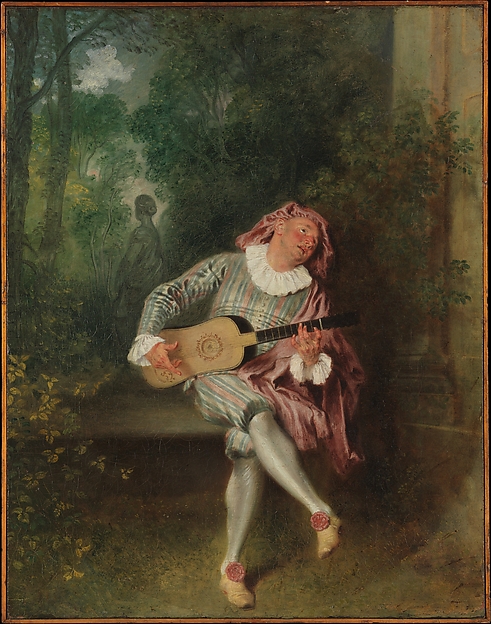
    Mezzetin, Antoine Watteau, ca. 1718–20

    Mezzetin

    ca. 1718–20 · メトロポリタン美術館

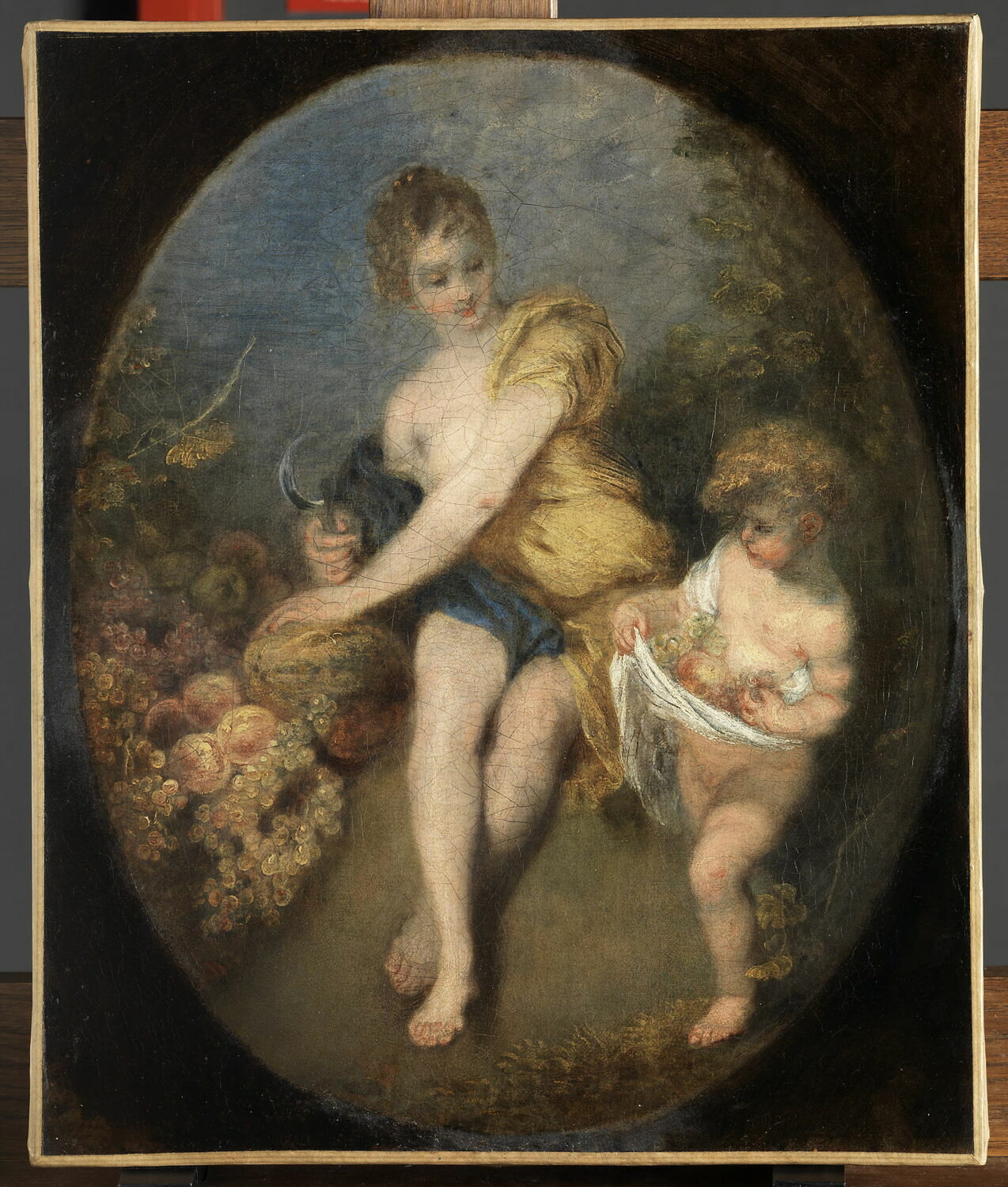
    L'Automne, Watteau, Jean-Antoine, 1e quart du XVIIIe siècle (1700 - 1725)

    L'Automne

    1e quart du XVIIIe siècle (1700 - 1725) · ルーヴル美術館

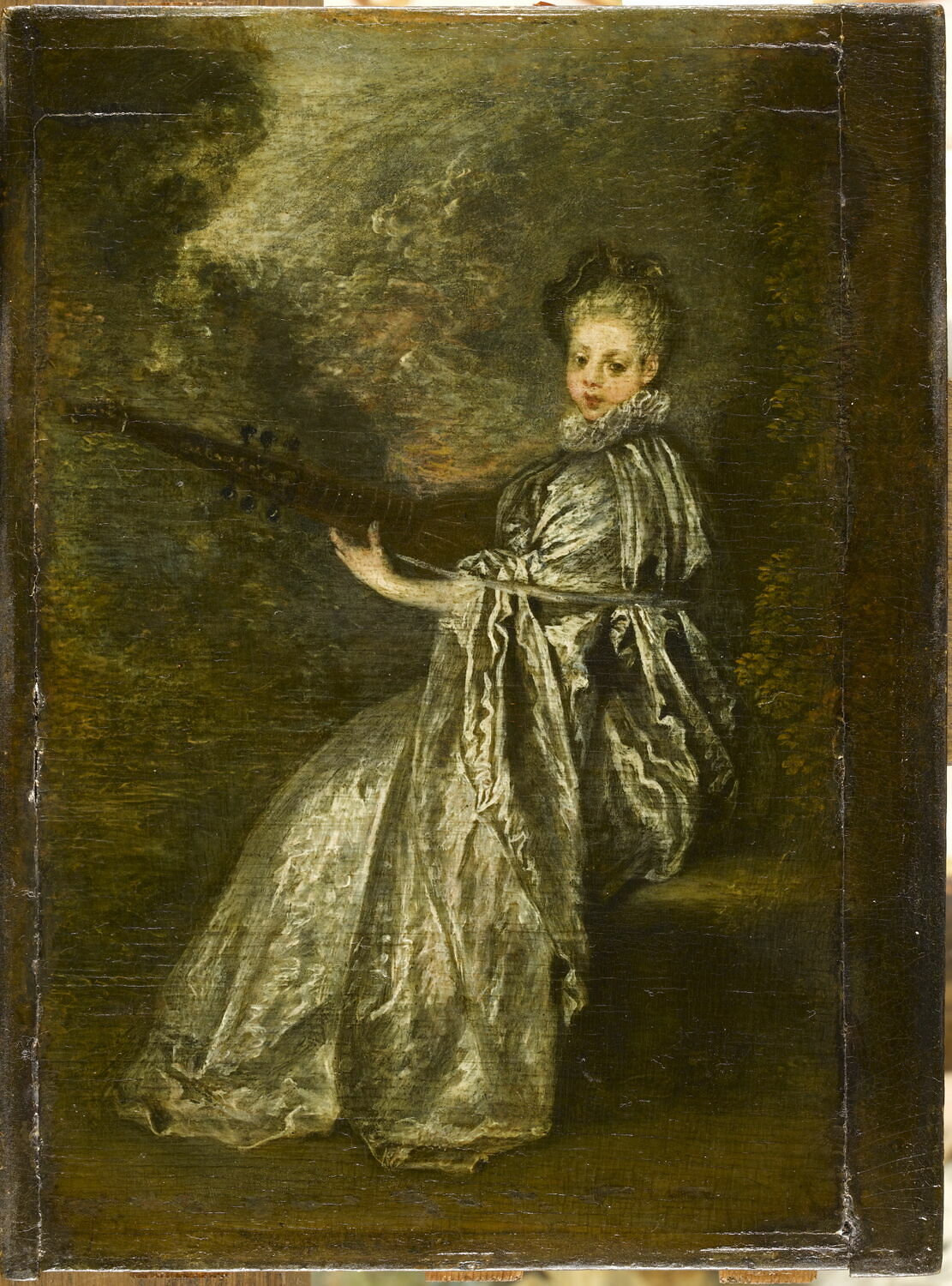
    La Finette, Watteau, Jean-Antoine, 1e quart du XVIIIe siècle (1700 - 1725)

    La Finette

    1e quart du XVIIIe siècle (1700 - 1725) · ルーヴル美術館

    Actors of the Comedie-Francaise, Jean-Antoine Watteau, 1710s

    Actors of the Comedie-Francaise

    1710s · エルミタージュ美術館

    Landscape, Jean-Antoine Watteau, 1710s

    Landscape

    1710s · エルミタージュ美術館

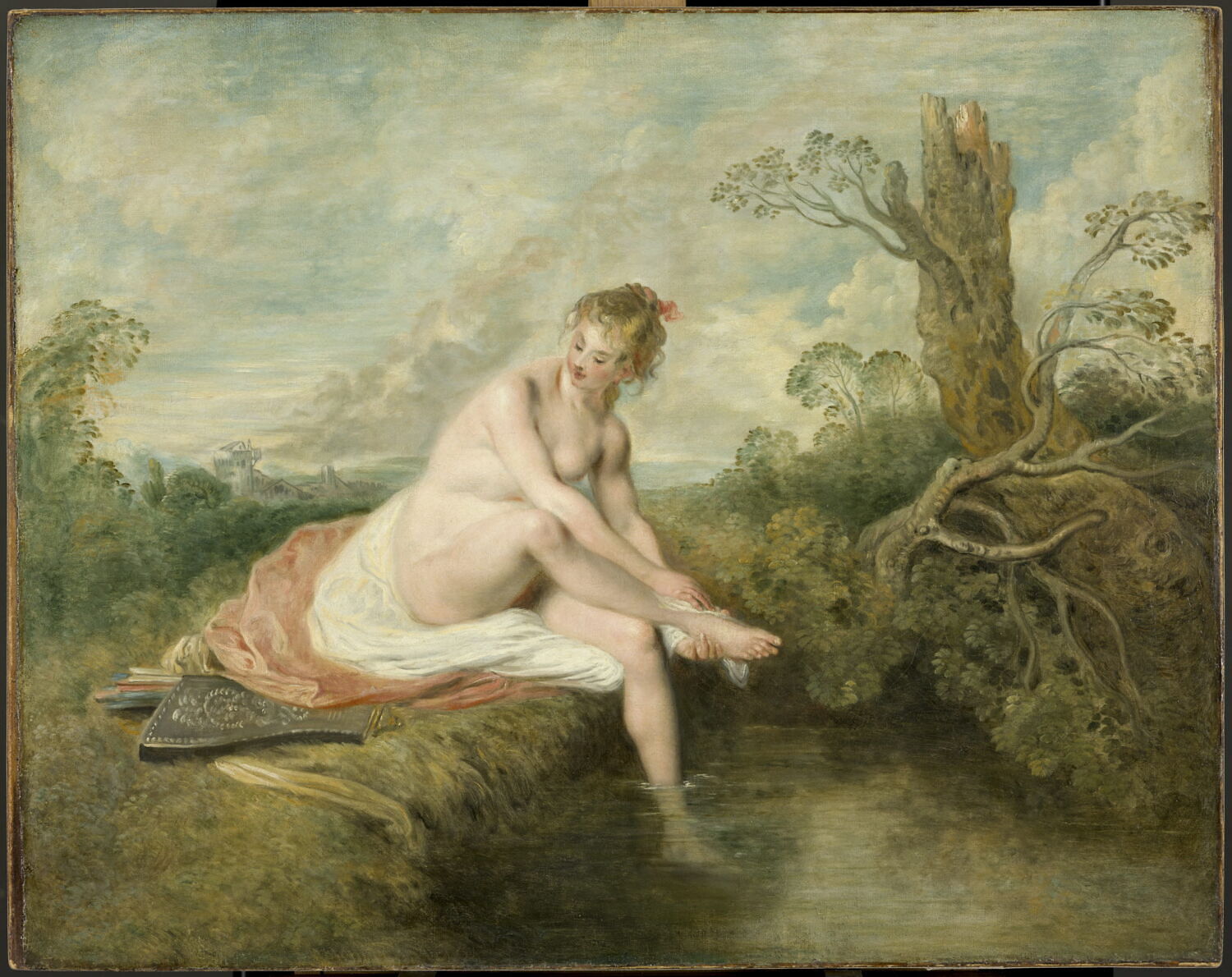
    Diane au bain, Watteau, Jean-Antoine, 1e quart du XVIIIe siècle (vers 1715 - 1716)

    Diane au bain

    1e quart du XVIIIe siècle (vers 1715 - 1716) · ルーヴル美術館

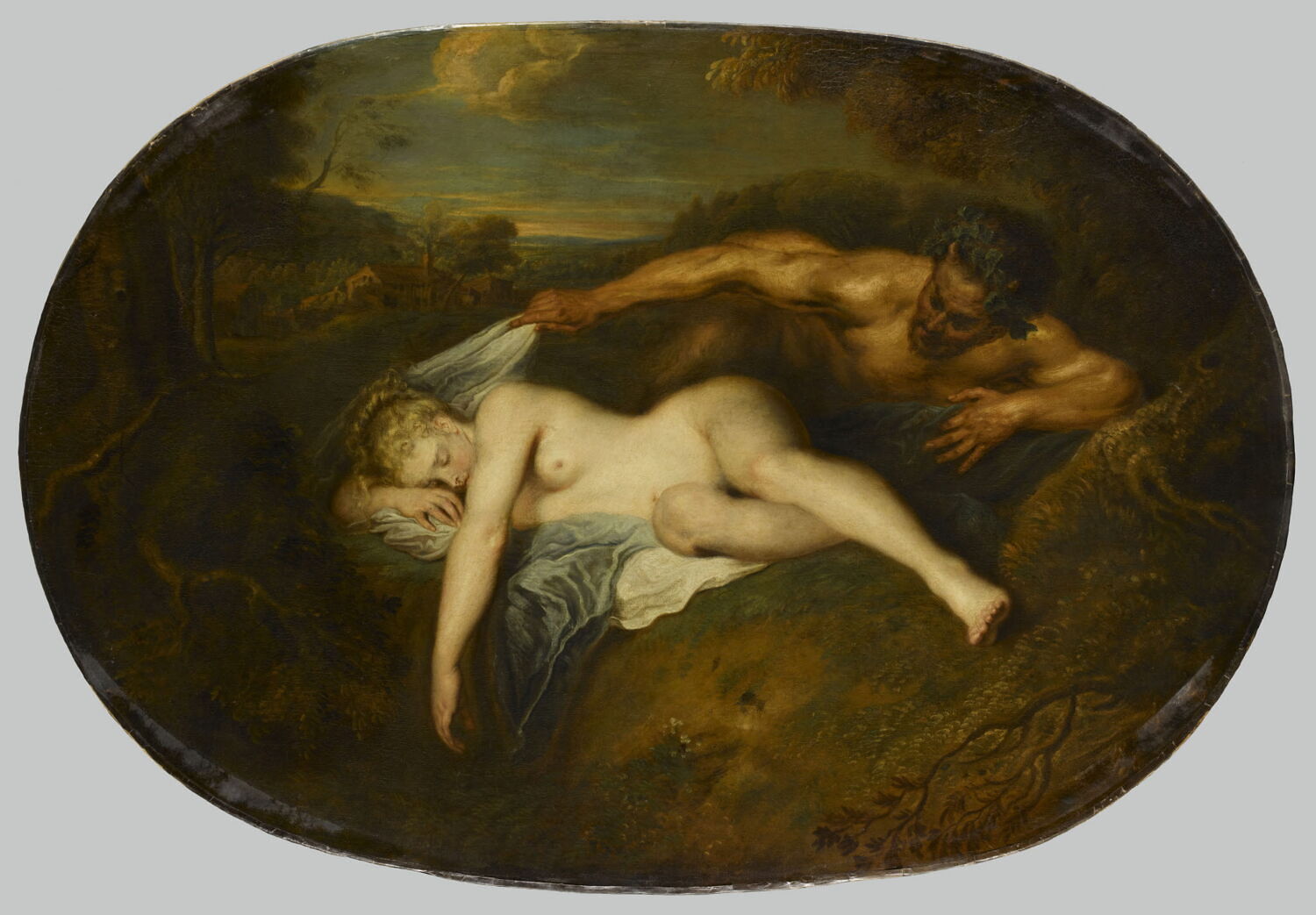
    Nymphe et satyre, dit parfois Jupiter et Antiope, Watteau, Jean-Antoine, 1e quart du XVIIIe siècle (vers 1715 - 1716)

    Nymphe et satyre, dit parfois Jupiter et Antiope

    1e quart du XVIIIe siècle (vers 1715 - 1716) · ルーヴル美術館

    Savoyard with a Marmot, Jean-Antoine Watteau, 1716

    Savoyard with a Marmot

    1716 · エルミタージュ美術館

    Savoyard with a Marmot, Jean-Antoine Watteau, 1716

    Jean-Antoine Watteau

    Savoyard with a Marmot, 1716

    Actors of the Comedie-Francaise, Jean-Antoine Watteau, 1710s

    Jean-Antoine Watteau

    Actors of the Comedie-Francaise, 1710s

    Landscape, Jean-Antoine Watteau, 1710s

    Jean-Antoine Watteau

    Landscape, 1710s

    Apollo and Daphne, Jean-François de Troy, c. 1728

    Jean-François de Troy

    Apollo and Daphne, c. 1728

    Lot with His Daughters, Jean-François de Troy, 1721

    Jean-François de Troy

    Lot with His Daughters, 1721

    Christ in the Wilderness Surrounded by Angels, design by Charles de La Fosse, 17th century

    design by Charles de La Fosse

    Christ in the Wilderness Surrounded by Angels, 17th century

    Susanna and the Elders, François de Troy, 18th century

    François de Troy

    Susanna and the Elders, 18th century

    カタログ収録

    絵画油彩フランス絵画バロック18世紀フランス