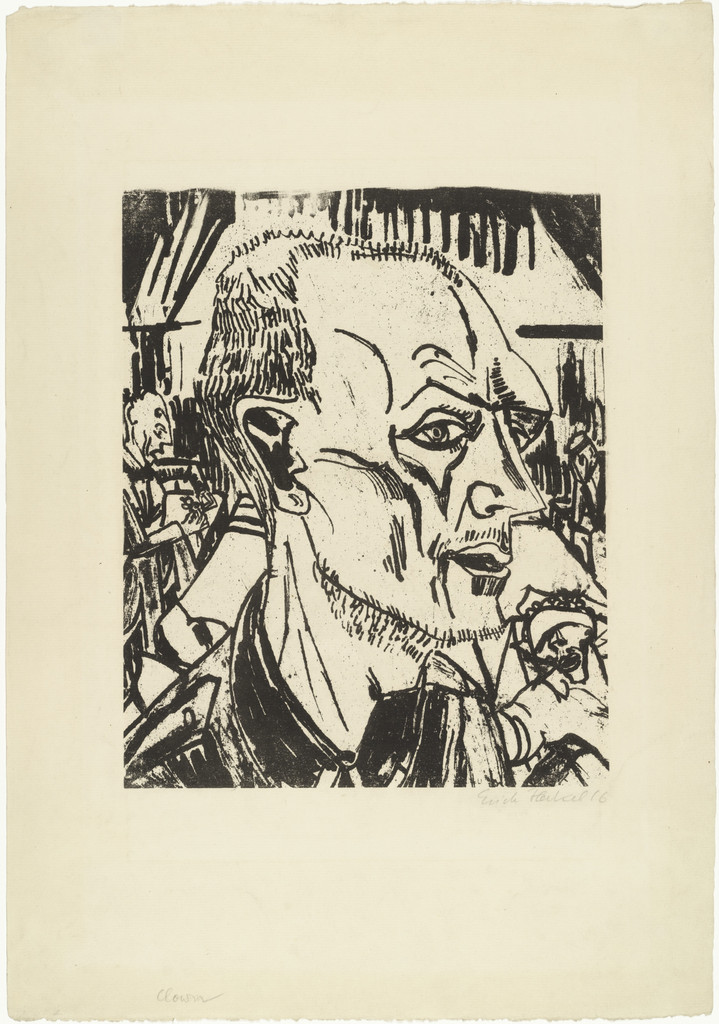
 Erich Heckelドイツ, 1883–1970
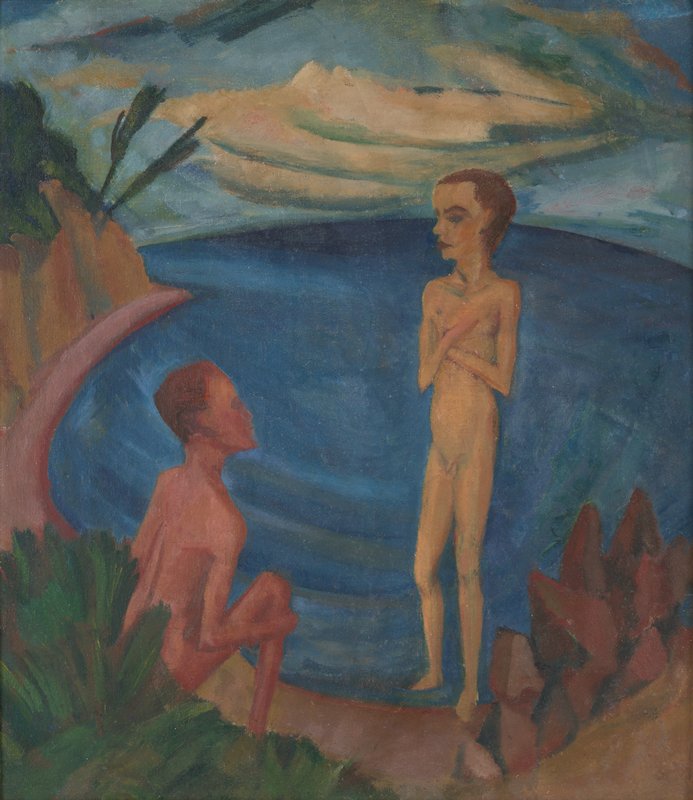
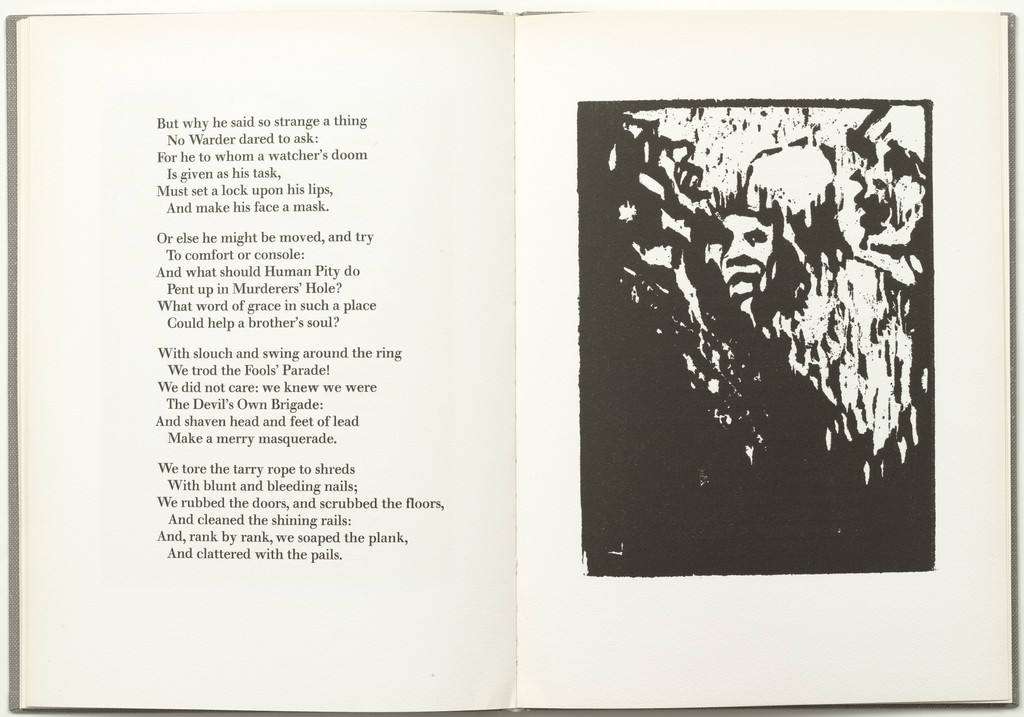
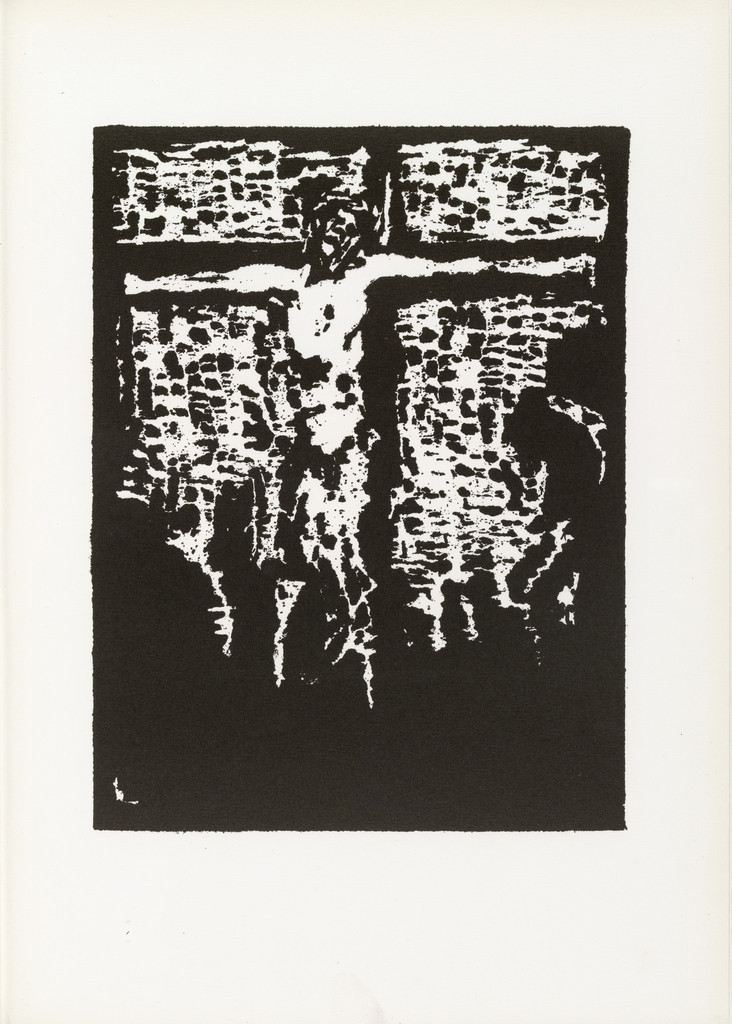
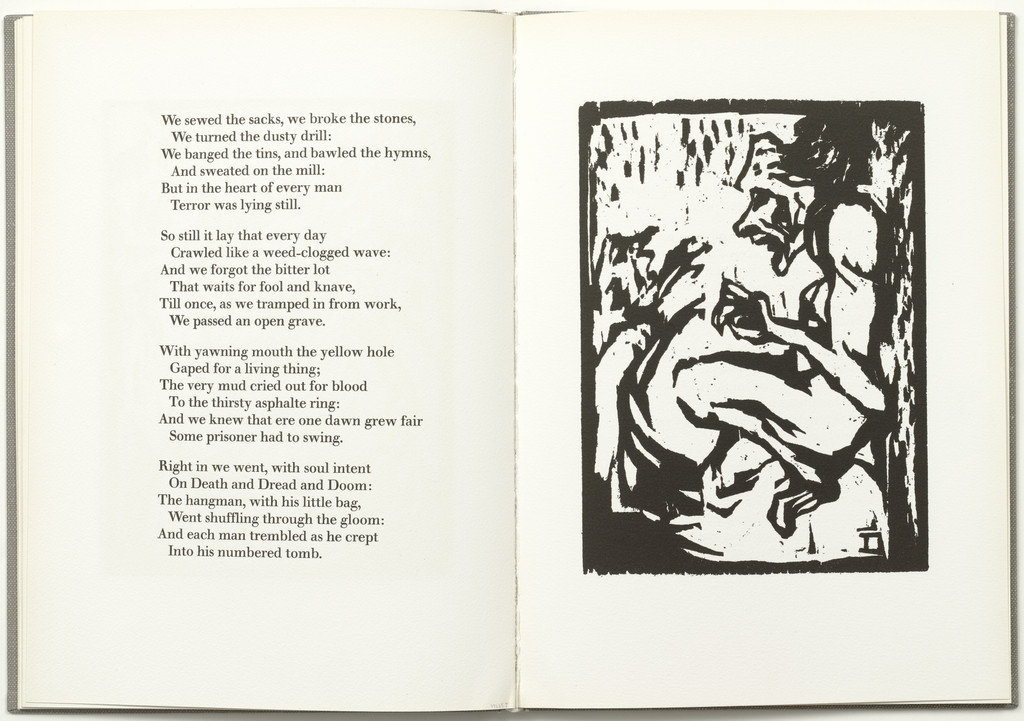
Demented Soldier (Irrer Soldat)
見られますか?
現在は展示されていません
『Demented Soldier (Irrer Soldat)』は今どこに? 所蔵: ニューヨーク近代美術館, ニューヨーク. 現在は展示されていません. 確認 2026年10月6日.

ニューヨーク, アメリカ合衆国
コレクションに属していますが、現在は展示されていません。
- 確認
- 出典
- 美術館
作品データ
- 収蔵番号
- 600.1954
カタログ収録
出典
- ニューヨーク近代美術館
- 画像: ニューヨーク近代美術館 — © the artist or rights holder
その頃、Erich Heckelの人生では
生涯をすべて見る1914
Volunteers at the outbreak of war, but is turned down
When war breaks out in 1914 Heckel volunteers for service in Berlin and undergoes a brief training, but the army ultimately rejects him as too old.
1914
An exhibition in Cologne
Heckel takes part in an art exhibition in Cologne.
1915
Meetings with Max Beckmann and James Ensor
In Flanders Heckel finds himself in the same hospital train as Max Beckmann, at Roeselare, and he befriends James Ensor, who invites him into his house and studio.
1915
Marries Milda Frida Georgi (“Siddi”)
Heckel marries Milda Frida Georgi, known as “Siddi”.
1915
A medical orderly on a hospital train in Flanders
In March 1915 Heckel joins a Red Cross hospital train in Flanders as a medical orderly (other accounts say he went to the front as an orderly as soon as the war began); the train is stationed in Roeselare, Ostend and Ghent. The platoon was assembled by Walter Kaesbach, a curator at the National Gallery in Berlin, and included the painters Max Kaus, Otto Herbig and Anton Kerschbaumer and the poet Ernst Morwitz.
May 1915 – November 1918
The Ostend hospital: an artists’ colony
From May 1915 until the end of the war in November 1918 Heckel serves in the Ostend emergency hospital, housed in the railway station and home to a true artists’ colony: the orderlies paint, make woodcuts, read and discuss literature and poetry, and adorn the building with murals and window decorations. As a painter, he is most deeply impressed by the Flemish landscape and the North Sea, especially sunlight penetrating the unusual cloud formations.