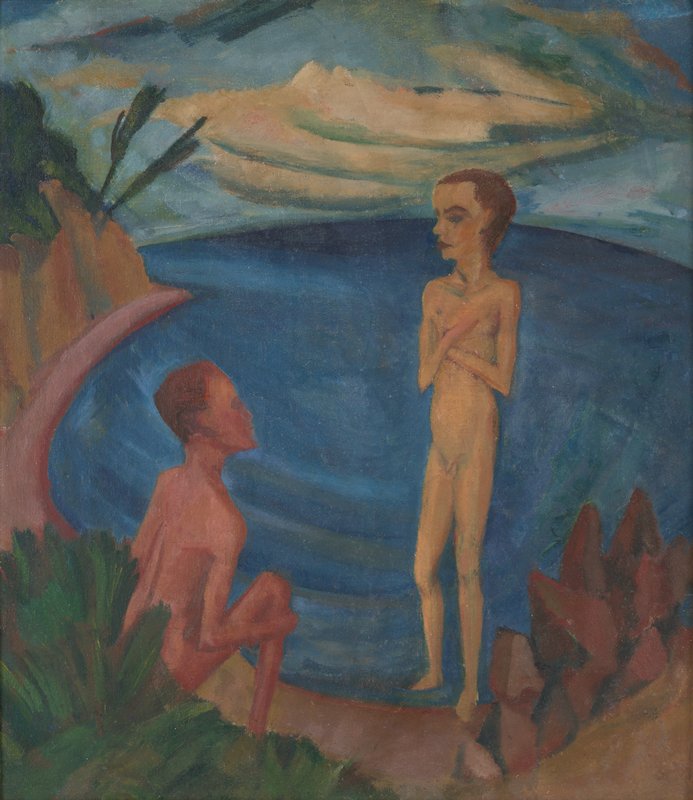
 Erich Heckelドイツ, 1883–1970
Boys at the Beach
見られますか?
はい、現在展示中
『Boys at the Beach』は今どこに? ミネアポリス美術館, G371, ミネアポリス. はい、現在展示中. 確認 2026年9月29日.

ミネアポリス, アメリカ合衆国
閉館· 明日11:00に開館
一般公開されています。
- 確認
- この状態になった日
- 出典
- 美術館
この絵画について
Bathers were a central subject for Erich Heckel throughout his career. “Boys at the Beach, ” executed a year after the close of World War I, is representative of his radical shift in approach following the war. Heckel's young men appear emaciated, stiff, and tentative; the standing figure cradles his chest as though he is cold or feels shame. Rather than enjoying the nature that surrounds them, the men are depicted turning their backs to the sea and the beach and psychologically distancing themselves from both their world and each other. Heckel’s figures are symbolic of the trauma of the "Great War" and loss of carefree pleasures that followed.
ミネアポリス美術館
作品データ
- 収蔵番号
- 2023.31.1
カタログ収録
出典
- ミネアポリス美術館
- 画像: ミネアポリス美術館 — © Minneapolis Institute of Art
その頃、Erich Heckelの人生では
生涯をすべて見るMay 1915 – November 1918
The Ostend hospital: an artists’ colony
From May 1915 until the end of the war in November 1918 Heckel serves in the Ostend emergency hospital, housed in the railway station and home to a true artists’ colony: the orderlies paint, make woodcuts, read and discuss literature and poetry, and adorn the building with murals and window decorations. As a painter, he is most deeply impressed by the Flemish landscape and the North Sea, especially sunlight penetrating the unusual cloud formations.
1918
Returns to Berlin
Heckel returns to Berlin; the painting Spring (National Gallery, Berlin) is also dated 1918.
1919–1944
Annual summer trips to Osterholz
Every summer from 1919 to 1944 Heckel travels to Osterholz, where he works a great deal.
Erich Heckelのほかの作品
すべての作品


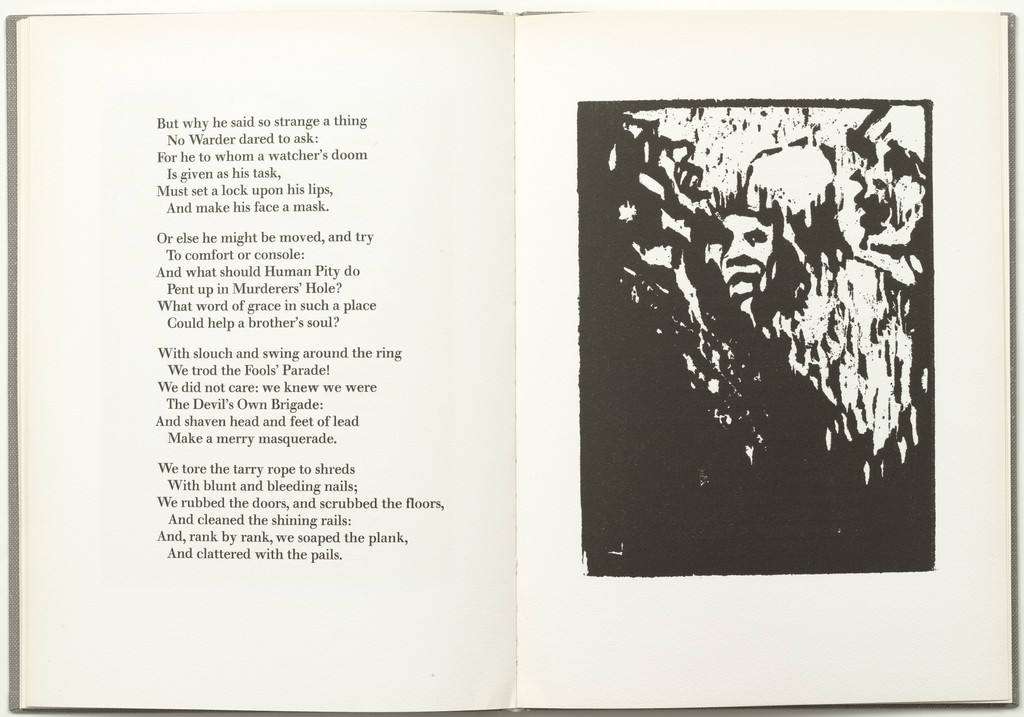
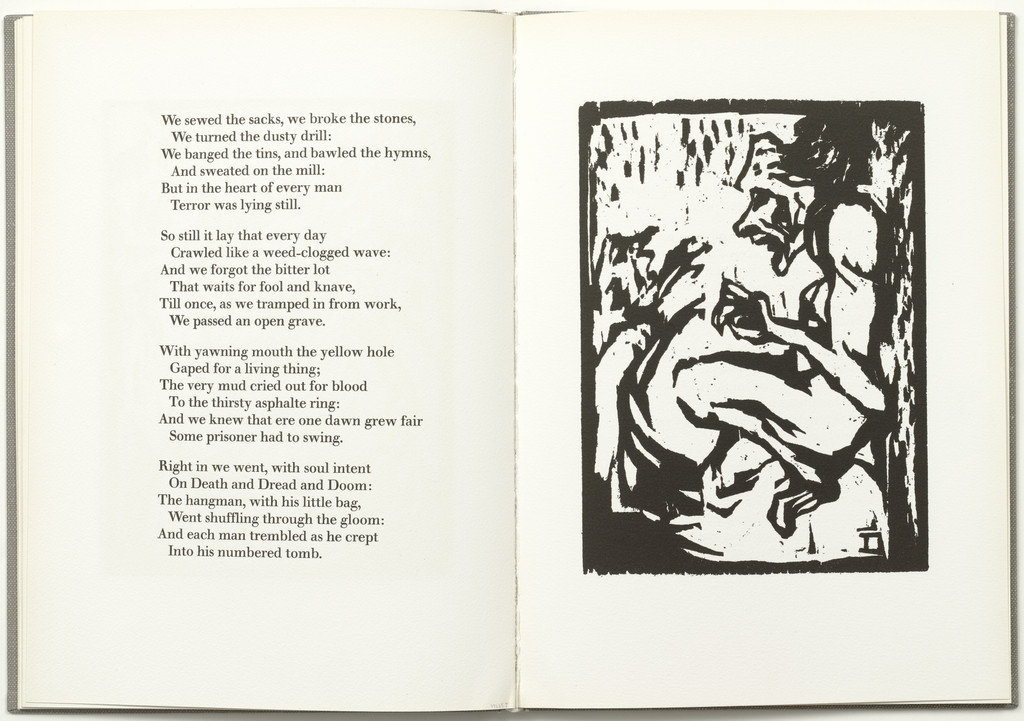
Plate (folio 12) from The Ballad of Reading Gaol
1963 (original executed in 1907) · 非展示 · ニューヨーク近代美術館
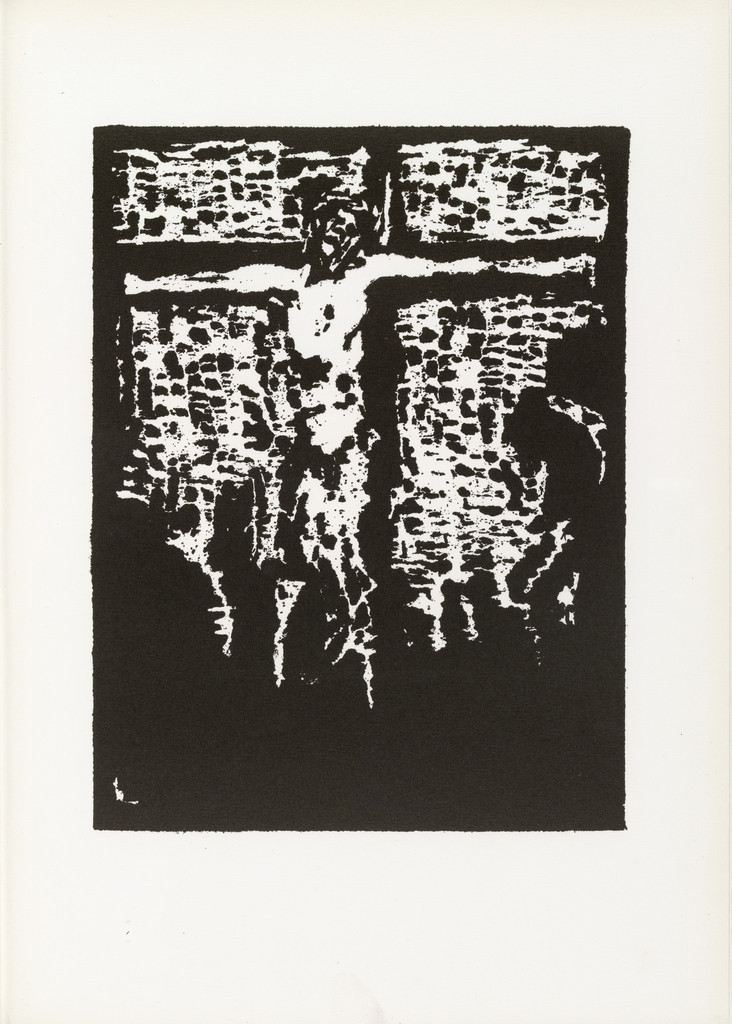
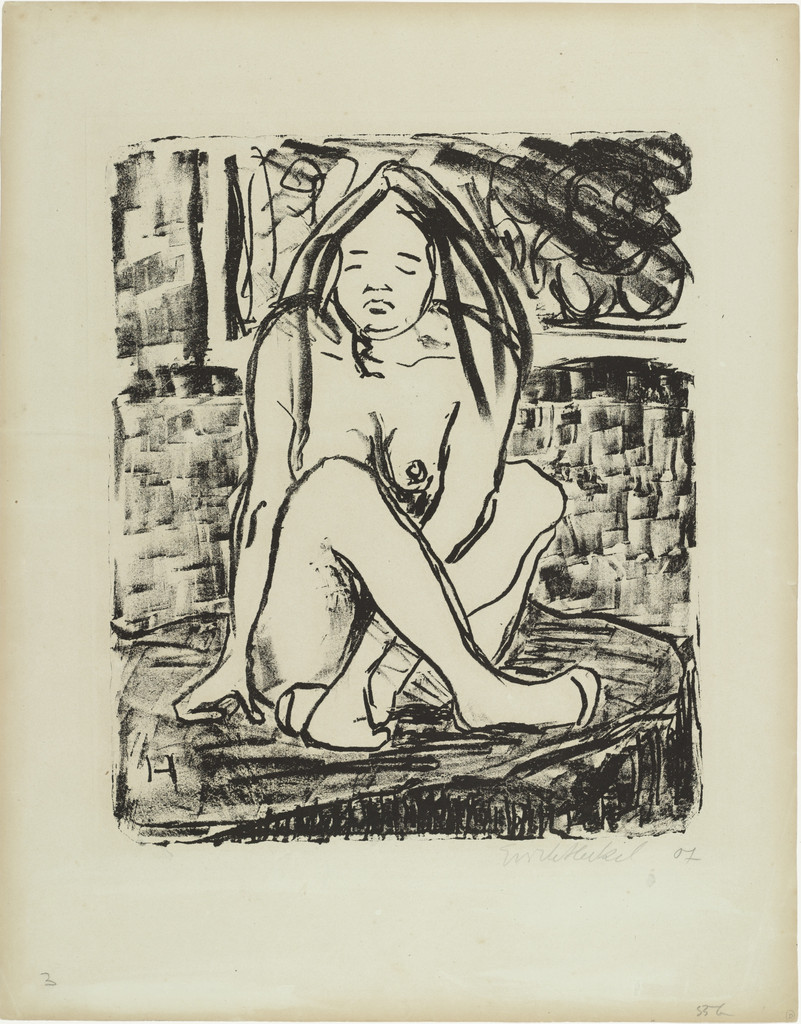
Plate (folio 25) from The Ballad of Reading Gaol
1963 (original executed in 1907) · 非展示 · ニューヨーク近代美術館