
 Henri Cartier-Bressonフランス, 1908–2004
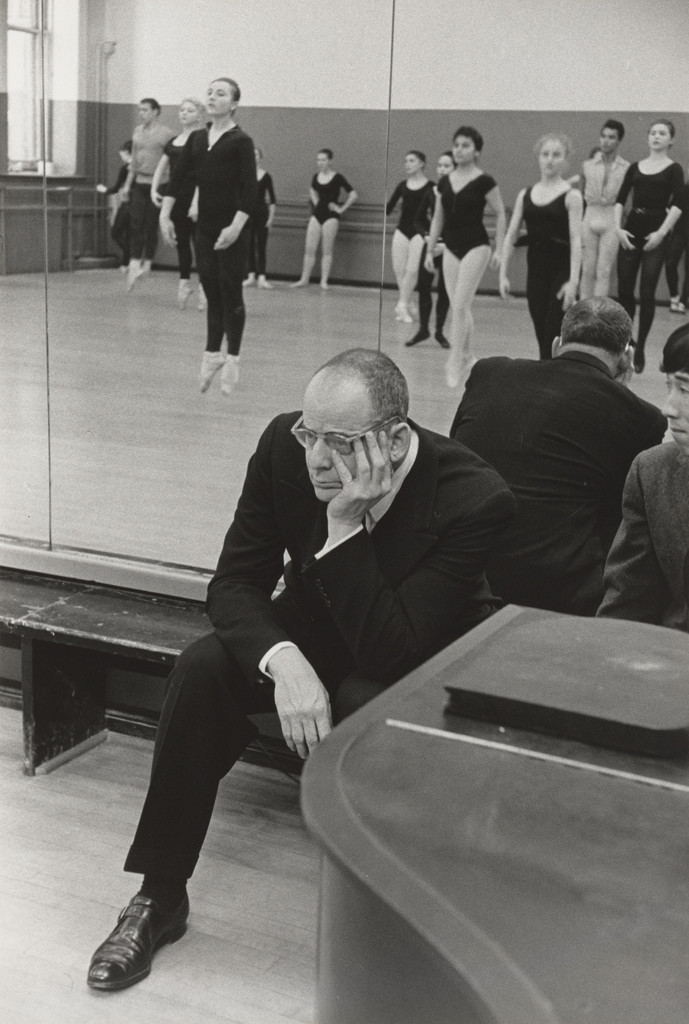
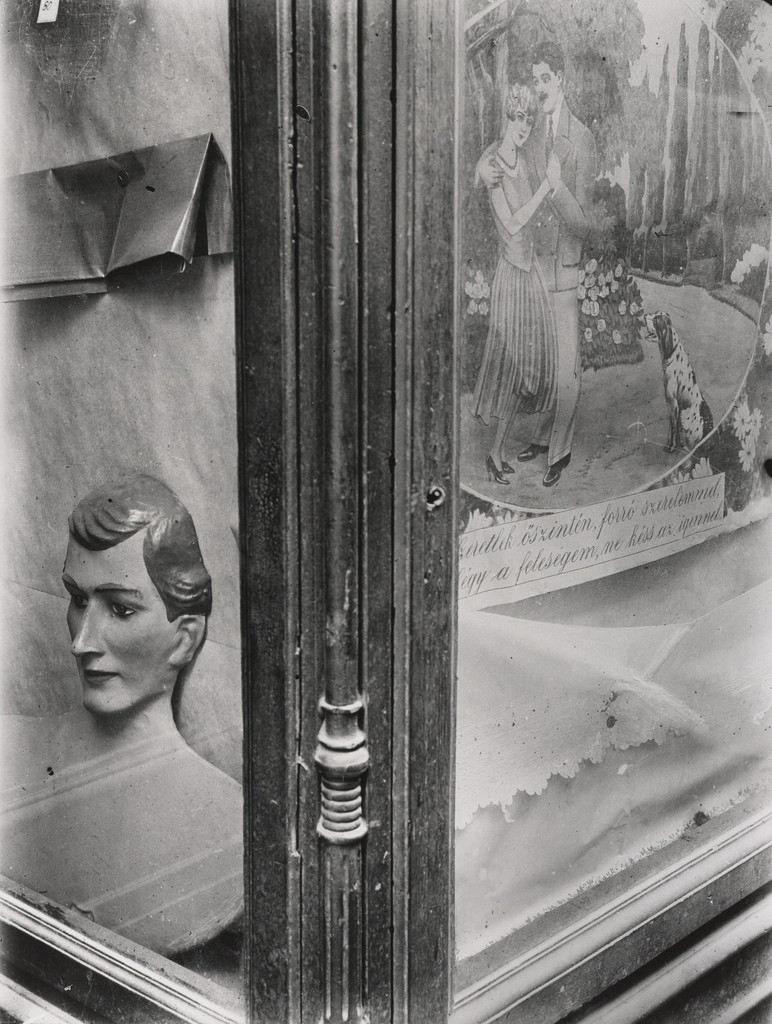
Beijing, China
見られますか?
現在は展示されていません
『Beijing, China』は今どこに? 所蔵: ナショナル・ギャラリー, ワシントンD.C. 現在は展示されていません. 確認 2026年10月12日.

ワシントンD.C., アメリカ合衆国
コレクションに属していますが、現在は展示されていません。
- 確認
- この状態になった日
- 出典
- 美術館
作品データ
- 収蔵番号
- 2015.120.2
描かれているもの
カタログ収録
出典
- ナショナル・ギャラリー
- 画像: ナショナル・ギャラリー — © the artist or rights holder
その頃、Henri Cartier-Bressonの人生では
生涯をすべて見るearly 1947
Magnum Photos is founded
In early 1947, with Robert Capa, David Seymour, William Vandivert and George Rodger, he founded Magnum — a cooperative picture agency owned by its members; he was assigned India and China, and later also travelled to Pakistan, Burma, Indonesia, Mexico, Japan, Cuba, Canada and the USSR.
1947
The MoMA retrospective and his first book
His film spurred a retrospective at the Museum of Modern Art, which opened in 1947 and later toured the country; it was accompanied by his first book, “The Photographs of Henri Cartier-Bresson”, with texts by Lincoln Kirstein and Beaumont Newhall.
1948
Reporting Gandhi’s funeral
He achieved international recognition for his coverage of Gandhi’s funeral in India in 1948.
1948–1949
China at a turning point: the fall of the Kuomintang
He covered the last stage of the Chinese Civil War — the last six months of the Kuomintang administration and the first six months of the People’s Republic; in Beijing, as the communists liberated it, he photographed the last surviving imperial eunuchs, in Shanghai he often worked with the photojournalist Sam Tata, whom he had befriended in Bombay, and from China he went on to the Dutch East Indies to document independence from the Dutch.
1952
The book “The Decisive Moment”
His book “Images à la sauvette” was published, titled “The Decisive Moment” in English: 126 photographs from East and West, a cover drawn by Henri Matisse and a 4,500-word philosophical preface taking as its keynote Cardinal de Retz: “There is nothing in this world that does not have a decisive moment”.
1954
The first Western photographer in the USSR after Stalin
In 1954 he became the first foreign photographer to visit the USSR after Stalin’s death and the first Westerner allowed to photograph there freely; his book “The People of Moscow” followed in 1955.


![Ginevra de' Benci [obverse], Leonardo da Vinci, c. 1474/1478](https://api.nga.gov/iiif/8f29e3c9-a289-4d53-abf0-31a66e9e98fa/full/!2400,2400/0/default.jpg)
![Wreath of Laurel, Palm, and Juniper with a Scroll inscribed Virtutem Forma Decorat [reverse], Leonardo da Vinci, c. 1474/1478](https://api.nga.gov/iiif/ff62e8d0-45c4-498f-ad36-6358de827e04/full/!2400,2400/0/default.jpg)


