
 Edward Steichenアメリカ合衆国, 1879–1973
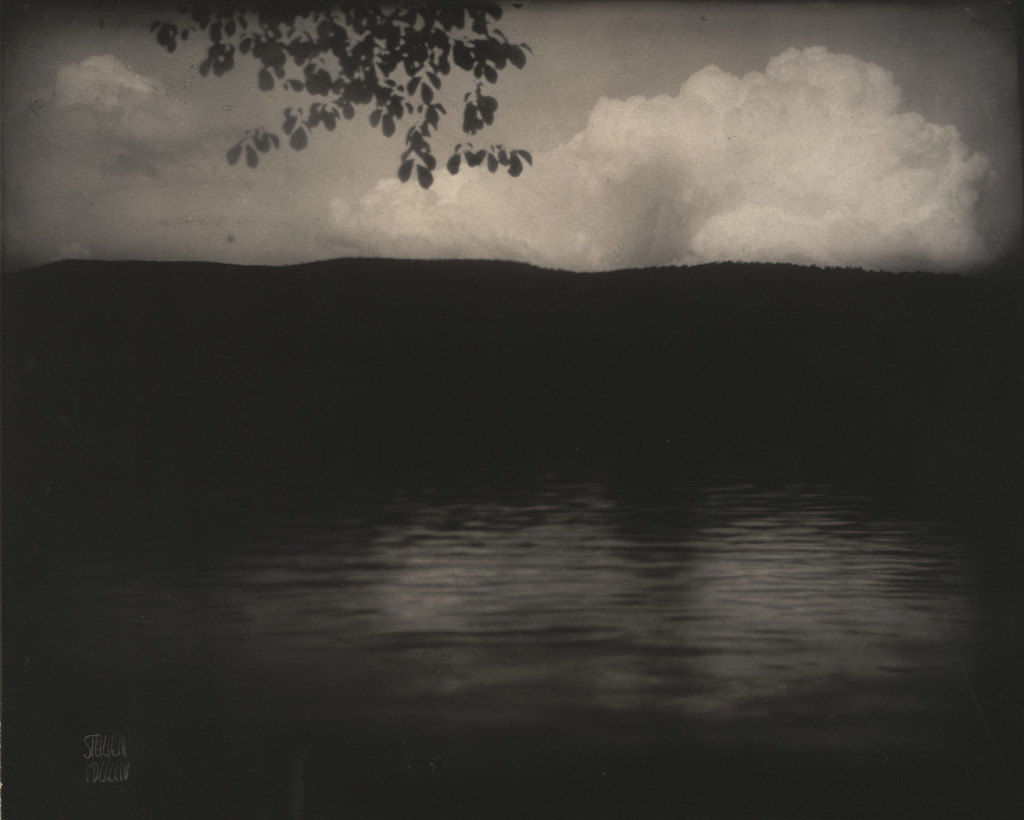
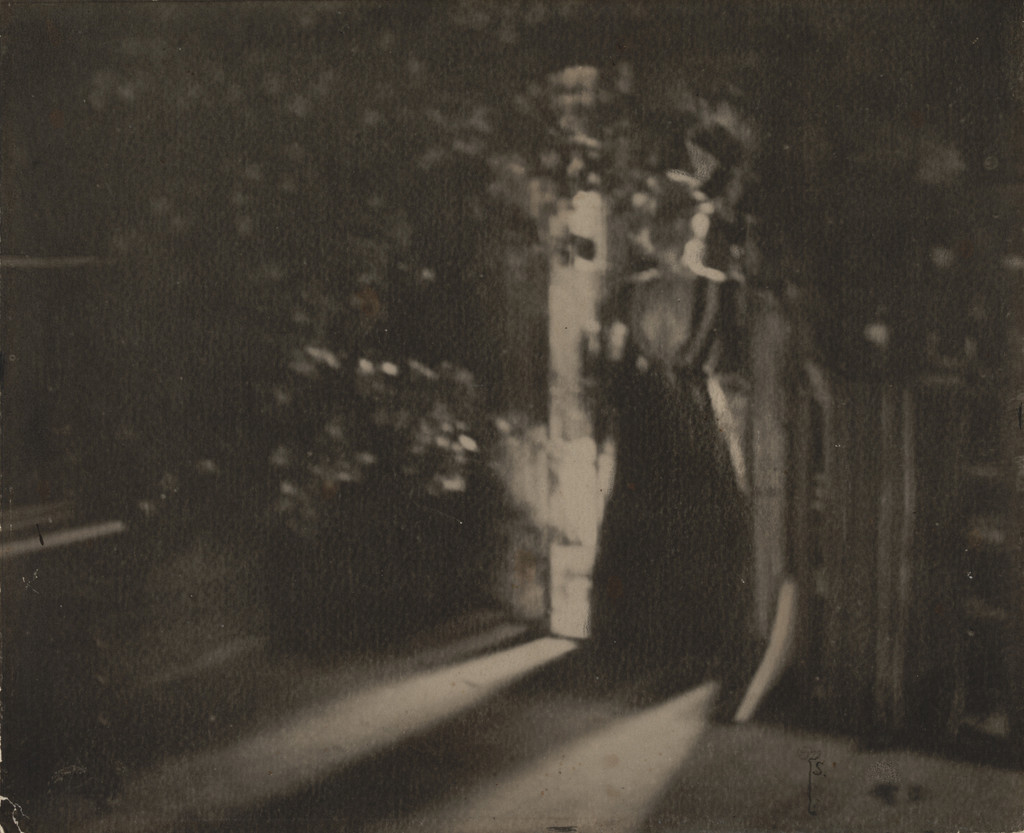
Beekje in een bos
見られますか?
不明
『Beekje in een bos』は今どこに? 所蔵: アムステルダム国立美術館, アムステルダム. 不明.

アムステルダム, オランダ
所蔵者は判明していますが、現在展示中かどうかは不明です。
- 出典
- 美術館
作品データ
- 収蔵番号
- RP-F-2001-7-968-4-185
描かれているもの
カタログ収録
出典
- アムステルダム国立美術館
- 画像: アムステルダム国立美術館 — © the artist or rights holder
その頃、Edward Steichenの人生では
生涯をすべて見る1894
Pio Nono College and a lithography apprenticeship
At fifteen he enters the Catholic boys’ school Pio Nono College, where his talent for drawing is noticed; he later quits it for a four-year lithography apprenticeship with the American Fine Art Company in Milwaukee. After hours he sketches and begins to teach himself painting.
1895
First camera: the start of photography
Having discovered a camera shop near his work, he buys a secondhand Kodak box “detective” camera and begins to practise photography. He and his friends, who are interested in drawing and photography, then pool their funds and rent a small room in Milwaukee, calling themselves the Milwaukee Art Students League and hiring Richard Lorenz and Robert Schade for occasional lectures.
1899
Photographs at the Philadelphia Salon
His photographs are exhibited at the second Philadelphia Photographic Salon.
1900
Meets Stieglitz on the way to Paris
He leaves Milwaukee for Paris to study art; on a letter of introduction from Clarence H. White he meets Alfred Stieglitz in New York, who praises his background in painting and buys three of his photographic prints. He will spend several years in Paris and discover avant-garde art there.
1900
American citizenship
He becomes a US citizen and signs the naturalization papers as Edward J. Steichen, but goes on using his birth name, Éduard, until after the First World War.
1902
The Camera Work logo and the Photo-Secession
When Stieglitz is planning the magazine that becomes Camera Work, he asks Steichen to design its logo with a custom typeface; Steichen becomes the most frequently shown photographer in the journal. In the same year he is one of the founders of the Photo-Secession in New York.







![[Eine Gruppe von Bäumen mit Ausblick; Clump of Trees with a Vista; Le bouquet de bois], Rembrandt, 1652](https://diglib.hab.de/varia/haum/rembrandt-v3-4667/max/000001.jpg)
