 Wenceslaus HollarRepubblica Ceca, Inghilterra, 1607–1677
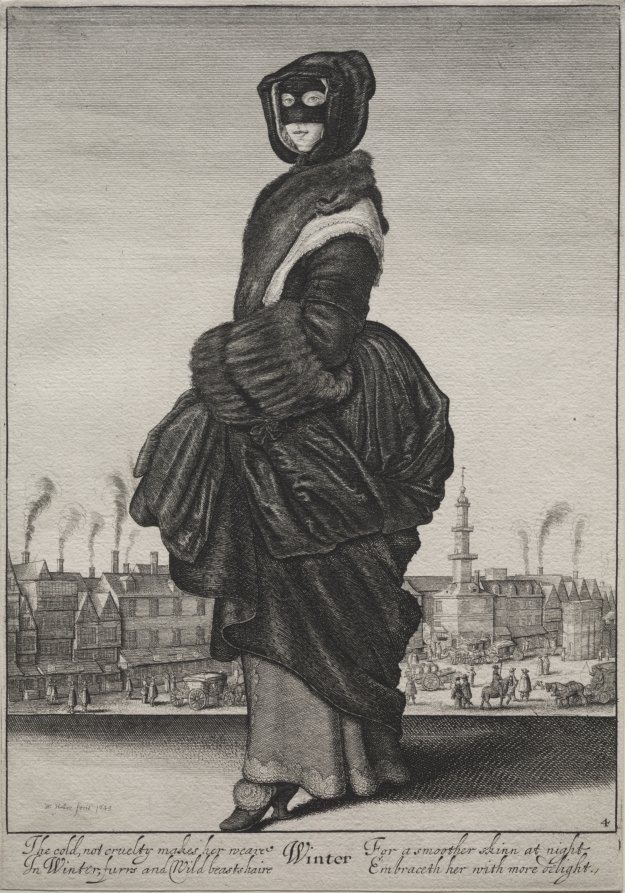
Winter
Si può ammirare?
Al momento non riceve

Cleveland Museum of Art
Cleveland, Stati Uniti
Appartiene alla collezione, ma al momento non è esposta.
- Verificato
- Ultimo cambio di stato
- Fonte
- I dati di collezione del museo stesso
Sull’opera
Increments of time, such as the seasons, were one of the most popular subjects for printed sets. Wenceslaus Hollar alone made six different versions. Hollar was a professional printmaker with over 3,000 prints to his credit. Born in Bohemia, he worked in Germany, London, and Antwerp. He came to London in 1636 while in the employ of the Earl of Arundel, an important collector that Hollar met in Germany. Apparently free to pursue independent projects, Hollar designed and etched this series around 1643–44. Here, each season is personified by elegantly clad ladies, appropriately dressed for their particular climate, with recognizable landmarks in and around London in the backgrounds. The inscriptions, in an older version of English, are slightly suggestive, in keeping with the lighthearted character of the imagery. The building on the extreme right is the Tun.
Read on
It was built in 1283 and served as a lockup for drunks and other public offenders. The inscription reads: "The cold, not cruelty makes her wear / In Winter, furs and Wild beasts hair / For a smoother skin at night, / Embrace her with more delight."
Cleveland Museum of Art
Scheda
- Numero di inventario
- 1959.317.4
In catalogo
Fonti
- Cleveland Museum of Art: the museum's own open data · acquisita 7 giorni fa
- Immagine: Cleveland Museum of Art — Museum open access
Nel frattempo, nella vita di Wenceslaus Hollar
Tutta la vita4 July 1641
Marries a lady-in-waiting to the Countess of Norfolk
On 4 July 1641 he marries Tracy, a lady-in-waiting to the Countess of Norfolk; they have two children.
by 1642
Enters the service of the Duke of York
By 1642 Arundel had left England, and Hollar passed into the service of the Duke of York, taking his young family with him.
1643–1644
Endures the siege of Basing House with fellow royalist artists
With other royalist artists, notably Inigo Jones and the engraver William Faithorne, he stands the long siege of Basing House; some hundred plates by his hand are dated 1643 and 1644. The Civil War, despite his productivity, adversely affected his income.
1645
Captured by parliamentary forces, he escapes
Hollar joins the Royalist Regiment and is captured by parliamentary forces in 1645 during the siege of Basing House; after a short time he manages to escape.
![Bride, from "Dance of Death", Wenceslaus Hollar, [1651] late 18th century printing](https://images.metmuseum.org/CRDImages/dp/web-large/DP822840.jpg)