ART WIKI32.963 in sala
MappaCollezioneArtistiMuseiMostreRivista
Accedi

ART WIKI

Dove è appeso il capolavoro, e quando si può entrare.

Collezioni: Art Institute of Chicago, Cleveland Museum of Art, Ermitage, Galleria Tret'jakov, Getty Museum, Harvard Art Museums, Hirshhorn Museum and Sculpture Garden, Metropolitan Museum of Art, Minneapolis Institute of Art, Museo del Louvre, Museo Puškin delle belle arti, Museo russo, Museum of Modern Art, National Gallery of Art, National Museum of Asian Art, National Portrait Gallery, Rijksmuseum, Smithsonian American Art Museum, Statens Museum for Kunst, Victoria and Albert Museum, Villa Getty, Whitney Museum of American Art, Catalogo statale del fondo museale russo (274 musei), Europeana (19 musei), Wikidata (6 musei), Paris Musées (12 musei) e Joconde, la banca dati dei musei del Ministero della Cultura francese (495 musei). Le immagini appartengono ai titolari dei diritti.

Sezioni

  • Mappa
  • Ricerca
  • Collezione
  • Capolavori
  • Esposte ora
  • Artisti

Altro

  • Musei e gallerie
  • Mostre
  • Rivista
  • Da dove vengono i dati
  • Privacy e cookie
HomeMappaCatalogo
  1. Collezione/
  2. Victoria and Albert Museum/
  3. Winged Puto
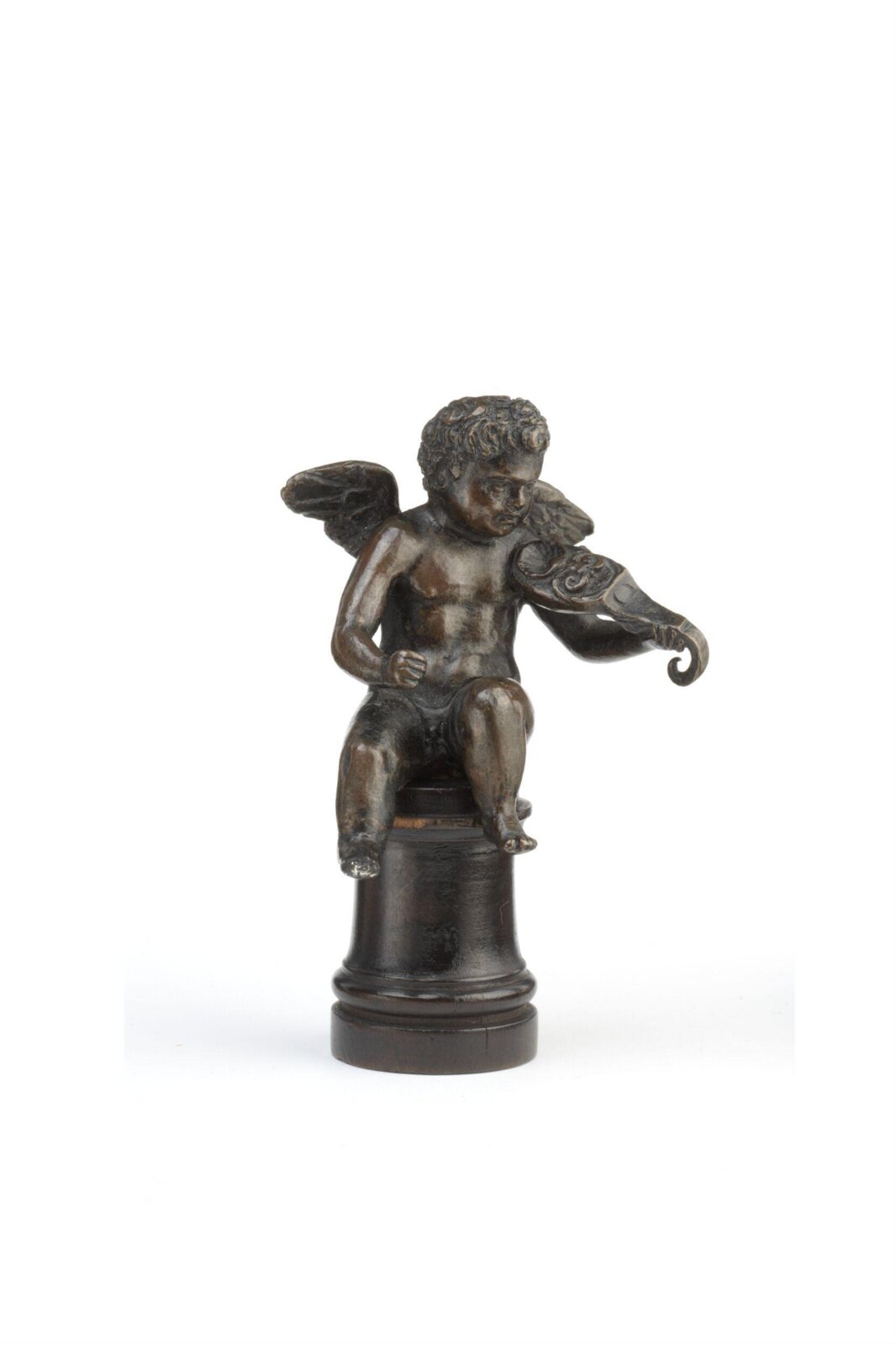
Winged Puto, Andrea Riccio, 1500-1515

Winged Puto

1500-1515 · Statuette

Sulla scultura

This bronze figure of a winged putto makes ready to play a fantastic type of fiddle, presumably with a now missing bow. The impractical fiddle is loosely related to the rebec, an unfretted instrument that originated in the Middle East and became particularly popular in Europe during the medieval and Renaissance period. Winged putti - also known in the Renaissance as erotes or more often spiritelli - were extremely popular as decorative motifs, and they populated a vast array of objects. Taking a variety of forms and meanings, they sometimes represented different spirits (as their name suggests) and were believed to govern the senses and emotions. This tiny example is deftly modelled to create the impression of vibrant movement. The rebec-style instrument may suggest a rustic setting, perhaps reflecting the owner's interests in Arcadian literature that was popular amongst the scholars of the university at Padua, in whose orbit Riccio worked.

Continua a leggere

Similar music-playing winged putti are found on a much larger scale on Riccio's masterpiece, the Paschal Candelabrum in the Basilica of St Anthony in Padua, which now stands to the side of the High Altar. The same spirit can be seen in his small-scale works, such as the putto riding a dolphin on the lid of the Cadogan Lamp (V&A: 137-1865), the largest of the known lamps by Riccio. This has led to the suggestion that this putto once decorated such a lamp, which would, however, have to be on a much larger scale to support this figure.

Victoria and Albert Museum

Scheda

1500-1515
14701532
Numero di inventario
A.3-1972

Nel frattempo, nella vita di Andrea Briosco, called Riccio

Tutta la vita
  1. 1506–1524 · Luogo di lavoro

    Padua

  2. 1511 · Luogo di lavoro

    Venice

  3. 1516–1521 · Luogo di lavoro

    Verona
Altre opere di Andrea Briosco, called Riccio

Tutte le opere

Nella stessa sala · Sculpture, Room 111, The Gilbert Bayes Gallery, Victoria and Albert Museum

Pagina del museo

Sullo stesso tema · Putto

Tutte le opere sul tema
Andrea Briosco, called Riccio, ritrattoAndrea Briosco, called RiccioItalia, 1470–1532

Si può ammirare?

Sì, riceve visite

Victoria and Albert Museum

Londra, Regno Unito

SalaSculpture, Room 111, The Gilbert Bayes Gallery

Esposta al pubblico. Chi lo garantisce è indicato qui sotto.

Verificato
12 giorni fa
Ultimo cambio di stato
25 set 2026
Fonte
Il museo
Sulla mappaPagina del museo

Che cosa raffigura

Putto

In catalogo

SculturaBronzoRinascimentoXVI secoloPadua

Fonti

  • Victoria and Albert Museum
  • Immagine: Victoria and Albert Museum — © Victoria and Albert Museum, London
Rothschild lamp, Andrea Briosco, called Riccio, ca. 1510–20

Rothschild lamp

ca. 1510–20 · Metropolitan Museum of Art

Striding Pan, Andrea Briosco, called Riccio, 1530–1539

Striding Pan

1530–1539 · Metropolitan Museum of Art

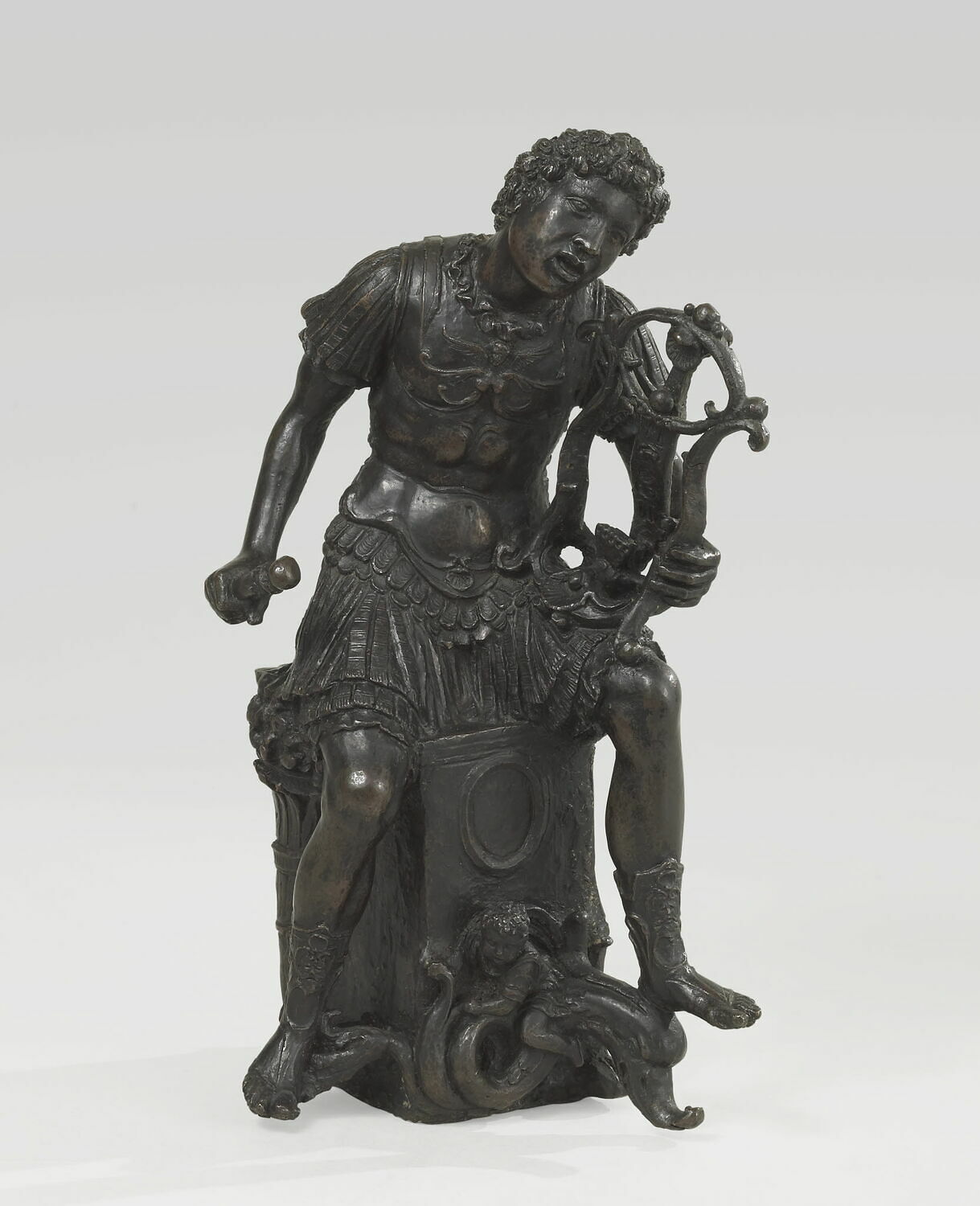
Statuette : Arion, Riccio, Renaissance (Occident)

Statuette : Arion

Renaissance (Occident) · Museo del Louvre

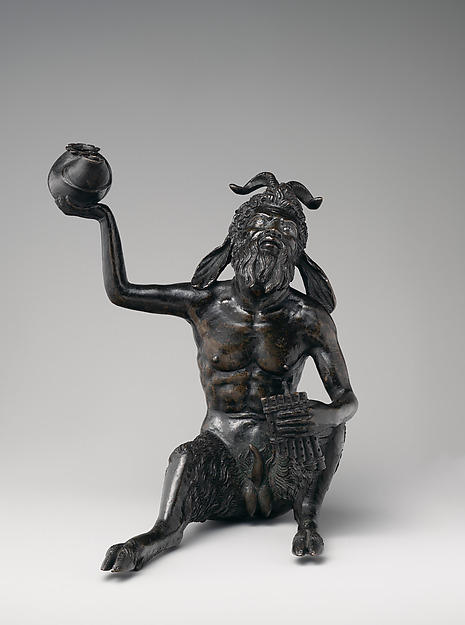
Seated satyr with silvered eyes, Andrea Briosco, called Riccio, second quarter of the 16th century

Seated satyr with silvered eyes

second quarter of the 16th century · Metropolitan Museum of Art

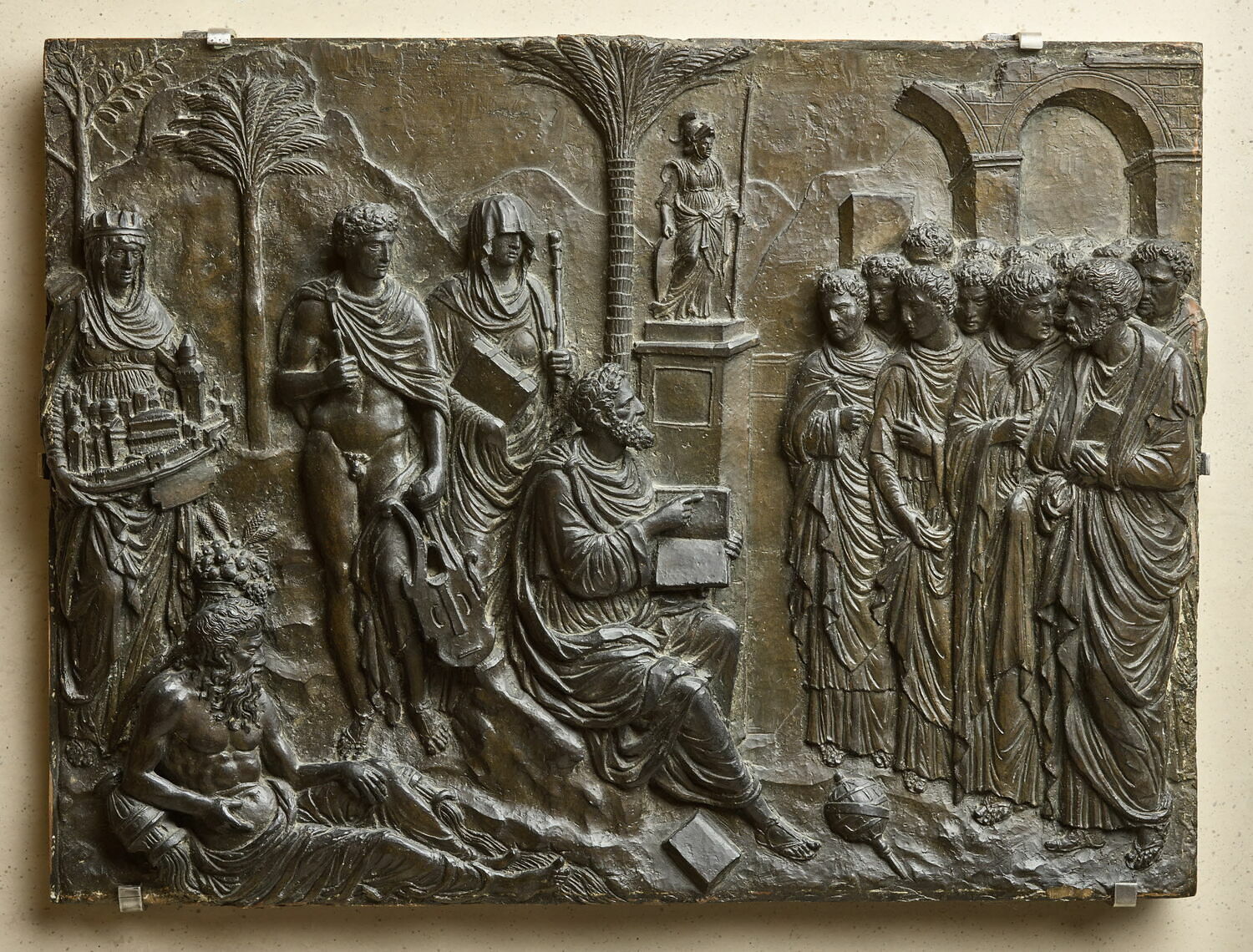
Bas-relief : enseignement, Riccio, Renaissance (Occident)

Date de création/fabrication : 1516 - 1521

Bas-relief : enseignement

Renaissance (Occident) Date de création/fabrication : 1516 - 1521 · Museo del Louvre

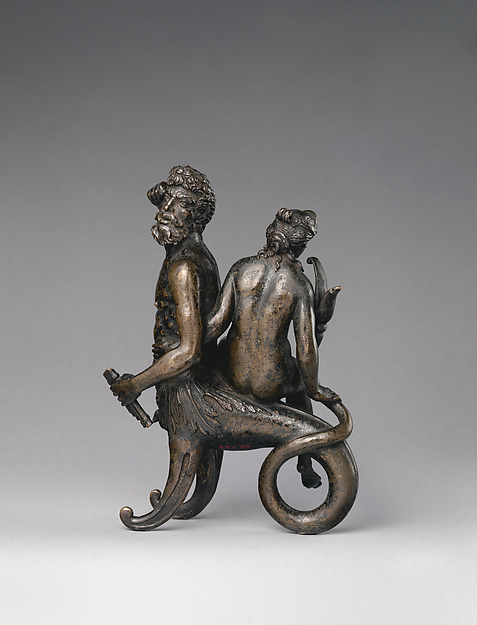
Triton and Nereid, Andrea Briosco, called Riccio, after 1532–before ca. 1550

Triton and Nereid

after 1532–before ca. 1550 · Metropolitan Museum of Art

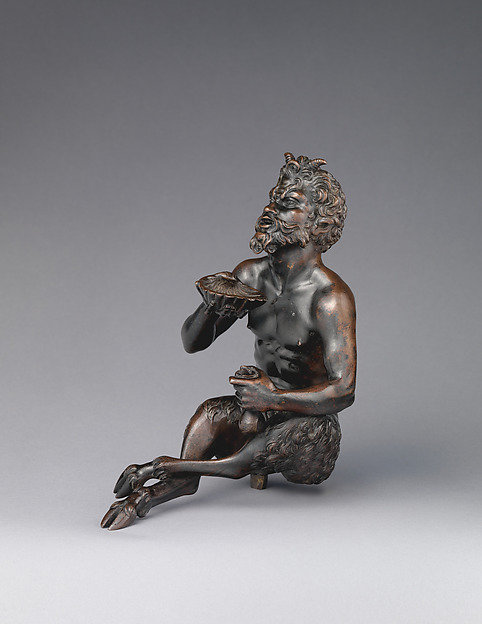
Seated satyr with a shell, Andrea Briosco, called Riccio, after 1600

Seated satyr with a shell

after 1600 · Metropolitan Museum of Art

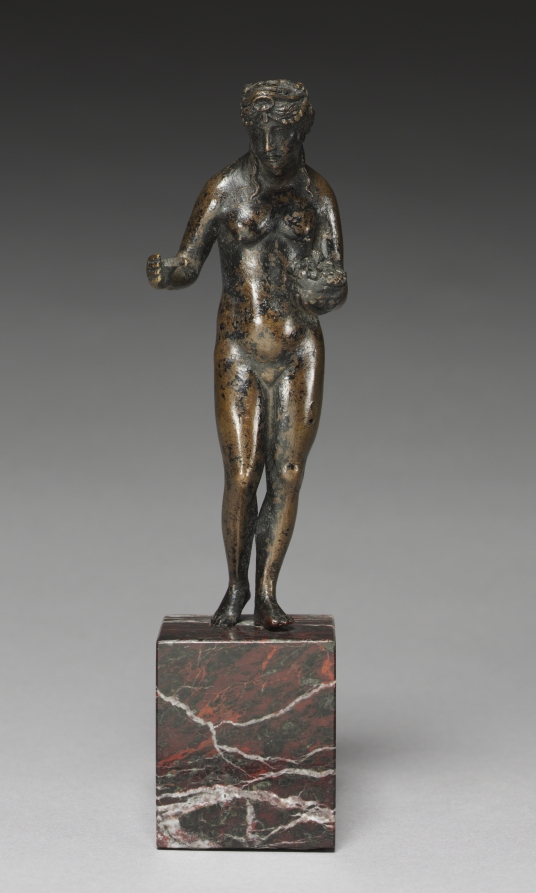
Pomona, Andrea Riccio, c. 1500

Pomona

c. 1500 · Cleveland Museum of Art

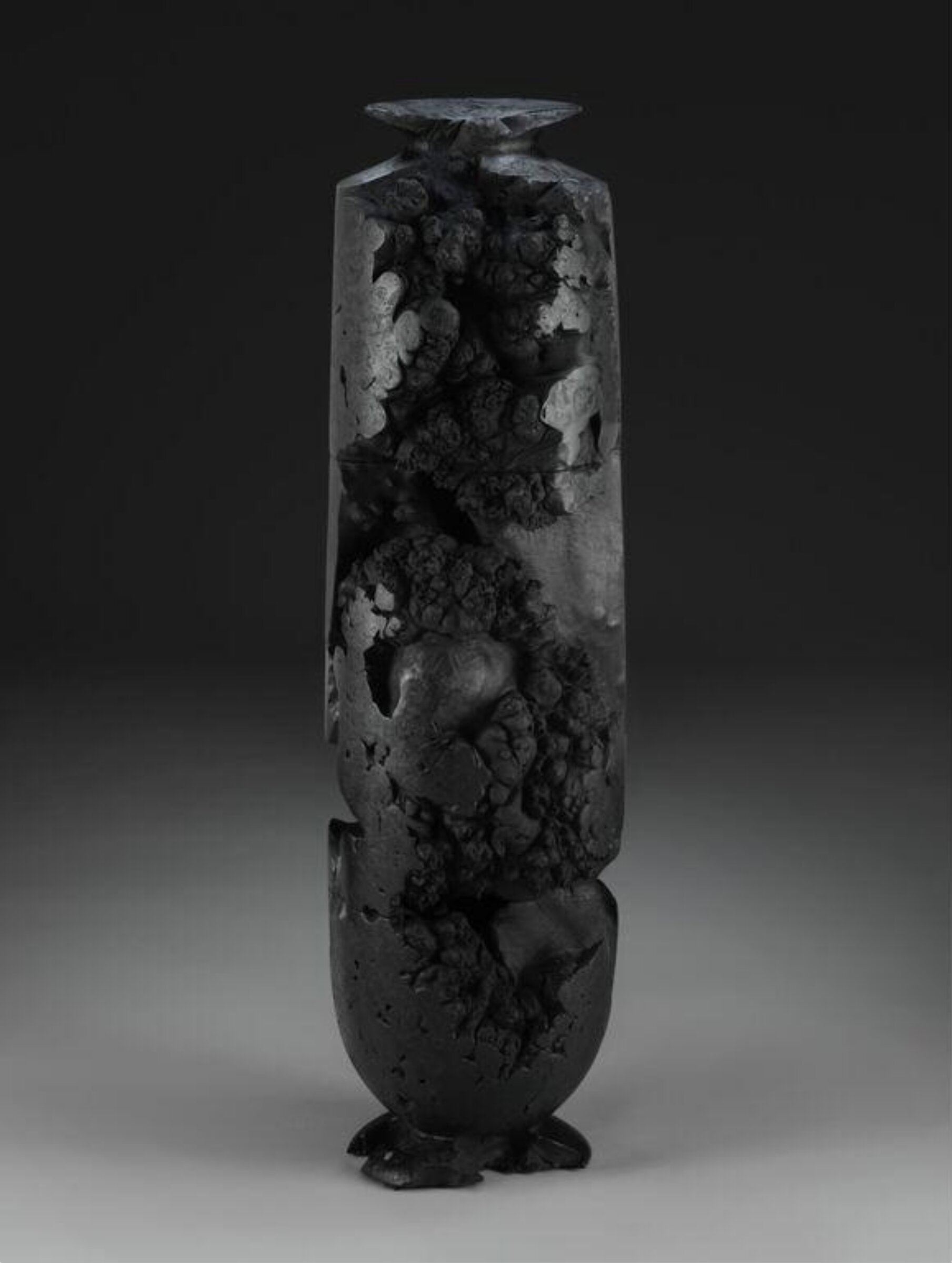
Echoes of Amphora: Column Vessel I/20, Eleanor Lakelin, 2020

Eleanor Lakelin

Echoes of Amphora: Column Vessel I/20, 2020

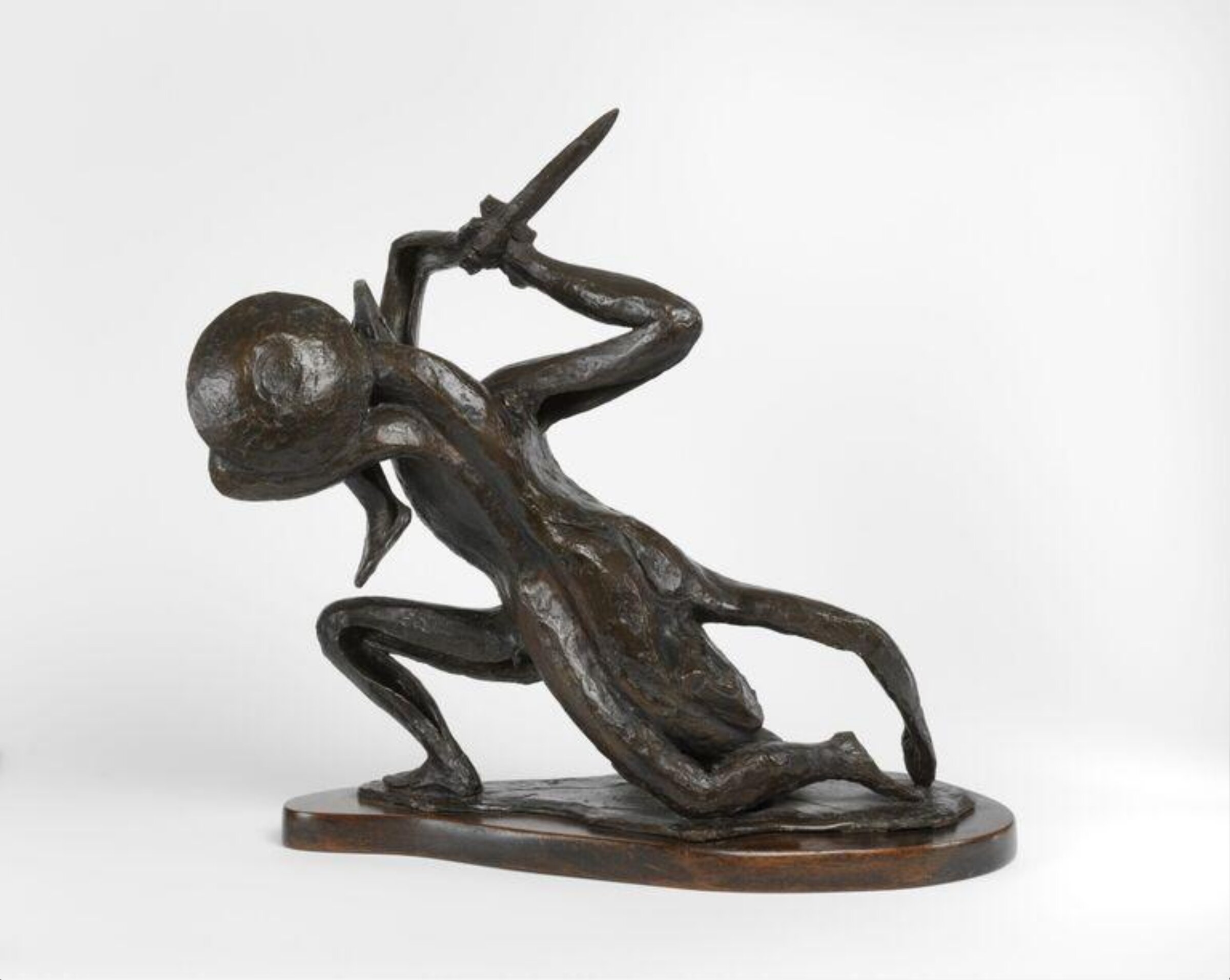
Gladiators: Hector and Ajax (Combat), Leon Underwood, 1963

Leon Underwood

Gladiators: Hector and Ajax (Combat), 1963

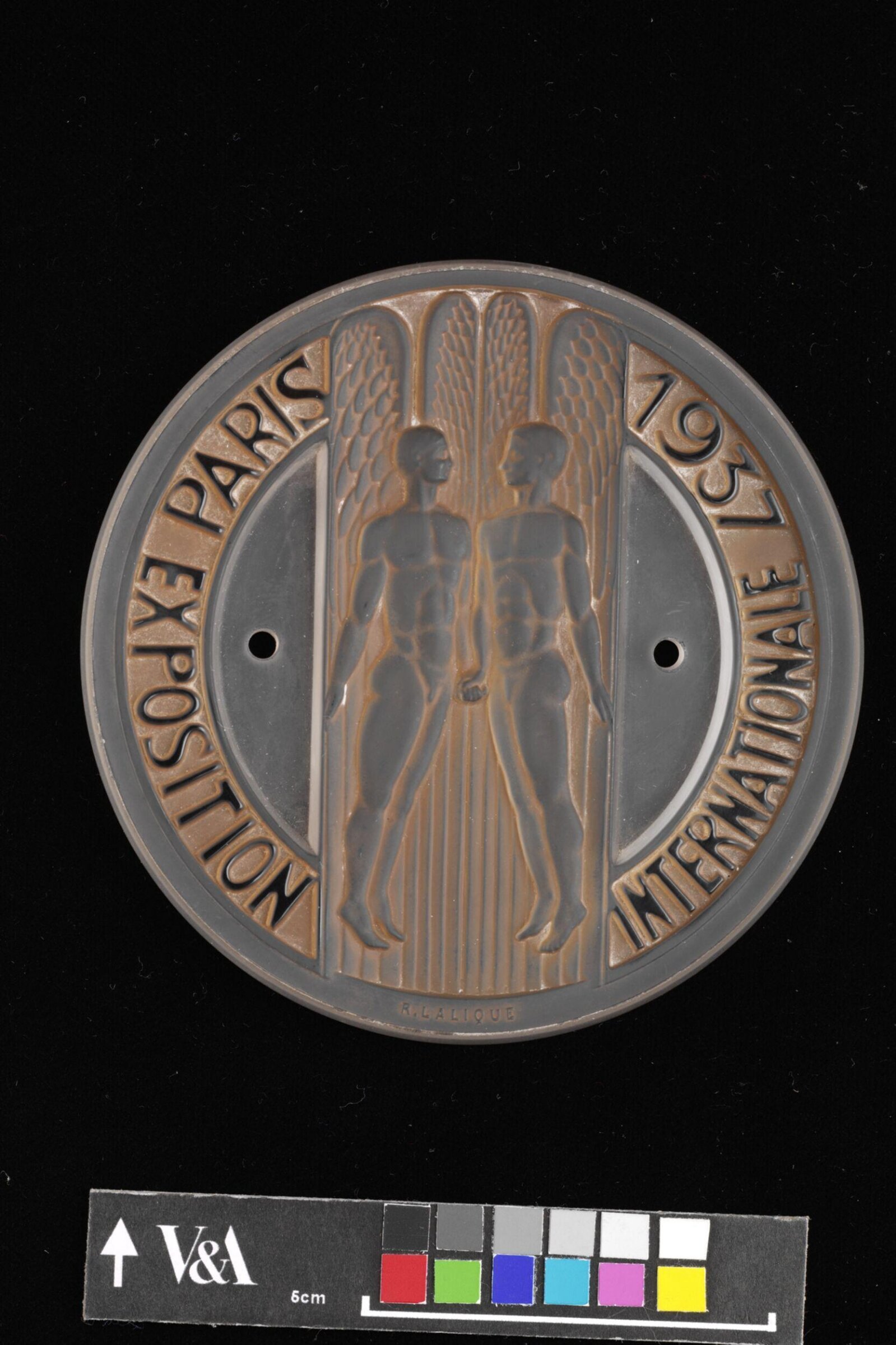
Plaque, René Jules Lalique, 1937

René Lalique

Plaque, 1937

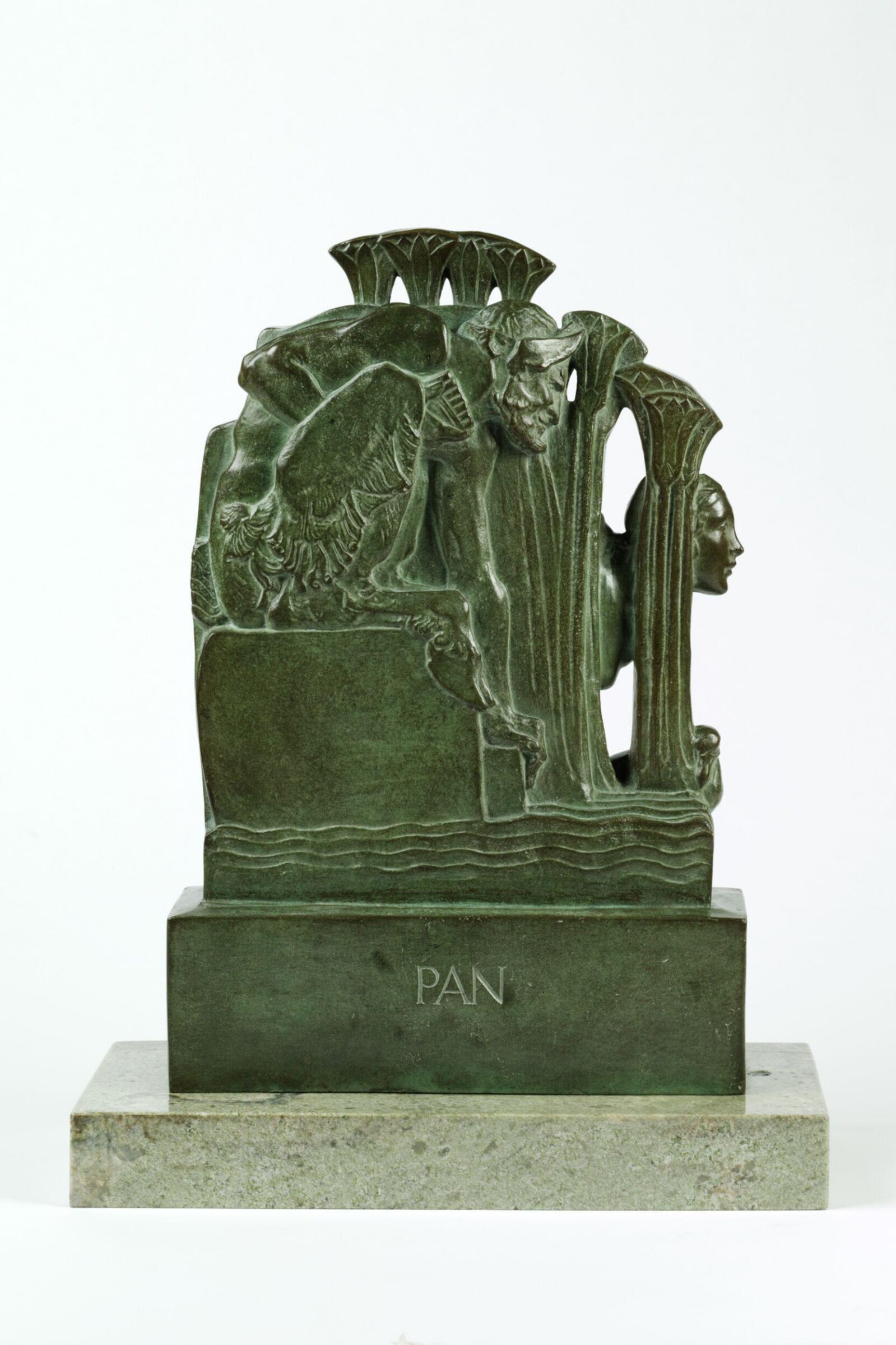
The Lure of the Pan Pipes, Gilbert Bayes, 1932

Gilbert Bayes

The Lure of the Pan Pipes, 1932

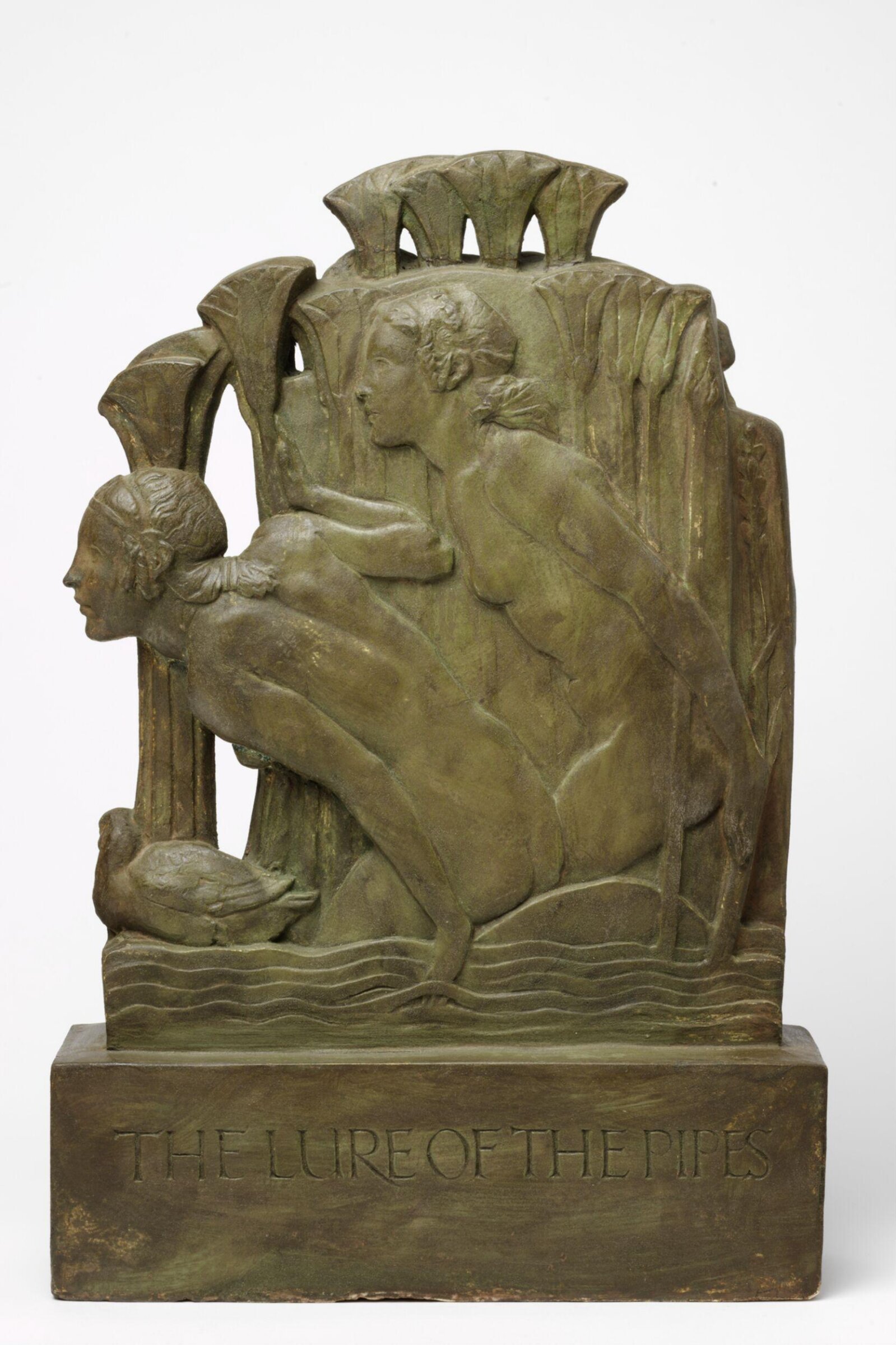
The Lure of the Pan Pipes, Gilbert Bayes, 1932

Gilbert Bayes

The Lure of the Pan Pipes, 1932

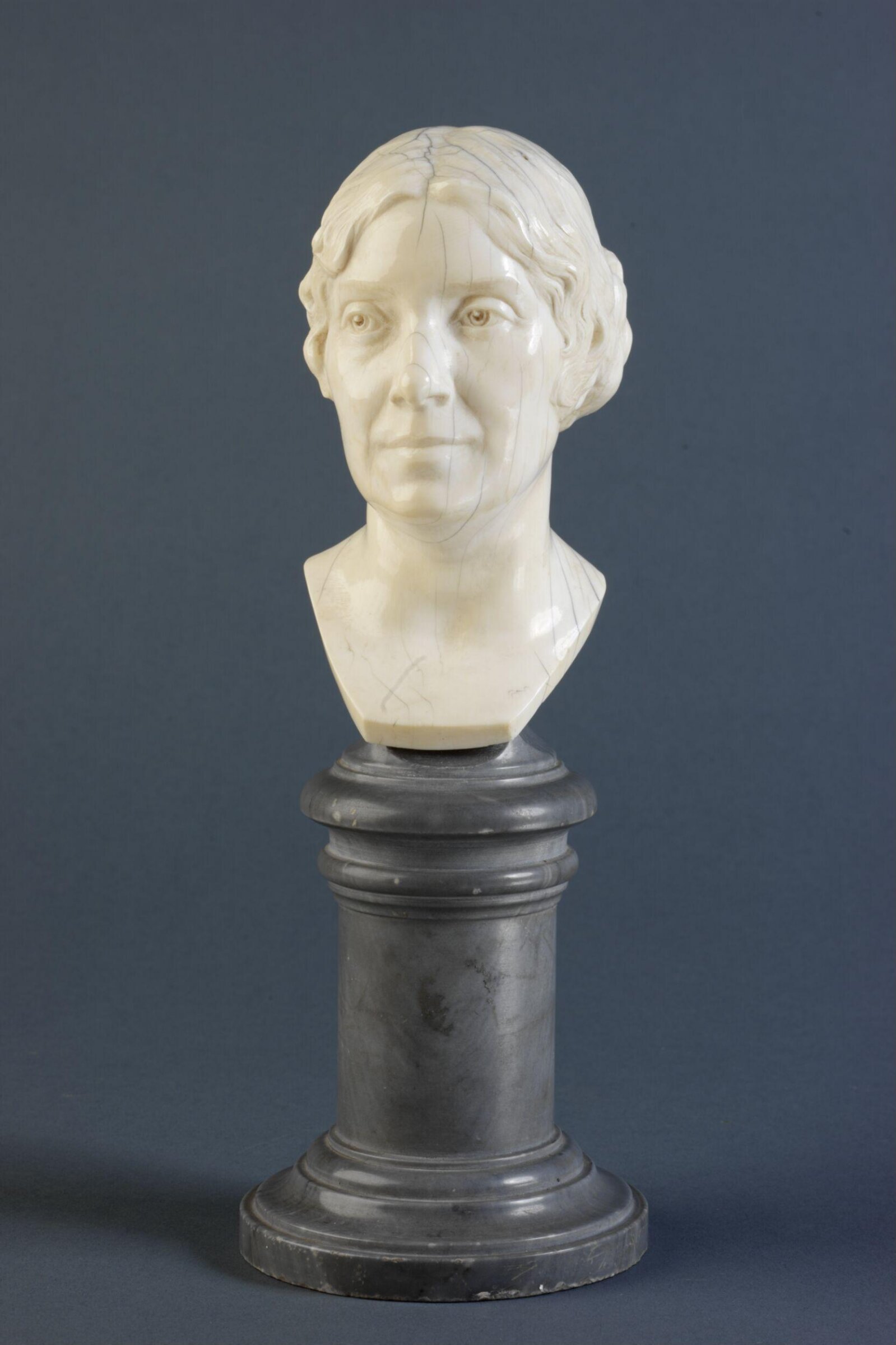
Emmeline Pankhurst, Arthur George Walker, ca. 1929

Arthur George Walker

Emmeline Pankhurst, ca. 1929

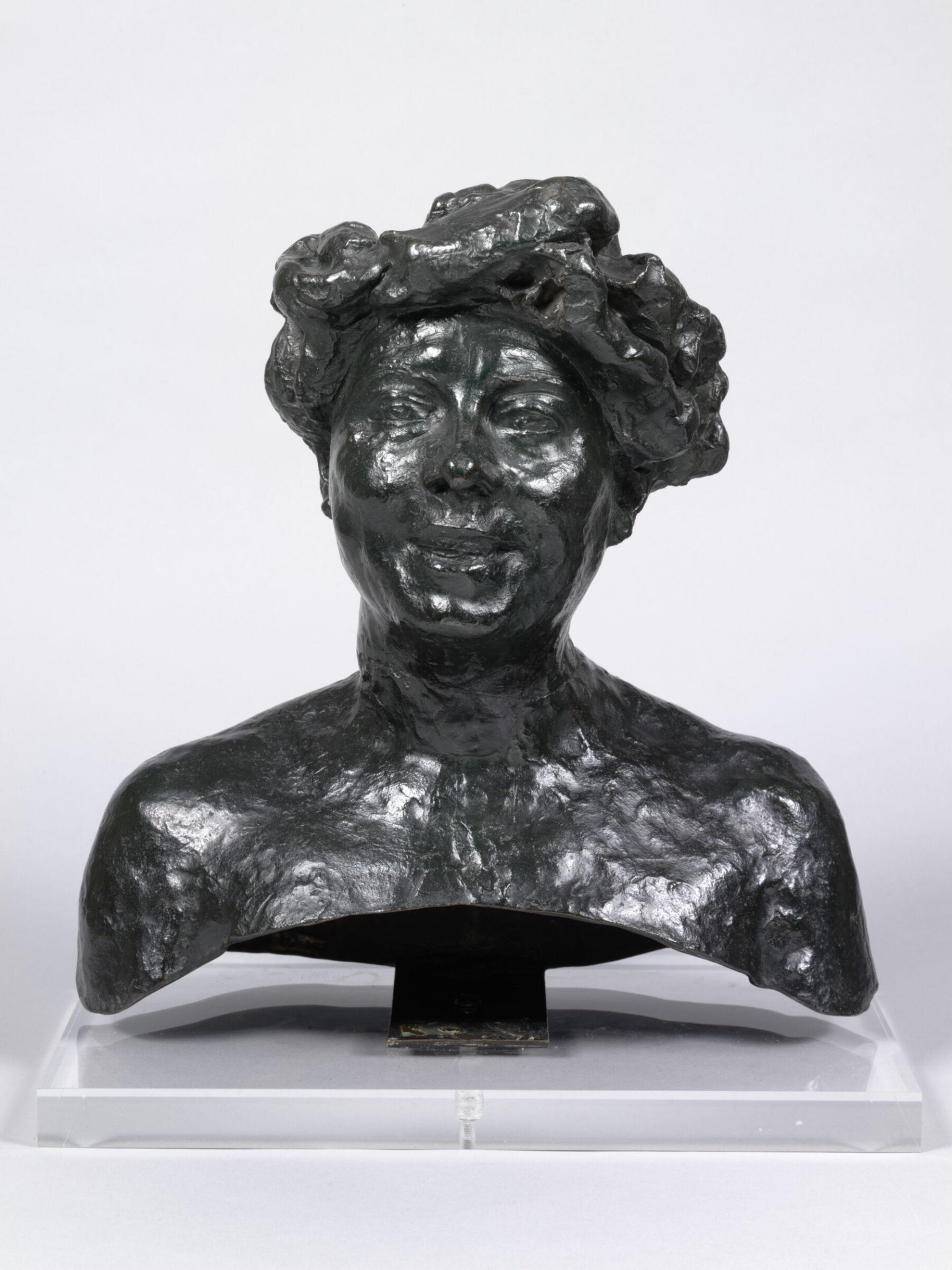
The Duchesse de Choiseul, Auguste Rodin, 1908

Auguste Rodin

The Duchesse de Choiseul, 1908

St Elizabeth, George James Frampton, 1902

George James Frampton

St Elizabeth, 1902

Die Heilige Sippe mit zwei musizierenden Engelknaben, Albrecht Dürer, 1511

Albrecht Dürer

Die Heilige Sippe mit zwei musizierenden Engelknaben, 1511

Herzog Anton Ulrich-Museum

Die Eifersucht, Albrecht Dürer, 1498–1499

Albrecht Dürer

Die Eifersucht, 1498–1499

Herzog Anton Ulrich-Museum

Meleagar und Atalanta, Peter Paul Rubens, 1674–1684

Peter Paul Rubens

Meleagar und Atalanta, 1674–1684

Herzog Anton Ulrich-Museum

Thetis in der Schmiede des Vulkan, Anthony van Dyck, 1686

Anthony van Dyck

Thetis in der Schmiede des Vulkan, 1686

Herzog Anton Ulrich-Museum

Christus wird von Engeln betrauert, Jusepe de Ribera, 17th century

Jusepe de Ribera

Christus wird von Engeln betrauert, 17th century

Herzog Anton Ulrich-Museum

[Ausschnitt aus dem Fresko der Himmelfahrt Maria], Antonio da Correggio, 1697

Antonio da Correggio

[Ausschnitt aus dem Fresko der Himmelfahrt Maria], 1697

Herzog Anton Ulrich-Museum

Die Madonna des heiligen Georg, Antonio da Correggio

Antonio da Correggio

Die Madonna des heiligen Georg

Gemäldegalerie Alte Meister

Apotheose der Bildenden Künste, Charles Le Brun, 1639–1690

Charles Le Brun

Apotheose der Bildenden Künste, 1639–1690

Herzog Anton Ulrich-Museum