Henri Cartier-BressonFrancia, 1908–2004
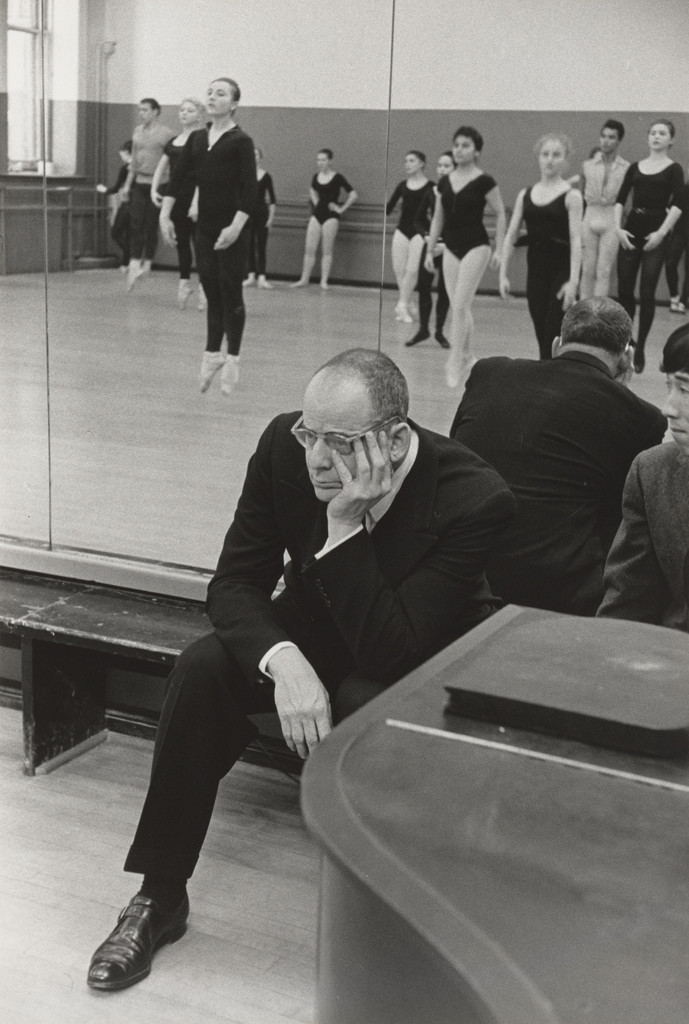
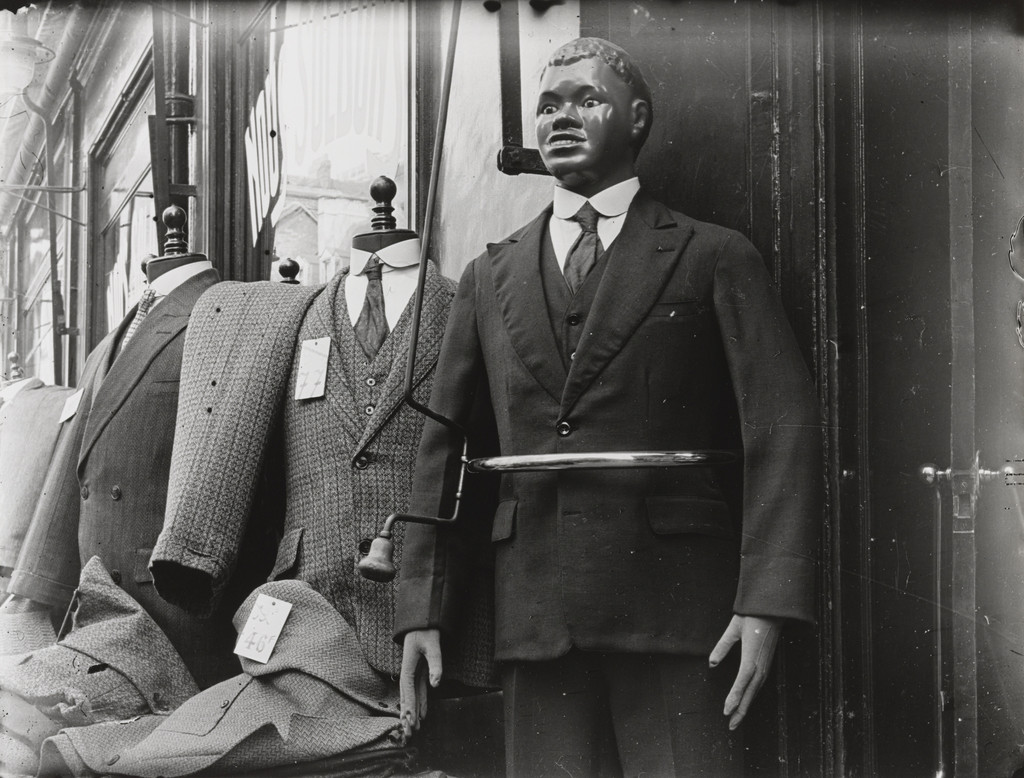
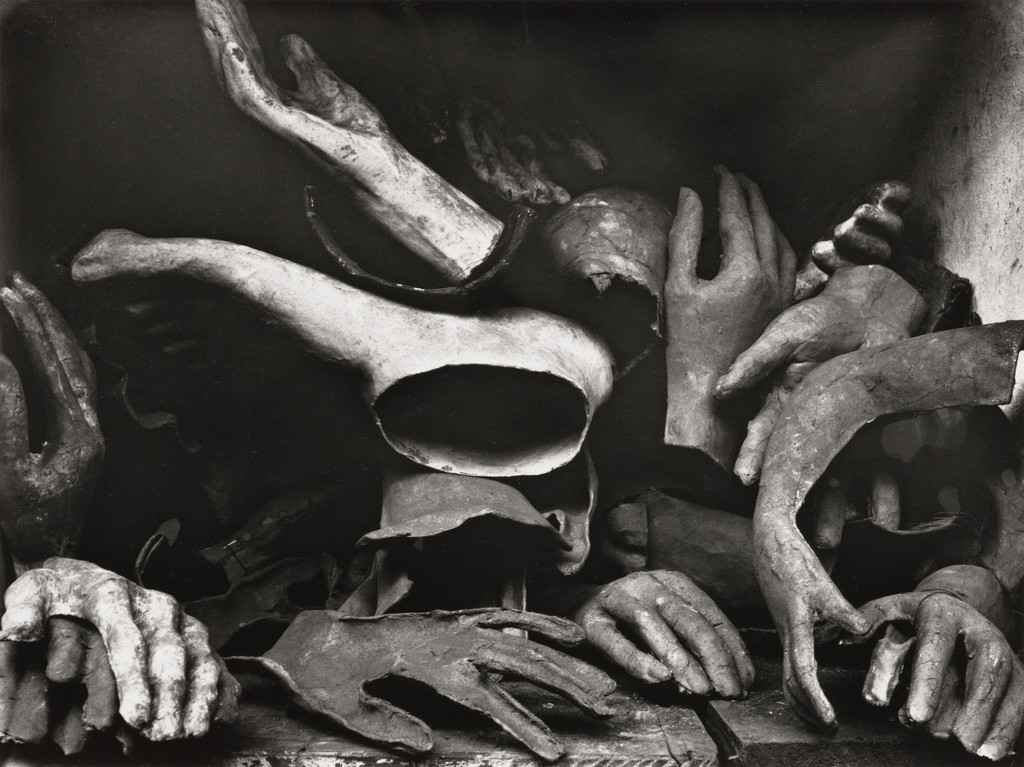
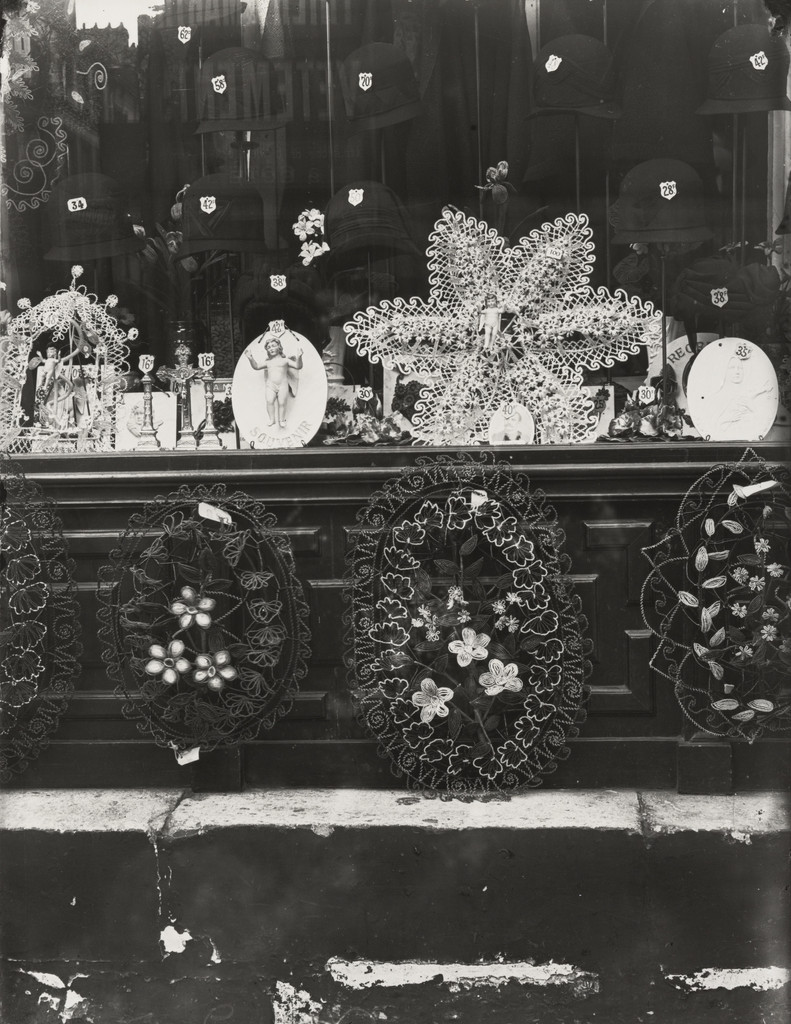
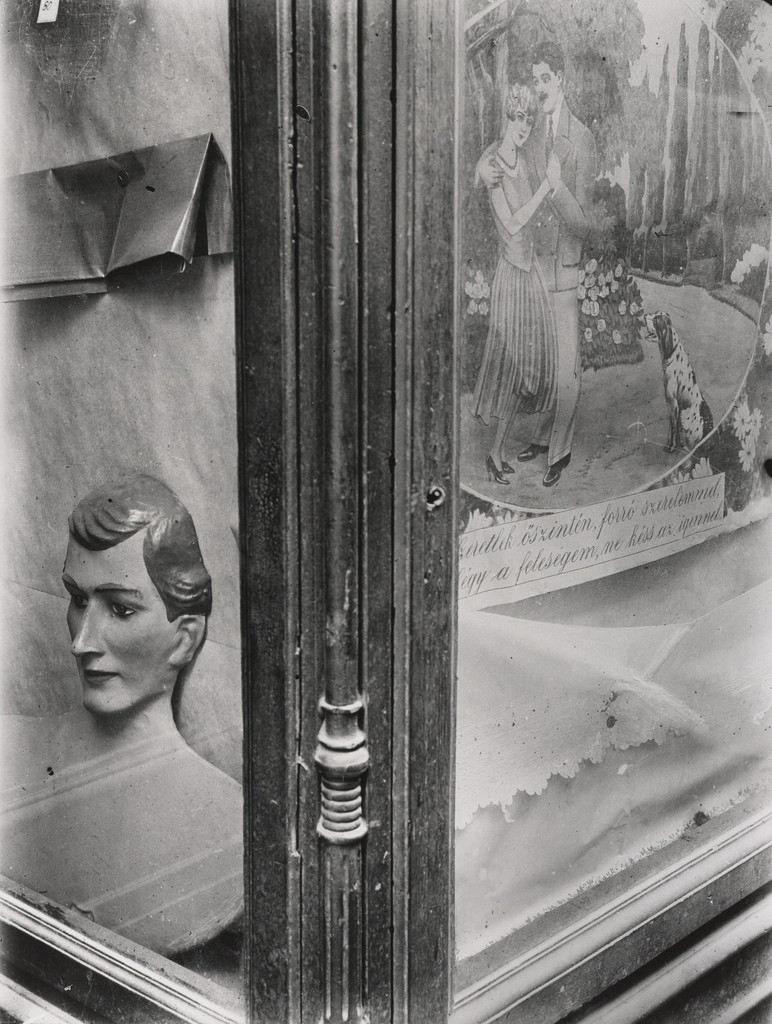
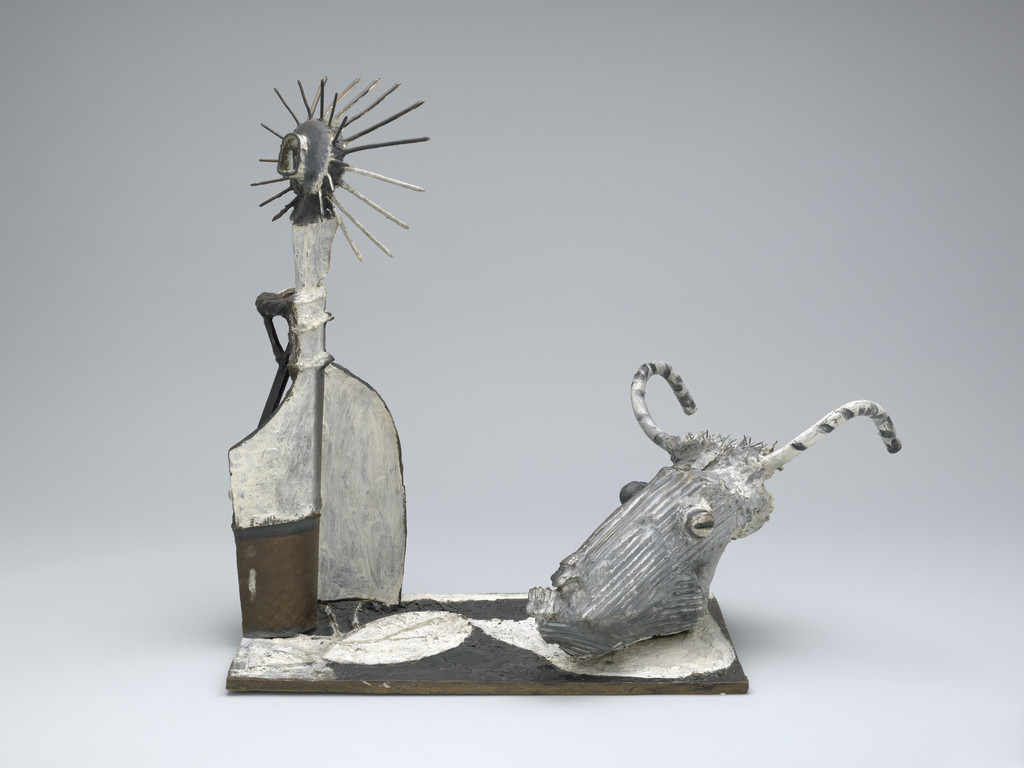
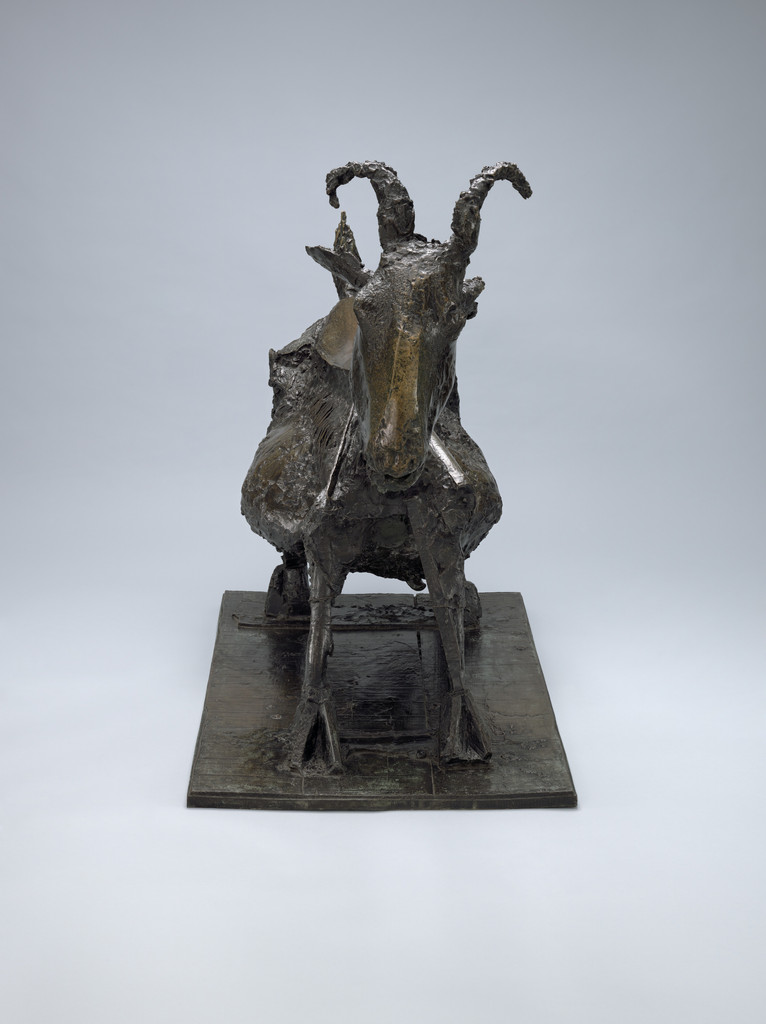
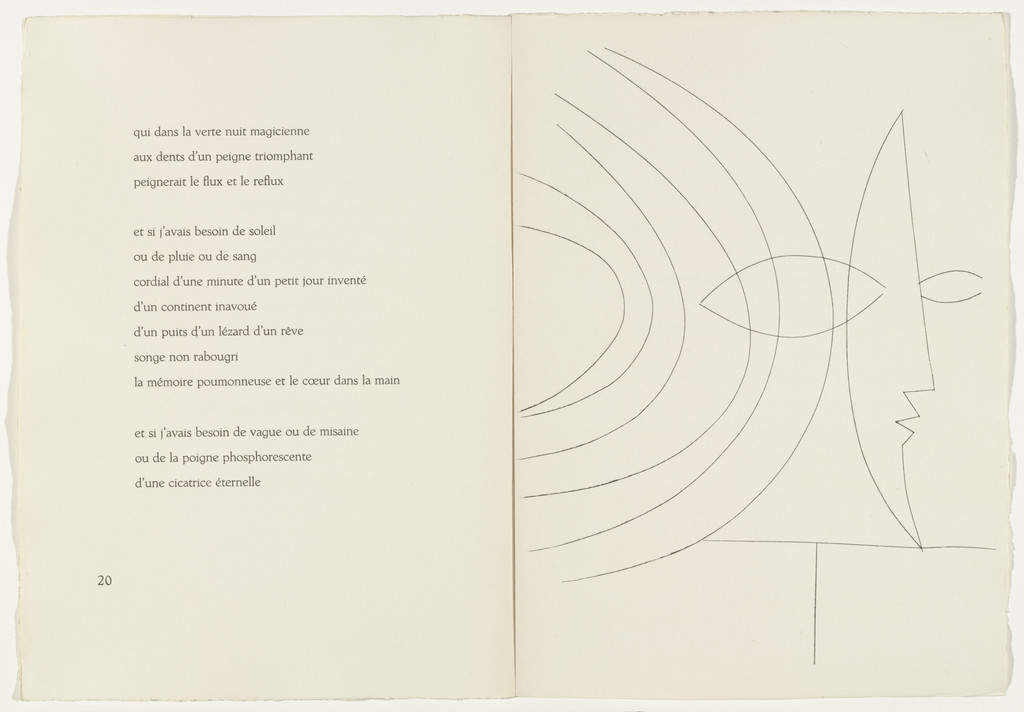
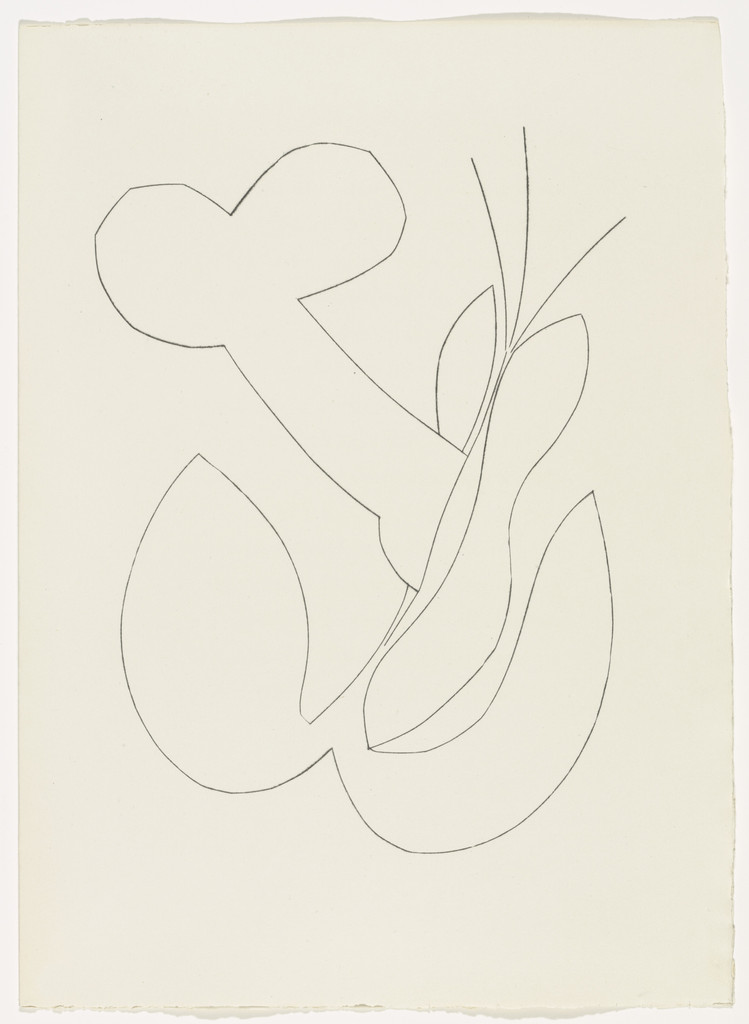
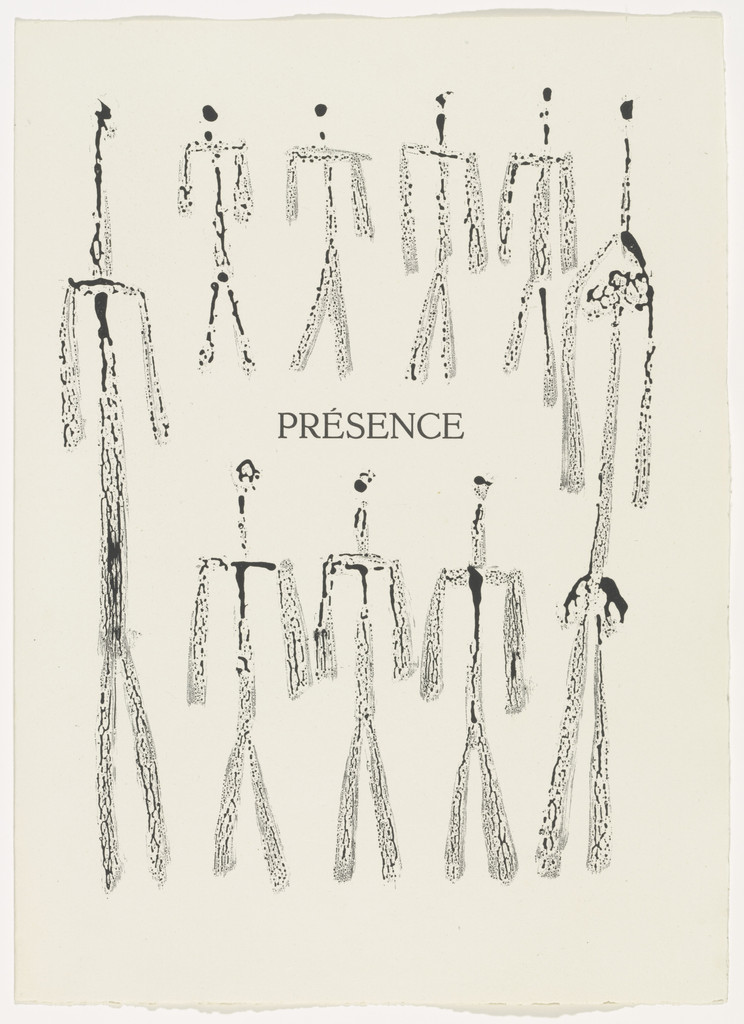
Untitled
Si può vedere?
Non esposta al momento
Dove si trova «Untitled» oggi? Collezione: Museum of Modern Art, New York. Non esposta al momento. Verificato 22 settembre 2026.

New York, Stati Uniti
Appartiene alla collezione, ma al momento non è esposta.
- Verificato
- Fonte
- Il museo
Scheda
- Numero di inventario
- 204.1989
In catalogo
Fonti
- Museum of Modern Art
- Immagine: Museum of Modern Art — © the artist or rights holder
Nella vita di Henri Cartier-Bresson
Tutta la vita1920s
The Surrealists at the Café Cyrano
In the 1920s he began to socialise with the Surrealists at the Café Cyrano on the Place Blanche, met leading figures of the movement and was drawn to its use of the subconscious and the immediate; dissatisfied with his own experiments, he destroyed most of his early paintings.
1929–1930
Harry Crosby gives him his first camera
His squadron commander put him under house arrest for hunting without a licence, and the American expatriate Harry Crosby, who had him released into his custody for a few days, gave him his first camera; they took and printed pictures at Crosby’s home, Le Moulin du Soleil, in Ermenonville.
1930–1932
Blackwater fever and instructions for his own funeral
In Côte d’Ivoire he contracted blackwater fever, which nearly killed him; still feverish, he sent his grandfather instructions for his own funeral — in Normandy, at the edge of the Eawy Forest, with Debussy’s String Quartet played.
1930–1932
Escape to Africa: Côte d’Ivoire
After reading Conrad’s “Heart of Darkness” in the army he decided to escape and seek adventure in Côte d’Ivoire; he lived by shooting game and selling it to villagers, and later carried methods learned hunting into his photography. Only seven photographs survived the tropics, although he had taken a portable camera smaller than a Brownie.
1931–1932
Munkácsi’s photograph, a Leica and the choice of photography
Recovering in Marseille, he saw Martin Munkácsi’s photograph “Three Boys at Lake Tanganyika” and “suddenly understood that a photograph could fix eternity in an instant”; he gave up painting and bought a Leica with a 50 mm lens, darkening its shiny parts to stay unnoticed.
1933
First exhibitions: New York and Madrid
In 1933 his photographs were first exhibited at the Julien Levy Gallery in New York and then at the Ateneo Club in Madrid.