ART WIKI32.963 in sala
MappaCollezioneArtistiMuseiMostreRivista
Accedi

ART WIKI

Dove è appeso il capolavoro, e quando si può entrare.

Collezioni: Art Institute of Chicago, Cleveland Museum of Art, Ermitage, Galleria Tret'jakov, Getty Museum, Harvard Art Museums, Hirshhorn Museum and Sculpture Garden, Metropolitan Museum of Art, Minneapolis Institute of Art, Museo del Louvre, Museo Puškin delle belle arti, Museo russo, Museum of Modern Art, National Gallery of Art, National Museum of Asian Art, National Portrait Gallery, Rijksmuseum, Smithsonian American Art Museum, Statens Museum for Kunst, Victoria and Albert Museum, Villa Getty, Whitney Museum of American Art, Catalogo statale del fondo museale russo (274 musei), Europeana (19 musei), Wikidata (6 musei), Paris Musées (12 musei) e Joconde, la banca dati dei musei del Ministero della Cultura francese (495 musei). Le immagini appartengono ai titolari dei diritti.

Sezioni

  • Mappa
  • Ricerca
  • Collezione
  • Capolavori
  • Esposte ora
  • Artisti

Altro

  • Musei e gallerie
  • Mostre
  • Rivista
  • Da dove vengono i dati
  • Privacy e cookie
HomeMappaCatalogo
  1. Collezione/
  2. Museum of Modern Art/
  3. Budapest
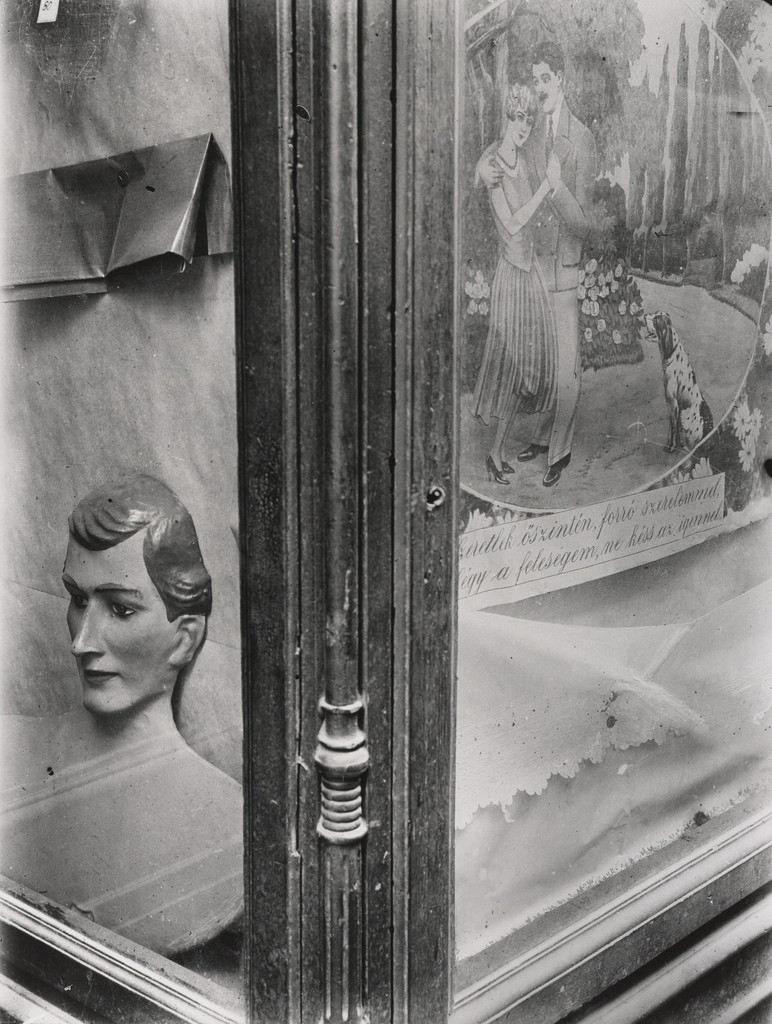
Budapest, Henri Cartier-Bresson, 1931
Henri Cartier-Bresson, ritrattoHenri Cartier-BressonFrancia, 1908–2004

Budapest

1931 · Photograph

Si può ammirare?

Al momento non riceve

Museum of Modern Art

New York, Stati Uniti

Appartiene alla collezione, ma al momento non è esposta.

Verificato
8 giorni fa
Fonte
Il museo
Sulla mappaPagina del museo

Scheda

1931 · a 23 anni
19082004
Numero di inventario
1187.1964

In catalogo

FotografieStampa ai sali d’argentoModernismoXX secolo

Fonti

  • Museum of Modern Art
  • Immagine: Museum of Modern Art — © the artist or rights holder

Nel frattempo, nella vita di Henri Cartier-Bresson

Tutta la vita
  1. 1920s

    The Surrealists at the Café Cyrano

    In the 1920s he began to socialise with the Surrealists at the Café Cyrano on the Place Blanche, met leading figures of the movement and was drawn to its use of the subconscious and the immediate; dissatisfied with his own experiments, he destroyed most of his early paintings.

  2. 1929–1930

    Harry Crosby gives him his first camera

    His squadron commander put him under house arrest for hunting without a licence, and the American expatriate Harry Crosby, who had him released into his custody for a few days, gave him his first camera; they took and printed pictures at Crosby’s home, Le Moulin du Soleil, in Ermenonville.

  3. 1930–1932

    Escape to Africa: Côte d’Ivoire

    After reading Conrad’s “Heart of Darkness” in the army he decided to escape and seek adventure in Côte d’Ivoire; he lived by shooting game and selling it to villagers, and later carried methods learned hunting into his photography. Only seven photographs survived the tropics, although he had taken a portable camera smaller than a Brownie.

  4. 1930–1932

    Blackwater fever and instructions for his own funeral

    In Côte d’Ivoire he contracted blackwater fever, which nearly killed him; still feverish, he sent his grandfather instructions for his own funeral — in Normandy, at the edge of the Eawy Forest, with Debussy’s String Quartet played.

  5. 1931–1932

    Munkácsi’s photograph, a Leica and the choice of photography

    Recovering in Marseille, he saw Martin Munkácsi’s photograph “Three Boys at Lake Tanganyika” and “suddenly understood that a photograph could fix eternity in an instant”; he gave up painting and bought a Leica with a 50 mm lens, darkening its shiny parts to stay unnoticed.

  6. 1933

    First exhibitions: New York and Madrid

    In 1933 his photographs were first exhibited at the Julien Levy Gallery in New York and then at the Ateneo Club in Madrid.
Altre opere di Henri Cartier-Bresson

Tutte le opere
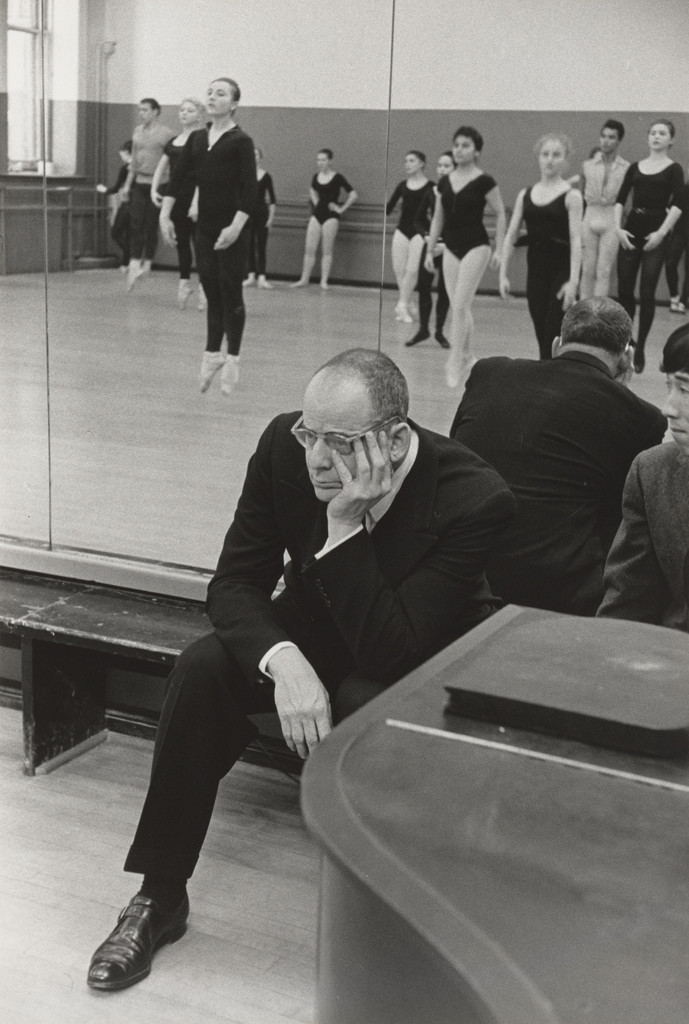
Lincoln Kirstein, Henri Cartier-Bresson, 1964

Lincoln Kirstein

1964 · Museum of Modern Art

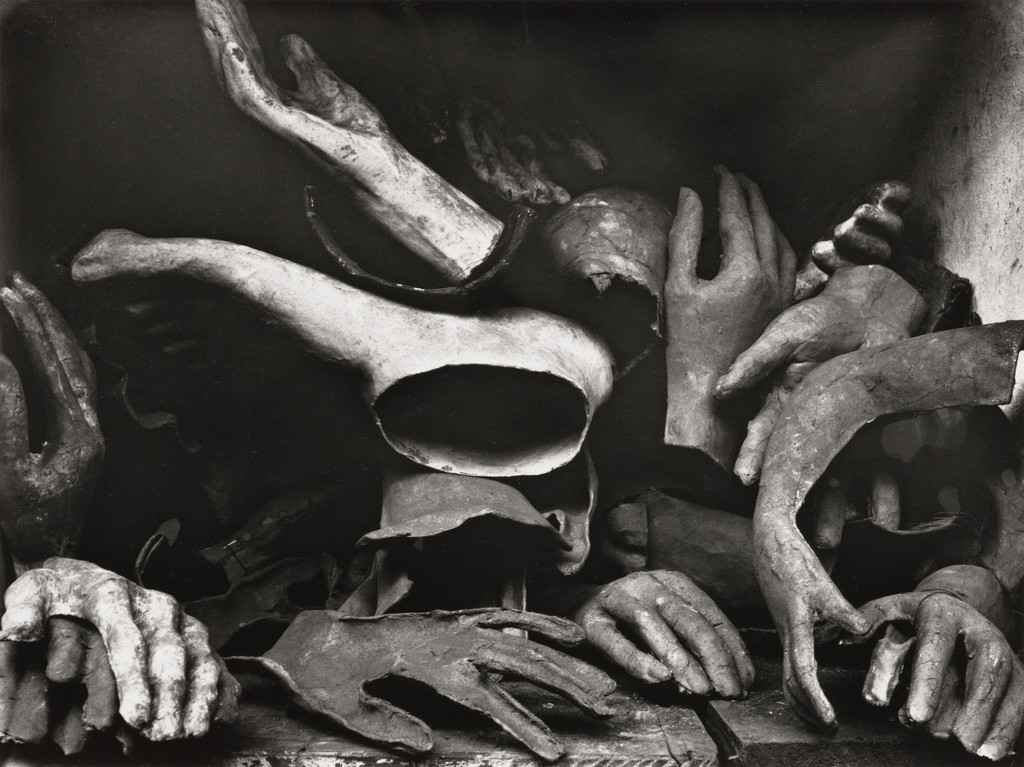
Rouen, Henri Cartier-Bresson, 1929

Rouen

1929 · Non esposta · Museum of Modern Art

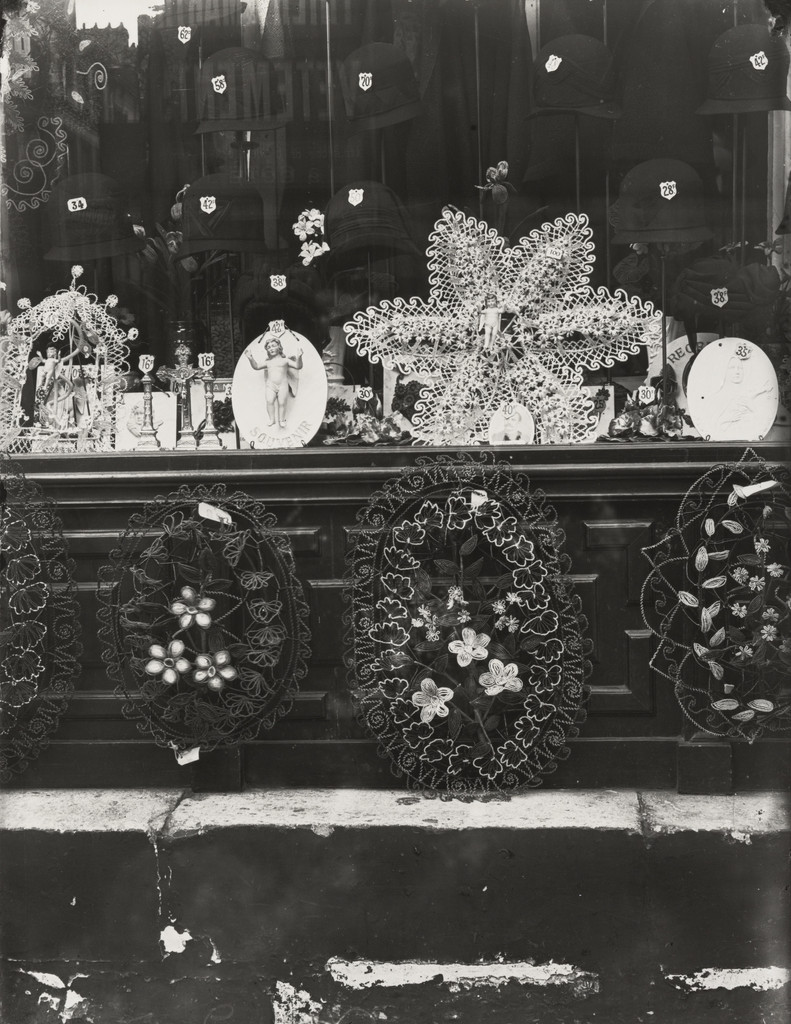
France, Henri Cartier-Bresson, 1929

France

1929 · Non esposta · Museum of Modern Art

Dieppe, France, Henri Cartier-Bresson, 1929

Dieppe, France

1929 · Non esposta · Museum of Modern Art

Rouen, Henri Cartier-Bresson, 1929

Rouen

1929 · Non esposta · Museum of Modern Art

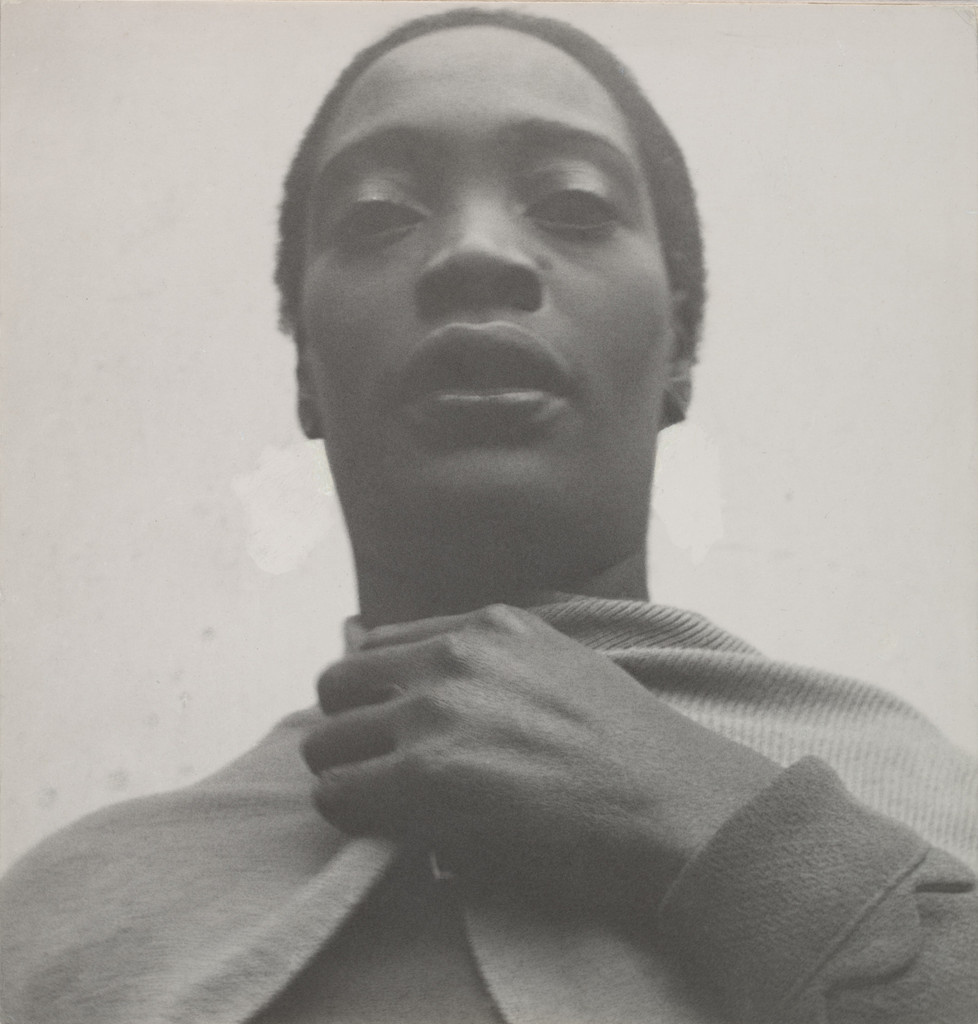
Front view of Jalma with her Hand, Montmarte (Jalma de face et sa main, Montmarte), Henri Cartier-Bresson, c. 1931

Front view of Jalma with her Hand, Montmarte (Jalma de face et sa main, Montmarte)

c. 1931 · Non esposta · Museum of Modern Art

Untitled, Henri Cartier-Bresson, c. 1931

Untitled

c. 1931 · Non esposta · Museum of Modern Art

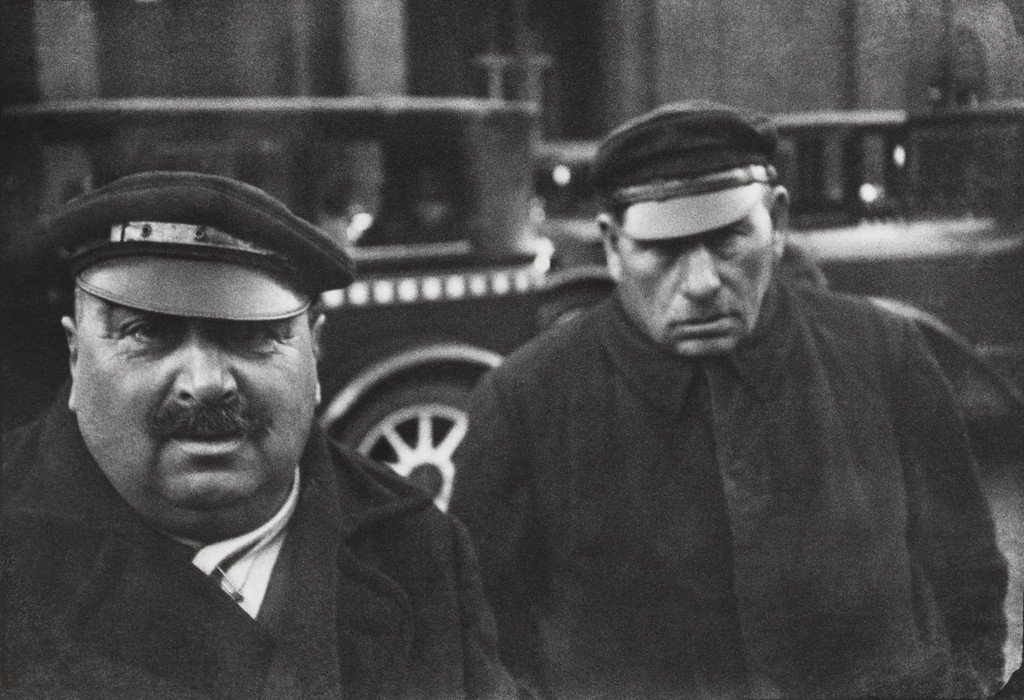
Berlin, Henri Cartier-Bresson, 1931

Berlin

1931 · Non esposta · Museum of Modern Art

Sotto lo stesso tetto: Museum of Modern Art

Pagina del museo
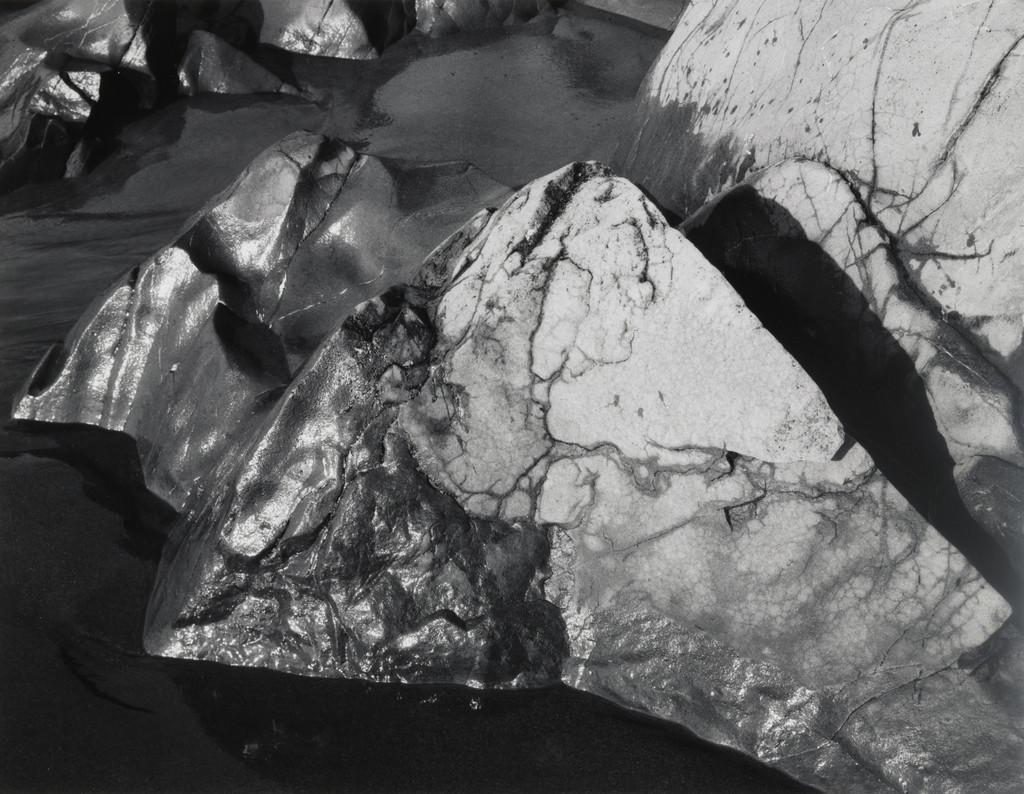
Rock, Bakers Beach, San Francisco, California, Ansel Adams, c. 1931

Ansel Adams

Rock, Bakers Beach, San Francisco, California, c. 1931

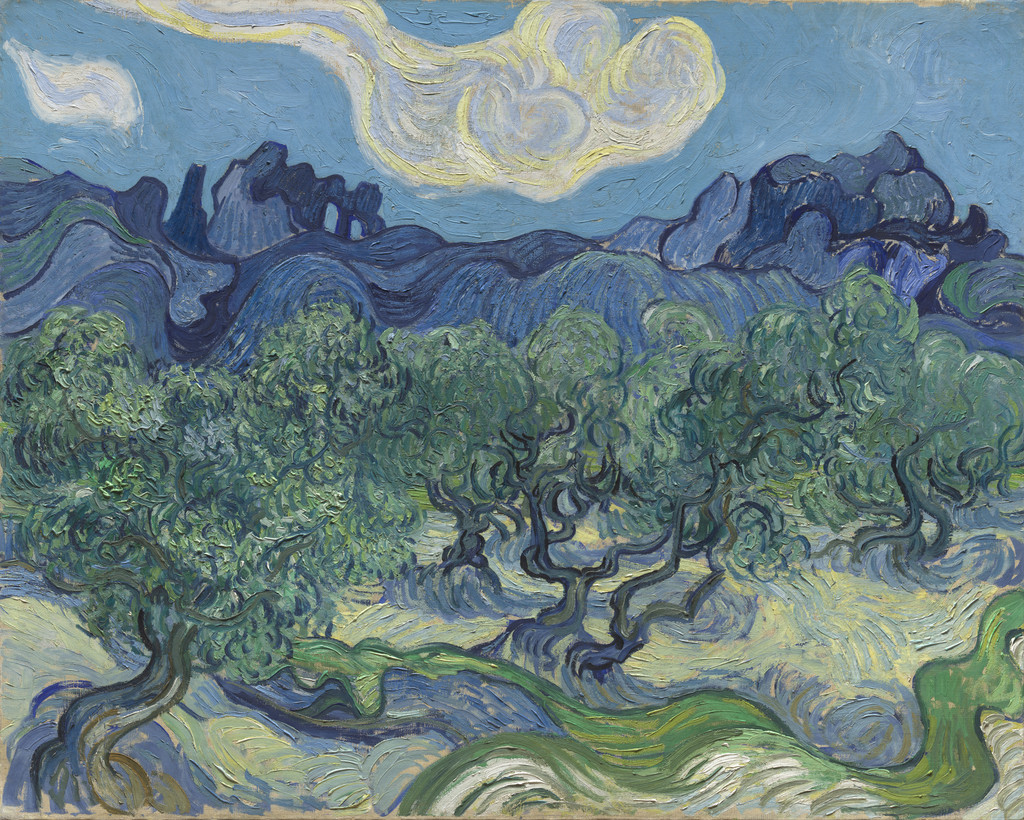
The Olive Trees, Vincent van Gogh, Saint Rémy, June-July 1889

Vincent van Gogh

The Olive Trees, Saint Rémy, June-July 1889

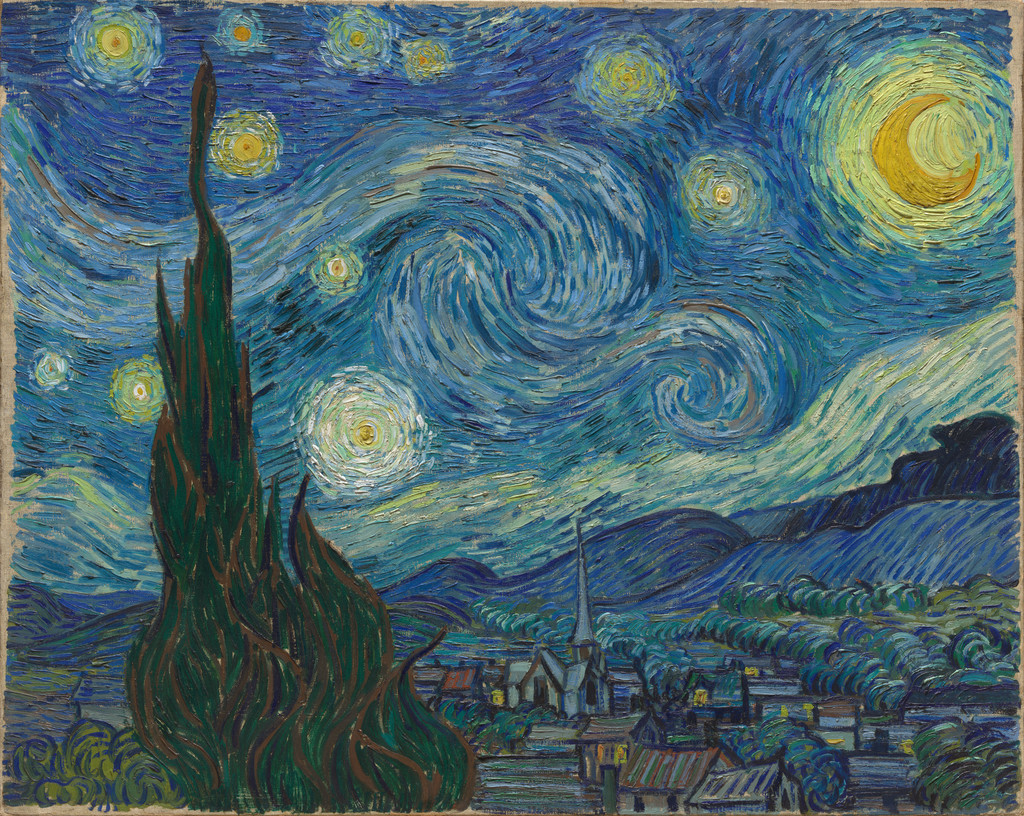
The Starry Night, Vincent van Gogh, Saint Rémy, June 1889

Vincent van Gogh

Notte stellata, Saint Rémy, June 1889

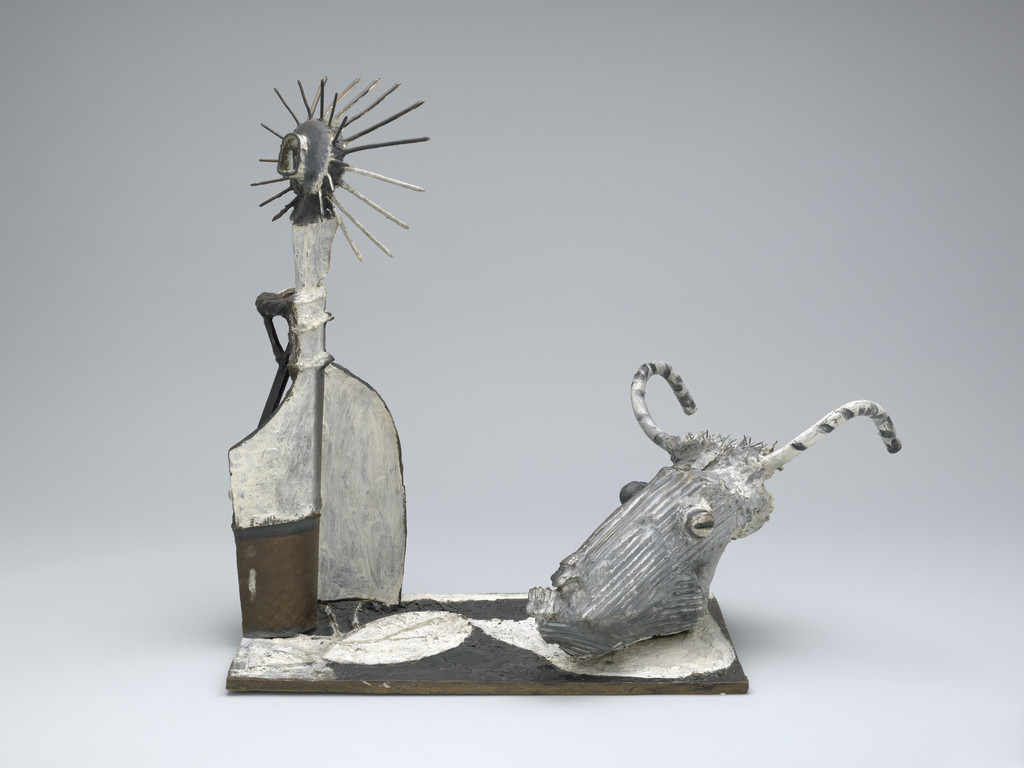
Goat Skull and Bottle, Pablo Picasso, Vallauris, 1951 (cast 1954)

Pablo Picasso

Goat Skull and Bottle, Vallauris, 1951 (cast 1954)

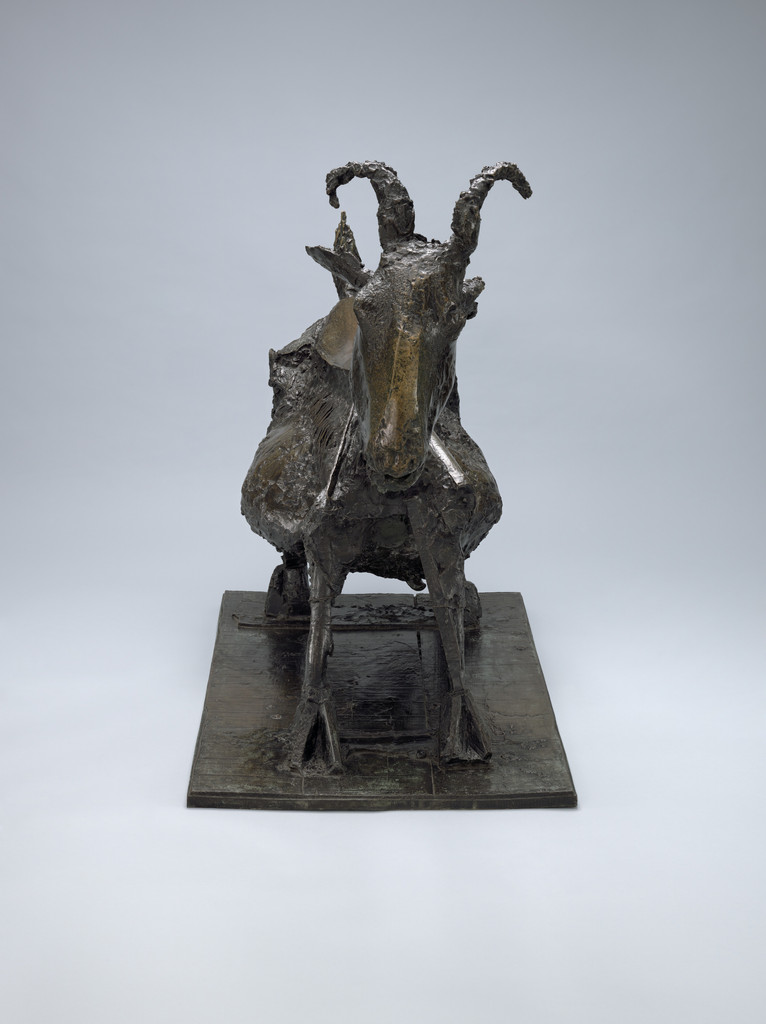
She-Goat, Pablo Picasso, Vallauris, 1950 (cast 1952)

Pablo Picasso

She-Goat, Vallauris, 1950 (cast 1952)

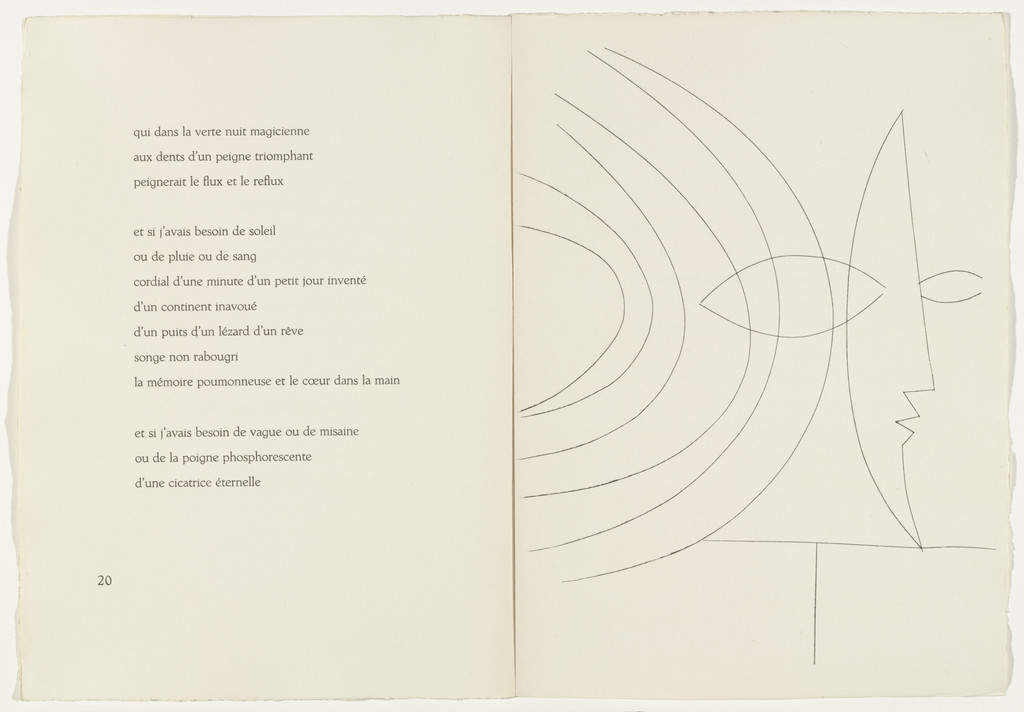
Face in Profile (plate, page 21) from Corps perdu, Pablo Picasso, 1949, published 1950

Pablo Picasso

Face in Profile (plate, page 21) from Corps perdu, 1949, published 1950

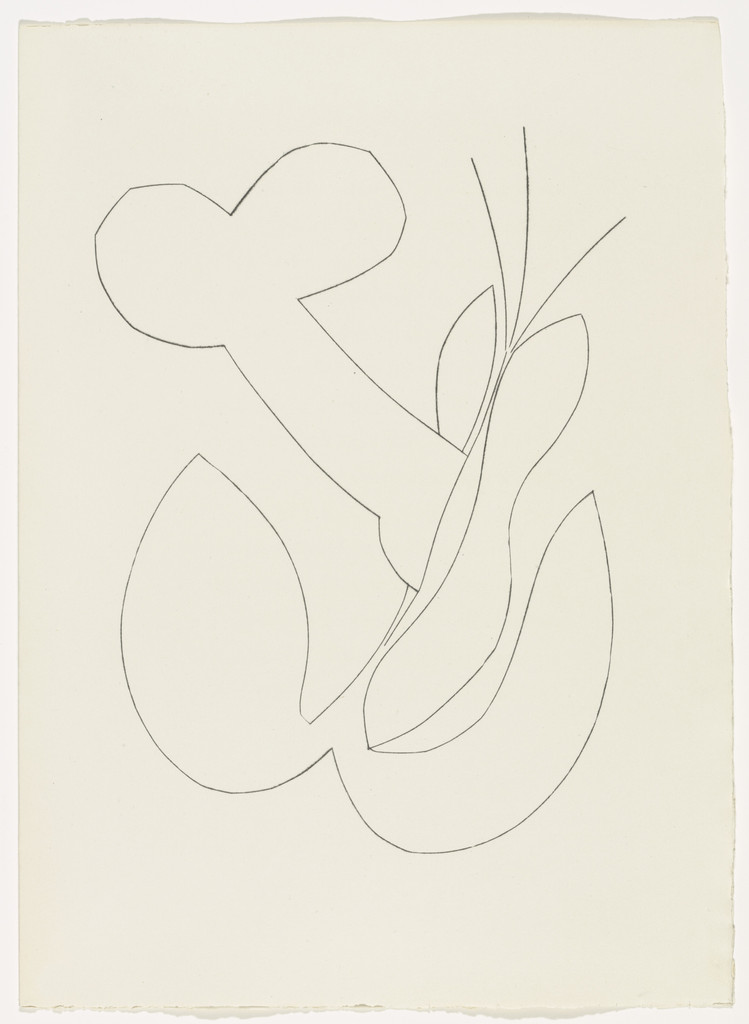
Coupling (plate, page 17) from Corps perdu, Pablo Picasso, 1949, published 1950

Pablo Picasso

Coupling (plate, page 17) from Corps perdu, 1949, published 1950

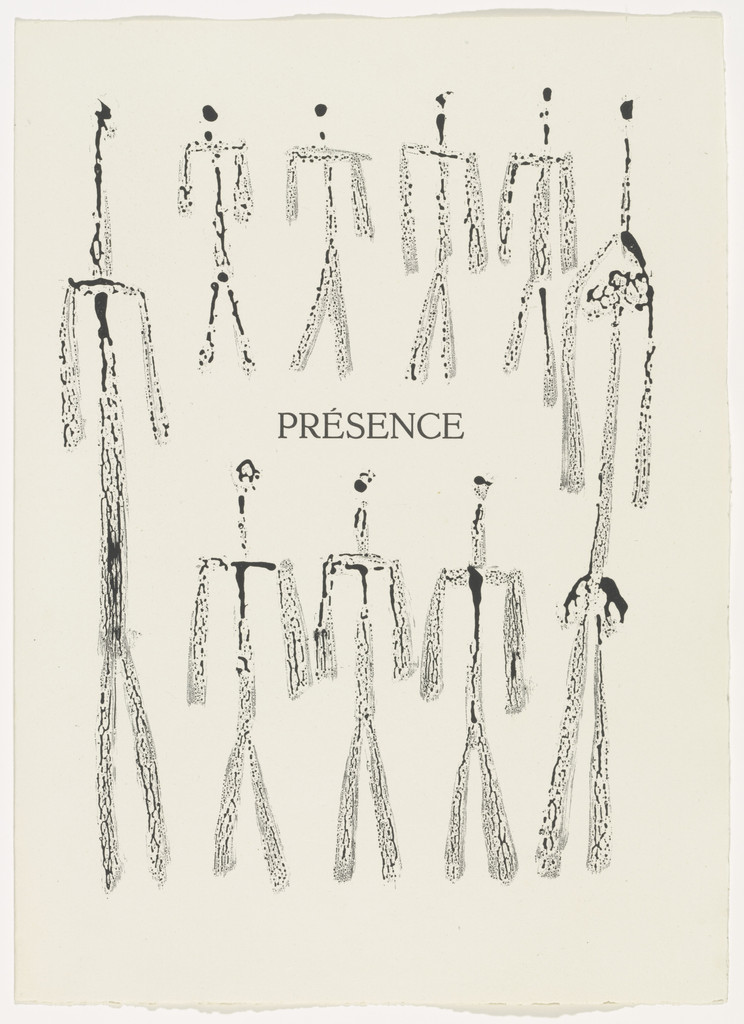
"Présence" (chapter title, page 13) from Corps perdu, Pablo Picasso, 1949, published 1950

Pablo Picasso

"Présence" (chapter title, page 13) from Corps perdu, 1949, published 1950