 Alexander CalderStati Uniti, 1898–1976
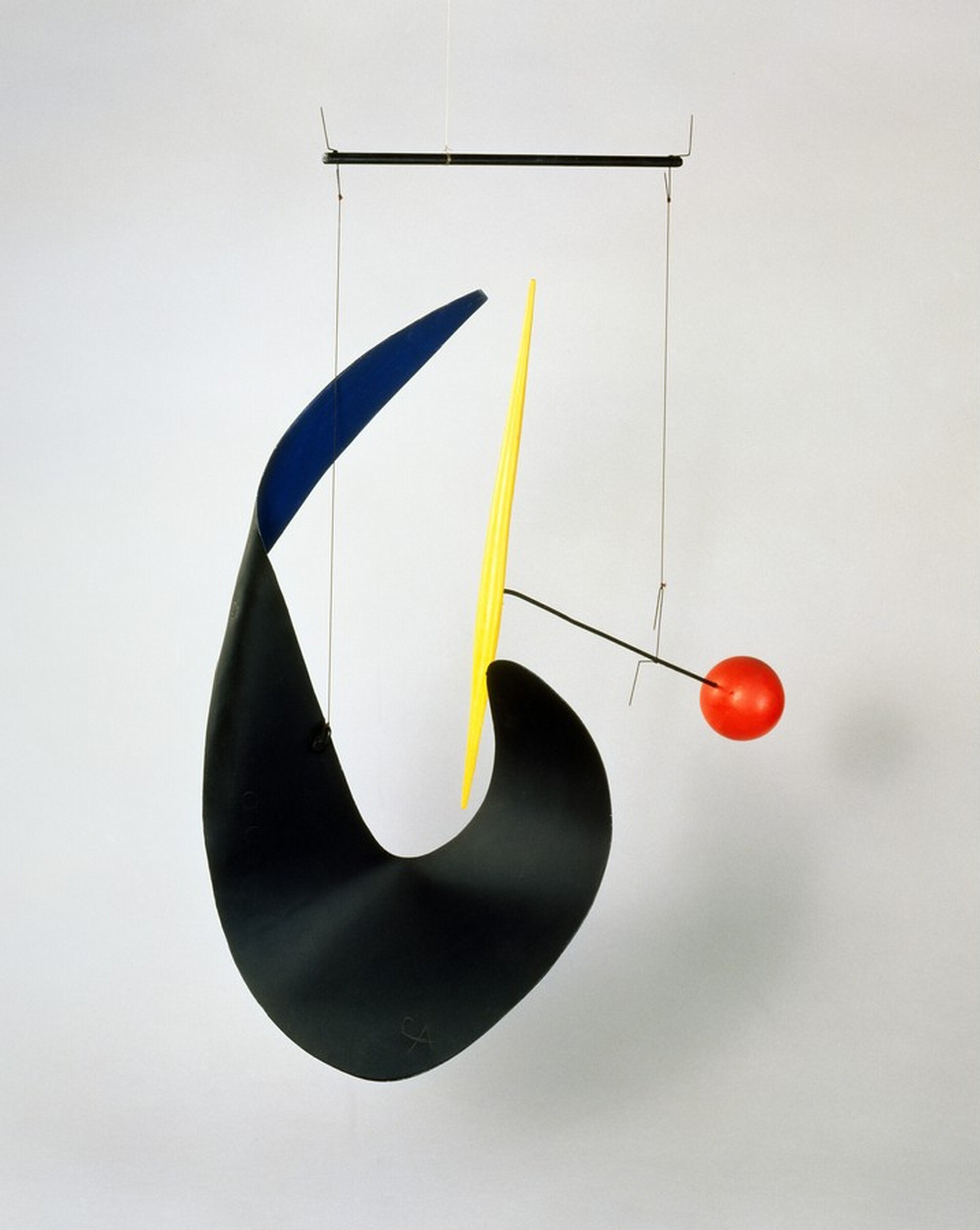
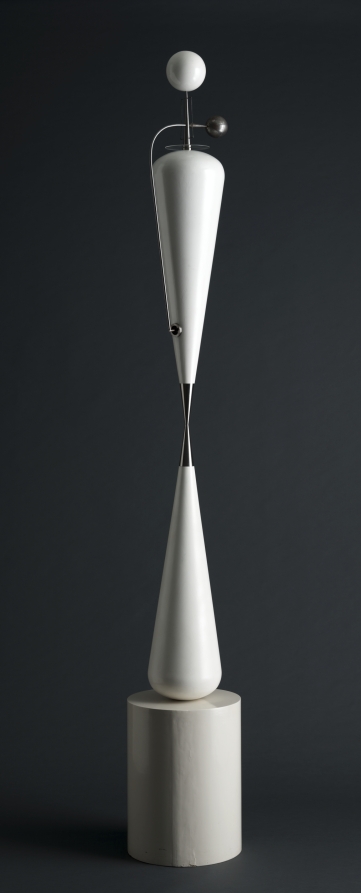
Two Systems
Si può vedere?
Sì, esposta ora
Dove si trova «Two Systems» oggi? Cleveland Museum of Art, 226B American Modern, Cleveland. Sì, esposta ora. Verificato 16 novembre 2026.

Chiuso· apre domani alle 10:00
Esposta al pubblico.
- Verificato
- Ultimo cambio di stato
- Fonte
- Il museo
Sulla scultura
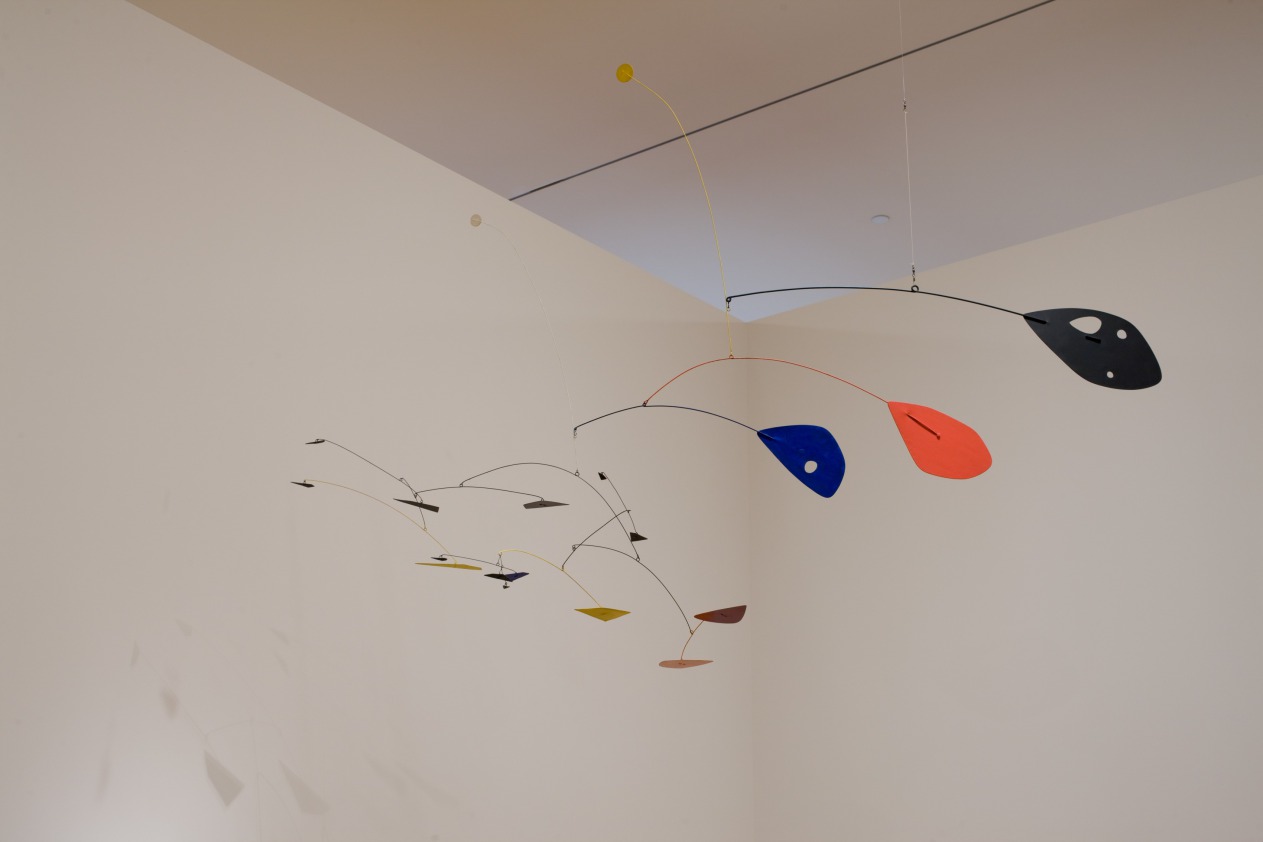
Alexander Calder's Two Systems, about 1946, is a suspended mobile in the Cleveland Museum of Art, Cleveland. Air currents set it moving, and its slow rotation recalls planetary motion. Calder's mechanical-engineering training strengthened an enduring interest in objects that move. That interest led him to devise mobiles as a new sculptural form. Here the movement depends on passing air, with the sculpture hanging from above rather than remaining fixed in one position on a base. On view in gallery 226B.
Con le parole del museo
Calder’s training as a mechanical engineer reinforced his lifelong interest in moving objects and inspired him to invent the mobile, a new type of sculpture that ranks among the most innovative discoveries in modern art. Often suspended from the ceiling and set in motion by currents of air as in the case here, Calder’s mobiles slowly revolve as if approximating the behavior of planetary systems.
Cleveland Museum of Art
Scheda
- Numero di inventario
- 1999.194
In catalogo
Fonti
- Cleveland Museum of Art
- Immagine: Cleveland Museum of Art — © Estate of Alexander Calder / Artists Rights Society (ARS), New York
Nella vita di Alexander Calder
Tutta la vita1939–1945
Gli anni di guerra: «costellazioni» al posto dell'alluminio
Durante la Seconda guerra mondiale Calder cerca di arruolarsi nei Marines come specialista del camuffamento, ma viene respinto. La scarsità di alluminio lo induce a tornare al legno intagliato e a creare un nuovo tipo di scultura a struttura aperta, le «costellazioni».
1946
La mostra da Louis Carré e il saggio di Sartre
Nel 1946 la galleria Louis Carré di Parigi ospita una mostra di Calder organizzata da Duchamp, composta soprattutto da mobiles sospesi e su sostegno; a causa dei rigidi limiti postali sulle dimensioni, l'artista smonta alcune opere e le spedisce per posta. La mostra suscita un'enorme impressione, così come la prefazione al catalogo di Jean-Paul Sartre.
1948
A Rio de Janeiro, quasi tutte le opere vendute
Nel 1948 le opere di Calder vanno ormai a ruba: la sua personale a Rio de Janeiro viene venduta quasi per intero, e lui diventa il primo scultore di fama internazionale.