ART WIKI33.040 in sala
MappaCollezioneArtistiMuseiMostreRivista
Accedi

ART WIKI

Dove è appeso il capolavoro, e quando si può entrare.

Collezioni: Art Institute of Chicago, Cleveland Museum of Art, Ermitage, Galleria Tret'jakov, Getty Museum, Harvard Art Museums, Hirshhorn Museum and Sculpture Garden, Metropolitan Museum of Art, Minneapolis Institute of Art, Museo del Louvre, Museo Puškin delle belle arti, Museo russo, Museum of Modern Art, National Gallery of Art, National Museum of Asian Art, National Portrait Gallery, Rijksmuseum, Smithsonian American Art Museum, Statens Museum for Kunst, Victoria and Albert Museum, Villa Getty, Whitney Museum of American Art, Catalogo statale del fondo museale russo (274 musei), Europeana (19 musei), Wikidata (6 musei), Paris Musées (12 musei) e Joconde, la banca dati dei musei del Ministero della Cultura francese (495 musei). Le immagini appartengono ai titolari dei diritti.

Sezioni

  • Mappa
  • Ricerca
  • Collezione
  • Capolavori
  • Esposte ora
  • Artisti

Altro

  • Musei e gallerie
  • Mostre
  • Rivista
  • Da dove vengono i dati
  • Privacy e cookie
HomeMappaCatalogo
  1. Collezione/
  2. Victoria and Albert Museum/
  3. Two Putti supporting and Architrave
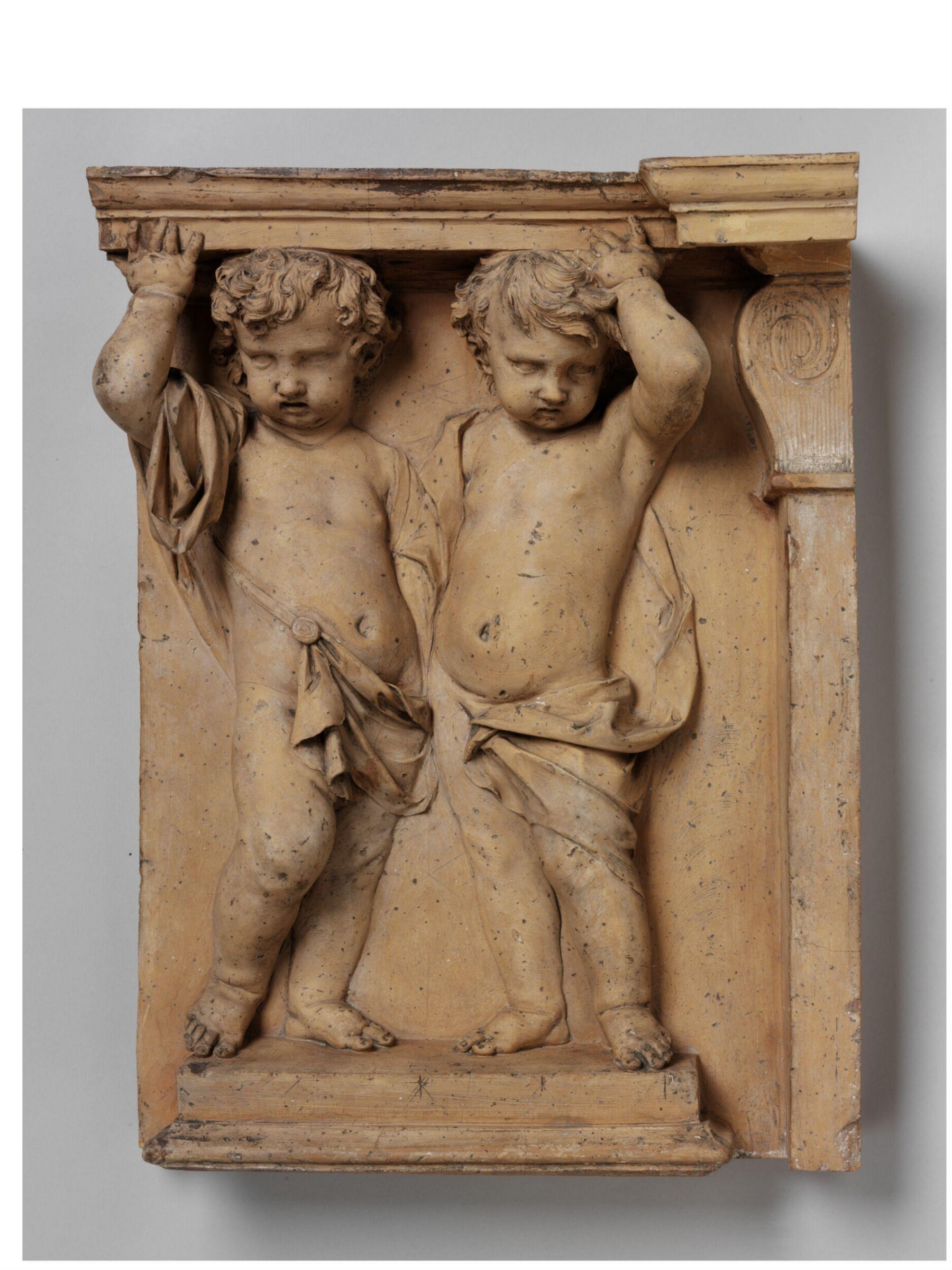
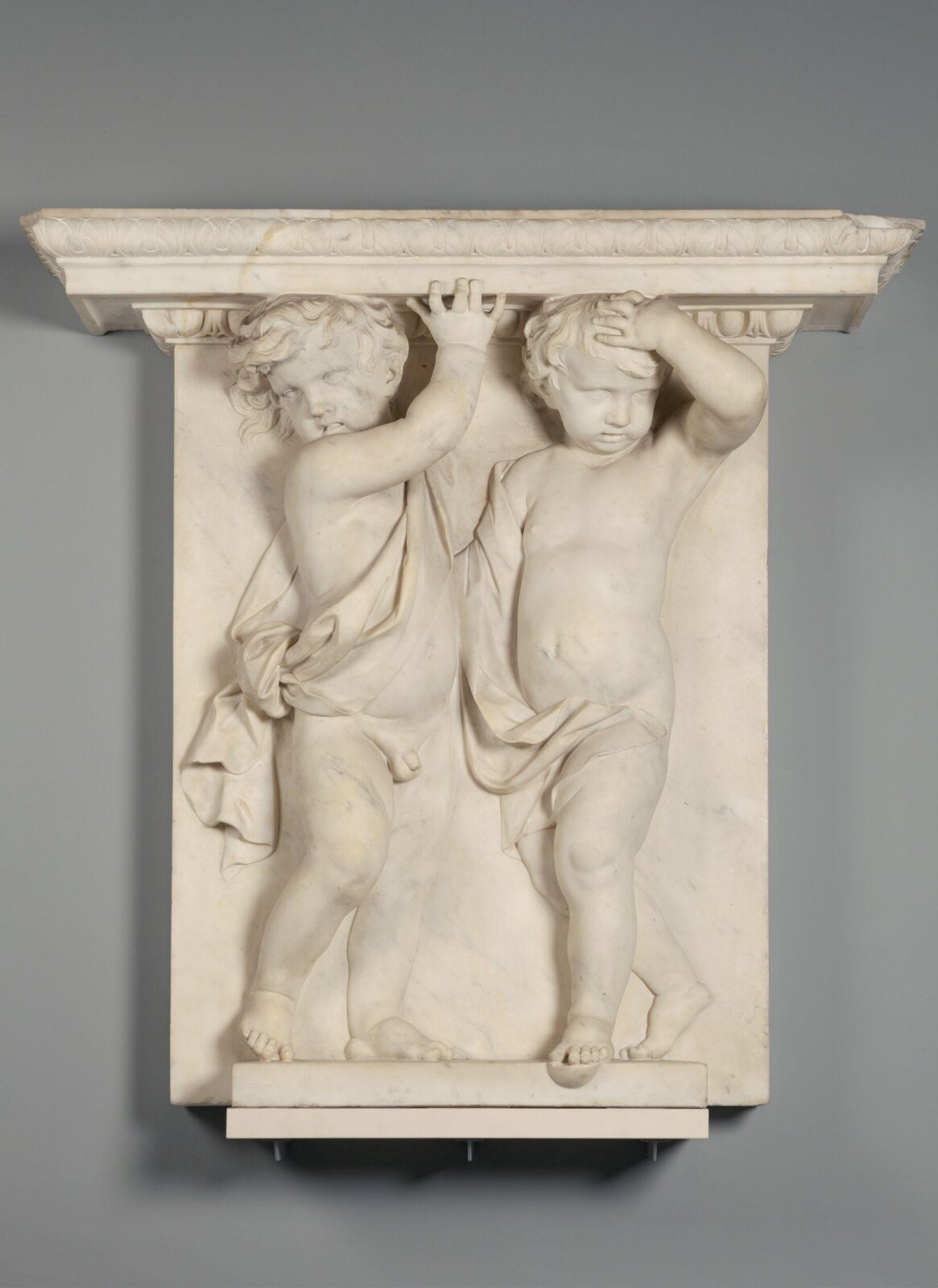
Two Putti supporting and Architrave, possibly John Michael Rysbrack, ca. 1730

Two Putti supporting and Architrave

ca. 1730 · Relief · 133 × 127 cm

Sulla scultura

The exact purpose and original location of this relief is uncertain. It may have formed some part of an interior decoration of a house, possibly that of a doorway or a large chimneypiece. This would tie in with the architectural theme depicted. Alternatively, it could have been a section of a monument. It was said to have come from Carlton House, London. This supposition was based on the recollections of a mason who claimed to have seen the relief in situ. However, this idea has since been discredited as the mason arrived in London some 90 years after the house was demolished. It may however have formed part of a chimneypiece executed by Rysbrack between 1733 and 1736 for John, 4th Duke of Bedford, which was installed in the Great Saloon or Ballroom at Bedford House, London. This chimneypiece is known to have been dismantled in 1800. The present reliew may be identified with that sold at Christie's, Bedford House sale, held between 5-10 May 1800, lot 71.

Continua a leggere

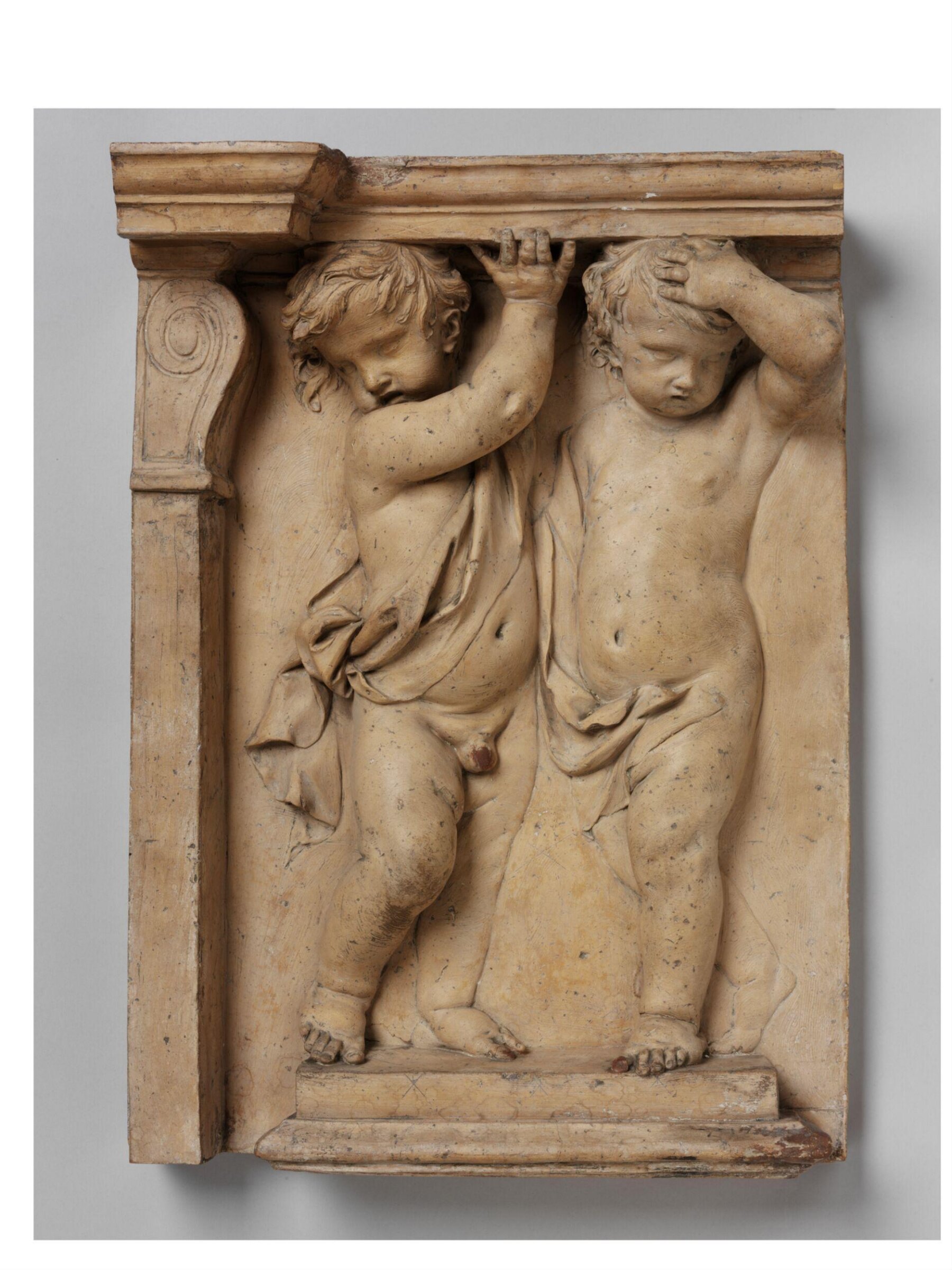
Whatever its original location, its style can certainly be associated with John Michael Rysbrack who was active in England in the second quarter of the 18th century. The Museum also possesses two related terracotta sketch models (7717-1863 and 7718-1863). These show only slight differences between the original designs in terracotta and the final marble.

Rysbrack (1694-1770) was born in Antwerp, and trained in the Netherlands, but spent his working life in Britain. He was one of the most important sculptors active in this country in the first half of the 18th century, and specialised in portrait busts and funerary monuments. Although he never visited Italy, many of his works are clearly indebted to classical archetypes. His terracotta models are particularly fine, and are often virtually finished pieces in their own right.

Altre opere di possibly John Michael Rysbrack

Tutte le opere

Nella stessa sala · Sculpture, Room 22, The Dorothy and Michael Hintze Galleries, Victoria and Albert Museum

Pagina del museo

Sullo stesso tema · Putti

Tutte le opere sul tema

Victoria and Albert Museum

Scheda

Numero di inventario
A.4-1990

Fonti

  • Victoria and Albert Museum
  • Immagine: Victoria and Albert Museum — © Victoria and Albert Museum, London
Ppossibly John Michael Rysbrack

Si può ammirare?

Sì, riceve visite

Victoria and Albert Museum

Londra, Regno Unito

SalaSculpture, Room 22, The Dorothy and Michael Hintze Galleries

Esposta al pubblico. Chi lo garantisce è indicato qui sotto.

Verificato
13 giorni fa
Ultimo cambio di stato
25 set 2026
Fonte
Il museo
Sulla mappaPagina del museo
Cupids as Caryatids, possibly John Michael Rysbrack, ca. 1730

Cupids as Caryatids

ca. 1730 · Victoria and Albert Museum

Cupids as Caryatids, possibly John Michael Rysbrack, ca. 1730

Cupids as Caryatids

ca. 1730 · Victoria and Albert Museum

Model for Wellington Monument: Truth and Falsehood, Alfred George Stevens, 1867-8

Alfred Stevens

Model for Wellington Monument: Truth and Falsehood, 1867-8

Valour and Cowardice, Alfred George Stevens, 1866

Alfred Stevens

Valour and Cowardice, 1866

Pandora, John Gibson, 1856

John Gibson

Pandora, 1856

Eve listening to the voice, Edward Hodges Baily, 1842

Edward Hodges Baily

Eve listening to the voice, 1842

Maternal Affection, Edward Hodges Baily, 1837

Edward Hodges Baily

Maternal Affection, 1837

Catherine, Lady Stepney (d. 1845) as Cleopatra, Richard Cockle Lucas, ca. 1836

Richard Cockle Lucas

Catherine, Lady Stepney (d. 1845) as Cleopatra, ca. 1836

Nicolò Paganini, Henry Westmacott, 1832

Henry Westmacott

Nicolò Paganini, 1832

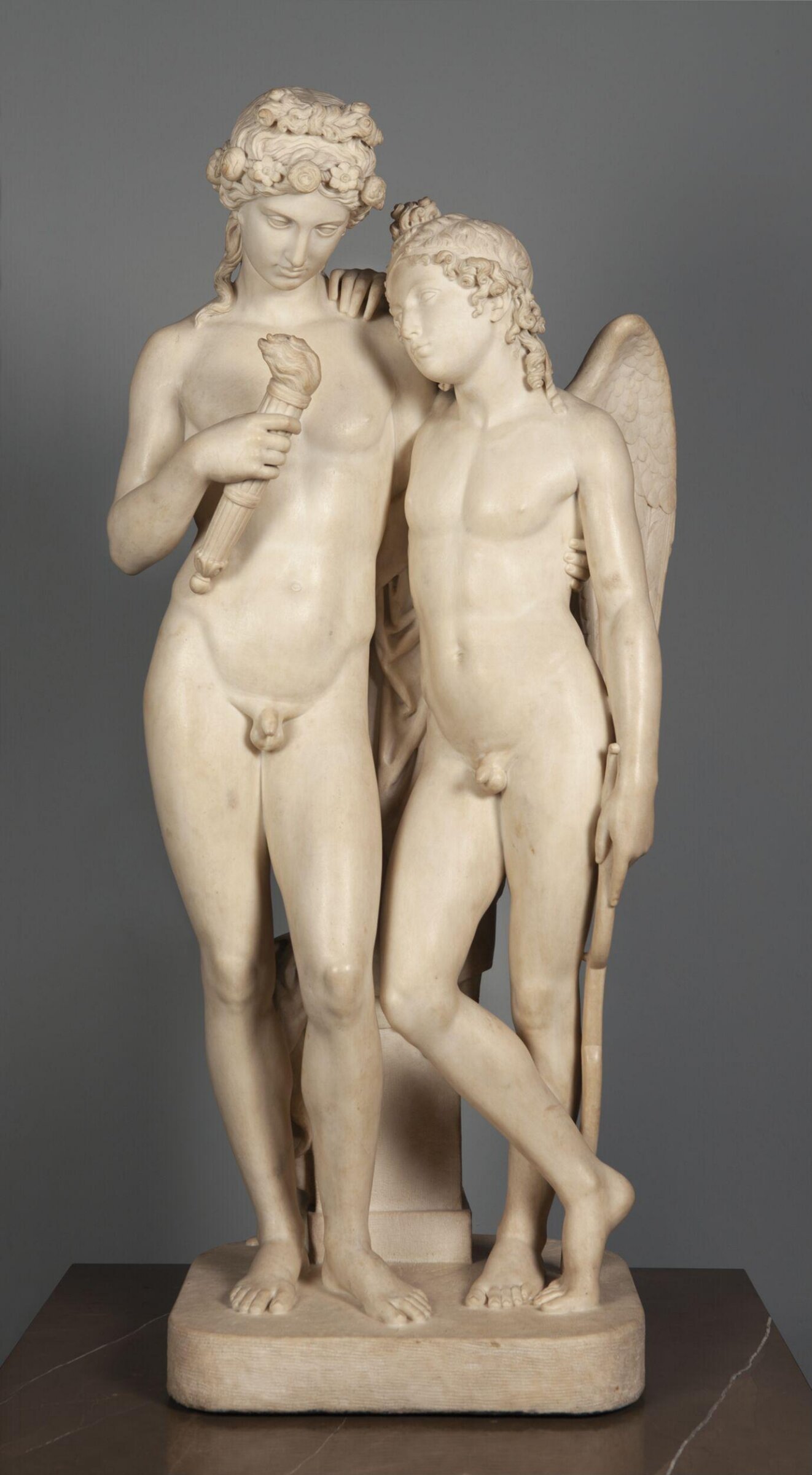
Cupid kindling the torch of Hymen, George Rennie, ca. 1831

George Rennie

Cupid kindling the torch of Hymen, ca. 1831

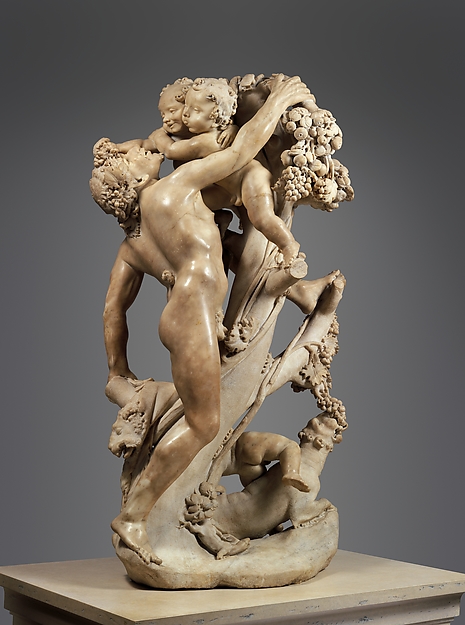
Bacchanal: A Faun Teased by Children, Gian Lorenzo Bernini, ca. 1616–17

Gian Lorenzo Bernini

Baccanale: fauno molestato da cupidi, ca. 1616–17

Metropolitan Museum of Art

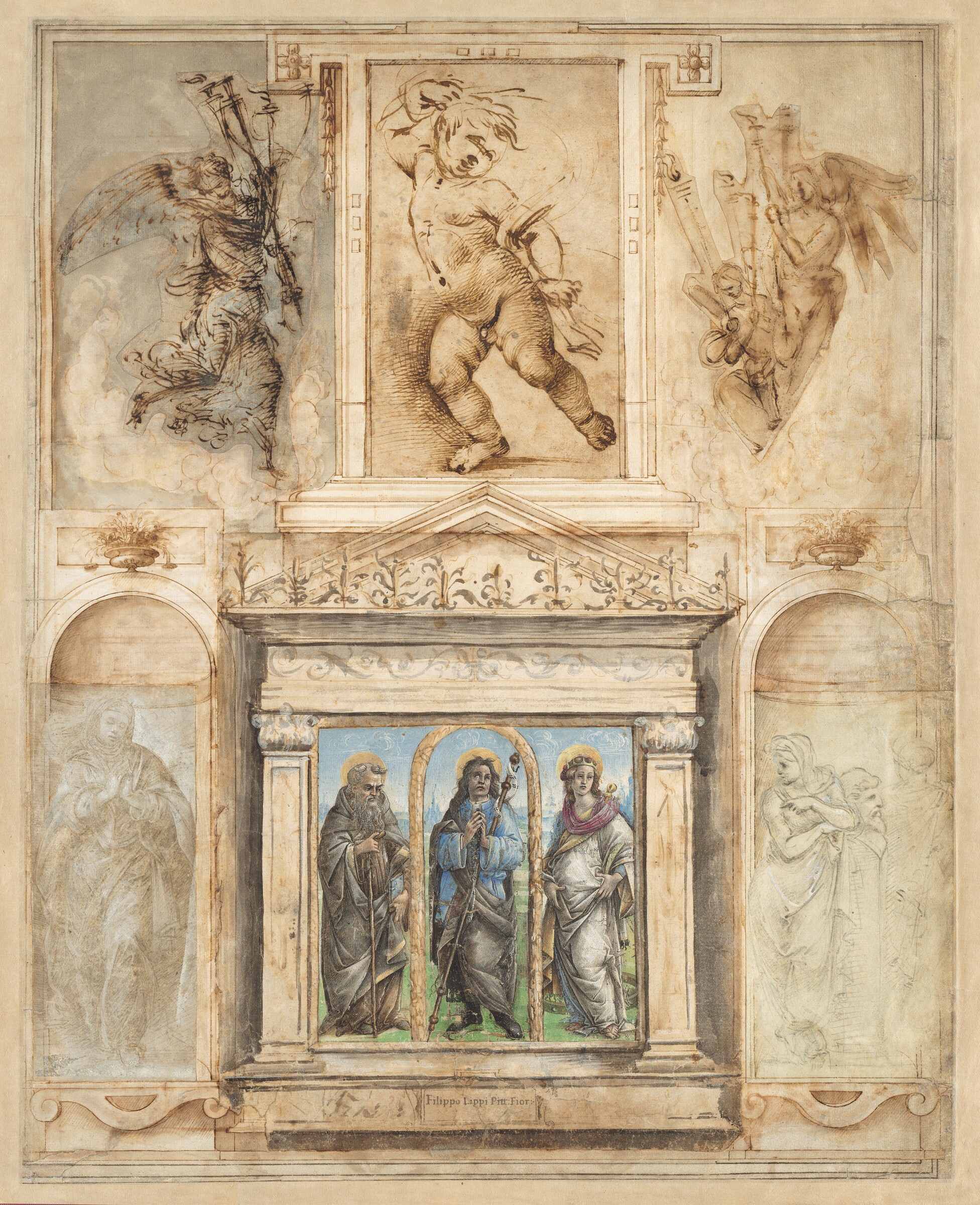
Page from the Collection of Niccolò Gaddi (So-Called "Vasari Page"), Florentine 16th century, The "Chief Framer", Raffaellino del Garbo, and Sandro Botticelli, and Filippino Lippi, Sheets probably 1480-1504; mounting & framework c. 1575/1590

Sandro Botticelli

Page from the Collection of Niccolò Gaddi (So-Called "Vasari Page"), Sheets probably 1480-1504; mounting & framework c. 1575/1590

Non esposta · National Gallery of Art

The Temptation of the Idler (The Dream of the Doctor), Albrecht Dürer, c. 1498

Albrecht Dürer

The Temptation of the Idler (The Dream of the Doctor), c. 1498

Non esposta · Art Institute of Chicago

The Dream of the Doctor (Temptation of the Idler), Albrecht Dürer, 1498/1499

Albrecht Dürer

The Dream of the Doctor (Temptation of the Idler), 1498/1499

Non esposta · National Gallery of Art

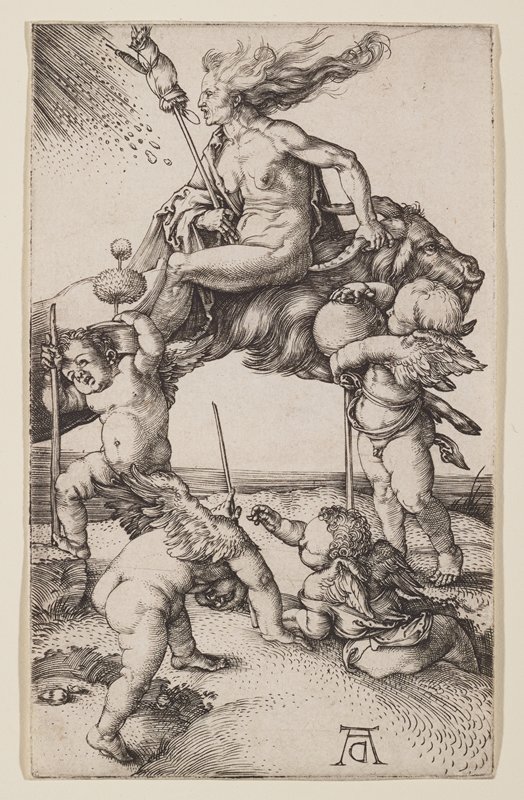
Die Hexe - Witch Riding on a Goat, Albrecht Dürer, c. 1500

Albrecht Dürer

Die Hexe - Witch Riding on a Goat, c. 1500

Non esposta · Minneapolis Institute of Art

Putti Testing a Man's Perception of Depth, Sir Peter Paul Rubens, c. 1613

Peter Paul Rubens

Putti Testing a Man's Perception of Depth, c. 1613

Non esposta · National Gallery of Art

Hercules Fighting the Fury and the Discord, Christoffel Jegher after Sir Peter Paul Rubens, 1630

Peter Paul Rubens

Hercules Fighting the Fury and the Discord, 1630

Non esposta · National Gallery of Art

Elderly Man Watching Putti Dissect an Eye, Sir Peter Paul Rubens, c. 1613

Peter Paul Rubens

Elderly Man Watching Putti Dissect an Eye, c. 1613

Non esposta · National Gallery of Art

Che cosa raffigura

PuttiArchitrave

In catalogo

SculturaMarmoRococòXVIII secoloInghilterra