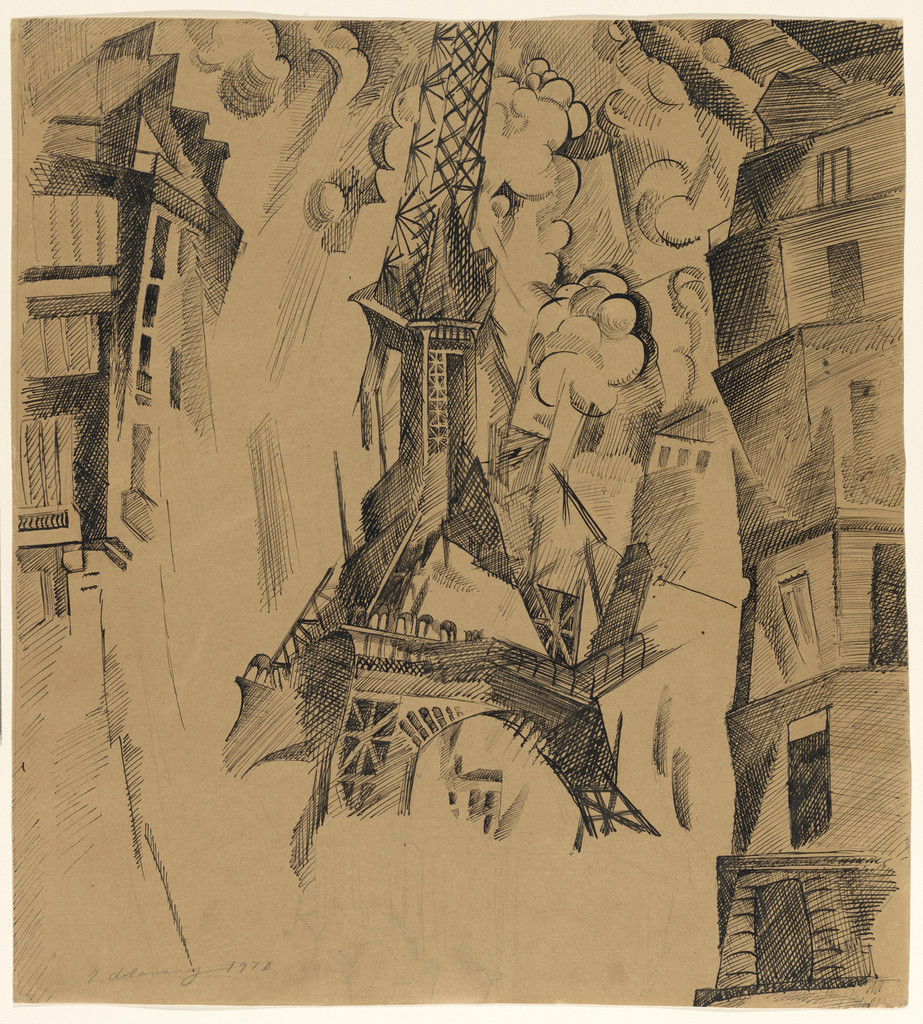
 Robert DelaunayFrancia, 1885–1941
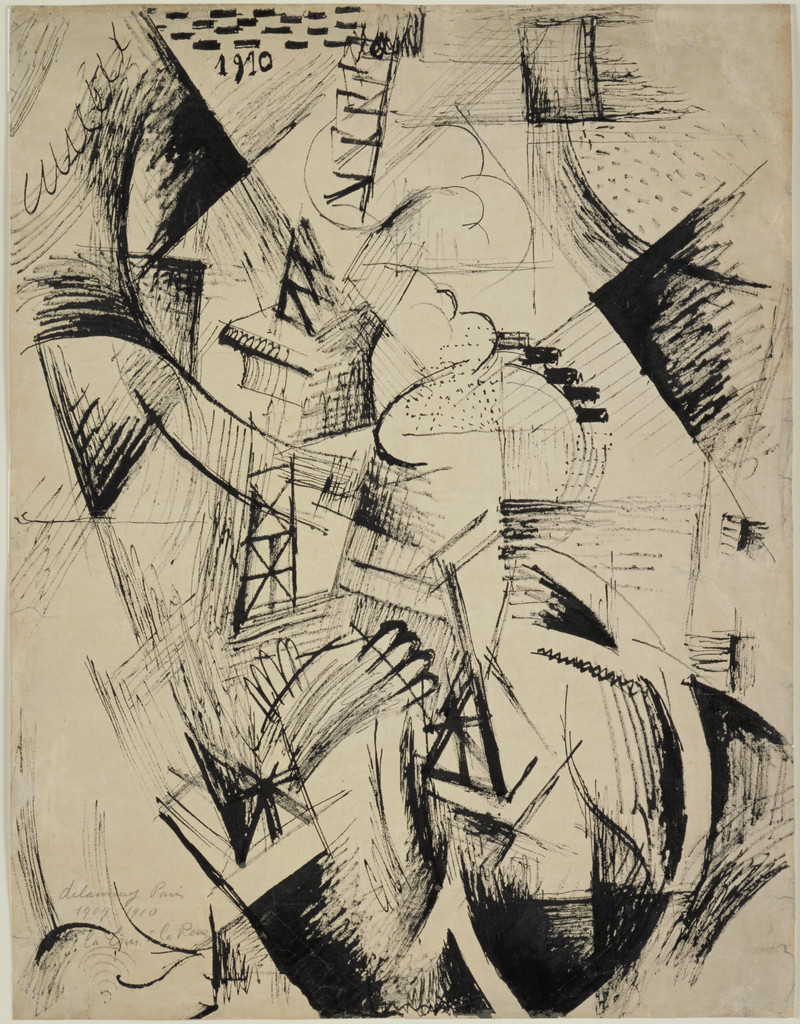
The Tower
Si può ammirare?
Al momento non riceve

Museum of Modern Art
New York, Stati Uniti
Appartiene alla collezione, ma al momento non è esposta.
- Verificato
- 12 giorni fa
- Fonte
- I dati di collezione del museo stesso
Scheda
- Numero di inventario
- 235.1935
Fonti
- Museum of Modern Art: the museum's own open data · acquisita 12 giorni fa
- Immagine: Museum of Modern Art — © the artist or rights holder
Nel frattempo, nella vita di Robert Delaunay
Tutta la vita1908
Meets Sonia Terk
In 1908, after a term in the military working as a regimental librarian, Delaunay met the artist Sonia Terk; at the time she was married to a German art dealer whom she would soon divorce.
1910
Marries Sonia Terk; the founding of Orphism
In 1910 Delaunay married Sonia Terk; together with a few others they founded the Orphism art movement, and the couple settled in a studio apartment in Paris.
1911
Joins the “Blue Rider” at Kandinsky’s invitation
In 1911, at the invitation of Wassily Kandinsky, Delaunay joined the Munich-based Blue Rider (Der Blaue Reiter) group, took part in its first exhibition and sold four works; he was also successful in Germany, Switzerland and Russia.
1912
The move from Cubism to Orphism
From 1912, together with his wife Sonia Terk-Delaunay, Delaunay moved from Cubism to a distinctive manner of abstract painting that Guillaume Apollinaire named Orphism. Unlike Kandinsky and Mondrian, he rejected idealist metaphysics and saw the main task of abstraction as the study of the dynamic qualities of colour.
1912
Break with the Cubists: “the heretic of Cubism”
1912 was a turning point for Delaunay: his paintings, like prisms compared with the Cubism of his fellow artists, provoked great arguments with comrades who banned colour from their palette, and he called himself “the heretic of Cubism”. The first published suggestion that he had broken with the Cubists appeared in James Burkley’s review of the Salon des Indépendants in L’Assiette au Beurre of 23 March 1912.
February 1912
The second Blue Rider exhibition and the Knave of Diamonds
In February 1912 Delaunay exhibited in the second Blaue Reiter exhibition in Munich and in the Knave of Diamonds exhibition in Moscow.