Auguste RodinFrancia, 1840–1917
The Thinker
Si può vedere?
Sì, esposta ora
Dove si trova «The Thinker» oggi? Metropolitan Museum of Art, Sala 800, New York. Sì, esposta ora. Verificato 23 novembre 2026.

New York, Stati Uniti
Aperto· fino alle 21:00
Esposta al pubblico.
- Verificato
- Ultimo cambio di stato
- Fonte
- Il museo
Sulla scultura
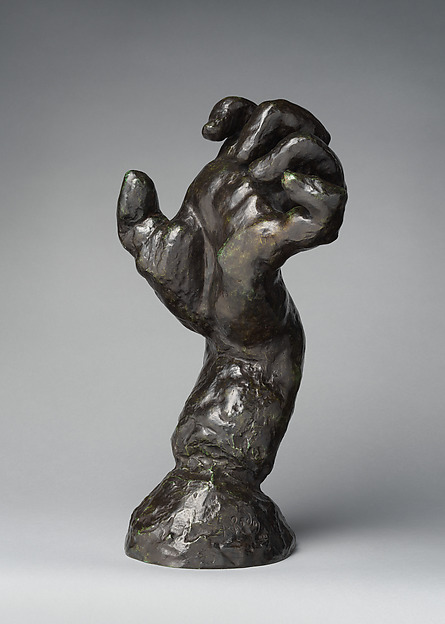
The Metropolitan Museum of Art in New York owns The Thinker by Auguste Rodin, modelled about 1880 and cast around 1910. Thomas F. Ryan commissioned this bronze from the Alexis Rudier foundry. The figure was intended to sit above The Gates of Hell, looking down at the damned. This cast is 70.2 cm high and weighs 83.9 kilograms. It is displayed in Gallery 800.
Scheda
- Numero di inventario
- 11.173.9
Che cosa raffigura
In catalogo
Fonti
- Metropolitan Museum of Art
- Immagine: Metropolitan Museum of Art — Open Access (CC0)
Nella vita di Auguste Rodin
Tutta la vita1880
Receives the commission for “The Gates of Hell”
His first state commission was a sculptural portal for a planned Museum of Decorative Arts; with it Rodin received two studios on the Rue de l'Université. The museum was never built and “The Gates of Hell” remained unfinished: they were first cast in bronze after the master's death.
1883
Meets Camille Claudel
Standing in for Alfred Boucher, who was away, Rodin supervised his students' course and met the eighteen-year-old Camille Claudel. She became his assistant, model, lover and creative rival.
1885
Camille Claudel: assistant and lover
From 1885 Claudel worked as an assistant in Rodin's studio and posed for him, and soon they became lovers. The affair lasted nine years, and Rodin did not break with Rose Beuret, who knew her role as “the other woman”.
1889
Rodin and Monet at the Georges Petit gallery
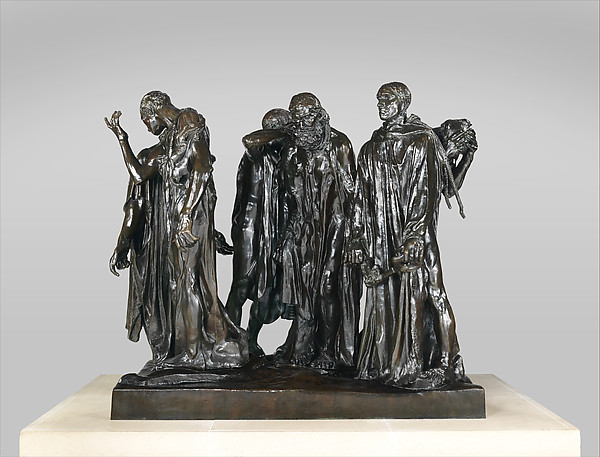
“The Burghers of Calais” was the main event of a joint exhibition of Rodin and Claude Monet: thirty-six sculptures by Rodin and seventy paintings by Monet.
1898
The scandal over “Balzac”
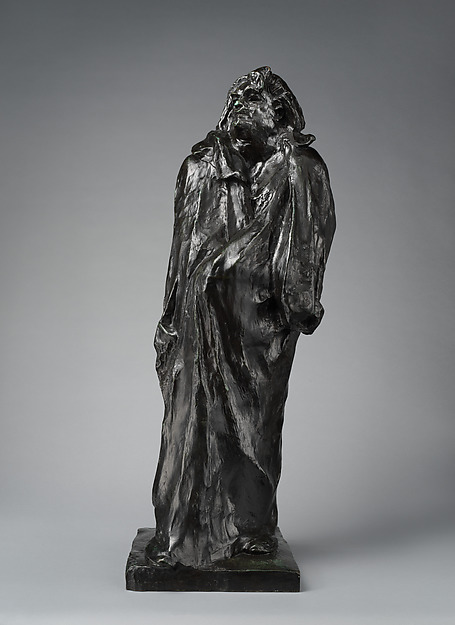
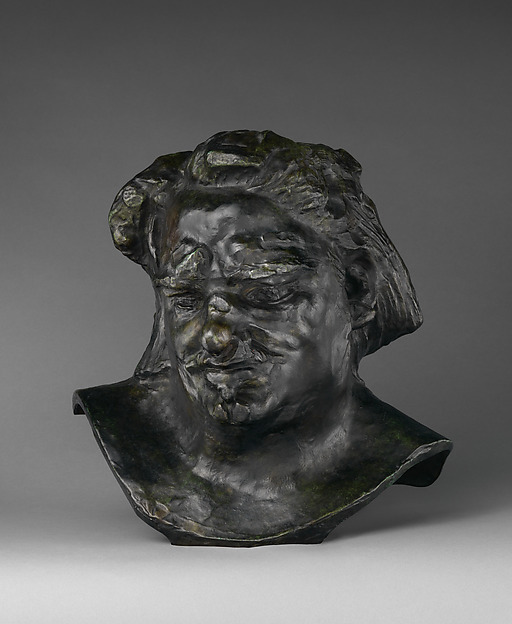
The monument's showing in 1898 caused a storm: the Société des Gens de Lettres rejected it, the press ran parodies, and Monet, Debussy and the future premier Clemenceau signed a manifesto in Rodin's defence. Rodin repaid the commission and moved the statue to his garden; he never completed another public commission.
1900
Rodin's pavilion at the World's Fair
The French government gave him an entire pavilion: a retrospective of 136 sculptures and 14 unfinished works showed “The Gates of Hell” for the first time. The exhibition brought sales of sculptures to museums around the world worth about 200,000 francs.