ART WIKI32.963 in sala
MappaCollezioneArtistiMuseiMostreRivista
Accedi

ART WIKI

Dove è appeso il capolavoro, e quando si può entrare.

Collezioni: Art Institute of Chicago, Cleveland Museum of Art, Ermitage, Galleria Tret'jakov, Getty Museum, Harvard Art Museums, Hirshhorn Museum and Sculpture Garden, Metropolitan Museum of Art, Minneapolis Institute of Art, Museo del Louvre, Museo Puškin delle belle arti, Museo russo, Museum of Modern Art, National Gallery of Art, National Museum of Asian Art, National Portrait Gallery, Rijksmuseum, Smithsonian American Art Museum, Statens Museum for Kunst, Victoria and Albert Museum, Villa Getty, Whitney Museum of American Art, Catalogo statale del fondo museale russo (274 musei), Europeana (19 musei), Wikidata (6 musei), Paris Musées (12 musei) e Joconde, la banca dati dei musei del Ministero della Cultura francese (495 musei). Le immagini appartengono ai titolari dei diritti.

Sezioni

  • Mappa
  • Ricerca
  • Collezione
  • Capolavori
  • Esposte ora
  • Artisti

Altro

  • Musei e gallerie
  • Mostre
  • Rivista
  • Da dove vengono i dati
  • Privacy e cookie
HomeMappaCatalogo
  1. Collezione/
  2. Minneapolis Institute of Art/
  3. The Scholar's Playthings
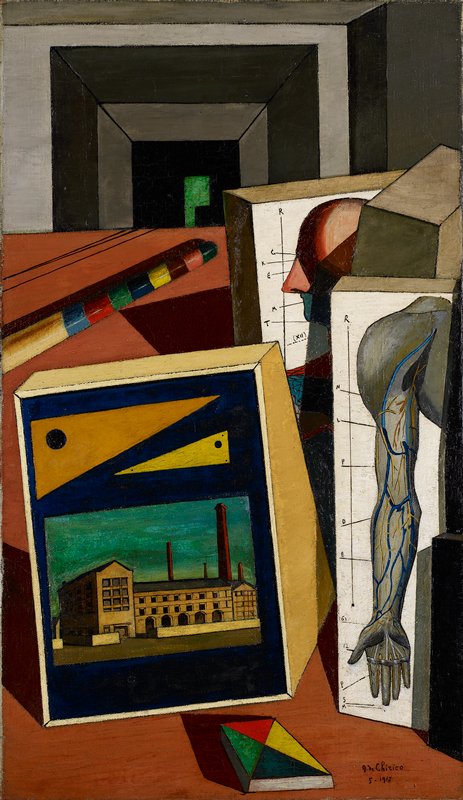
The Scholar's Playthings, Giorgio de Chirico, 1917
Giorgio de Chirico, ritrattoGiorgio de ChiricoItalia, 1888–1978

The Scholar's Playthings

1917 · Painting · 89.54 × 51.44 cm

Si può ammirare?

Sì, riceve visite

Minneapolis Institute of Art

Minneapolis, Stati Uniti

SalaG367

Esposta al pubblico. Chi lo garantisce è indicato qui sotto.

Verificato
l’altro ieri
Ultimo cambio di stato
25 set 2026
Fonte
I dati di collezione del museo stesso
Sulla mappaPagina del museo

Sul dipinto

As a leader of the Metaphysical school of painting in Italy, Giorgio de Chirico had an important influence on the development of Surrealism in the early 1920s. In his own art, he combined stark images of buildings and empty urban spaces with objects from everyday life and often distorted scale and perspective to accentuate their haunting quality.

Made while serving in the Italian army during World War I, this painting dates to the height of the artist's Metaphysical period. On the left he pictured a view of a factory in Modena, the city where he was stationed. The other objects included - drafting tools and anatomical charts - symbolize the playthings of the artist who must study anatomy, drawing, and architecture as part of his training. The anatomical charts may also be an autobiographical allusion to the artist's frequent illnesses.

Minneapolis Institute of Art

Scheda

1917 · a 29 anni
18881978
Numero di inventario
72.75

In catalogo

DipintiOlioPittura italianaModernismoXX secoloItalia

Fonti

  • Minneapolis Institute of Art: i dati aperti del museo · acquisita 8 giorni fa
  • Immagine: Minneapolis Institute of Art — © Artists Rights Society (ARS), New York / SIAE, Rome

Nel frattempo, nella vita di Giorgio de Chirico

Tutta la vita
  1. May 1915

    Return to Italy and the hospital at Ferrara

    At the outbreak of the First World War de Chirico returns to Italy; on his arrival in May 1915 he enlists in the army but is considered unfit for work and assigned to the hospital at Ferrara. The shop windows of the town inspire a series of paintings featuring biscuits, maps and geometric constructions in indoor settings.

  2. 1917

    Friendship with Carlo Carrà: metaphysical painting

    In 1917, in the military hospital at Ferrara, de Chirico befriends the painter Carlo Carrà, and together they found the movement of metaphysical painting. Between 1908 and 1917 he creates his most significant works — views of deserted city squares and still lifes.

  3. 1918

    Moving to Rome

    In 1918 de Chirico moves to Rome; from this year his work is exhibited extensively in Europe.

  4. November 1919

    The article “The Return of Craftsmanship”

    In November 1919 de Chirico publishes in the journal Valori plastici the article “The Return of Craftsmanship,” advocating a return to traditional methods and iconography; it heralds an abrupt change of orientation toward a classicizing manner inspired by Raphael and Signorelli and makes him an outspoken opponent of modern art.
Altre opere di Giorgio de Chirico

Tutte le opere
The Serenity of the Scholar, Giorgio de Chirico, Paris, April-May 1914

The Serenity of the Scholar

Paris, April-May 1914 · Museum of Modern Art

Gare Montparnasse (The Melancholy of Departure), Giorgio de Chirico, Paris, early 1914

Gare Montparnasse (The Melancholy of Departure)

Paris, early 1914 · Museum of Modern Art

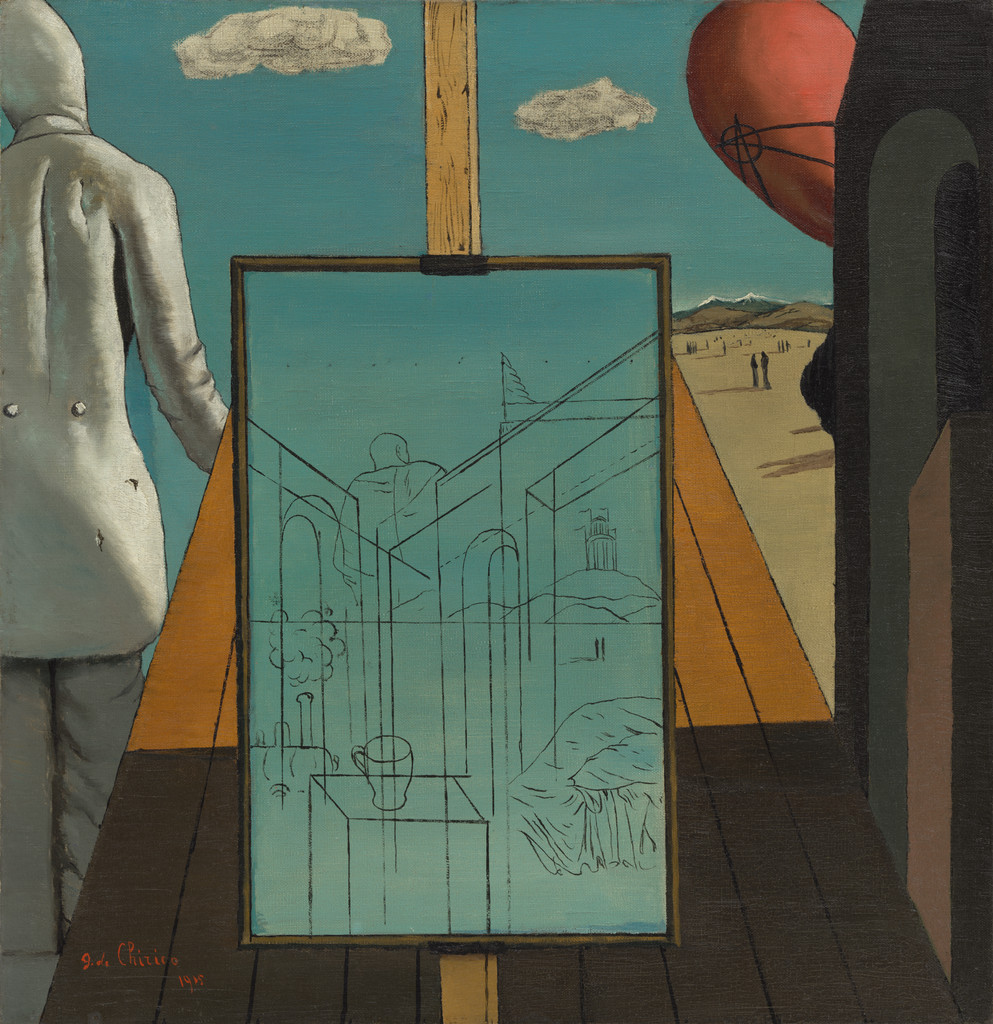
The Double Dream of Spring, Giorgio de Chirico, Paris, January-May 1915

The Double Dream of Spring

Paris, January-May 1915 · Museum of Modern Art

The Philosopher's Conquest, Giorgio de Chirico, 1913–14

The Philosopher's Conquest

1913–14 · Art Institute of Chicago

Untitled, Giorgio de Chirico, c. 1926

Untitled

c. 1926 · Art Institute of Chicago

Меланхолия поэта, Giorgio de Chirico, 20th century

Меланхолия поэта

20th century · Museo Puškin delle belle arti

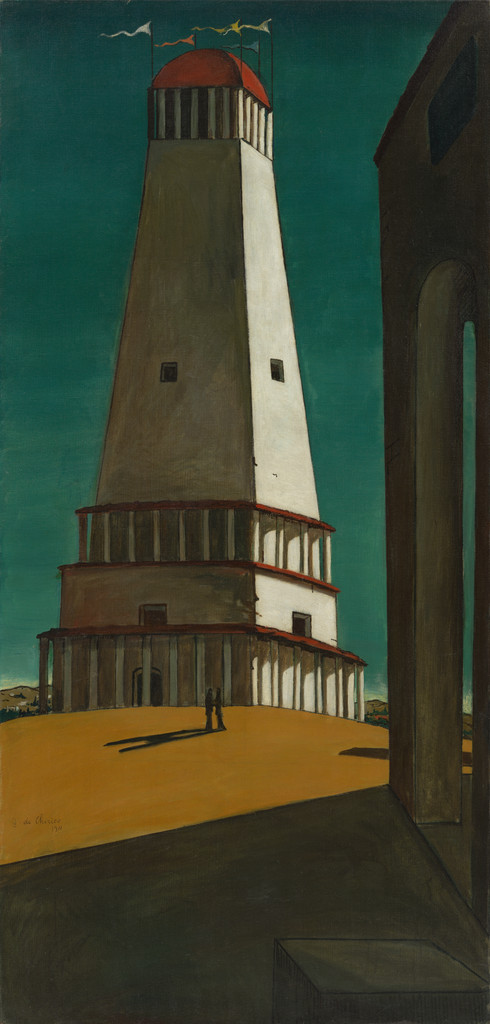
The Nostalgia of the Infinite, Giorgio de Chirico, Paris 1912-13? (dated on painting 1911)

The Nostalgia of the Infinite

Paris 1912-13? (dated on painting 1911) · Non esposta · Museum of Modern Art

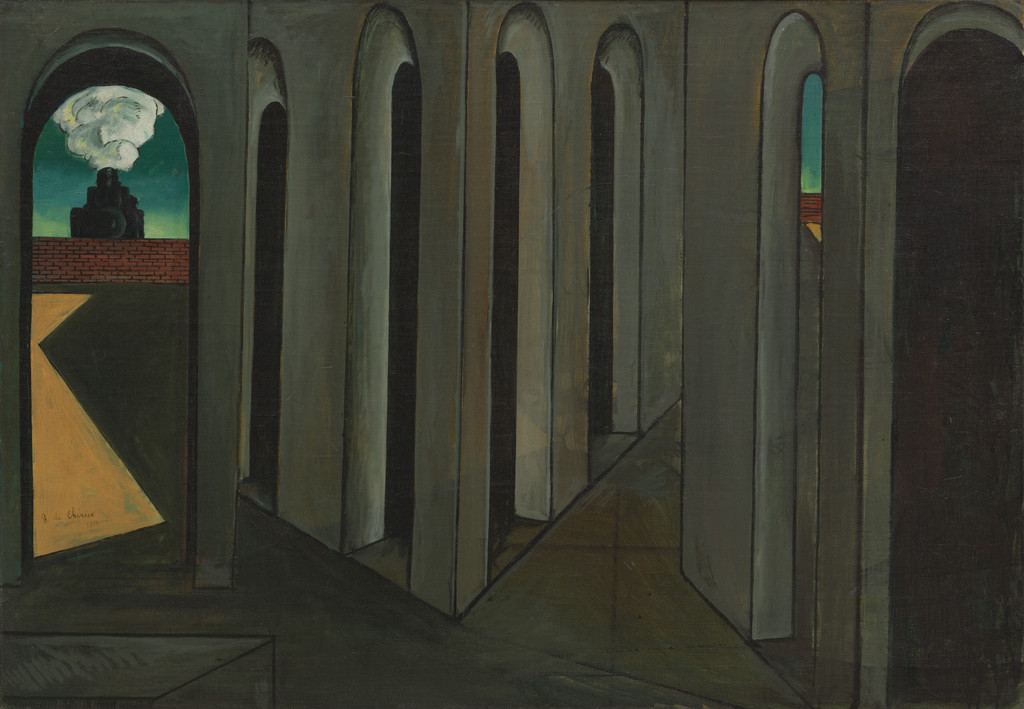
The Anxious Journey, Giorgio de Chirico, Paris, spring-summer 1913

The Anxious Journey

Paris, spring-summer 1913 · Non esposta · Museum of Modern Art

Sotto lo stesso tetto: Minneapolis Institute of Art

Pagina del museo
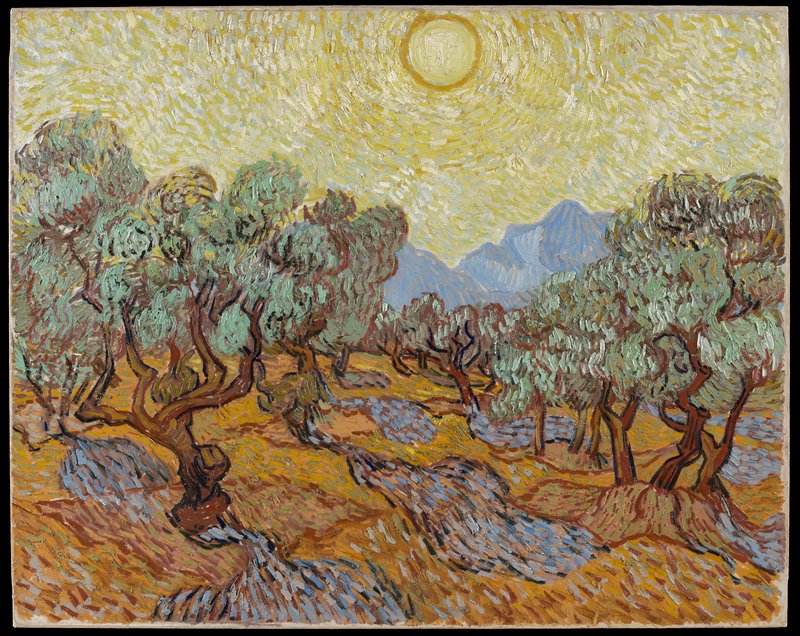
Olive Trees, Vincent van Gogh, 1889

Vincent van Gogh

Olive Trees, 1889

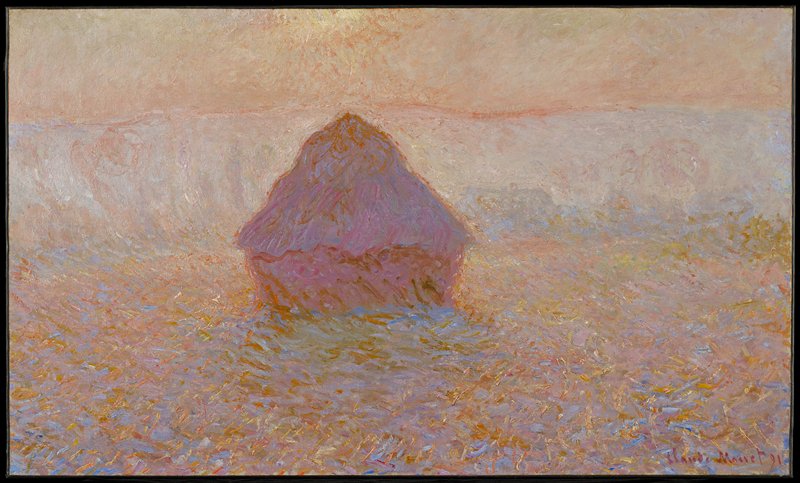
Grainstack, Sun in the Mist, Claude Monet, 1891

Claude Monet

Grainstack, Sun in the Mist, 1891

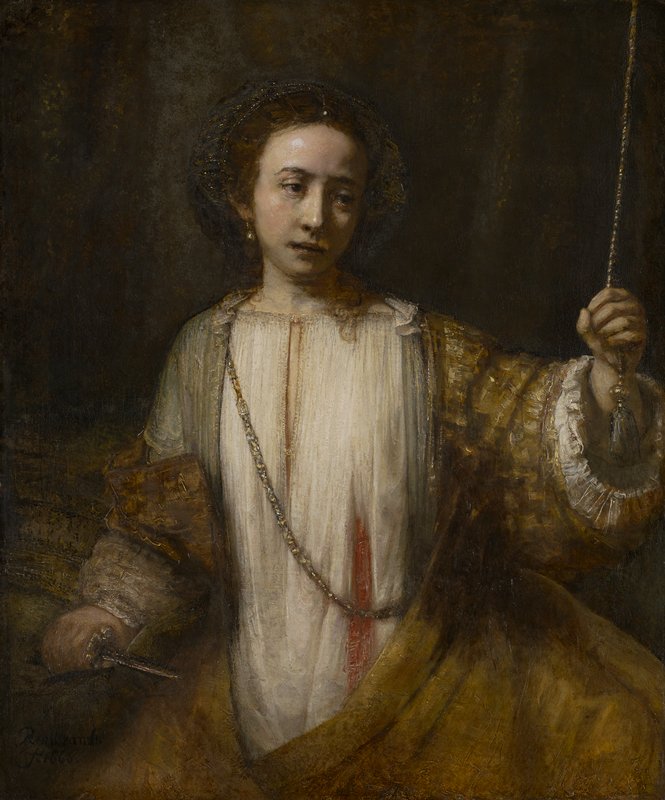
Lucretia, Rembrandt van Rijn, 1666

Rembrandt van Rijn

Lucretia, 1666

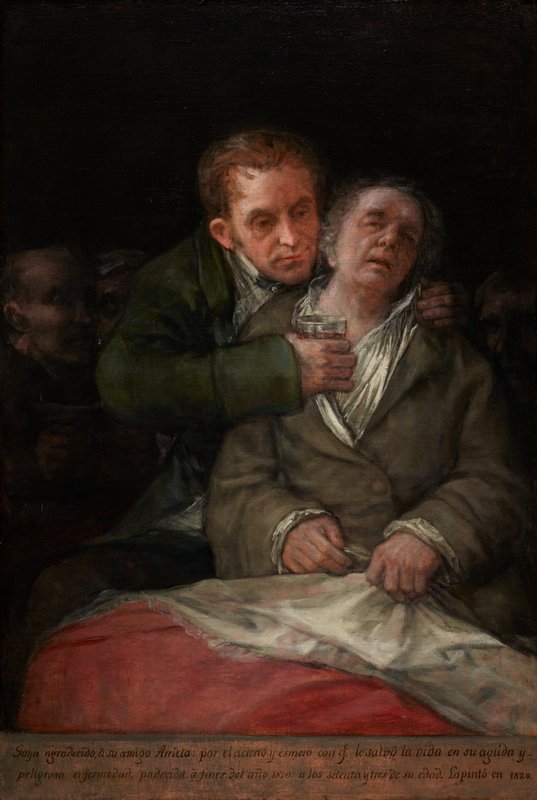
Self-Portrait with Dr. Arrieta, Francisco José de Goya y Lucientes, 1820

Francisco de Goya

Goya curato dal dottor Arrieta, 1820

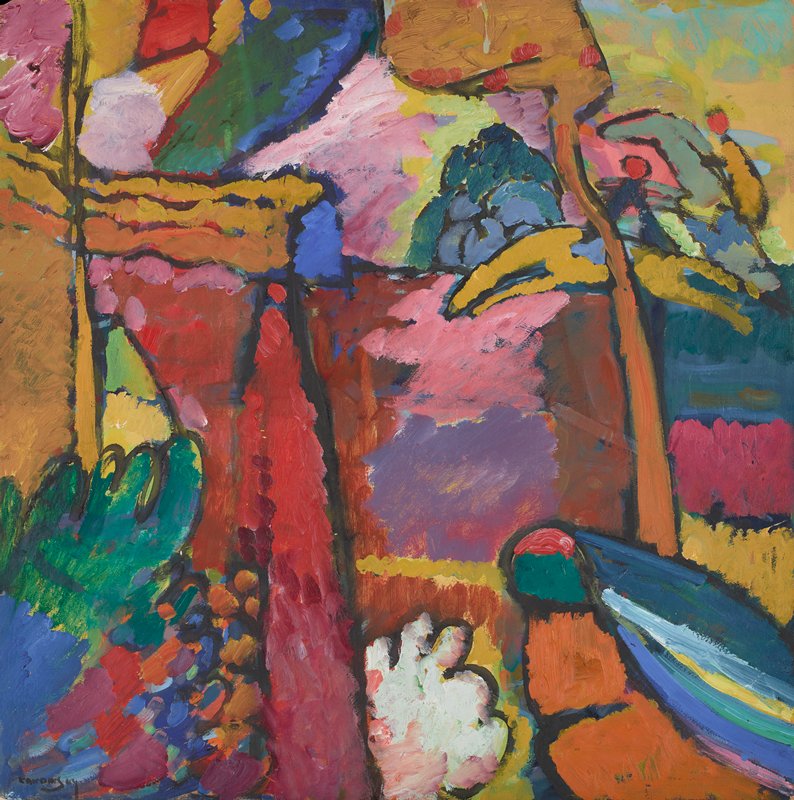
Study for Improvisation V, Vassily Kandinsky, 1910

Vasily Kandinsky

Study for Improvisation V, 1910

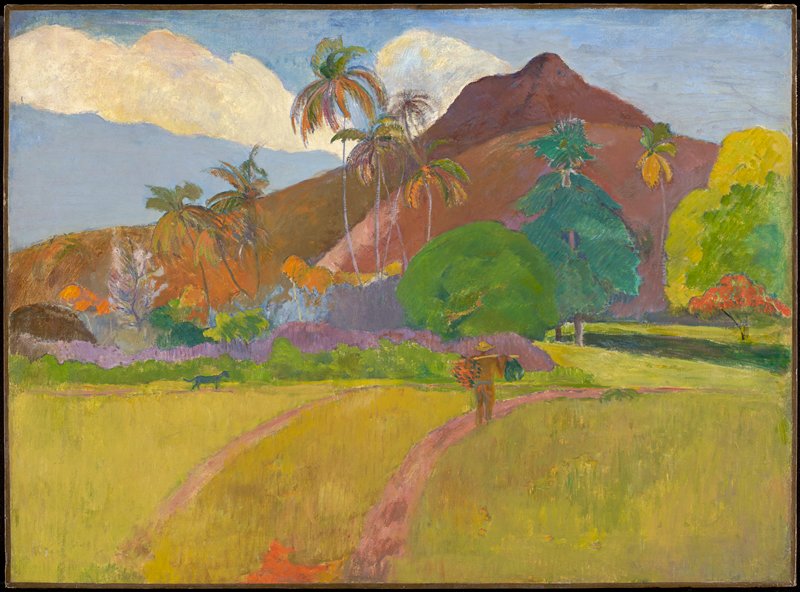
Tahitian Landscape, Paul Gauguin, 1891

Paul Gauguin

Tahitian Landscape, 1891

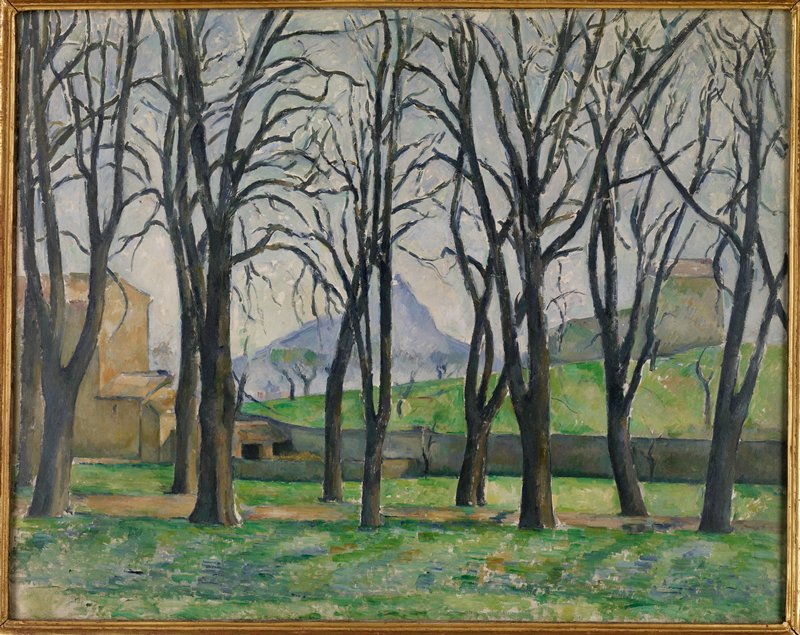
Chestnut Trees at Jas de Bouffan, Paul Cézanne, c. 1885–86

Paul Cézanne

Chestnut Trees at Jas de Bouffan, c. 1885–86

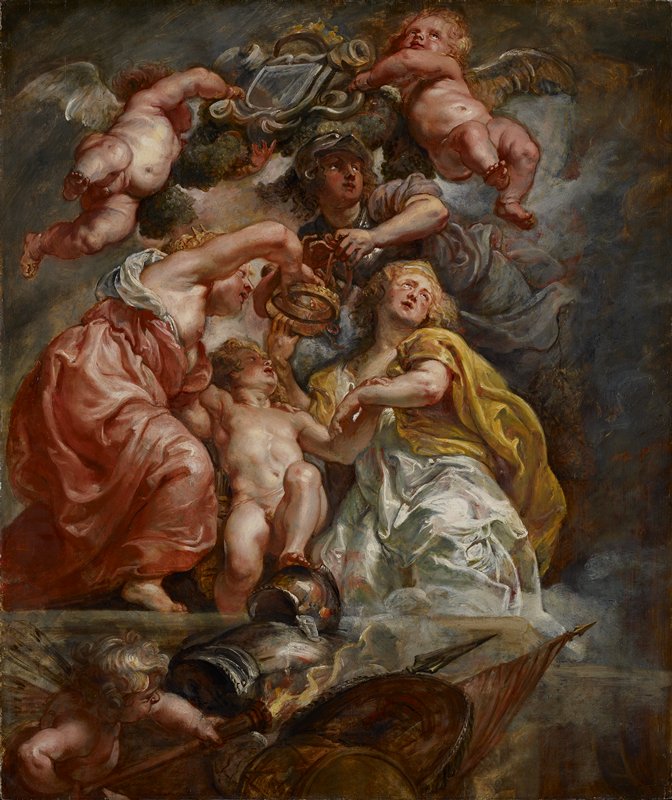
The Union of England and Scotland (Charles I as the Prince of Wales), Peter Paul Rubens, 1633–34

Peter Paul Rubens

The Union of England and Scotland (Charles I as the Prince of Wales), 1633–34