 Giorgio de ChiricoItalia, 1888–1978
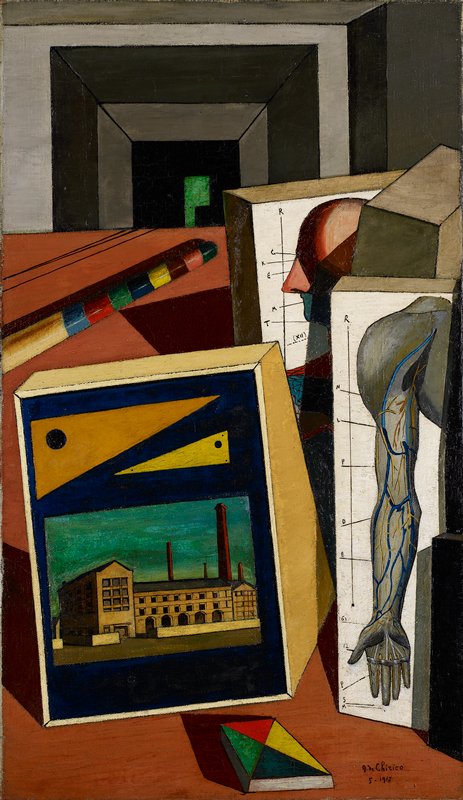
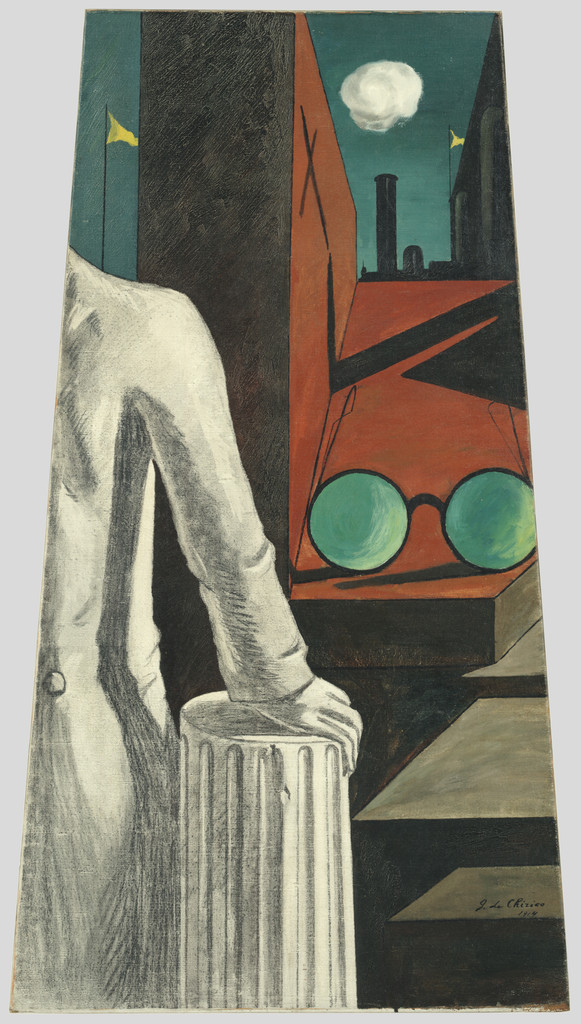
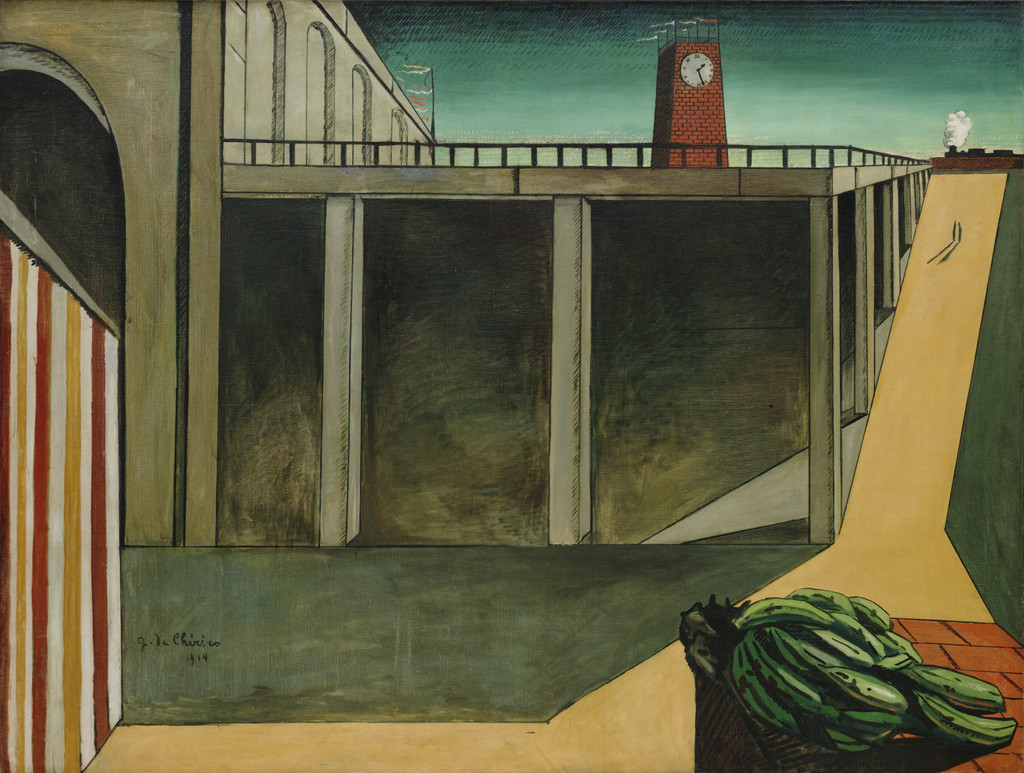
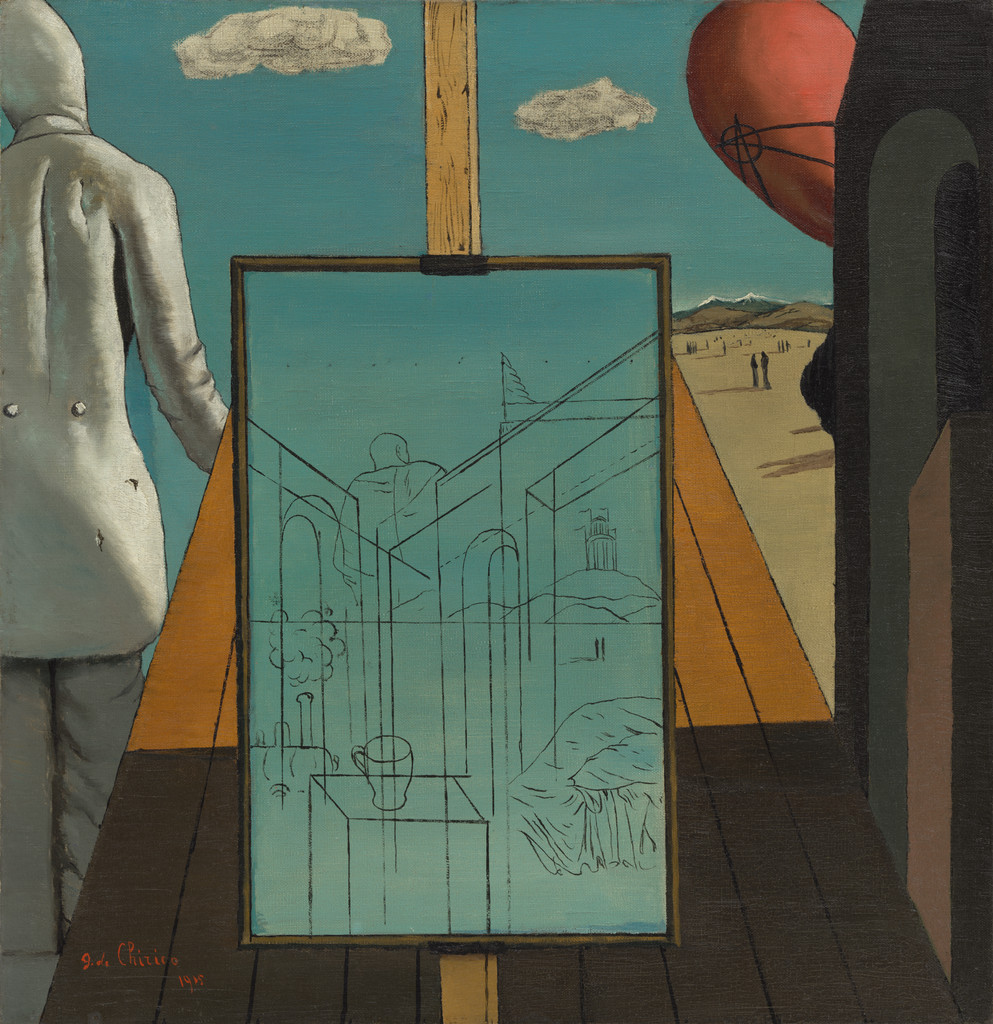
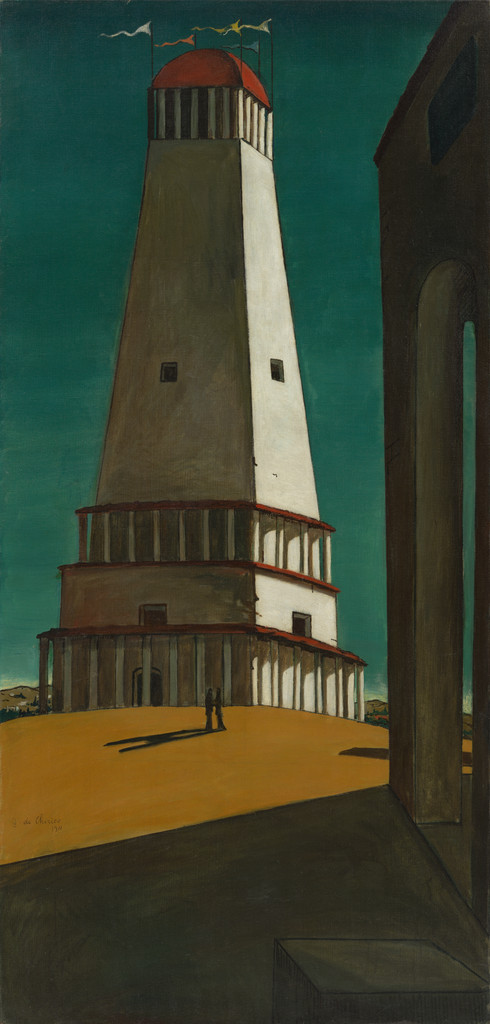
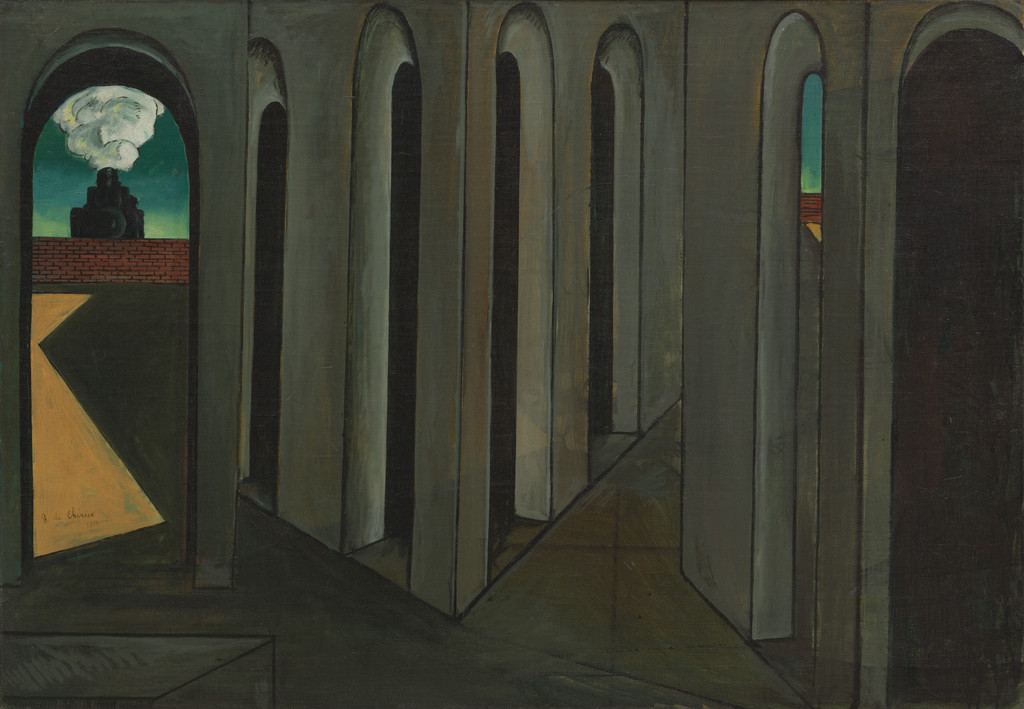
The Anxious Journey
Si può vedere?
Non esposta al momento
Dove si trova «The Anxious Journey» oggi? Collezione: Museum of Modern Art, New York. Non esposta al momento. Verificato 22 settembre 2026.

New York, Stati Uniti
Appartiene alla collezione, ma al momento non è esposta.
- Verificato
- Fonte
- Il museo
Scheda
- Numero di inventario
- 86.1950
In catalogo
Fonti
- Museum of Modern Art
- Immagine: Museum of Modern Art — © the artist or rights holder
Nella vita di Giorgio de Chirico
Tutta la vita1911
Moving to Paris, to his brother Andrea
In July 1911 de Chirico moves to Paris, where he joins his younger brother Andrea, who would become the writer, painter and composer known as Alberto Savinio. The move is sometimes dated to 1910.
1911
Turin: the city's “metaphysical aspect”
In July 1911, on his way to Paris, de Chirico spends a few days in Turin; he is profoundly moved by what he calls the “metaphysical aspect” of the city, especially the architecture of its archways and piazzas.
1912
First shows at the Salon d'Automne
From 1912 de Chirico takes part in the exhibitions of the Salon d'Automne: through his brother he meets Pierre Laprade, a member of the jury, and shows three works, among them “The Enigma of the Oracle” and a self-portrait.
1913
The first sale: “The Red Tower”
In 1913 de Chirico exhibits at the Salon des Indépendants and the Salon d'Automne; his work is noticed by Pablo Picasso and Guillaume Apollinaire, and “The Red Tower” becomes the first painting he sells.
1914
A contract with the dealer Paul Guillaume
In 1914, through Apollinaire, de Chirico meets the art dealer Paul Guillaume, with whom he signs a contract for his artistic output.
1915
Return to Italy and the hospital at Ferrara
At the outbreak of the First World War de Chirico returns to Italy; on his arrival in May 1915 he enlists in the army but is considered unfit for work and assigned to the hospital at Ferrara. The shop windows of the town inspire a series of paintings featuring biscuits, maps and geometric constructions in indoor settings.