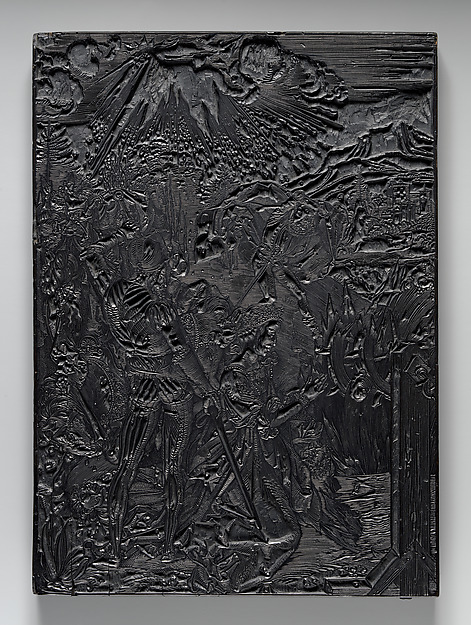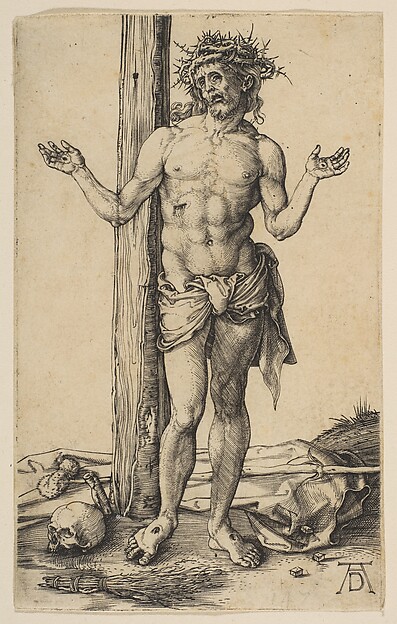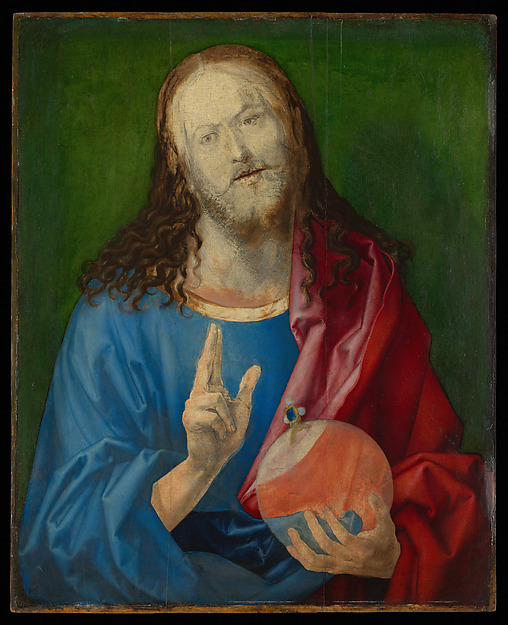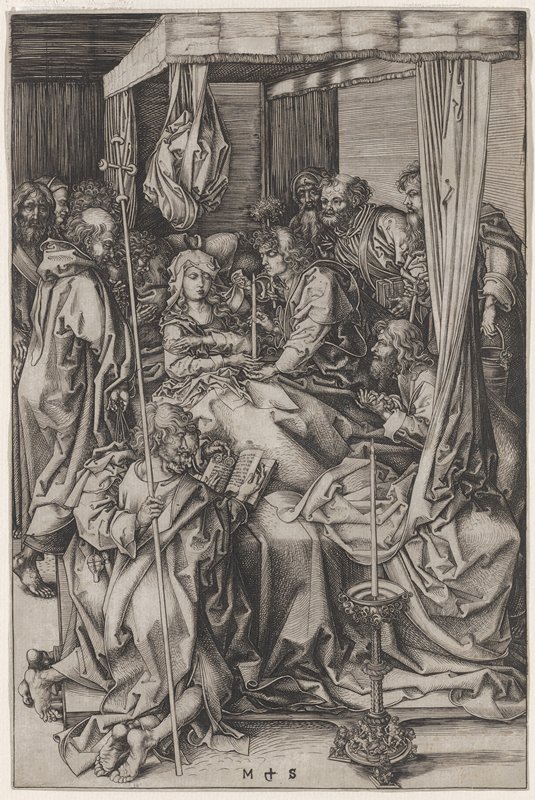
 Albrecht DürerGermania, 1471–1528
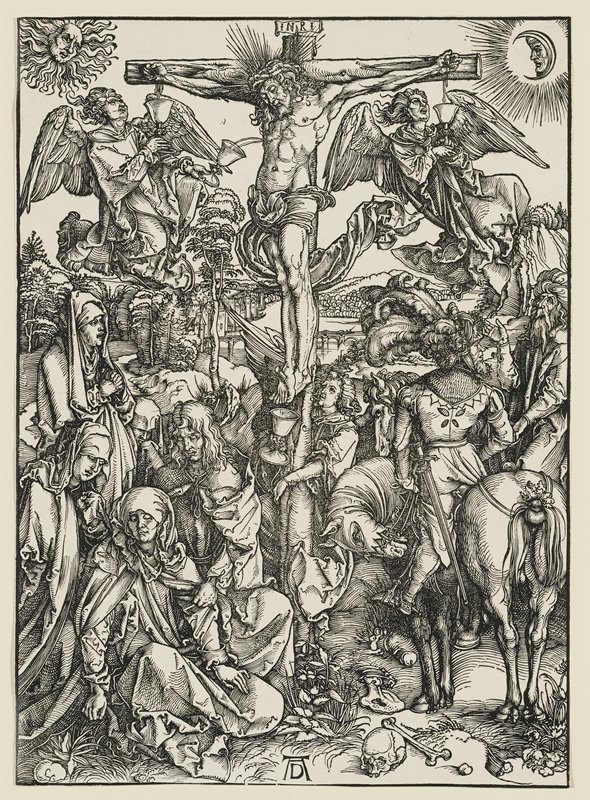
The Crucifixion
Si può vedere?
Sì, esposta ora
Dove si trova «The Crucifixion» oggi? Minneapolis Institute of Art, G344, Minneapolis. Sì, esposta ora. Verificato 29 settembre 2026.

Minneapolis, Stati Uniti
Aperto· fino alle 17:00
Esposta al pubblico.
- Verificato
- Ultimo cambio di stato
- Fonte
- Il museo
Sull’opera
Albrecht Dürer's Large Passion (so-called for its size relative to Durer's smaller version of the Passion) was published as an illustrated devotional book, comprising a title page and 11 large woodcuts and the Gospel narrative of Christ's final days, from his triumphal entry into Jerusalem to his murder by crucifixion, as conveyed by the Benedictine monk Benedictus Chelidonius (c. 1456-1521).
Leggi
Dürer was a master of the woodcut technique, creating highly detailed and elaborate scenes of what can only be described as a highly personal interpretation of the passion of Christ. In particular, Dürer emphasizes the humanity of Jesus. His mother, the Virgin Mary, is shown seated at the lower left, lost in her grief, in stark contrast to the indifference of the mounted solder. Above and below, three angels catch Christ's blood in chalices, drawing attention to his fresh wounds and agony. Though Dürer began creating the prints for the Large Passion as early as 1497, and had finished seven of the woodcuts by 1500, it was not until 1511 that he completed the remaining prints in the series and the title page for the book.
Minneapolis Institute of Art
Scheda
- Numero di inventario
- P.12, 515
In catalogo
Fonti
- Minneapolis Institute of Art
- Immagine: Minneapolis Institute of Art — public domain
Nella vita di Albrecht Dürer
Tutta la vita1500
Jacopo de’ Barbari e il segreto delle proporzioni
Giunse a Norimberga il veneziano Jacopo de’ Barbari, che Dürer aveva conosciuto a Venezia; a suo dire, apprese da lui molto sulla prospettiva, l’anatomia e le proporzioni. Convinto che de’ Barbari non gli svelasse tutto, Dürer avviò ricerche proprie, che lo impegnarono per tutta la vita.
1501–1502
Fra gli umanisti di Norimberga
Grazie all’amico di lunga data Willibald Pirckheimer, Dürer entrò nella cerchia degli umanisti di Norimberga. Incise illustrazioni per le opere di Rosvita (1501) e i «Quattro libri d’amore» (1502), pubblicati da Conrad Celtis, e ornò di disegni 14 libri della biblioteca di Pirckheimer.
1502
La morte del padre
Morì Albrecht Dürer il Vecchio e il figlio si assunse la cura della madre e dei due fratelli minori, Endres e Hans.
1505
Il secondo viaggio in Italia
Dürer ripartì per l’Italia, forse non soltanto per guadagnare, ma anche per porre fine alle copie delle sue incisioni eseguite da Marcantonio Raimondi. Del soggiorno a Venezia si ha notizia attraverso dieci lettere a Pirckheimer giunte fino a noi.
1511
Pubblica la «Grande Passione» e la «Vita della Vergine»
Dürer pubblicò in volume due serie di xilografie, la «Grande Passione» e la «Vita della Vergine», insieme alla seconda edizione dell’«Apocalisse» e ai 37 fogli della «Piccola Passione». Nelle incisioni successive al soggiorno veneziano sviluppò il modellato chiaroscurale.
1512
Massimiliano I diventa il suo principale mecenate
Dal 1512 l’imperatore Massimiliano I divenne il principale mecenate di Dürer. Per lui Dürer e i suoi allievi realizzarono l’«Arco trionfale», una gigantesca xilografia di 295 × 357 cm composta dalle impressioni di 192 matrici e concepita sul modello degli archi dell’antica Roma.
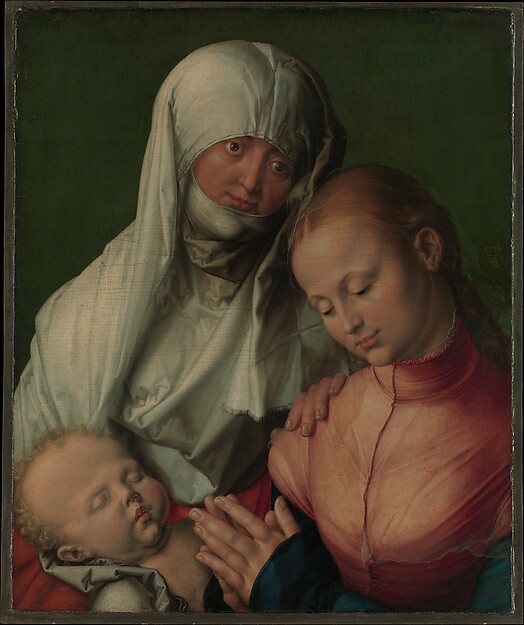
![Madonna and Child [obverse], Albrecht Dürer, c. 1496/1499](https://api.nga.gov/iiif/878db7e6-10ae-4cae-ba5d-6d6f5c413ae8/full/!2400,2400/0/default.jpg)
![Lot and His Daughters [reverse], Albrecht Dürer, c. 1496/1499](https://api.nga.gov/iiif/7565a449-f82a-414b-9bda-c93f55a51b4d/full/!2400,2400/0/default.jpg)