ART WIKI32.963 in sala
MappaCollezioneArtistiMuseiMostreRivista
Accedi

ART WIKI

Dove è appeso il capolavoro, e quando si può entrare.

Collezioni: Art Institute of Chicago, Cleveland Museum of Art, Ermitage, Galleria Tret'jakov, Getty Museum, Harvard Art Museums, Hirshhorn Museum and Sculpture Garden, Metropolitan Museum of Art, Minneapolis Institute of Art, Museo del Louvre, Museo Puškin delle belle arti, Museo russo, Museum of Modern Art, National Gallery of Art, National Museum of Asian Art, National Portrait Gallery, Rijksmuseum, Smithsonian American Art Museum, Statens Museum for Kunst, Victoria and Albert Museum, Villa Getty, Whitney Museum of American Art, Catalogo statale del fondo museale russo (274 musei), Europeana (19 musei), Wikidata (6 musei), Paris Musées (12 musei) e Joconde, la banca dati dei musei del Ministero della Cultura francese (495 musei). Le immagini appartengono ai titolari dei diritti.

Sezioni

  • Mappa
  • Ricerca
  • Collezione
  • Capolavori
  • Esposte ora
  • Artisti

Altro

  • Musei e gallerie
  • Mostre
  • Rivista
  • Da dove vengono i dati
  • Privacy e cookie
HomeMappaCatalogo
  1. Collezione/
  2. Victoria and Albert Museum/
  3. The Architect James Gibbs
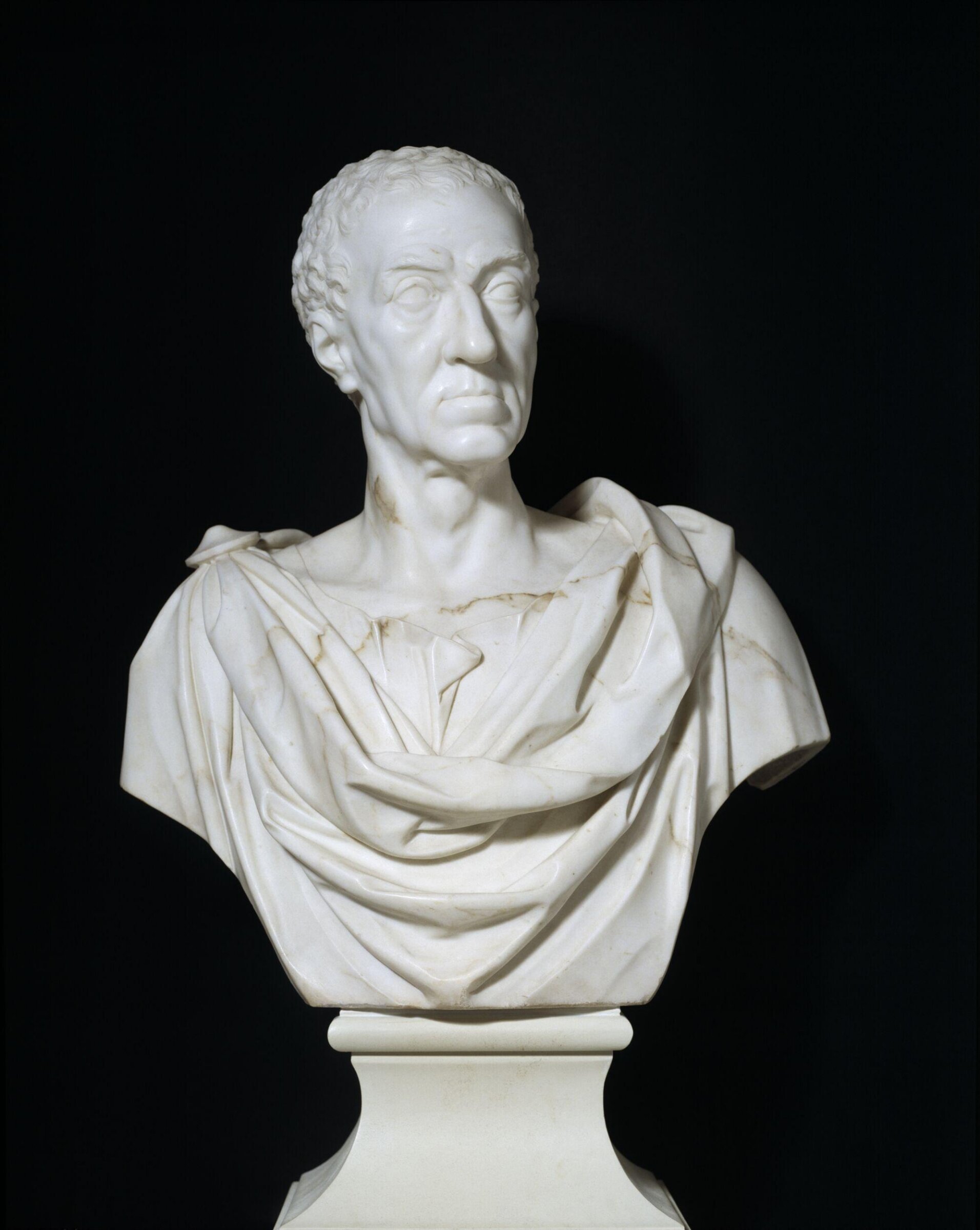
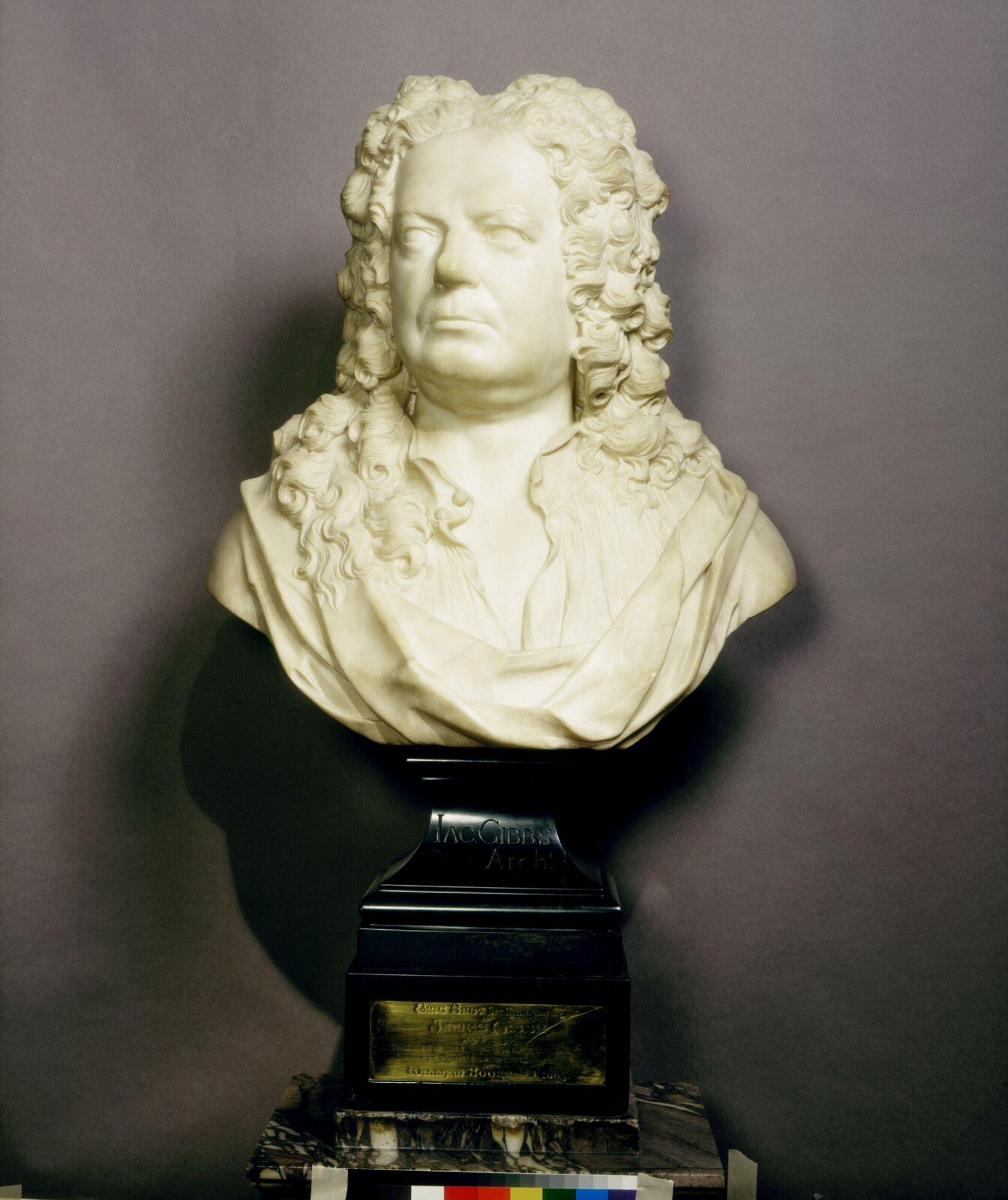
The Architect James Gibbs, John Michael Rysbrack, 1726

The Architect James Gibbs

1726 · Bust

Sulla scultura

Object Type

This portrait bust of the architect James Gibbs (1682-1754) was made by his friend and associate John Michael Rysbrack (1694-1770). Gibbs commissioned the bust, and it remained in his ownership until his death (see Balderstaon 2001, pp. 9-15). He is shown wearing a wig and dressed in casually (the shirt unbuttoned at the neck); another bust of Gibbs, also by Rysbrack, belonging to the Bodleian Library, Oxford, and now shown in the Radcliffe Camera, depicts the sitter in a more classicising mode, without a wig, and bare-chested. Gibbs and Rysbrack lived near one another on the Harley estate north of Oxford Street in London. They collaborated together on a number of projects, notably monuments in Westminster Abbey (designed by Gibbs, and executed by Rysbrack), and garden ornaments and sculpture for the grounds at Stowe House, Buckinghamshire.

People

Continua a leggere

John Michael Rysbrack (1694-1770) was one of the leading sculptors of his day, and, along with Louis Fran‡ois Roubiliac, was one of the most important sculptors active in Britain in the first half of the 18th century. He was a native of Antwerp, but arrived in England in 1720 and carried out all his known work in this country. He specialised in portrait busts, such as this one, and tomb monuments, many of which are in Westminster Abbey. He also collaborated on sculpture for the grounds at Stowe, and most notably sculpted a series in limestone of seven Saxon gods, two of which (Thuner and Sunna) are in the V&A.

Materials & Making

This bust is carved in marble, one of the most popular materials for portrait busts in the 18th century, although busts were also commissioned in terracotta, bronze, lead and plaster. Rysbrack almost certainly initially modelled the bust from the life in clay, which was then perhaps fired to form terracotta, and this used in turn to cast a plaster model from which the bust would be carved. If all these stages were indeed part of the process for the present bust (and certainly at least one form of initial full-size model would have been necessary), unfortunately none of the other versions has survived. Rysbrack trained in the Low Countries, where modelling terracotta was an established practice as a preliminary to a finished marble piece.

Altre opere di John Michael Rysbrack

Tutte le opere

Nella stessa sala · British Galleries, Room 54, Victoria and Albert Museum

Pagina del museo

Victoria and Albert Museum

Scheda

1726 · a 32 anni
16941770
Numero di inventario
A.6-1988

Fonti

  • Victoria and Albert Museum
  • Immagine: Victoria and Albert Museum — © Victoria and Albert Museum, London
John Michael Rysbrack, ritrattoJohn Michael RysbrackFiandre, 1694–1770

Si può ammirare?

Sì, riceve visite

Victoria and Albert Museum

Londra, Regno Unito

SalaBritish Galleries, Room 54

Esposta al pubblico. Chi lo garantisce è indicato qui sotto.

Verificato
12 giorni fa
Ultimo cambio di stato
25 set 2026
Fonte
Il museo
Sulla mappaPagina del museo
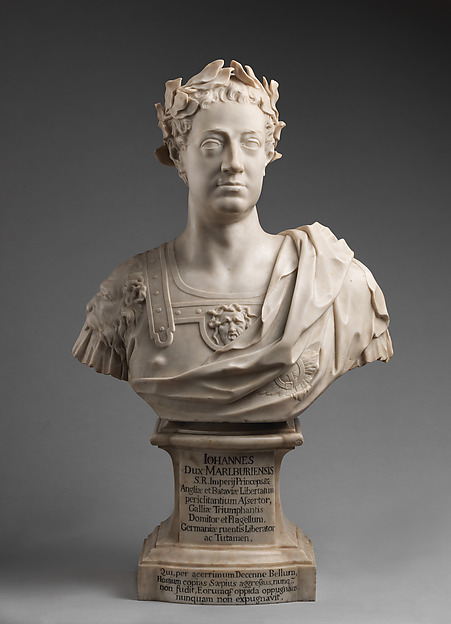
John Churchill, 1st Duke of Marlborough (1650–1722), John Michael Rysbrack, early to mid-1730s

John Churchill, 1st Duke of Marlborough (1650–1722)

early to mid-1730s · Metropolitan Museum of Art

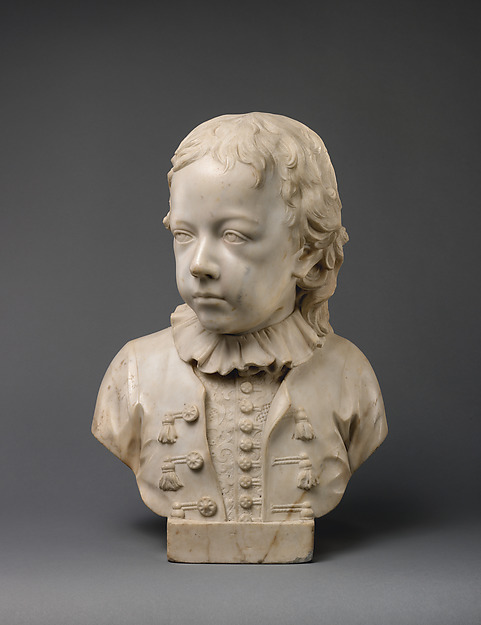
John Barnard, John Michael Rysbrack, 1744

John Barnard

1744 · Metropolitan Museum of Art

Daniel Finch, 2nd Earl of Nottingham and 7th Earl of Winchilsea, John Michael Rysbrack, ca. 1723

Daniel Finch, 2nd Earl of Nottingham and 7th Earl of Winchilsea

ca. 1723 · Victoria and Albert Museum

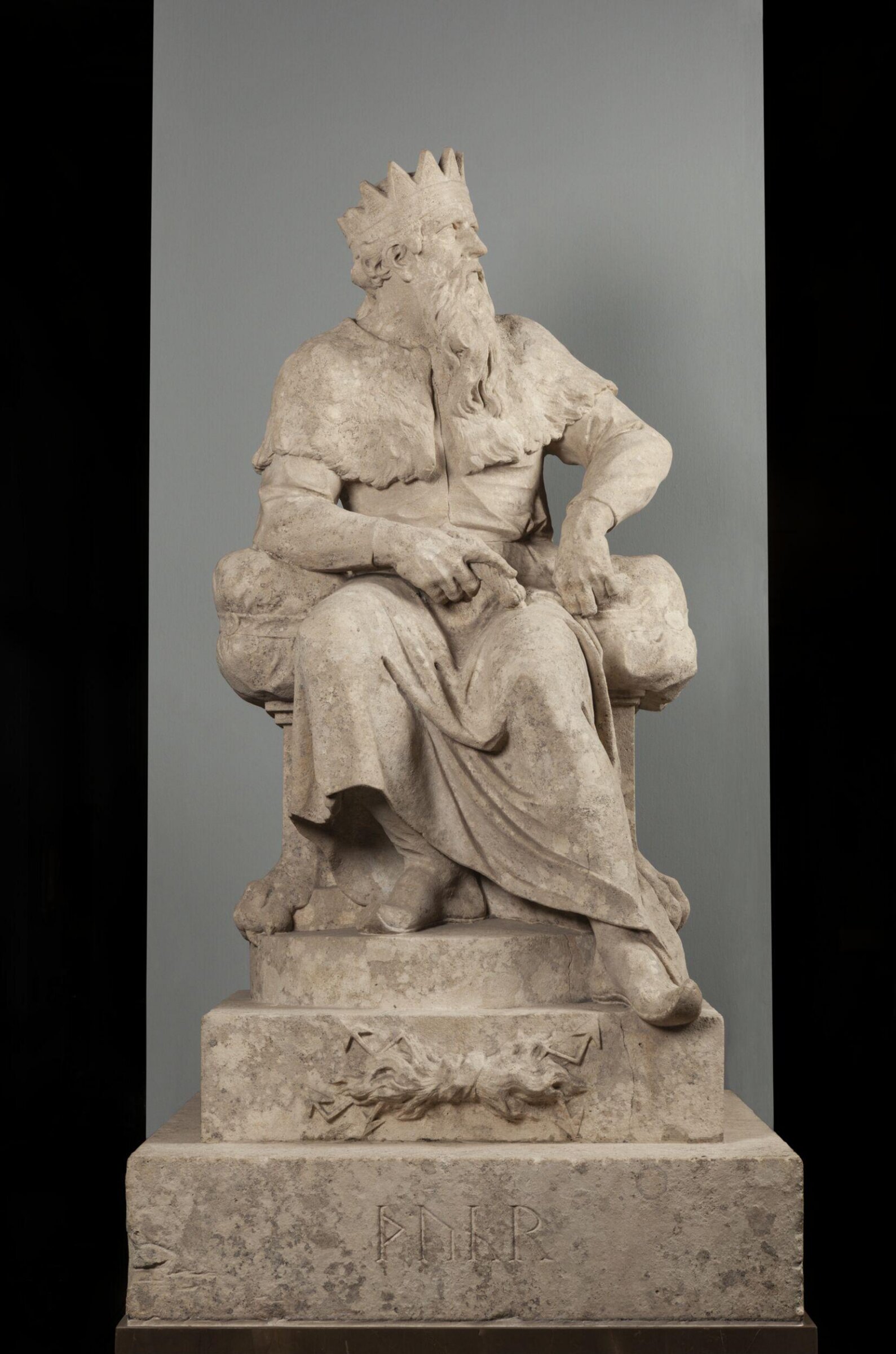
Thuner, John Michael Rysbrack, ca. 1728 - ca. 1730

Thuner

ca. 1728 - ca. 1730 · Victoria and Albert Museum

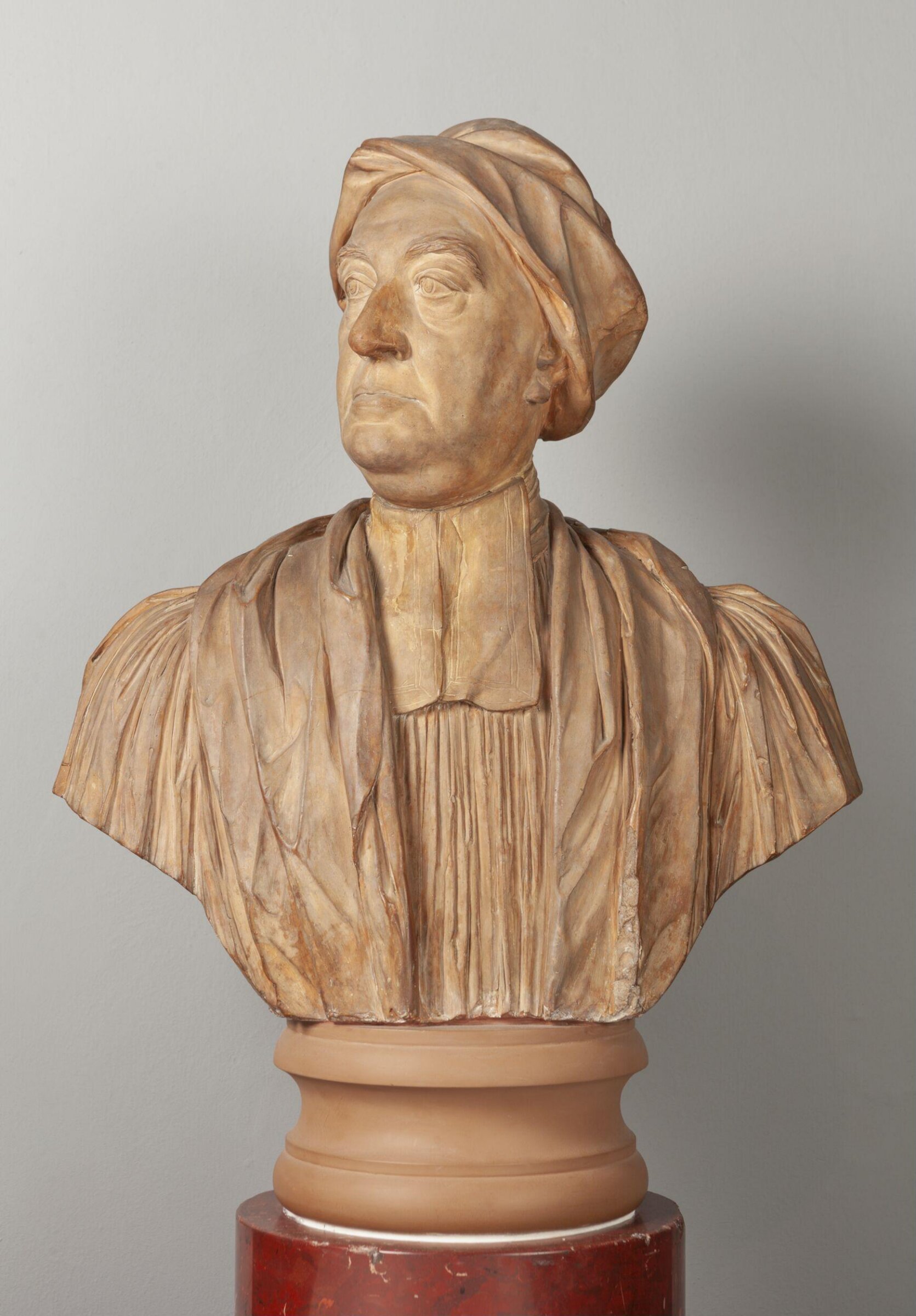
Canon Edward Finch, John Michael Rysbrack, 1728

Canon Edward Finch

1728 · Victoria and Albert Museum

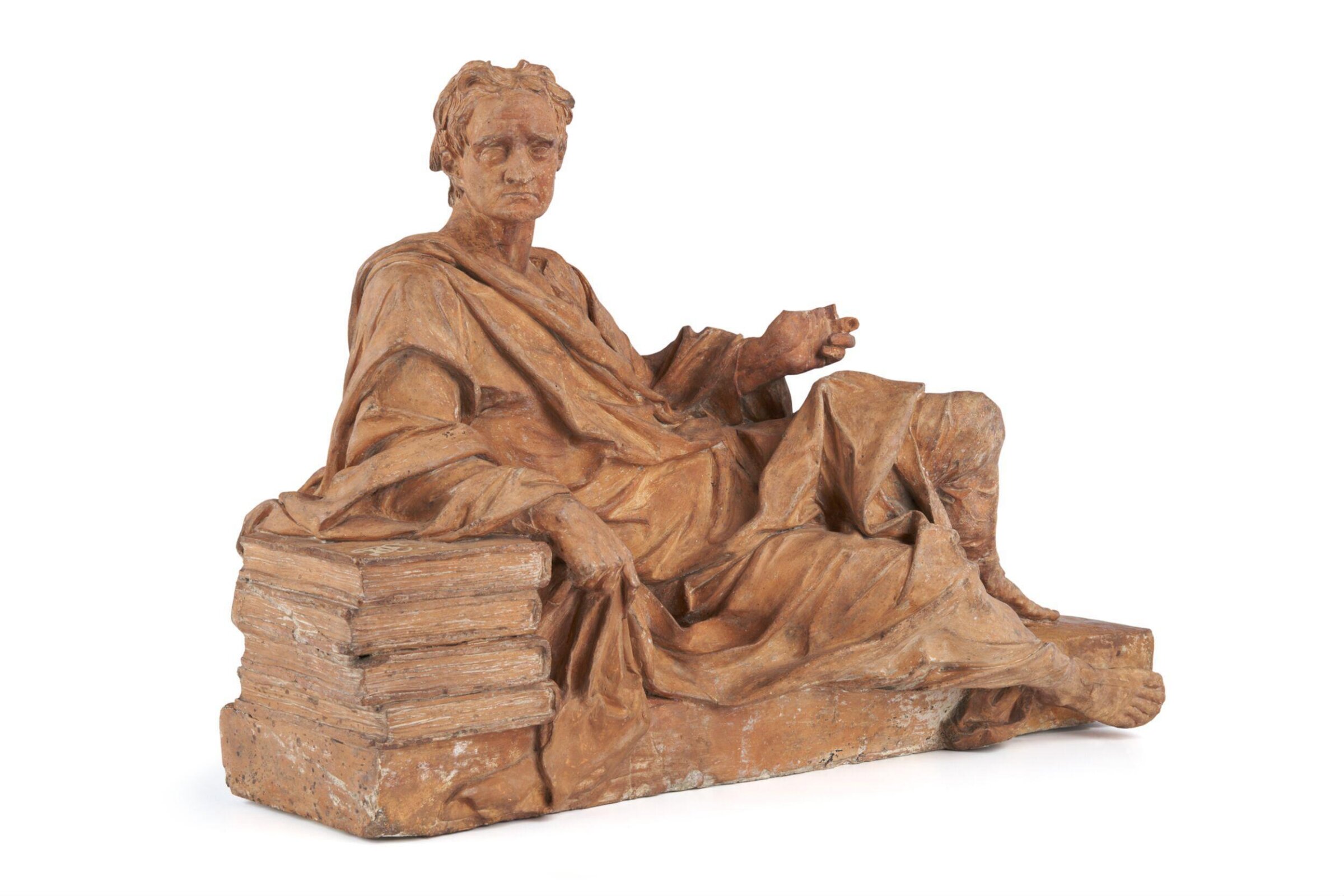
Sir Isaac Newton (1642-1727), John Michael Rysbrack, ca. 1730

Sir Isaac Newton (1642-1727)

ca. 1730 · Victoria and Albert Museum

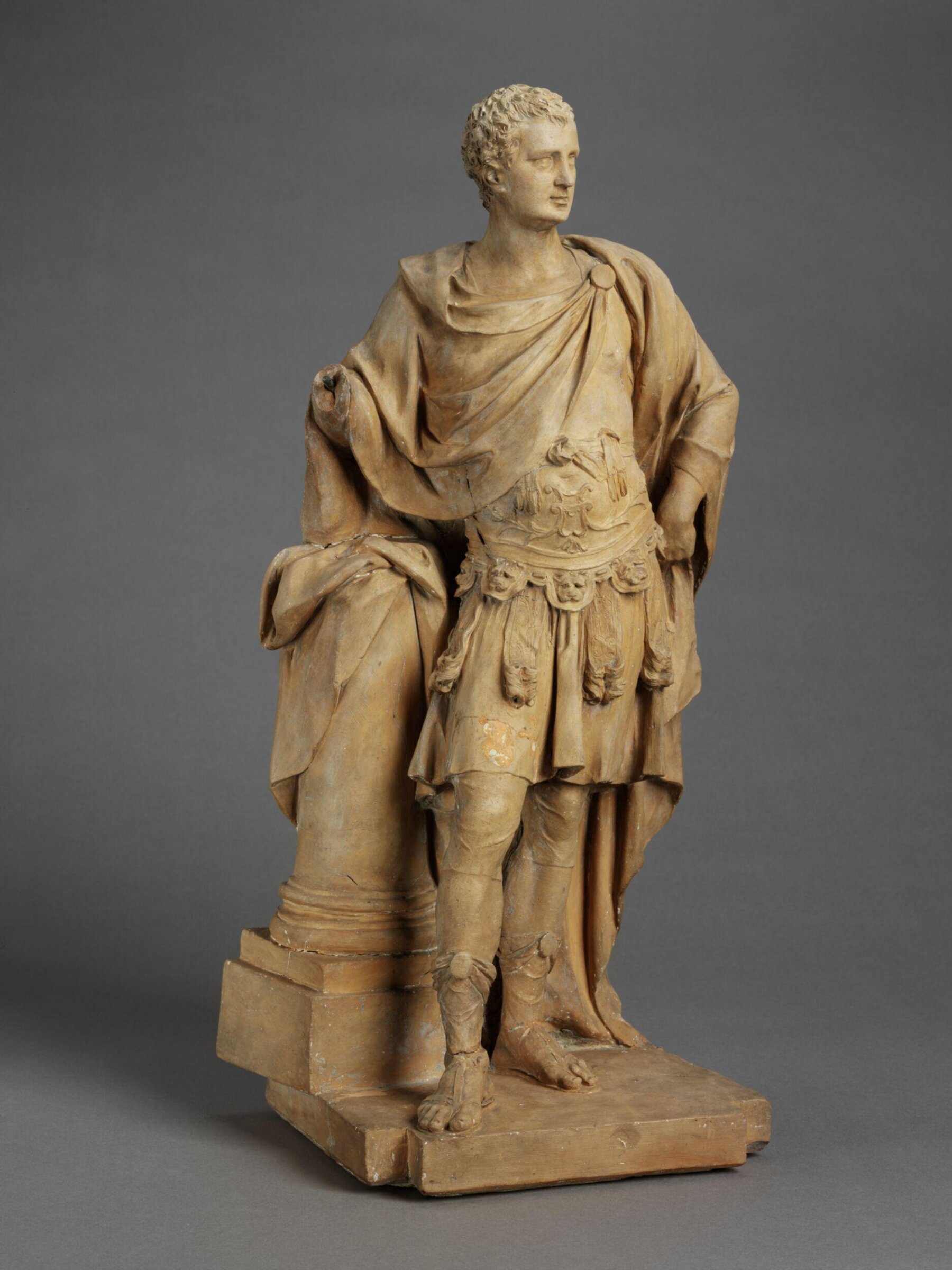
Thomas Wentworth, 1st Earl Strafford (1672-1739), John Michael Rysbrack, ca. 1740

Thomas Wentworth, 1st Earl Strafford (1672-1739)

ca. 1740 · Victoria and Albert Museum

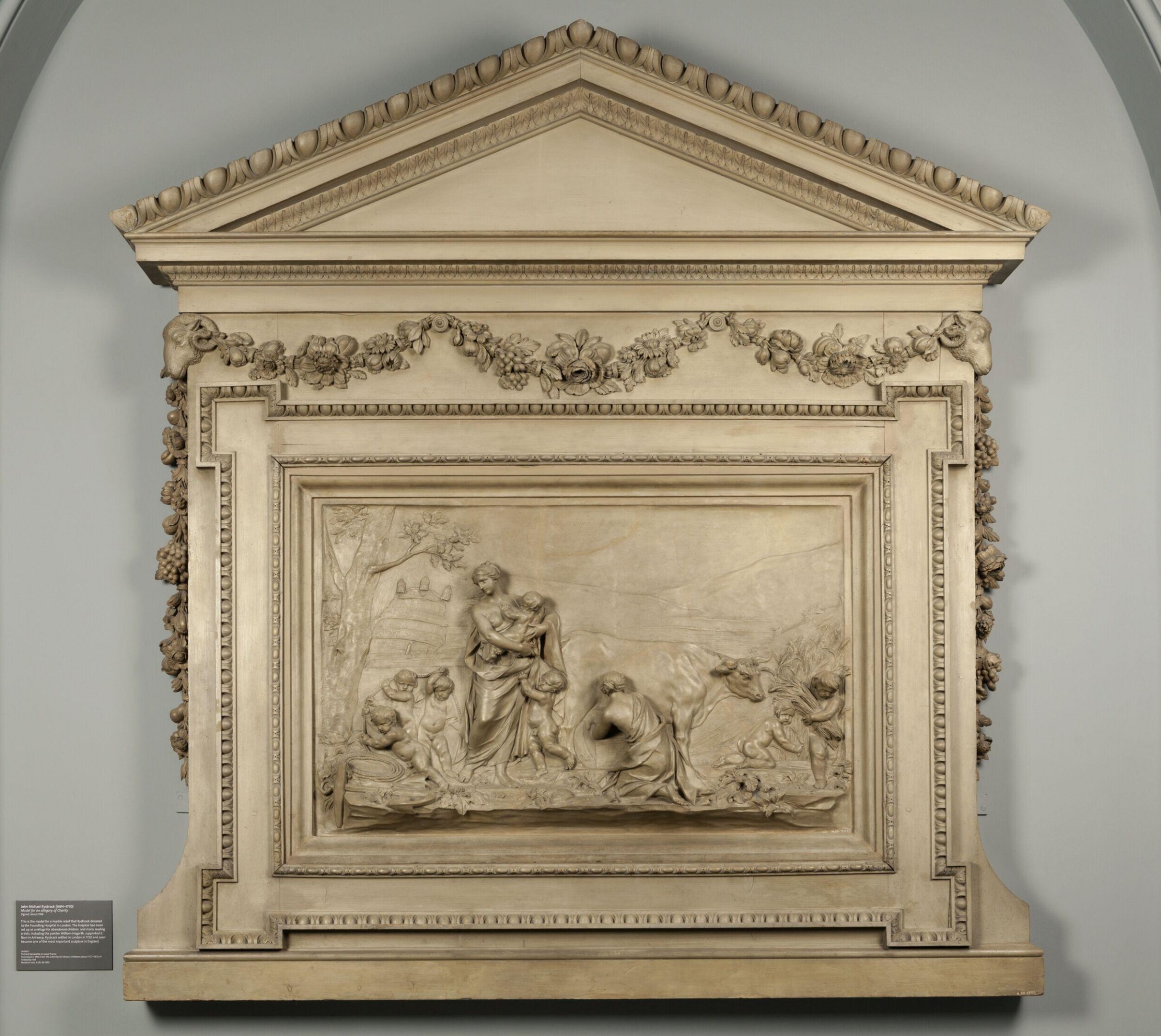
An Allegory of Charity, John Michael Rysbrack, ca. 1746

An Allegory of Charity

ca. 1746 · Victoria and Albert Museum

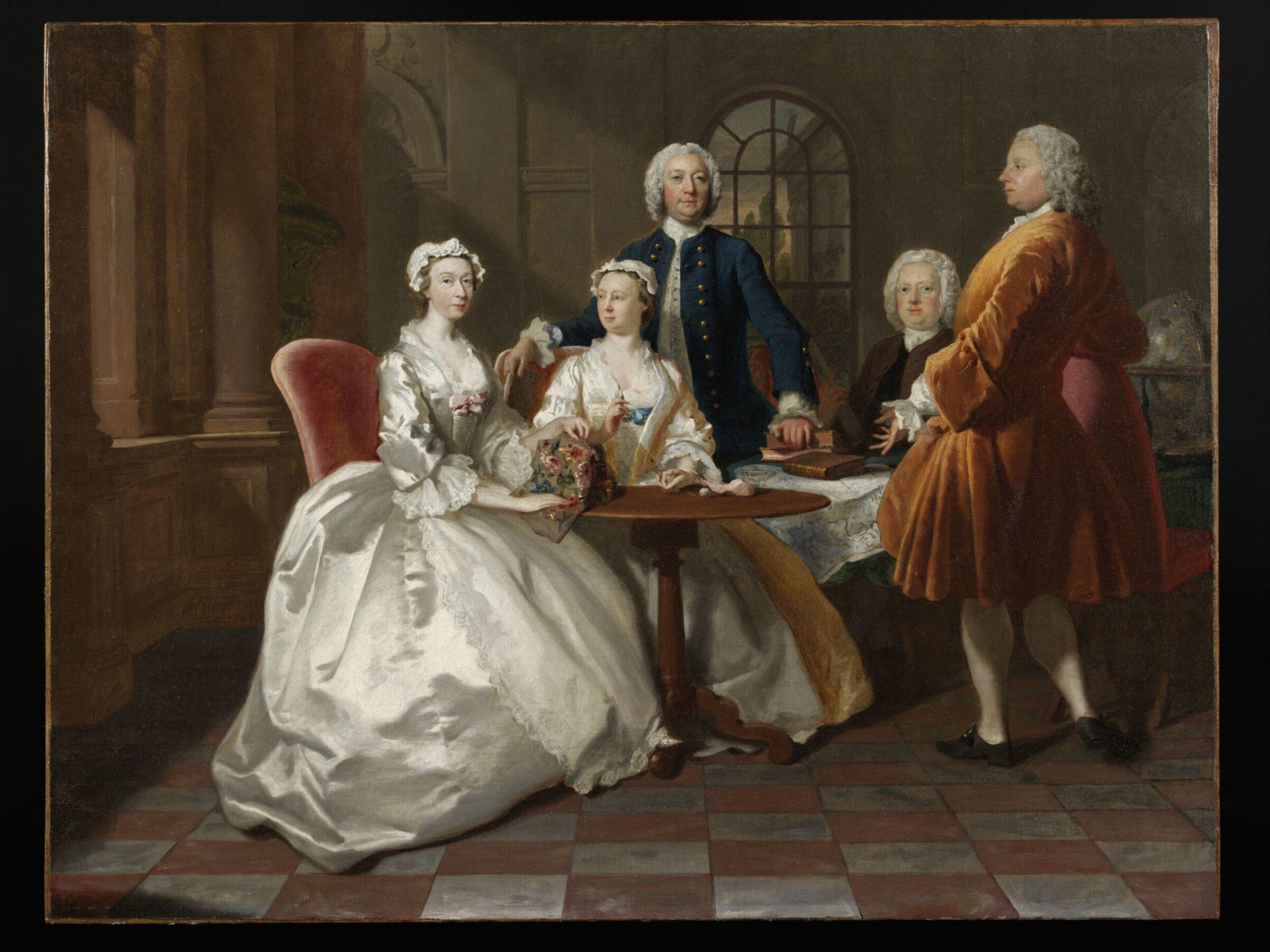
A portrait of the Vigor Family: Jane Vigor, Joseph Vigor, Ann Vigor, William Vigor and probably John Penn, Joseph Highmore, 1744

Joseph Highmore

A portrait of the Vigor Family: Jane Vigor, Joseph Vigor, Ann Vigor, William Vigor and probably John Penn, 1744

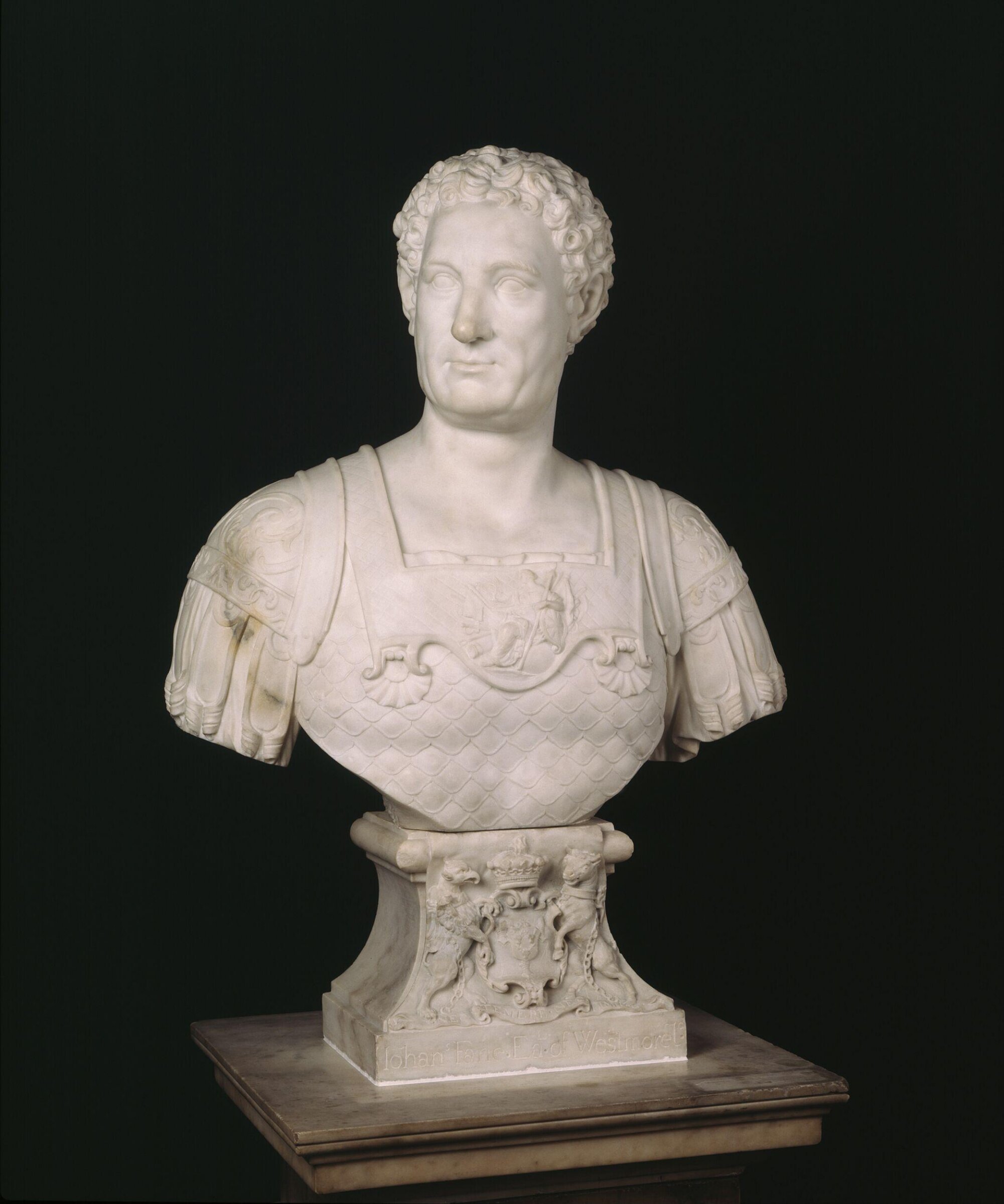
John Fane, 7th Earl of Westmorland, Thomas Ady, 1742

Thomas Ady

John Fane, 7th Earl of Westmorland, 1742

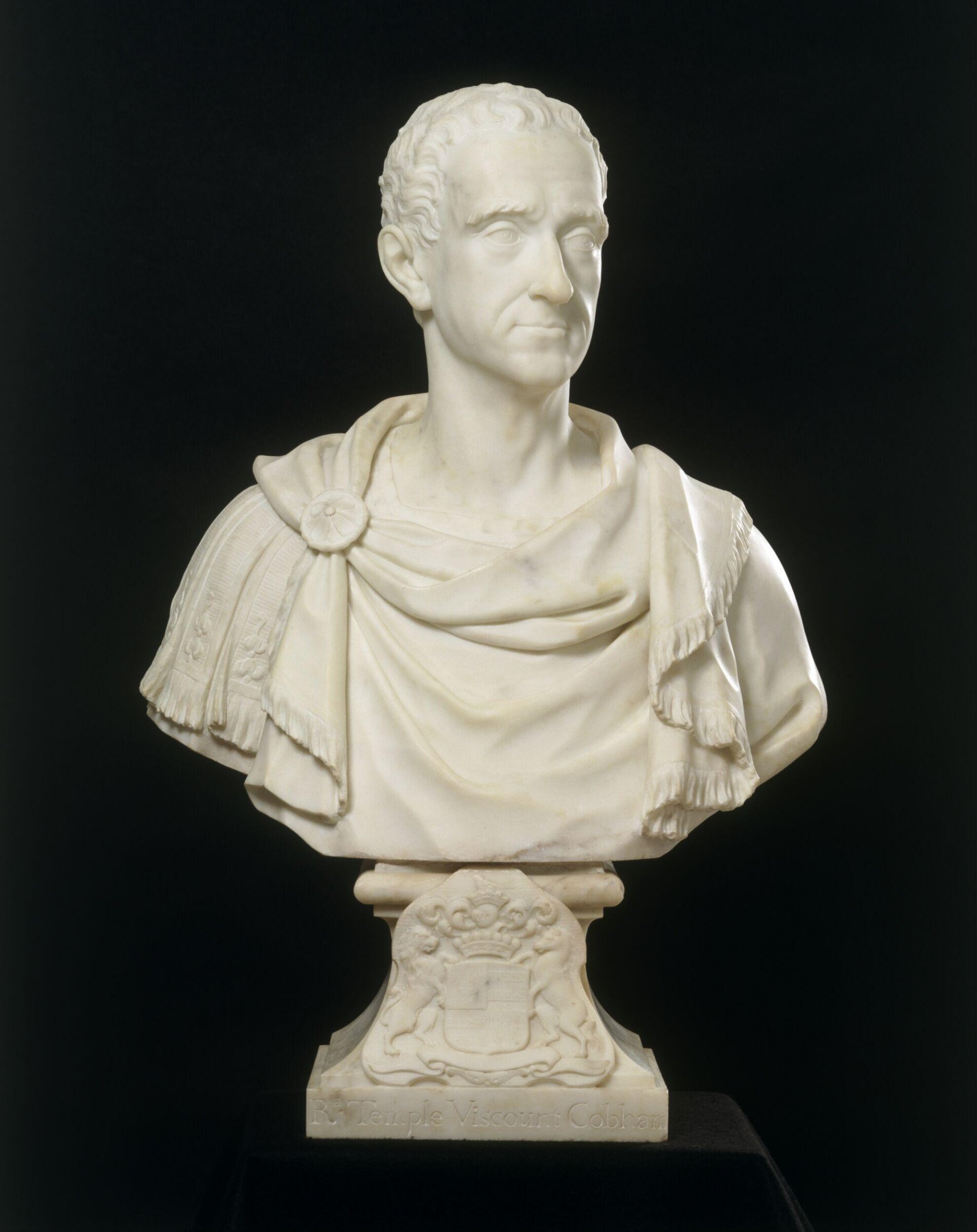
Richard Temple, 1st Viscount Cobham, Peter Scheemakers, ca. 1740

Peter Scheemakers

Richard Temple, 1st Viscount Cobham, ca. 1740

Sir Isaac Newton (1642-1727), John Michael Rysbrack, ca. 1730

John Michael Rysbrack

Sir Isaac Newton (1642-1727), ca. 1730

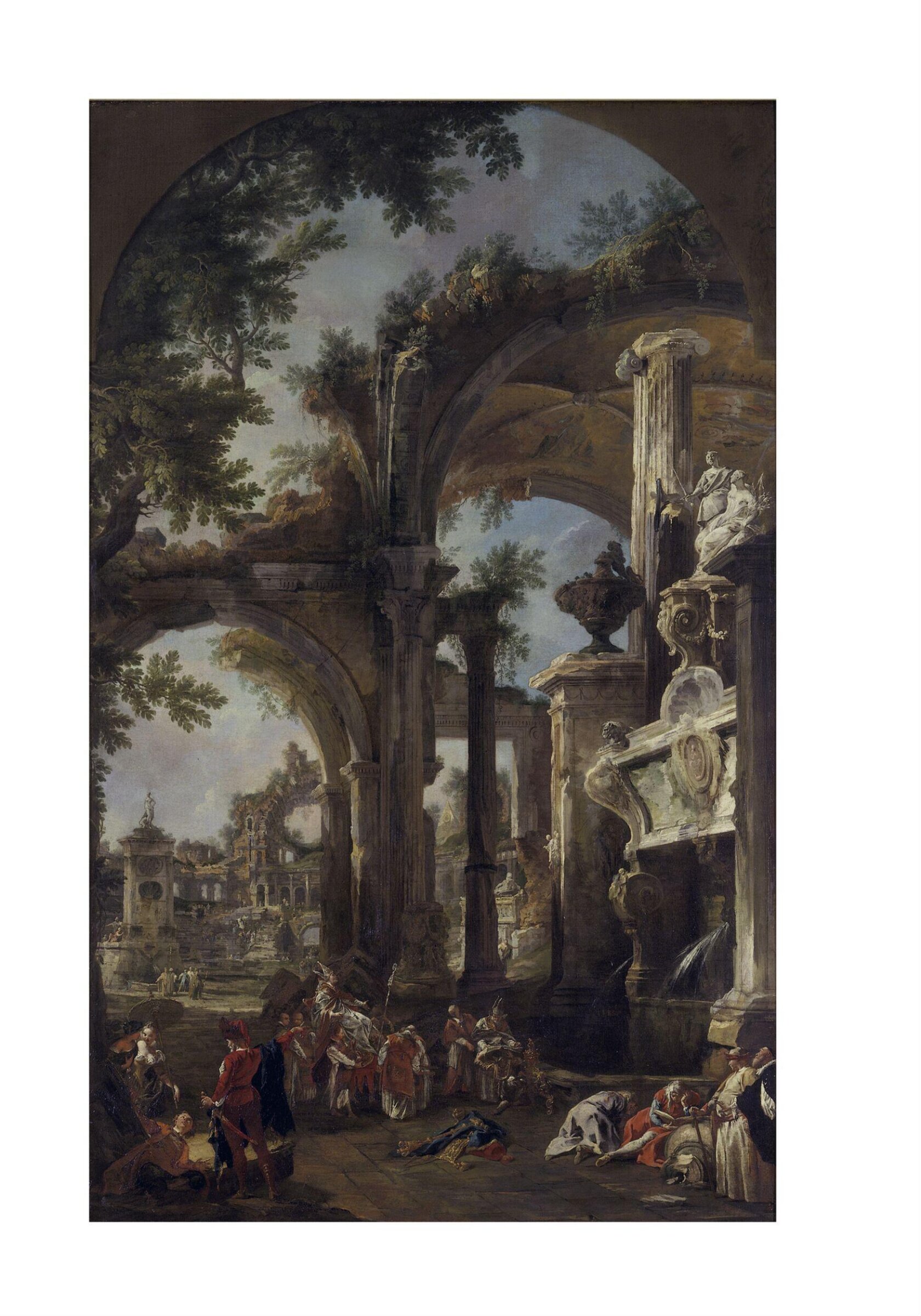
An Allegorical Tomb of John Somers, Lord Chancellor of England, Canaletto, ca. 1726

Canaletto

An Allegorical Tomb of John Somers, Lord Chancellor of England, ca. 1726

Aeneas before Dido, and Venus Supplicating Jupiter, James Thornhill, ca. 1720

James Thornhill

Aeneas before Dido, and Venus Supplicating Jupiter, ca. 1720

William and Mary Presenting the Cap of Liberty to Europe (sketch for the painted ceiling of the Great Hall, Greenwich Hospital), James Thornhill, ca. 1710

James Thornhill

William and Mary Presenting the Cap of Liberty to Europe (sketch for the painted ceiling of the Great Hall, Greenwich Hospital), ca. 1710

King William III, John van Nost I, ca. 1695

John van Nost I

King William III, ca. 1695

Che cosa raffigura

Gibbs, James

In catalogo

SculturaMarmoRococòXVIII secoloInghilterra