ART WIKI32.963 in sala
MappaCollezioneArtistiMuseiMostreRivista
Accedi

ART WIKI

Dove è appeso il capolavoro, e quando si può entrare.

Collezioni: Art Institute of Chicago, Cleveland Museum of Art, Ermitage, Galleria Tret'jakov, Getty Museum, Harvard Art Museums, Hirshhorn Museum and Sculpture Garden, Metropolitan Museum of Art, Minneapolis Institute of Art, Museo del Louvre, Museo Puškin delle belle arti, Museo russo, Museum of Modern Art, National Gallery of Art, National Museum of Asian Art, National Portrait Gallery, Rijksmuseum, Smithsonian American Art Museum, Statens Museum for Kunst, Victoria and Albert Museum, Villa Getty, Whitney Museum of American Art, Catalogo statale del fondo museale russo (274 musei), Europeana (19 musei), Wikidata (6 musei), Paris Musées (12 musei) e Joconde, la banca dati dei musei del Ministero della Cultura francese (495 musei). Le immagini appartengono ai titolari dei diritti.

Sezioni

  • Mappa
  • Ricerca
  • Collezione
  • Capolavori
  • Esposte ora
  • Artisti

Altro

  • Musei e gallerie
  • Mostre
  • Rivista
  • Da dove vengono i dati
  • Privacy e cookie
HomeMappaCatalogo
  1. Collezione/
  2. Victoria and Albert Museum/
  3. King William III
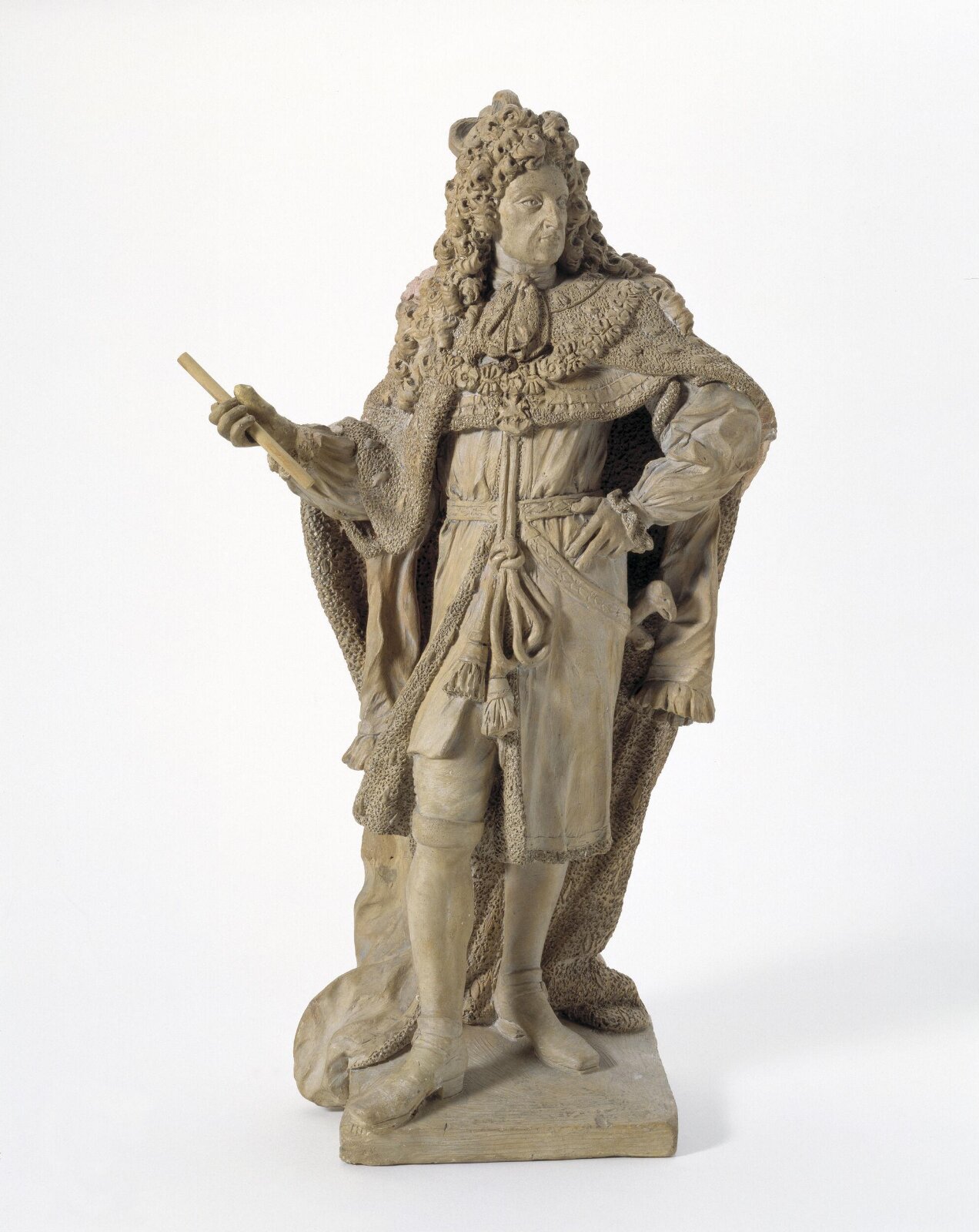
King William III, John van Nost I, ca. 1695

King William III

ca. 1695 · Model · 53.5 × 35 cm

Sulla scultura

Object Type

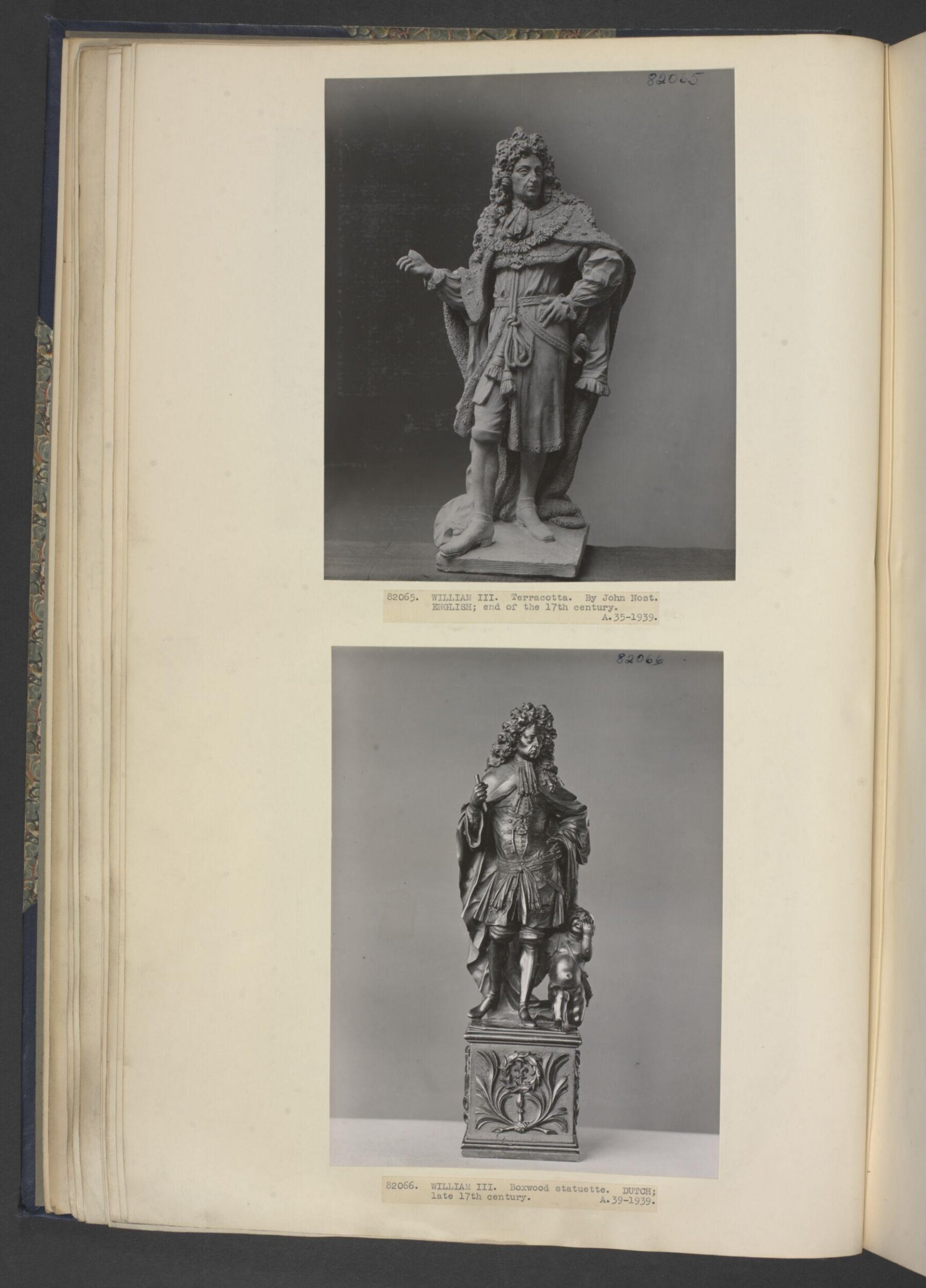
The King is shown holding a sceptre and looking towards his left. He wears a cloak lined with ermine (a white fur), the Chain and Order of the Garter, and a long curling wig. It is thought to be the original model for the lifesize stone figure of William III on the Royal Exchange erected in 1695. The statue has since been lost, following a fire at the Exchange of 1838.

People

John Nost Nost (1686-1710) was a native of Malines in The Netherlands. He is first recorded in England around 1678, working at Windsor Castle under Hugh May. His workshop was in the Haymarket and he specialised in lead figures, though he also worked in other materials, such as stone and terracotta. He had many important patrons and was commissioned to make a number of garden figures for great houses and palaces, including Castle Howard and Hampton Court Palace.

Materials & Making

Continua a leggere

Terracotta (baked clay) was commonly used for sculptors' models. The clay could be modelled freely before firing, and when fired was a durable material which could be painted or scaled up into a larger piece. Often, as must have happened with this piece, the terracotta model was valued on its own account.

Victoria and Albert Museum

Scheda

Numero di inventario
A.35-1939

Altre opere di John van Nost I

Tutte le opere

Nella stessa sala · British Galleries, Room 54, Victoria and Albert Museum

Pagina del museo
JJohn van Nost I

Si può ammirare?

Sì, riceve visite

Victoria and Albert Museum

Londra, Regno Unito

SalaBritish Galleries, Room 54

Esposta al pubblico. Chi lo garantisce è indicato qui sotto.

Verificato
12 giorni fa
Ultimo cambio di stato
25 set 2026
Fonte
Il museo
Sulla mappaPagina del museo

Che cosa raffigura

William (III, King of England)

In catalogo

SculturaTerracotta e ceramicaBaroccoXVII secoloInghilterra

Fonti

  • Victoria and Albert Museum
  • Immagine: Victoria and Albert Museum — © Victoria and Albert Museum, London
King William III, John van Nost I, about 1700

King William III

about 1700 · Non esposta · Victoria and Albert Museum

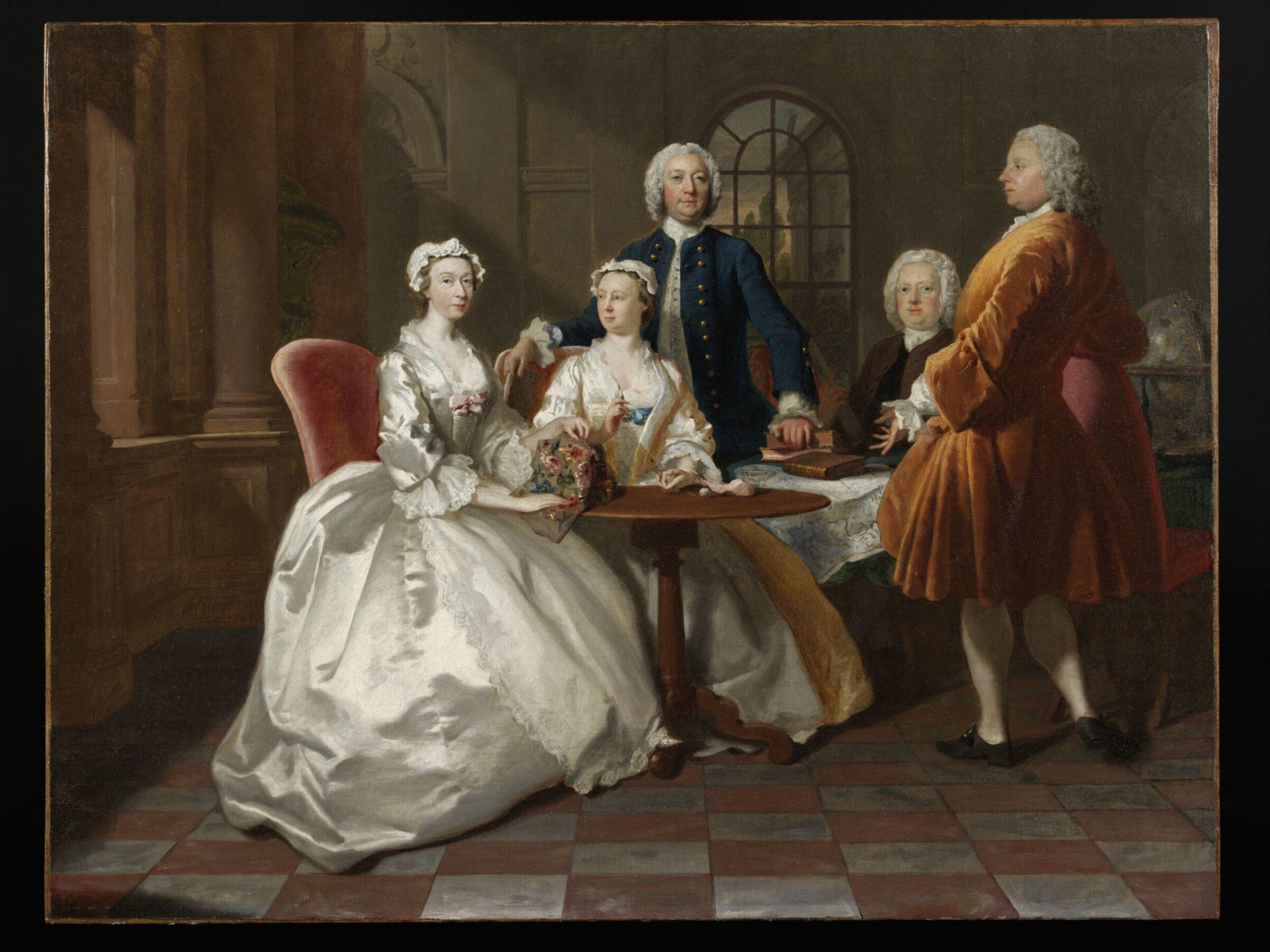
A portrait of the Vigor Family: Jane Vigor, Joseph Vigor, Ann Vigor, William Vigor and probably John Penn, Joseph Highmore, 1744

Joseph Highmore

A portrait of the Vigor Family: Jane Vigor, Joseph Vigor, Ann Vigor, William Vigor and probably John Penn, 1744

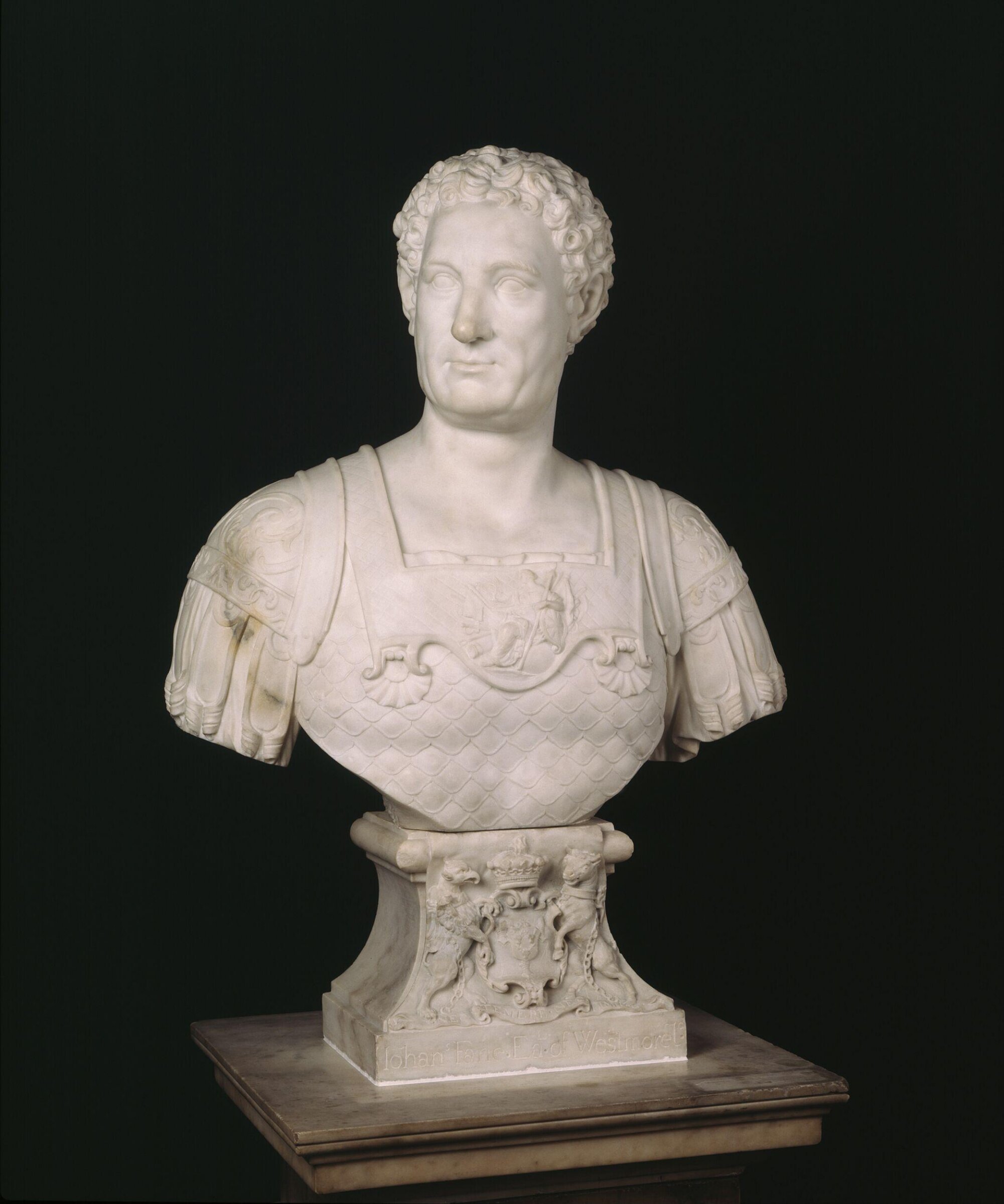
John Fane, 7th Earl of Westmorland, Thomas Ady, 1742

Thomas Ady

John Fane, 7th Earl of Westmorland, 1742

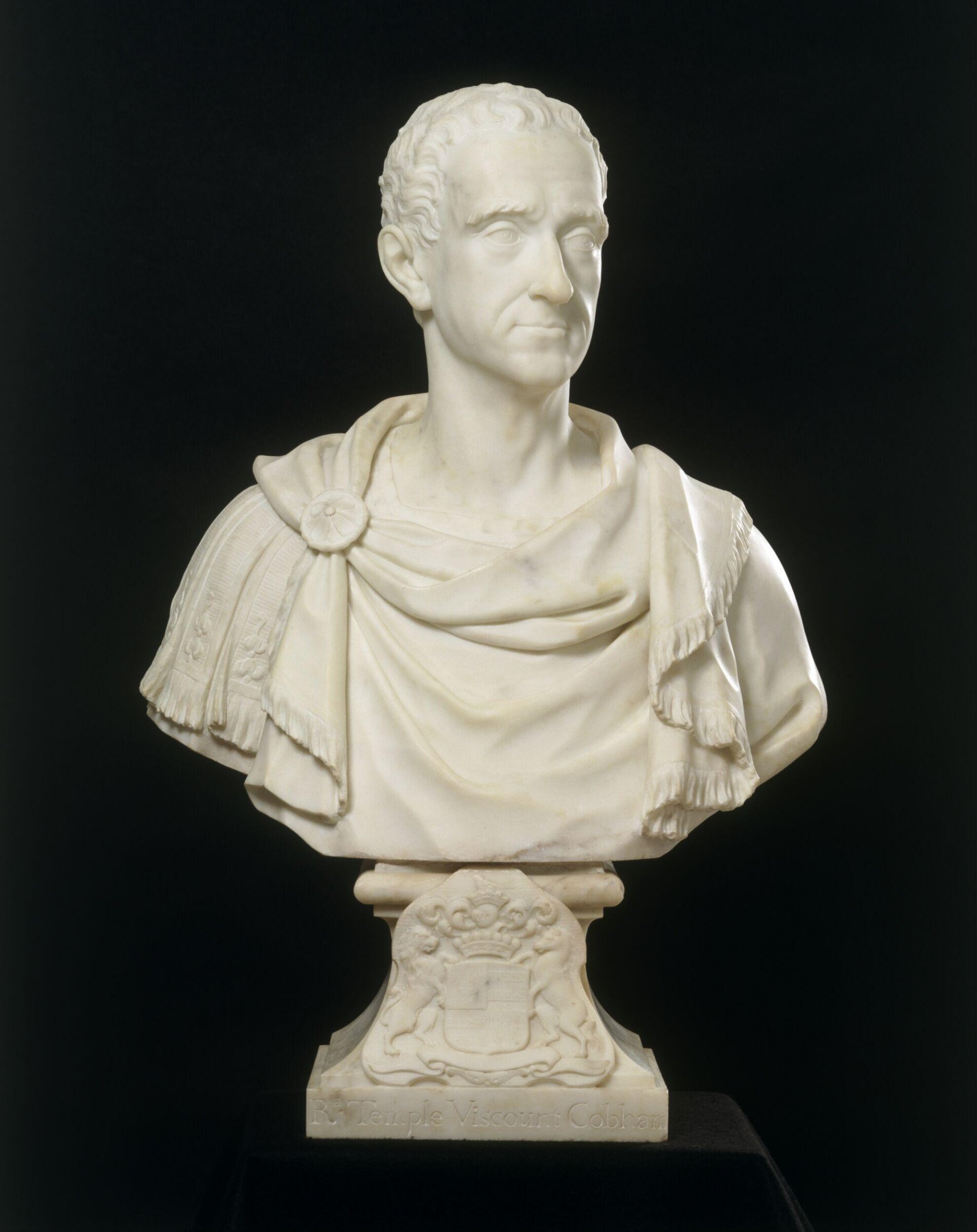
Richard Temple, 1st Viscount Cobham, Peter Scheemakers, ca. 1740

Peter Scheemakers

Richard Temple, 1st Viscount Cobham, ca. 1740

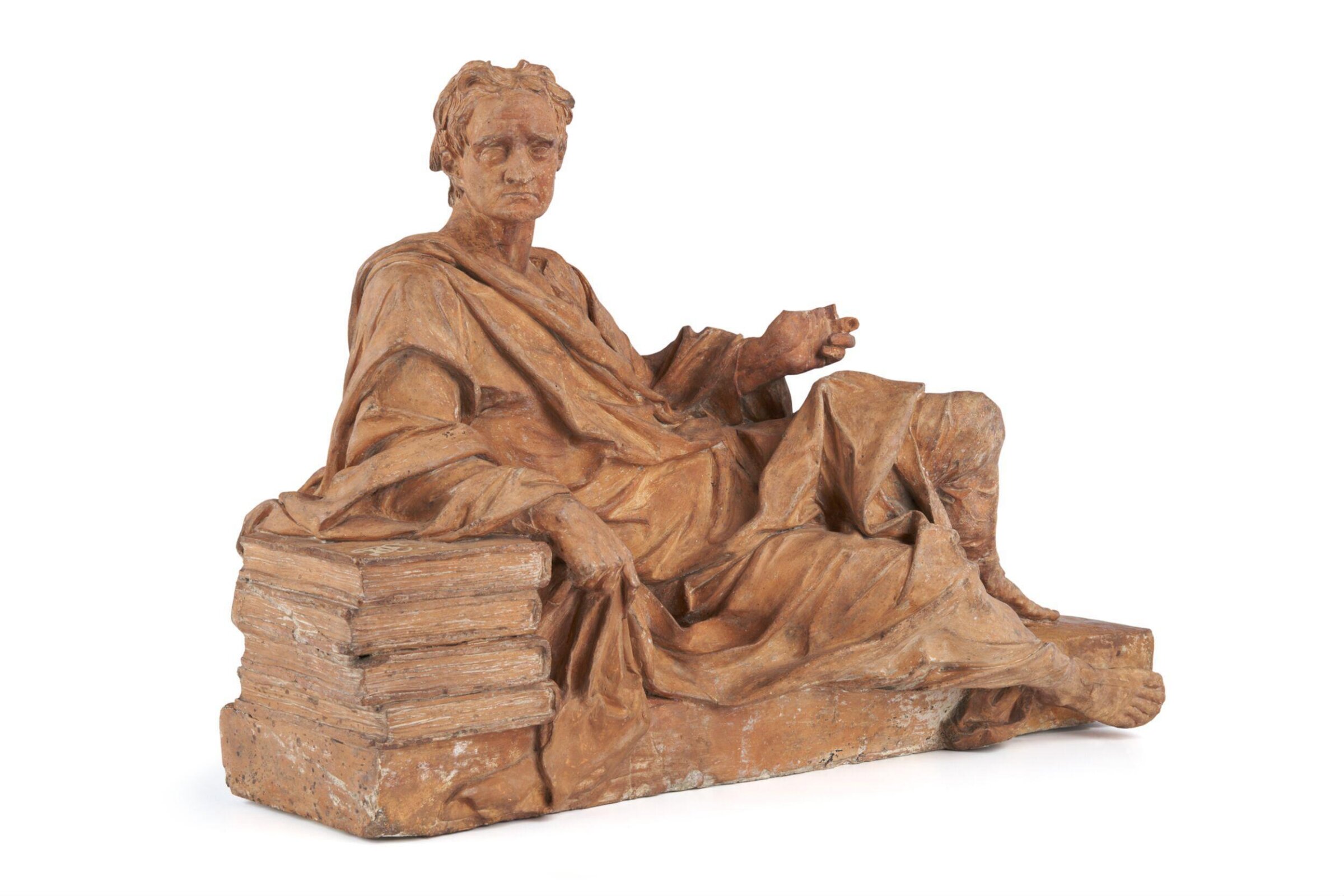
Sir Isaac Newton (1642-1727), John Michael Rysbrack, ca. 1730

John Michael Rysbrack

Sir Isaac Newton (1642-1727), ca. 1730

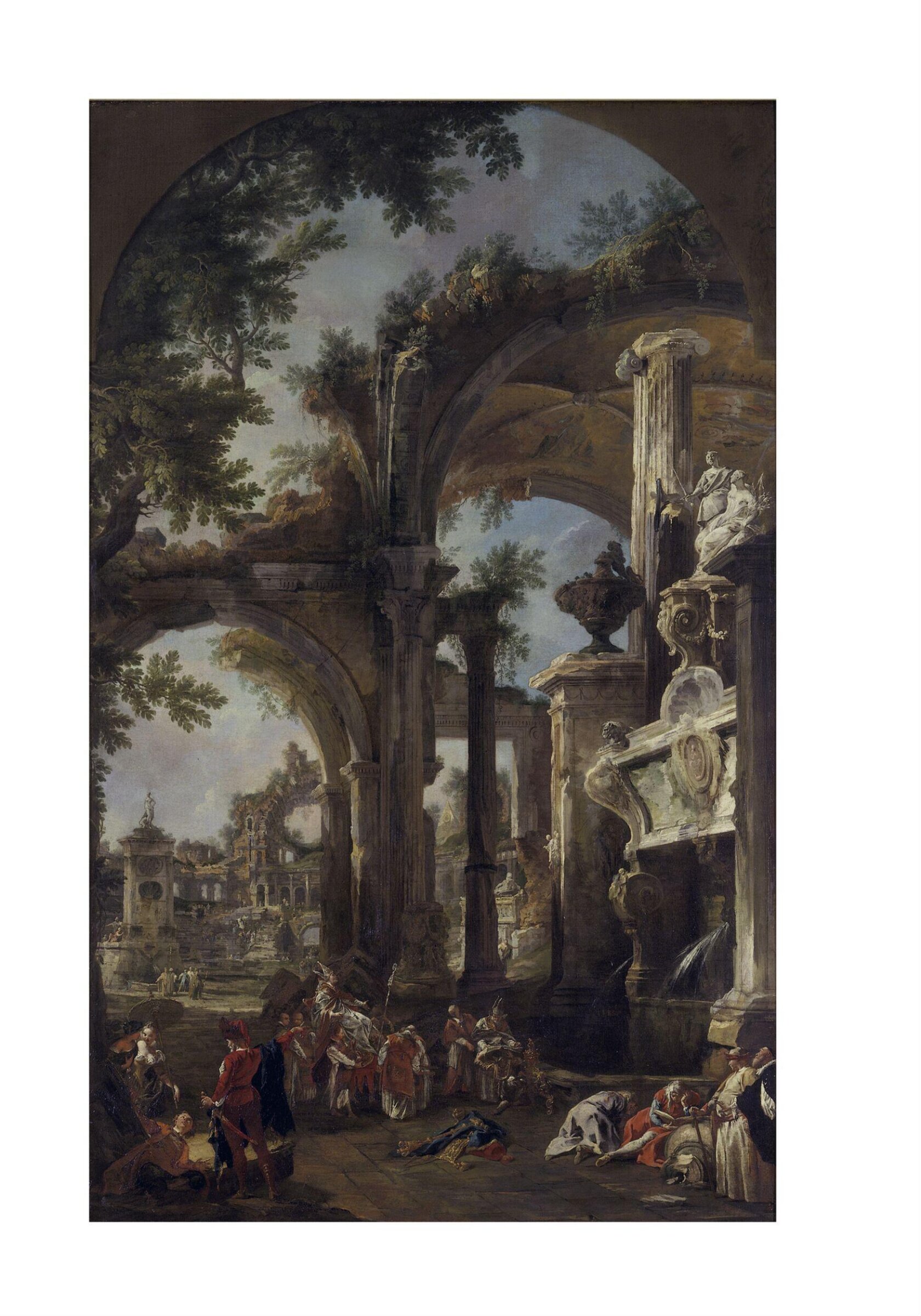
An Allegorical Tomb of John Somers, Lord Chancellor of England, Canaletto, ca. 1726

Canaletto

An Allegorical Tomb of John Somers, Lord Chancellor of England, ca. 1726

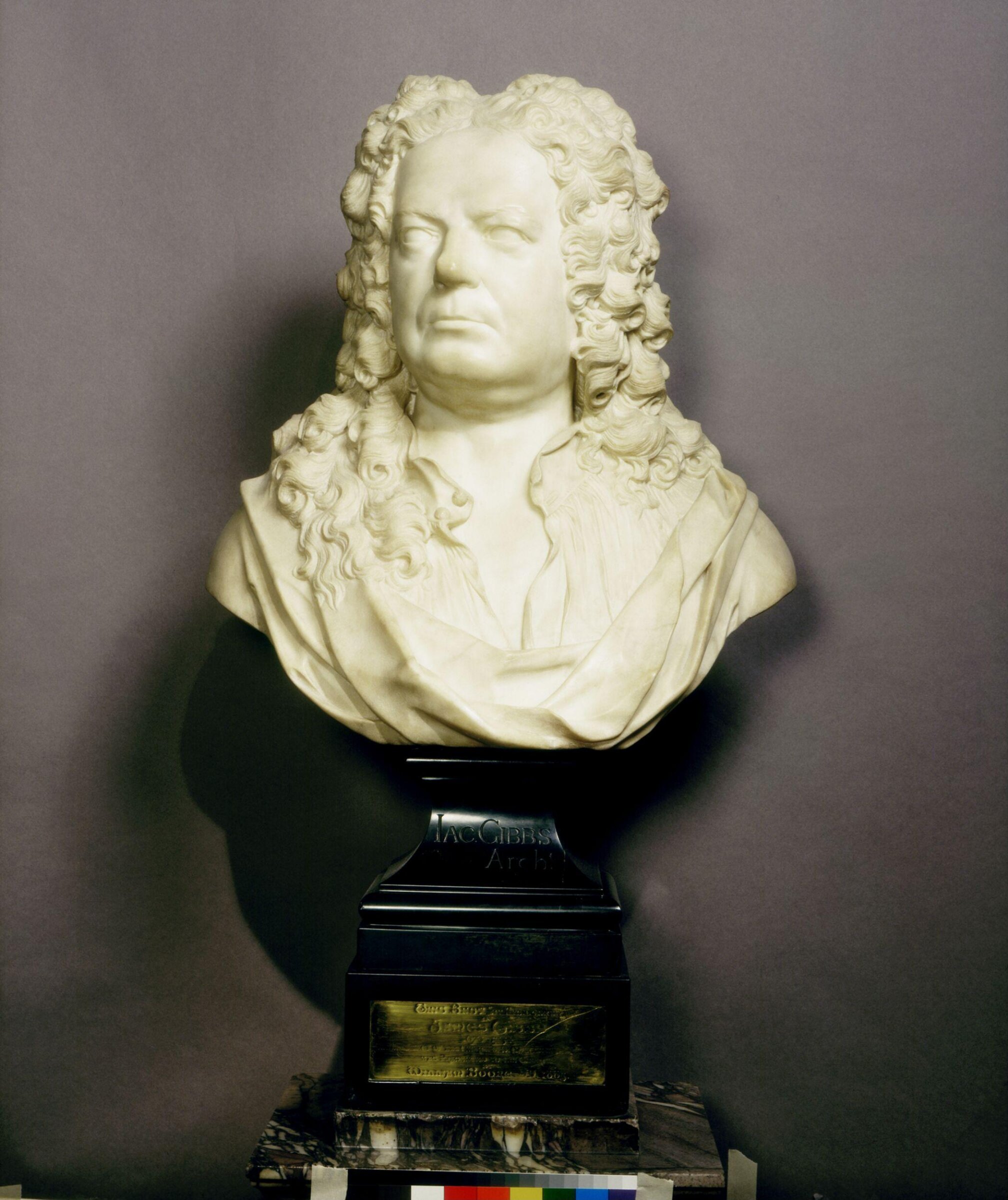
The Architect James Gibbs, John Michael Rysbrack, 1726

John Michael Rysbrack

The Architect James Gibbs, 1726

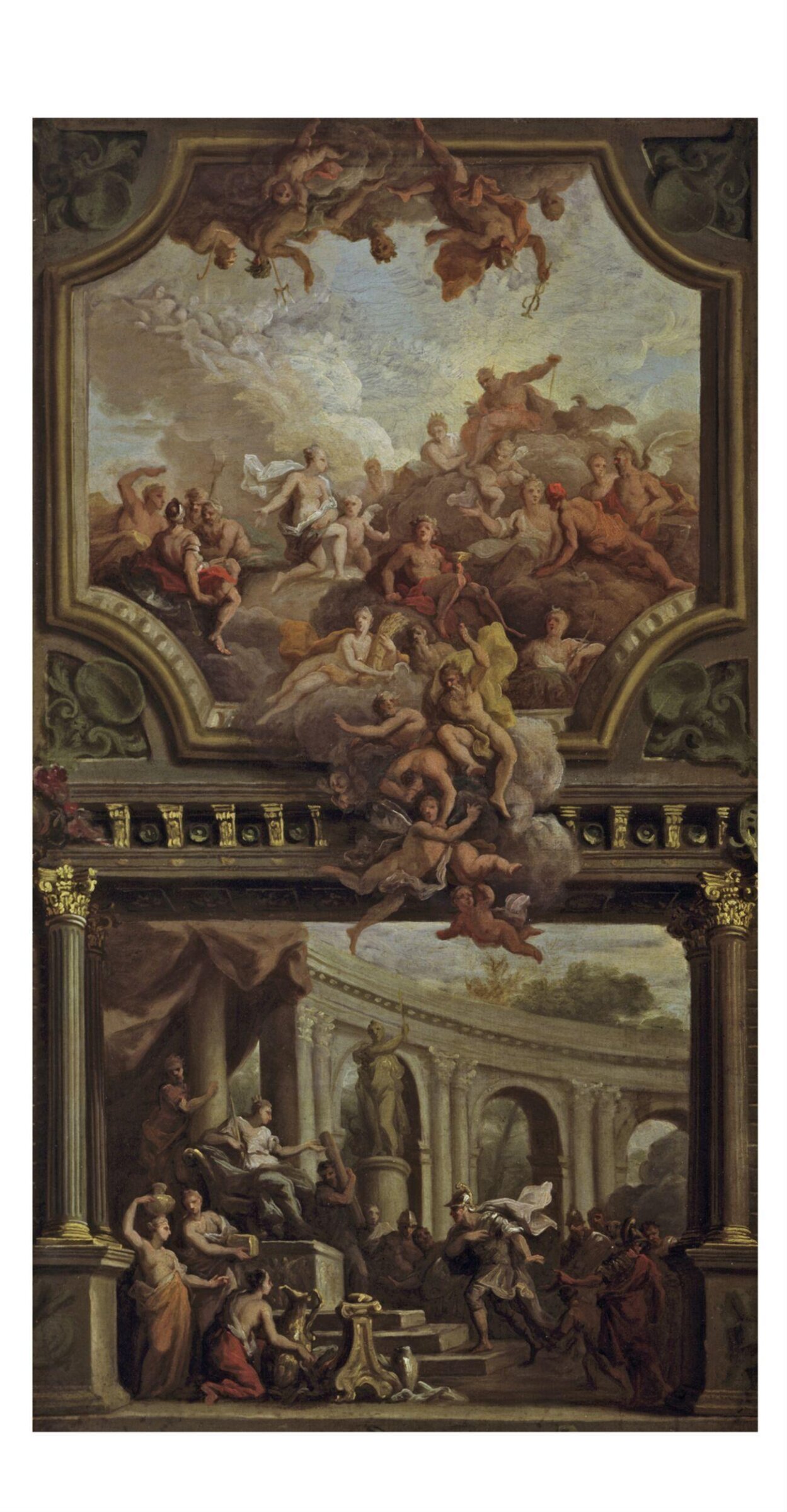
Aeneas before Dido, and Venus Supplicating Jupiter, James Thornhill, ca. 1720

James Thornhill

Aeneas before Dido, and Venus Supplicating Jupiter, ca. 1720

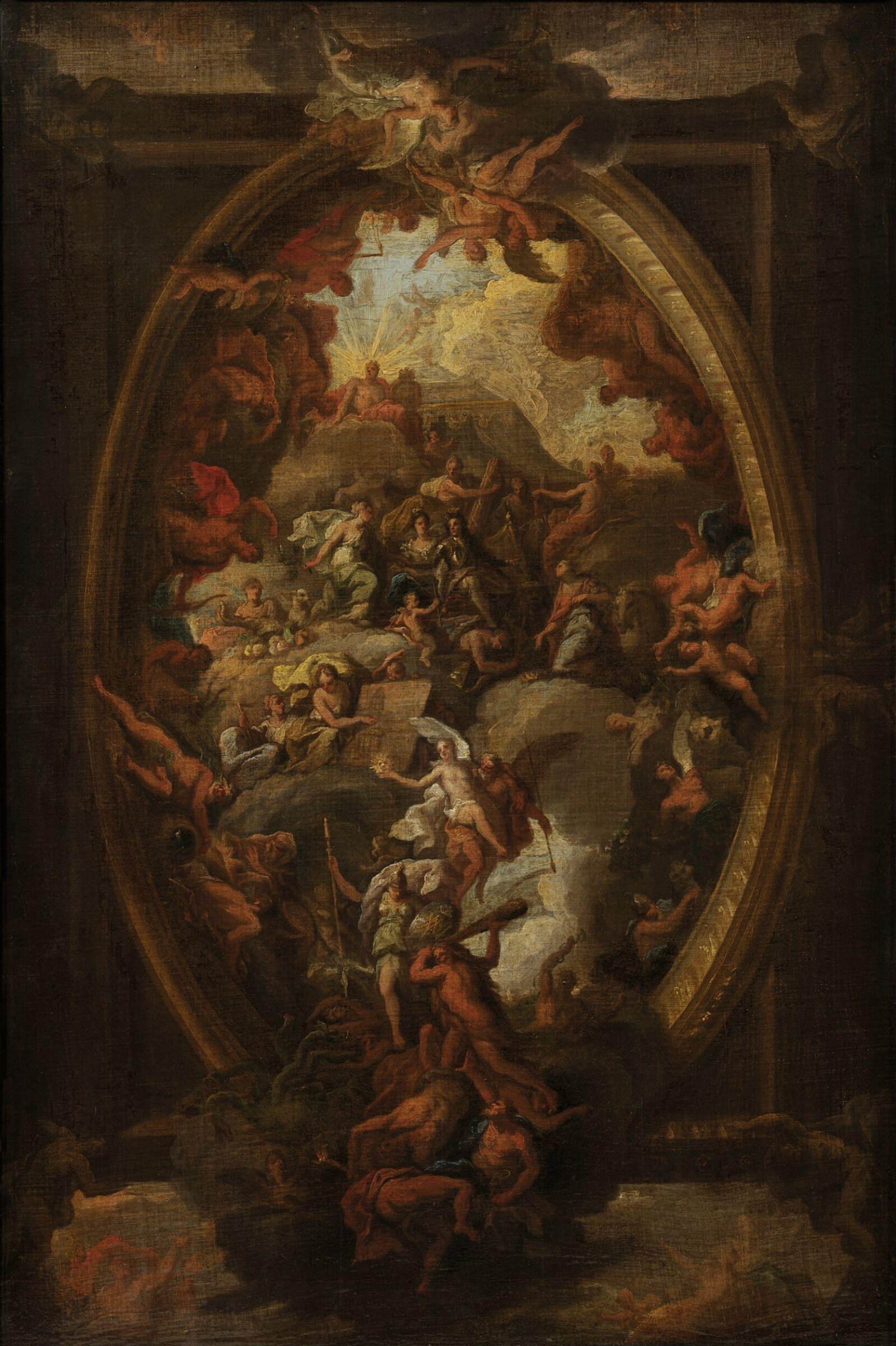
William and Mary Presenting the Cap of Liberty to Europe (sketch for the painted ceiling of the Great Hall, Greenwich Hospital), James Thornhill, ca. 1710

James Thornhill

William and Mary Presenting the Cap of Liberty to Europe (sketch for the painted ceiling of the Great Hall, Greenwich Hospital), ca. 1710