 Piet MondrianPaesi Bassi, 1872–1944
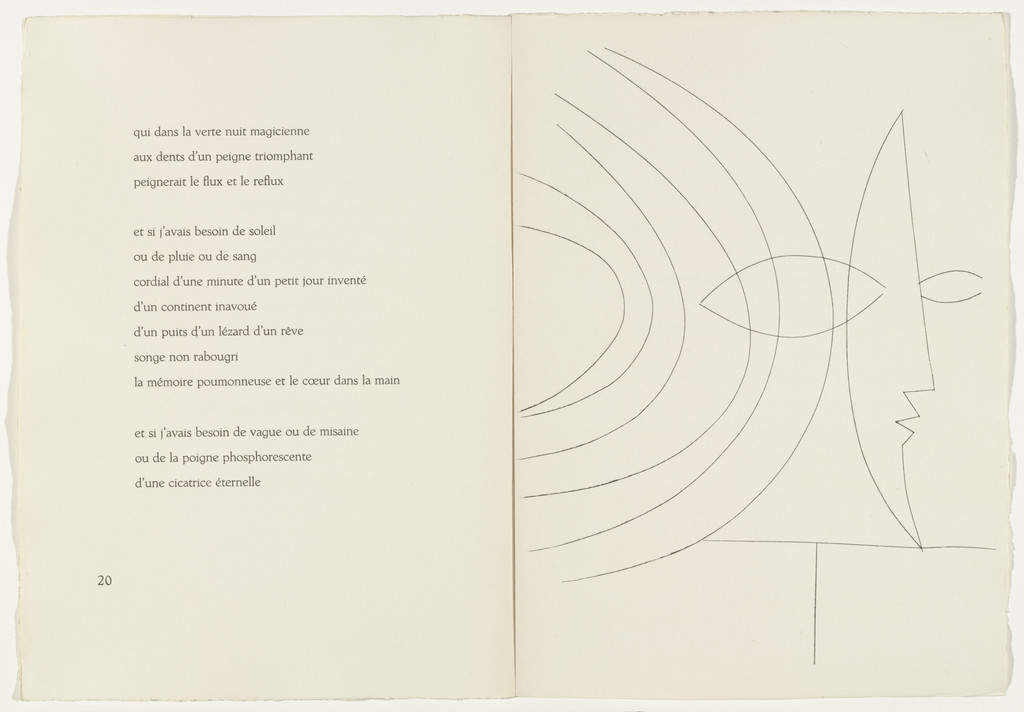
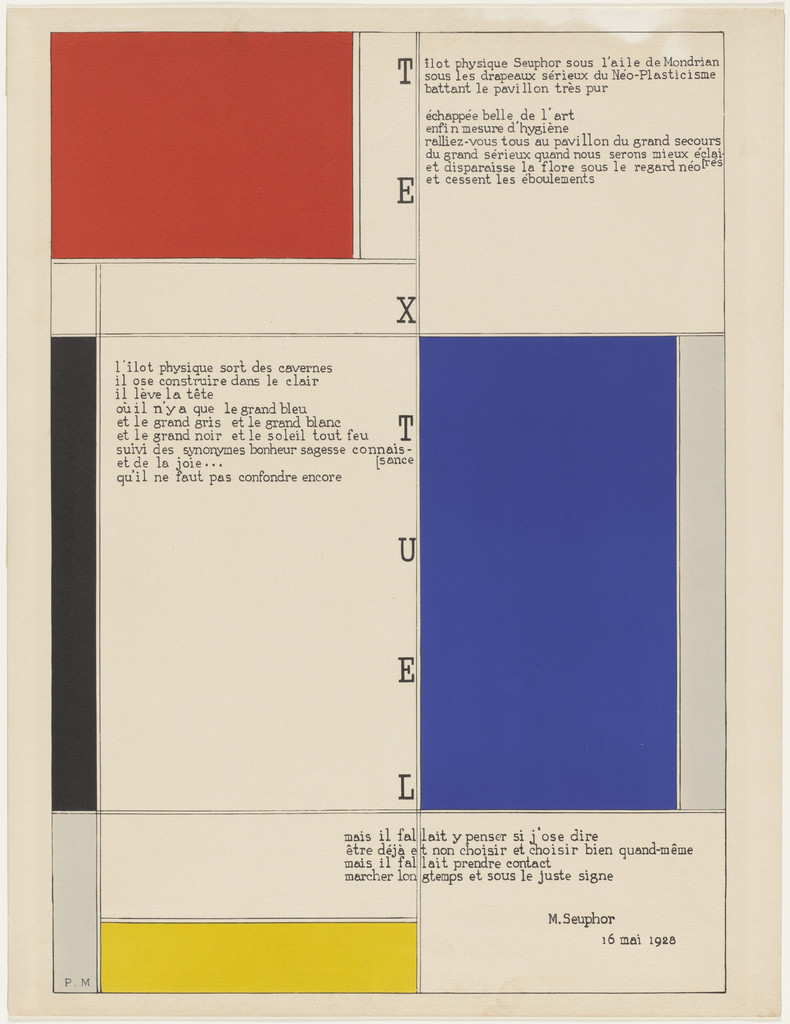
Textual (Textuel)
Si può ammirare?
Al momento non riceve

Museum of Modern Art
New York, Stati Uniti
Appartiene alla collezione, ma al momento non è esposta.
- Verificato
- 6 giorni fa
- Fonte
- I dati di collezione del museo stesso
Scheda
- Numero di inventario
- 15.1989
Fonti
- Museum of Modern Art: the museum's own open data · acquisita 13 giorni fa
- Immagine: Museum of Modern Art — © the artist or rights holder
Nel frattempo, nella vita di Piet Mondrian
Tutta la vita1919–1938
Return to Paris
In 1919 Mondrian left the Netherlands for Paris for the second and last time and at once turned to his studio: to hide its flaws he tacked large single-colour placards to the walls, accented by compositions of smaller coloured paper rectangles. From then on, periods of painting alternated with experiments in regrouping the papers on the walls.
1926
Katherine Dreier buys “Painting I”
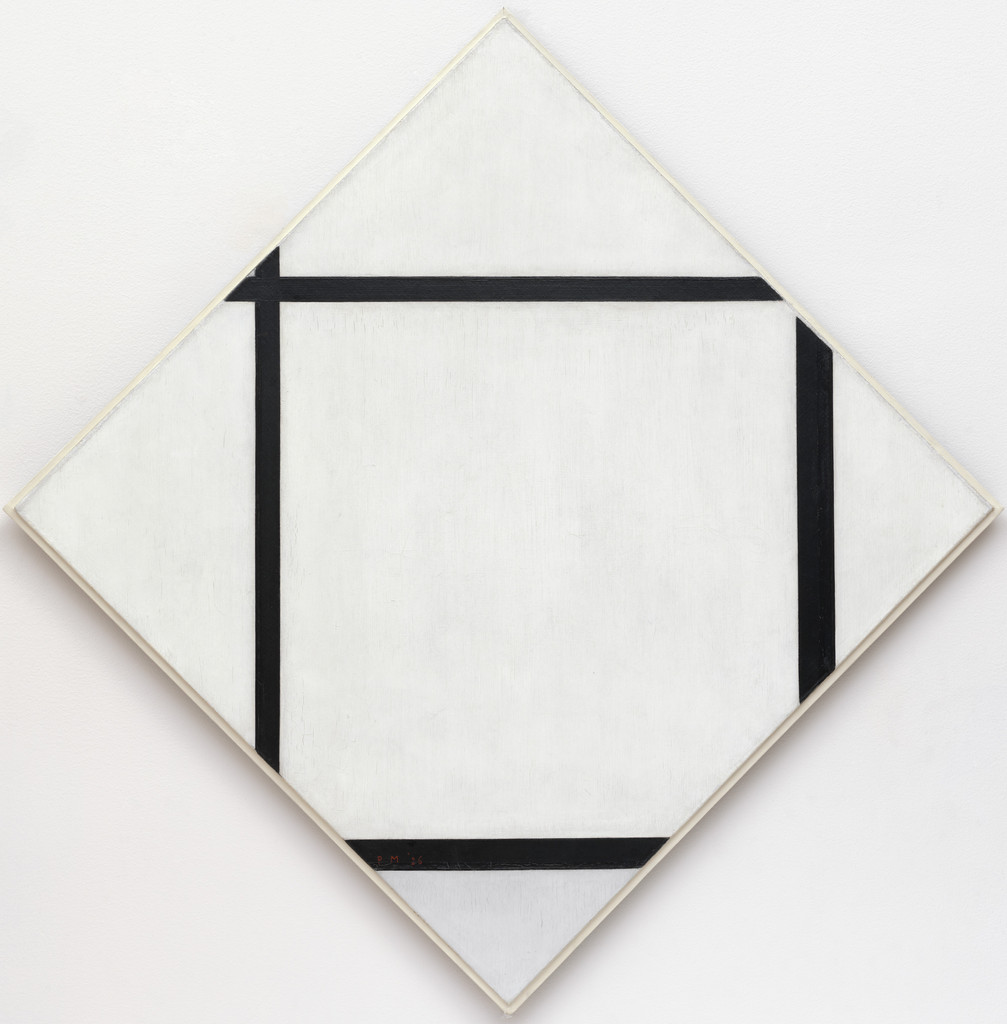
Katherine Dreier, co-founder of the Society of Independent Artists, visited Mondrian's Paris studio and acquired the diamond composition “Painting I”, shown afterwards at the Brooklyn Museum in the first major exhibition of modern art in America since the Armory Show; in the catalogue she called Mondrian the third great Dutch painter after Rembrandt and Van Gogh.
1926
André Kertész photographs Mondrian's Paris flat
Mondrian's Paris apartment, his pipe and his glasses were captured in minimalist photographs by André Kertész that became emblematic of modern photography.
1930s
Double lines, influenced by Marlow Moss
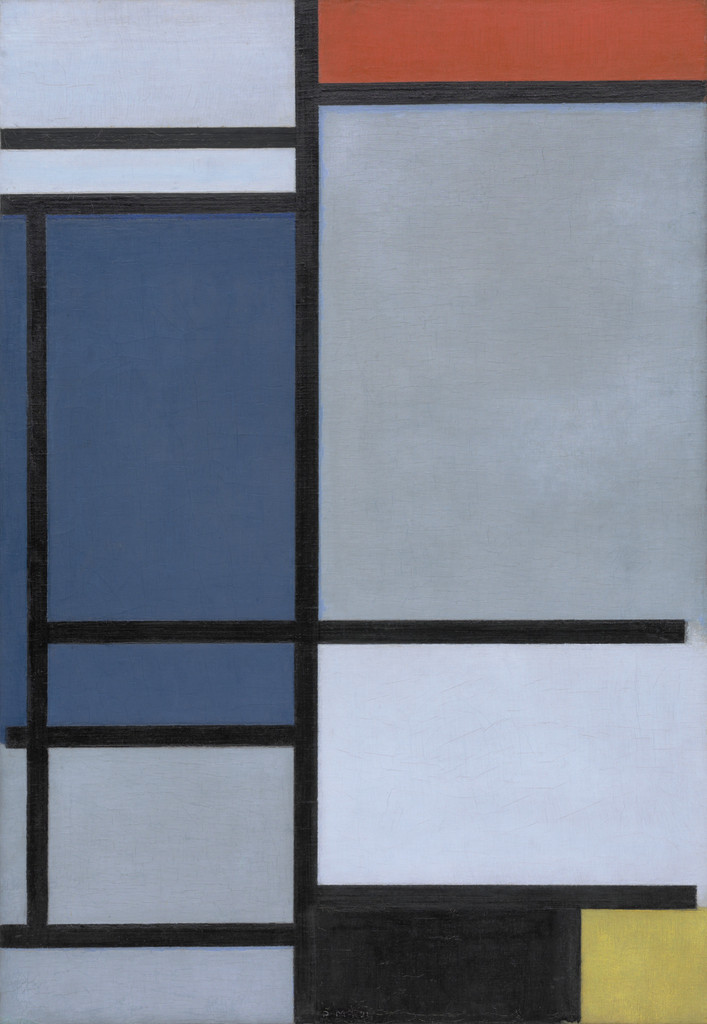
In the 1930s Mondrian began to use thinner and double lines more often, punctuated by a few small coloured forms; the double line, in which he saw a new dynamism, was influenced by the work of his friend and contemporary Marlow Moss.