ART WIKI32.963 in sala
MappaCollezioneArtistiMuseiMostreRivista
Accedi

ART WIKI

Dove è appeso il capolavoro, e quando si può entrare.

Collezioni: Art Institute of Chicago, Cleveland Museum of Art, Ermitage, Galleria Tret'jakov, Getty Museum, Harvard Art Museums, Hirshhorn Museum and Sculpture Garden, Metropolitan Museum of Art, Minneapolis Institute of Art, Museo del Louvre, Museo Puškin delle belle arti, Museo russo, Museum of Modern Art, National Gallery of Art, National Museum of Asian Art, National Portrait Gallery, Rijksmuseum, Smithsonian American Art Museum, Statens Museum for Kunst, Victoria and Albert Museum, Villa Getty, Whitney Museum of American Art, Catalogo statale del fondo museale russo (274 musei), Europeana (19 musei), Wikidata (6 musei), Paris Musées (12 musei) e Joconde, la banca dati dei musei del Ministero della Cultura francese (495 musei). Le immagini appartengono ai titolari dei diritti.

Sezioni

  • Mappa
  • Ricerca
  • Collezione
  • Capolavori
  • Esposte ora
  • Artisti

Altro

  • Musei e gallerie
  • Mostre
  • Rivista
  • Da dove vengono i dati
  • Privacy e cookie
HomeMappaCatalogo
  1. Collezione/
  2. Museum of Modern Art/
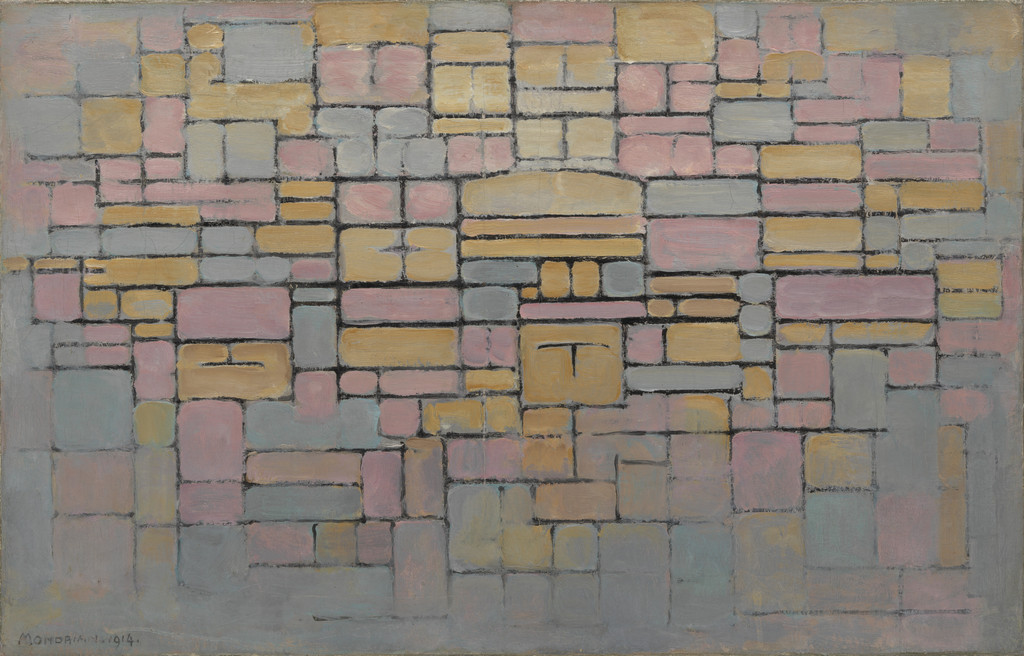
  3. Tableau no. 2 / Composition no. V
Tableau no. 2 / Composition no. V, Piet Mondrian, 1914
Piet Mondrian, ritrattoPiet MondrianPaesi Bassi, 1872–1944

Tableau no. 2 / Composition no. V

1914 · Painting

Scheda

1914 · a 42 anni
18721944
Numero di inventario
633.1967

Nel frattempo, nella vita di Piet Mondrian

Tutta la vita
  1. 1912–1914

    Move to Paris

    In 1912 Mondrian moved to Paris, where the Cubism of Picasso and Braque showed in his work almost at once: “The Sea” (1912) and his studies of trees from that year still keep a measure of representation but are increasingly dominated by geometric shapes and interlocking planes.

  2. 1912–1917

    The Cubist period

    Mondrian was eager to absorb the influence of Cubism but saw it as a port of call on his artistic journey rather than a destination; his Cubist period lasted from 1912 to 1917.

  3. 1913

    The final break with representation

    In 1913 Mondrian began to fuse his art and his theosophical studies into a theory that signalled his final break from representational painting.

  4. 1914

    The war catches Mondrian in the Netherlands

    While Mondrian was visiting the Netherlands in 1914, the First World War began, forcing him to stay there for the duration of the conflict; in isolation he began to create his own visual language, with works such as “Composition 10 in Black and White” (1915).

  5. 1914–1918

    The artists' colony at Laren

    During the war Mondrian stayed at the Laren artists' colony, where he met Bart van der Leck and Theo van Doesburg, both of whom were pursuing their own journeys toward abstraction.

Altre opere di Piet Mondrian

Tutte le opere

Nella stessa sala · MoMA, Floor 5, 503, Museum of Modern Art

Pagina del museo

1915–1918

Founding De Stijl with Van Doesburg

With Theo van Doesburg Mondrian founded De Stijl, the journal of the De Stijl group, in which he first published essays defining his theory, which he called Neoplasticism.

Si può ammirare?

Sì, riceve visite

Museum of Modern Art

New York, Stati Uniti

SalaMoMA, Floor 5, 503

Esposta al pubblico. Chi lo garantisce è indicato qui sotto.

Verificato
9 giorni fa
Fonte
Il museo
Sulla mappaPagina del museo

In catalogo

DipintiOlioPittura olandeseModernismoXX secolo

Fonti

  • Museum of Modern Art
  • Immagine: Museum of Modern Art — © the artist or rights holder
Oostzijdse Mill along the River Gein by Moonlight, Piet Mondriaan, c. 1903

Oostzijdse Mill along the River Gein by Moonlight

c. 1903 · Rijksmuseum

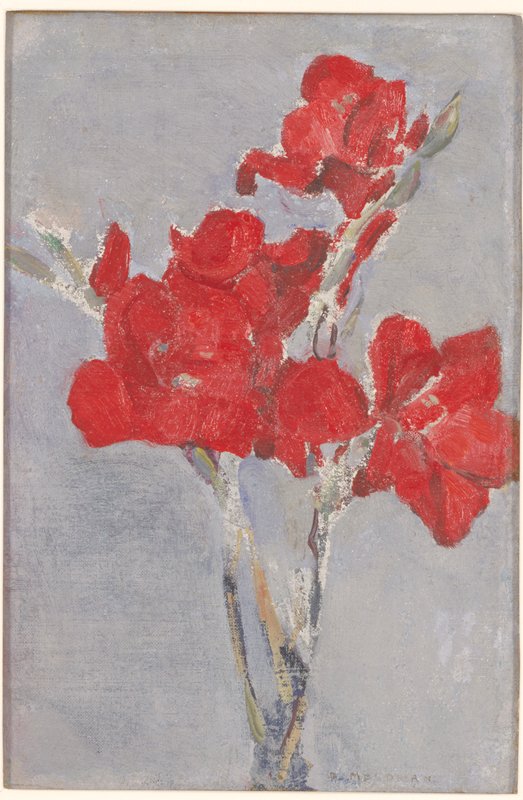
Red Gladioli, Piet Mondrian, c. 1906

Red Gladioli

c. 1906 · Minneapolis Institute of Art

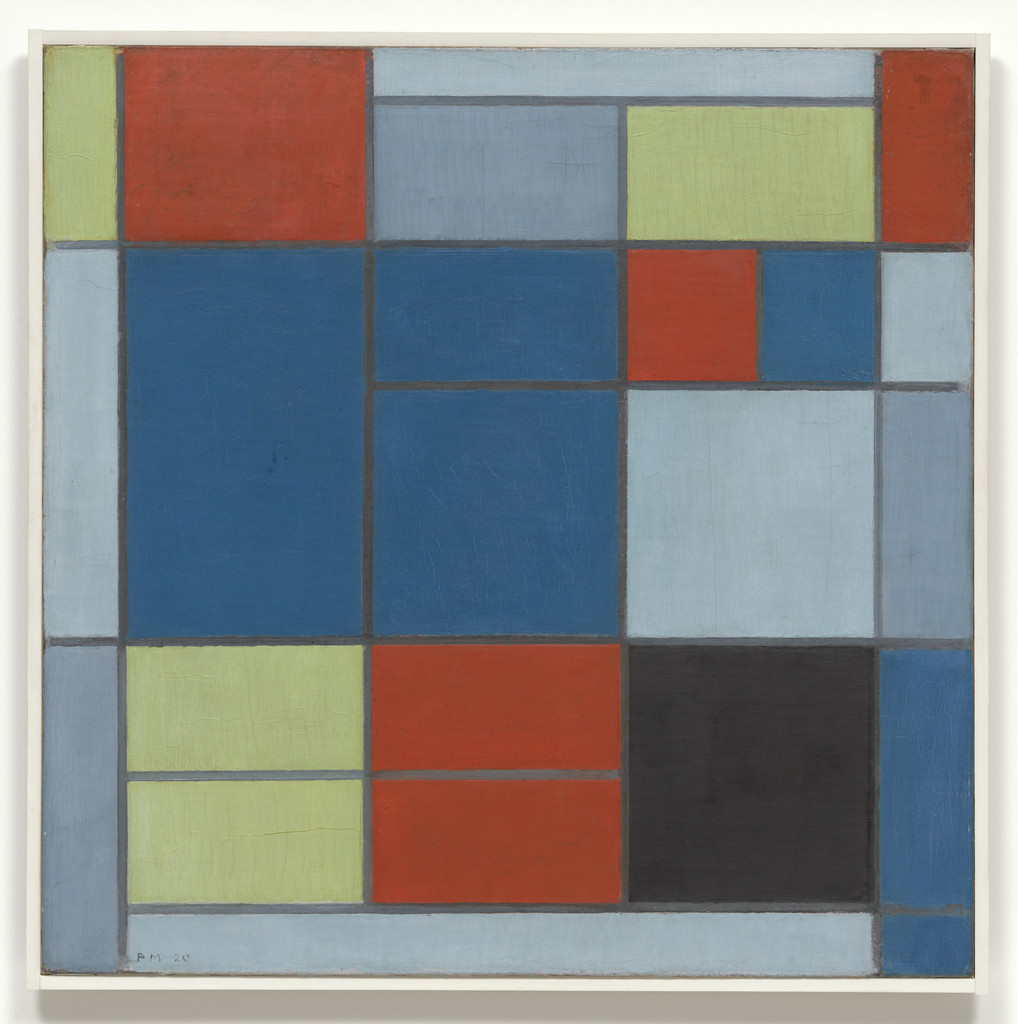
Composition C, Piet Mondrian, 1920

Composition C

1920 · Museum of Modern Art

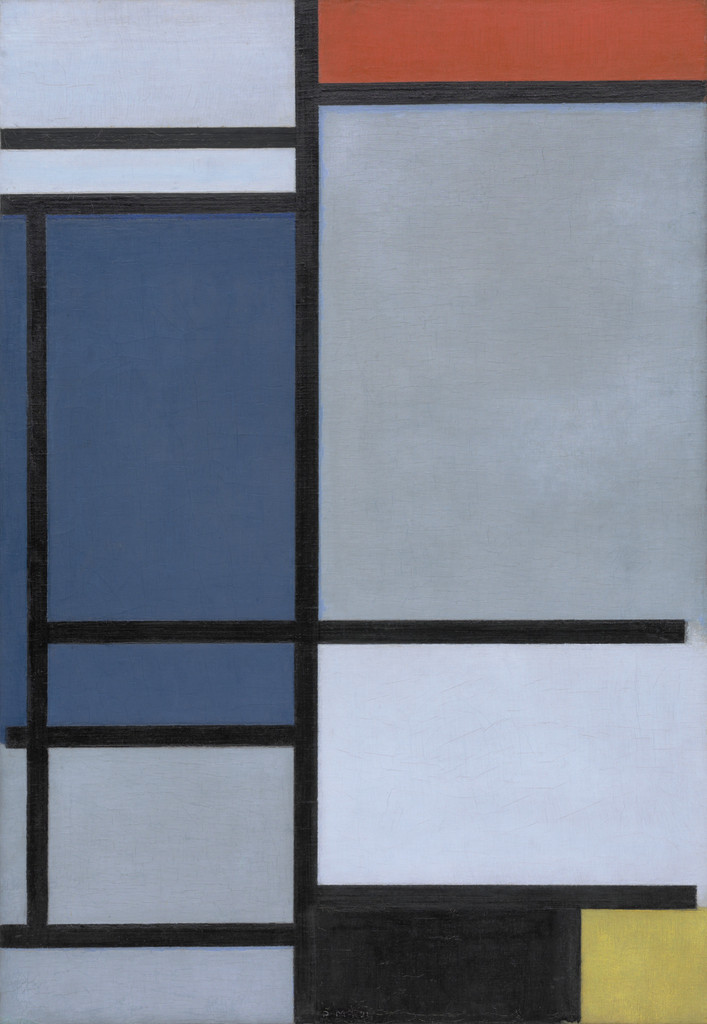
Composition with Red, Blue, Black, Yellow, and Gray, Piet Mondrian, 1921

Composition with Red, Blue, Black, Yellow, and Gray

1921 · Museum of Modern Art

Tableau No. IV; Lozenge Composition with Red, Gray, Blue, Yellow, and Black, Piet Mondrian, c. 1924/1925

Tableau No. IV; Lozenge Composition with Red, Gray, Blue, Yellow, and Black

c. 1924/1925 · National Gallery of Art

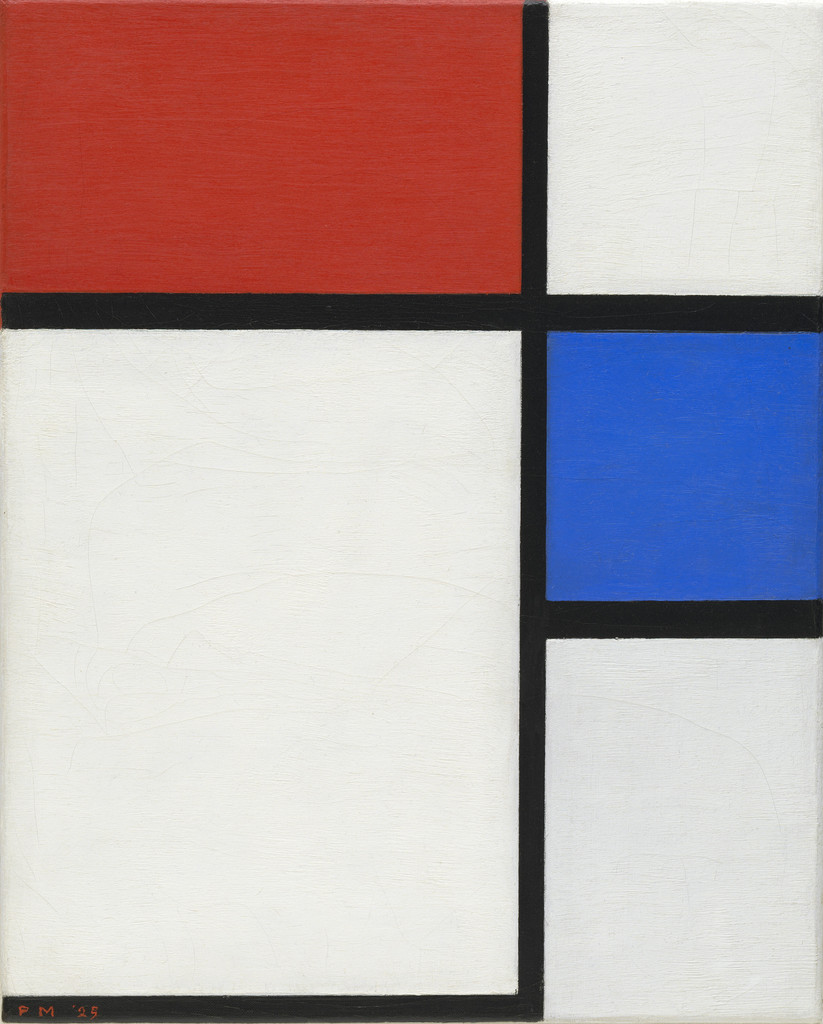
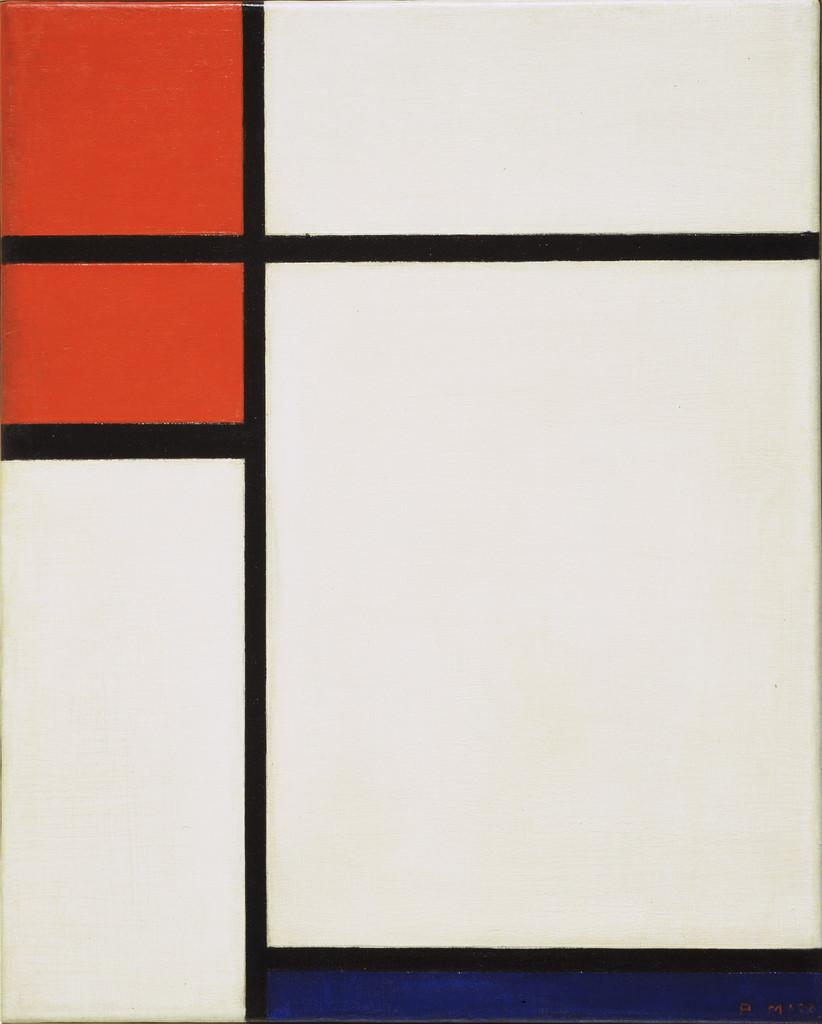
Composition No. II, with Red and Blue, Piet Mondrian, 1929 (original date partly obliterated; mistakenly repainted 1925 by Mondrian)

Composition No. II, with Red and Blue

1929 (original date partly obliterated; mistakenly repainted 1925 by Mondrian) · Museum of Modern Art

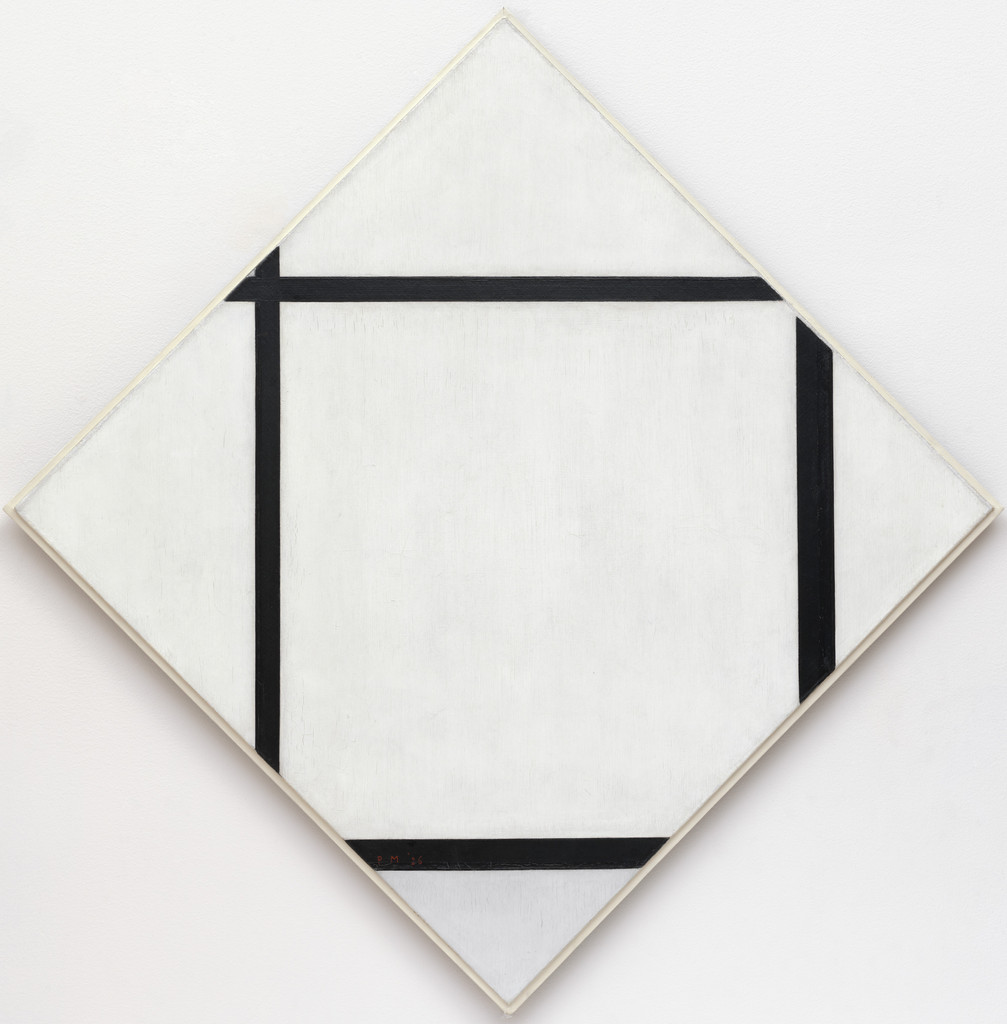
Tableau I: Lozenge with Four Lines and Gray, Piet Mondrian, 1926

Tableau I: Lozenge with Four Lines and Gray

1926 · Museum of Modern Art

Composition with Red and Blue, Piet Mondrian, 1933

Composition with Red and Blue

1933 · Museum of Modern Art

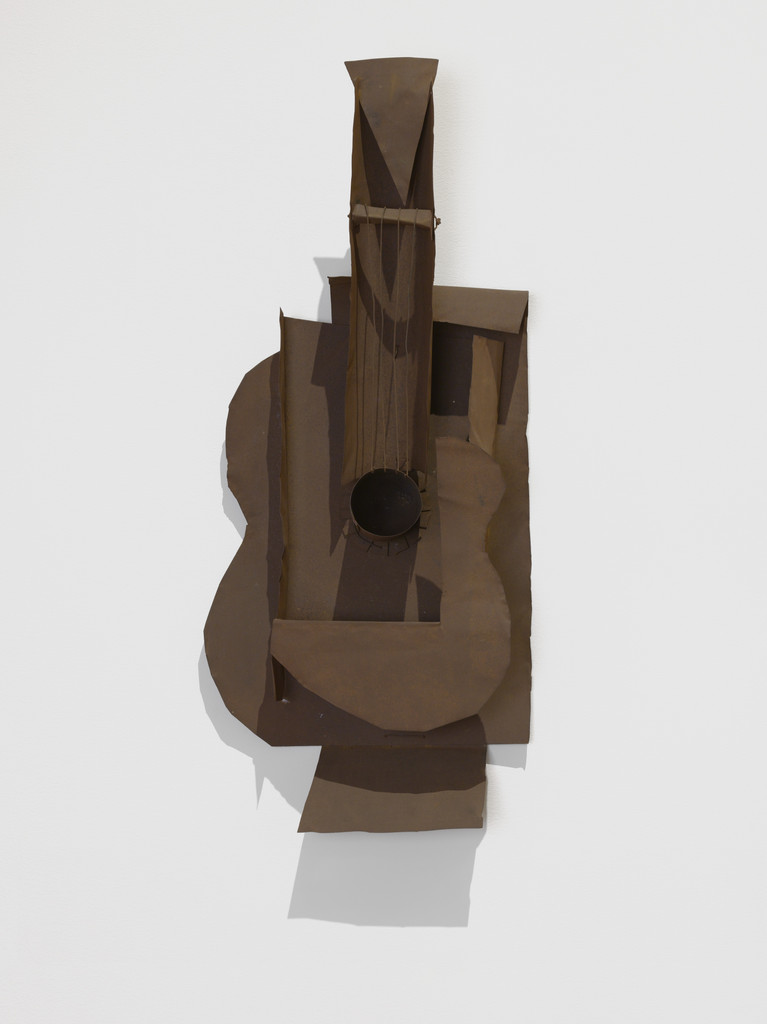
Guitar, Pablo Picasso, Paris, January–February 1914

Pablo Picasso

Guitar, Paris, January–February 1914

The Architect's Table, Pablo Picasso, Paris, early 1912

Pablo Picasso

The Architect's Table, Paris, early 1912

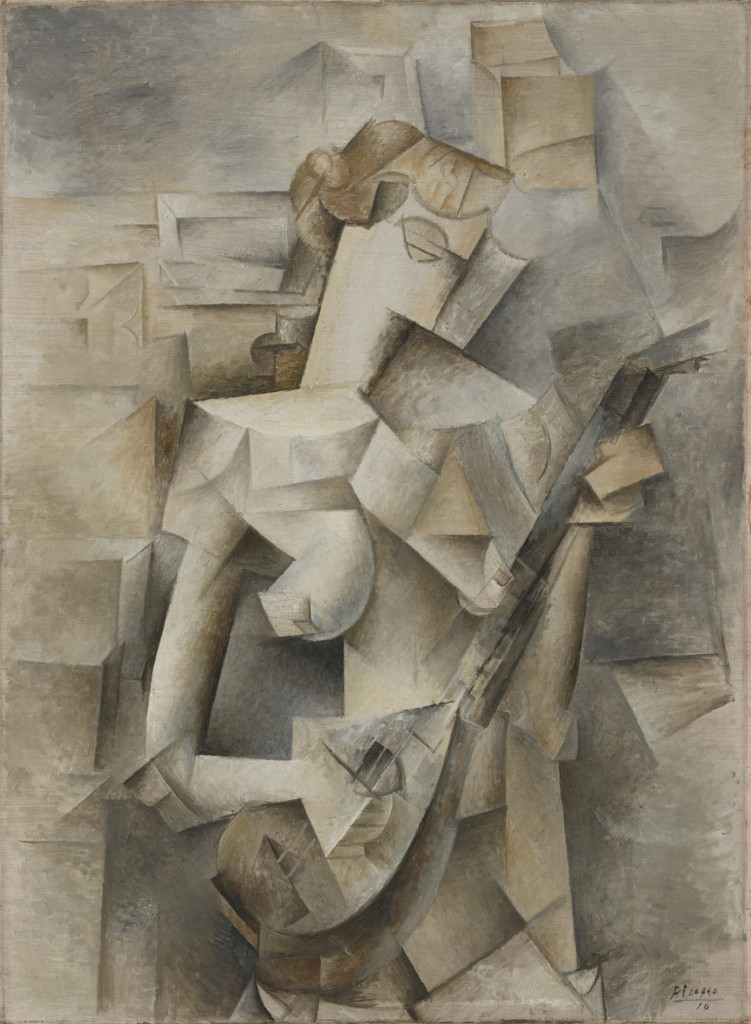
Girl with a Mandolin (Fanny Tellier), Pablo Picasso, Paris, late spring 1910

Pablo Picasso

Girl with a Mandolin (Fanny Tellier), Paris, late spring 1910

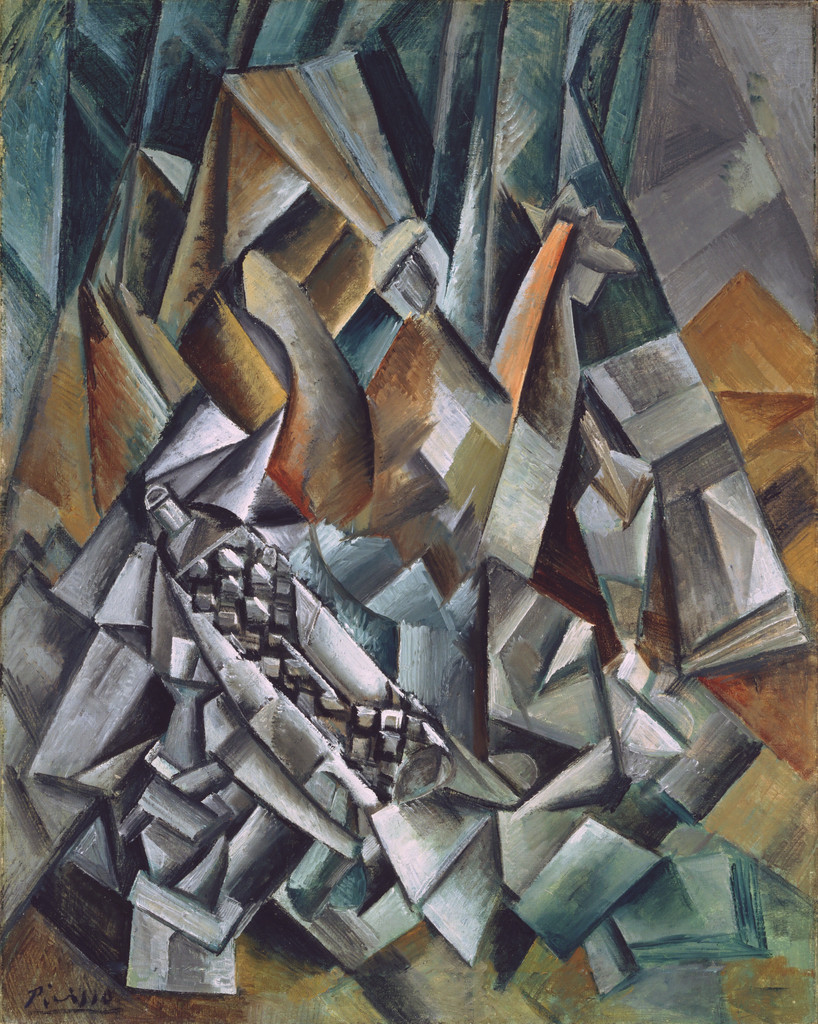
Still Life with Liqueur Bottle, Pablo Picasso, Horta de San Joan, August 1909

Pablo Picasso

Still Life with Liqueur Bottle, Horta de San Joan, August 1909

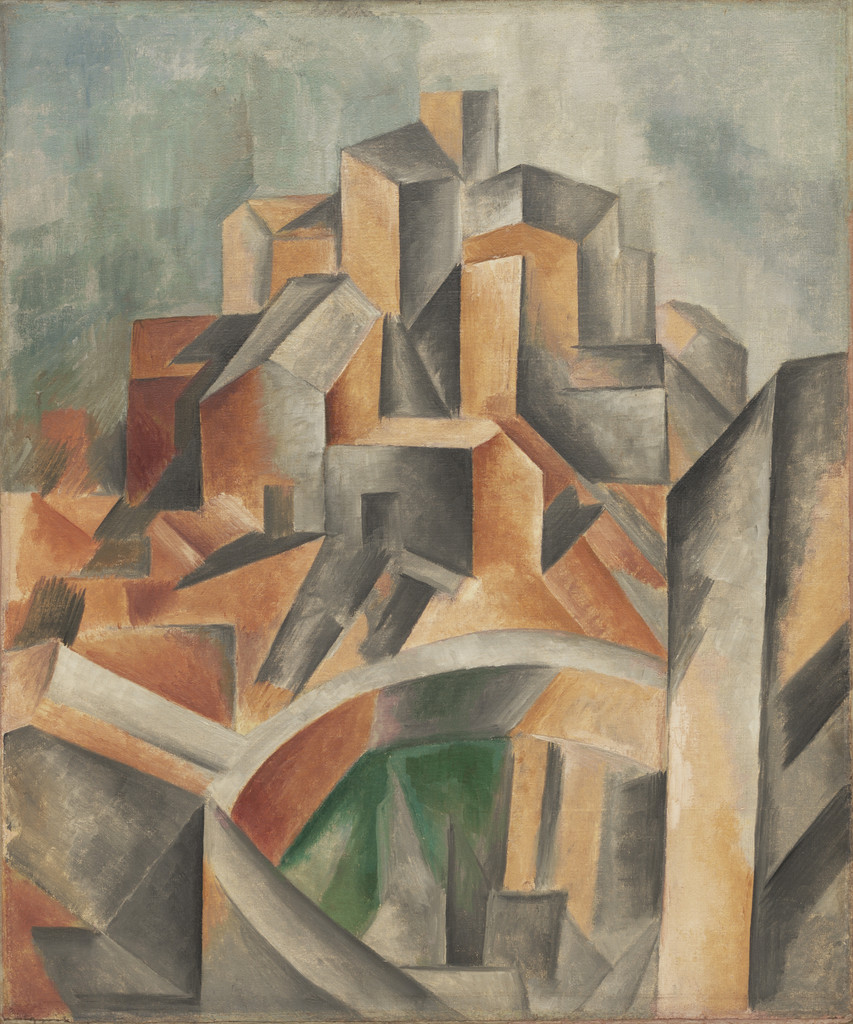
The Reservoir, Horta de Ebro, Pablo Picasso, Horta de Sant Joan, summer 1909

Pablo Picasso

The Reservoir, Horta de Ebro, Horta de Sant Joan, summer 1909

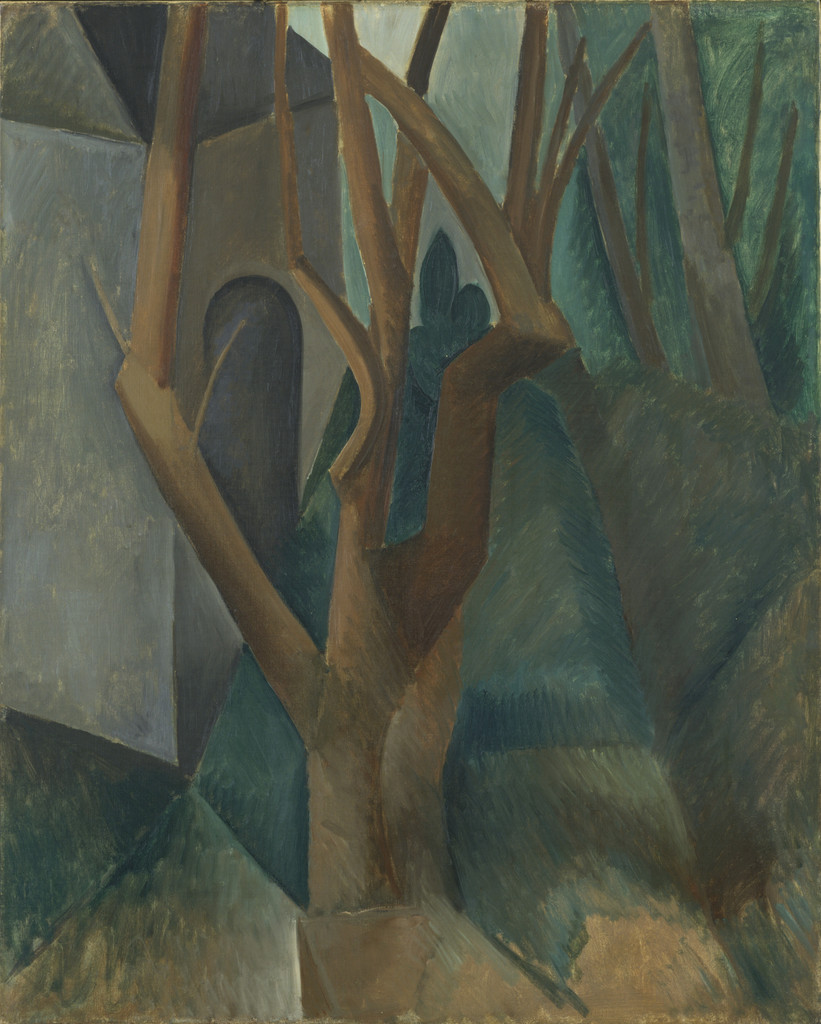
Landscape, Pablo Picasso, La Rue des Bois or Paris, August or September 1908

Pablo Picasso

Landscape, La Rue des Bois or Paris, August or September 1908

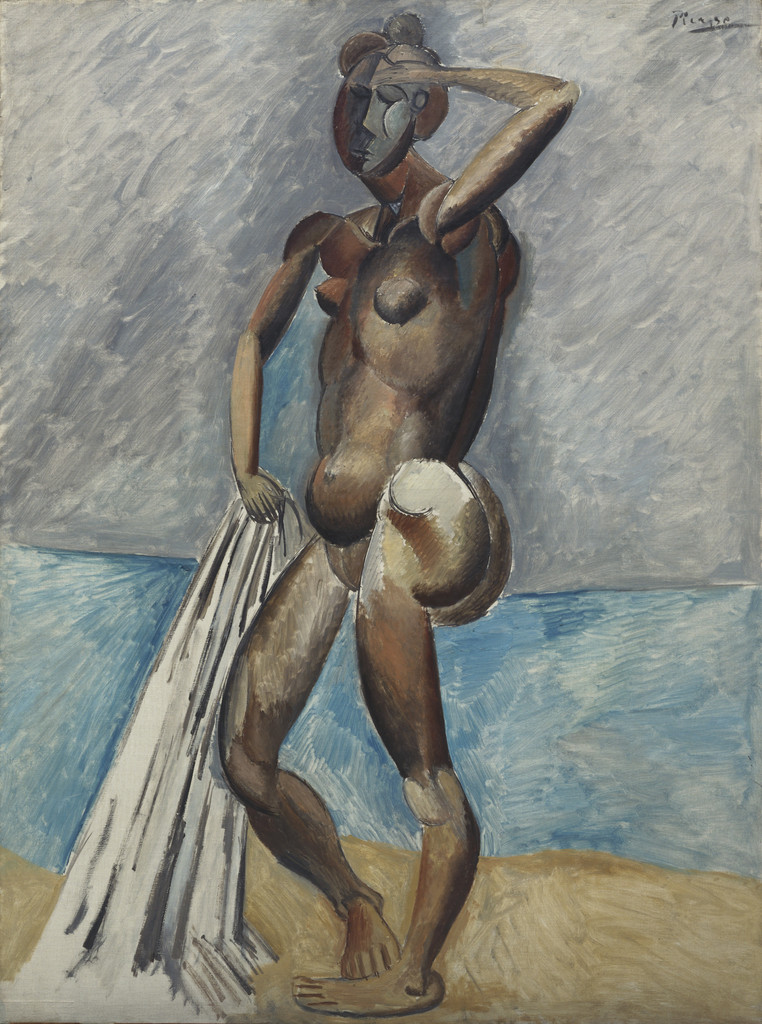
Bather, Pablo Picasso, winter 1908-09

Pablo Picasso

Bather, winter 1908-09

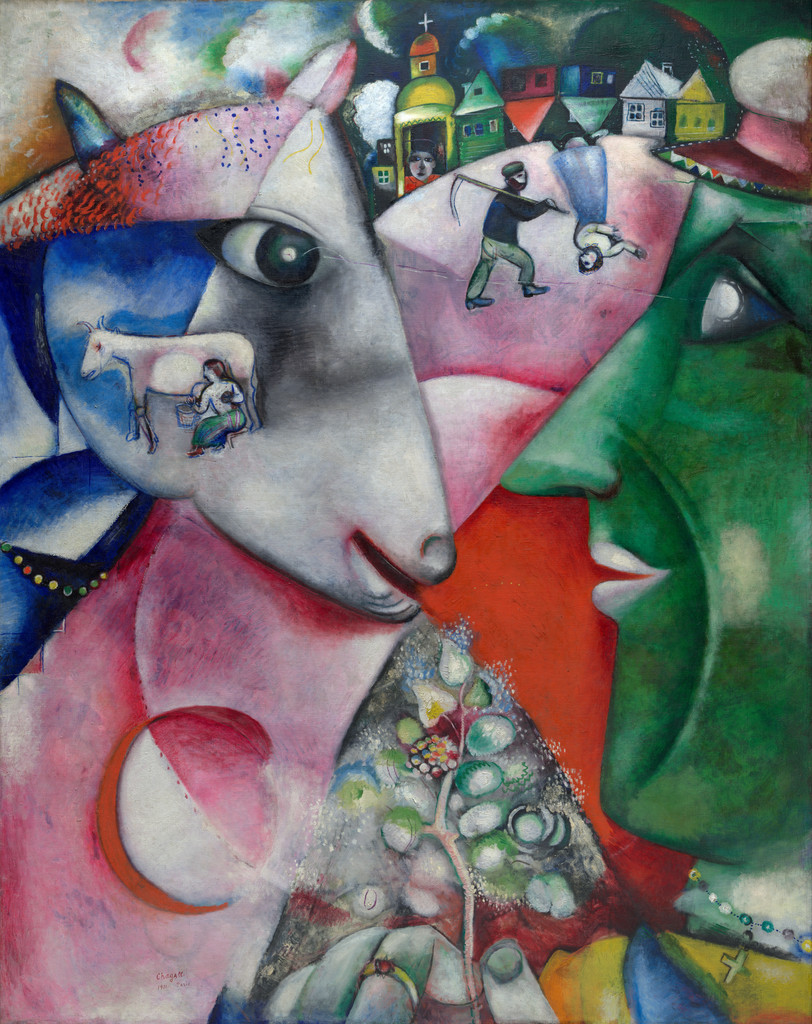
I and the Village, Marc Chagall, 1911

Marc Chagall

Io e il mio paese, 1911