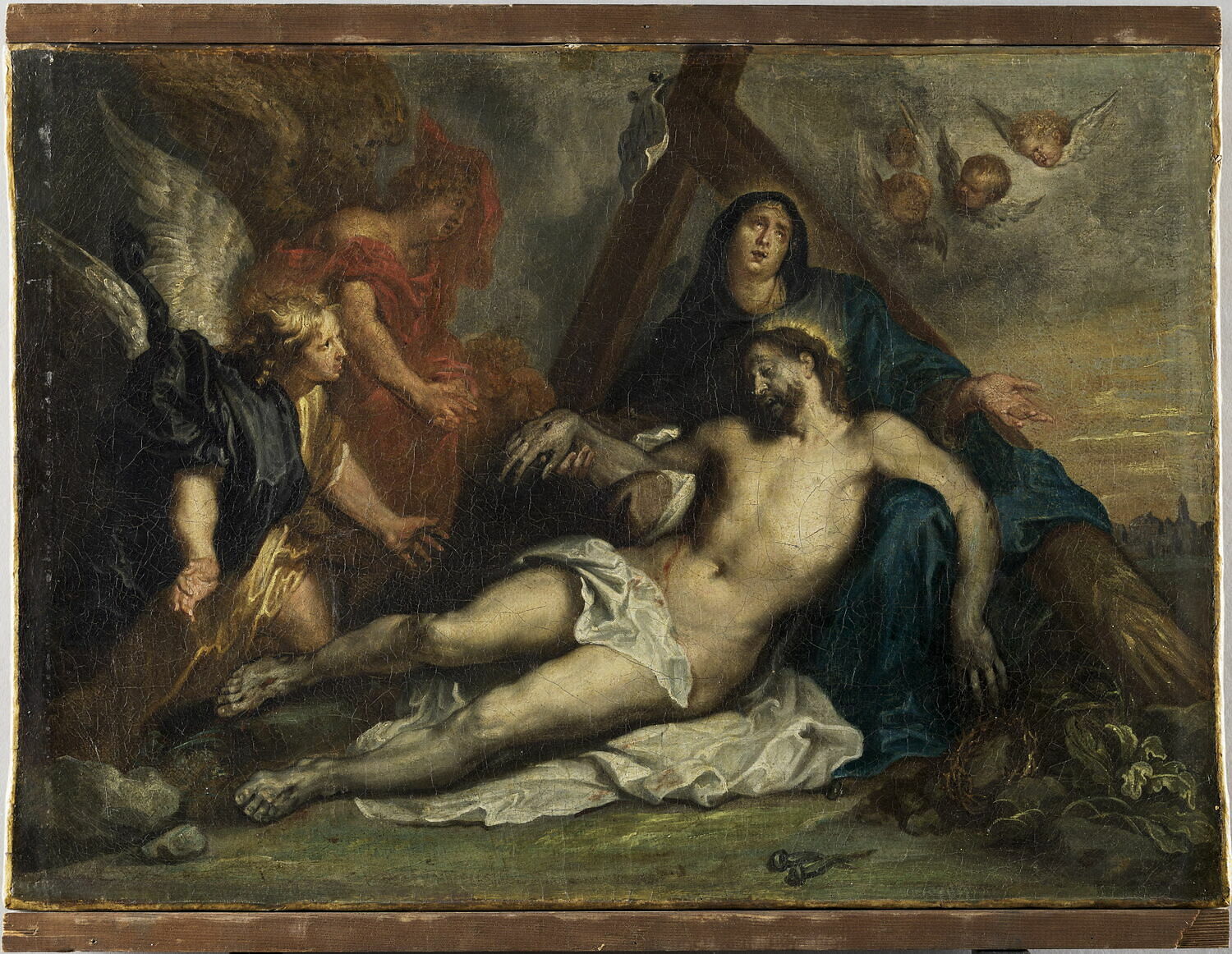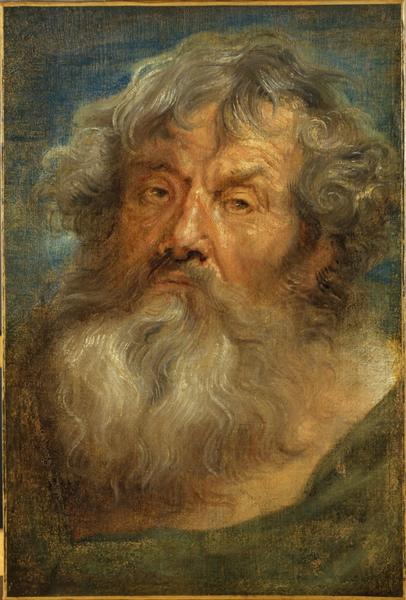
 Anthony van DyckFiandre, 1599–1641
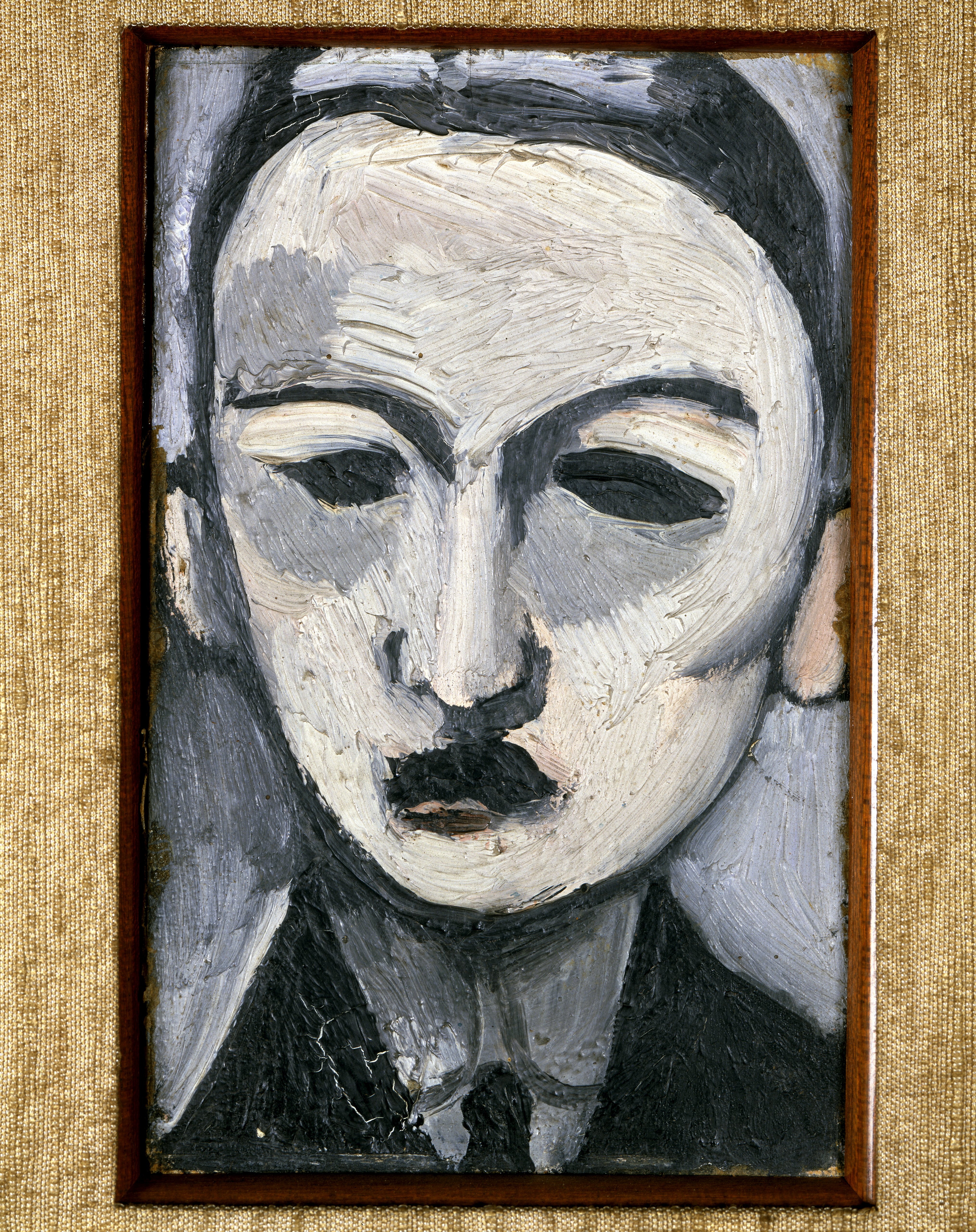
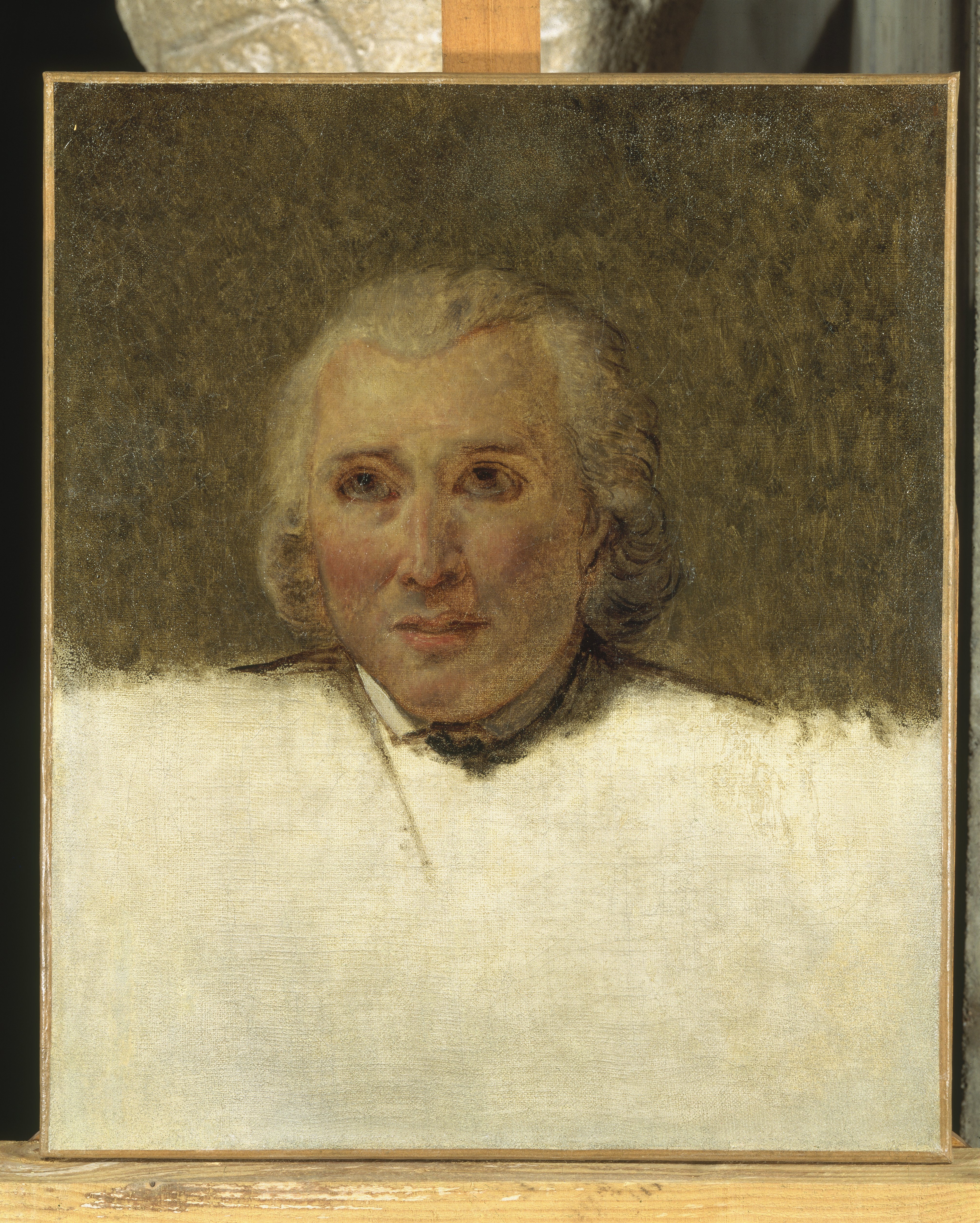
Tête de vieillard
Si può vedere?
Non si sa
Dove si trova «Tête de vieillard» oggi? Collezione: Musée des beaux-arts et d'archéologie, Besançon. Non si sa.
Besançon, Francia
Il proprietario è noto; non si sa se oggi sia esposta.
- Ultimo cambio di stato
- Fonte
- Il museo
Scheda
- Numero di inventario
- 896.1.72
Che cosa raffigura
In catalogo
Fonti
- Musée des beaux-arts et d'archéologie
- Immagine: Musée des beaux-arts et d'archéologie — CHOFFET Charles - utilisation soumise à autorisation; Ministère de la Culture (France), base Joconde
Nella vita di Anthony van Dyck
Tutta la vita22 marzo 1599
Born
from 1617
Beginning of Work with Rubens
From 1617 Van Dyck collaborated for a long period with Peter Paul Rubens, whose pupil he became, giving up his independent workshop; Rubens spoke of him as his best pupil.
20 November 1621
Departure for Italy, Arrival in Genoa
In 1621 Van Dyck decided to go to Italy; Rubens supplied him with funds and letters of introduction. On 20 November 1621 he arrived in Genoa and remained in Italy for six years, where his fame as a portraitist was consolidated.
5 July 1632
Principal Painter to King Charles I
On 5 July 1632 Charles I officially appointed Van Dyck principal painter to the king, guaranteeing an annual income of two hundred pounds sterling; the king gave him a large house with a garden on the banks of the Thames.
27 febbraio 1640
Married: Mary Ruthven
9 dicembre 1641
Died