ART WIKI32.979 in sala
MappaCollezioneArtistiMuseiMostreRivista
Accedi

ART WIKI

Dove è appeso il capolavoro, e quando si può entrare.

Collezioni: Art Institute of Chicago, Cleveland Museum of Art, Ermitage, Galleria Tret'jakov, Getty Museum, Harvard Art Museums, Hirshhorn Museum and Sculpture Garden, Metropolitan Museum of Art, Minneapolis Institute of Art, Museo del Louvre, Museo Puškin delle belle arti, Museo russo, Museum of Modern Art, National Gallery of Art, National Museum of Asian Art, National Portrait Gallery, Rijksmuseum, Smithsonian American Art Museum, Statens Museum for Kunst, Victoria and Albert Museum, Villa Getty, Whitney Museum of American Art, Catalogo statale del fondo museale russo (274 musei), Europeana (19 musei), Wikidata (6 musei), Paris Musées (12 musei) e Joconde, la banca dati dei musei del Ministero della Cultura francese (495 musei). Le immagini appartengono ai titolari dei diritti.

Sezioni

  • Mappa
  • Ricerca
  • Collezione
  • Capolavori
  • Esposte ora
  • Artisti

Altro

  • Musei e gallerie
  • Mostre
  • Rivista
  • Da dove vengono i dati
  • Privacy e cookie
HomeMappaCatalogo
  1. Collezione/
  2. Cleveland Museum of Art/
  3. St. Matthias
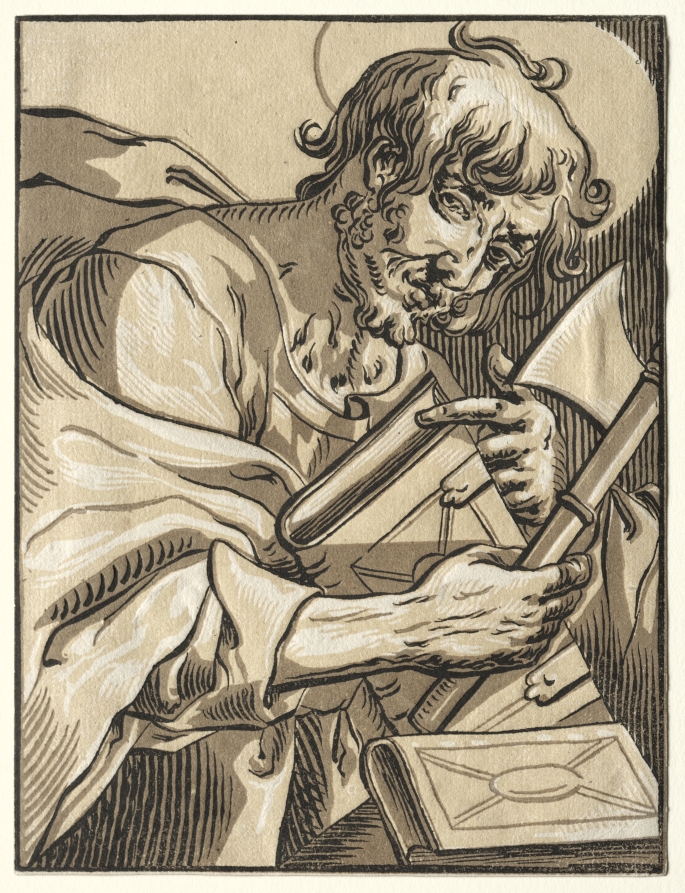
St. Matthias, Ludolph Büsinck, 1623–30
LLudwig BüsinckGermania, 1590–1669

St. Matthias

1623–30 · Print

Si può ammirare?

Al momento non riceve

Cleveland Museum of Art

Cleveland, Stati Uniti

Appartiene alla collezione, ma al momento non è esposta.

Verificato
3 giorni fa
Ultimo cambio di stato
19 ago 2026
Fonte
Il museo
Sulla mappaPagina del museo

Sull’opera

Büsinck was a leading German master of the chiaroscuro woodcut and one of only a few artists working in this medium in the 17th century. He introduced chiaroscuros to France, and almost his entire output, executed between 1623 and 1630 in Paris, appears to be based on the drawings of the painter George Lallemand. Lallemand had special presses constructed to mass-produce Büsinck's prints, the only mid 17th-century workshop in France devoted to the production of chiaroscuros.
Cleveland Museum of Art

Scheda

1623–30
15901669
Numero di inventario
1966.733

In catalogo

StampeXilografiaBaroccoXVII secoloGermania

Fonti

  • Cleveland Museum of Art
  • Immagine: Cleveland Museum of Art — Museum open access

Altre opere di Ludwig Büsinck

Tutte le opere
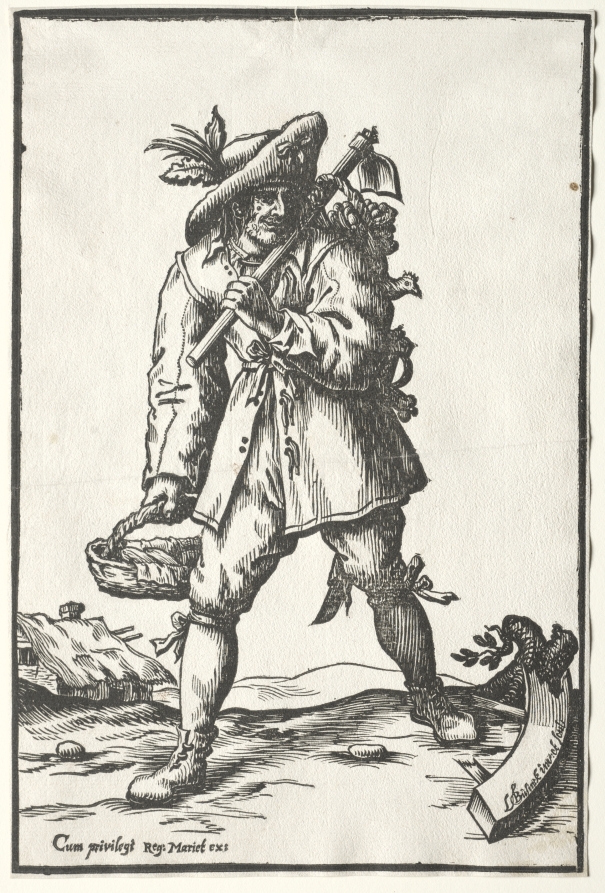
Peasant with Hoe, Basket and Hen, Ludolph Büsinck

Peasant with Hoe, Basket and Hen

Non esposta · Cleveland Museum of Art

Moses with the Tables of the Law, Ludolph Büsinck, n.d.

Moses with the Tables of the Law

n.d. · Non esposta · Art Institute of Chicago

Moses with the Tables of the Law, Ludolph Büsinck, n.d.

Moses with the Tables of the Law

n.d. · Non esposta · Art Institute of Chicago

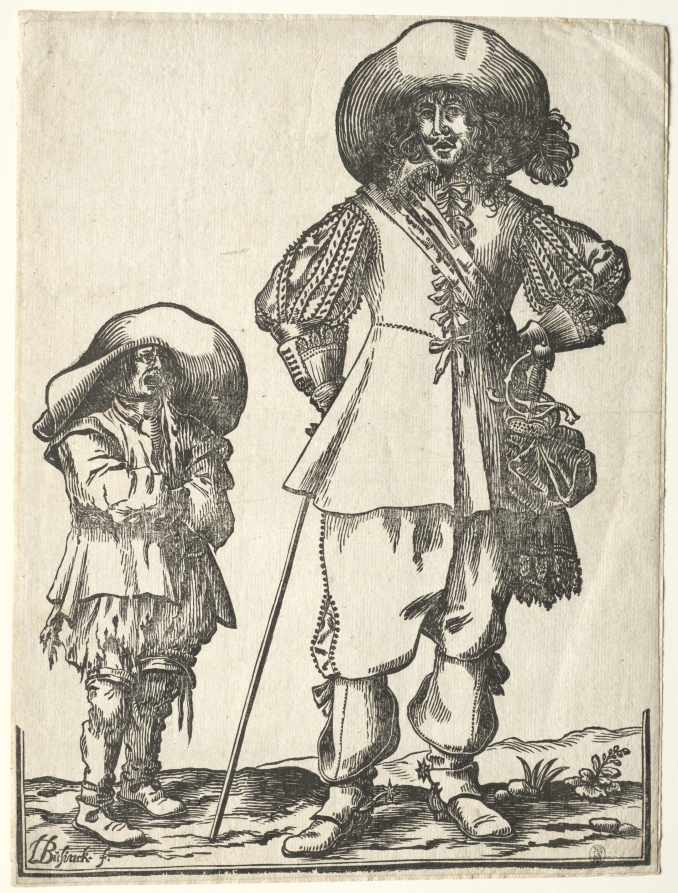
Standing Cavalier and Beggar Boy, Ludolph Büsinck

Standing Cavalier and Beggar Boy

Non esposta · Cleveland Museum of Art

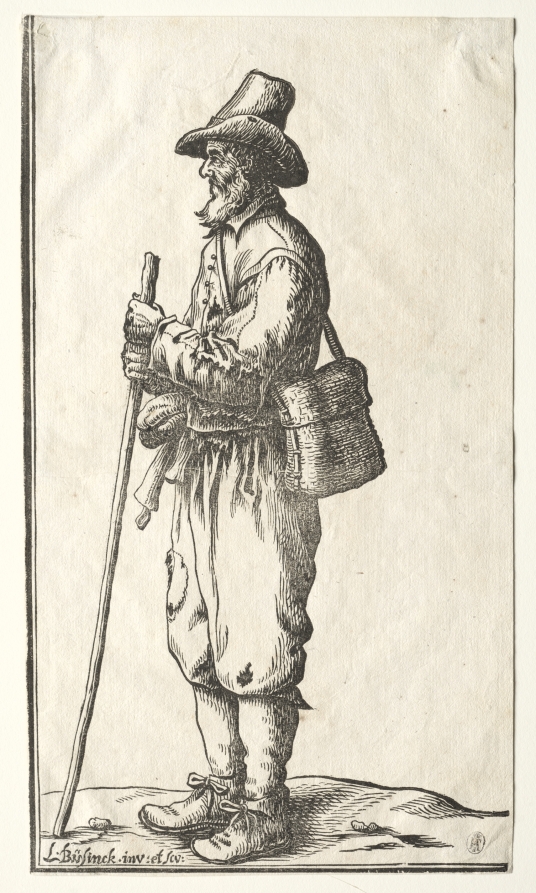
Beggar in Profile Toward Left, Ludolph Büsinck

Beggar in Profile Toward Left

Non esposta · Cleveland Museum of Art

Aeneas and Anchises, Ludolph Büsinck, n.d.

Aeneas and Anchises

n.d. · Non esposta · Art Institute of Chicago

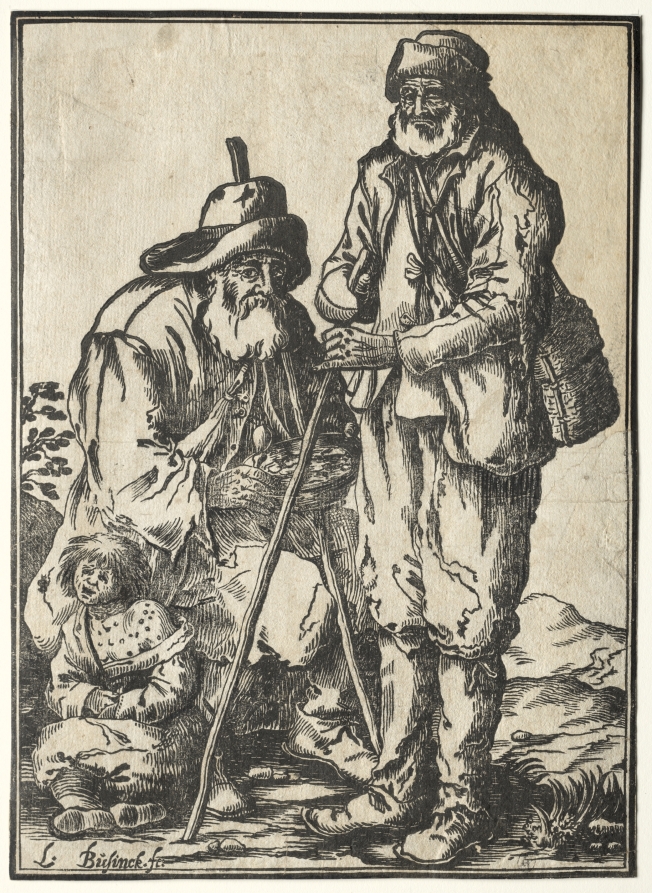
Two Beggars and Leprous Child, Ludolph Büsinck

Two Beggars and Leprous Child

Non esposta · Cleveland Museum of Art

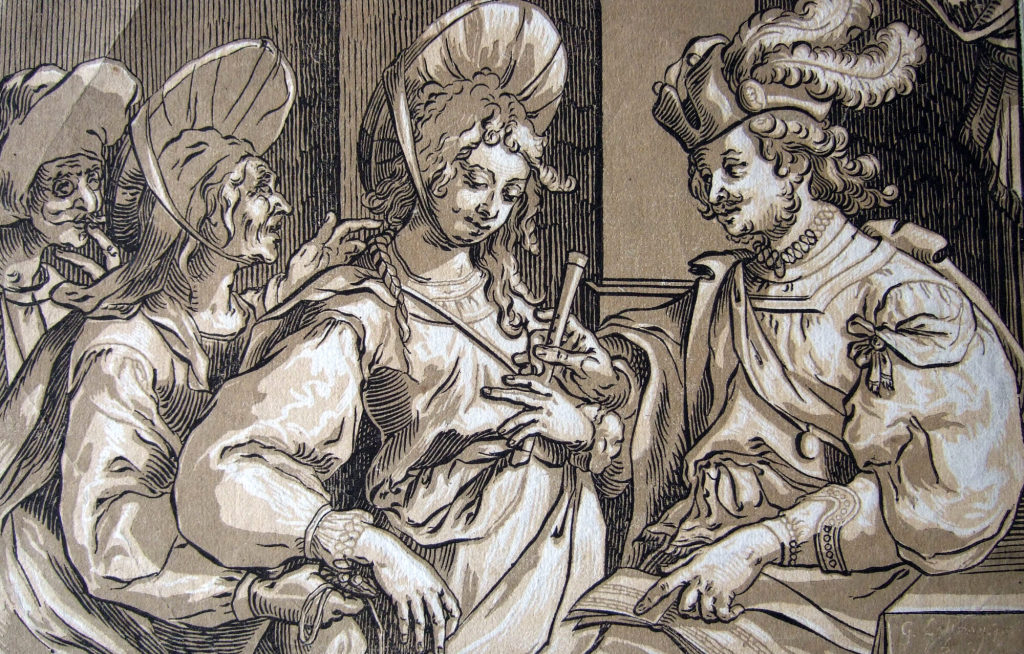
Die Kupplerin, Ludolph Büsinck

Die Kupplerin

Museum Kunstpalast

Sotto lo stesso tetto: Cleveland Museum of Art

Pagina del museo
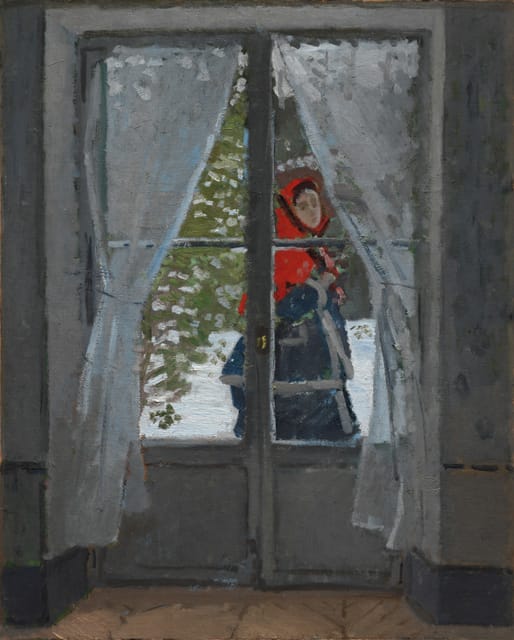
The Red Kerchief, Claude Monet, c. 1868–73

Claude Monet

The Red Kerchief, c. 1868–73

Melencolia I, Albrecht Dürer, 1514

Albrecht Dürer

Melencolia I, 1514

The Virgin and Child with the Pear, Albrecht Dürer, 1511

Albrecht Dürer

The Virgin and Child with the Pear, 1511

The Nativity, Albrecht Dürer, probably c. 1509/1510

Albrecht Dürer

The Nativity, probably c. 1509/1510

The Virgin and Child on a Crescent with a Starry Crown, Albrecht Dürer, 1508

Albrecht Dürer

The Virgin and Child on a Crescent with a Starry Crown, 1508

The Lamentation, Albrecht Dürer, 1507

Albrecht Dürer

The Lamentation, 1507

Large Horse, Albrecht Dürer, 1505

Albrecht Dürer

Large Horse, 1505

Nemesis (The Great Fortune), Albrecht Dürer, c. 1501/1502

Albrecht Dürer

Nemesis (The Great Fortune), c. 1501/1502