ART WIKI32.963 in sala
MappaCollezioneArtistiMuseiMostreRivista
Accedi

ART WIKI

Dove è appeso il capolavoro, e quando si può entrare.

Collezioni: Art Institute of Chicago, Cleveland Museum of Art, Ermitage, Galleria Tret'jakov, Getty Museum, Harvard Art Museums, Hirshhorn Museum and Sculpture Garden, Metropolitan Museum of Art, Minneapolis Institute of Art, Museo del Louvre, Museo Puškin delle belle arti, Museo russo, Museum of Modern Art, National Gallery of Art, National Museum of Asian Art, National Portrait Gallery, Rijksmuseum, Smithsonian American Art Museum, Statens Museum for Kunst, Victoria and Albert Museum, Villa Getty, Whitney Museum of American Art, Catalogo statale del fondo museale russo (274 musei), Europeana (19 musei), Wikidata (6 musei), Paris Musées (12 musei) e Joconde, la banca dati dei musei del Ministero della Cultura francese (495 musei). Le immagini appartengono ai titolari dei diritti.

Sezioni

  • Mappa
  • Ricerca
  • Collezione
  • Capolavori
  • Esposte ora
  • Artisti

Altro

  • Musei e gallerie
  • Mostre
  • Rivista
  • Da dove vengono i dati
  • Privacy e cookie
HomeMappaCatalogo
  1. Collezione/
  2. Victoria and Albert Museum/
  3. Samson Slaying a Philistine
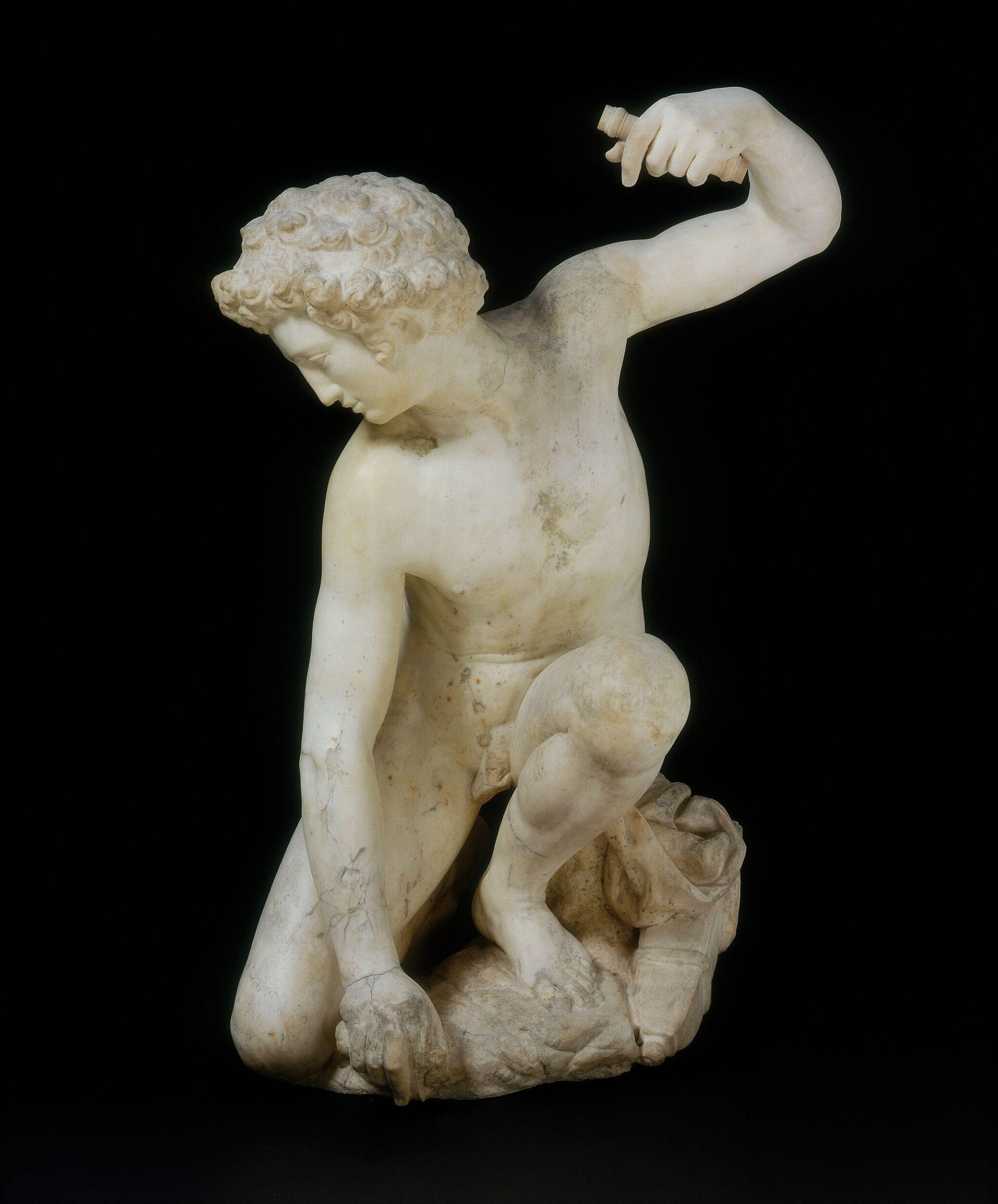
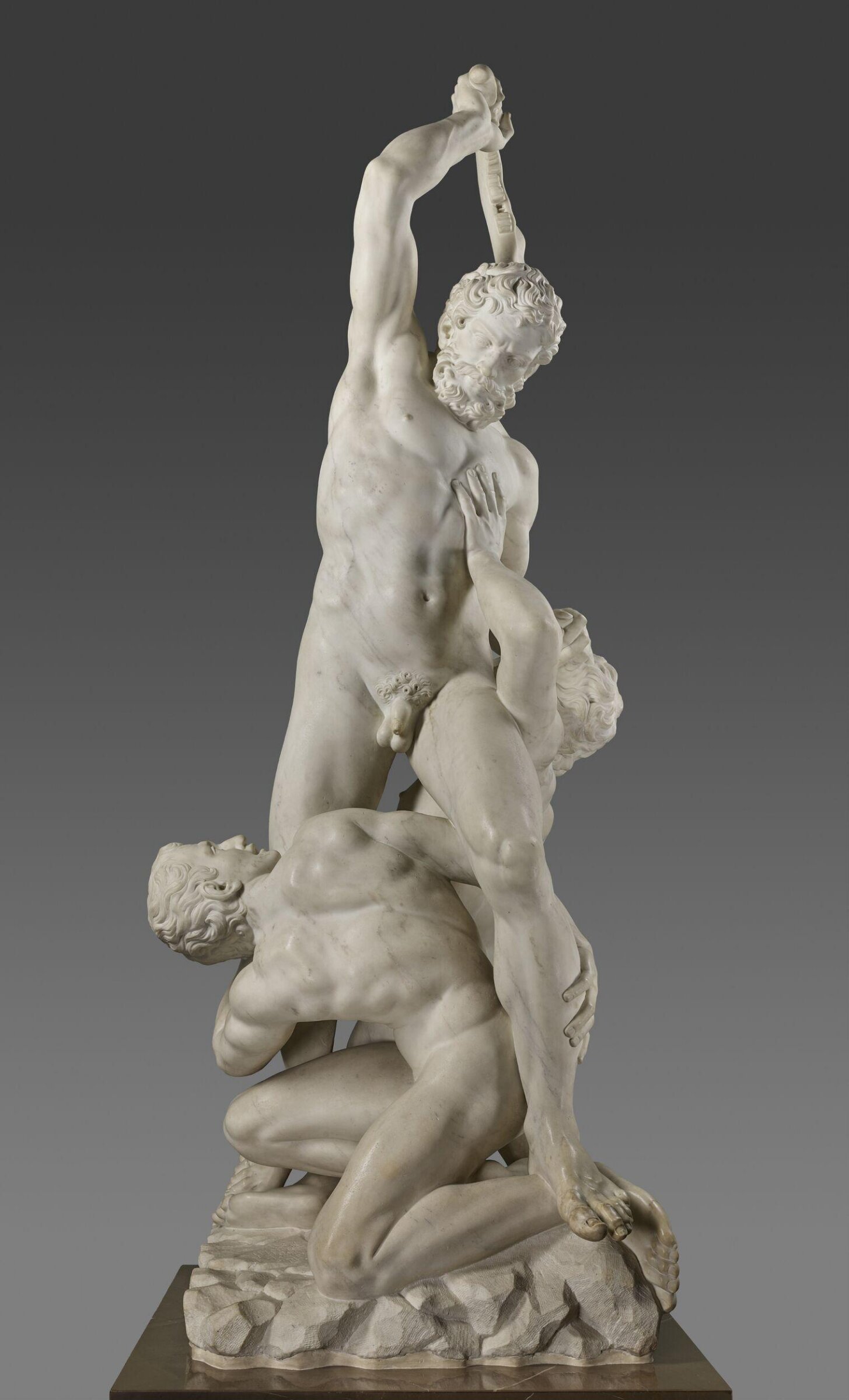
Samson Slaying a Philistine, Giovanni Bologna, 1560-1562

Samson Slaying a Philistine

1560-1562 · Figure group · 209.9 × 76 cm

Sulla scultura

Sansone che uccide un filisteo è un gruppo scultoreo in marmo realizzato da Giambologna, scultore fiammingo particolarmente attivo nella Firenze medicea. È l'unica tra le opere principali dell'artista ad aver lasciato l'Italia. Fu commissionata nel 1562 da Francesco I de' Medici, originariamente come parte di una fontana ubicata presso il Casino di San Marco a Firenze. Fu successivamente trasferita in Spagna come dono e posizionata al Palacio de la Ribera di Valladolid. Il gruppo fu poi presentato nel 1623 al principe di Galles, divenuto poi Carlo I d'Inghilterra, che si trovava in Spagna per negoziare un contratto di matrimonio. Immediatamente Sansone e un filisteo divenne la scultura italiana più famosa in Inghilterra[1]: appena vi fu trasferita, fu consegnata al prediletto del re, il duca di Buckingham, e in seguito cambiò proprietario per altre tre volte fino ad entrare a far parte delle collezioni del Victoria and Albert Museum nel 1954.

Wikipedia · CC BY-SA

Con le parole del museo

Samson is seen here wielding the jawbone of an ass in order to slay one of the Philistines who have taunted him. This is the earliest of the great marble groups by Giovanni Bologna (called Giambologna), and the only substantial work by the artist to have left Italy. Commissioned by Francesco de’Medici, it was subsequently set up on a fountain in Florence. In 1601 the fountain was sent to Spain as a gift to the Duke of Lerma, chief minister of Philip III of Spain, from the Grand-Duke Ferdinando I of Tuscany. The group was later presented to Charles Prince of Wales on his visit to Spain in 1623. On its arrival in England, it was given to the king’s favourite, the Duke of Buckingham, and subsequently changed hands three times before coming to the Museum in 1954.

Altre opere di Giambologna

Tutte le opere

Nella stessa sala · Medieval & Renaissance, Room 50a, The Paul and Jill Ruddock Gallery, Victoria and Albert Museum

Pagina del museo

Sullo stesso tema · Philistine

Tutte le opere sul tema
Continua a leggere

This sculpture is a good example of the multiple viewpoints seen in Giambologna’s work; the spiralling movement of the bodies means that there is no single viewpoint. This contrasts with the work of the slightly later sculpture of Bernini, whose monumental works almost invariably have only one viewpoint. Despite the fact that the marble is weathered from three centuries outdoors, Giambologna’s sensitive carving is still apparent.

Victoria and Albert Museum

Scheda

1560-1562
15291608
Numero di inventario
A.7-1954

Fonti

  • Victoria and Albert Museum
  • Immagine: Victoria and Albert Museum — © Victoria and Albert Museum, London
Giambologna, ritrattoGiambolognaFiandre, 1529–1608

Si può ammirare?

Sì, riceve visite

Victoria and Albert Museum

Londra, Regno Unito

SalaMedieval & Renaissance, Room 50a, The Paul and Jill Ruddock Gallery

Esposta al pubblico. Chi lo garantisce è indicato qui sotto.

Verificato
12 giorni fa
Ultimo cambio di stato
25 set 2026
Fonte
Il museo
Sulla mappaPagina del museo
Triton, Giambologna, 1590s

Triton

1590s · Metropolitan Museum of Art

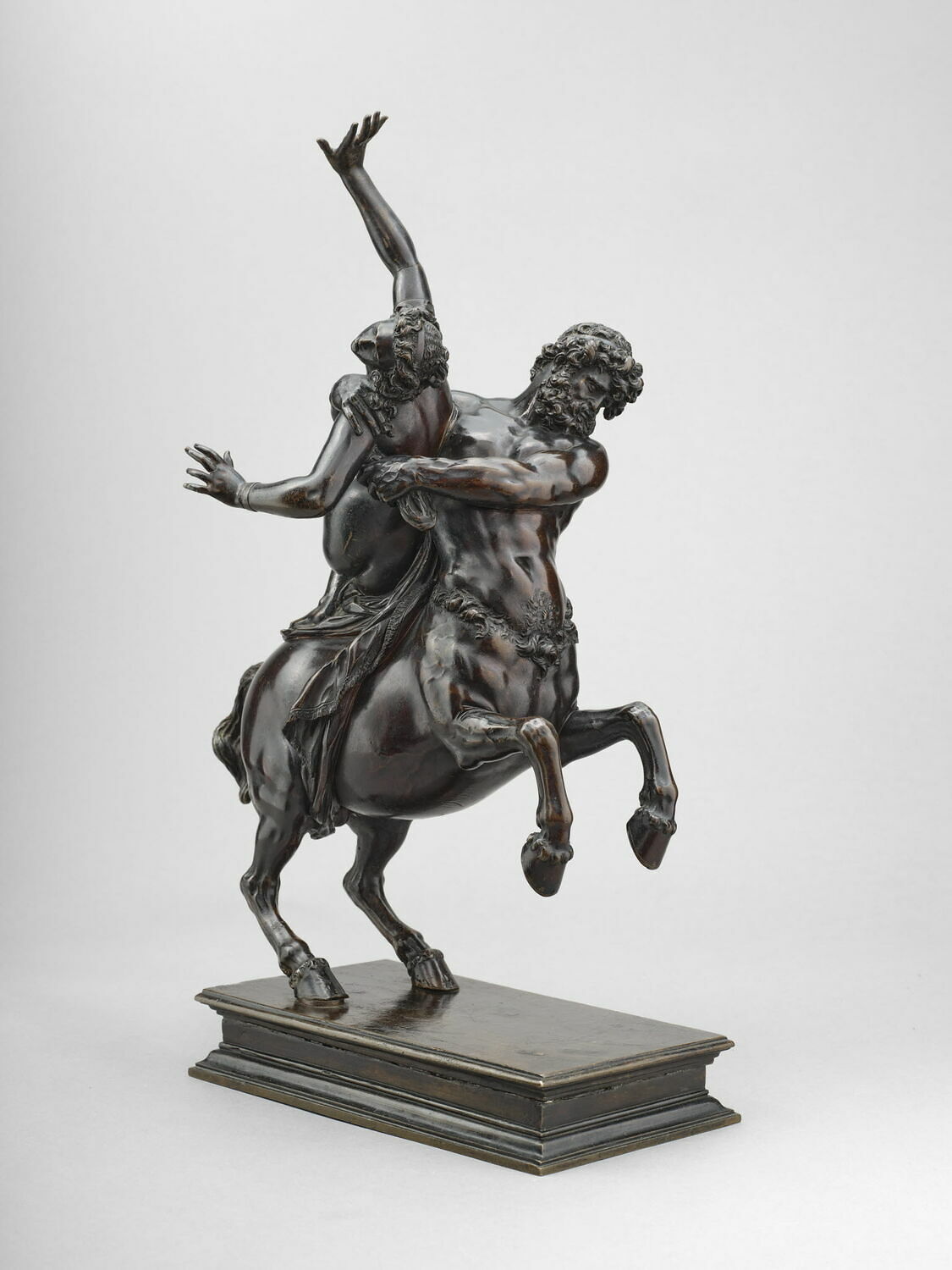
Groupe sculpté : l'Enlèvement de Déjanire, Bologne, Jean

Groupe sculpté : l'Enlèvement de Déjanire

Museo del Louvre

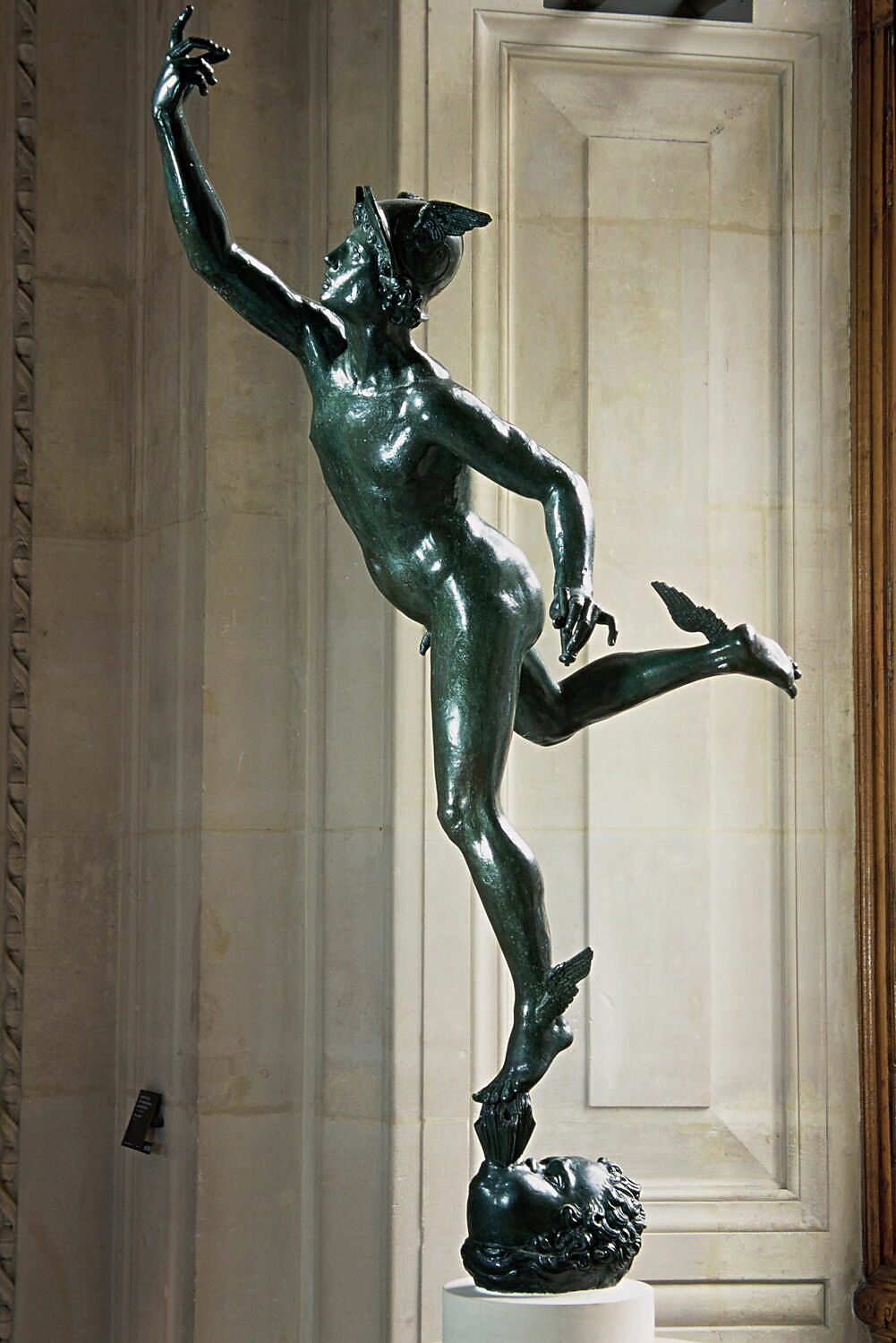
Mercure, Italie, 1574 - 1700

Mercure

1574 - 1700 · Museo del Louvre

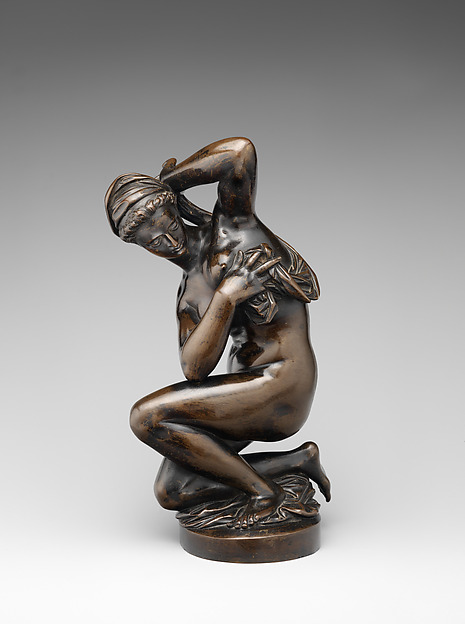
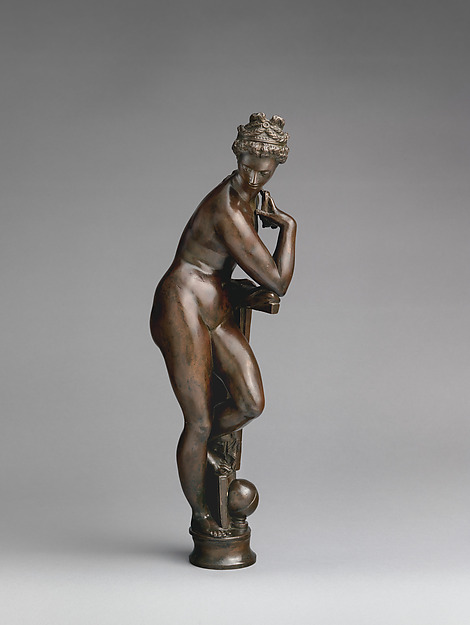
Crouching Venus, Giambologna, 17th century

Crouching Venus

17th century · Metropolitan Museum of Art

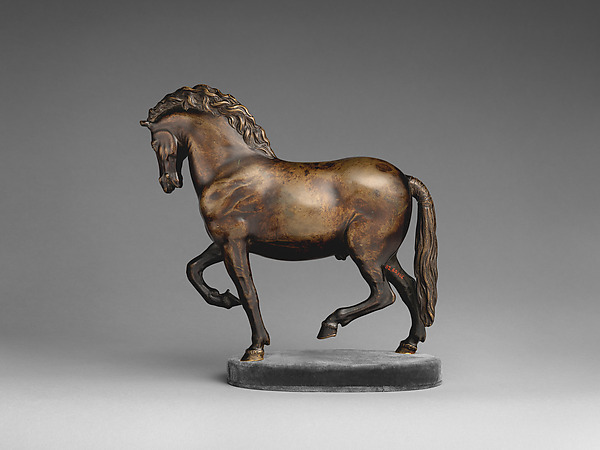
Trotting horse, Giambologna, 18th–19th century?

Trotting horse

18th–19th century? · Metropolitan Museum of Art

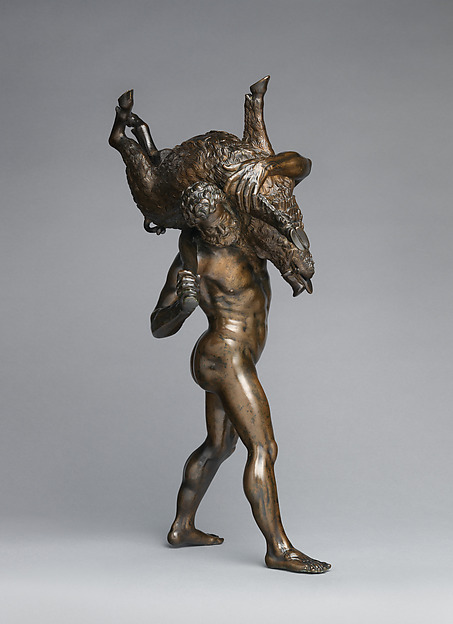
Hercules and the Erymanthian boar, Giambologna, Late 17th or 18th century

Hercules and the Erymanthian boar

Late 17th or 18th century · Metropolitan Museum of Art

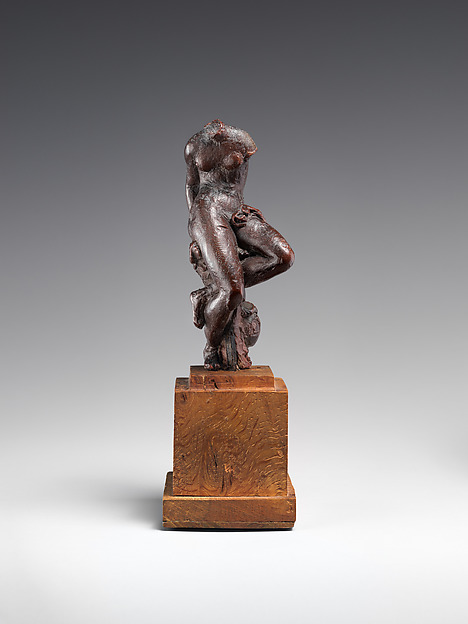
Astronomy, Giambologna, 17th century

Astronomy

17th century · Metropolitan Museum of Art

Seated woman representing Astrology, Giambologna, mid-1570s

Seated woman representing Astrology

mid-1570s · Metropolitan Museum of Art

Narcissus, Valerio Cioli, ca. 1560

Valerio Cioli

Narcissus, ca. 1560

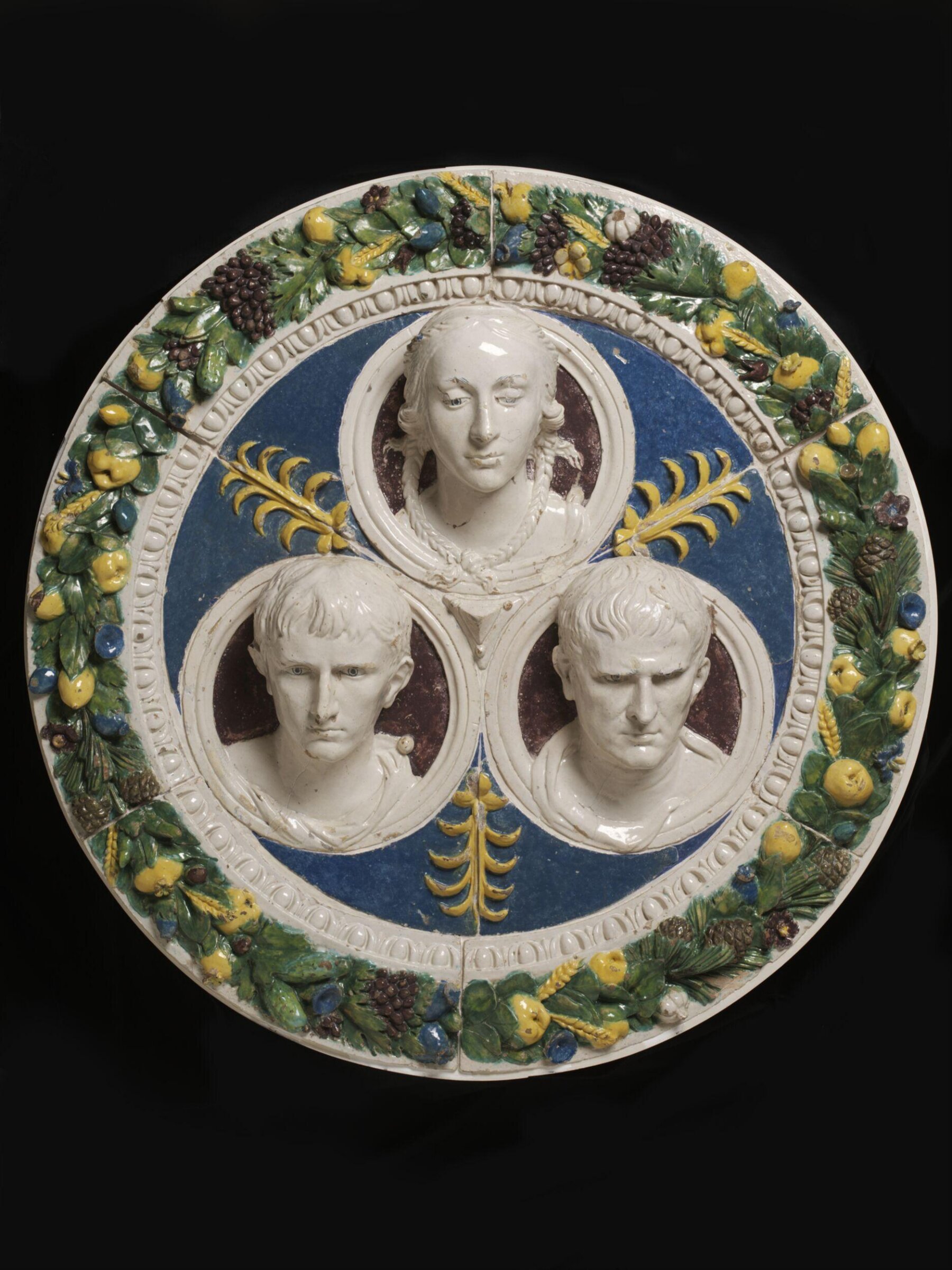
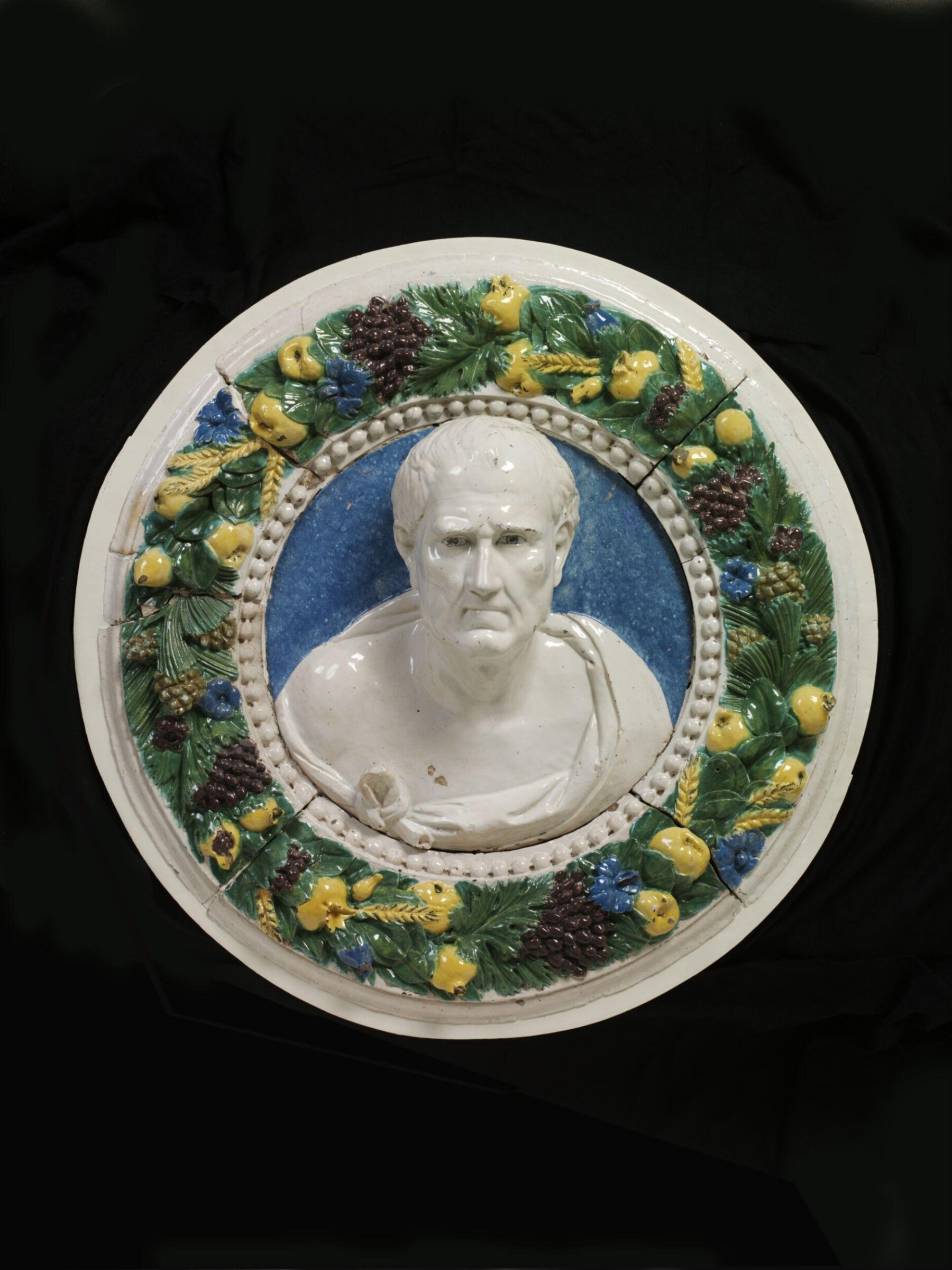
Roundel depicting Julia (?) Augustus & Agrippa, workshop of Giovanni della Robbia, ca. 1520 - ca. 1525

workshop of Giovanni della Robbia

Roundel depicting Julia (?) Augustus & Agrippa, ca. 1520 - ca. 1525

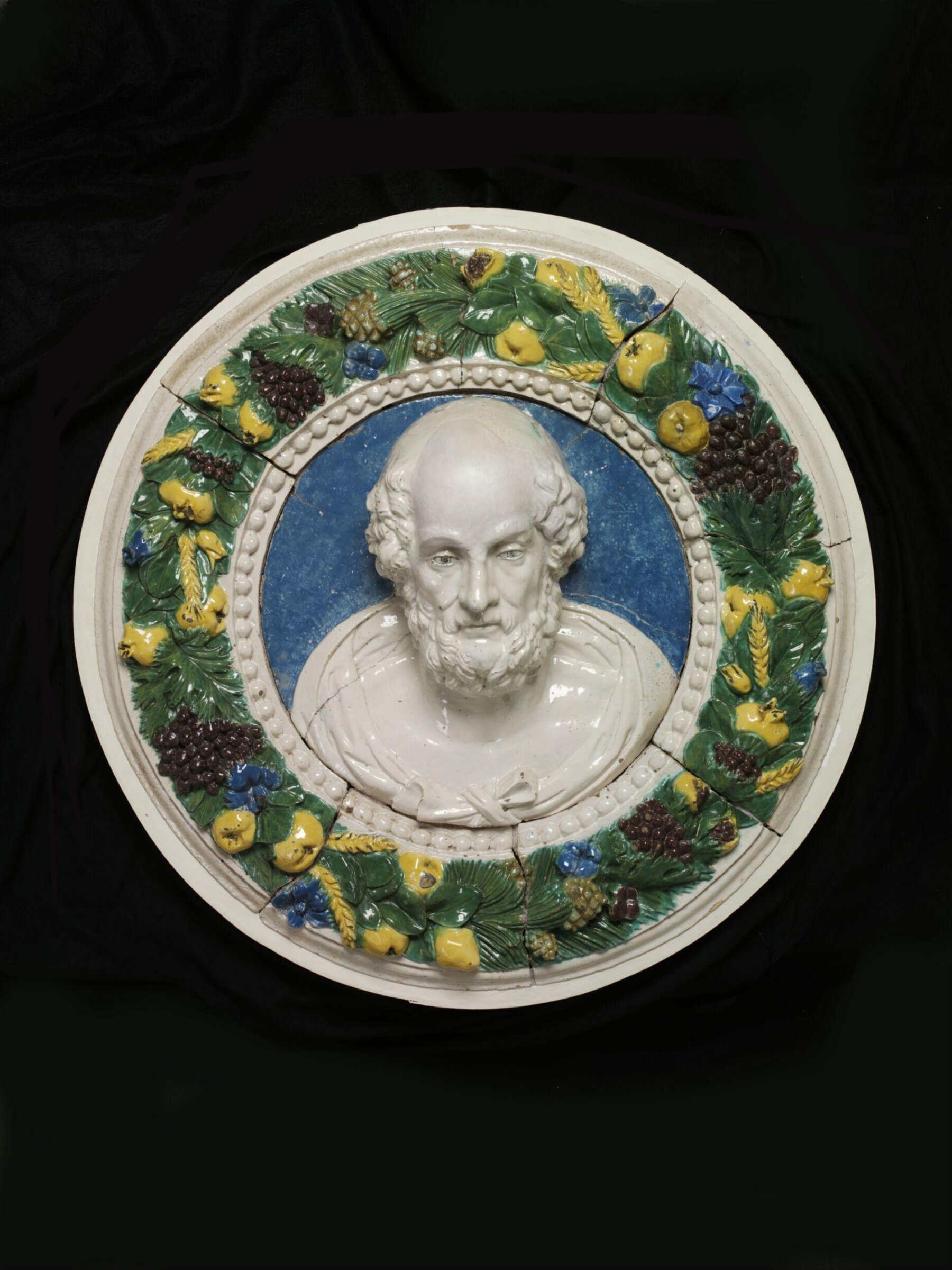
The Blind Homer, workshop of Giovanni della Robbia, ca. 1520 - ca. 1525

workshop of Giovanni della Robbia

The Blind Homer, ca. 1520 - ca. 1525

Relief, workshop of Della Robbia, 1520-1540

workshop of della Robbia

Relief, 1520-1540

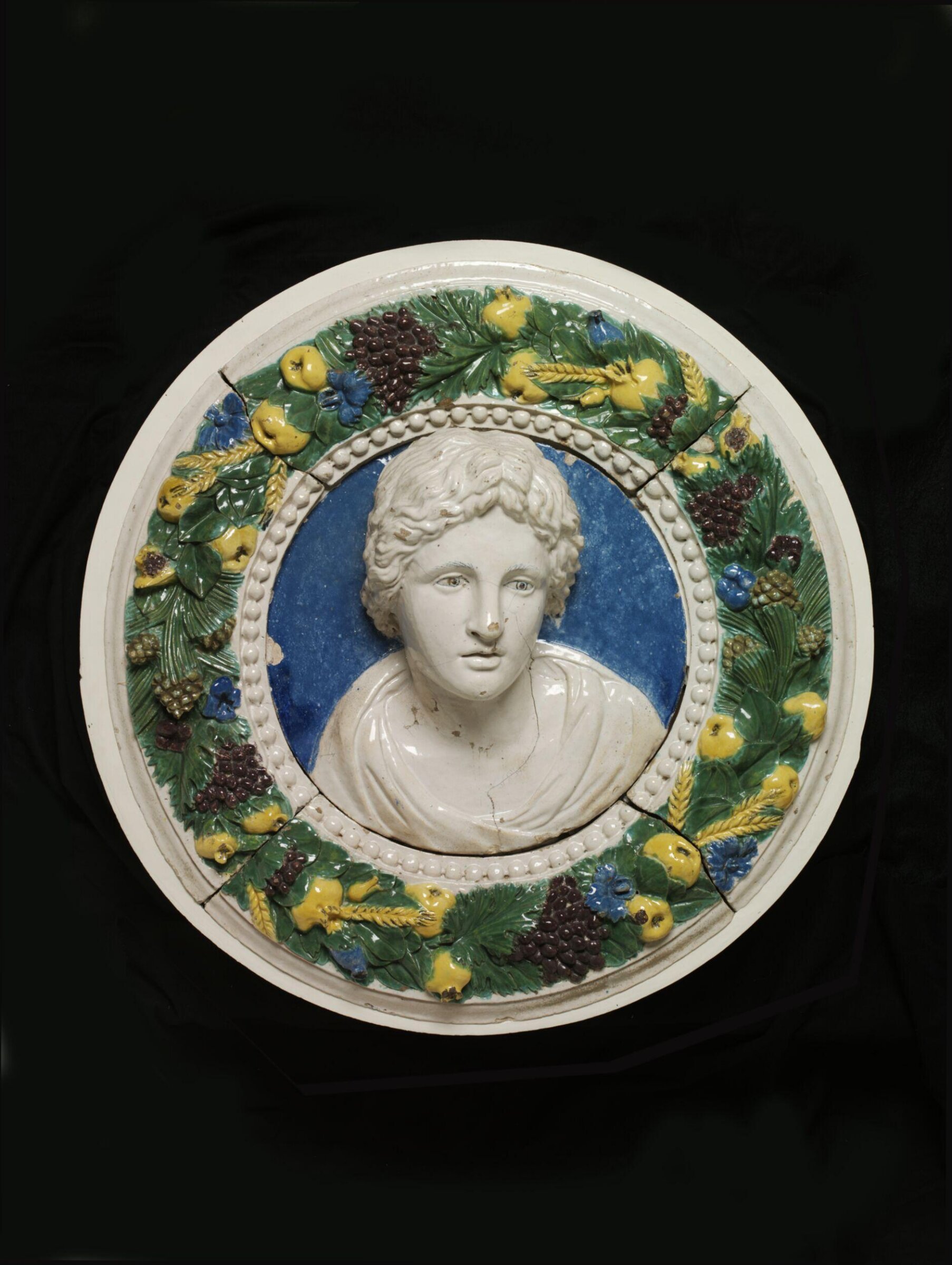
Classical female head, workshop of Giovanni della Robbia, ca. 1520 - ca. 1525

workshop of Giovanni della Robbia

Classical female head, ca. 1520 - ca. 1525

The Blind Homer, workshop of Giovanni della Robbia, ca. 1520 - ca. 1525

workshop of Giovanni della Robbia

The Blind Homer, ca. 1520 - ca. 1525

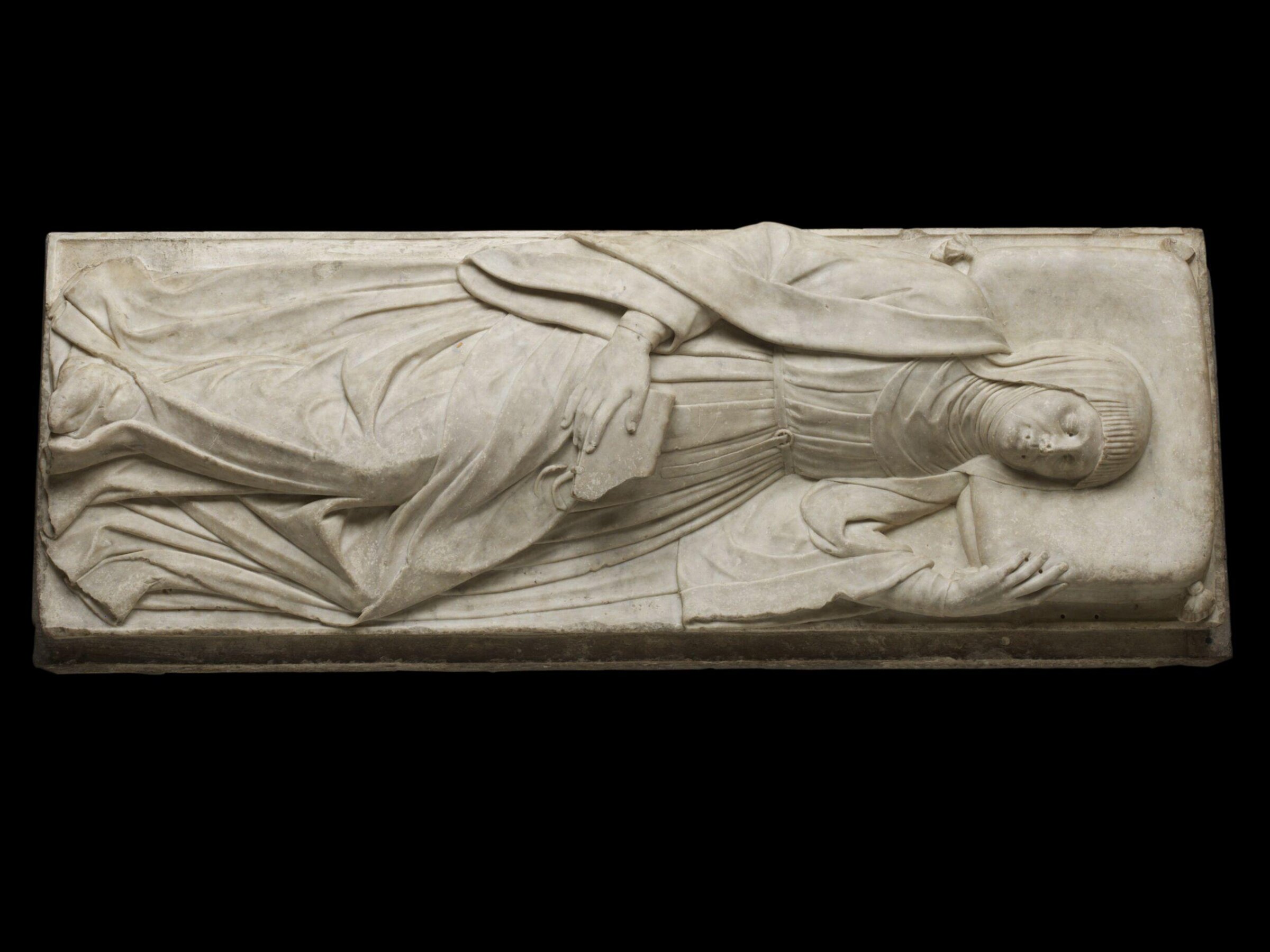
Sepulchral Effigy of a Lady, 1500-1530

Sepulchral Effigy of a Lady, 1500-1530

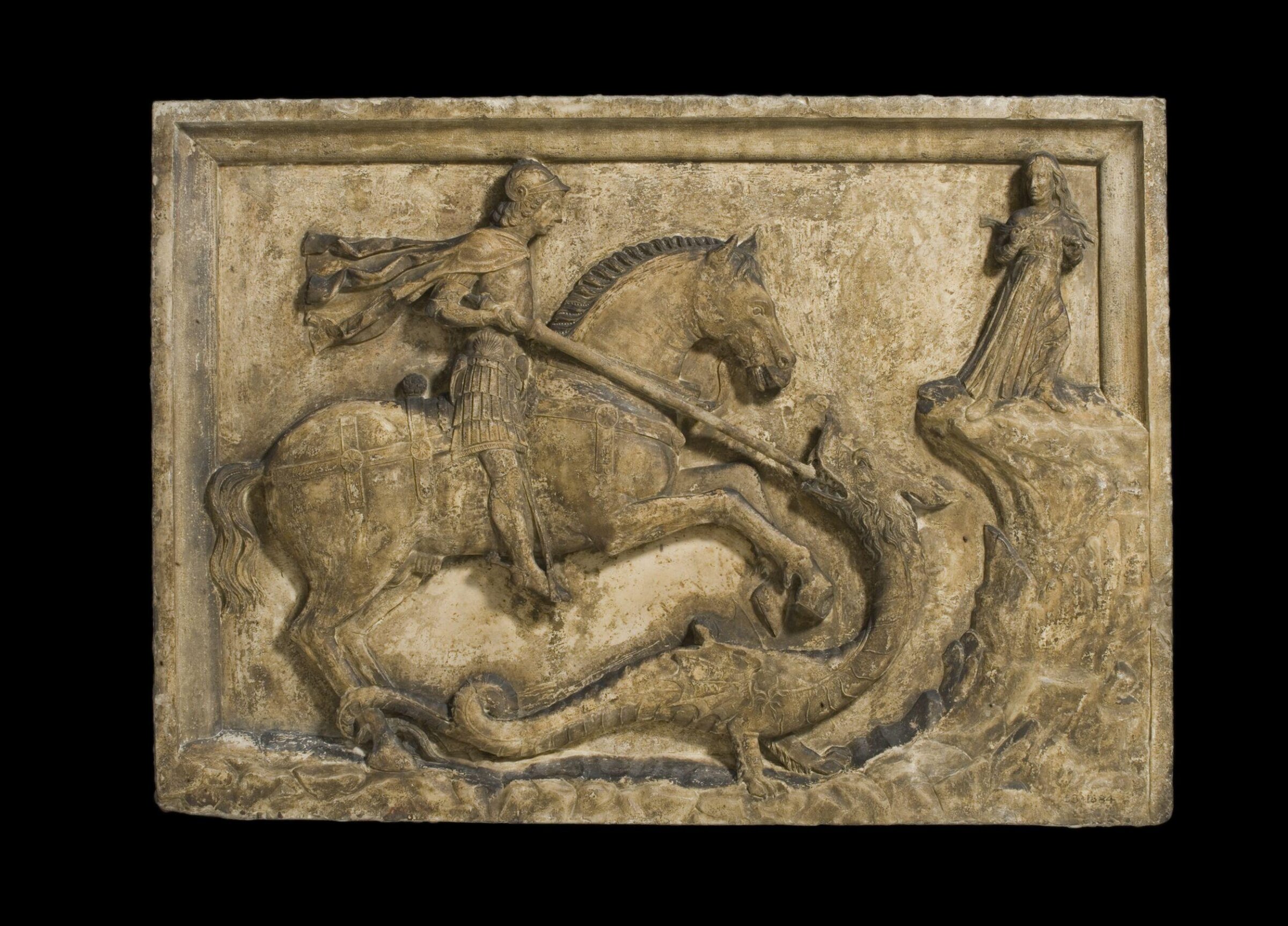
Saint George and the Dragon with two armorial reliefs, ca. 1500

Saint George and the Dragon with two armorial reliefs, ca. 1500

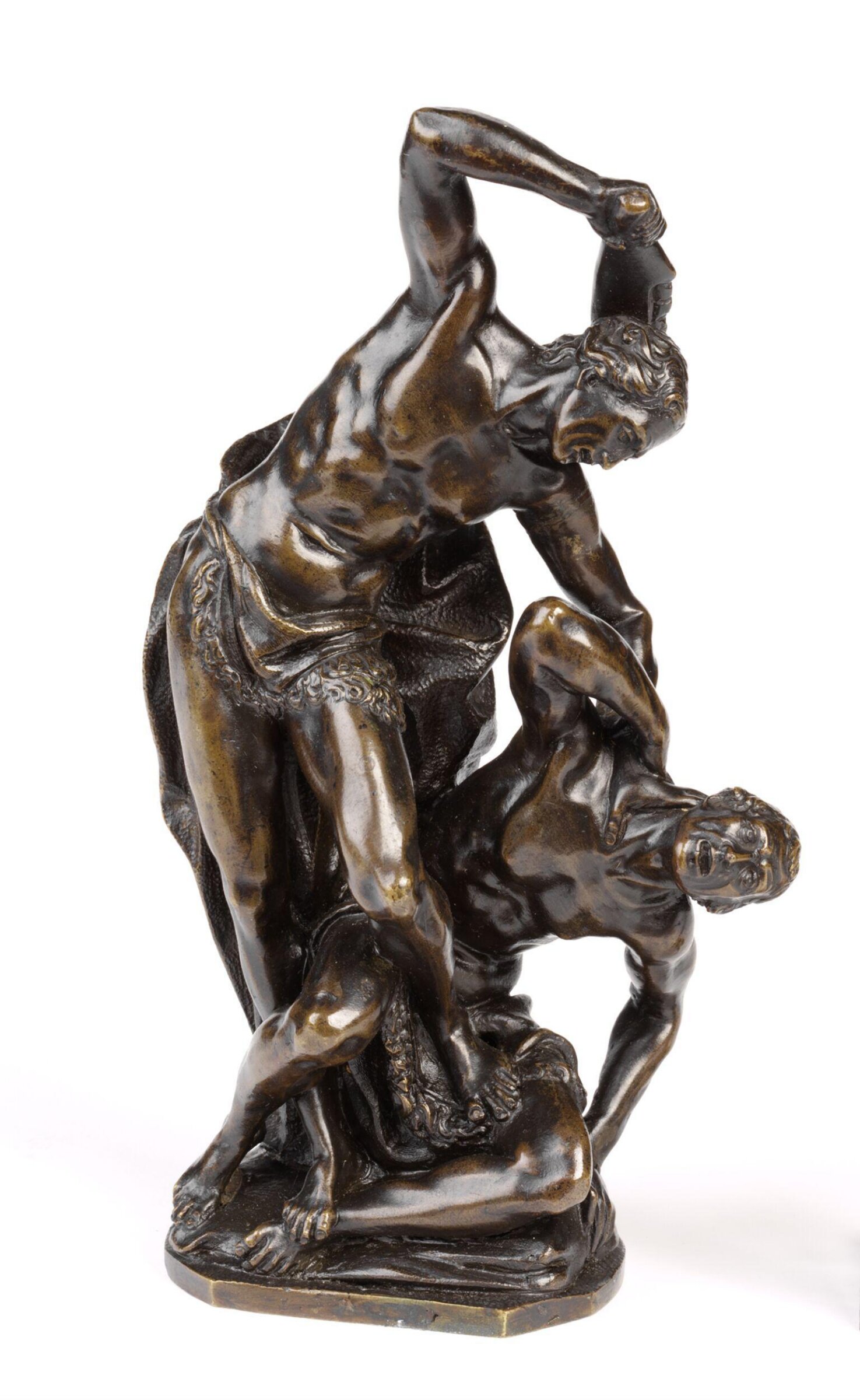
Samson and the Philistine, after Dionigi Bussola, 1650-1700

after Dionigi Bussola

Samson and the Philistine, 1650-1700

Victoria and Albert Museum

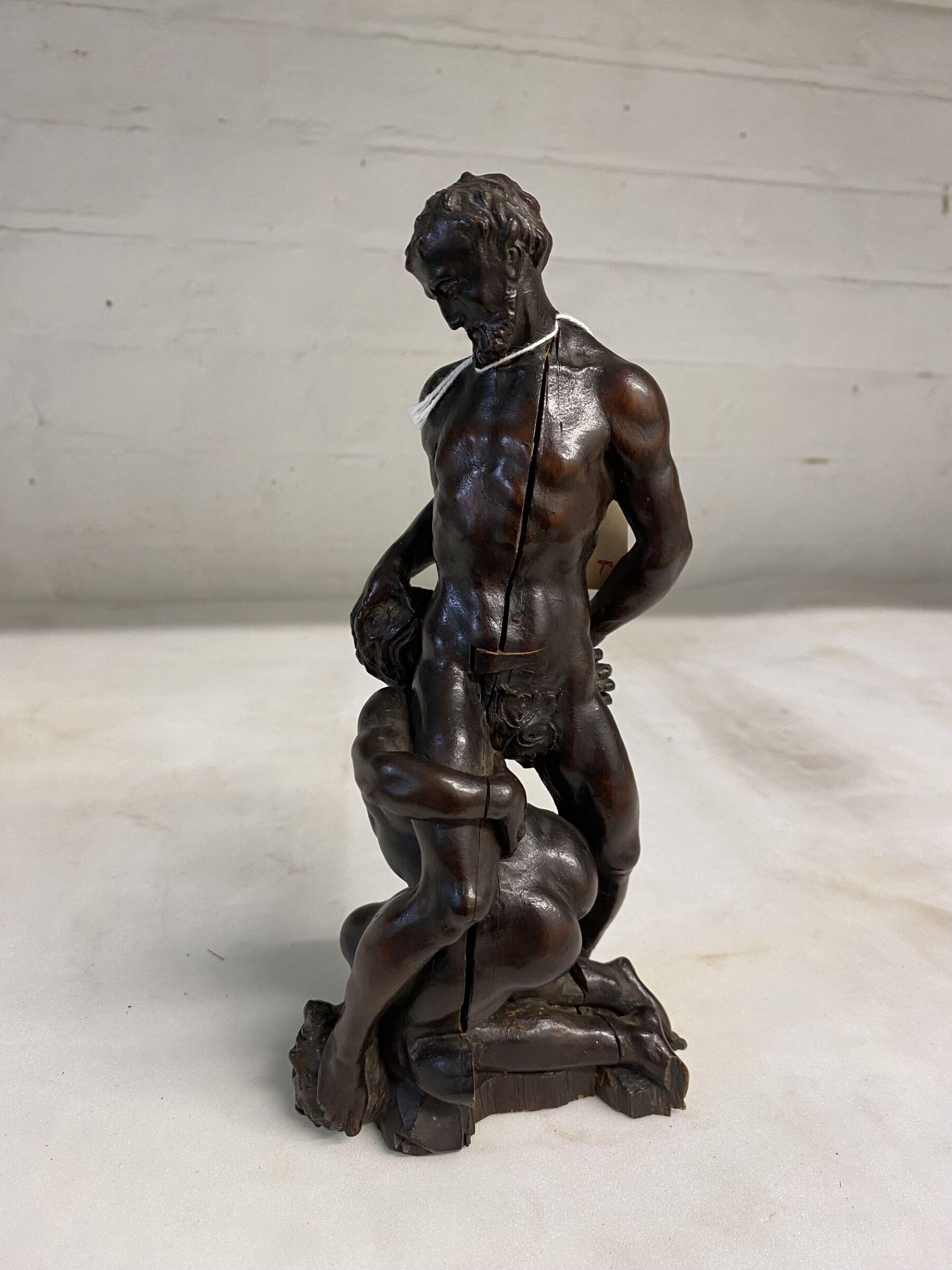
Samson and a Philistine, ca. 1600 - ca. 1650

Samson and a Philistine, ca. 1600 - ca. 1650

Non esposta · Victoria and Albert Museum

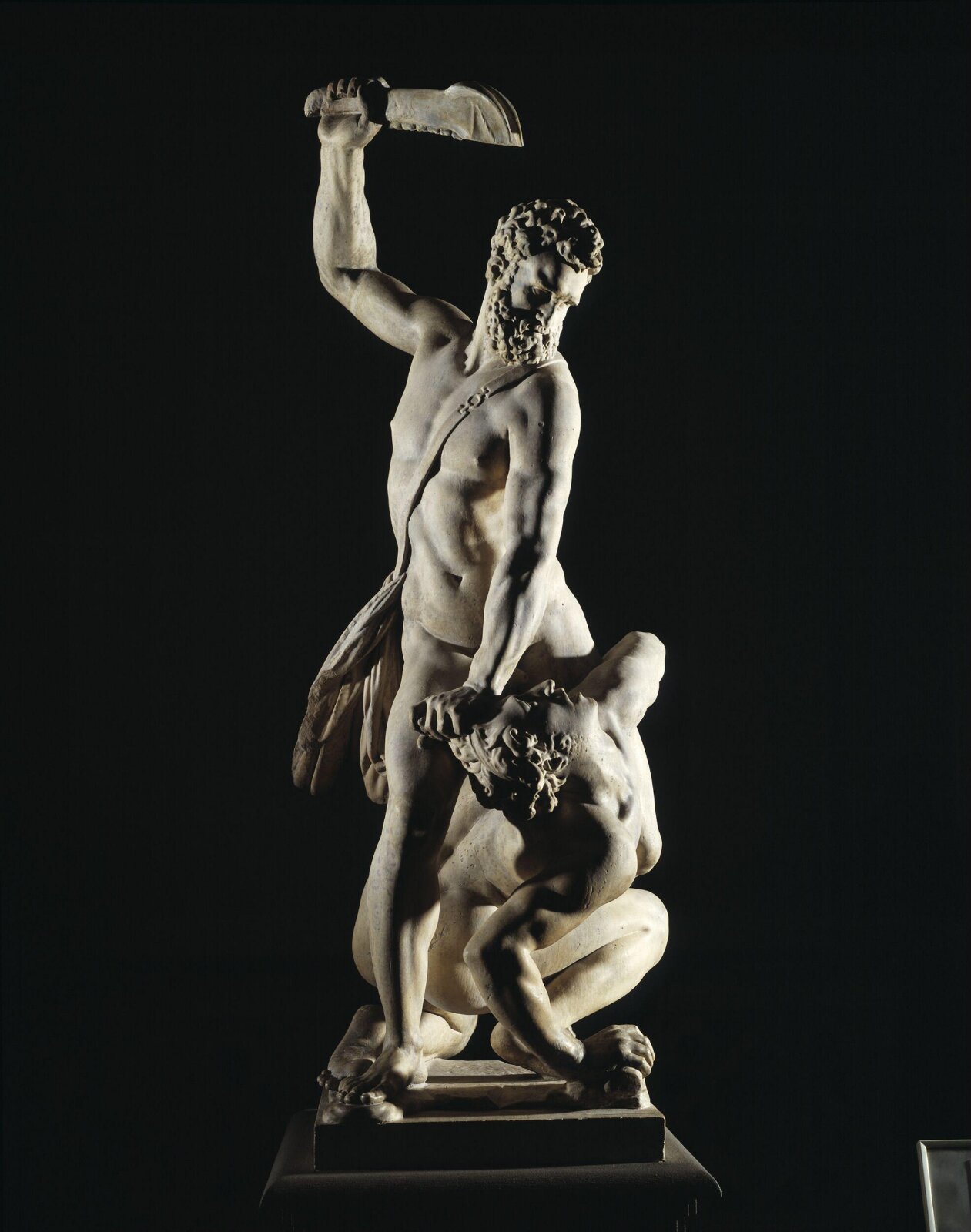
Samson and the Philistines, Pietro Tacca, before 1608

Pietro Tacca

Samson and the Philistines, before 1608

Victoria and Albert Museum

Samson and the Philistines, ca. 1700 - ca. 1750

Samson and the Philistines, ca. 1700 - ca. 1750

Non esposta · Victoria and Albert Museum

Che cosa raffigura

PhilistineSamson

In catalogo

SculturaMarmoRinascimentoXVI secoloFirenze