Sebastiano del PiomboItalia, 1485–1547
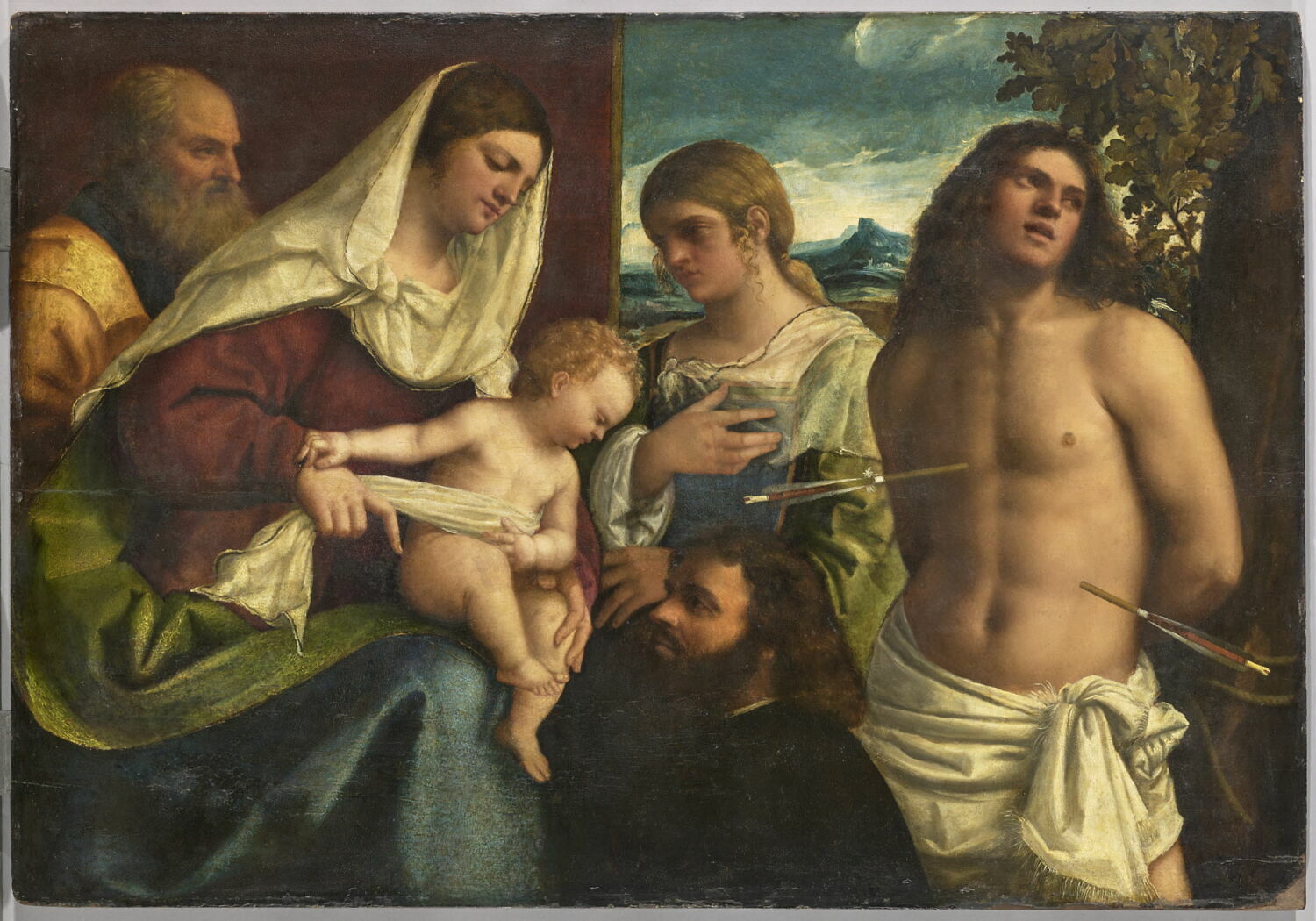
Pieta
Si può vedere?
Non si sa
Dove si trova «Pieta» oggi? Collezione: Museo del Prado, Madrid. Non si sa.
Madrid, Spagna
Il proprietario è noto; non si sa se oggi sia esposta.
- Ultimo cambio di stato
- Fonte
- Il museo
Scheda
In catalogo
Fonti
- Wikidata
- Immagine: Museo del Prado — Sebastiano del Piombo · Public domain · Wikimedia Commons
Nella vita di Sebastiano del Piombo
Tutta la vita1531
Becomes Keeper of the Papal Seal
After the death of the previous holder Sebastiano wins this lucrative office from Pope Clement VII by promising to pay the other chief contender, the painter Giovanni da Udine of Raphael's workshop, 300 scudi a year. From it comes his nickname “del Piombo”.
1531
Monastic vows: “Fra Bastiano”
The office requires him to take friar's vows and attend on the pope, though he has a wife and two children. Michelangelo and Ariosto call him “Fra Bastiano”, he signs his paintings “F(rater) Sebastianus Ven(etus)”, and in a letter to Michelangelo he jokes that he is the handsomest monk in Rome.
1531
Has not recovered from the Sack of Rome
In a letter to Michelangelo he admits that he still does not feel the same Bastiano he was before the Sack, nor in his right mind.
1531–1547
Court life instead of big commissions
After 1531 Sebastiano paints noticeably less, and large commissions, even a single painting, drag on for years. According to Vasari he lives in a fine house near the Piazza del Popolo, keeps a very good table and entertains friends, though Vasari may overstate his idleness.
1534
Quarrel with Michelangelo over the “Last Judgment”
Sebastiano urges the pope to insist that the “Last Judgment” in the Sistine Chapel be painted in oil on plaster, as he does himself; the wall is prepared, but some months later Michelangelo furiously rejects the idea, has it re-plastered for fresco and calls oil painting an art for women and idle people like Fra Sebastiano. The friendship never recovers.