Anthony van DyckFiandre, 1599–1641
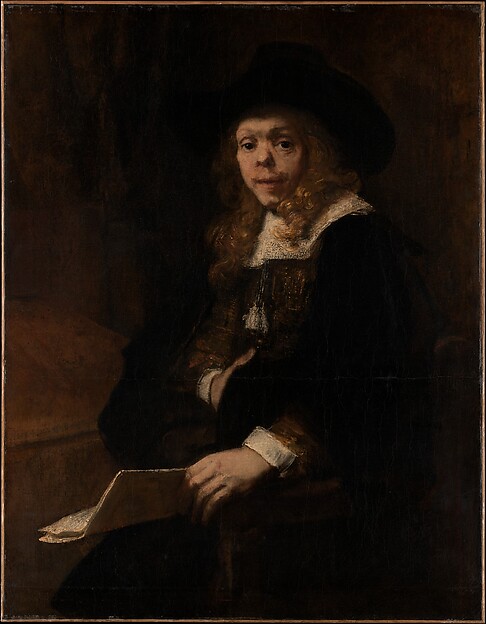
Philip, Lord Wharton
Si può vedere?
Sì, esposta ora
Dove si trova «Philip, Lord Wharton» oggi? National Gallery of Art, Sala 43 · Edificio Ovest, piano principale, Washington. Sì, esposta ora. Verificato 29 settembre 2026.

Chiuso· apre domani alle 10:00
Esposta al pubblico.
- Verificato
- Ultimo cambio di stato
- Fonte
- Il museo
Sul dipinto
Il ritratto di Philip, Lord Wharton raffigura un membro della corte di Carlo I Stuart, Lord Philip Wharton.
Scheda
- Numero di inventario
- 1937.1.50
Che cosa raffigura
In catalogo
Esposizioni
Esposta · Sala 43 · Edificio Ovest, piano principale
National Gallery of Art · 29 set 2026 — oggi · Verificato
Era esposta · Sala 43 · Edificio Ovest, piano principale
National Gallery of Art · 29 set 2026 — 29 set 2026 · Verificato
Era esposta · Sala 43 · Edificio Ovest, piano principale
Ermitage · 27 set 2026 — 29 set 2026 · Verificato
Era esposta · Sala 43 · Edificio Ovest, piano principale
National Gallery of Art · 30 ago 2026 — 27 set 2026 · Verificato
Fonti
- Ermitage
- Immagine: National Gallery of Art — Museum open access
Nella vita di Anthony van Dyck
Tutta la vita1626–1632
The Iconography Print Series
After returning to Antwerp, Van Dyck conceived a large series of engraved portraits of his contemporaries, the Iconography; he etched eighteen plates himself, executing the preparatory drawings mainly between 1626 and 1633. The first edition (80 plates) appeared in Antwerp in 1632.
by 1630
Court Painter to Archduchess Isabella
From 1630 Van Dyck was court painter to Archduchess Isabella Clara Eugenia of Habsburg, regent of the Spanish Netherlands; for her portrait he received a gold chain.
1631
Marie de' Medici Visits His Studio
In September 1631 Van Dyck received in his studio the exiled Queen of France, Marie de' Medici, with her son Gaston d'Orléans, and painted their portraits; the queen noted in her memoirs his collection of works by Titian.
1632 · Luogo di lavoro
London
1632
Post: court painter
5 July 1632
Principal Painter to King Charles I
On 5 July 1632 Charles I officially appointed Van Dyck principal painter to the king, guaranteeing an annual income of two hundred pounds sterling; the king gave him a large house with a garden on the banks of the Thames.