ART WIKI32.979 in sala
MappaCollezioneArtistiMuseiMostreRivista
Accedi

ART WIKI

Dove è appeso il capolavoro, e quando si può entrare.

Collezioni: Art Institute of Chicago, Cleveland Museum of Art, Ermitage, Galleria Tret'jakov, Getty Museum, Harvard Art Museums, Hirshhorn Museum and Sculpture Garden, Metropolitan Museum of Art, Minneapolis Institute of Art, Museo del Louvre, Museo Puškin delle belle arti, Museo russo, Museum of Modern Art, National Gallery of Art, National Museum of Asian Art, National Portrait Gallery, Rijksmuseum, Smithsonian American Art Museum, Statens Museum for Kunst, Victoria and Albert Museum, Villa Getty, Whitney Museum of American Art, Catalogo statale del fondo museale russo (274 musei), Europeana (19 musei), Wikidata (6 musei), Paris Musées (12 musei) e Joconde, la banca dati dei musei del Ministero della Cultura francese (495 musei). Le immagini appartengono ai titolari dei diritti.

Sezioni

  • Mappa
  • Ricerca
  • Collezione
  • Capolavori
  • Esposte ora
  • Artisti

Altro

  • Musei e gallerie
  • Mostre
  • Rivista
  • Da dove vengono i dati
  • Privacy e cookie
HomeMappaCatalogo
  1. Collezione/
  2. Minneapolis Institute of Art/
  3. Penitent Magdelene
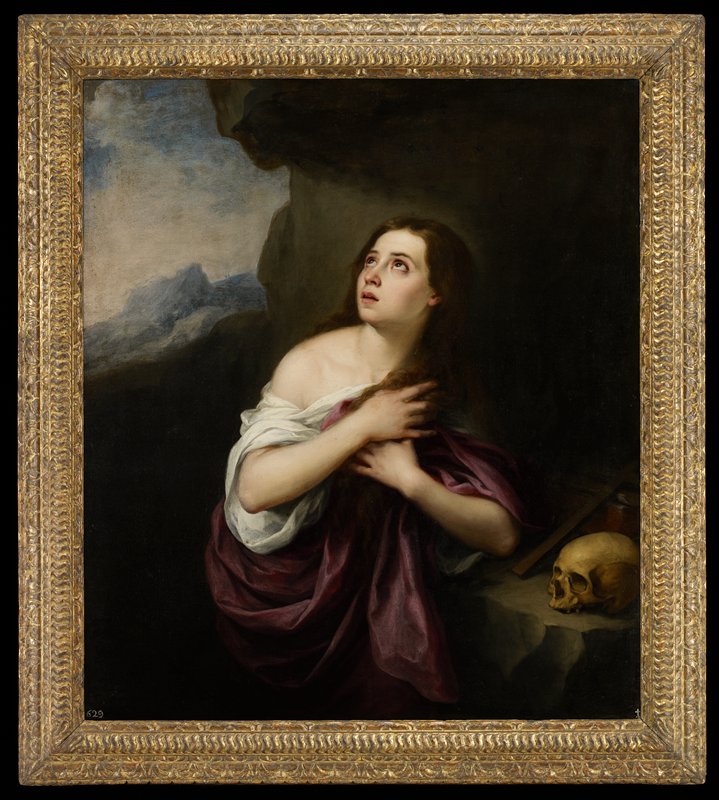
Penitent Magdelene, Bartolomé Esteban Murillo, c. 1650–65

Penitent Magdelene

c. 1650–65 · Painting · 123.2 × 108 cm

Sul dipinto

Tradition holds that Saint Mary Magdalene, a close follower of Jesus Christ, retreated to a cave in penitence during the final years of her life. Here, she clutches her purple robes and looks up at the bright divine light that falls upon her. Two attributes, or identifying symbols, of the saint are displayed on the rock next to her: the skull, a reminder of the inevitability of death, and the cross, a symbol of her personal devotion to Christ and his teachings.

The markings at the bottom of the canvas, the number 629 and the fleur-de-lis symbol, indicate that this painting was item number 629 in the royal inventory of Queen Isabella Farnese of Spain.

Minneapolis Institute of Art

Scheda

c. 1650–65
16171682
Numero di inventario
82.23

Nel frattempo, nella vita di Bartolomé Esteban Murillo

Tutta la vita
  1. 1645–1648

    First Major Commission

    In the year of his wedding Murillo received his first major commission — eleven paintings of Franciscan saints for the Convent of San Francisco in Seville; he worked on them from 1645 to 1648.

  2. 1658–1660

    Period in Madrid

    From 1658 to 1660 Murillo lived in Madrid, after which he returned to Seville.

  3. 1660

    Co-founder of the Academy of Fine Arts

    Murillo became one of the founders of the Academy of Fine Arts in Seville and in 1660 shared its direction with Francisco Herrera the Younger.

  4. 1 January 1664

    Death of His Wife

    After his wife's death on 1 January 1664, Murillo's way of life changed, but there began the period of his greatest activity, with many important commissions.

  5. May 1665

    Admitted to the Brotherhood of Charity

    In May 1665 Murillo was admitted to the Seville Brotherhood of Charity, for which he executed works.

Altre opere di Bartolomé Esteban Murillo

Tutte le opere

Nella stessa sala · G341, Minneapolis Institute of Art

Pagina del museo
Bartolomé Esteban Murillo, ritrattoBartolomé Esteban MurilloSpagna, 1617–1682

Si può ammirare?

Sì, riceve visite

Minneapolis Institute of Art

Minneapolis, Stati Uniti

SalaG341

Esposta al pubblico. Chi lo garantisce è indicato qui sotto.

Verificato
3 giorni fa
Ultimo cambio di stato
25 set 2026
Fonte
Il museo
Sulla mappaPagina del museo

In catalogo

DipintiOlioPittura spagnolaBaroccoXVII secoloSpagna

Fonti

  • Minneapolis Institute of Art
  • Immagine: Minneapolis Institute of Art — public domain
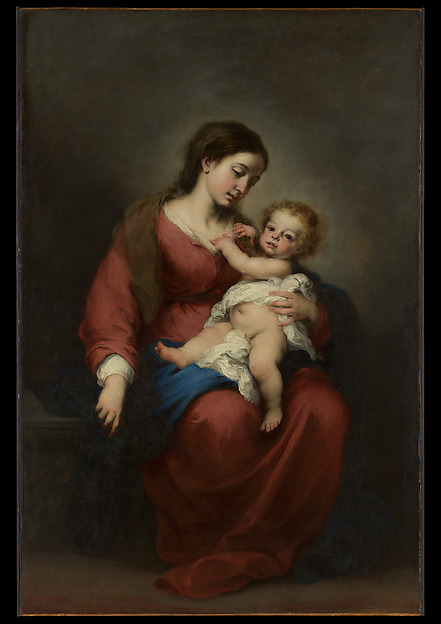
Virgin and Child, Bartolomé Estebán Murillo, 1670s

Virgin and Child

1670s · Metropolitan Museum of Art

Isaac Blessing Jacob, Bartolomé Esteban Murillo, 17th century

Isaac Blessing Jacob

17th century · Ermitage

Vision of St Antony of Padua, Bartolomé Esteban Murillo, 17th century

Vision of St Antony of Padua

17th century · Ermitage

Adoration of the Shepherds, Bartolomé Esteban Murillo, 17th century

Adoration of the Shepherds

17th century · Ermitage

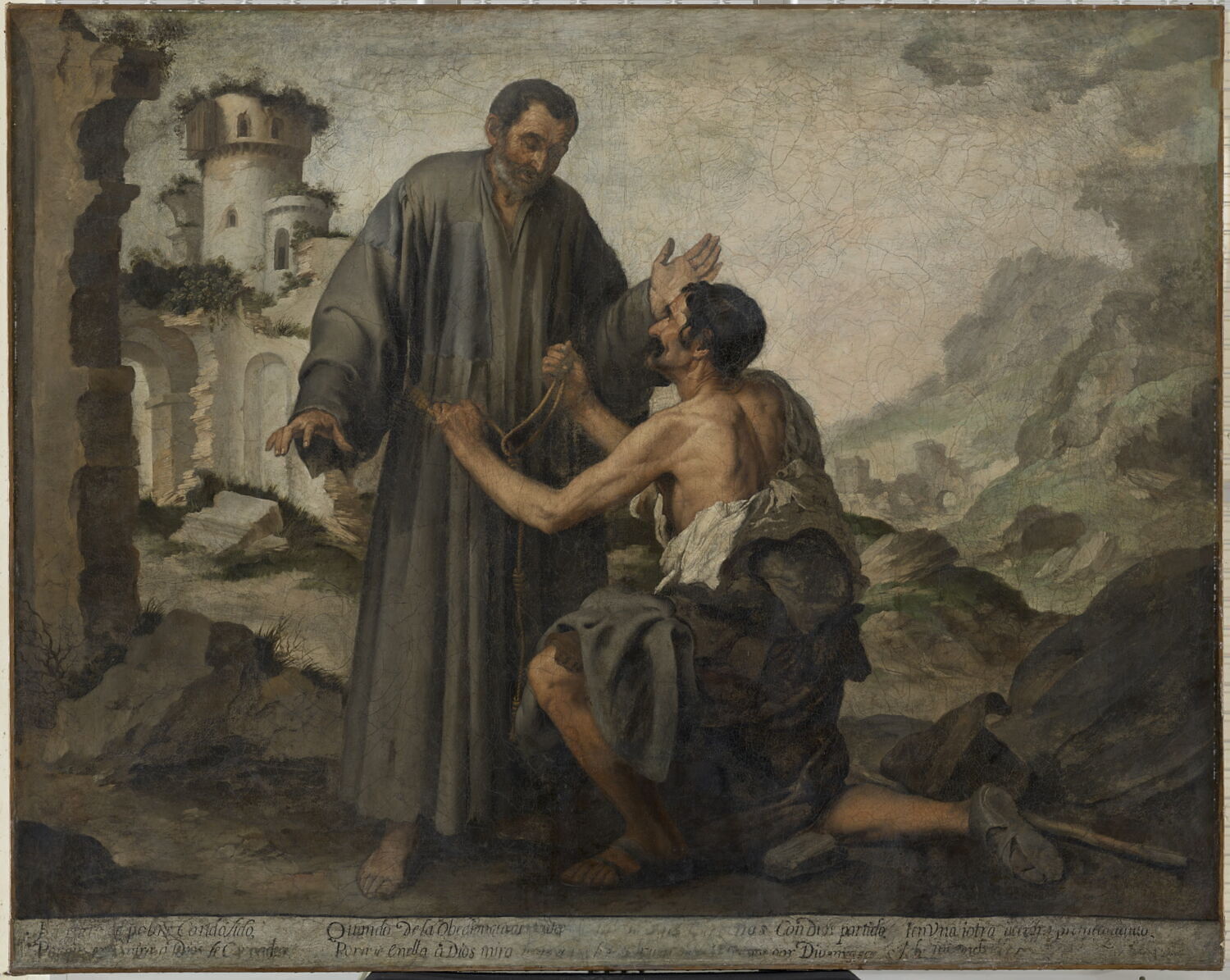
Saint Junípero et le pauvre, Murillo, Bartolomé Esteban, 2e quart du XVIIe siècle (vers 1646)

Saint Junípero et le pauvre

2e quart du XVIIe siècle (vers 1646) · Museo del Louvre

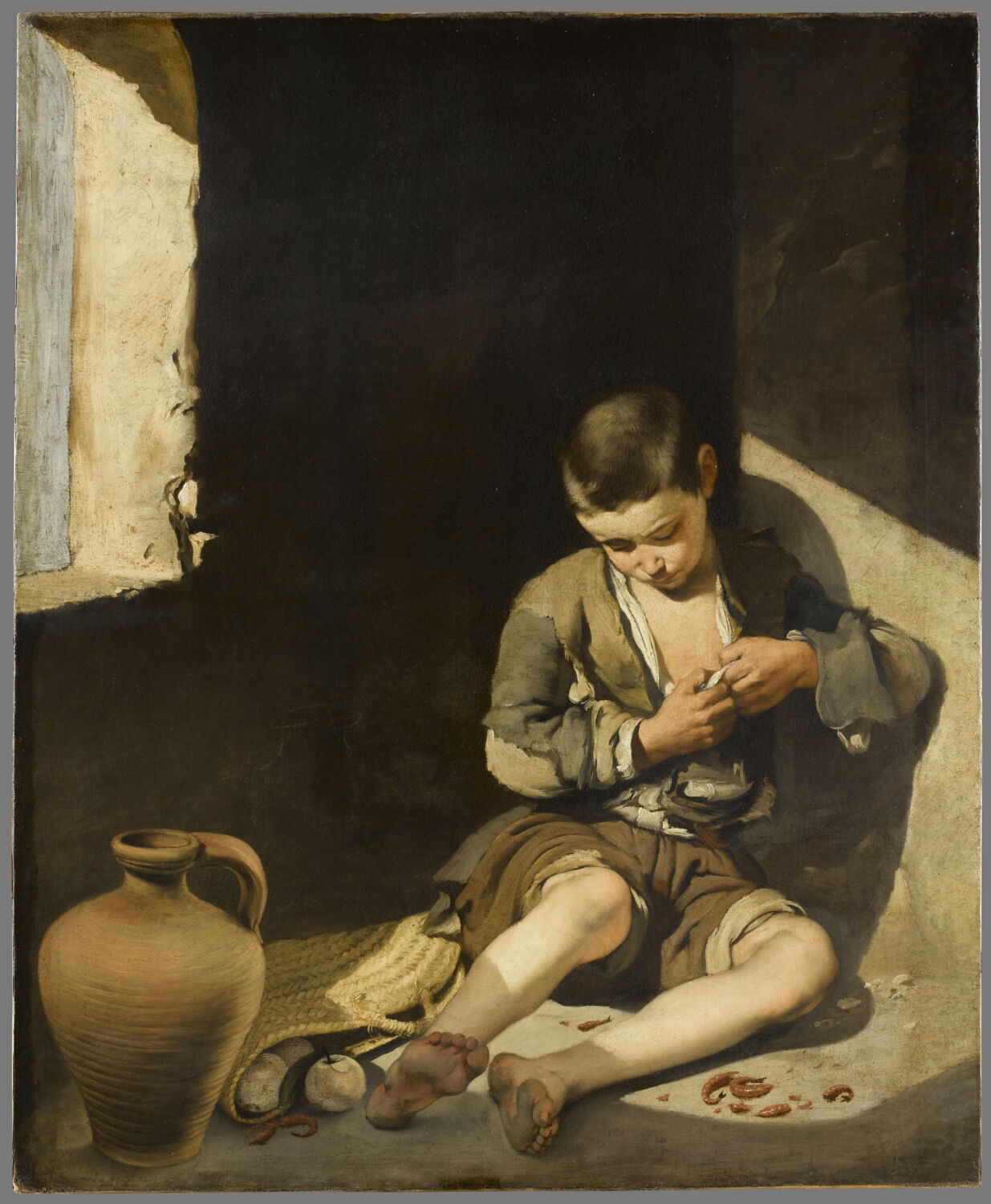
Le Jeune mendiant, Murillo, Bartolomé Esteban, 2e quart du XVIIe siècle (1647 - 1648)

Le Jeune mendiant

2e quart du XVIIe siècle (1647 - 1648) · Museo del Louvre

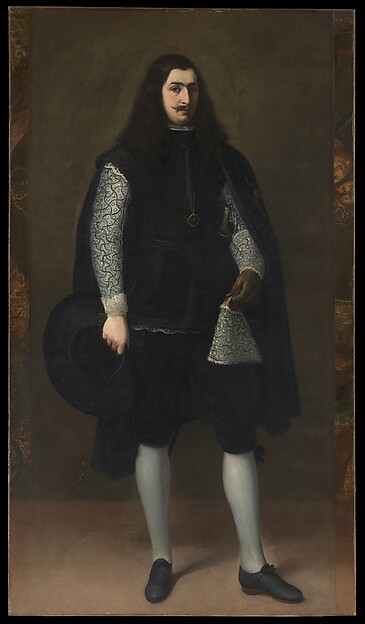
A Knight of Alcántara or Calatrava, Bartolomé Estebán Murillo, ca. 1650–55

A Knight of Alcántara or Calatrava

ca. 1650–55 · Metropolitan Museum of Art

Two Women at a Window, Bartolomé Esteban Murillo, c. 1655/1660

Galiziane alla finestra

c. 1655/1660 · National Gallery of Art

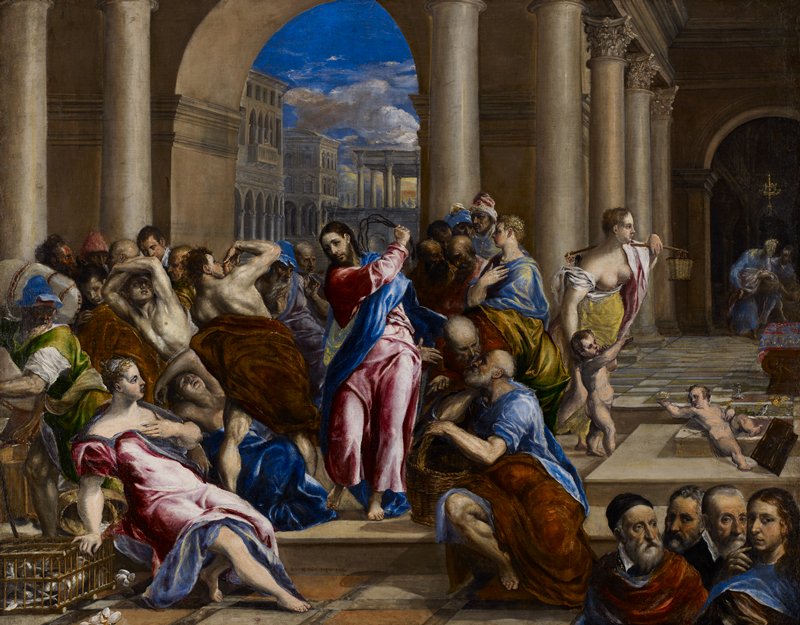
Christ Driving the Money Changers from the Temple, El Greco, c. 1570–75

El Greco

Christ Driving the Money Changers from the Temple, c. 1570–75

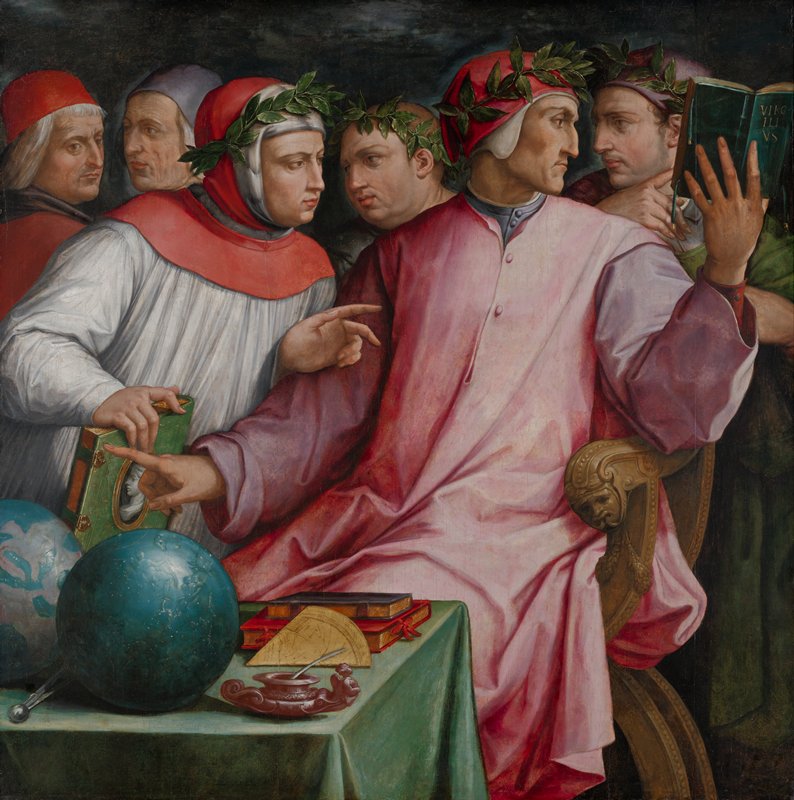
Six Tuscan Poets, Giorgio Vasari, 1543–44

Giorgio Vasari

Six Tuscan Poets, 1543–44

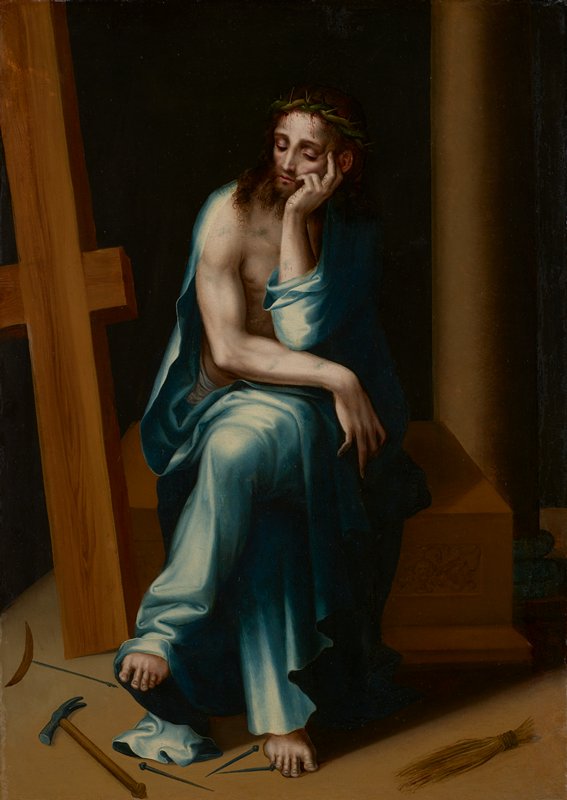
Man of Sorrows, Luis de Morales, c. 1560

Luis de Morales

Man of Sorrows, c. 1560

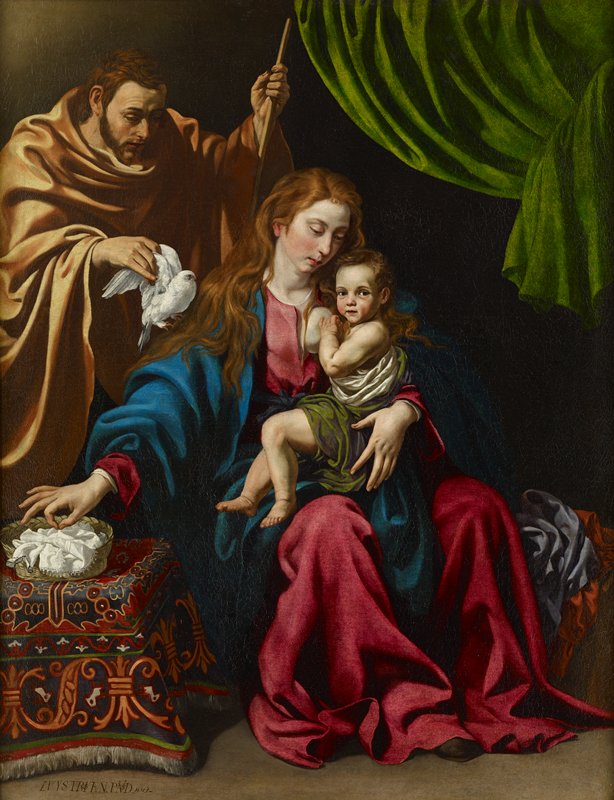
Holy Family, Luis Tristán, 1613

Luis Tristán

Holy Family, 1613

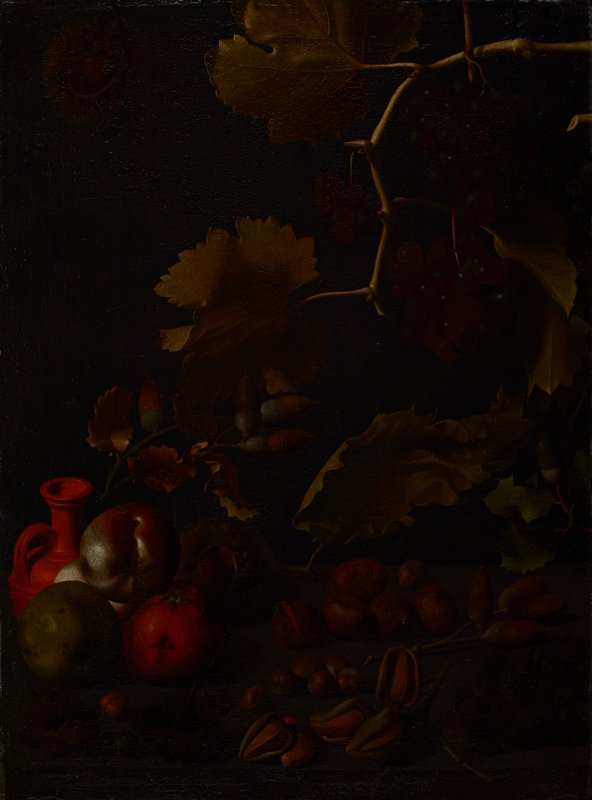
Still life with grapes, apples, chestnuts, almonds, acorns and a red clay bottle, El Labrador, 17th century

El Labrador

Still life with grapes, apples, chestnuts, almonds, acorns and a red clay bottle, 17th century

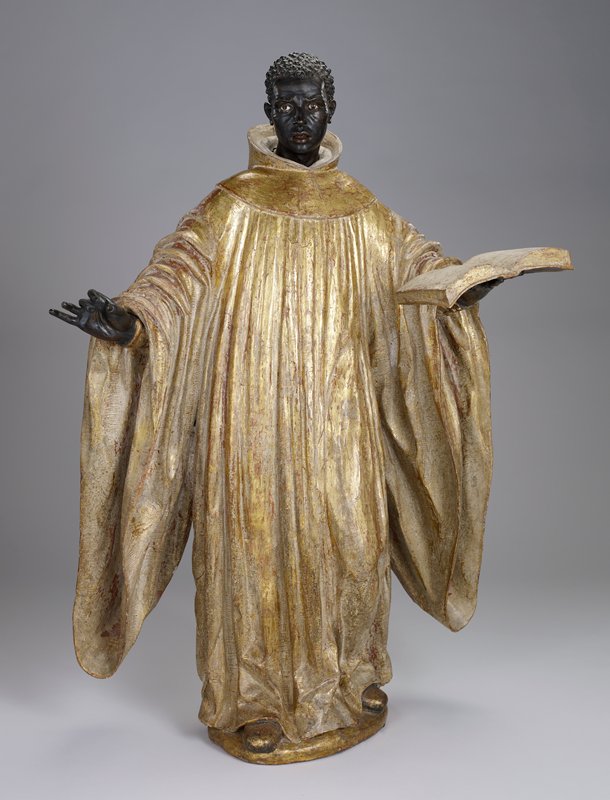
Saint Benedict of Palermo, Attributed to José Montes de Oca, c. 1734

Attributed to José Montes de Oca

Saint Benedict of Palermo, c. 1734

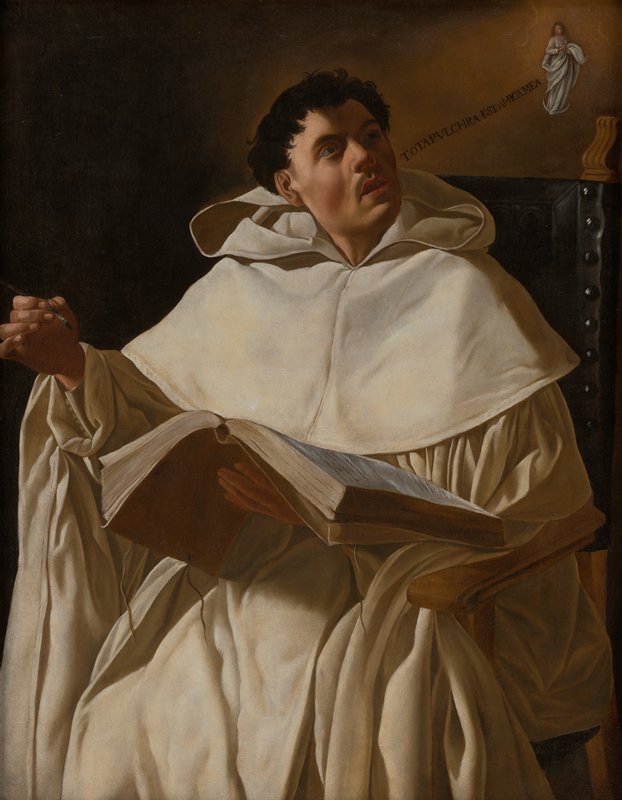
The Venerable Miguel Gerónimo Carmelo, Francisco de Zurbarán, 1628–30

Francisco de Zurbarán

The Venerable Miguel Gerónimo Carmelo, 1628–30

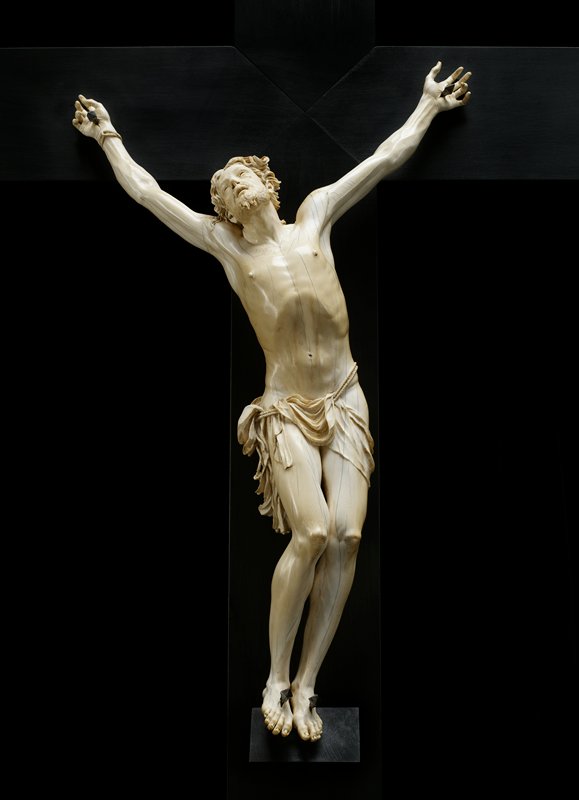
Corpus, Master of Guadalcanal, c. 1700

Master of Guadalcanal

Corpus, c. 1700