ART WIKI32.963 in sala
MappaCollezioneArtistiMuseiMostreRivista
Accedi

ART WIKI

Dove è appeso il capolavoro, e quando si può entrare.

Collezioni: Art Institute of Chicago, Cleveland Museum of Art, Ermitage, Galleria Tret'jakov, Getty Museum, Harvard Art Museums, Hirshhorn Museum and Sculpture Garden, Metropolitan Museum of Art, Minneapolis Institute of Art, Museo del Louvre, Museo Puškin delle belle arti, Museo russo, Museum of Modern Art, National Gallery of Art, National Museum of Asian Art, National Portrait Gallery, Rijksmuseum, Smithsonian American Art Museum, Statens Museum for Kunst, Victoria and Albert Museum, Villa Getty, Whitney Museum of American Art, Catalogo statale del fondo museale russo (274 musei), Europeana (19 musei), Wikidata (6 musei), Paris Musées (12 musei) e Joconde, la banca dati dei musei del Ministero della Cultura francese (495 musei). Le immagini appartengono ai titolari dei diritti.

Sezioni

  • Mappa
  • Ricerca
  • Collezione
  • Capolavori
  • Esposte ora
  • Artisti

Altro

  • Musei e gallerie
  • Mostre
  • Rivista
  • Da dove vengono i dati
  • Privacy e cookie
HomeMappaCatalogo
  1. Collezione/
  2. Museo del Louvre/
  3. Le Jeune mendiant
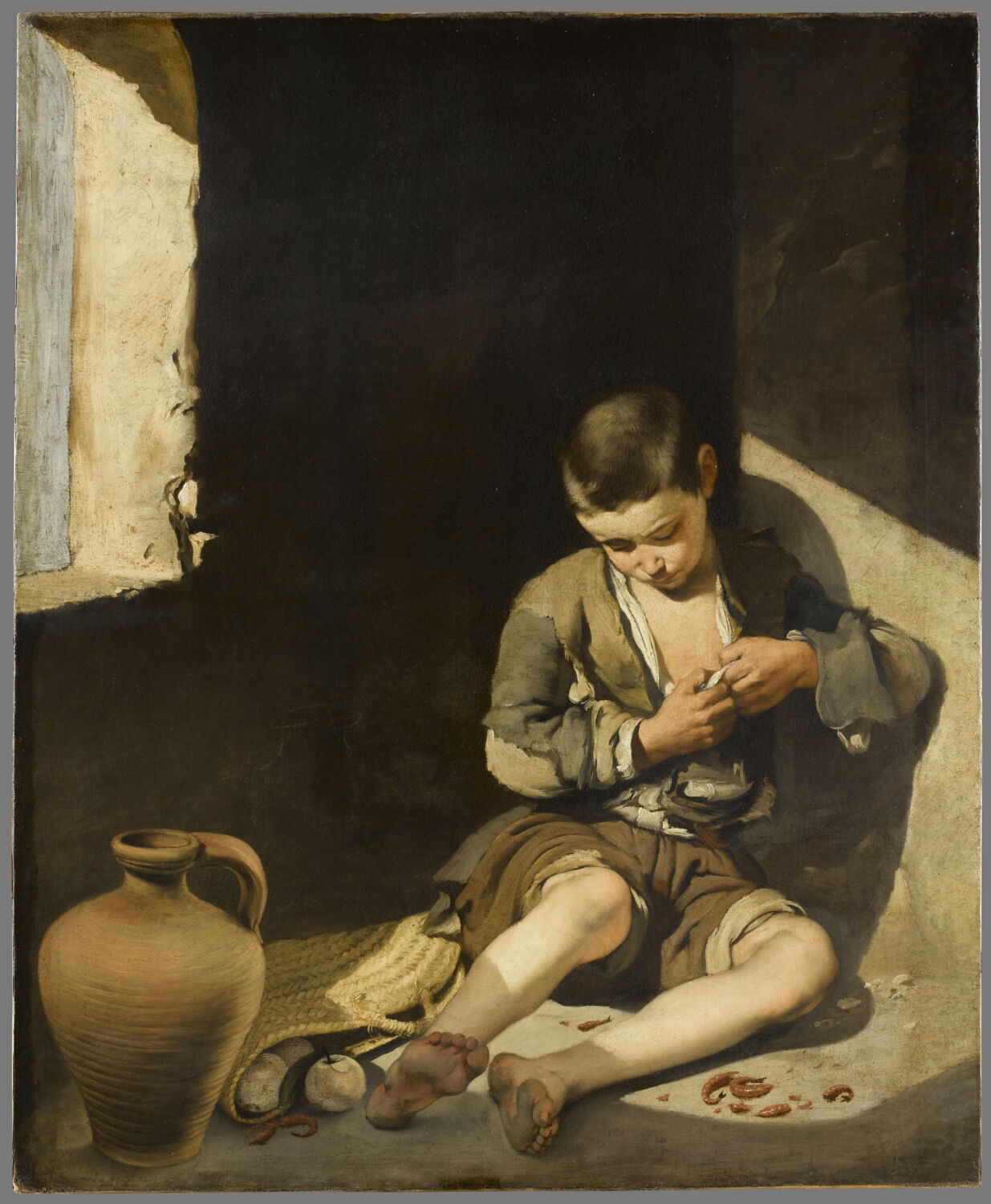
Le Jeune mendiant, Murillo, Bartolomé Esteban, 2e quart du XVIIe siècle (1647 - 1648)
Bartolomé Esteban Murillo, ritrattoBartolomé Esteban MurilloSpagna, 1617–1682

Le Jeune mendiant

2e quart du XVIIe siècle (1647 - 1648) · Peintures

Si può ammirare?

Sì, riceve visite

Museo del Louvre

Parigi, Francia

Sala718, Aile Denon, Niveau 1

Esposta al pubblico. Chi lo garantisce è indicato qui sotto.

Verificato
12 giorni fa
Ultimo cambio di stato
26 set 2026
Fonte
Il museo
Sulla mappaPagina del museo

Sul dipinto

The Young Beggar is an oil on canvas genre painting by Spanish painter Bartolomé Esteban Murillo, from c. 1645-1650. Also known as The Lice-Ridden Boy due to the figure of a young boy delousing himself in the painting, The Young Beggar is the first known depiction of a street urchin by Murillo.

It was influenced by the poverty of Spanish children in the 17th century and followed the style of Michelangelo Merisi da Caravaggio. Murillo's painting focuses on an orphaned child and uses a complementary technique of light and shade. It has been viewed as one of his most popular works of the Spanish Baroque painting and was once kept in the royal collection of Louis XVI.

It is now in the Louvre Museum in Paris.

Wikipedia · CC BY-SA

Scheda

2e quart du XVIIe siècle (1647 - 1648)
16171682
Numero di inventario
INV 933

In catalogo

DipintiOlioPittura spagnolaBaroccoXVII secolo

Fonti

  • Museo del Louvre
  • Immagine: Museo del Louvre — © 2009 GrandPalaisRmn (musée du Louvre) / Stéphane Maréchalle
Altre opere di Bartolomé Esteban Murillo

Tutte le opere
Virgin and Child, Bartolomé Estebán Murillo, 1670s

Virgin and Child

1670s · Metropolitan Museum of Art

Isaac Blessing Jacob, Bartolomé Esteban Murillo, 17th century

Isaac Blessing Jacob

17th century · Ermitage

Vision of St Antony of Padua, Bartolomé Esteban Murillo, 17th century

Vision of St Antony of Padua

17th century · Ermitage

Adoration of the Shepherds, Bartolomé Esteban Murillo, 17th century

Adoration of the Shepherds

17th century · Ermitage

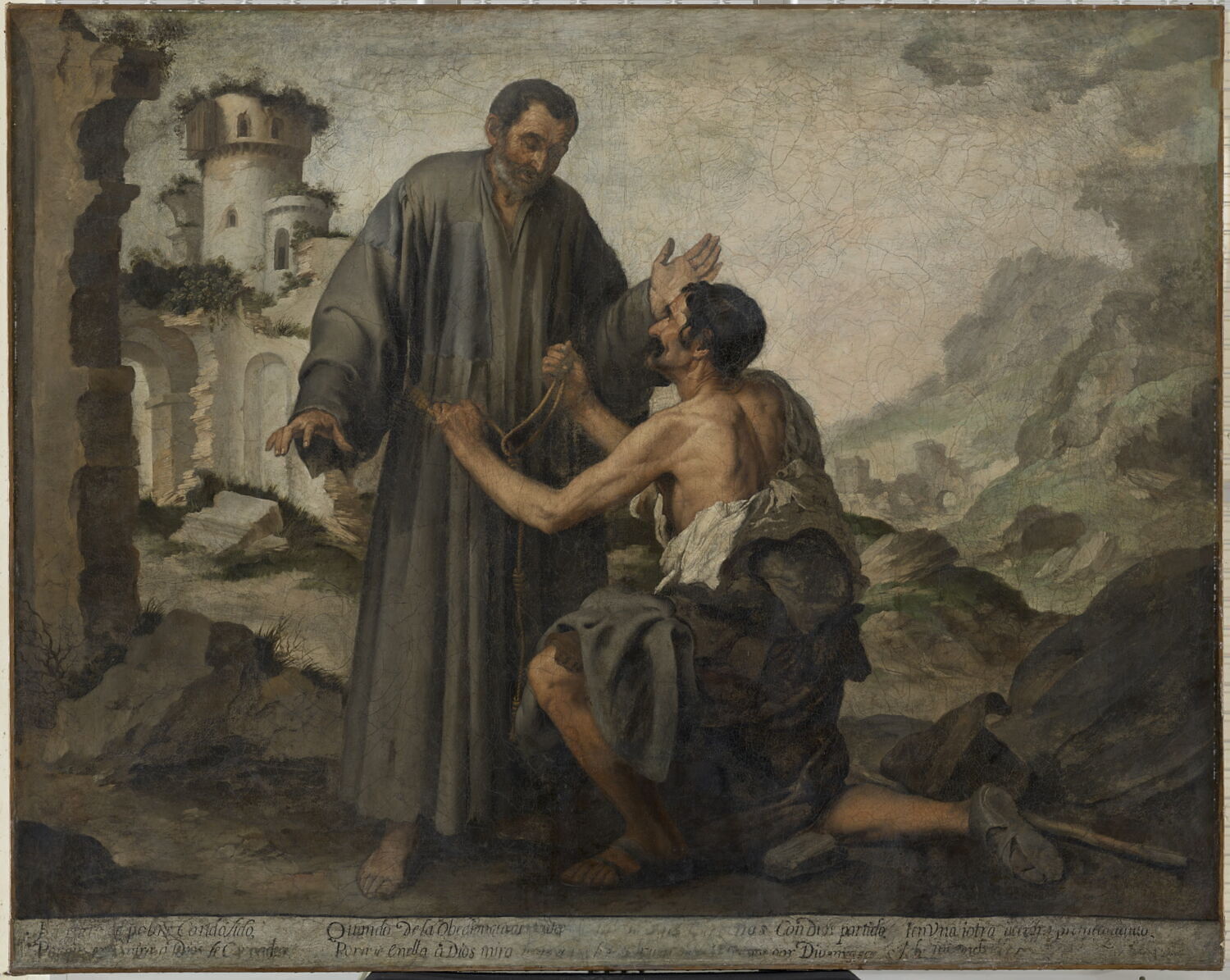
Saint Junípero et le pauvre, Murillo, Bartolomé Esteban, 2e quart du XVIIe siècle (vers 1646)

Saint Junípero et le pauvre

2e quart du XVIIe siècle (vers 1646) · Museo del Louvre

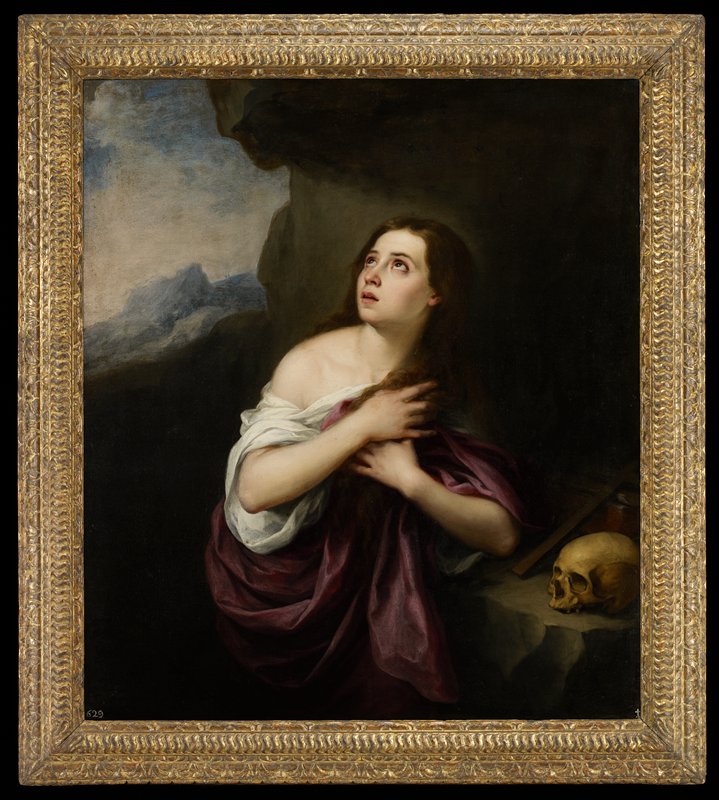
Penitent Magdelene, Bartolomé Esteban Murillo, c. 1650–65

Penitent Magdelene

c. 1650–65 · Minneapolis Institute of Art

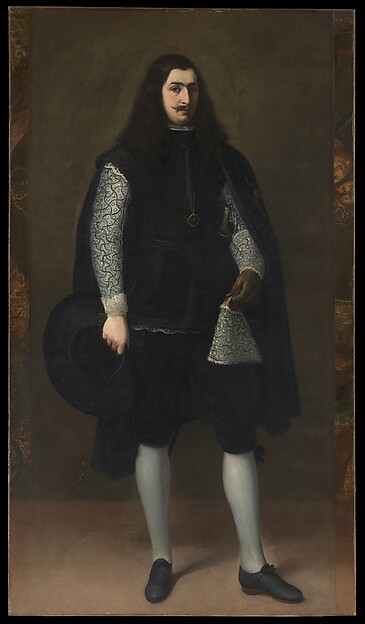
A Knight of Alcántara or Calatrava, Bartolomé Estebán Murillo, ca. 1650–55

A Knight of Alcántara or Calatrava

ca. 1650–55 · Metropolitan Museum of Art

Two Women at a Window, Bartolomé Esteban Murillo, c. 1655/1660

Galiziane alla finestra

c. 1655/1660 · National Gallery of Art

Sotto lo stesso tetto: Museo del Louvre

Pagina del museo
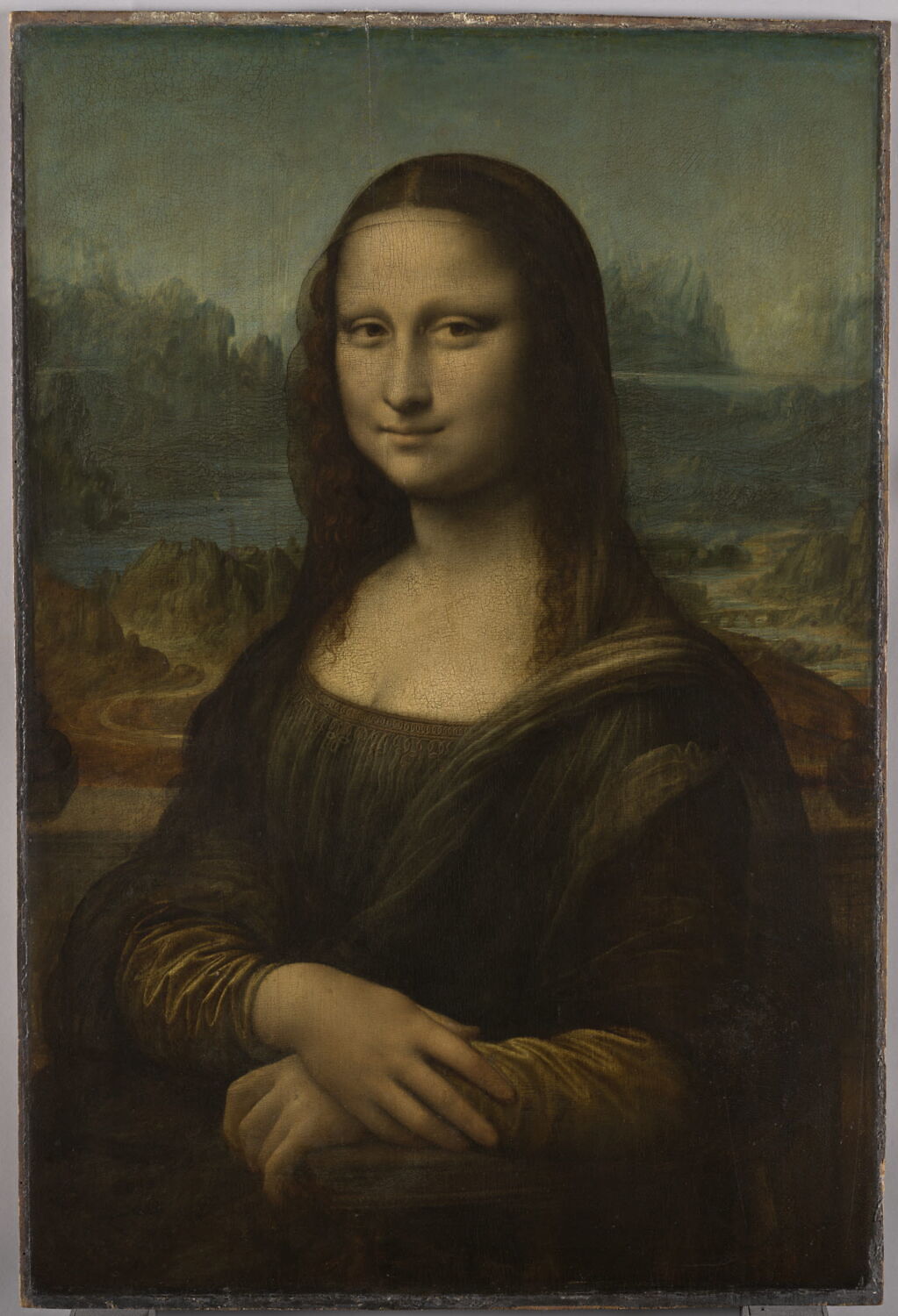
Portrait de Lisa Gherardini, épouse de Francesco del Giocondo, dit La Joconde ou Monna Lisa, Léonard de Vinci, 1e quart du XVIe siècle (1503 - 1519)

Leonardo da Vinci

La Gioconda, 1e quart du XVIe siècle (1503 - 1519)

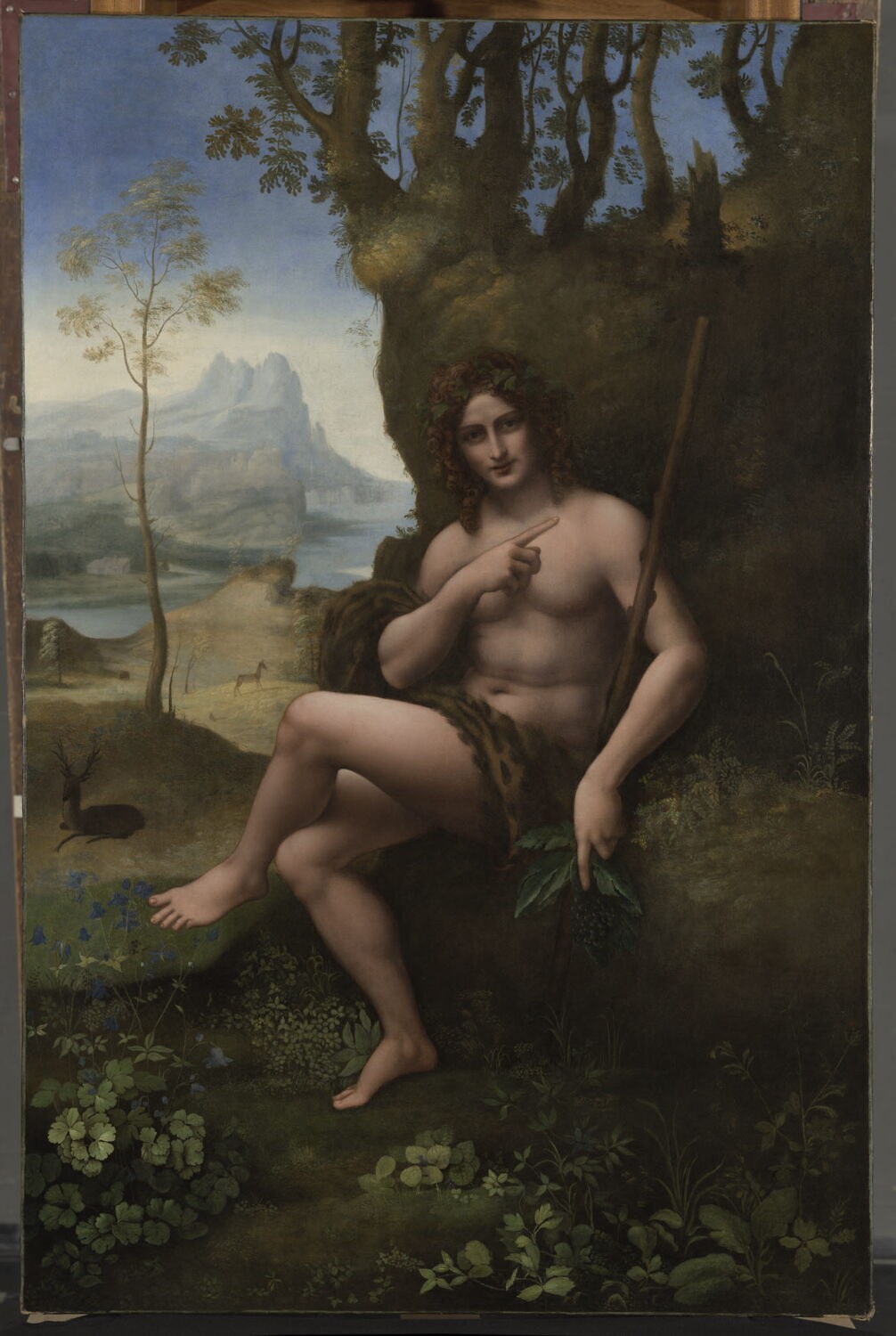
Saint Jean Baptiste, Léonard de Vinci, 1e quart du XVIe siècle (vers 1517 - 1520)

Leonardo da Vinci

Bacco, 1e quart du XVIe siècle (vers 1517 - 1520)

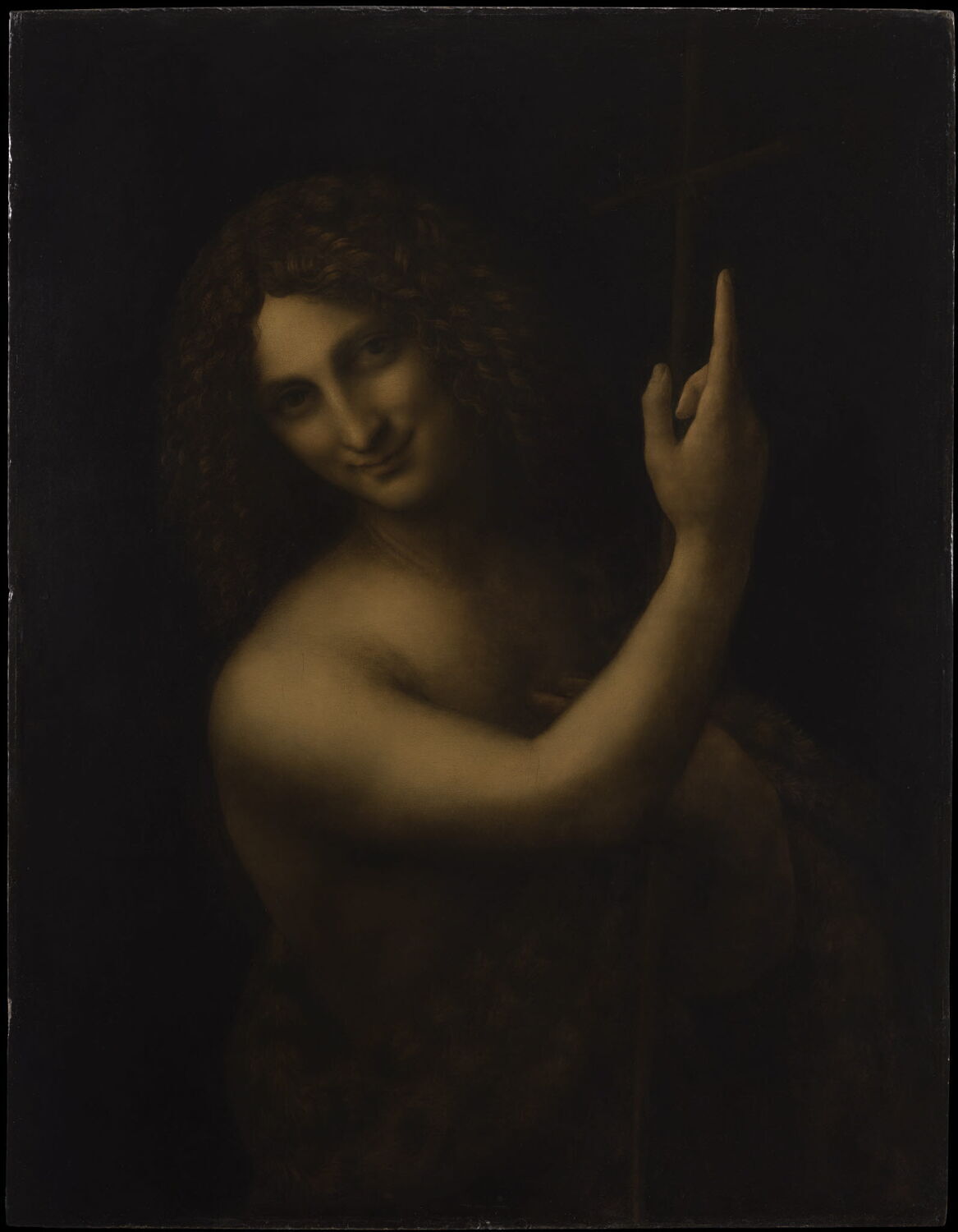
Saint Jean Baptiste, Léonard de Vinci, 1e quart du XVIe siècle (vers 1508 - 1519)

Leonardo da Vinci

San Giovanni Battista, 1e quart du XVIe siècle (vers 1508 - 1519)

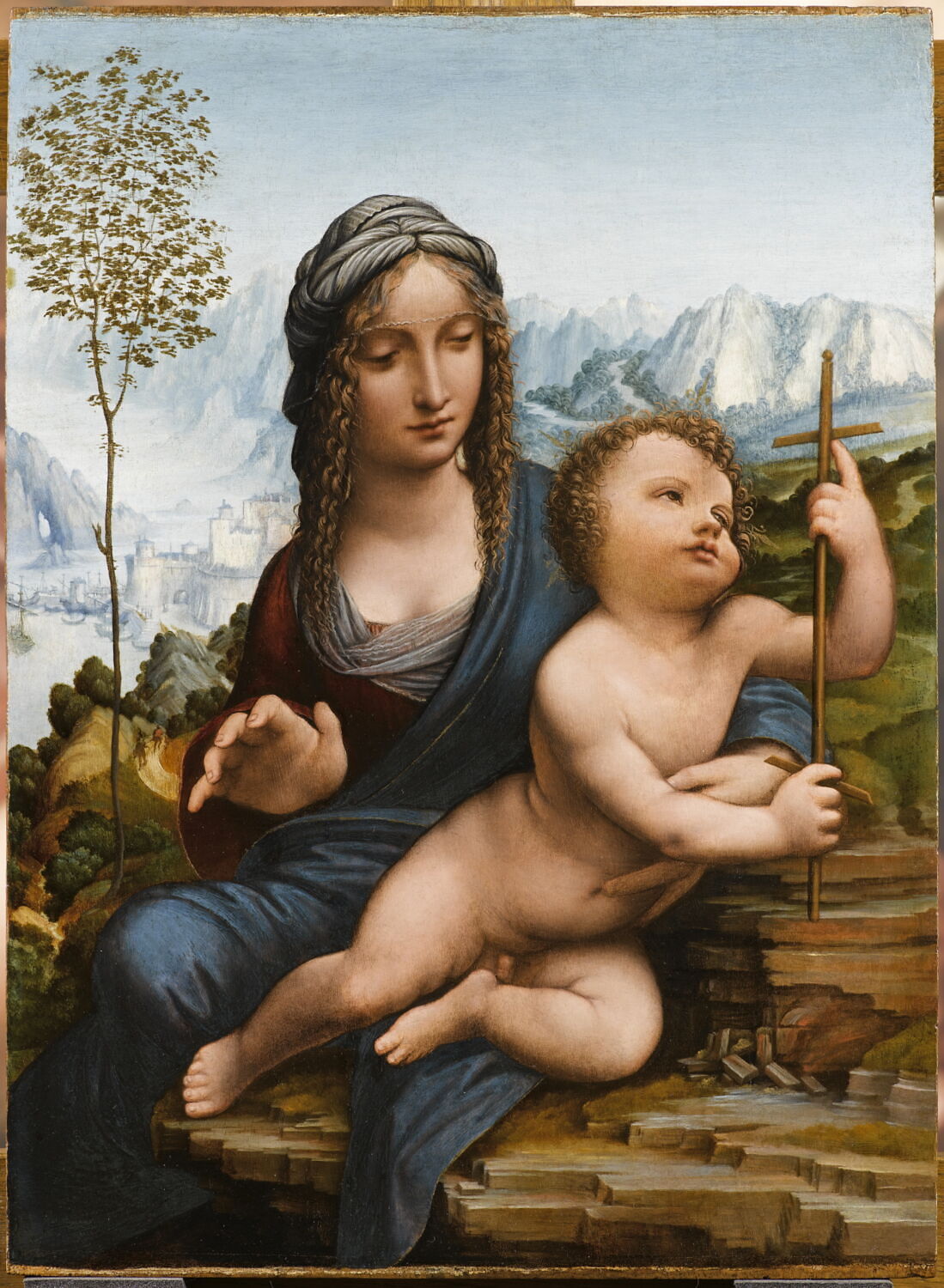
La Vierge et l'Enfant Jésus, dite Vierge au dévidoir ou Vierge aux fuseaux, Léonard de Vinci, XVIe siècle (vers 1505 - 1520)

Leonardo da Vinci

La Vierge et l'Enfant Jésus, dite Vierge au dévidoir ou Vierge aux fuseaux, XVIe siècle (vers 1505 - 1520)

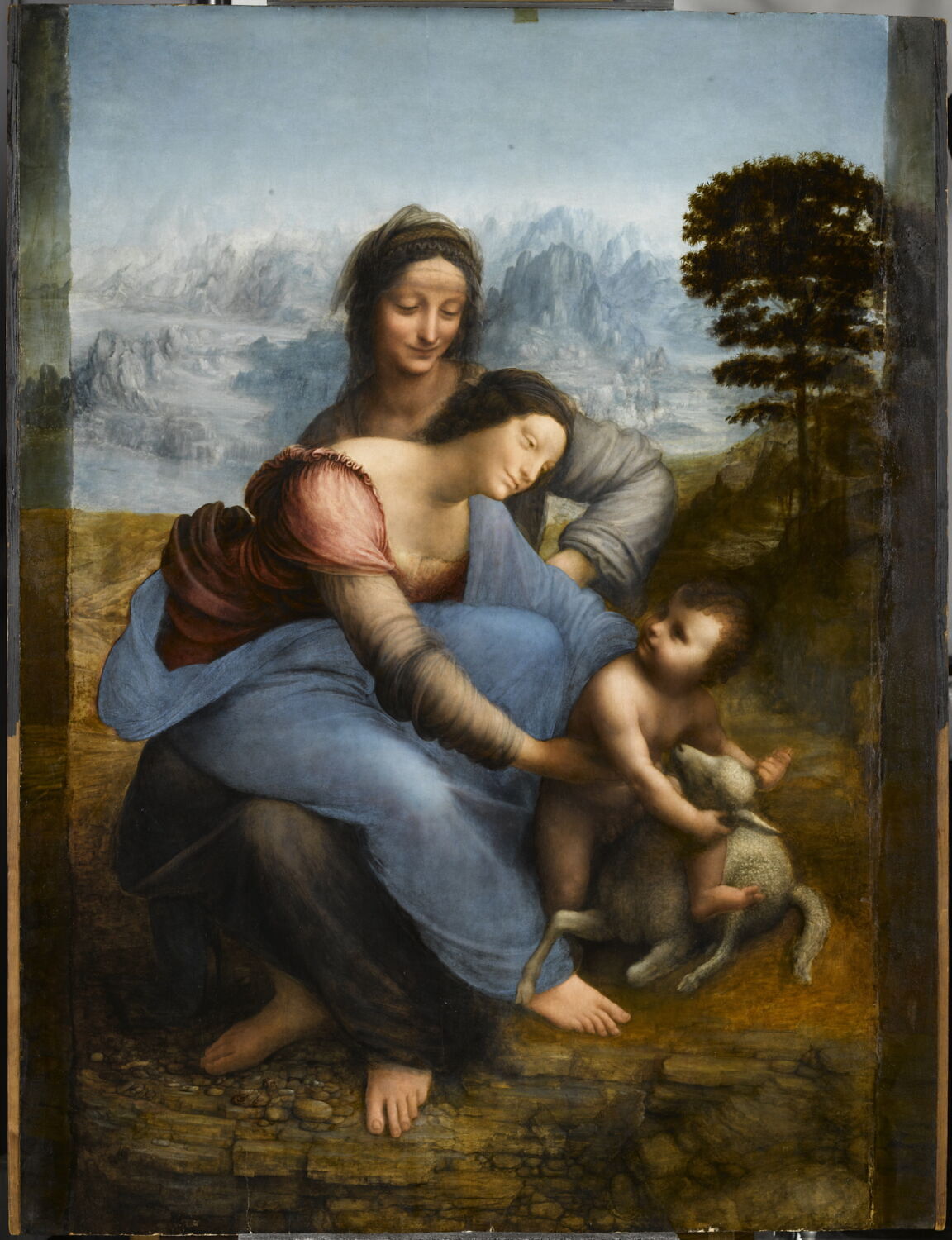
La Vierge, l'Enfant Jésus et sainte Anne, dit La Sainte Anne, Léonard de Vinci, 1e quart du XVIe siècle (vers 1503 - 1519)

Leonardo da Vinci

Sant'Anna, la Vergine e il Bambino con l'agnellino, 1e quart du XVIe siècle (vers 1503 - 1519)

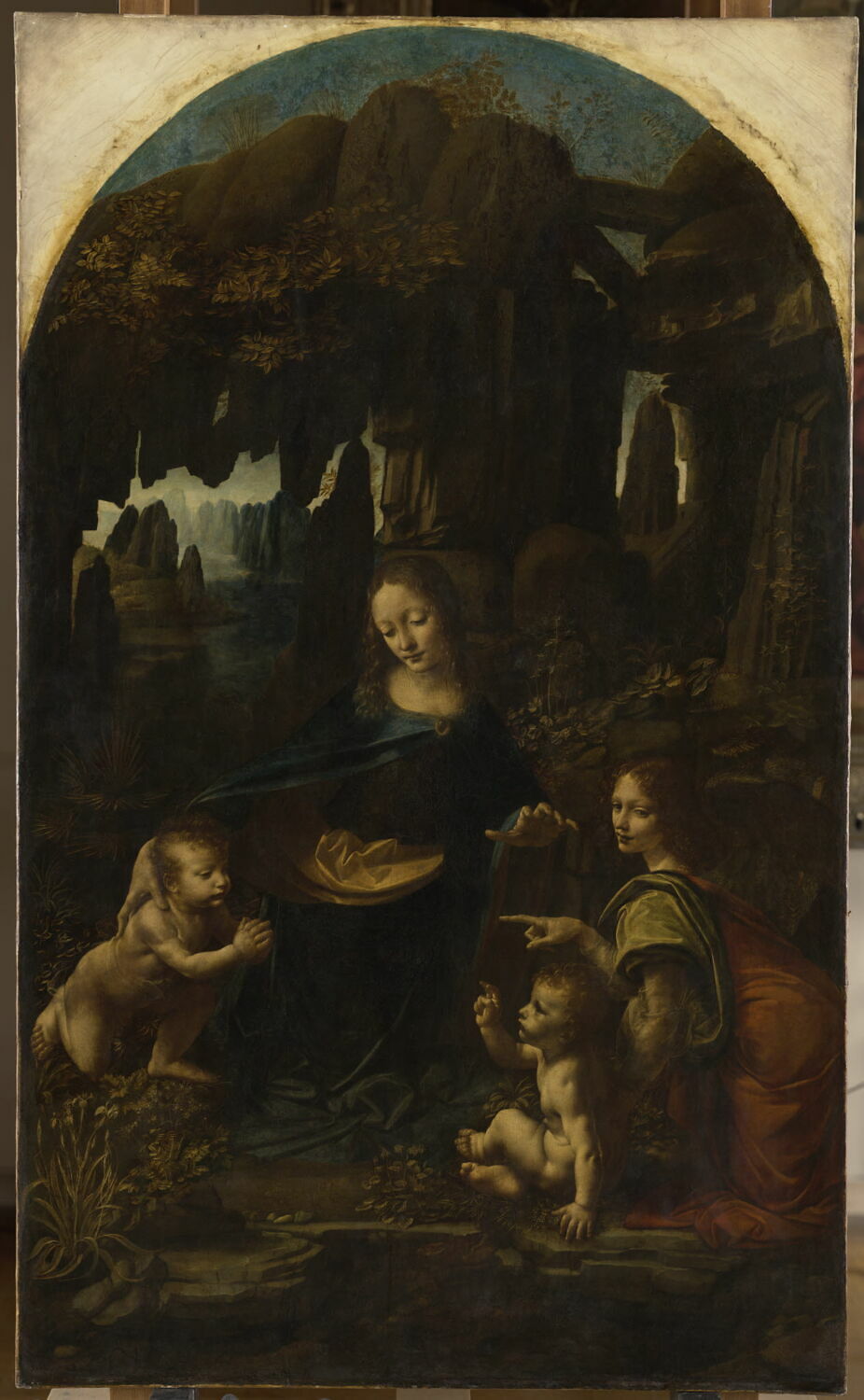
La Vierge, l'Enfant Jésus, saint Jean Baptiste et un ange, dit La Vierge aux rochers, Léonard de Vinci, 4e quart du XVe siècle (vers 1483 - 1494)

Leonardo da Vinci

La Vierge, l'Enfant Jésus, saint Jean Baptiste et un ange, dit La Vierge aux rochers, 4e quart du XVe siècle (vers 1483 - 1494)

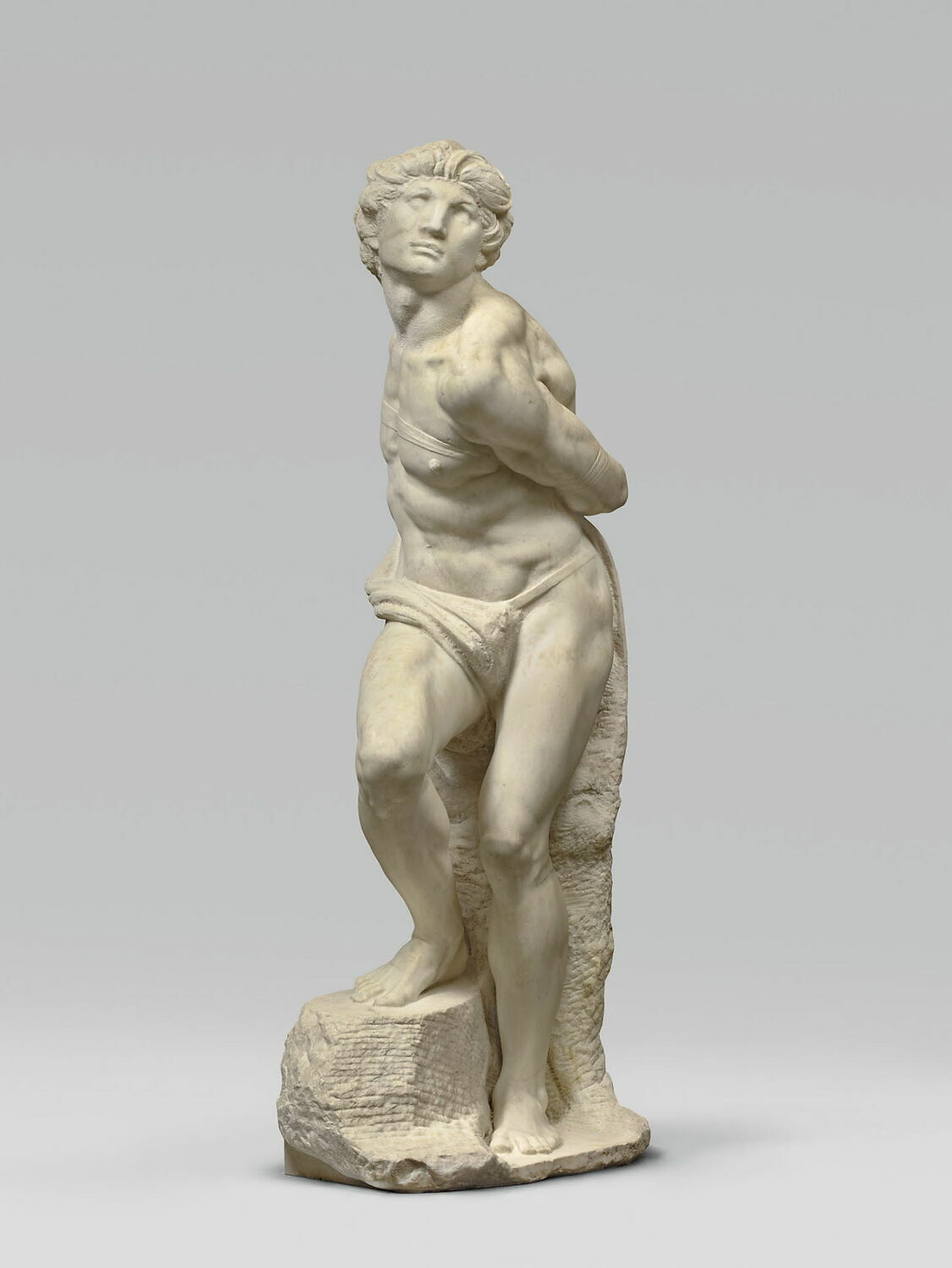
Esclave rebelle, Buonarroti, Michelangelo dit Michel-Ange, 1513 - 1515

Michelangelo

Schiavo ribelle, 1513 - 1515

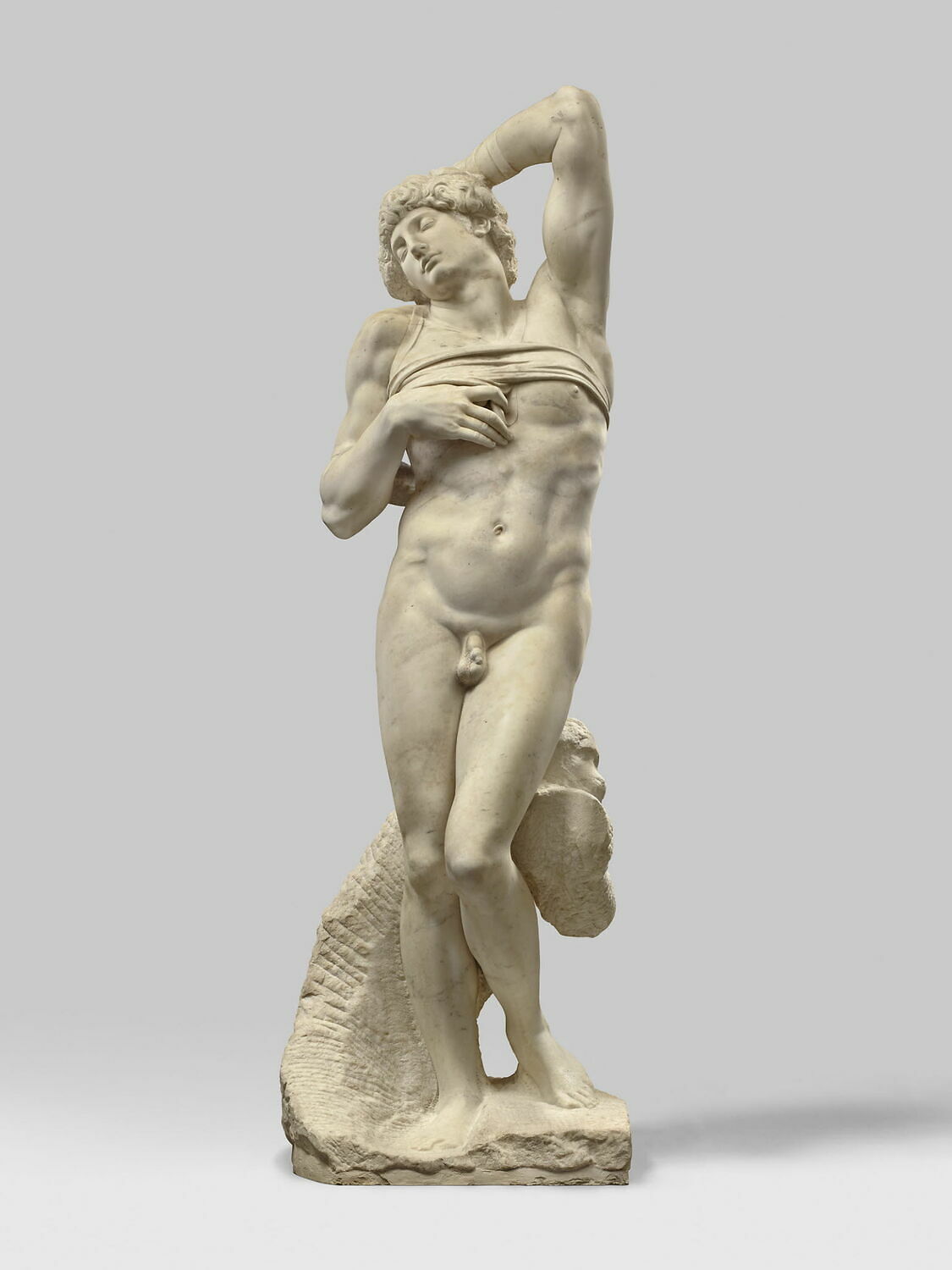
Esclave mourant, Buonarroti, Michelangelo dit Michel-Ange, 1513 - 1515

Michelangelo

Schiavo morente, 1513 - 1515