ART WIKI32.963 in sala
MappaCollezioneArtistiMuseiMostreRivista
Accedi

ART WIKI

Dove è appeso il capolavoro, e quando si può entrare.

Collezioni: Art Institute of Chicago, Cleveland Museum of Art, Ermitage, Galleria Tret'jakov, Getty Museum, Harvard Art Museums, Hirshhorn Museum and Sculpture Garden, Metropolitan Museum of Art, Minneapolis Institute of Art, Museo del Louvre, Museo Puškin delle belle arti, Museo russo, Museum of Modern Art, National Gallery of Art, National Museum of Asian Art, National Portrait Gallery, Rijksmuseum, Smithsonian American Art Museum, Statens Museum for Kunst, Victoria and Albert Museum, Villa Getty, Whitney Museum of American Art, Catalogo statale del fondo museale russo (274 musei), Europeana (19 musei), Wikidata (6 musei), Paris Musées (12 musei) e Joconde, la banca dati dei musei del Ministero della Cultura francese (495 musei). Le immagini appartengono ai titolari dei diritti.

Sezioni

  • Mappa
  • Ricerca
  • Collezione
  • Capolavori
  • Esposte ora
  • Artisti

Altro

  • Musei e gallerie
  • Mostre
  • Rivista
  • Da dove vengono i dati
  • Privacy e cookie
HomeMappaCatalogo
  1. Collezione/
  2. Cleveland Museum of Art/
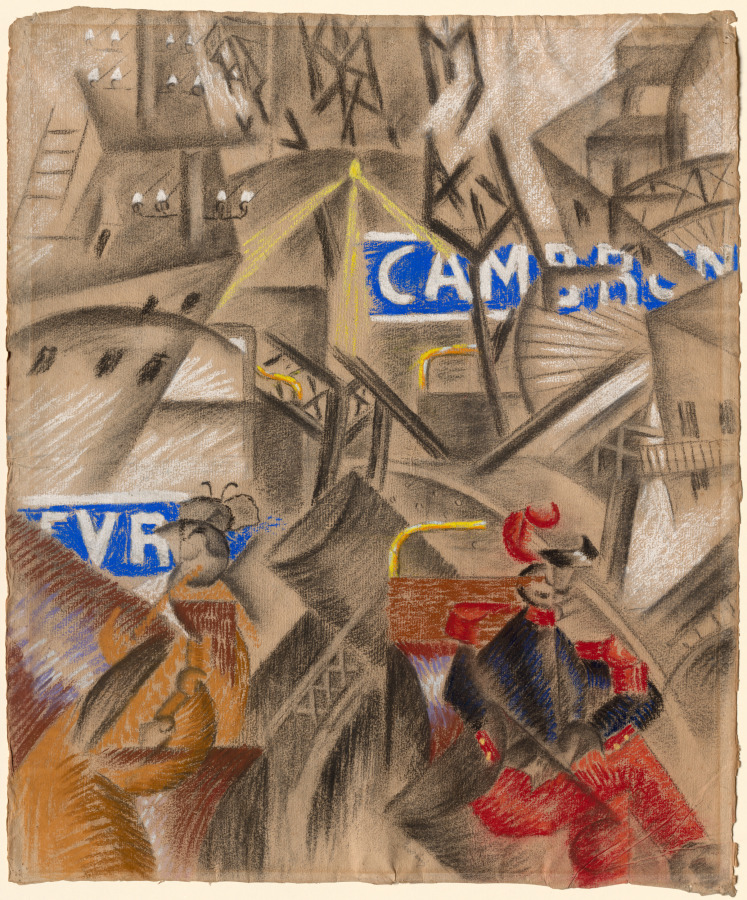
  3. Paris Subway, Ferris Wheel and Eiffel Tower
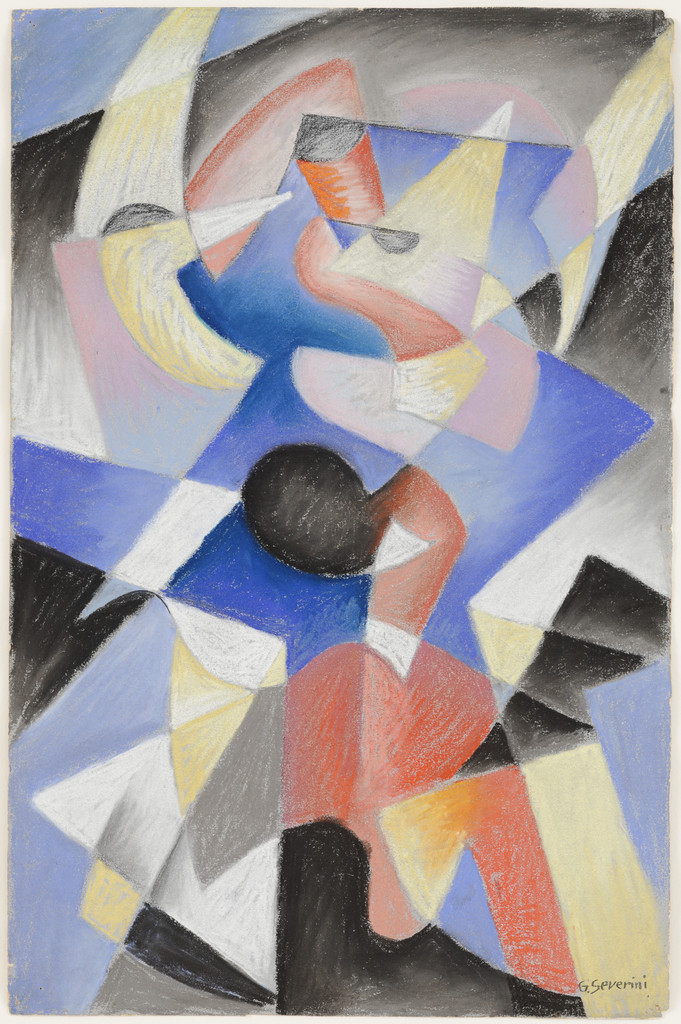
Paris Subway, Ferris Wheel and Eiffel Tower, Gino Severini, c. 1912–13
Gino Severini, ritrattoGino SeveriniItalia, 1883–1966

Paris Subway, Ferris Wheel and Eiffel Tower

c. 1912–13 · Drawing

Si può ammirare?

Al momento non riceve

Cleveland Museum of Art

Cleveland, Stati Uniti

Appartiene alla collezione, ma al momento non è esposta.

Verificato
3 giorni fa
Ultimo cambio di stato
19 ago 2026
Fonte
Il museo
Sulla mappaPagina del museo

Sull’opera

Gino Severini joined the Futurist movement, which emphasized the dynamism, movement, and energy of the modern city, in 1910. He began to depict modern modes of transportation and developed an interest in machines and speed. This pastel was created after Severini visited Paris, in 1911, where he admired technological advances such as the Eiffel Tower and the Métro, the city's relatively new public transportation system. Here, he suggests velocity through shifting planes and viewpoints and abruptly juxtaposing word and image.

Cleveland Museum of Art

Scheda

c. 1912–13
18831966
Numero di inventario
1942.249

In catalogo

Disegni e acquerelliPastelloModernismoXX secoloItaly, 20th century

Fonti

  • Cleveland Museum of Art
  • Immagine: Cleveland Museum of Art — © Artists Rights Society (ARS), New York

Nel frattempo, nella vita di Gino Severini

Tutta la vita
  1. from 1910

    Big-city nightlife becomes his main theme

    From 1910 the main theme of his paintings is the nightlife of the big city, in which signs of Futurism — dynamism and sharpness of image — can be seen. The machine attracts him less than his fellow Futurists, and he most often chooses the figure of the dancer to express the Futurist theories of dynamism.

  2. February – April 1910

    Signs the manifestos of Futurist painting

    Invited by Filippo Tommaso Marinetti and Boccioni to join the Futurist movement, he co-signs, with Balla, Boccioni, Carlo Carrà and Luigi Russolo, the Manifesto of the Futurist Painters (February 1910) and the Technical Manifesto of Futurist Painting (April of the same year).

  3. 1911

    The link between Paris and the Futurists

    An important link between artists in France and Italy, he comes into contact with Cubism before his Futurist colleagues; after a visit to Paris in 1911 the Italian Futurists adopt a sort of Cubism, which gives them a means of analysing energy in paintings and expressing dynamism.

  4. February 1912

    First Futurist exhibition outside Italy

    He helps to organize the first Futurist exhibition outside Italy, at the Galerie Bernheim-Jeune in Paris, and later takes part in Futurist shows in Europe and the United States. The Futurists were pleased with the response, but, as he later recalled, influential critics, notably Apollinaire, mocked them for their pretensions, their ignorance of the main currents of modern art and their provincialism — and in time Severini came to agree with Apollinaire.

  5. 1913

    Solo exhibitions in London and Berlin

    In 1913 his solo exhibitions are held at the Marlborough Gallery in London (the first of his career) and at Der Sturm in Berlin.

  6. agosto 1913

    Married: Jeanne Fort

Altre opere di Gino Severini

Tutte le opere
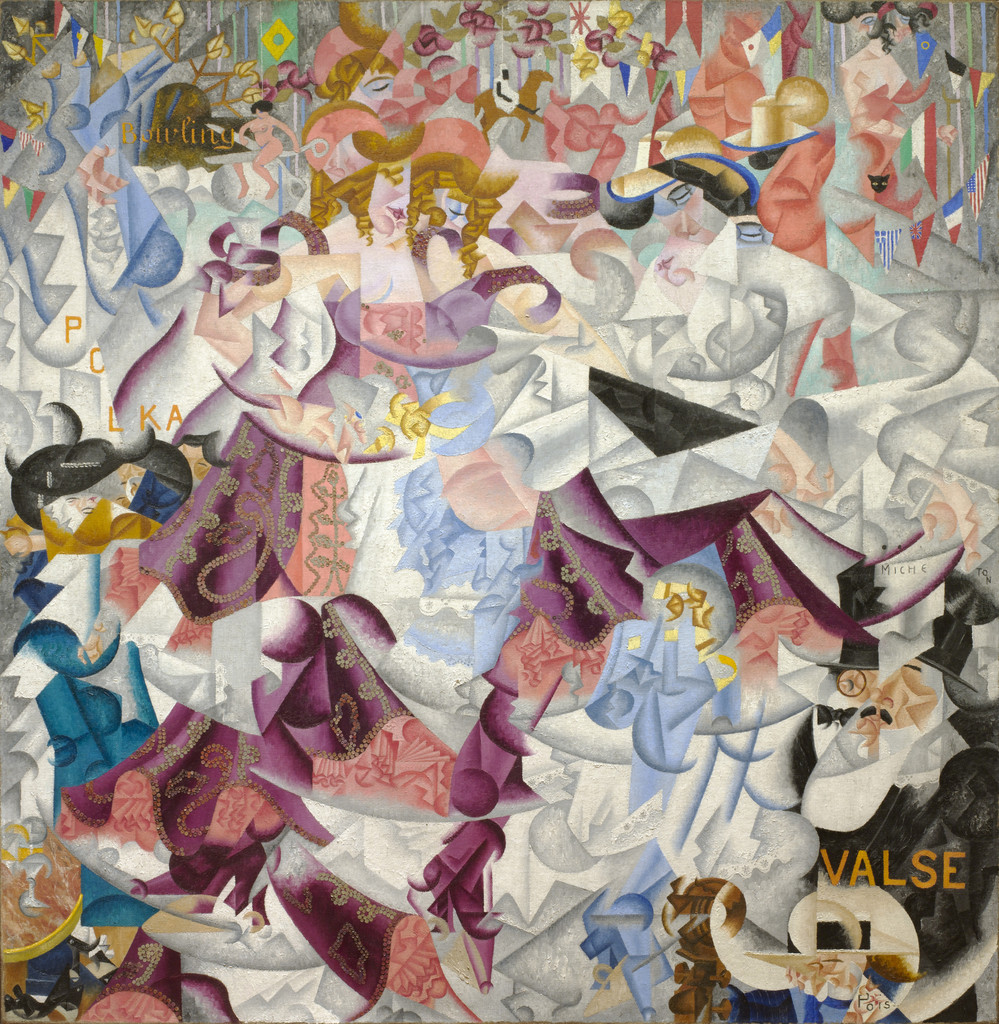
Dynamic Hieroglyphic of the Bal Tabarin, Gino Severini, 1912

Dynamic Hieroglyphic of the Bal Tabarin

1912 · Museum of Modern Art

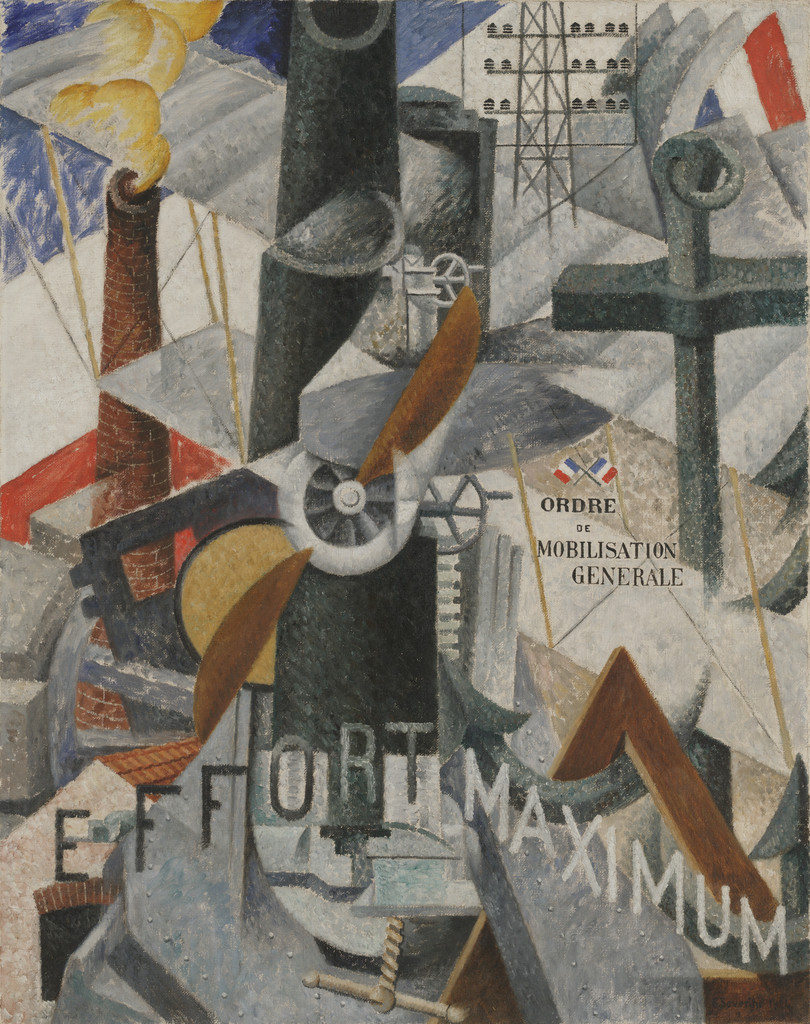
Visual Synthesis of the Idea: "War", Gino Severini, 1914

Visual Synthesis of the Idea: "War"

1914 · Museum of Modern Art

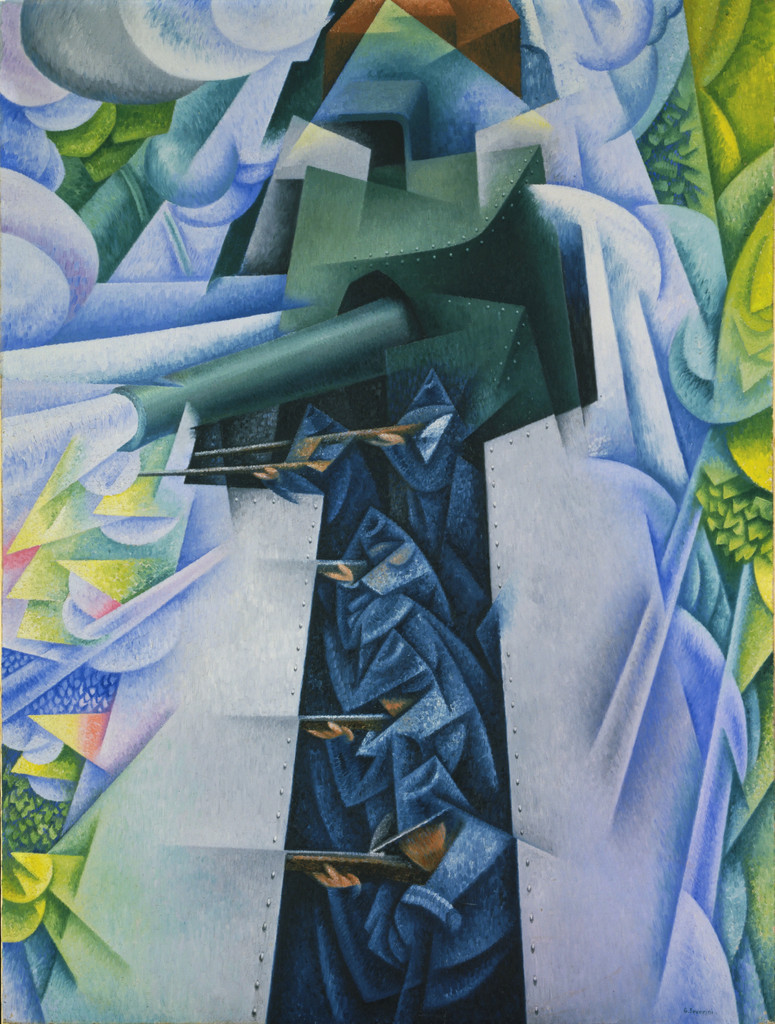
Armored Train in Action, Gino Severini, 1915

Armored Train in Action

1915 · Museum of Modern Art

Dancer = Propeller = Sea, Gino Severini, 1915

Dancer = Propeller = Sea

1915 · Metropolitan Museum of Art

Festival in Montmartre, Gino Severini, 1913

Festival in Montmartre

1913 · Art Institute of Chicago

Dancer, Gino Severini, 1912

Dancer

1912 · Non esposta · Museum of Modern Art

Pictograph, Gino Severini, 1913

Pictograph

1913 · Non esposta · National Gallery of Art

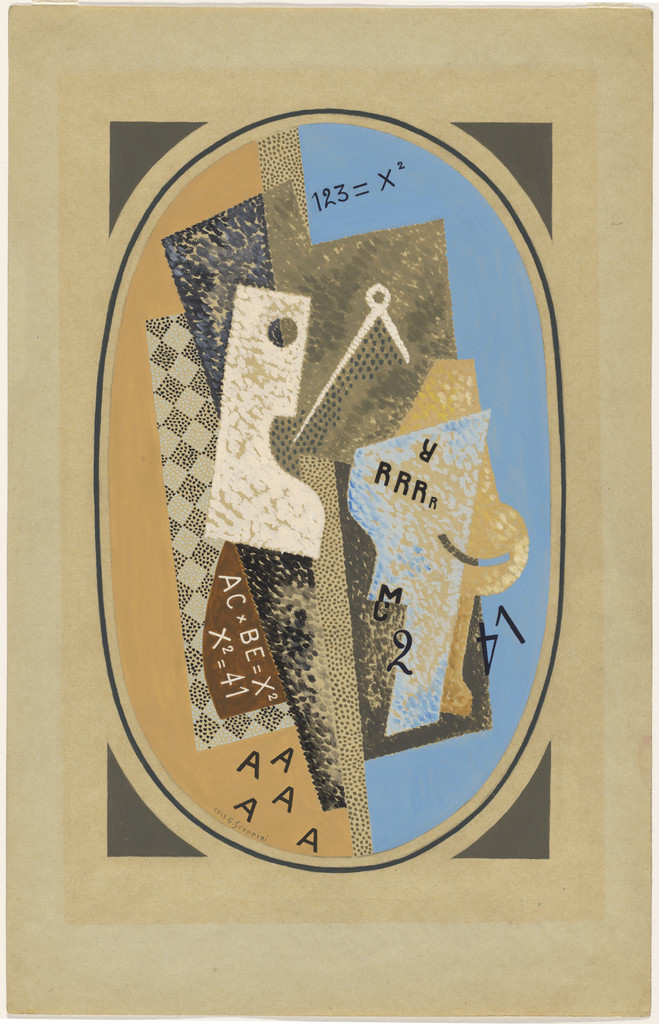
Oval Composition, Gino Severini, 1913

Oval Composition

1913 · Non esposta · Museum of Modern Art

Sotto lo stesso tetto: Cleveland Museum of Art

Pagina del museo
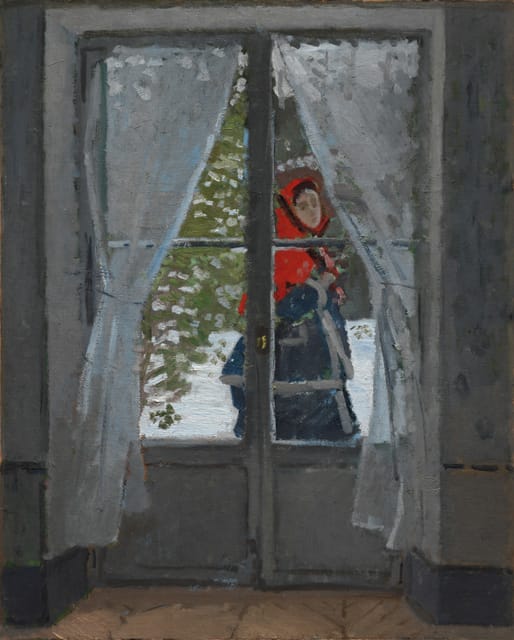
The Red Kerchief, Claude Monet, c. 1868–73

Claude Monet

The Red Kerchief, c. 1868–73

Melencolia I, Albrecht Dürer, 1514

Albrecht Dürer

Melencolia I, 1514

The Virgin and Child with the Pear, Albrecht Dürer, 1511

Albrecht Dürer

The Virgin and Child with the Pear, 1511

The Nativity, Albrecht Dürer, probably c. 1509/1510

Albrecht Dürer

The Nativity, probably c. 1509/1510

The Virgin and Child on a Crescent with a Starry Crown, Albrecht Dürer, 1508

Albrecht Dürer

The Virgin and Child on a Crescent with a Starry Crown, 1508

The Lamentation, Albrecht Dürer, 1507

Albrecht Dürer

The Lamentation, 1507

Large Horse, Albrecht Dürer, 1505

Albrecht Dürer

Large Horse, 1505

Nemesis (The Great Fortune), Albrecht Dürer, c. 1501/1502

Albrecht Dürer

Nemesis (The Great Fortune), c. 1501/1502