
 Robert FrankStati Uniti, 1924–2019
Paris
Si può ammirare?
Al momento non riceve

National Gallery of Art
Washington, Stati Uniti
Appartiene alla collezione, ma al momento non è esposta.
- Verificato
- l’altro ieri
- Ultimo cambio di stato
- 19 ago 2026
- Fonte
- I dati di collezione del museo stesso
Scheda
- Numero di inventario
- 1994.57.1
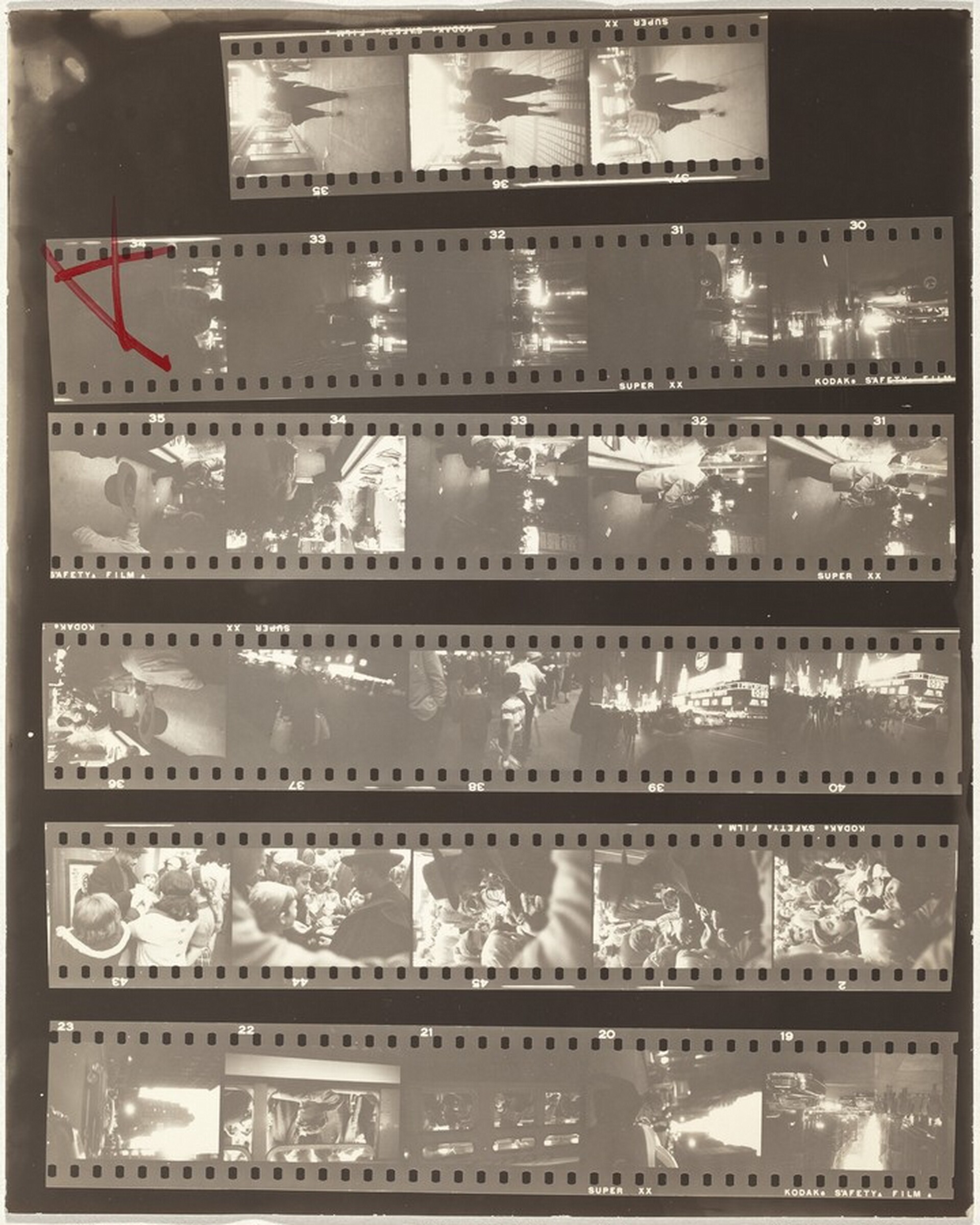
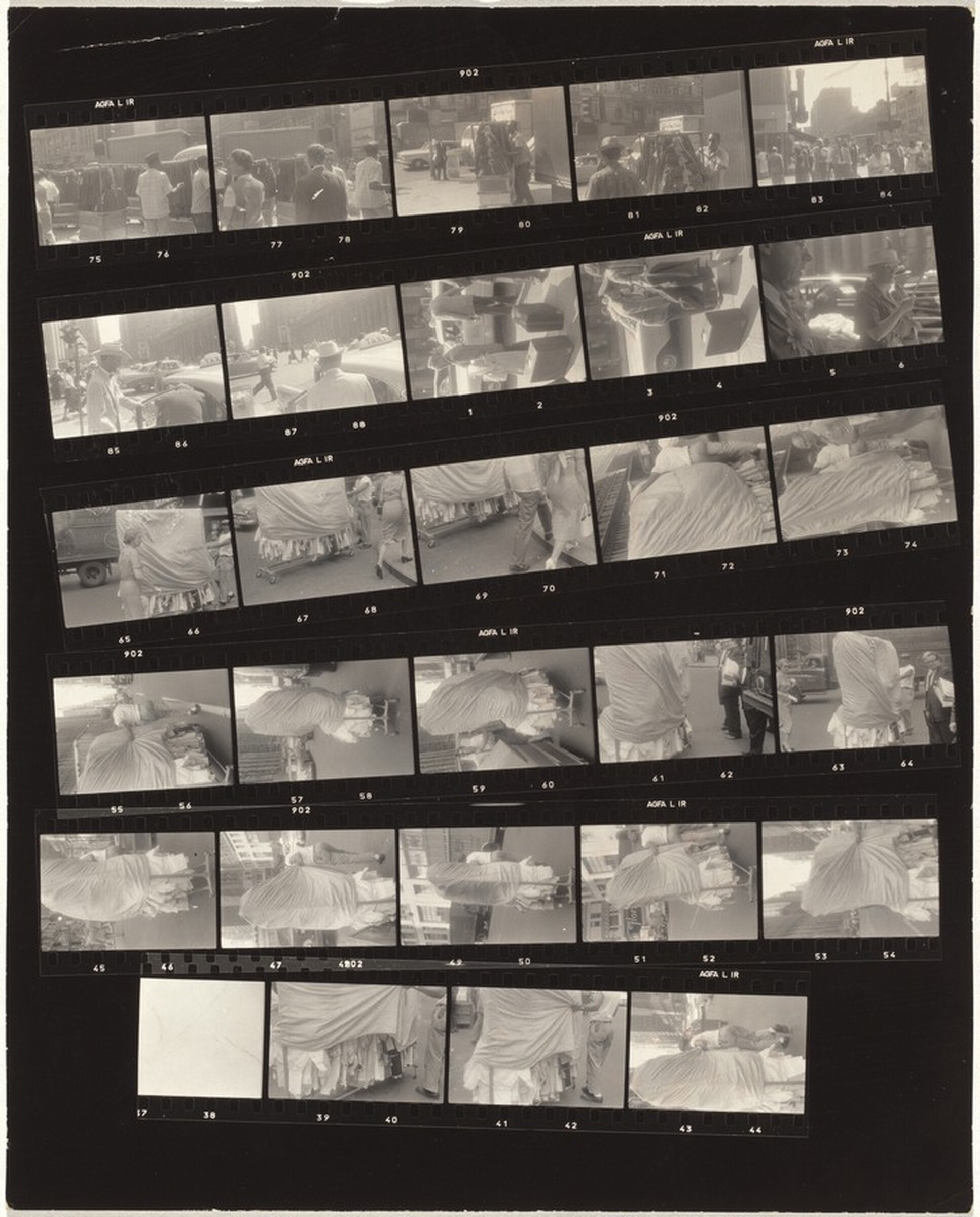
What it shows
In catalogo
Fonti
- National Gallery of Art: the museum's own open data · acquisita 5 giorni fa
- Immagine: National Gallery of Art — © the artist or rights holder
Nel frattempo, nella vita di Robert Frank
Tutta la vita1947
Emigrates to the United States
He emigrates to the United States and secures a job in New York City as a fashion photographer for Harper’s Bazaar.
1955–1957
Across America on a Guggenheim Fellowship
Inspired by Jakob Tuggener’s Fabrik, Bill Brandt’s The English at Home and Walker Evans’s American Photographs, and on the recommendation of Evans, Alexey Brodovitch, Alexander Liberman, Edward Steichen and Meyer Schapiro, he secures a Guggenheim Fellowship in 1955 to travel across the United States and photograph all strata of its society, from Detroit and Dearborn to Savannah, Miami Beach and St. Petersburg, New Orleans, Houston, Los Angeles, Reno, Salt Lake City, Butte and Chicago. Over two years of road trips, part of them with his family, he takes 28,000 shots, of which he selects 83 for The Americans.
1958
“Les Américains” is published in Paris
Because his images depart from contemporary photographic standards, Frank has difficulty at first in securing an American publisher, and the book is first published in Paris by Robert Delpire in the Encyclopédie Essentielle series, with texts by Simone de Beauvoir, Erskine Caldwell, William Faulkner, Henry Miller and John Steinbeck positioned opposite the photographs.
1959
“The Americans” in the U.S.: harsh criticism
The book is finally published in the United States by Grove Press, without the texts but with Kerouac’s introduction, and initially receives substantial criticism: Popular Photography derides the images as meaningless blur, grain, muddy exposures, drunken horizons and general sloppiness. Sales are poor at first too, but the popular Kerouac’s introduction helps it reach a larger audience, and over time The Americans becomes a seminal work in American photography and art history, the work with which Frank is most clearly identified.
1971 · Residenza
Mabou
1974
Death of his daughter Andrea
His daughter Andrea is killed in a plane crash in Tikal, Guatemala. The loss shapes much of his later work, and his reputation as a recluse who declines most interviews and public appearances grows particularly after it.




![Ginevra de' Benci [obverse], Leonardo da Vinci, c. 1474/1478](https://api.nga.gov/iiif/8f29e3c9-a289-4d53-abf0-31a66e9e98fa/full/!2400,2400/0/default.jpg)
![Wreath of Laurel, Palm, and Juniper with a Scroll inscribed Virtutem Forma Decorat [reverse], Leonardo da Vinci, c. 1474/1478](https://api.nga.gov/iiif/ff62e8d0-45c4-498f-ad36-6358de827e04/full/!2400,2400/0/default.jpg)


