Miskina
Painting
Si può ammirare?
Al momento non riceve

Victoria and Albert Museum
Londra, Regno Unito
Appartiene alla collezione, ma al momento non è esposta.
- Verificato
- Ultimo cambio di stato
- Fonte
- I dati di collezione del museo stesso
About the painting
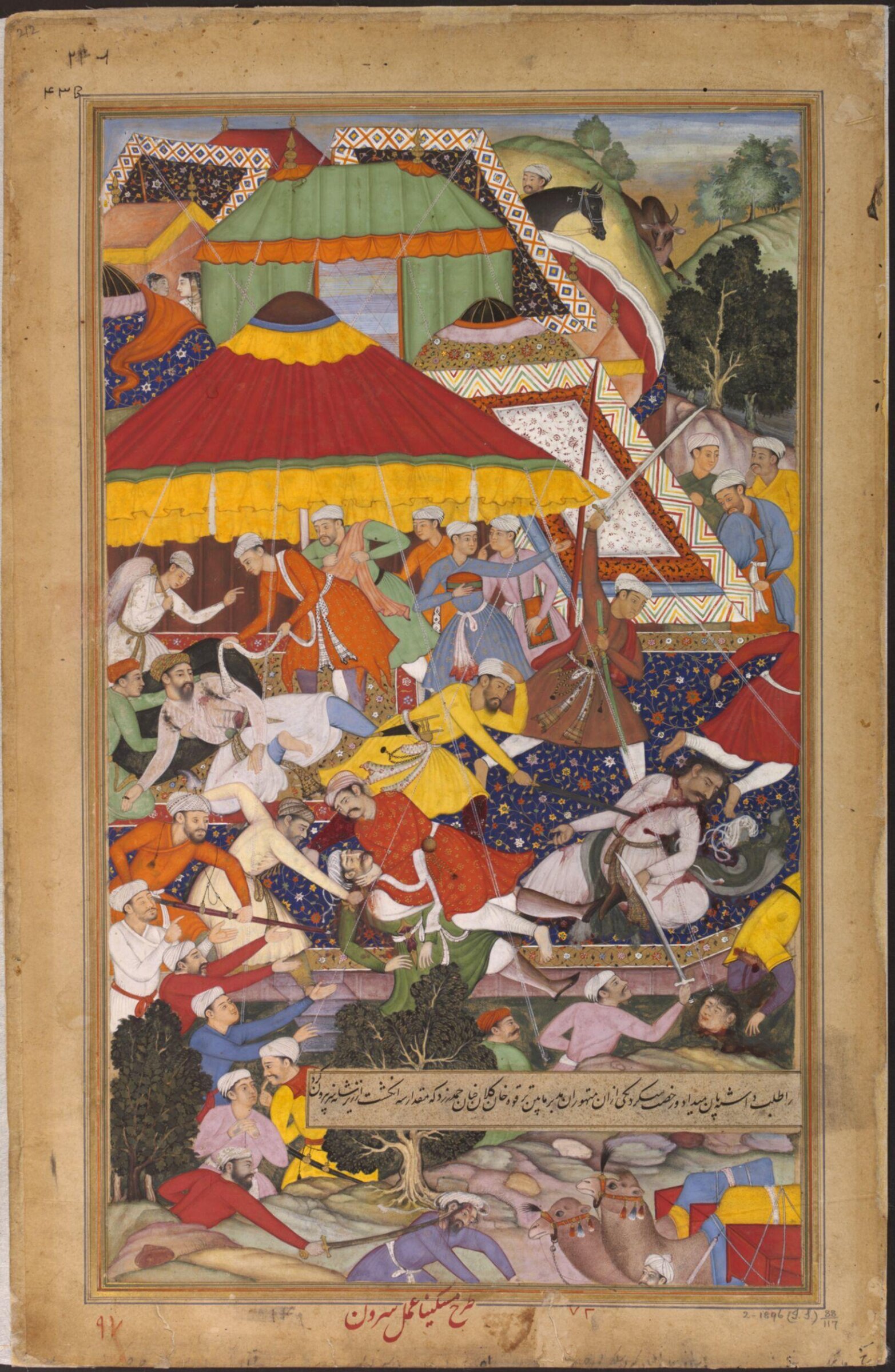
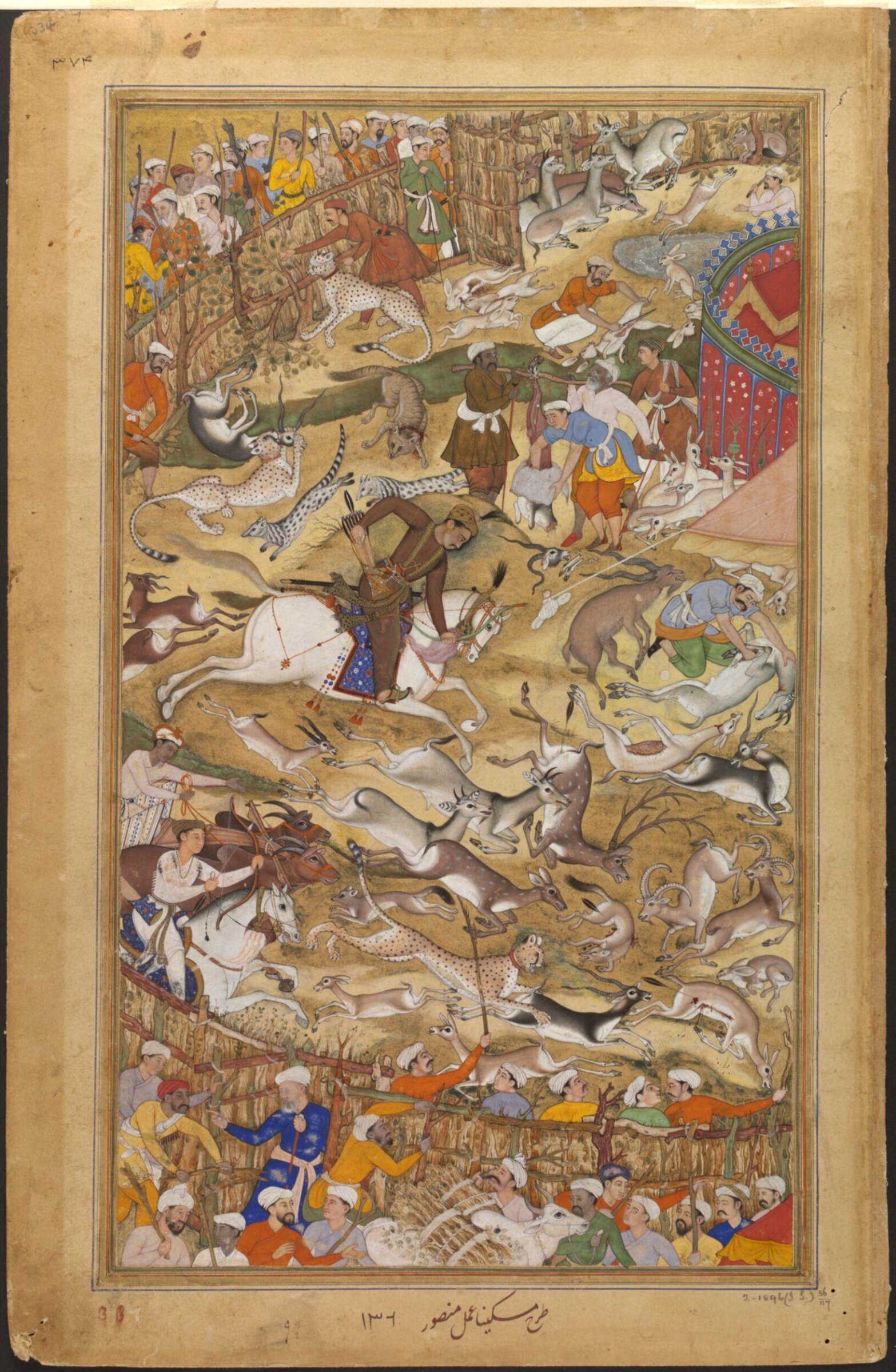
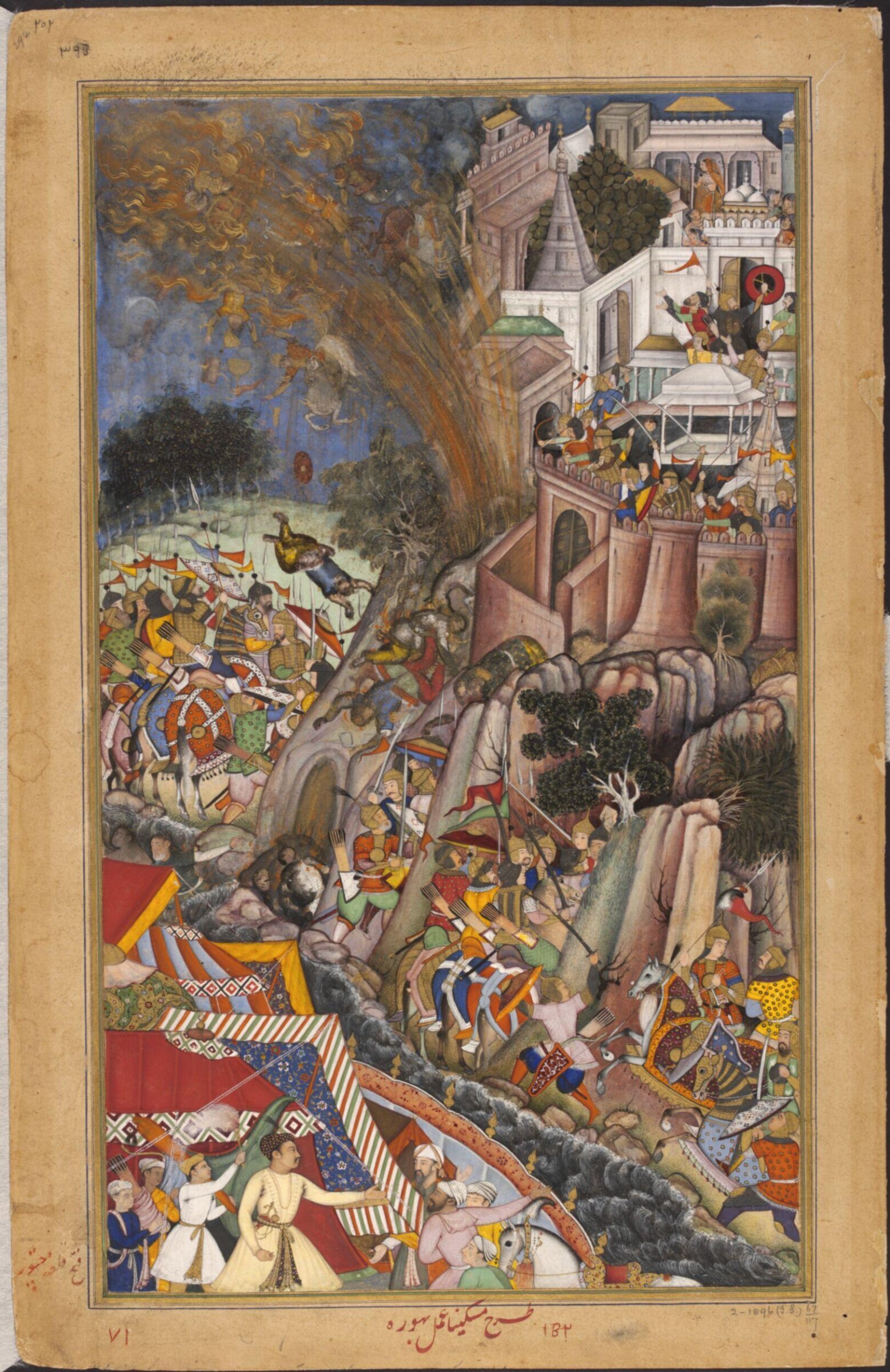
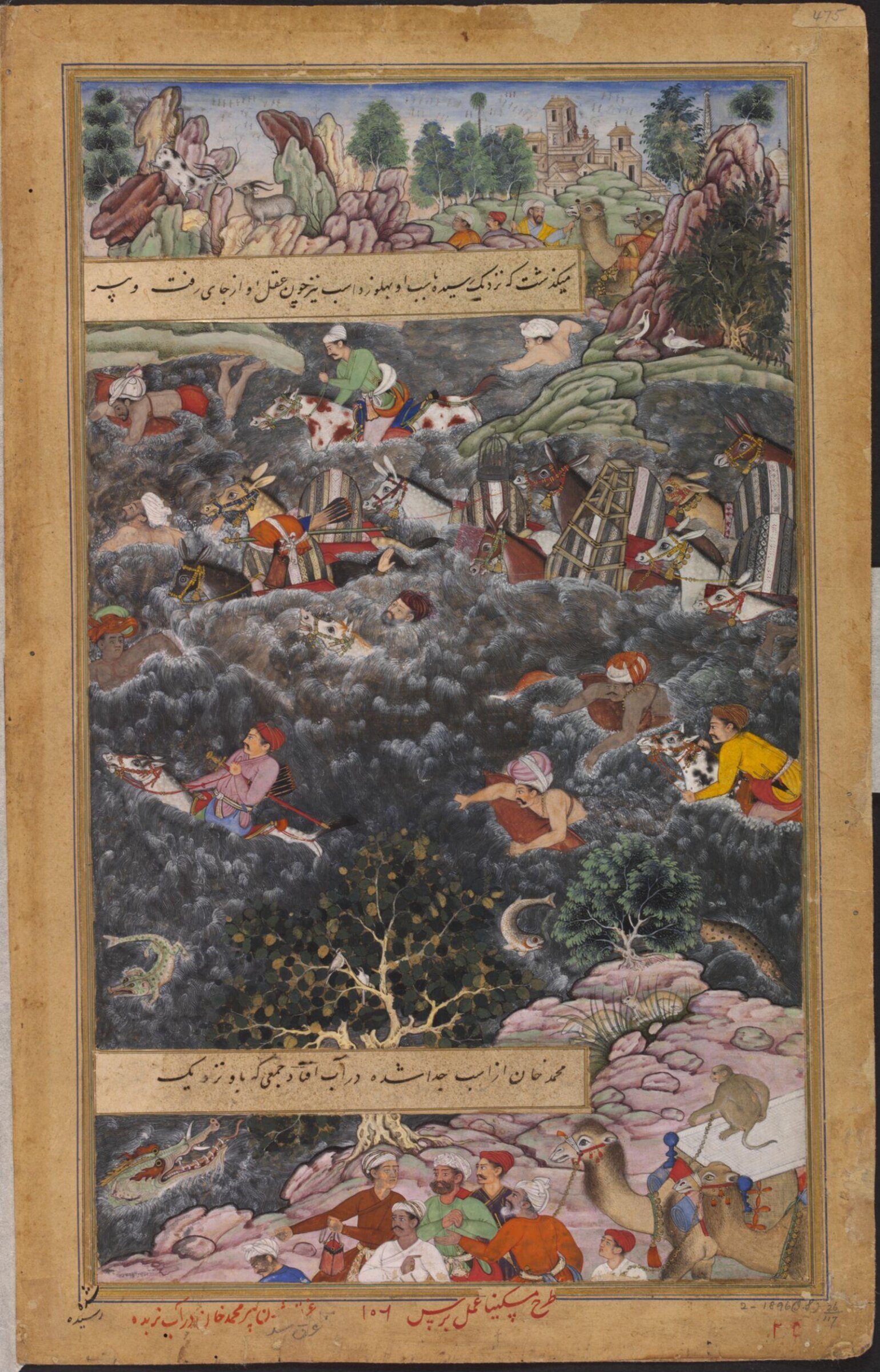
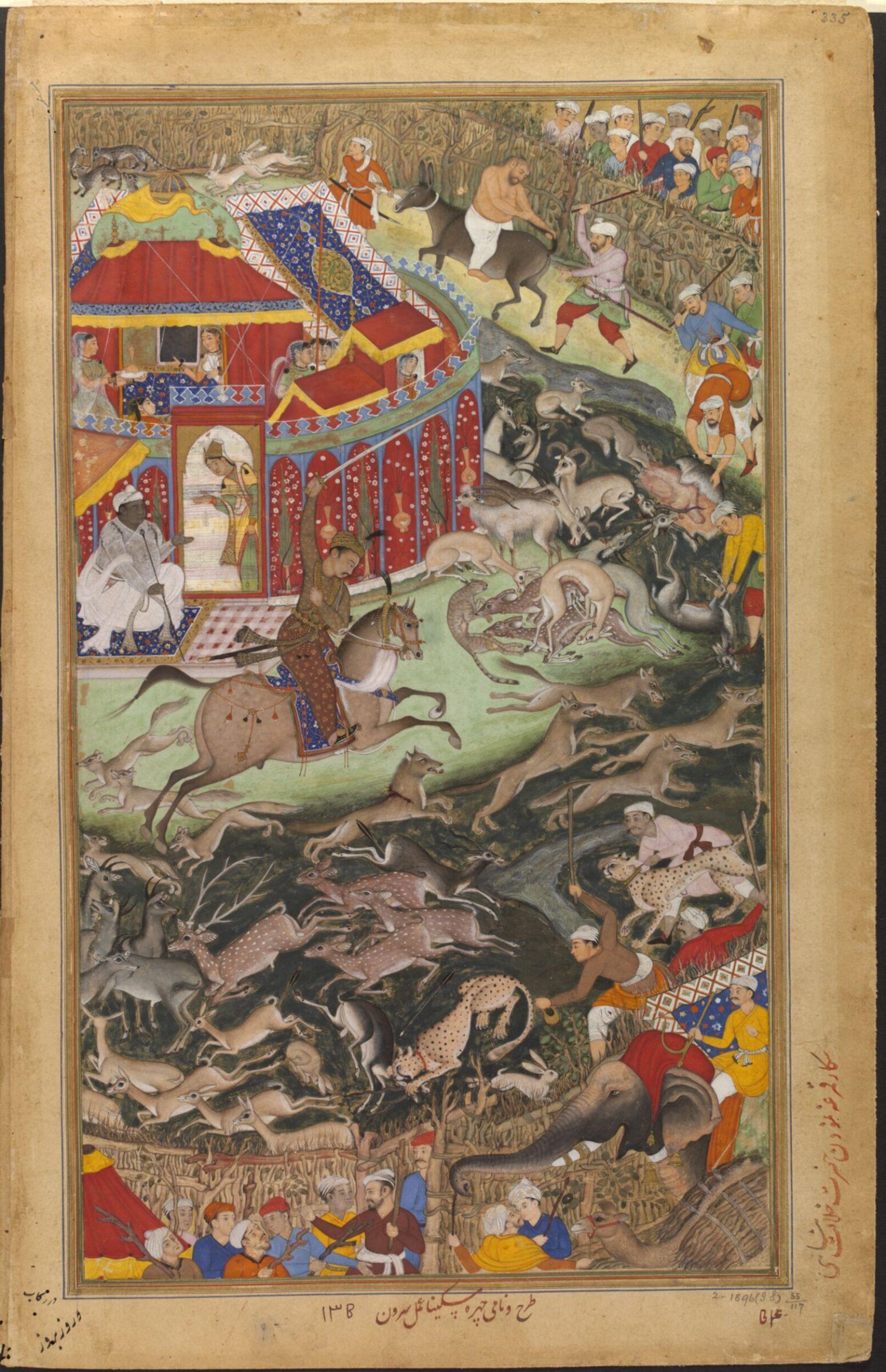
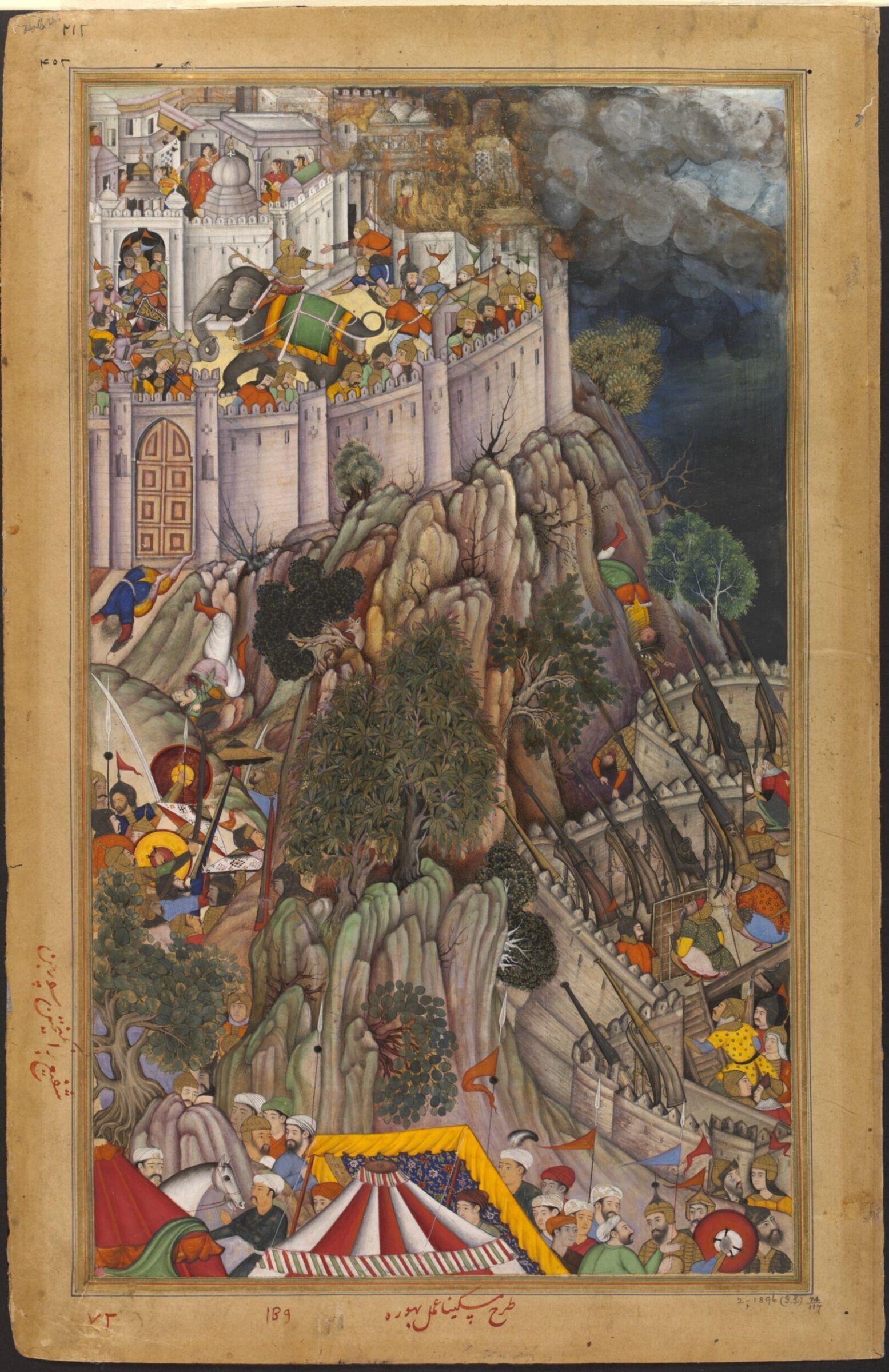
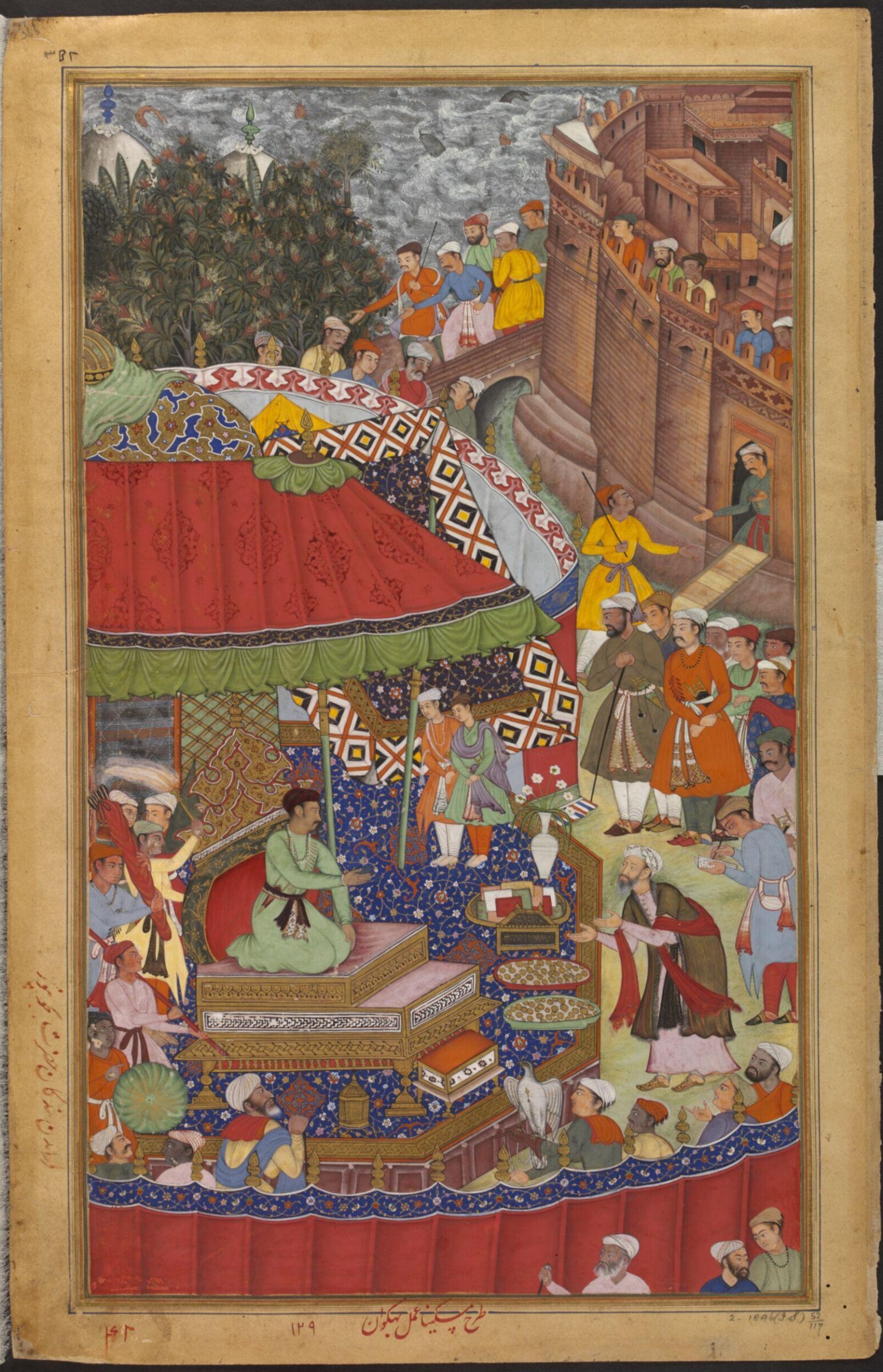
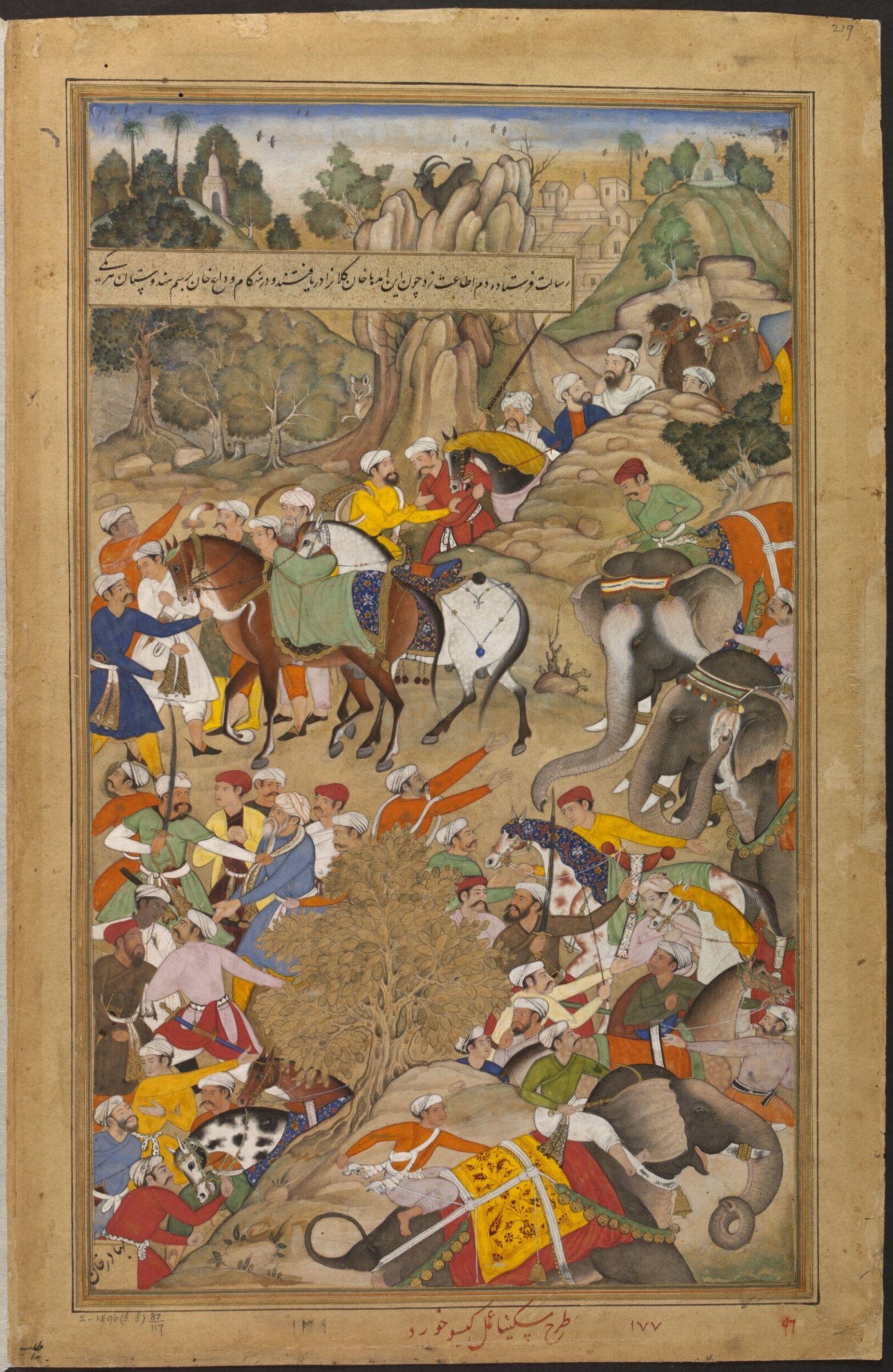
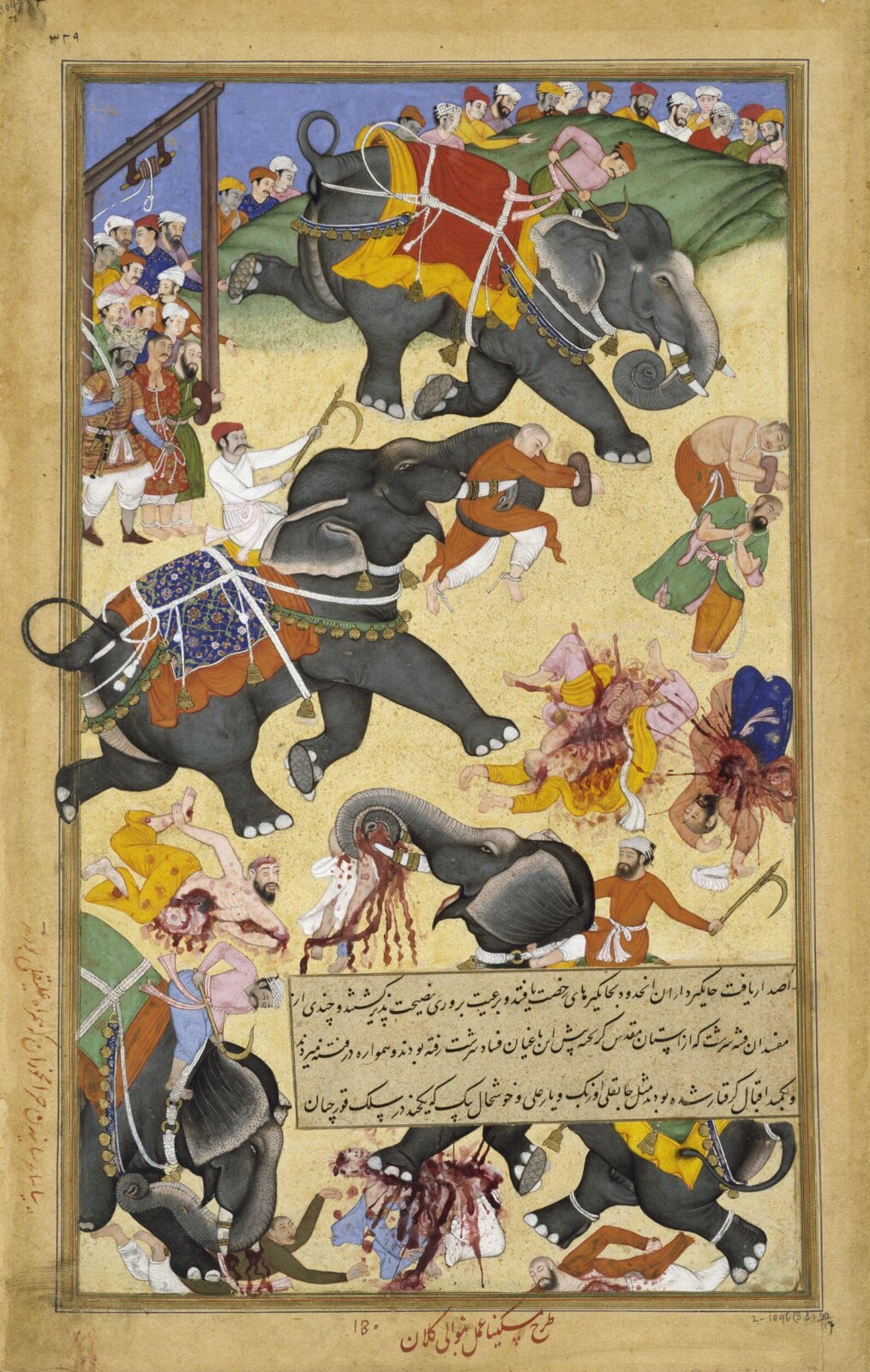
The composition of this painting was designed by the Mughal court artist Miskina and the details painted by Banwali the Elder. It is from the Akbarnama (Book of Akbar) .
Read on
Elephants played a crucial part in Mughal warfare, breaking through fortifications and killing enemy footsoldiers. They were also used to deliver capital punishment, as this painting vividly demonstrates. Ali Quli Shaibani had served Humayun, and his bravery in the early military campaigns of Akbar’s reign earned him a title and a valuable grant of land. However, his very public affair with Shaham Beg, formerly one of Humayun’s bodyguards, scandalised the court. He fell further into disgrace by marrying a prostitute who had also been Shaham Beg’s lover and living with both in a ménage a trois. Abu’l Fazl, writing with the benefit of hindsight, claimed that Ali Quli’s apparent loyalty was always insincere, though he did not rebel outright until 1566. Nevertheless, Akbar pardoned him after Mirza Rezavi Mirak, a close follower, begged forgiveness on Ali Quli’s behalf.
The following year Ali Quli again rebelled, forcing Akbar to lead a small force to crush him. Ali Quli died in the battle, and his leading supporters were captured and executed by elephants before the emperor. Mirza Rezavi Mirak was among the captives but the elephant’s mahout was ordered not to kill him. Instead, the huge animal simply played with him. This terrifying ordeal was repeated for five consecutive days until Mirza Rezavi Mirak was freed.
[AKbarnama, English translation: Beveridge, vol. II, pp. 398, 426-36]
The Akbarnama was commissioned by Akbar as the official chronicle of his reign. It was written in Persian by his court historian and biographer, Abu’l Fazl, between 1590 and 1596, and the V&A’s partial copy of the manuscript is thought to have been illustrated between about 1592 and 1595. This is thought to be the earliest illustrated version of the text, and drew upon the expertise of some of the best royal artists of the time. Many of these are listed by Abu’l Fazl in the third volume of the text, the A’in-i Akbari, and some of these names appear in the V&A illustrations, written in red ink beneath the pictures, showing that this was a royal copy made for Akbar himself. After his death, the manuscript remained in the library of his son Jahangir, from whom it was inherited by Shah Jahan.
The V&A purchased the manuscript in 1896 from Frances Clarke, the widow of Major General John Clarke, who bought it in India while serving as Commissioner of Oudh between 1858 and 1862.
Victoria and Albert Museum
Scheda
- Numero di inventario
- IS.2:90-1896
What it shows
In catalogo
Fonti
- Victoria and Albert Museum: the museum's own open data · acquisita 10 giorni fa
- Immagine: Victoria and Albert Museum — © Victoria and Albert Museum, London