John Everett MillaisRegno Unito, 1829–1896
Ophelia
Si può vedere?
Non si sa
Dove si trova «Ophelia» oggi? Collezione: Tate, Westminster. Non si sa se oggi sia esposta.
Westminster, Regno Unito
Il proprietario è noto; non si sa se oggi sia esposta.
- Ultimo cambio di stato
- Fonte
- Il museo
Sul dipinto
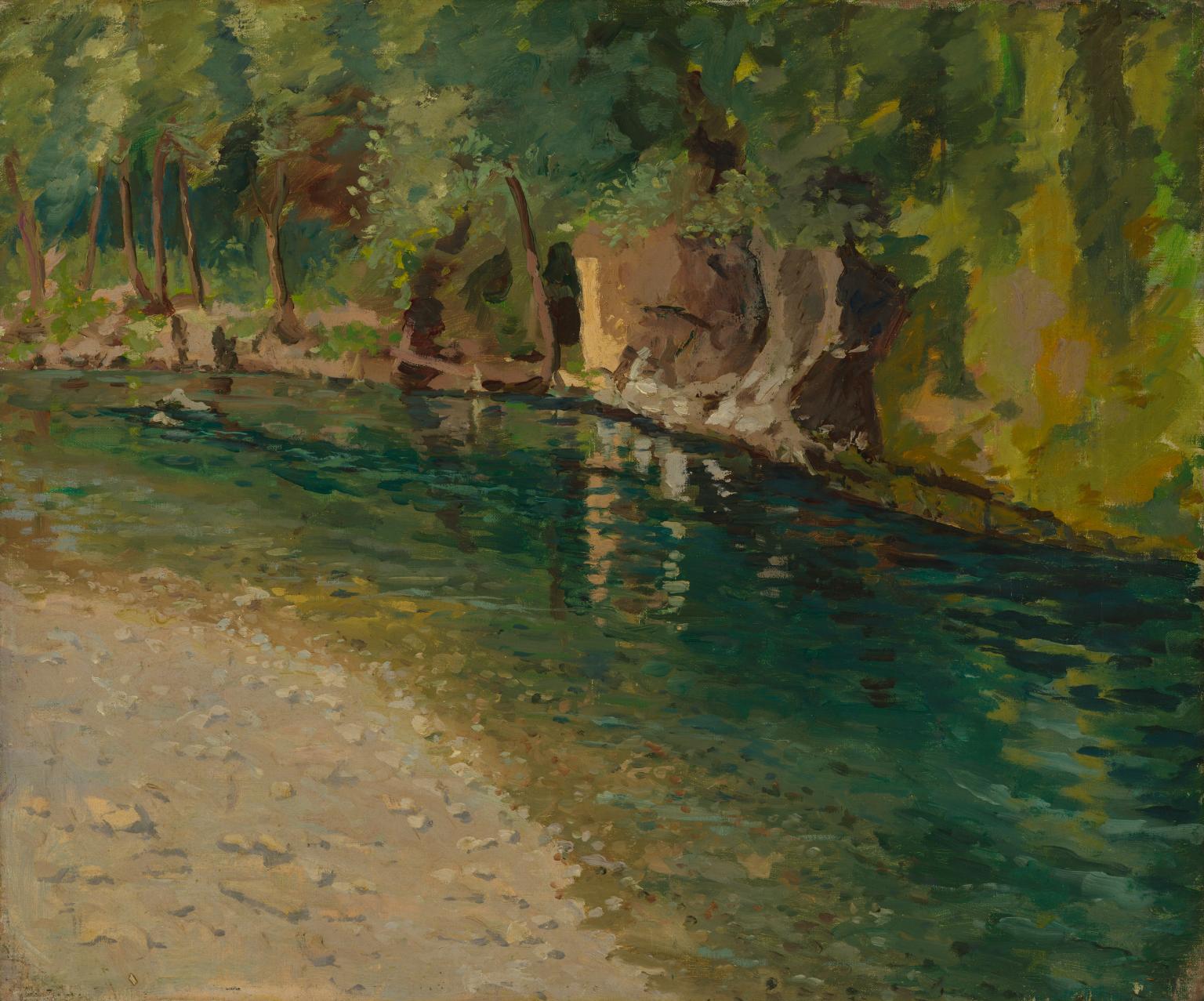
Ophelia di John Everett Millais, datata 1851–1852, appartiene alla Tate di Londra. La giovane canta galleggiando, prima che l'abito impregnato d'acqua la trascini a fondo. Posò Elizabeth Siddal; Millais studiò la riva dell'Hogsmill nel Surrey. In Amleto la morte è raccontata da Gertrude, anziché essere normalmente rappresentata in scena.
Ophelia (in italiano anche Ofelia) è un dipinto a olio su tela (76,2×111,8 cm) del pittore preraffaellita John Everett Millais, realizzato nel biennio 1851-1852 e appartenente alla collezione della Tate di Londra.
Scheda
- Numero di inventario
- N01506
In catalogo
Esposizioni
Non si sa se oggi sia esposta
Tate · 13 ott 2026 — oggi · Non confermato
Non si sa se fosse esposta
National Gallery · 29 set 2026 — 13 ott 2026 · Non confermato
Fonti
- Wikidata
- Immagine: Tate — John Everett Millais · Public domain · Wikimedia Commons
Nella vita di John Everett Millais
Tutta la vita1850
The scandal over “Christ in the House of His Parents”
Christ in the House of His Parents (1850) was judged excessively realistic, showing a working-class Holy Family in a messy carpentry workshop, and The Times called it outrageous. Millais was undaunted: the critic John Ruskin saw his outstanding talent at once and backed him, and his works were always accepted for the Academy’s exhibitions, however radical.
1851–1852
Elizabeth Siddal sits for “Ophelia”
For Ophelia (1851–52), his best-known painting, Millais portrayed Rossetti’s beloved Elizabeth Siddal as the heroine. The dense, elaborate pictorial surface, weaving the figure into the natural world, has been described as a kind of “pictorial eco-system”.
1853
Elected an associate member of the Royal Academy
In 1853 Millais was elected an associate member of the Royal Academy of Arts.
summer 1853
A summer at Glenfinlas: falling in love with Effie Ruskin
In the summer of 1853 John Ruskin and his wife Effie invited Millais to spend the summer with them at Glenfinlas, where Millais and Effie fell in love. Effie modelled for his The Order of Release; her marriage to Ruskin, which had lasted several years, was annulled after her parents realised something was wrong and she filed for annulment, and Millais and Effie then married.