 William MorrisRegno Unito, 1834–1896
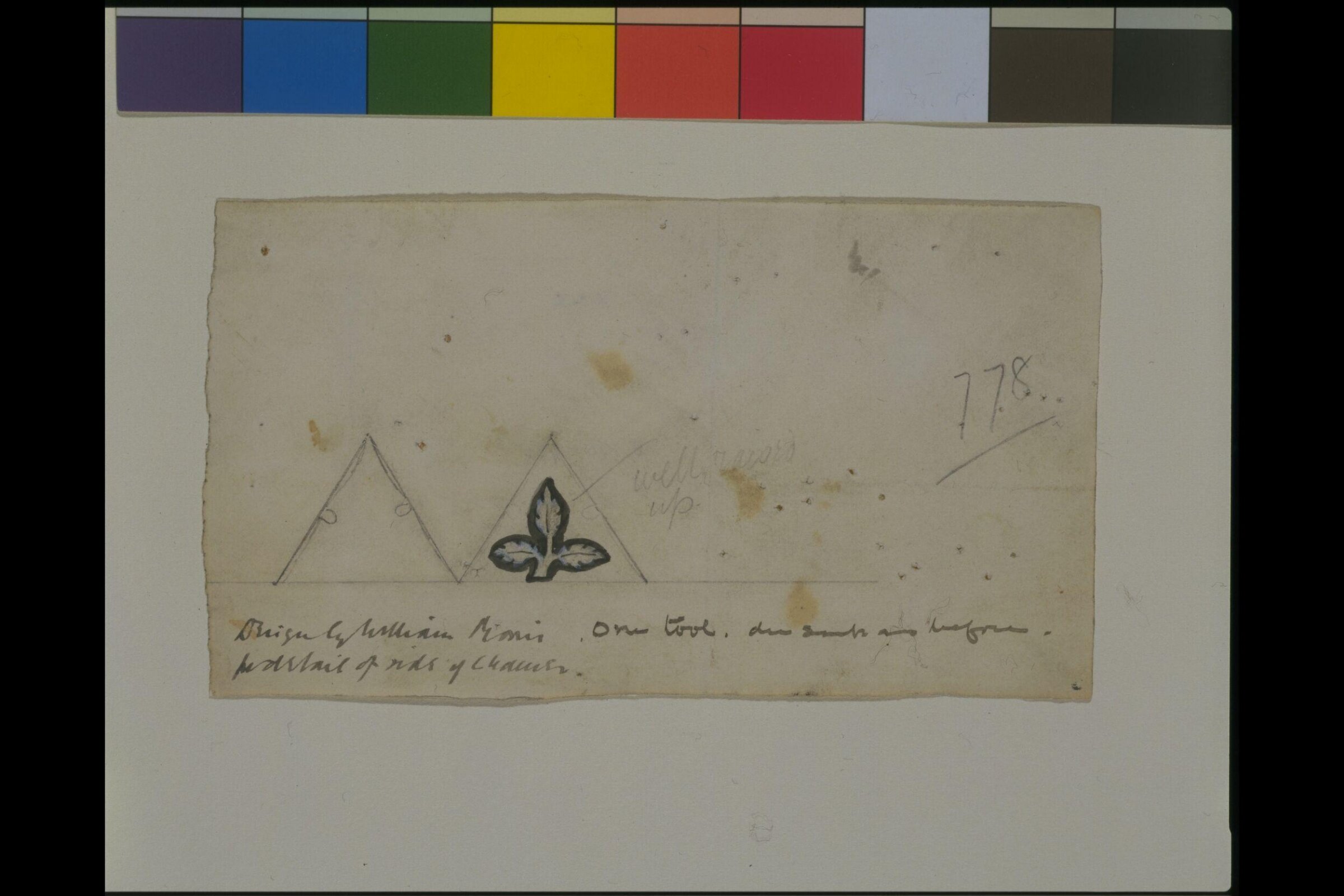
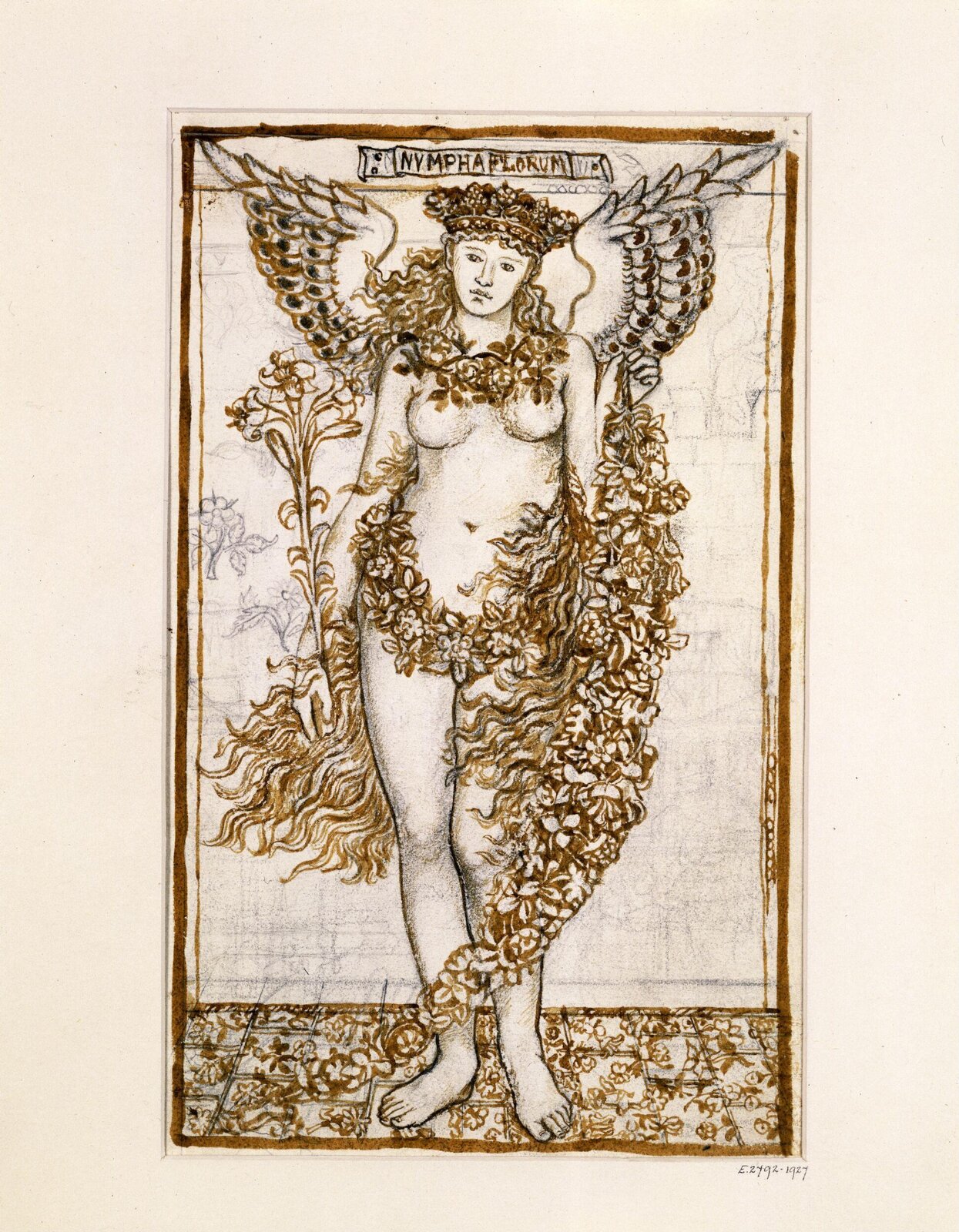
Nympha Florum
Si può ammirare?
Al momento non riceve

Victoria and Albert Museum
Londra, Regno Unito
Appartiene alla collezione, ma al momento non è esposta.
- Verificato
- 8 giorni fa
- Ultimo cambio di stato
- 25 set 2026
- Fonte
- I dati di collezione del museo stesso
Scheda
- Numero di inventario
- E.2792-1927
What it shows
In catalogo
Fonti
- Victoria and Albert Museum: the museum's own open data · acquisita 8 giorni fa
- Immagine: Victoria and Albert Museum — © Victoria and Albert Museum, London
Nel frattempo, nella vita di William Morris
Tutta la vitaApril 1861
He founds Morris, Marshall, Faulkner & Co.
In April 1861, with Burne-Jones, Rossetti, Webb, Ford Madox Brown, Charles Faulkner and Peter Paul Marshall, he founded a decorative arts company — “the Firm” at 6 Red Lion Square: they meant to reinstate decoration among the fine arts, making it affordable and anti-elitist, and took on boys from the Industrial Home for Destitute Boys in Euston as apprentices.
1862
The 1862 exhibition: the Firm’s fame
At the 1862 International Exhibition in South Kensington the Firm’s exhibit won press attention and medals of commendation; despite its anti-elitist ethos the Firm became fashionable with wealthy clients, though it met opposition from established design companies.
1865–1870
“The Earthly Paradise”: the poem that made him a poet of note
From 1865 to 1870 he worked on the epic poem “The Earthly Paradise”, a homage to Chaucer: 24 stories drawn from many cultures, each told by a different narrator; published in four parts by F. S. Ellis, it soon gained a following and established Morris as a major poet.
January 1883
He joins the Democratic Federation
In January 1883 he joined Henry Hyndman’s Democratic Federation, Britain’s first socialist party; he read voraciously — Henry George, Wallace, Marx’s “Das Kapital” (admitting that Marx’s economic analysis gave him “agonies of confusion on the brain”) — and in May was appointed to its executive committee and soon elected treasurer.
December 1884 – January 1885
He leaves the SDF and founds the Socialist League
In late 1884, over disagreements with Hyndman about the parliamentary road to socialism and about imperialism, Morris, with Ernest Belfort Bax and Edward Aveling, left the Social Democratic Federation — the first major schism of the British socialist movement — and founded the Socialist League, whose manifesto he wrote with Bax; Eleanor Marx was also among its founders.
1891
He founds the Kelmscott Press
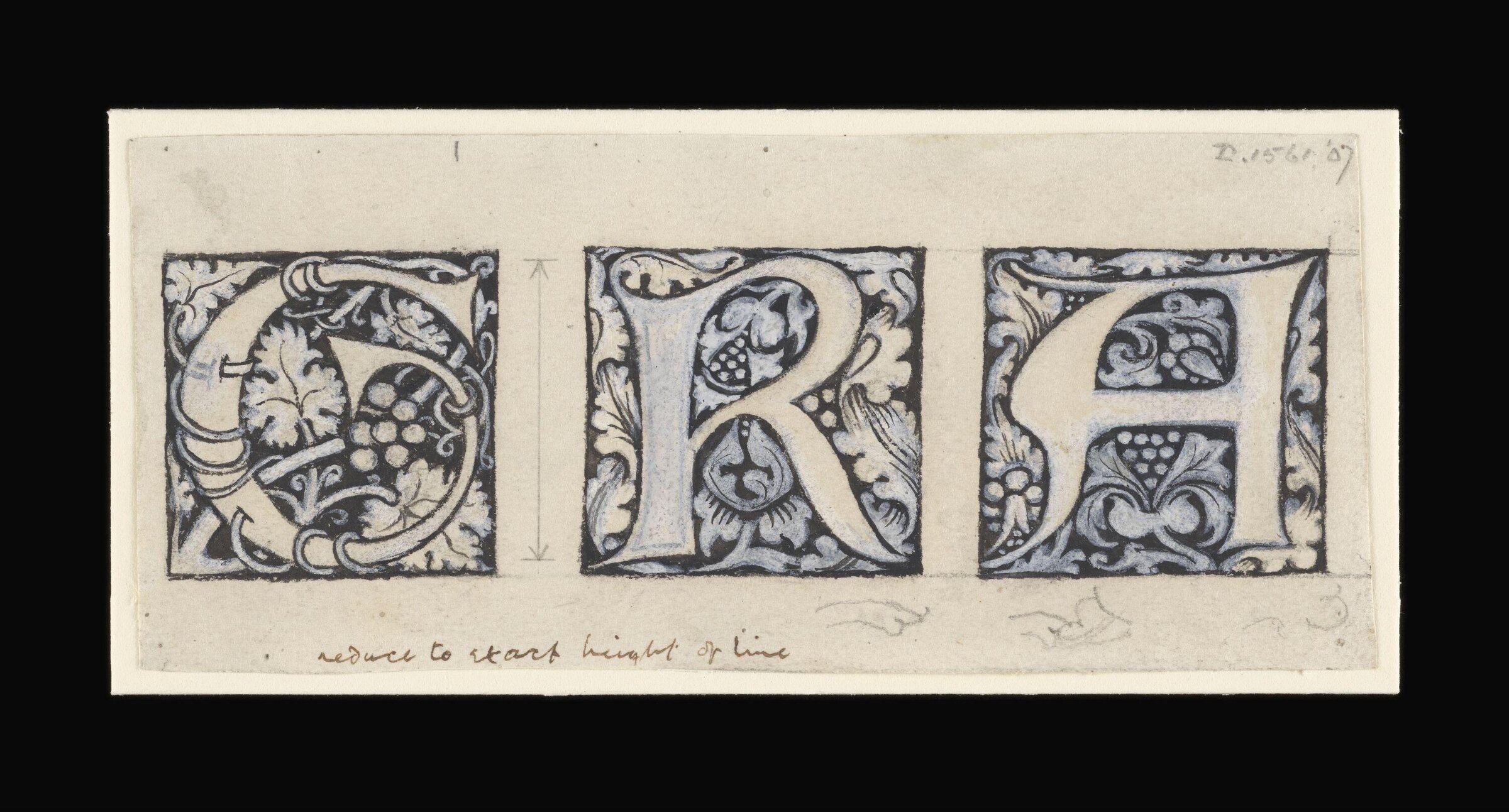
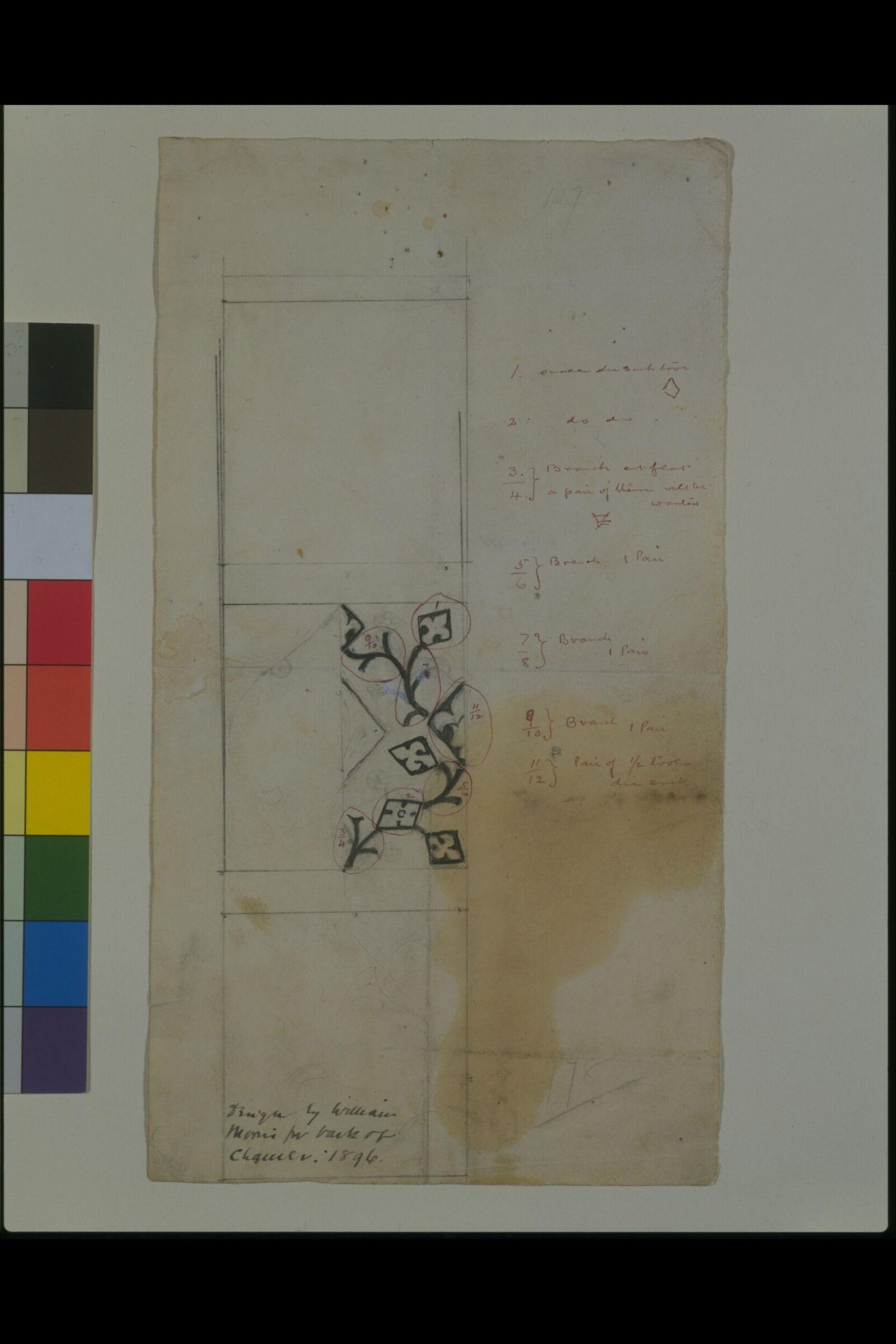
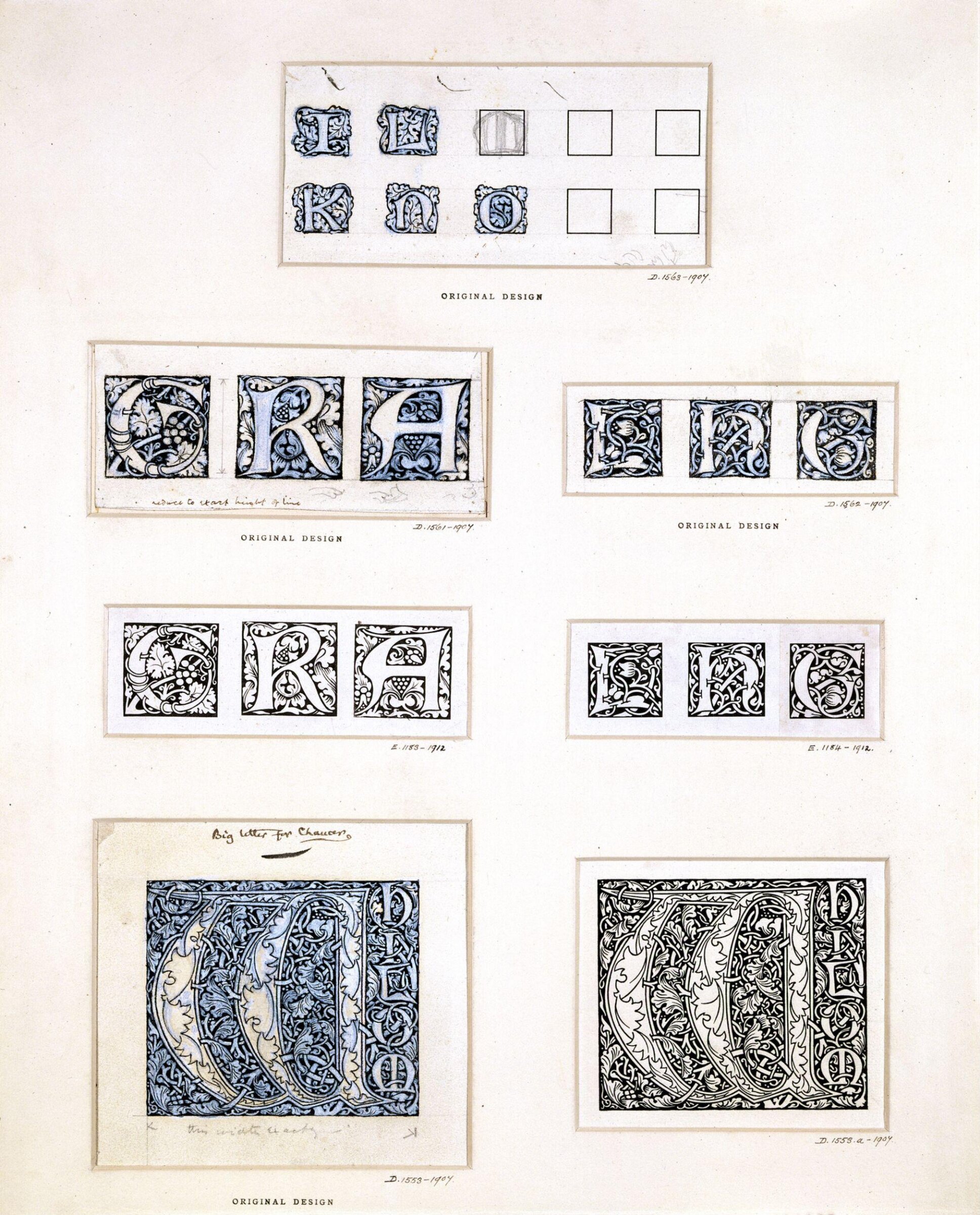
In 1891 he founded the Kelmscott Press to revive medieval traditions of bookmaking: small print runs and hand work from papermaking to printing (vellum for some books); he laid out every book himself, drew initials and miniatures and designed typefaces, and Burne-Jones and Walter Crane collaborated with him.