ART WIKI32.963 in sala
MappaCollezioneArtistiMuseiMostreRivista
Accedi

ART WIKI

Dove è appeso il capolavoro, e quando si può entrare.

Collezioni: Art Institute of Chicago, Cleveland Museum of Art, Ermitage, Galleria Tret'jakov, Getty Museum, Harvard Art Museums, Hirshhorn Museum and Sculpture Garden, Metropolitan Museum of Art, Minneapolis Institute of Art, Museo del Louvre, Museo Puškin delle belle arti, Museo russo, Museum of Modern Art, National Gallery of Art, National Museum of Asian Art, National Portrait Gallery, Rijksmuseum, Smithsonian American Art Museum, Statens Museum for Kunst, Victoria and Albert Museum, Villa Getty, Whitney Museum of American Art, Catalogo statale del fondo museale russo (274 musei), Europeana (19 musei), Wikidata (6 musei), Paris Musées (12 musei) e Joconde, la banca dati dei musei del Ministero della Cultura francese (495 musei). Le immagini appartengono ai titolari dei diritti.

Sezioni

  • Mappa
  • Ricerca
  • Collezione
  • Capolavori
  • Esposte ora
  • Artisti

Altro

  • Musei e gallerie
  • Mostre
  • Rivista
  • Da dove vengono i dati
  • Privacy e cookie
HomeMappaCatalogo
  1. Collezione/
  2. Museum of Modern Art/
  3. Napoleon in the Wilderness
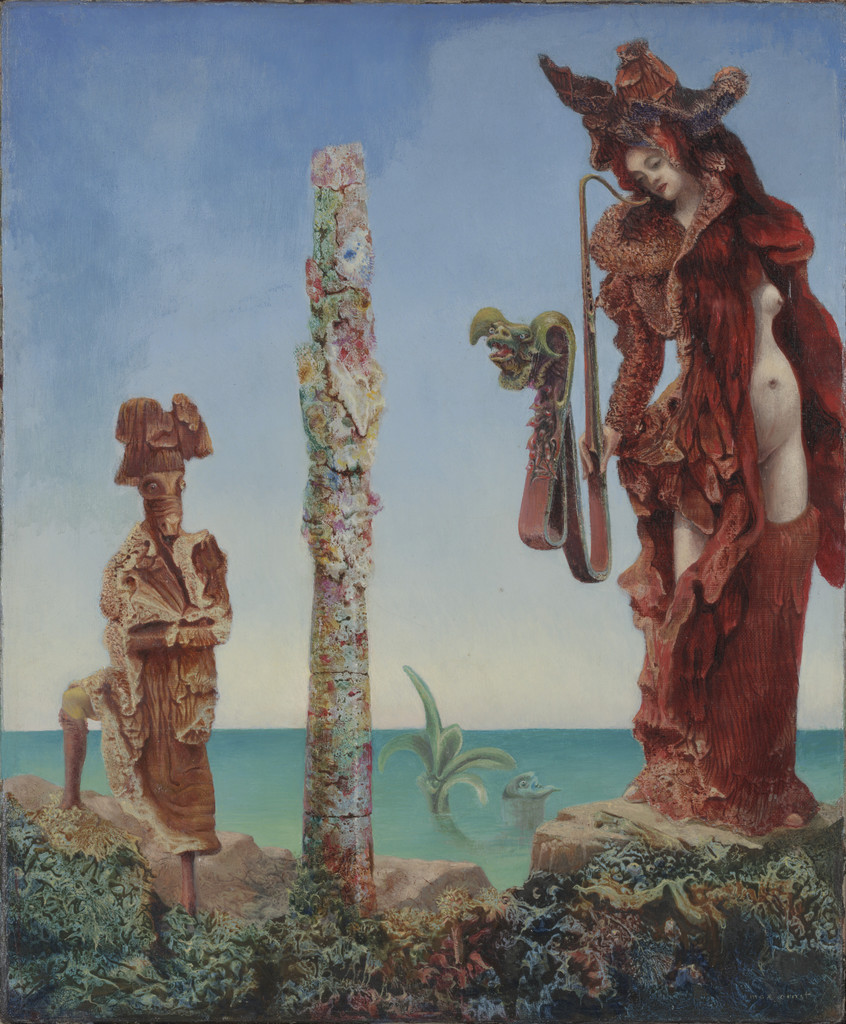
Napoleon in the Wilderness, Max Ernst, 1941
Max Ernst, ritrattoMax ErnstFrancia, 1891–1976

Napoleon in the Wilderness

1941 · Painting

Si può ammirare?

Sì, riceve visite

Museum of Modern Art

New York, Stati Uniti

SalaMoMA, Floor 5, 522

Esposta al pubblico. Chi lo garantisce è indicato qui sotto.

Verificato
8 giorni fa
Fonte
I dati di collezione del museo stesso
Sulla mappaPagina del museo

Sul dipinto

Napoleon in the Wilderness is a 1941 surrealist painting by Max Ernst in the collection of the Museum of Modern Art in New York City. The figure in the foreground is Ernst's partner at that time, the surrealist painter Leonora Carrington.

Wikipedia · CC BY-SA

Scheda

1941 · a 50 anni
18911976
Numero di inventario
12.1942

In catalogo

DipintiOlioPittura francesePittura tedescaPittura americanaModernismoXX secolo

Fonti

  • Museum of Modern Art: i dati aperti del museo · acquisita 15 giorni fa
  • Immagine: Museum of Modern Art — © the artist or rights holder

Nel frattempo, nella vita di Max Ernst

Tutta la vita
  1. 1939

    Interned as an “undesirable foreigner”

    When the Second World War broke out Ernst was arrested as a national of an enemy country: six weeks in a remand house at Largentière (Leonora Carrington followed him there), then the Camp des Milles near Aix-en-Provence, where he shared a room with Hans Bellmer, who painted his portrait with his face as a brick wall. At the end of the year he was released with the help of the Interior Minister Albert Sarraut, whom Paul Éluard had enlisted.

  2. 1940

    The house is sold and Leonora is in Spain

    Returning to Saint-Martin, Ernst found the house sold and Leonora, who had suffered a breakdown after his arrest, taken to Spain by a friend. He lived on help from his friend Joë Bousquet, who bought his paintings, and began a second version of Europe after the Rain.

  3. May – July 1940

    Arrested again: Saint-Nicolas camp and two escapes

    In May 1940 Ernst was sent back to Les Milles on a denunciation that he had signalled to the enemy with lights; as the German army approached, the internees were put on a train south to the Saint-Nicolas camp near Nîmes. Ernst escaped from it twice and in July obtained release thanks to his marriage to the French citizen Marie-Berthe, concealing, with her consent, that they were divorced.

  4. 1940–1941

    Escape from Europe: Marseille, Madrid, Lisbon

    In December 1940 Ernst reached Marseille, where Varian Fry handed him the papers obtained by Alfred Barr; there he met Breton and met Peggy Guggenheim, who bought a dozen of his works and resolved to help him leave. Via Madrid, where customs officers, admiring his paintings, let him through despite problems with his papers, he reached Lisbon and waited several weeks for a seat on a plane.

  5. 14 July 1941

    Arrival in the US and three days in detention

    On 14 July 1941 Ernst flew to the United States and was detained at the airport as a German citizen, but was released three days later, not without Peggy Guggenheim’s help. With her, her daughter and his son Jimmy he travelled around America, returning to New York in December.

  6. late 1942

    Dorothea Tanning and “Birthday”

    Selecting pictures for an exhibition of women artists at Peggy’s gallery, Ernst noticed Dorothea Tanning’s Birthday. Julien Levy introduced him to the painter, and a few meetings were enough for him to fall in love.
Altre opere di Max Ernst

Tutte le opere
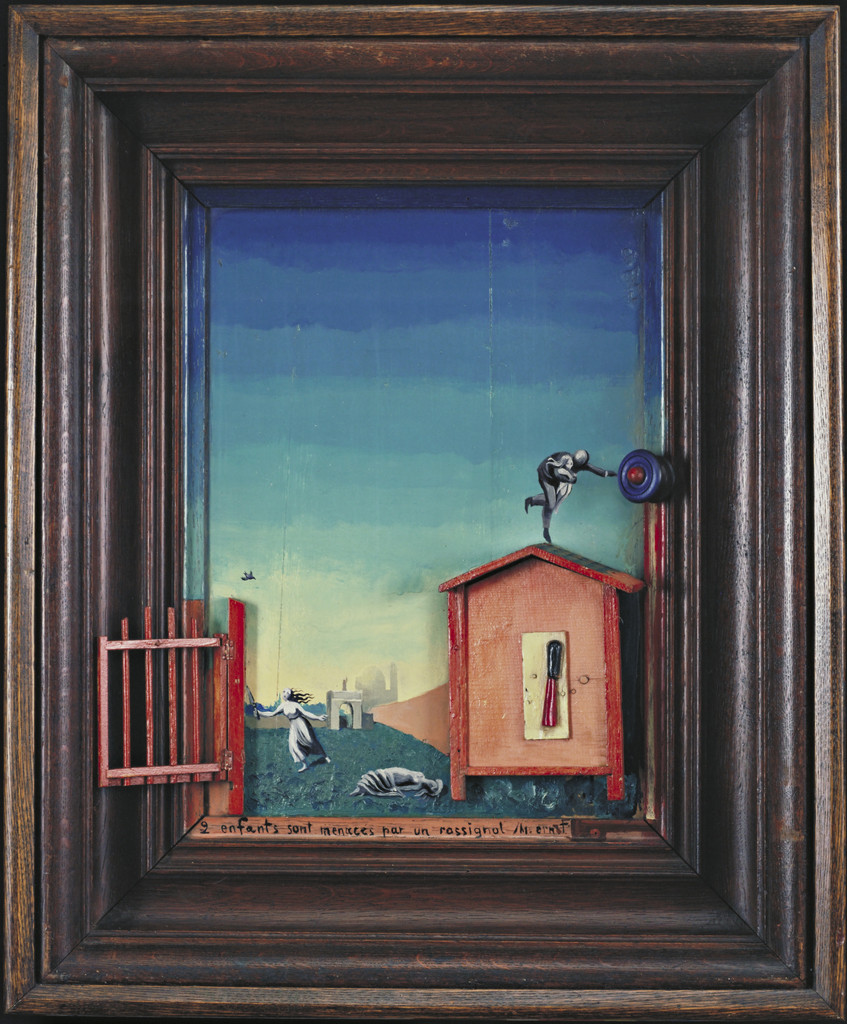
Two Children Are Threatened by a Nightingale (Deux Enfants sont menacés par un rossignol), Max Ernst, 1924

Two Children Are Threatened by a Nightingale (Deux Enfants sont menacés par un rossignol)

1924 · Museum of Modern Art

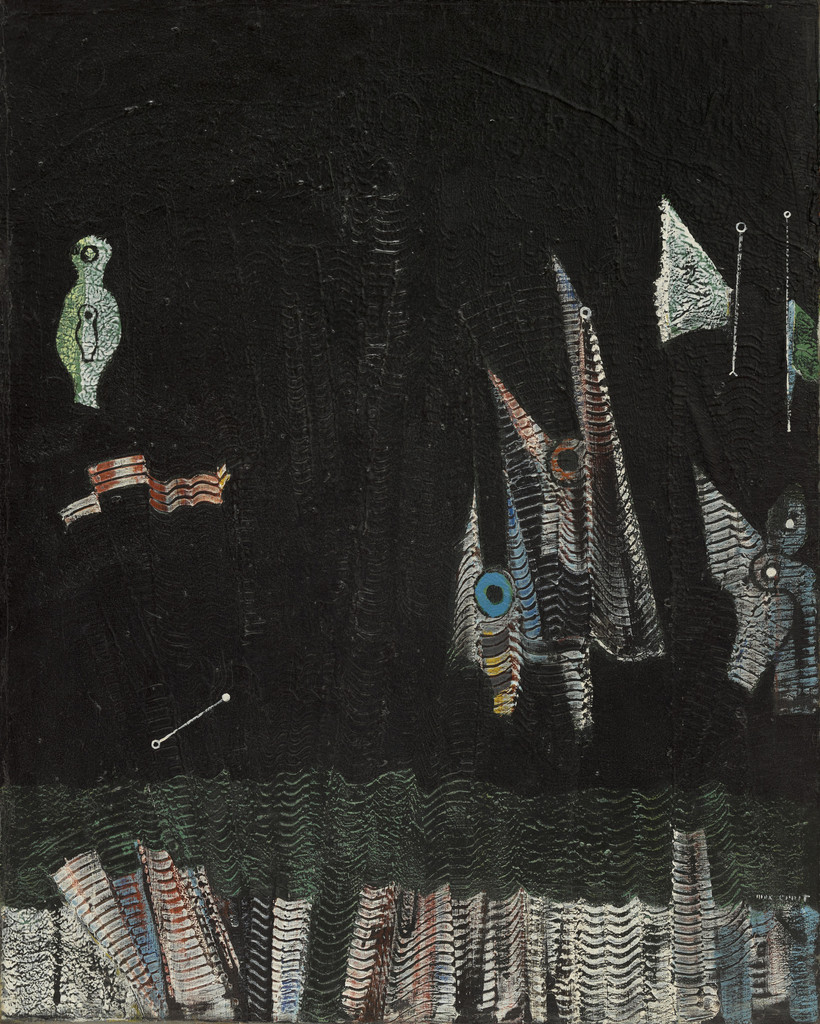
Birds above the Forest (Oiseaux au-dessus de la forêt), Max Ernst, 1929

Birds above the Forest (Oiseaux au-dessus de la forêt)

1929 · Museum of Modern Art

Bird-Head (Oiseau-tête), Max Ernst, 1934-35

Bird-Head (Oiseau-tête)

1934-35 · Museum of Modern Art

A Moment of Calm, Max Ernst, 1939

A Moment of Calm

1939 · National Gallery of Art

Forest and Sun, Max Ernst, 1927

Forest and Sun

1927 · Art Institute of Chicago

Self-Constructed Little Machine, Max Ernst, 1919/20

Self-Constructed Little Machine

1919/20 · Art Institute of Chicago

The Massacre of the Innocents, Max Ernst, 1920

The Massacre of the Innocents

1920 · Art Institute of Chicago

Untitled (Birds), Max Ernst, 1924

Untitled (Birds)

1924 · Art Institute of Chicago

Sotto lo stesso tetto: Museum of Modern Art

Pagina del museo
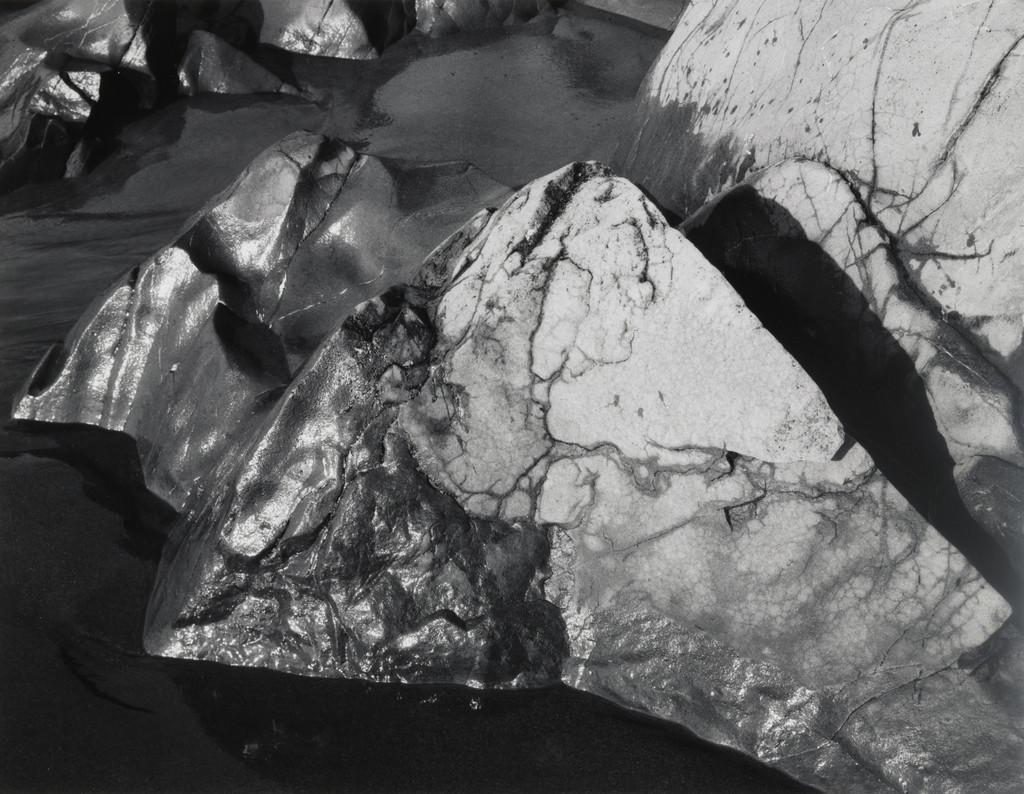
Rock, Bakers Beach, San Francisco, California, Ansel Adams, c. 1931

Ansel Adams

Rock, Bakers Beach, San Francisco, California, c. 1931

The Olive Trees, Vincent van Gogh, Saint Rémy, June-July 1889

Vincent van Gogh

The Olive Trees, Saint Rémy, June-July 1889

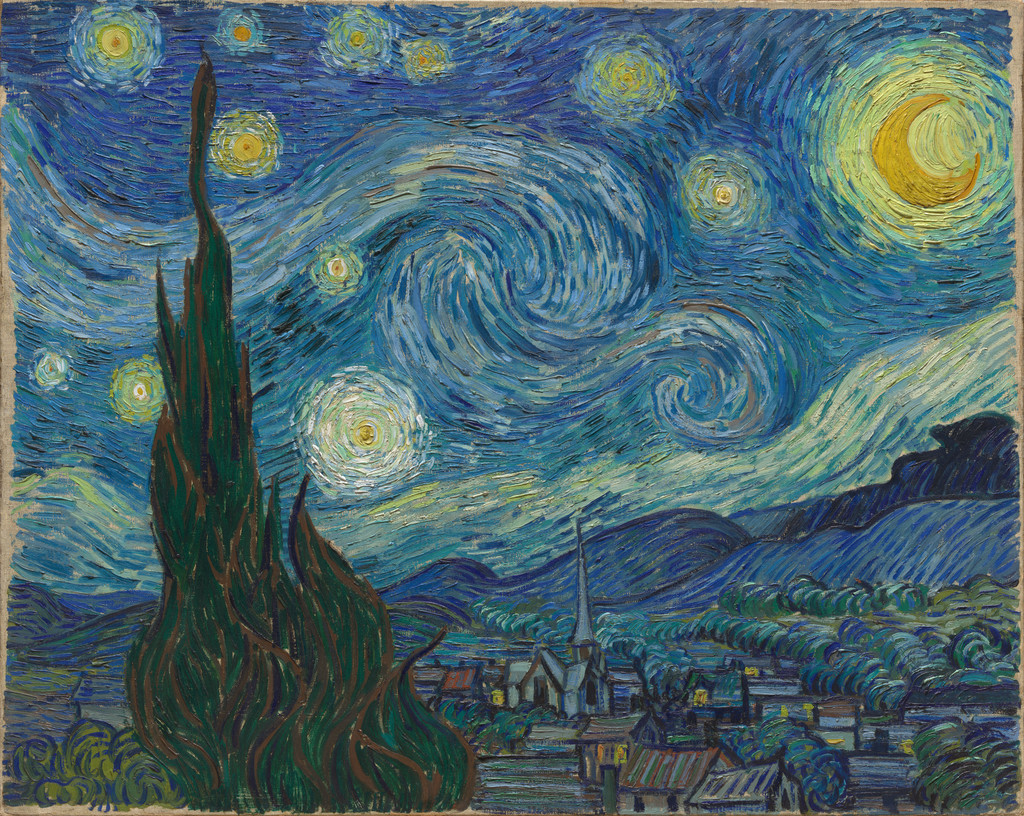
The Starry Night, Vincent van Gogh, Saint Rémy, June 1889

Vincent van Gogh

Notte stellata, Saint Rémy, June 1889

Goat Skull and Bottle, Pablo Picasso, Vallauris, 1951 (cast 1954)

Pablo Picasso

Goat Skull and Bottle, Vallauris, 1951 (cast 1954)

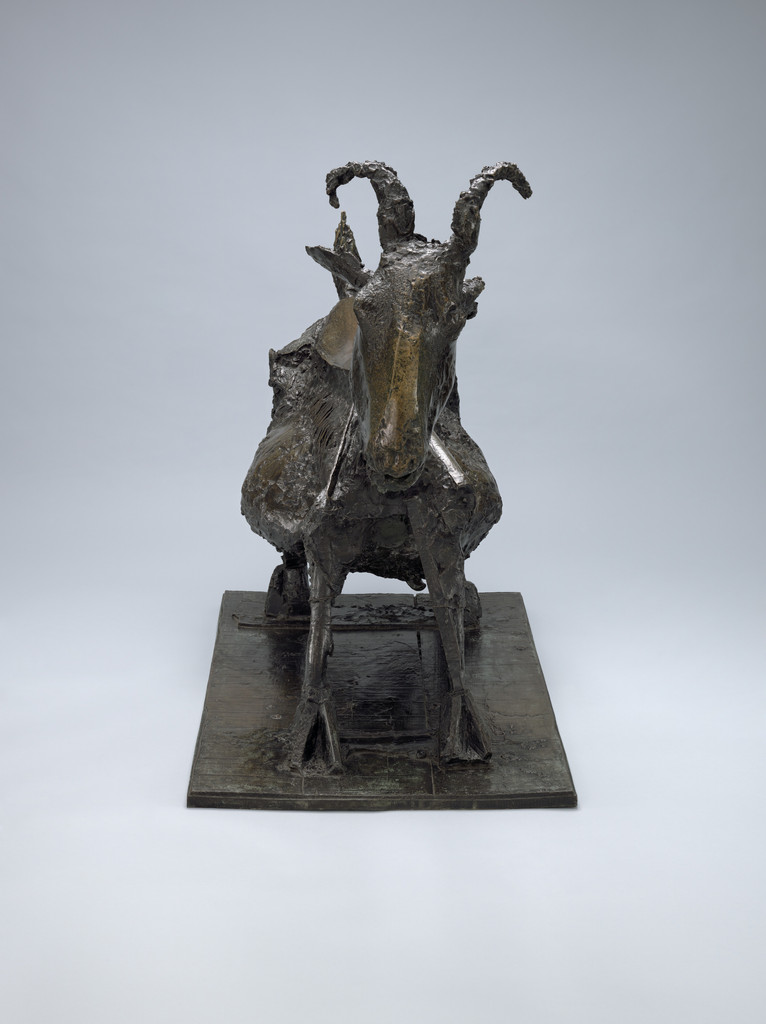
She-Goat, Pablo Picasso, Vallauris, 1950 (cast 1952)

Pablo Picasso

She-Goat, Vallauris, 1950 (cast 1952)

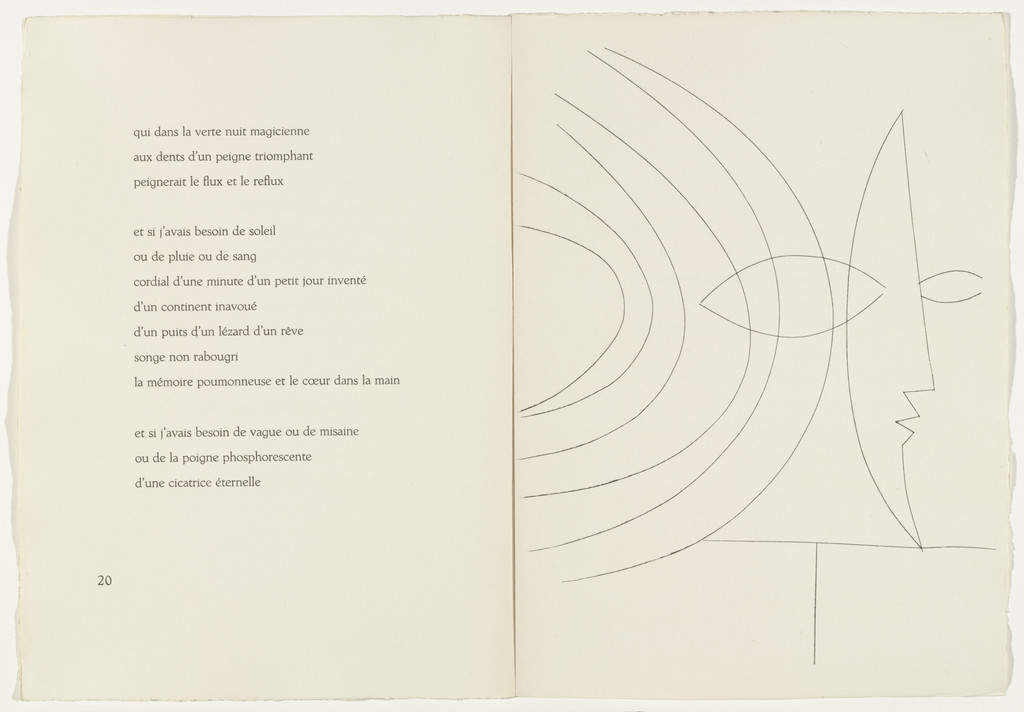
Face in Profile (plate, page 21) from Corps perdu, Pablo Picasso, 1949, published 1950

Pablo Picasso

Face in Profile (plate, page 21) from Corps perdu, 1949, published 1950

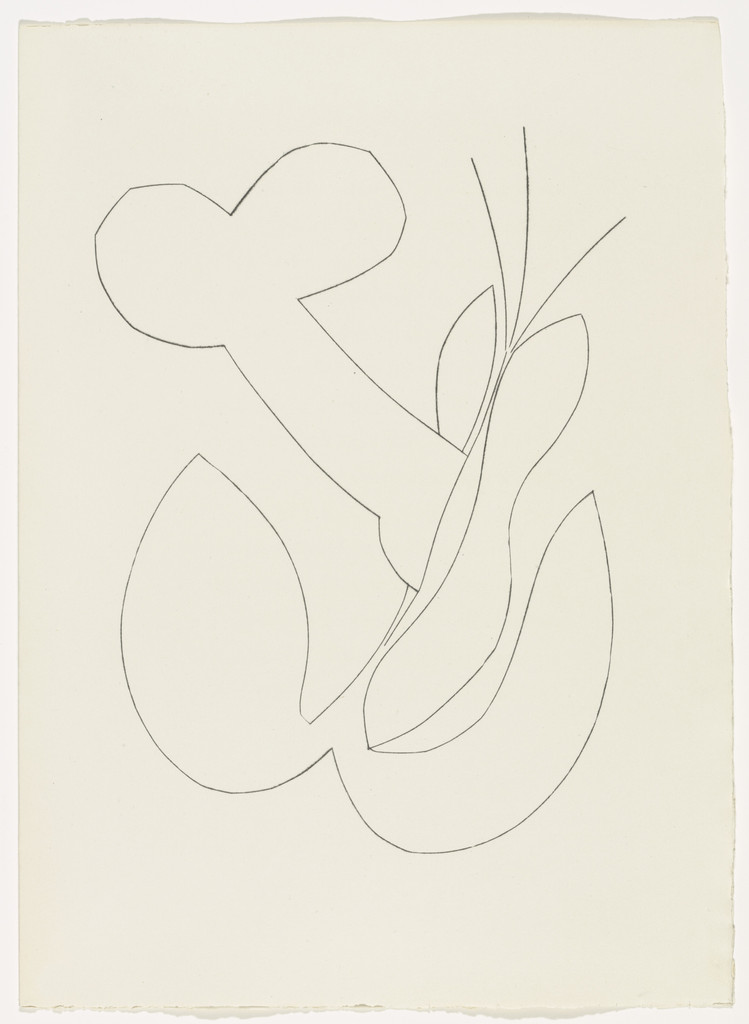
Coupling (plate, page 17) from Corps perdu, Pablo Picasso, 1949, published 1950

Pablo Picasso

Coupling (plate, page 17) from Corps perdu, 1949, published 1950

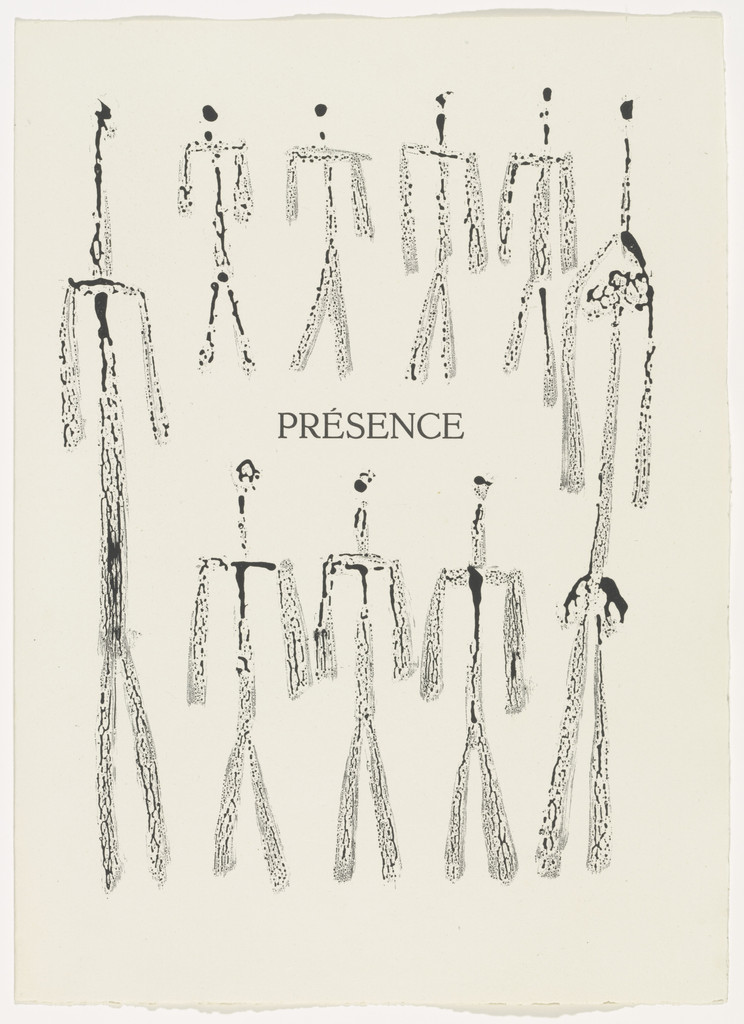
"Présence" (chapter title, page 13) from Corps perdu, Pablo Picasso, 1949, published 1950

Pablo Picasso

"Présence" (chapter title, page 13) from Corps perdu, 1949, published 1950