 Edward William CookeInghilterra, 1811–1880
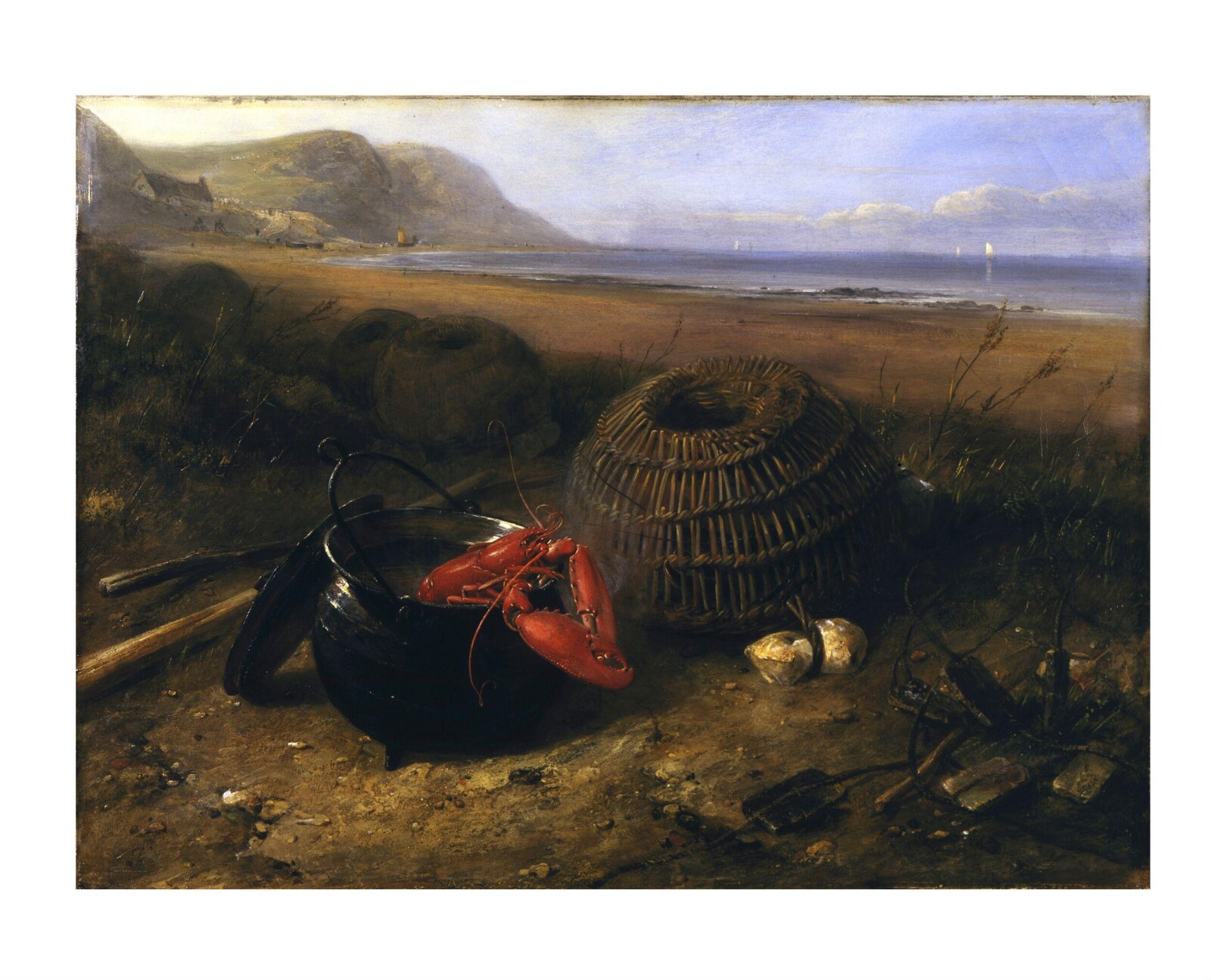
Lobster Pots, Ventnor
Si può ammirare?
Sì, riceve visite

Esposta al pubblico.
- Verificato
- Ultimo cambio di stato
- Fonte
- Il museo
Sul dipinto
Object Type
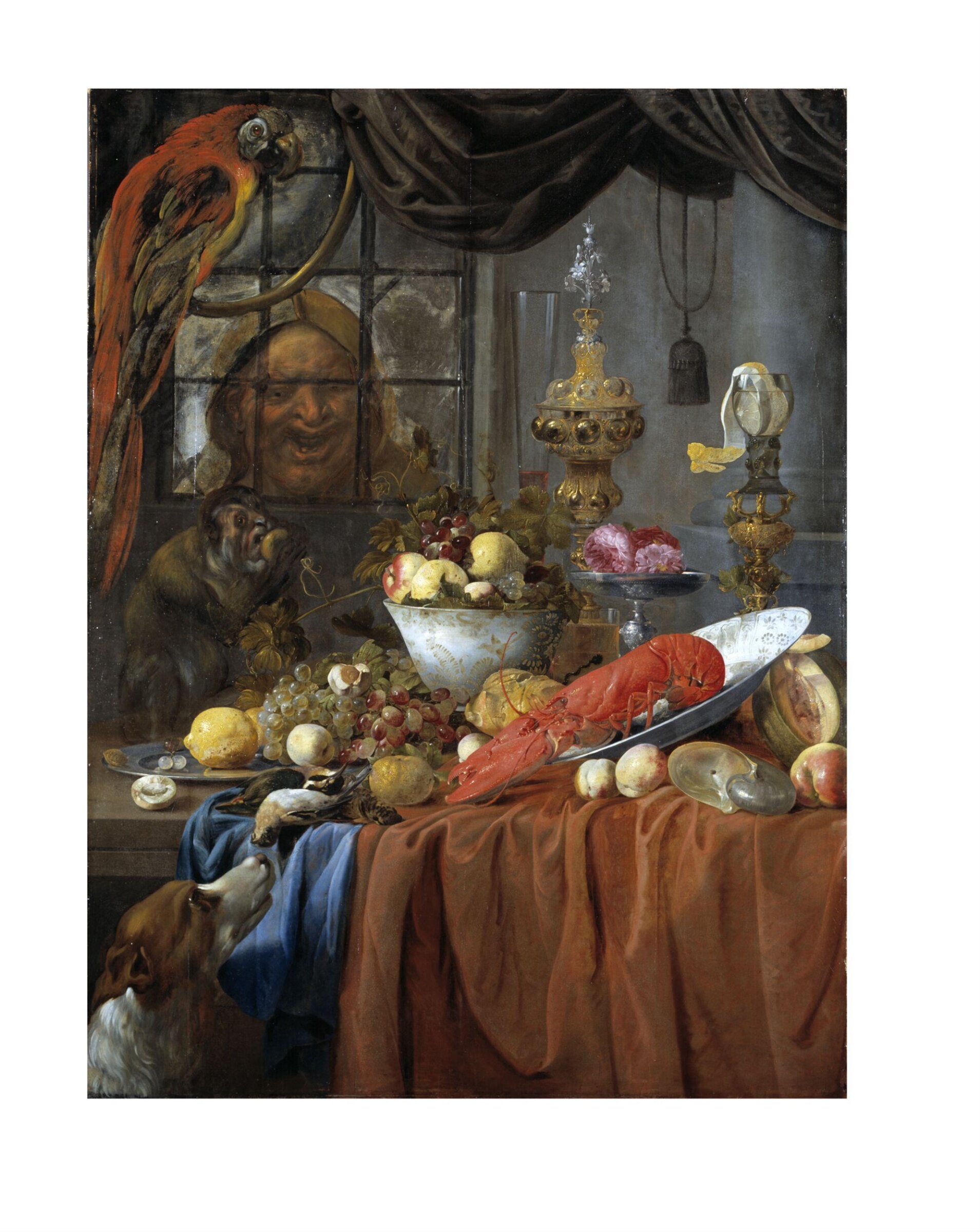
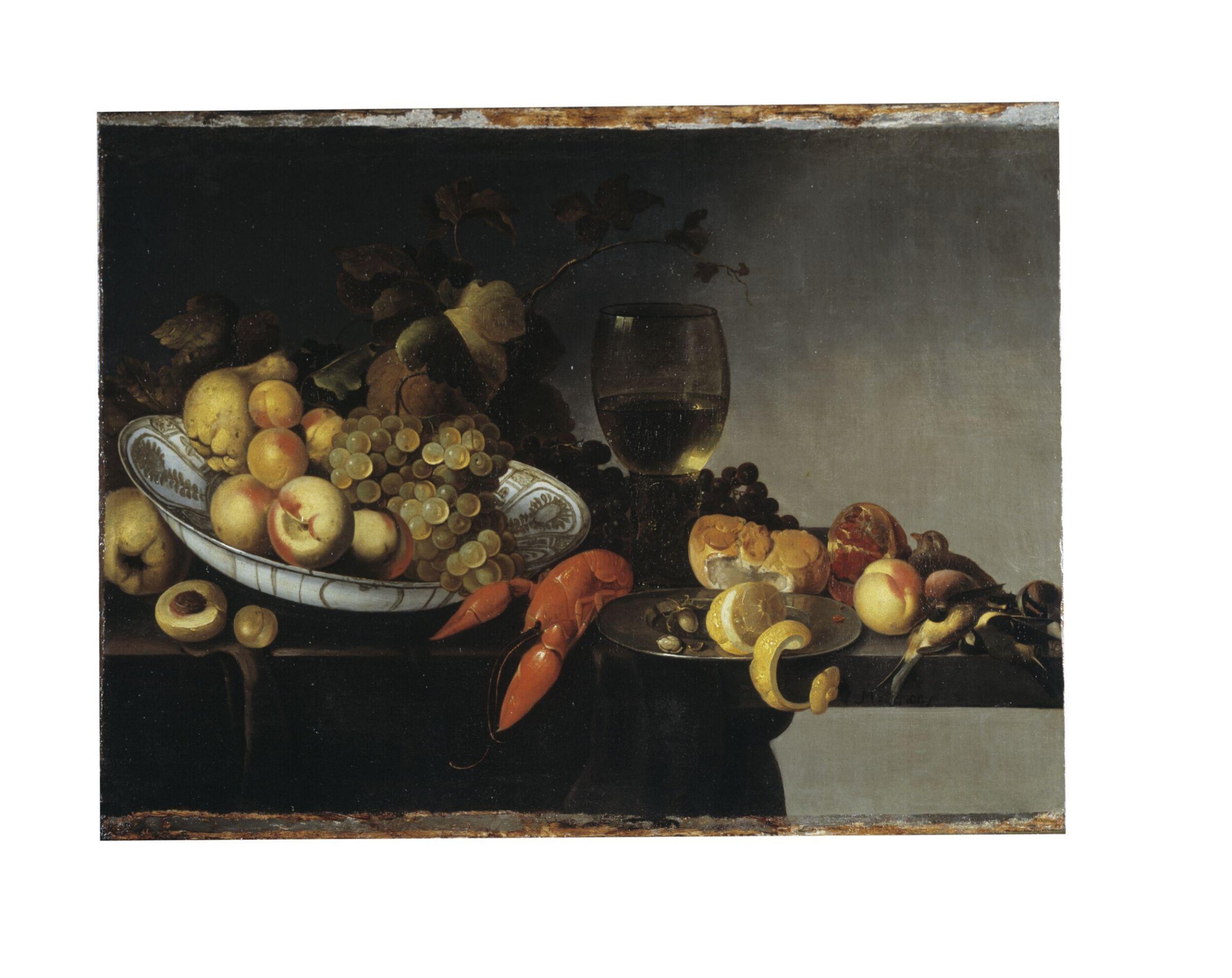
Still life paintings in the Dutch manner were very popular in Victorian Britain, and had been collected since the 17th century. Some British painters imitated this kind of oil painting in order to meet the steady demand.
Subjects Depicted
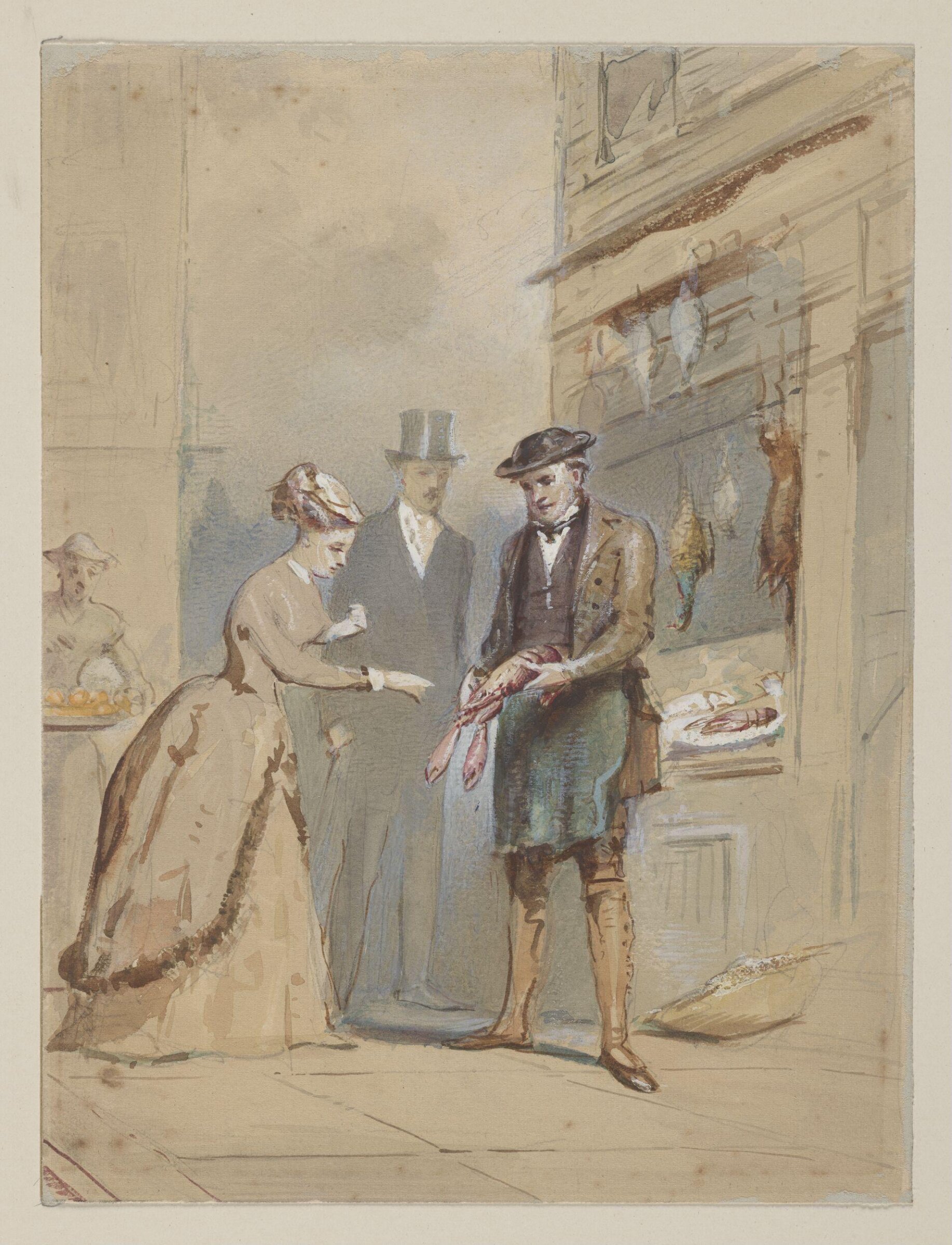
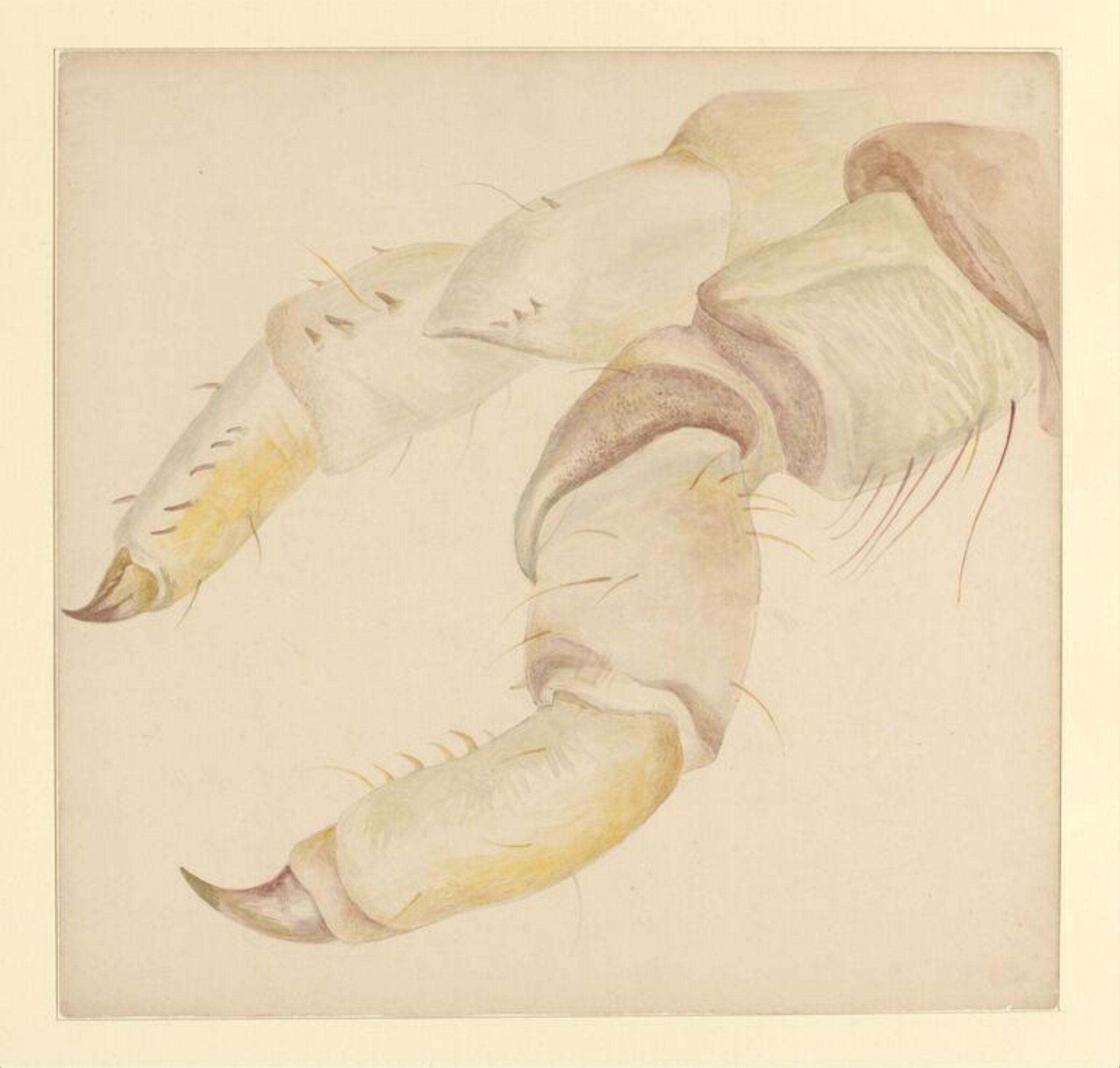
In September 1835 Cooke went on a sketching tour of Portsmouth and the Isle of Wight, where he stayed at the Crab and Lobster Inn, Ventnor. There a local fisherman not only taught him how to make baskets and lobster pots, but also made scale models of them, presumably for the artist to paint from in his studio. Then as now, fresh lobsters were considered a luxury food, and the image of a lobster still in its iron cooking pot would have given this work some of the appeal of a Dutch still life painting of food, but set unusually in the open air.
People
Leggi
Edward William Cooke (1811-1880) started painting when he was very young, and aged only nine made drawings for the Encyclopaedia of Plants (1820). He had a long and profitable career as a marine painter, exhibiting 130 works at the Royal Academy. John Sheepshanks collected 11 of his paintings, as well as a number of watercolour studies for them.
Victoria and Albert Museum
Scheda
- Numero di inventario
- FA.39[O]
Che cosa raffigura
In catalogo
Fonti
- Victoria and Albert Museum
- Immagine: Victoria and Albert Museum — © Victoria and Albert Museum, London