 Hiram PowersStati Uniti, 1805–1873
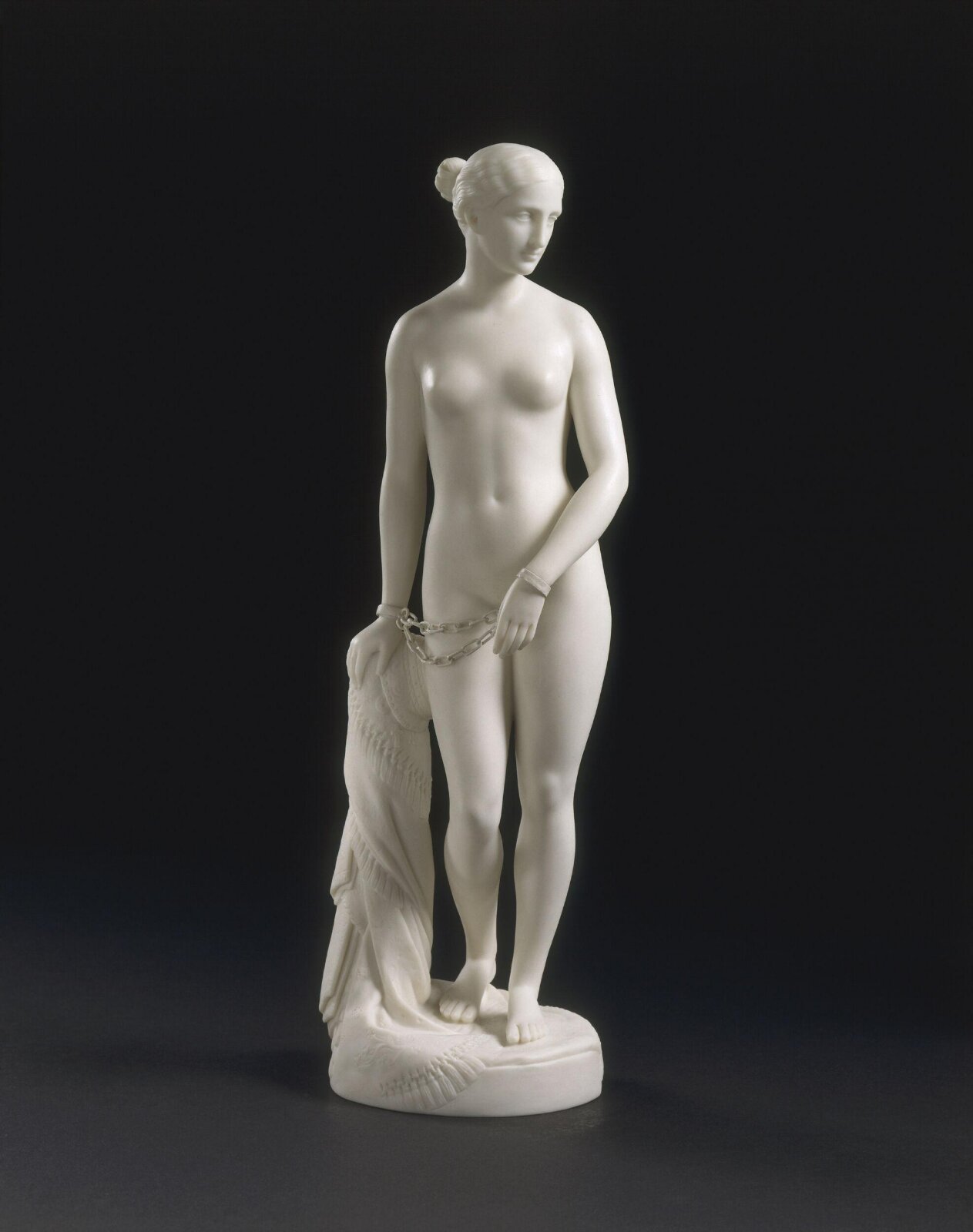
The Greek Slave
Si può vedere?
Sì, esposta ora
Dove si trova «The Greek Slave» oggi? Victoria and Albert Museum, British Galleries, Room 122, Londra. Sì, esposta ora. Verificato 25 settembre 2026.

Chiuso· apre domani alle 10:00
Esposta al pubblico.
- Verificato
- Ultimo cambio di stato
- Fonte
- Il museo
Sulla scultura
Object Type
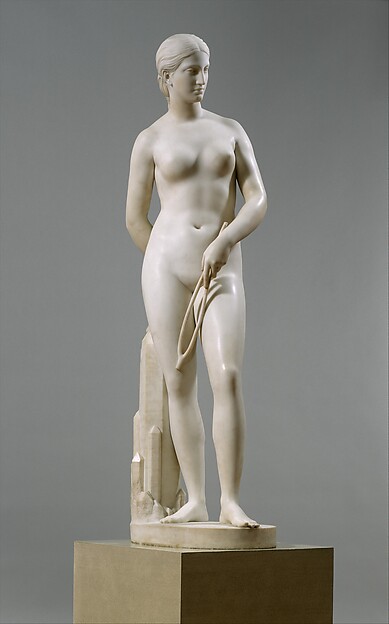
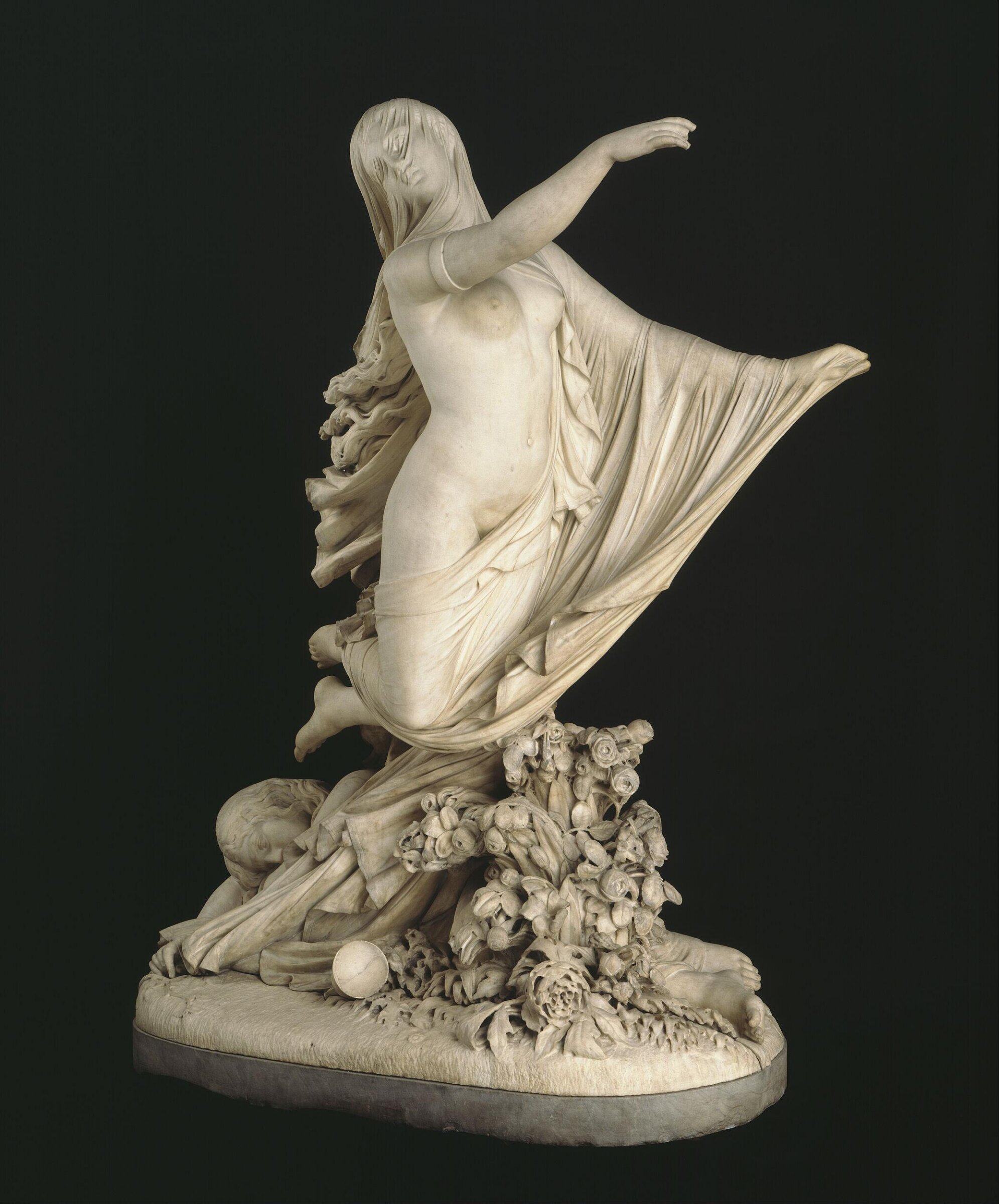
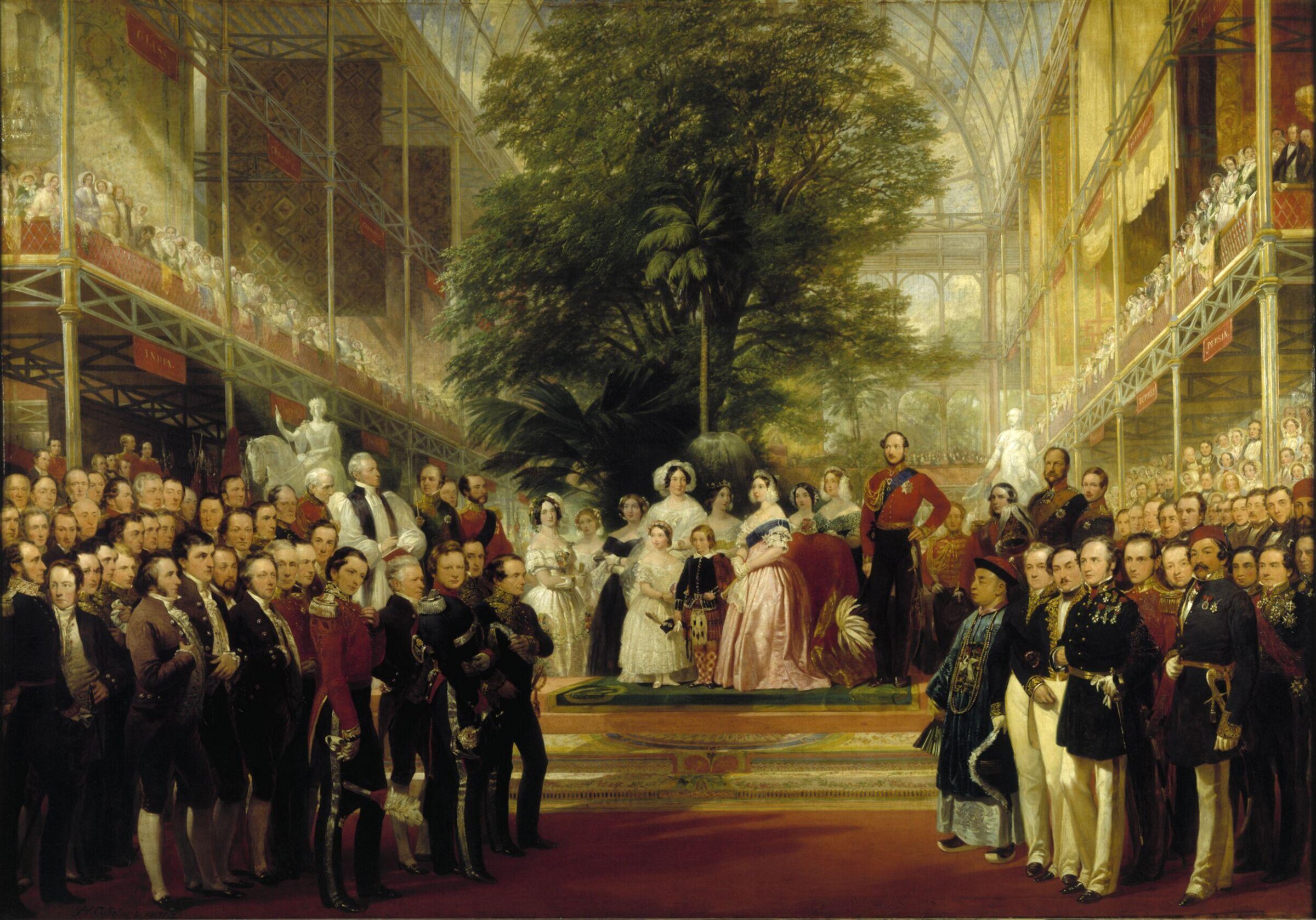
Minton's version of The Greek Slave was first produced in 1848 and is made of Parian, Minton's name for statuary porcelain, which alludes to the white marble from the Greek isle, Paros. The figure copied a marble statue by Hiram Powers (1805-1873) which was first exhibited in London in 1845 and is now in Raby Castle, Durham. A marble replica, now in the Corcoran Gallery, Washington DC, was shown at the Great Exhibition of 1851. It stood against a red plush backdrop in the main avenue of the Crystal Palace and was much admired, despite ambivalent Victorian attitudes to displayed nudity. It became a focus for abolitionist demonstrations and its reproductions became a symbol used to further the abolitionist cause.
Materials & Making
Leggi
At the Exhibition of 1851, Minton's trade name, Parian was in general use for all vitrified unglazed bone china, even though rival companies had invented their own names for the material. Each part of a figure was made in a separate mould. The smooth appearance of the finished figure was admired as much for its technical skill as for its aesthetic qualities. Minton produced over 500 Parian figures between 1845 and 1910.
People
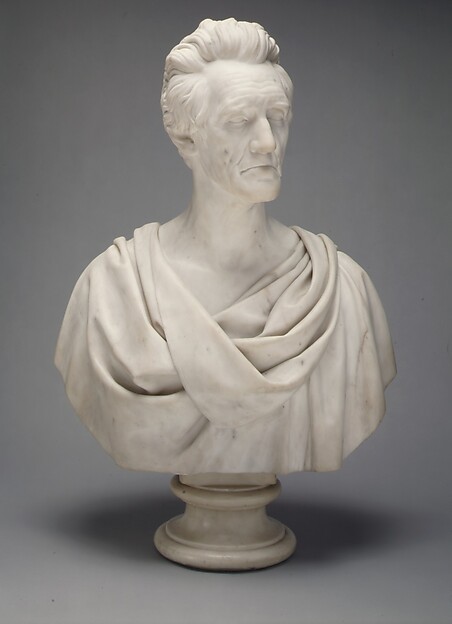
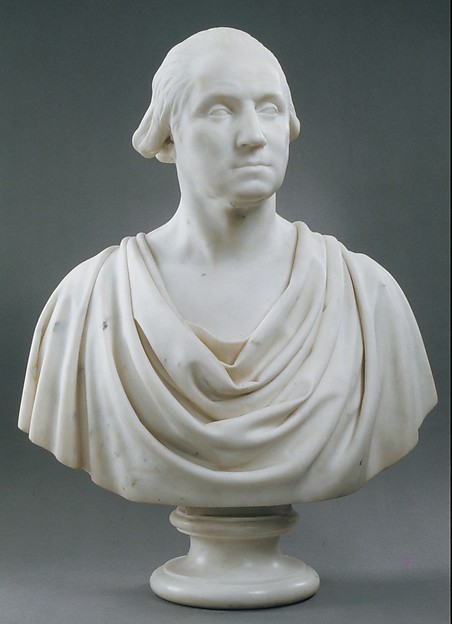
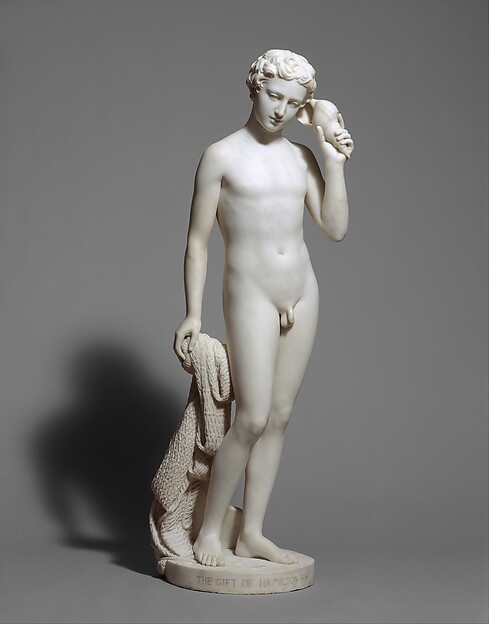
The American sculptor, Hiram Powers (1805-1873) was the son of a Vermont farmer who was fortunate to receive help from a patron to move to Florence in 1837, where he established his reputation. The Greek Slave sculpture and its reproductions made Powers one of the first nineteenth-century American artists to gain international repute. The original sculpture attracted over 100,000 viewers when it toured the USA in 1847. Frederick Douglass (1817-1895), the influential African American abolitionist who travelled the world campaigning against slavery, owned one of Minton's Parian versions of The Greek Slave.
Subjects Depicted
The object depicts a Greek woman exposed for sale at a Turkish bazaar, with chains around her hands. It alludes to the Greek War of Independence (1821-1832) but was topical as although slavery was abolished in Britain in 1833, it was still prevalent in many American states. Minton later produced further figures of enslaved people, including A Daughter of Eve (The American Slave) copying a sculpture by John Bell, in 1862. These Parian copies of larger sculptures were produced on a domestic scale in order to provoke sympathy with and demonstrate allegiance to the cause, bringing the subject of abolition and slavery into people's homes.
Victoria and Albert Museum
Scheda
- Numero di inventario
- CIRC.90-1968
In catalogo
Fonti
- Victoria and Albert Museum
- Immagine: Victoria and Albert Museum — © Victoria and Albert Museum, London