ART WIKI33.040 in sala
MappaCollezioneArtistiMuseiMostreRivista
Accedi

ART WIKI

Dove è appeso il capolavoro, e quando si può entrare.

Collezioni: Art Institute of Chicago, Cleveland Museum of Art, Ermitage, Galleria Tret'jakov, Getty Museum, Harvard Art Museums, Hirshhorn Museum and Sculpture Garden, Metropolitan Museum of Art, Minneapolis Institute of Art, Museo del Louvre, Museo Puškin delle belle arti, Museo russo, Museum of Modern Art, National Gallery of Art, National Museum of Asian Art, National Portrait Gallery, Rijksmuseum, Smithsonian American Art Museum, Statens Museum for Kunst, Victoria and Albert Museum, Villa Getty, Whitney Museum of American Art, Catalogo statale del fondo museale russo (274 musei), Europeana (19 musei), Wikidata (6 musei), Paris Musées (12 musei) e Joconde, la banca dati dei musei del Ministero della Cultura francese (495 musei). Le immagini appartengono ai titolari dei diritti.

Sezioni

  • Mappa
  • Ricerca
  • Collezione
  • Capolavori
  • Esposte ora
  • Artisti

Altro

  • Musei e gallerie
  • Mostre
  • Rivista
  • Da dove vengono i dati
  • Privacy e cookie
HomeMappaCatalogo
  1. Collezione/
  2. Museo del Louvre/
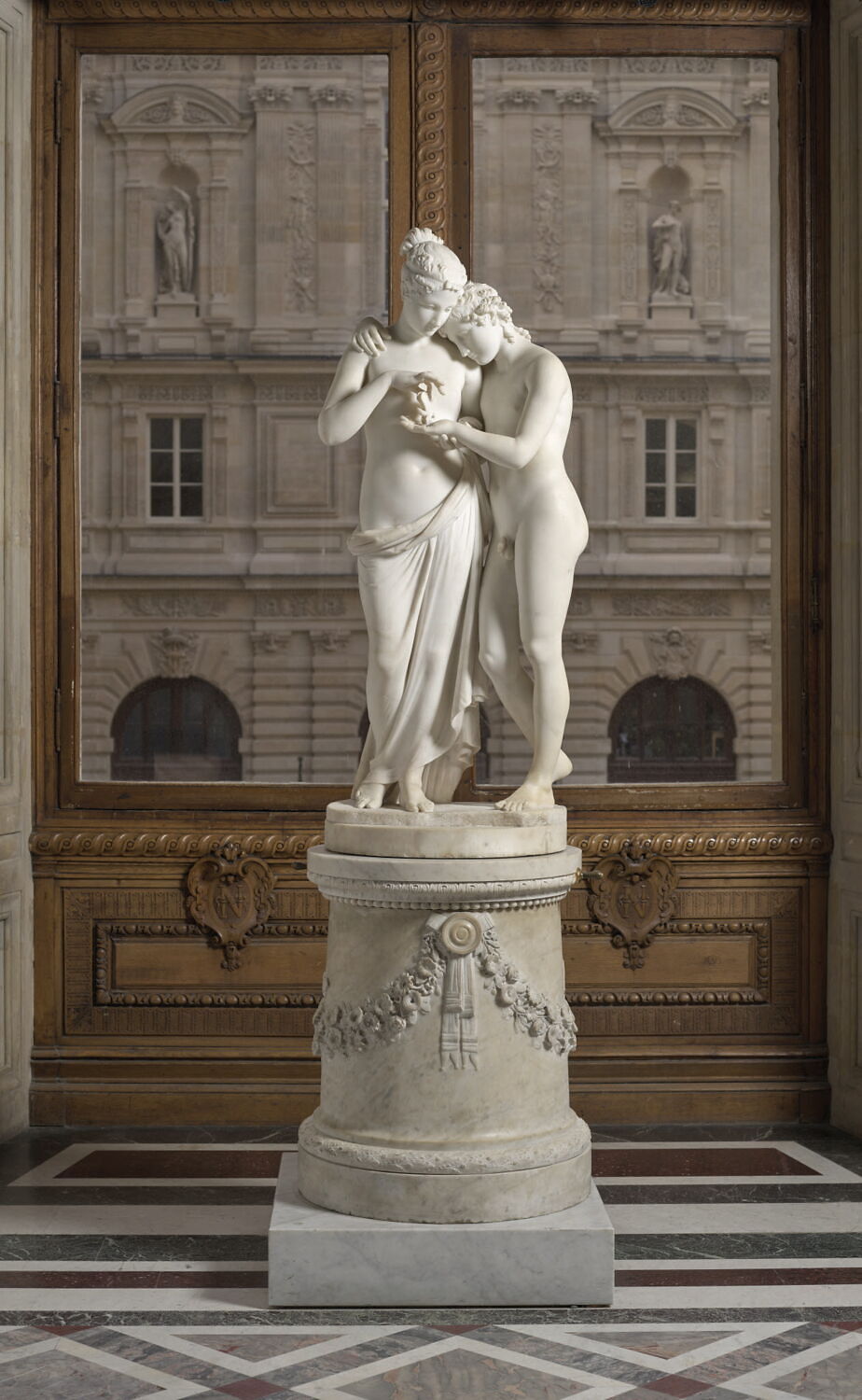
  3. L'Amour et Psyché debout
L'Amour et Psyché debout, Canova, Antonio, vers 1797
Antonio Canova, ritrattoAntonio CanovaItalia, 1757–1822

L'Amour et Psyché debout

vers 1797 · groupe

Si può ammirare?

Non si sa

Museo del Louvre

Parigi, Francia

Il proprietario è noto; non si sa se oggi sia esposta.

Ultimo cambio di stato
26 set 2026
Fonte
Il museo
Sulla mappaPagina del museo

Sulla scultura

Amore e Psiche stanti è un’opera di Antonio Canova conservata nel Museo dell'Ermitage a San Pietroburgo. La scultura è alta 145 cm ed è in marmo bianco, è stata scolpita fra il 1796 e il 1800.

Wikipedia · CC BY-SA

Scheda

vers 1797 · a 40 anni
17571822
Numero di inventario
MR 1776

In catalogo

SculturaMarmoNeoclassicismoXVIII secolo

Fonti

  • Museo del Louvre
  • Immagine: Museo del Louvre — © 2024 GrandPalaisRmn (musée du Louvre) / Gabriel de Carvalho

Nel frattempo, nella vita di Antonio Canova

Tutta la vita
  1. 1775–1800

    Shows his statues by candlelight

    In the last quarter of the eighteenth century it became fashionable to view galleries at night by torchlight, and Canova seized on the fad: he displayed his works in his studio by candlelight and finished the statues by candlelight with special tools, softening the transitions between the parts of the nude. He then rubbed the marble with pumice, sometimes for weeks or months, and if need be with tripoli and lead.

  2. 1790–1795

    The monument to Titian is never built

    In 1790 he began work on a pyramid-shaped tomb for Titian in the church of the Frari, but by 1795 the project was abandoned for lack of funds. Canova reused the idea for the tomb of Archduchess Maria Christina in the Augustinian church in Vienna.

  3. 1790s

    Declines Catherine the Great’s invitation

    News of Canova’s work reached Russia, and Empress Catherine II tried to summon the sculptor to her court; he politely declined the honourable invitation and, in thanks, made a second version of “Cupid and Psyche”, now in the Hermitage in St Petersburg.

  4. 1791–1818

    Honorary member of many academies in Europe and America

    Canova was elected an honorary member of many academies: Florence (1791), Stockholm (1796), Verona (1803), Venice (1804), Siena (1805), Lucca (1806), St Petersburg (1804), Geneva (1804), Denmark (1805), Graz (1812), Marseille (1813), Monaco (1814), New York (1817), Antwerp and Vilnius (1818), and also Philadelphia.

  5. 1796

    So many commissions that he lacks hands

    In these years Canova was literally swamped with commissions: in 1796 he confessed to Selva that if he had several hands, all of them would be busy.

  6. 1797–1799

    Leaves Rome: Vienna, then Possagno

    With the dawn of the Napoleonic era Canova’s position grew difficult: he lost many powerful patrons. In 1797 he went to Vienna (by other accounts, also to Prague, Dresden, Berlin and Munich), a year later returned to Possagno for a year, and then went back to Rome, which he came to regard as the only city suited to his artistic ambitions.
Altre opere di Antonio Canova

Tutte le opere
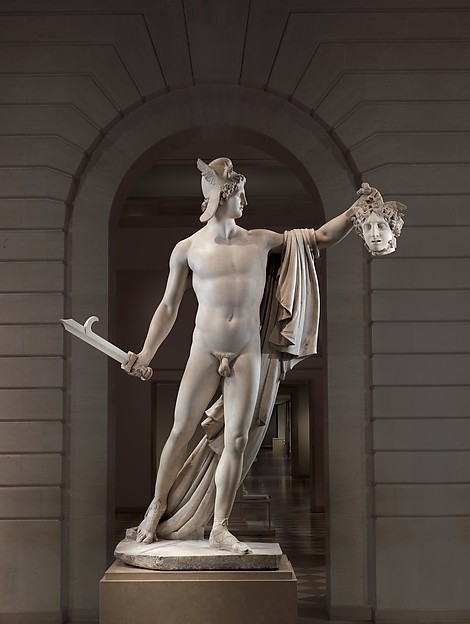
Perseus with the Head of Medusa, Antonio Canova, 1804–6

Perseus with the Head of Medusa

1804–6 · Metropolitan Museum of Art

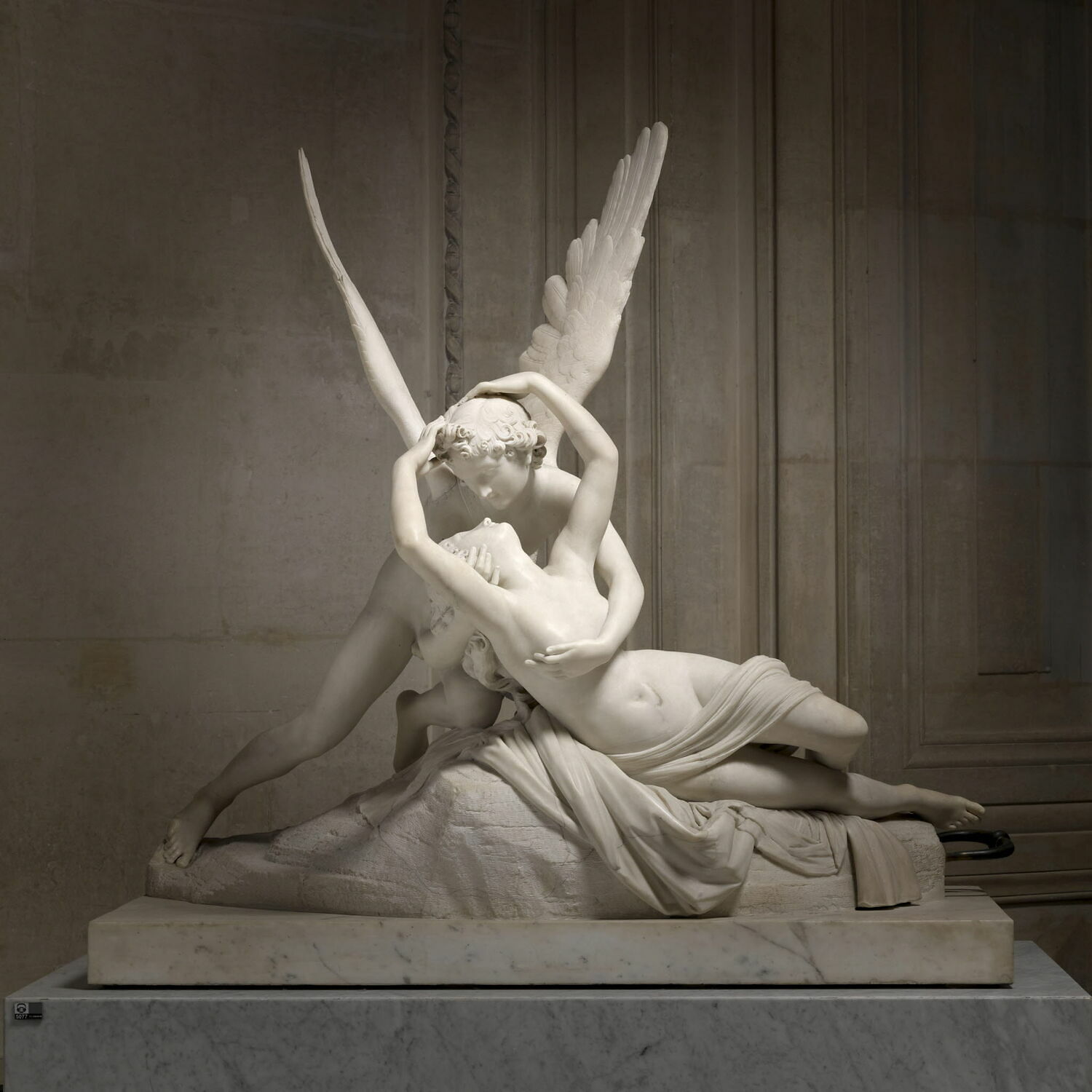
L'Amour et Psyché à demi couchée, Canova, Antonio, 1787 - 1793

Amore e Psiche

1787 - 1793 · Museo del Louvre

Cupid and Psyche, Antonio Canova, 1794

Cupid and Psyche

1794 · Metropolitan Museum of Art

Winged Victory, Antonio Canova, after the Antique, c. 1803/1806

Winged Victory

c. 1803/1806 · National Gallery of Art

Dancer with Finger on Chin, Antonio Canova, model 1809/1814, carved 1819/1823

Dancer with Finger on Chin

model 1809/1814, carved 1819/1823 · National Gallery of Art

Venus Italica, Antonio Canova, probably ca. 1822–23, variant of marble first executed 1810

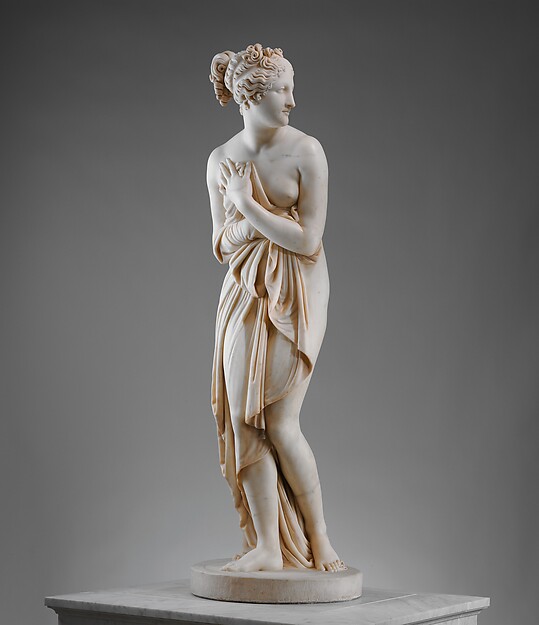
Venus Italica

probably ca. 1822–23, variant of marble first executed 1810 · Metropolitan Museum of Art

Paris, Antonio Canova, ca. 1822–23, original marble version completed November 1812

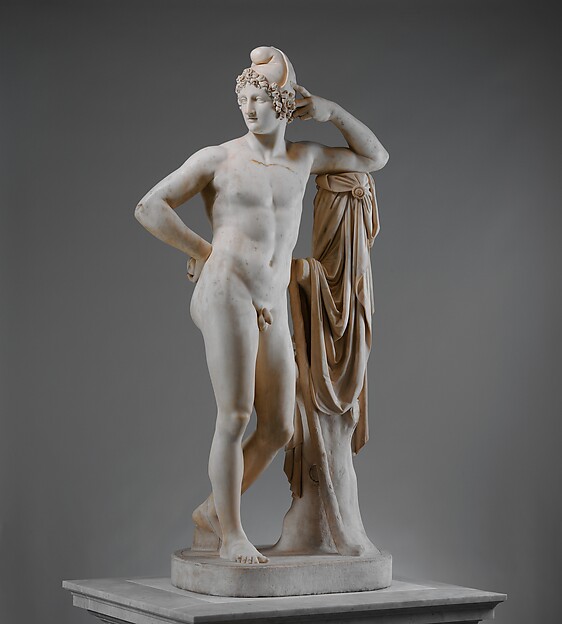
Paris

ca. 1822–23, original marble version completed November 1812 · Metropolitan Museum of Art

Naiad, Antonio Canova, model 1815/1817, carved 1820/1823

Naiad

model 1815/1817, carved 1820/1823 · National Gallery of Art

Sotto lo stesso tetto: Museo del Louvre

Pagina del museo
Portrait of Marten Soolmans, Rembrandt van Rijn, 1634

Rembrandt van Rijn

Portrait of Marten Soolmans, 1634

Portrait of Oopjen Coppit, Rembrandt van Rijn, 1634

Rembrandt van Rijn

Portrait of Oopjen Coppit, 1634

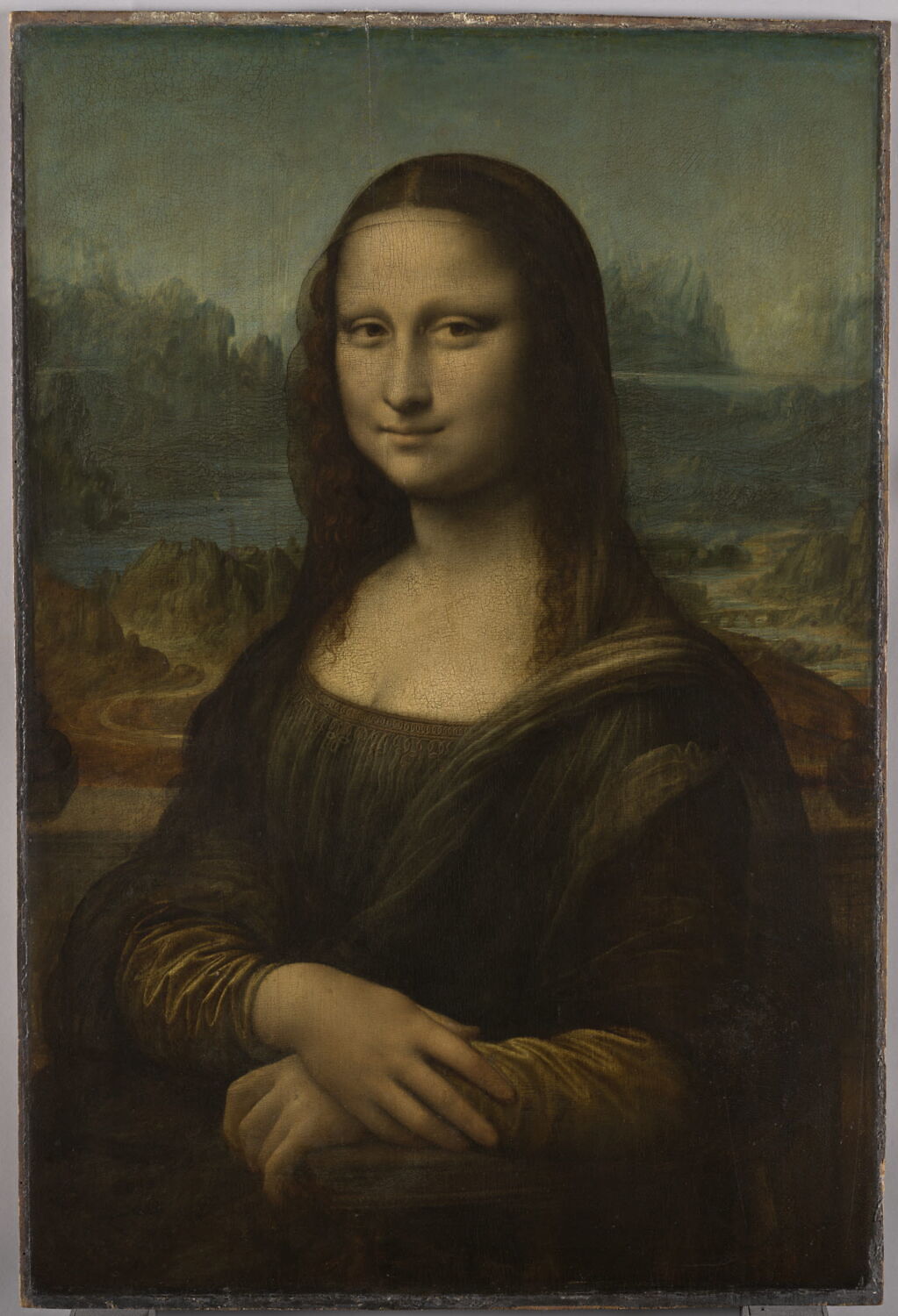
Portrait de Lisa Gherardini, épouse de Francesco del Giocondo, dit La Joconde ou Monna Lisa, Léonard de Vinci, 1e quart du XVIe siècle (1503 - 1519)

Leonardo da Vinci

La Gioconda, 1e quart du XVIe siècle (1503 - 1519)

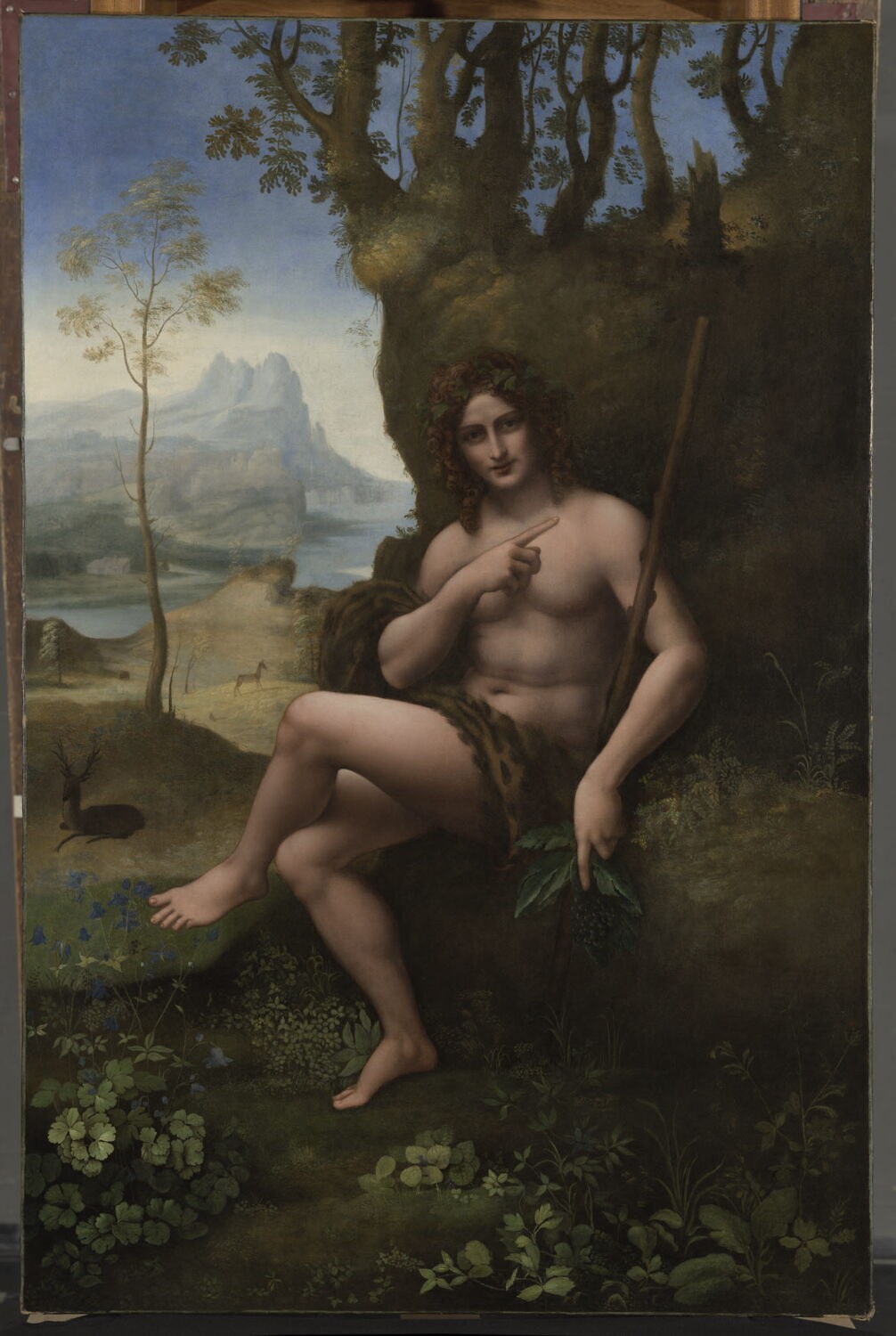
Saint Jean Baptiste, Léonard de Vinci, 1e quart du XVIe siècle (vers 1517 - 1520)

Leonardo da Vinci

Bacco, 1e quart du XVIe siècle (vers 1517 - 1520)

Saint Jean Baptiste, Léonard de Vinci, 1e quart du XVIe siècle (vers 1508 - 1519)

Leonardo da Vinci

San Giovanni Battista, 1e quart du XVIe siècle (vers 1508 - 1519)

La Vierge et l'Enfant Jésus, dite Vierge au dévidoir ou Vierge aux fuseaux, Léonard de Vinci, XVIe siècle (vers 1505 - 1520)

Leonardo da Vinci

La Vierge et l'Enfant Jésus, dite Vierge au dévidoir ou Vierge aux fuseaux, XVIe siècle (vers 1505 - 1520)

La Vierge, l'Enfant Jésus et sainte Anne, dit La Sainte Anne, Léonard de Vinci, 1e quart du XVIe siècle (vers 1503 - 1519)

Leonardo da Vinci

Sant'Anna, la Vergine e il Bambino con l'agnellino, 1e quart du XVIe siècle (vers 1503 - 1519)

La Vierge, l'Enfant Jésus, saint Jean Baptiste et un ange, dit La Vierge aux rochers, Léonard de Vinci, 4e quart du XVe siècle (vers 1483 - 1494)

Leonardo da Vinci

La Vierge, l'Enfant Jésus, saint Jean Baptiste et un ange, dit La Vierge aux rochers, 4e quart du XVe siècle (vers 1483 - 1494)