ART WIKI32.963 in sala
MappaCollezioneArtistiMuseiMostreRivista
Accedi

ART WIKI

Dove è appeso il capolavoro, e quando si può entrare.

Collezioni: Art Institute of Chicago, Cleveland Museum of Art, Ermitage, Galleria Tret'jakov, Getty Museum, Harvard Art Museums, Hirshhorn Museum and Sculpture Garden, Metropolitan Museum of Art, Minneapolis Institute of Art, Museo del Louvre, Museo Puškin delle belle arti, Museo russo, Museum of Modern Art, National Gallery of Art, National Museum of Asian Art, National Portrait Gallery, Rijksmuseum, Smithsonian American Art Museum, Statens Museum for Kunst, Victoria and Albert Museum, Villa Getty, Whitney Museum of American Art, Catalogo statale del fondo museale russo (274 musei), Europeana (19 musei), Wikidata (6 musei), Paris Musées (12 musei) e Joconde, la banca dati dei musei del Ministero della Cultura francese (495 musei). Le immagini appartengono ai titolari dei diritti.

Sezioni

  • Mappa
  • Ricerca
  • Collezione
  • Capolavori
  • Esposte ora
  • Artisti

Altro

  • Musei e gallerie
  • Mostre
  • Rivista
  • Da dove vengono i dati
  • Privacy e cookie
HomeMappaCatalogo
  1. Collezione/
  2. Museo del Louvre/
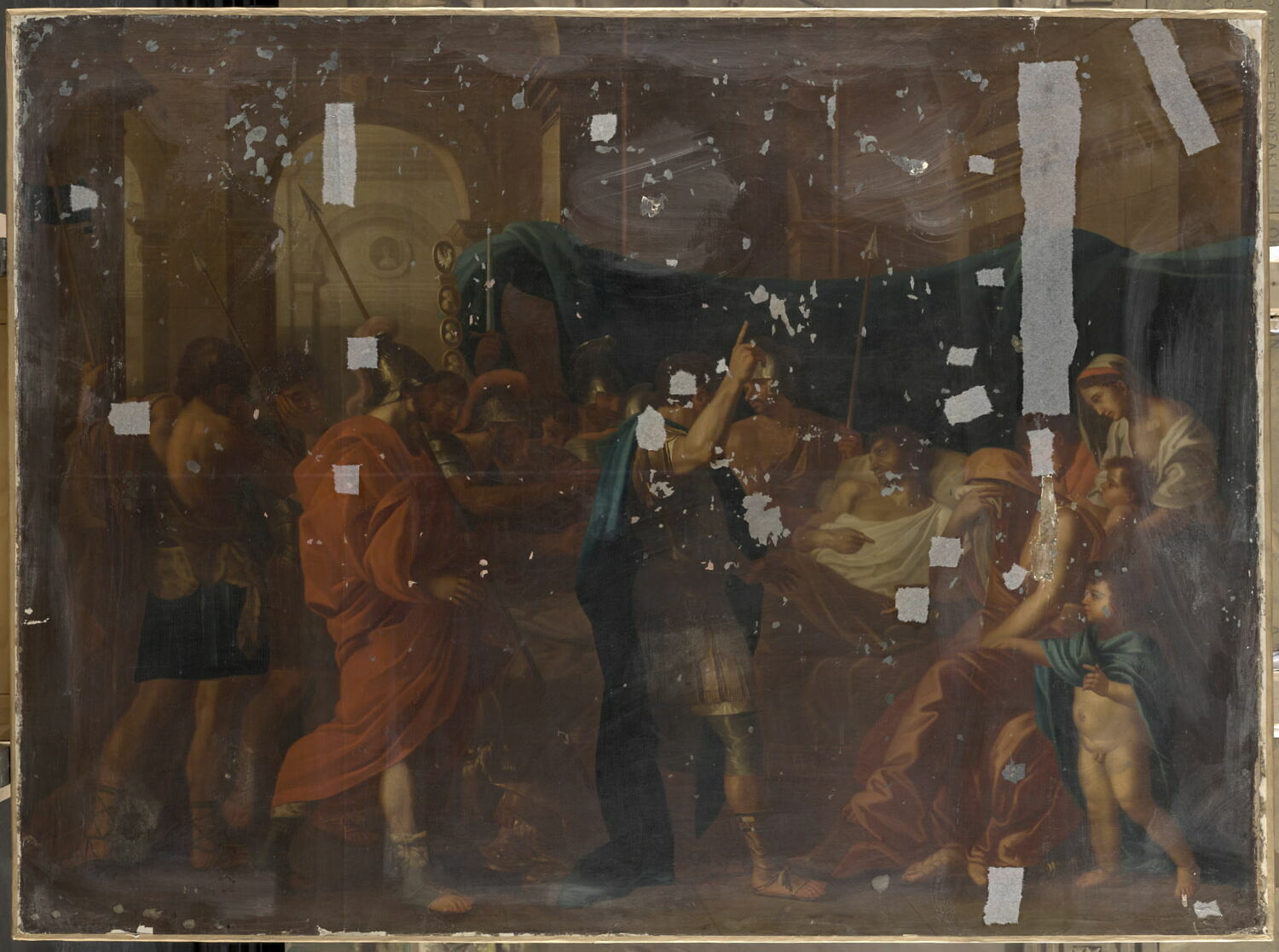
  3. La Mort de Germanicus
La Mort de Germanicus, Poussin, Nicolas, XVIIe siècle (1600 - 1700)
Nicolas Poussin, ritrattoNicolas PoussinFrancia, 1594–1665

La Mort de Germanicus

XVIIe siècle (1600 - 1700) · Peintures

Si può ammirare?

Al momento non riceve

Museo del Louvre

Parigi, Francia

Appartiene alla collezione, ma al momento non è esposta.

Verificato
12 giorni fa
Ultimo cambio di stato
26 set 2026
Fonte
Il museo
Sulla mappaPagina del museo

Scheda

Numero di inventario
INV 8721

In catalogo

DipintiOlioPittura franceseBaroccoXVII secolo

Fonti

  • Museo del Louvre
  • Immagine: Museo del Louvre — © 2022 GrandPalaisRmn (musée du Louvre) / Tony Querrec

Nel frattempo, nella vita di Nicolas Poussin

Tutta la vita
  1. c. 1612

    At eighteen he runs away to Paris

    His parents apparently opposed a painting career for him, and around 1612 he ran away to Paris, in the regency of Marie de’ Medici, when art was flourishing thanks to her commissions and to wealthy merchants. But Poussin was not a member of the powerful guild of master painters and sculptors, which held a monopoly on most commissions and brought lawsuits against outsiders trying to break into the profession.

  2. spring 1624

    Spring 1624: Poussin arrives in Rome

    According to Bellori Poussin settled in Rome in the spring of 1624 (other accounts say he first visited Venice); the lists of the church of San Lorenzo in Lucina name him from March 1624 among twenty-two people, mostly French artists, living in the house of Simon Vouet. He studied Raphael, while Caravaggio, whose literal materiality repelled him, he held to have come “to destroy painting”.

  3. 1630

    Gives up monumental commissions

    In 1630 the commission headed by Domenichino and d’Arpino gave the decoration of the Chapel of the Immaculate Conception in San Luigi dei Francesi to the Lorrainer Charles Mellin, not to Poussin. After that he firmly renounced the monumental genre and turned to “cabinet painting” for private patrons.

  4. December 1640

    December 1640: Poussin returns to Paris

    François Sublet de Noyers, Superintendent of the King’s Buildings, whose invitations Poussin had declined, sent his cousins Roland and Paul Fréart to Rome, offering the title of First Painter to the King and a substantial residence at the Tuileries. Poussin yielded, and in December 1640 he was back in Paris.

  5. autumn 1642

    Finds a pretext and leaves for Rome for good

    Increasingly unhappy with court intrigue and the weight of commissions, in the autumn of 1642, while the king and court were in Languedoc, Poussin found a pretext to leave Paris and returned to Rome permanently.

  6. 19 novembre 1665

    Died

Altre opere di Nicolas Poussin

Tutte le opere
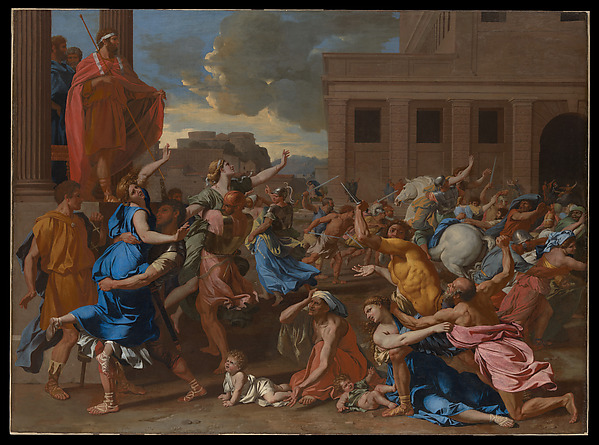
The Abduction of the Sabine Women, Nicolas Poussin, probably 1633–34

The Abduction of the Sabine Women

probably 1633–34 · Metropolitan Museum of Art

Blind Orion Searching for the Rising Sun, Nicolas Poussin, 1658

Blind Orion Searching for the Rising Sun

1658 · Metropolitan Museum of Art

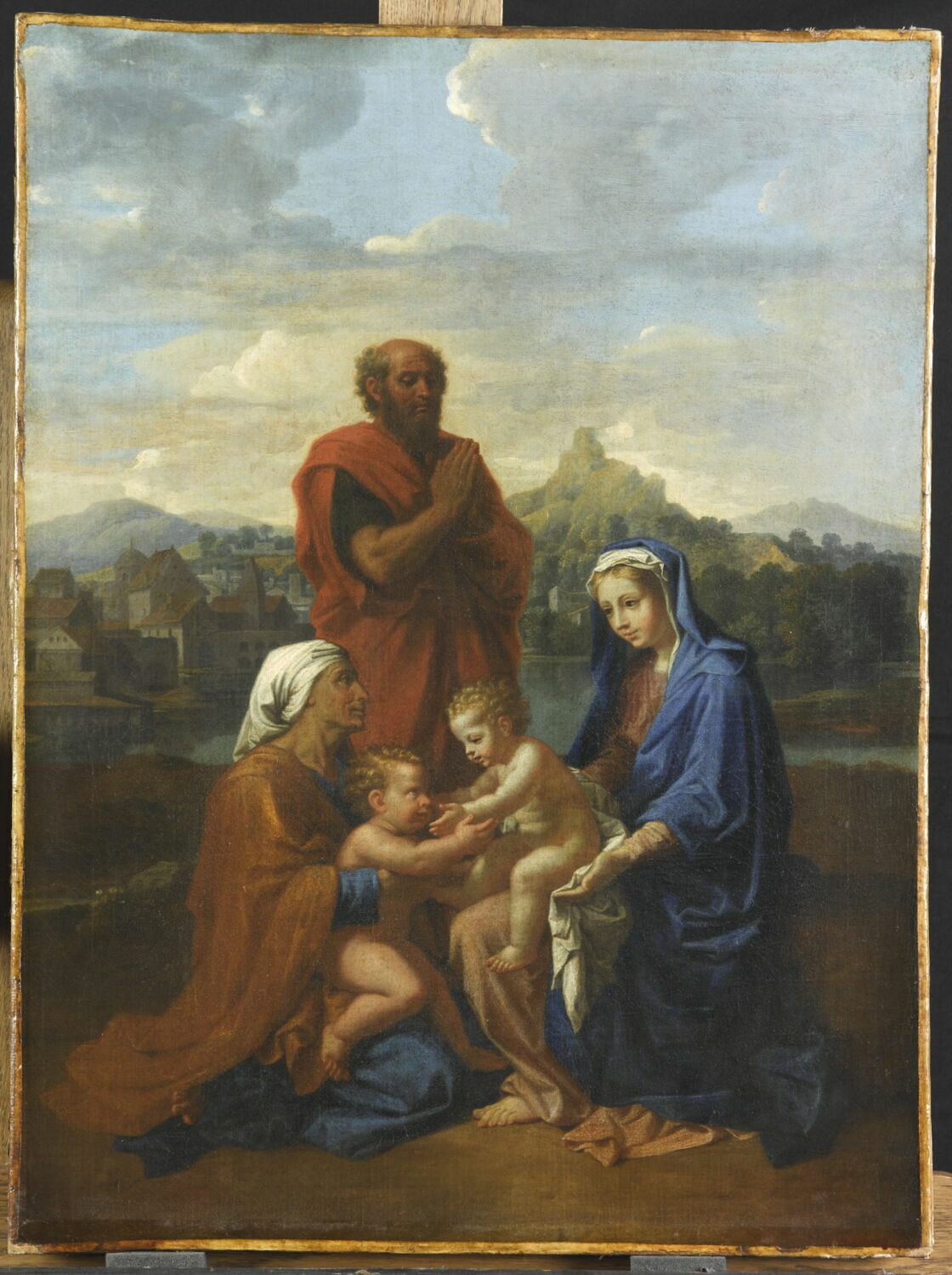
La Sainte Famille avec saint Jean, sainte Elisabeth et saint Joseph priant, Poussin, Nicolas, Milieu du XVIIe siècle (vers 1650 - 1951)

La Sainte Famille avec saint Jean, sainte Elisabeth et saint Joseph priant

Milieu du XVIIe siècle (vers 1650 - 1951) · Museo del Louvre

Victory of Joshua over the Amalekites, Nicolas Poussin, 1623

Victory of Joshua over the Amalekites

1623 · Ermitage

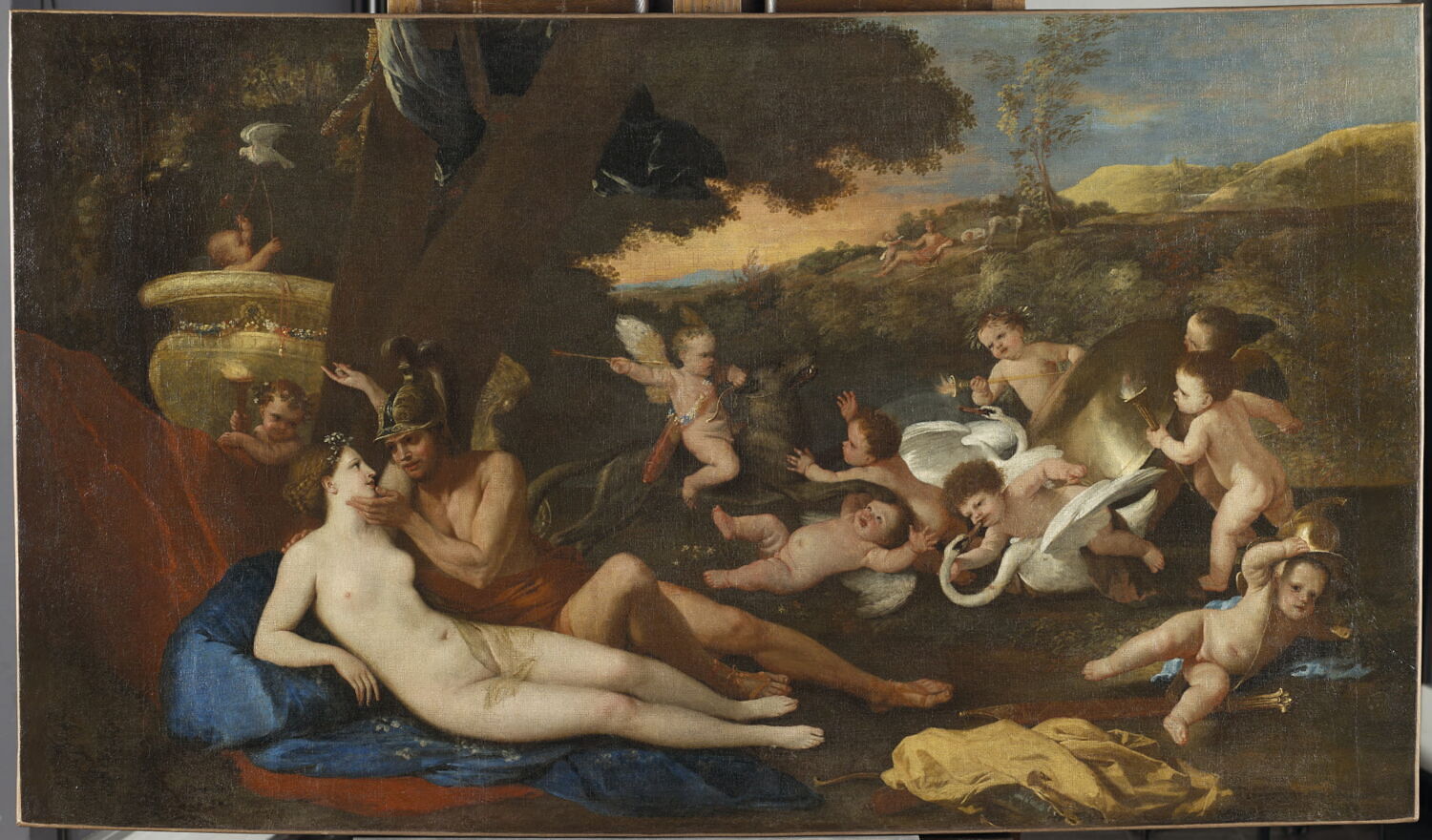
Mars et Vénus, Poussin, Nicolas, 1e tiers du XVIIe siècle (vers 1625)

Mars et Vénus

1e tiers du XVIIe siècle (vers 1625) · Museo del Louvre

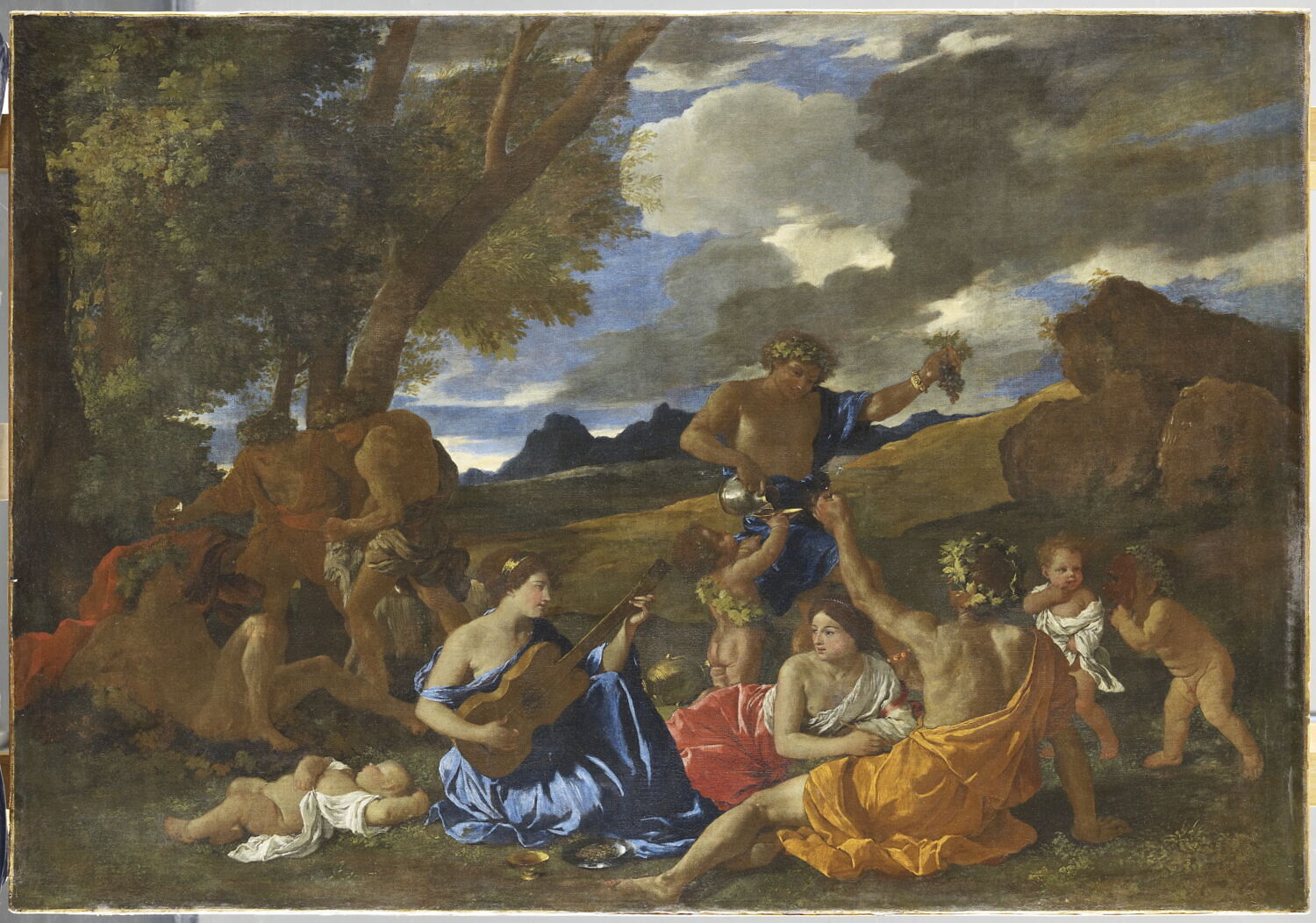
Bacchanale à la joueuse de guitare, Poussin, Nicolas, 2e quart du XVIIe siècle (vers 1625)

Bacchanale à la joueuse de guitare

2e quart du XVIIe siècle (vers 1625) · Museo del Louvre

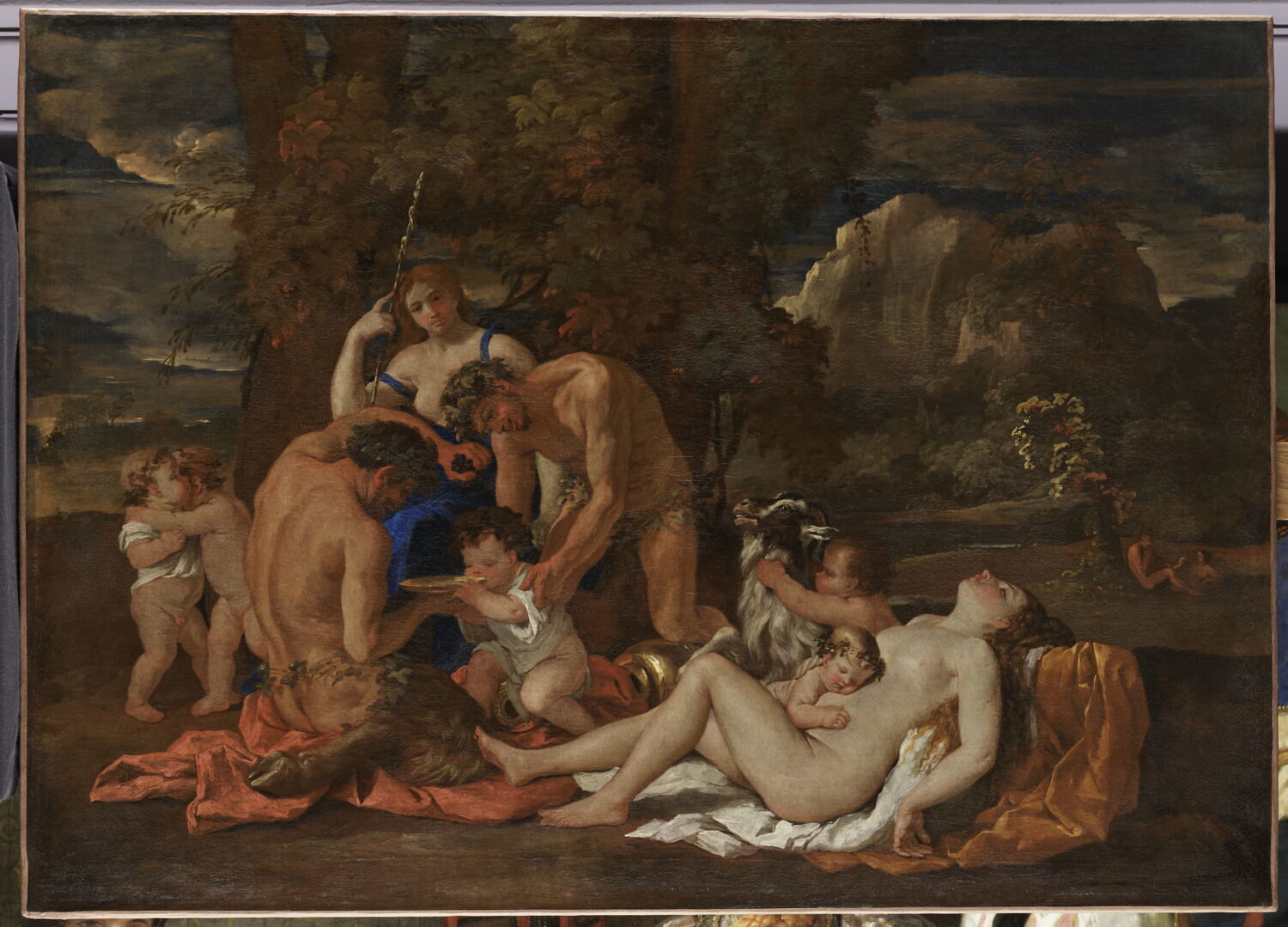
La Nourriture de Bacchus, Poussin, Nicolas, 2e quart du XVIIe siècle (vers 1626)

La Nourriture de Bacchus

2e quart du XVIIe siècle (vers 1626) · Museo del Louvre

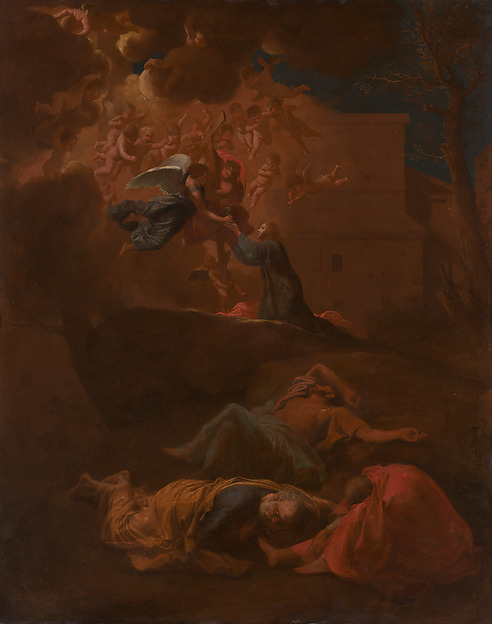
The Agony in the Garden, Nicolas Poussin, 1626–27

The Agony in the Garden

1626–27 · Metropolitan Museum of Art

Sotto lo stesso tetto: Museo del Louvre

Pagina del museo
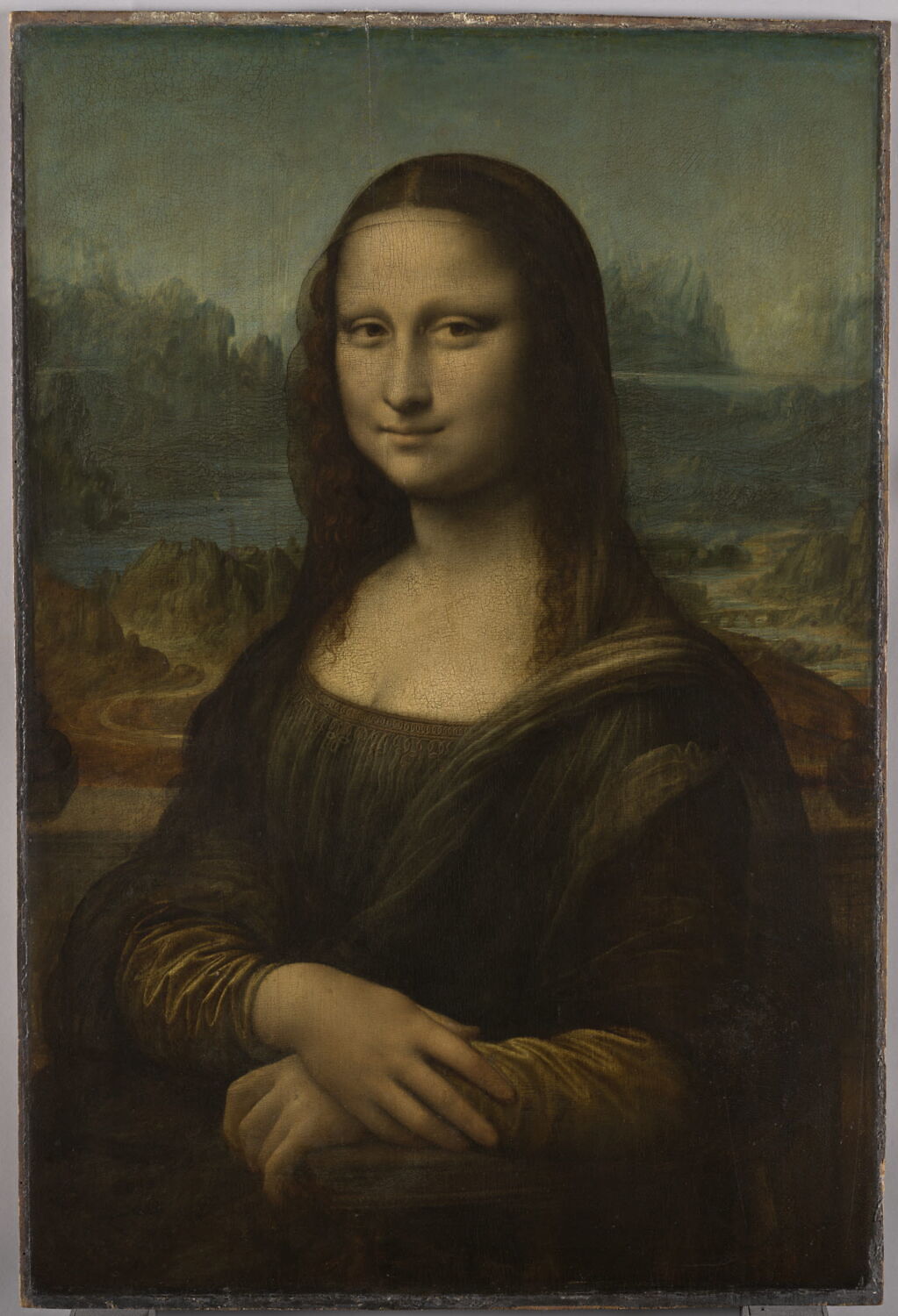
Portrait de Lisa Gherardini, épouse de Francesco del Giocondo, dit La Joconde ou Monna Lisa, Léonard de Vinci, 1e quart du XVIe siècle (1503 - 1519)

Leonardo da Vinci

La Gioconda, 1e quart du XVIe siècle (1503 - 1519)

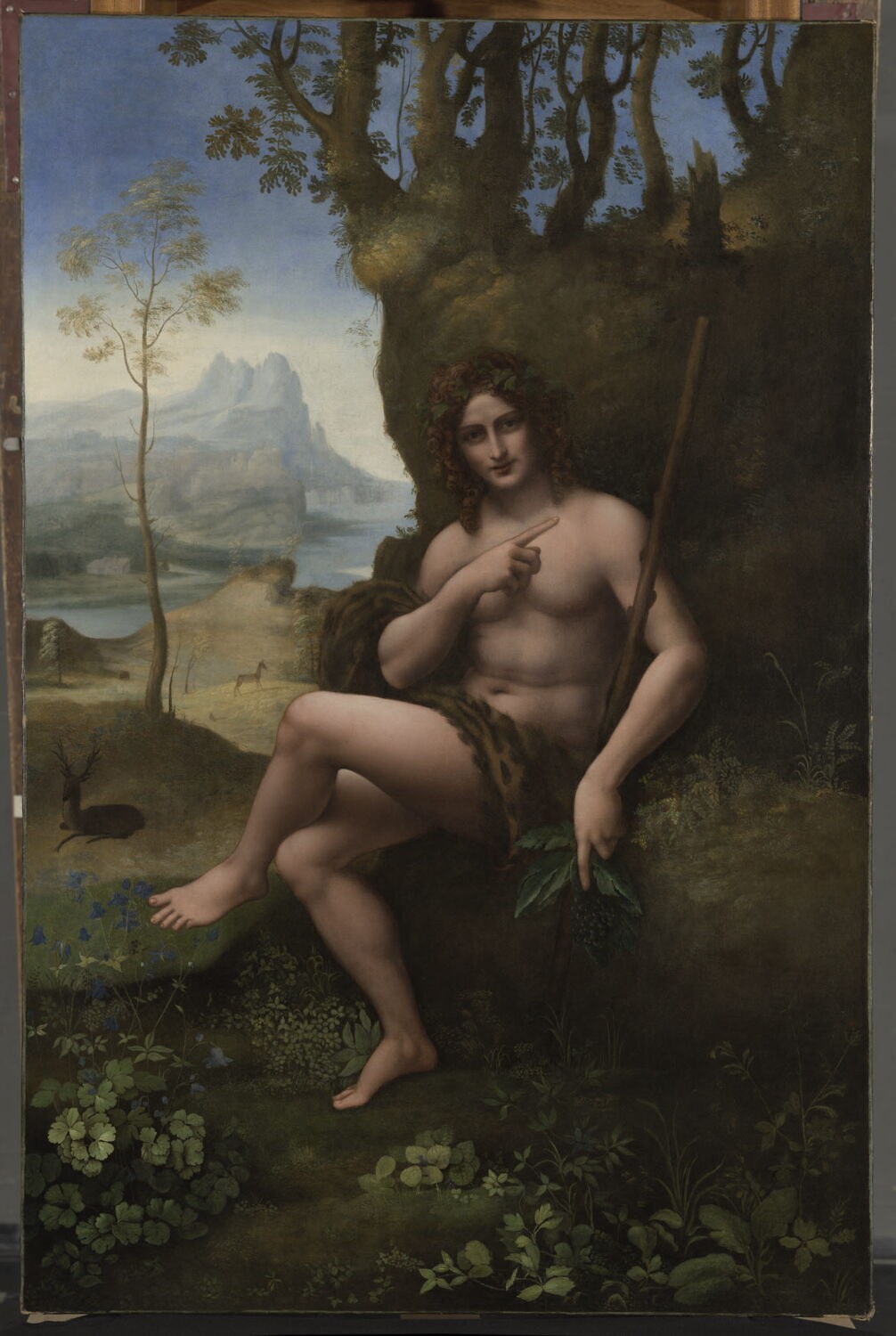
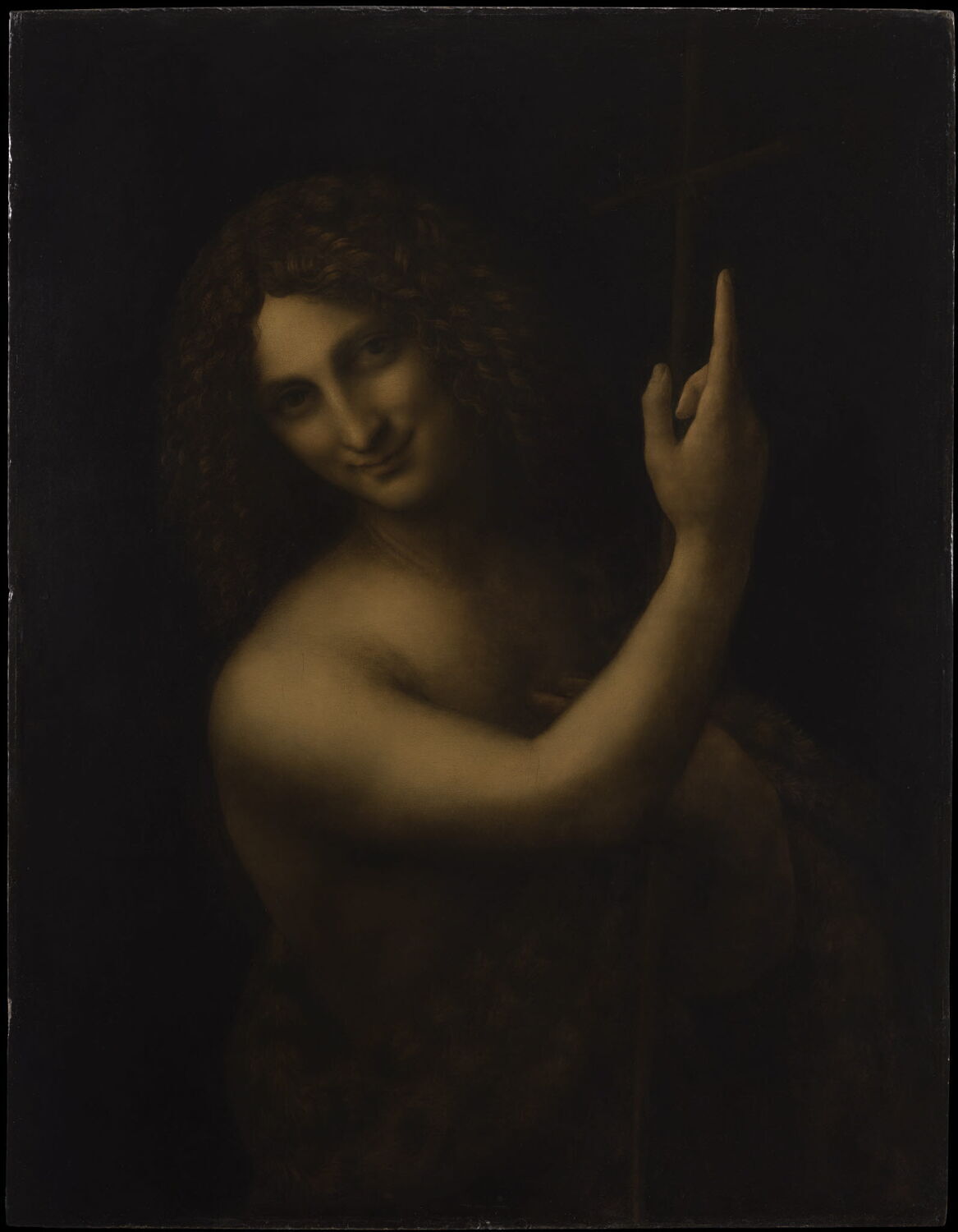
Saint Jean Baptiste, Léonard de Vinci, 1e quart du XVIe siècle (vers 1517 - 1520)

Leonardo da Vinci

Bacco, 1e quart du XVIe siècle (vers 1517 - 1520)

Saint Jean Baptiste, Léonard de Vinci, 1e quart du XVIe siècle (vers 1508 - 1519)

Leonardo da Vinci

San Giovanni Battista, 1e quart du XVIe siècle (vers 1508 - 1519)

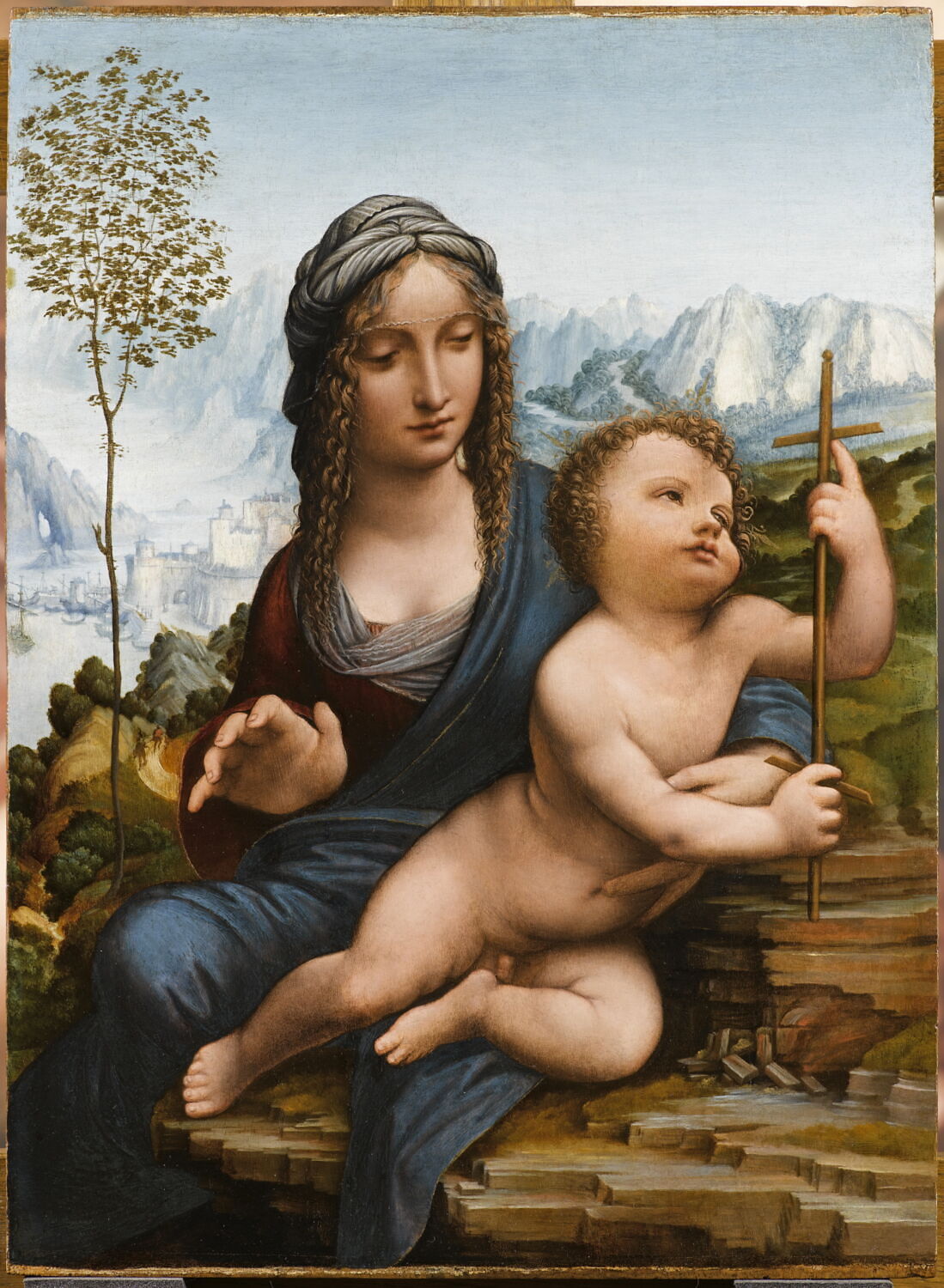
La Vierge et l'Enfant Jésus, dite Vierge au dévidoir ou Vierge aux fuseaux, Léonard de Vinci, XVIe siècle (vers 1505 - 1520)

Leonardo da Vinci

La Vierge et l'Enfant Jésus, dite Vierge au dévidoir ou Vierge aux fuseaux, XVIe siècle (vers 1505 - 1520)

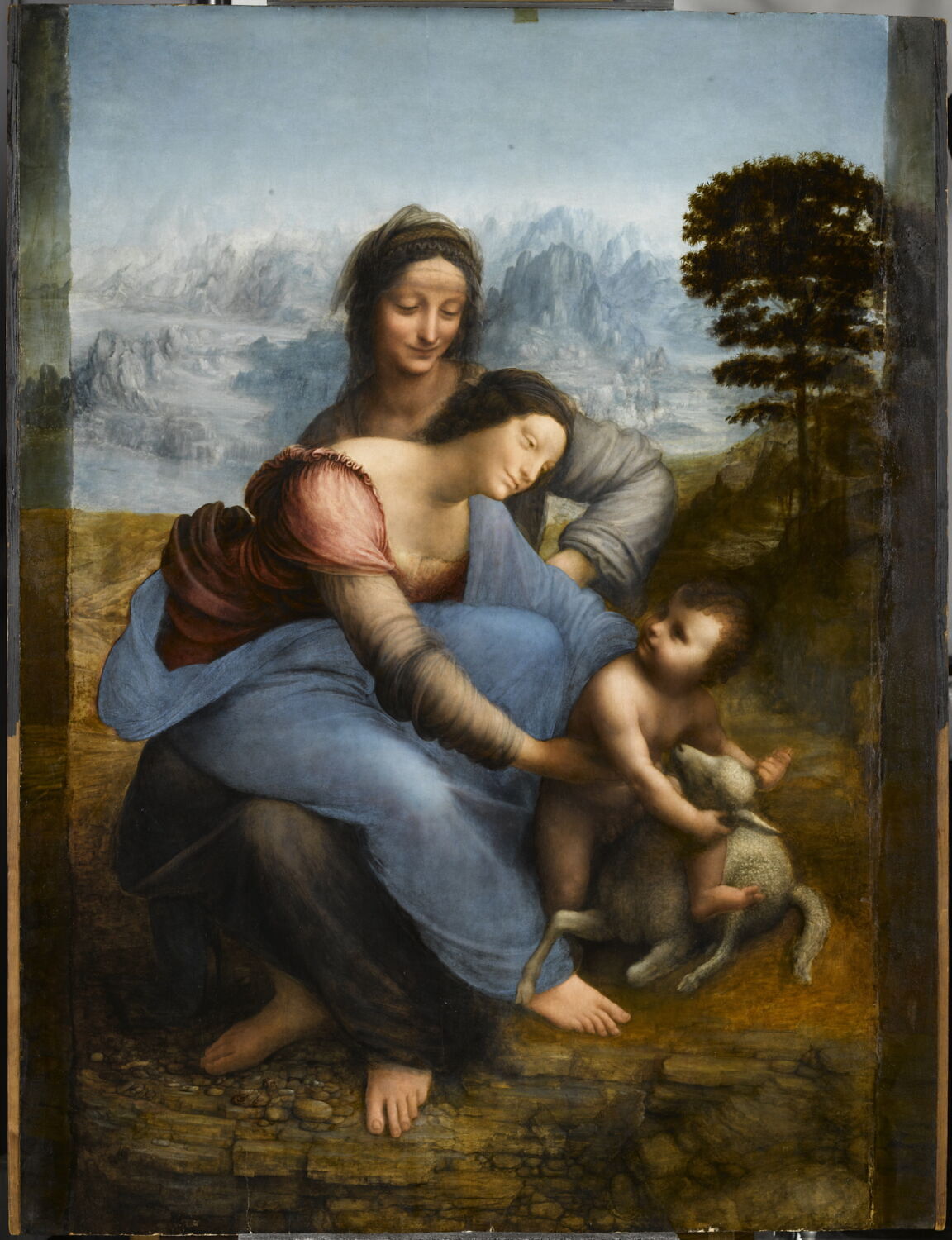
La Vierge, l'Enfant Jésus et sainte Anne, dit La Sainte Anne, Léonard de Vinci, 1e quart du XVIe siècle (vers 1503 - 1519)

Leonardo da Vinci

Sant'Anna, la Vergine e il Bambino con l'agnellino, 1e quart du XVIe siècle (vers 1503 - 1519)

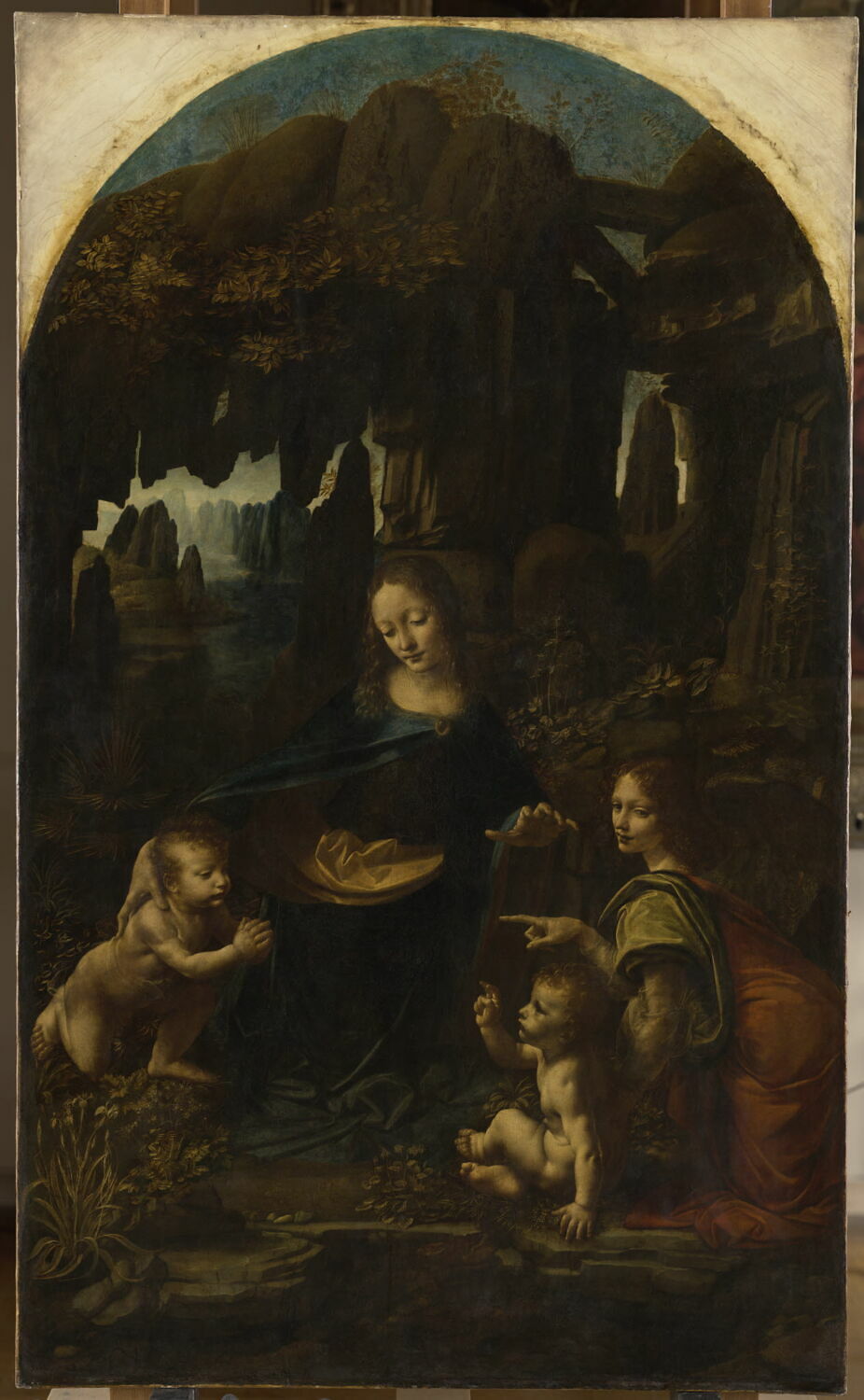
La Vierge, l'Enfant Jésus, saint Jean Baptiste et un ange, dit La Vierge aux rochers, Léonard de Vinci, 4e quart du XVe siècle (vers 1483 - 1494)

Leonardo da Vinci

La Vierge, l'Enfant Jésus, saint Jean Baptiste et un ange, dit La Vierge aux rochers, 4e quart du XVe siècle (vers 1483 - 1494)

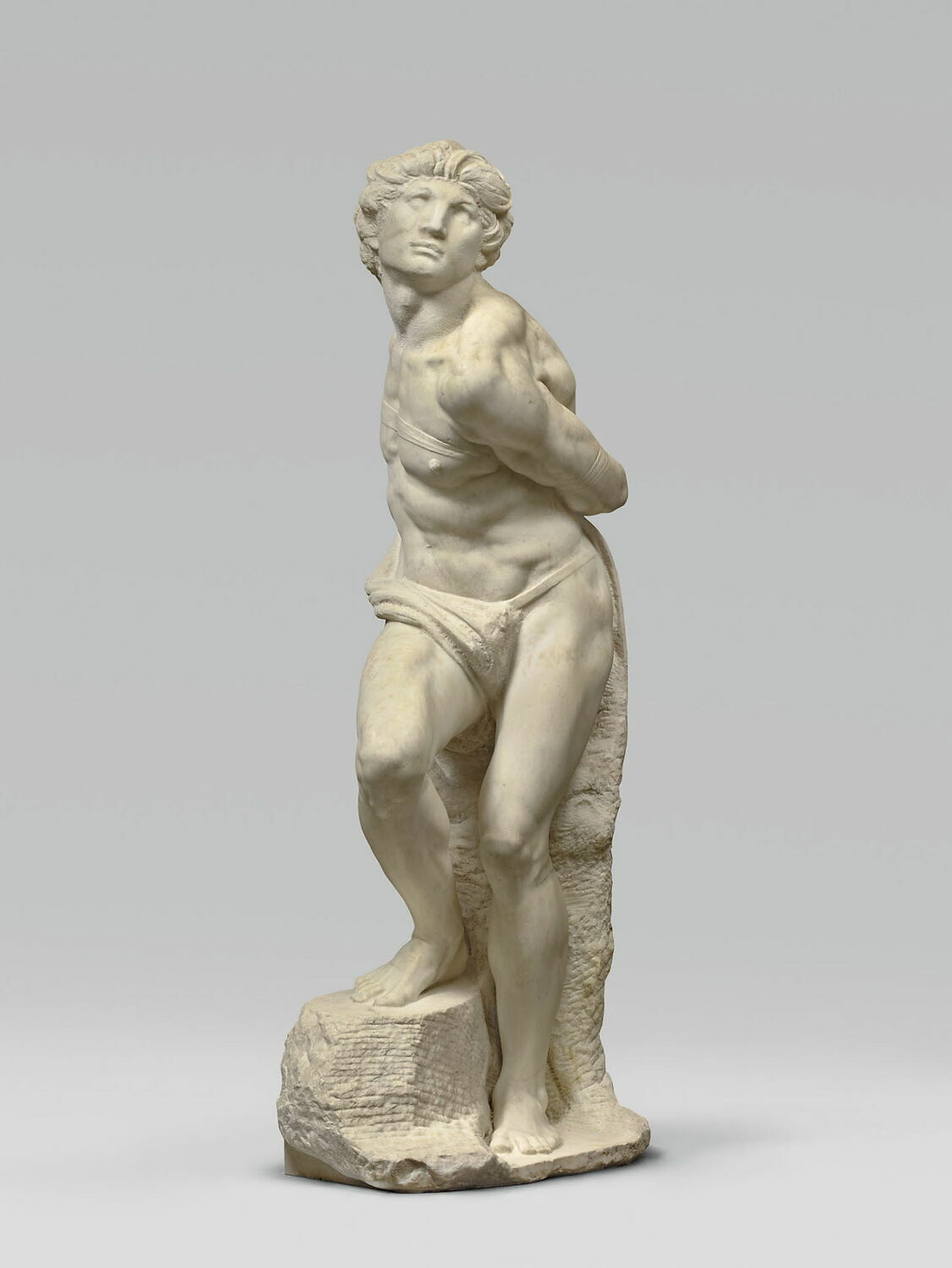
Esclave rebelle, Buonarroti, Michelangelo dit Michel-Ange, 1513 - 1515

Michelangelo

Schiavo ribelle, 1513 - 1515

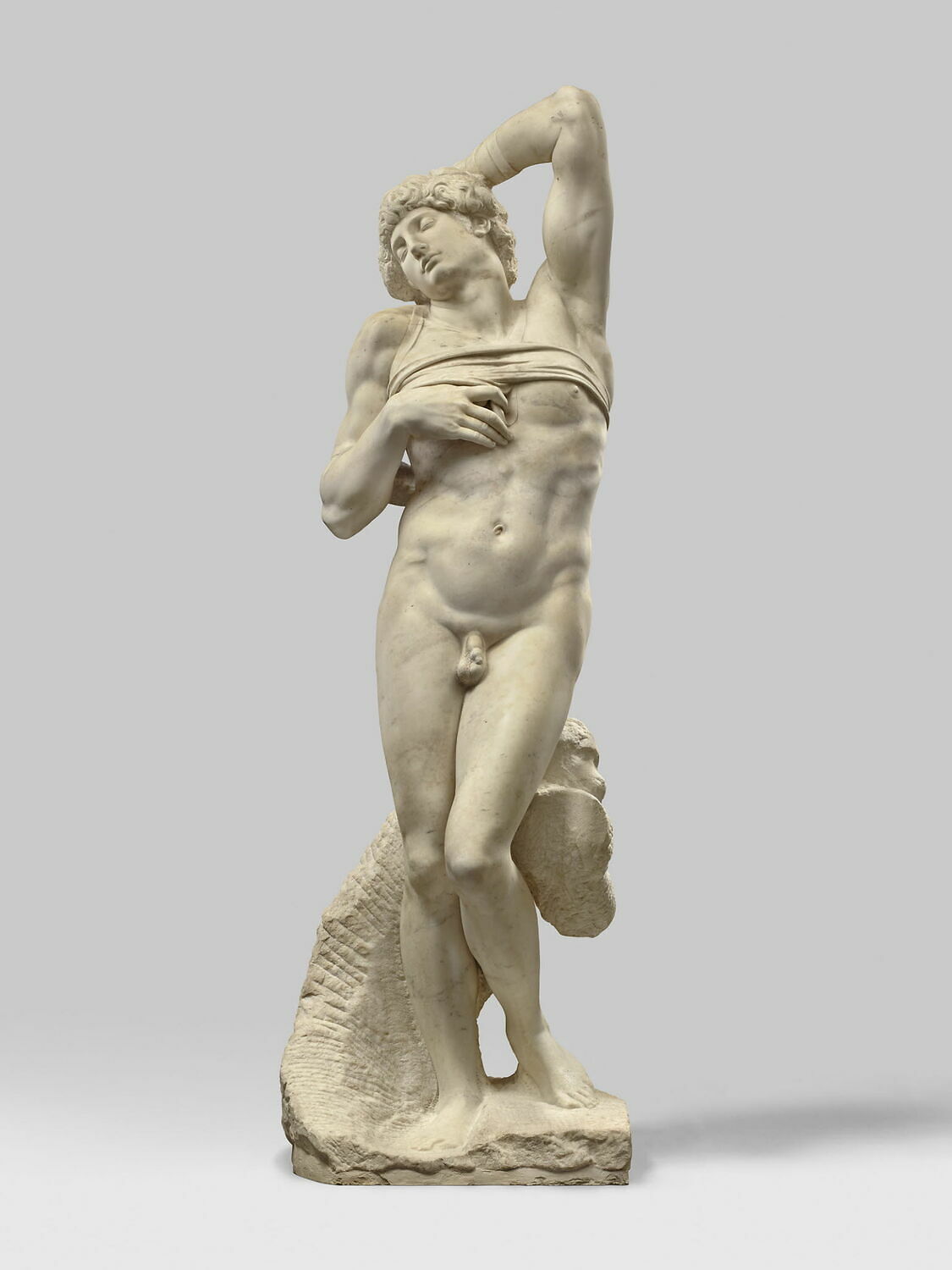
Esclave mourant, Buonarroti, Michelangelo dit Michel-Ange, 1513 - 1515

Michelangelo

Schiavo morente, 1513 - 1515