Oskar SchlemmerGermania, 1888–1943
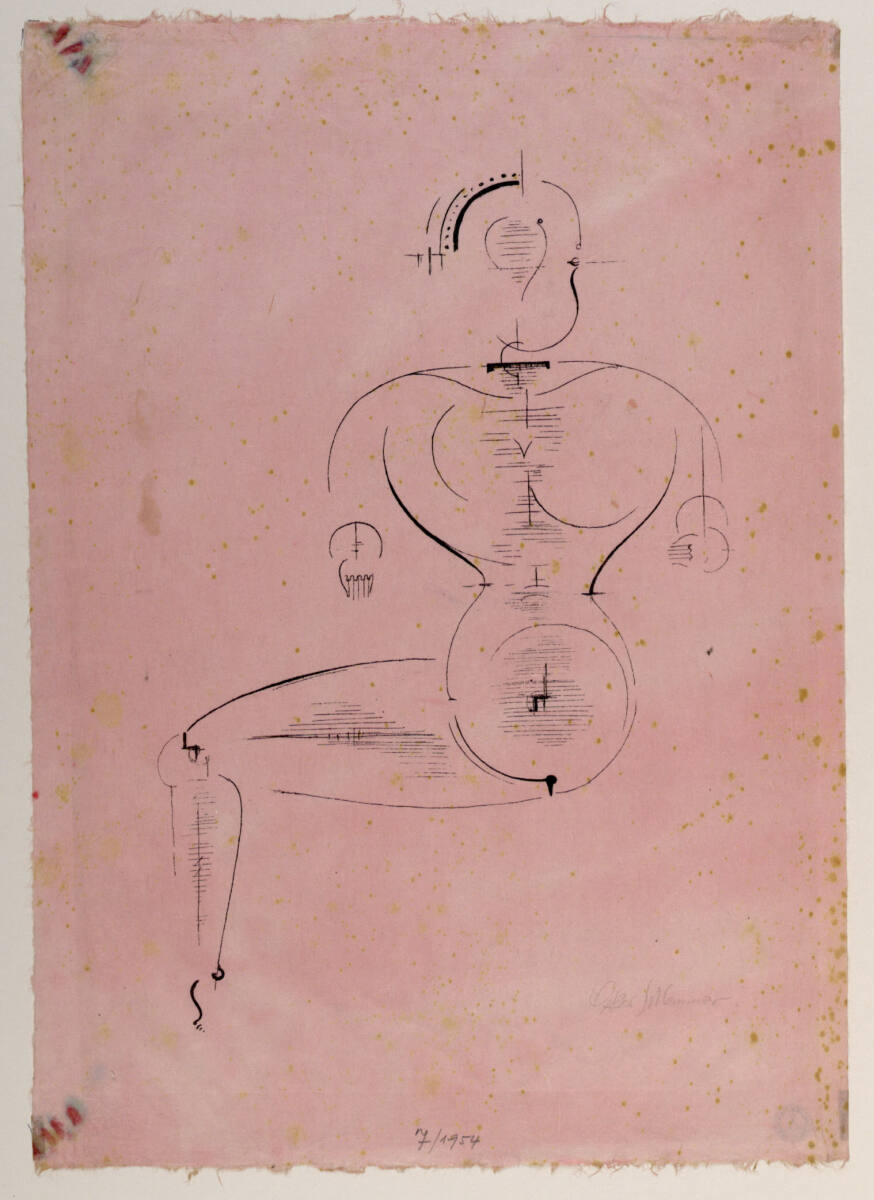
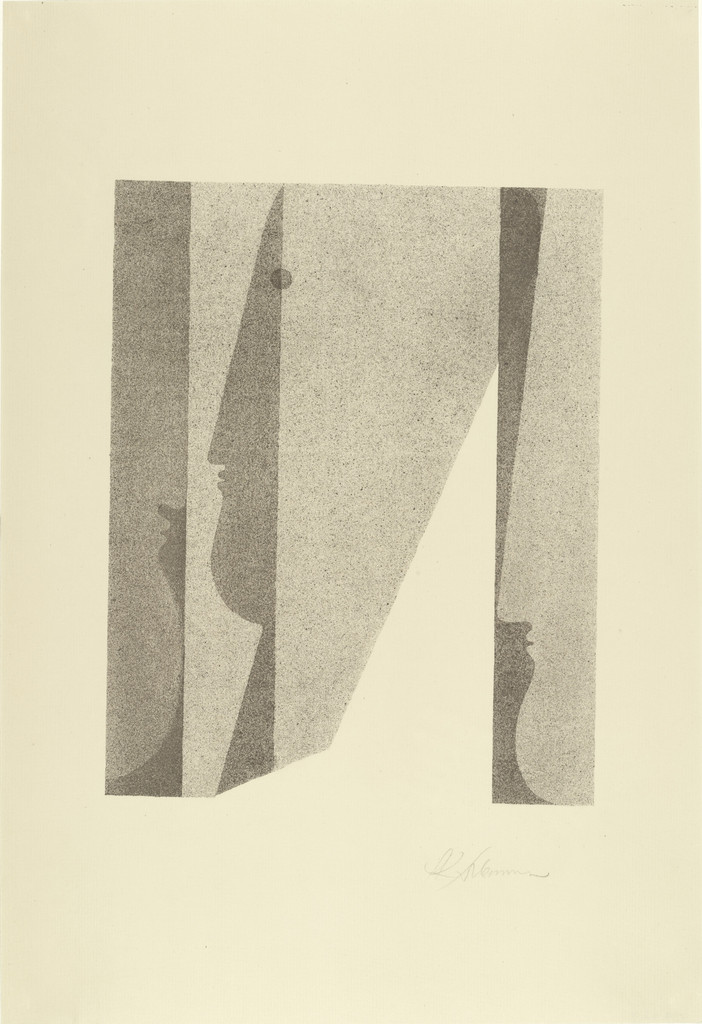
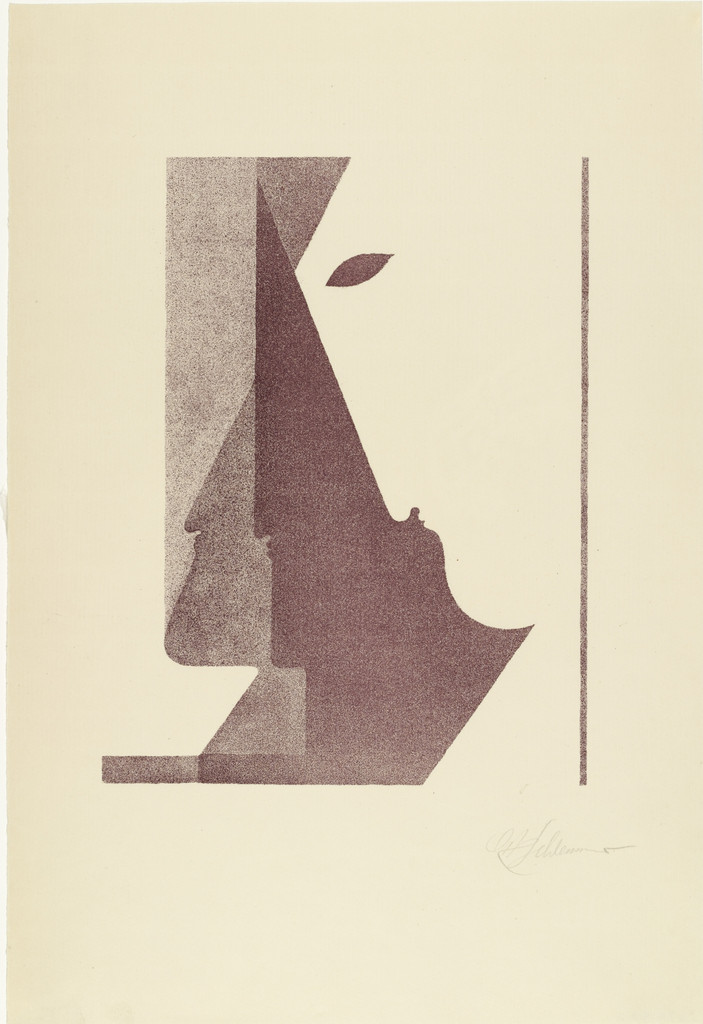
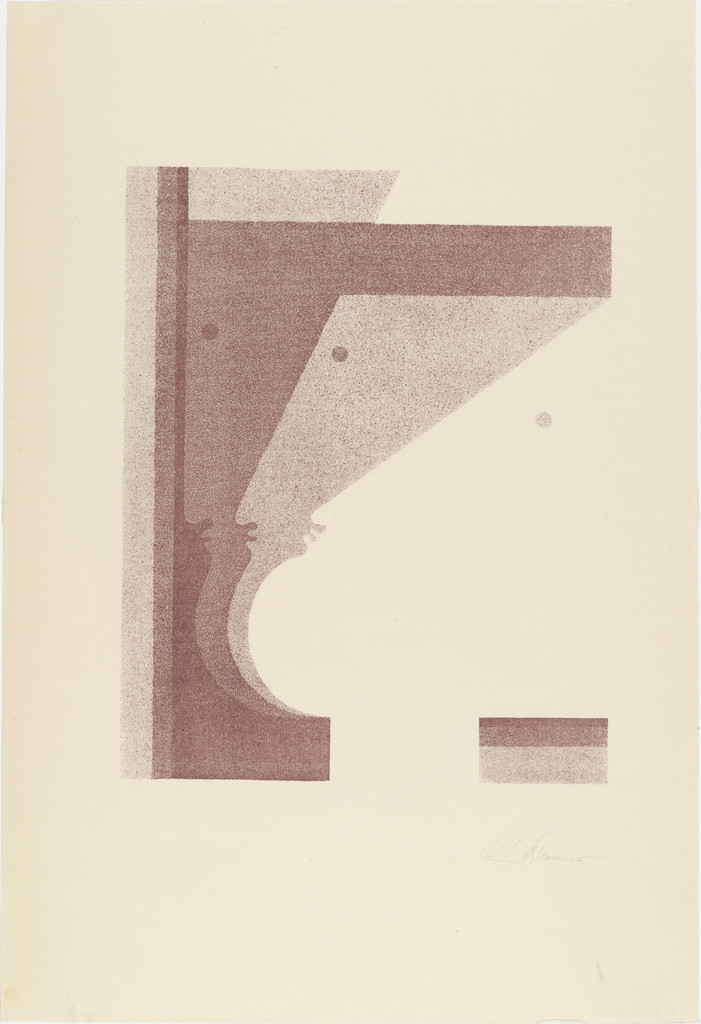
Komposition mit sechs Figuren
Si può ammirare?
Non si sa

Albertina
Vienna, Austria
Il proprietario è noto; non si sa se oggi sia esposta.
- Ultimo cambio di stato
- Fonte
- Il museo
Scheda
In catalogo
Fonti
- Albertina
- Immagine: Albertina — Public Domain Mark 1.0
Nel frattempo, nella vita di Oskar Schlemmer
Tutta la vita1920–1929
Develops the course “Der Mensch”
During his Bauhaus years Schlemmer develops the multidisciplinary course “Der Mensch” (The Human Being): in the human form he saw a measure that could provide a foothold in the disunity of his time.
1929
Leaves the Bauhaus and moves to Breslau
Because of the heightened political atmosphere in Germany at the end of the 1920s, and in particular the appointment of the Marxist architect Hannes Meyer as Gropius’s successor, Schlemmer resigns from the Bauhaus and takes a job at the Breslau Academy of Art and Applied Art.
1932
The Breslau Academy closes; he moves to Berlin
Schlemmer is obliged to leave the Breslau Academy when it is closed down in the wake of the financial crisis following the Wall Street crash, and in 1932 he takes up a professorship at Berlin’s United State Schools for Fine and Applied Art.
1933
Forced to resign from the Berlin school under Nazi pressure
After the National Socialists come to power in 1933, Schlemmer’s contract with the Berlin United Schools of Art is terminated and he is forced to resign under pressure from the Nazis. His style changes too: the works become smaller, the figures move closer together, and the forms become softer and rounder, in warm, often dark colours.
1933–1937
Moves to Eichberg on the Swiss border, then to Sehringen
The Schlemmers move to Eichberg near the Swiss border and then to Sehringen, before his pictures are displayed at the Degenerate Art Exhibition in Munich in 1937.
1933–1943
Ten years of “inner emigration”
Schlemmer spends the last ten years of his life in a state of “inner emigration”; Max Bill wrote that it was as if a curtain of silence had descended over him.