John James AudubonStati Uniti, 1785–1851
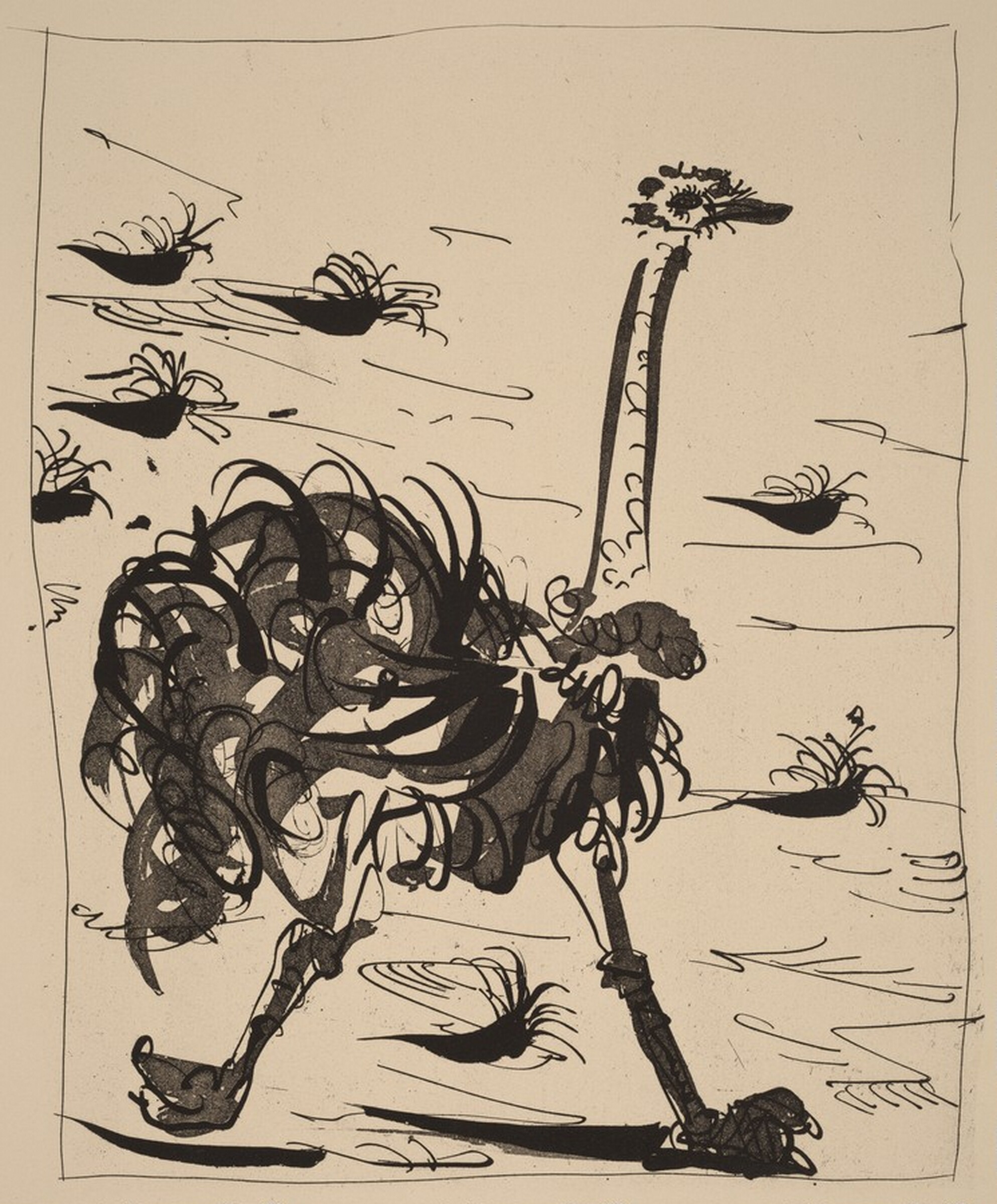
Hermit Thrush
Si può vedere?
Non esposta al momento
Dove si trova «Hermit Thrush» oggi? Collezione: National Gallery of Art, Washington D.C. Non esposta al momento. Verificato 16 novembre 2026.

Washington D.C., Stati Uniti
Appartiene alla collezione, ma al momento non è esposta.
- Verificato
- Ultimo cambio di stato
- Fonte
- Il museo
Scheda
- Numero di inventario
- 1985.64.69
Che cosa raffigura
In catalogo
Fonti
- National Gallery of Art
- Immagine: National Gallery of Art — Museum open access
Nella vita di John James Audubon
Tutta la vita1812–1819
The boom years in Henderson: shops and a sawmill
Trade went well: in January 1814 Audubon opened a shop in Shawneetown, Illinois, and in early 1817 another in Vincennes, Indiana, and he used the proceeds to buy land; in March 1817, with Thomas Woodhouse Bakewell and Thomas Pears, he began building a sawmill. It is known that nine slaves passed through his hands between 1813 and 1819.
1817 and 1820
The death of two daughters, Lucy and Rose
The Audubons had two daughters who died very young: Lucy lived two years (1815–1817) and Rose nine months (1819–1820).
1819
The Panic of 1819: bankruptcy and prison
In the Panic of 1819 Audubon lost all his shops and sold Nicholas Berthoud almost everything of value: his share in the sawmill, the house with its furniture, books, musical instruments, animals and the remaining slaves. It was not enough to pay his debts; he was declared bankrupt and sent to prison, and on his release he walked from Henderson to Louisville and, by his own account, for the only time in his life saw the wild turkeys and the lesser birds as enemies.
late 1819 – 1820
Drake's museum in Cincinnati: taxidermy and landscapes
In late 1819 Dr. Daniel Drake offered Audubon $125 a month to prepare the exhibits of a new museum in Cincinnati, and the family moved there. Audubon handled the fauna: for a short time he worked as a taxidermist, painted landscapes for the displays and exhibited his own works; by April 1820 the collection was ready, but instead of the promised $1,200 he was paid $400.
12 October 1820
Sets out to paint all the birds of North America
On 12 October 1820 Audubon set off south with his gun, paintbox and assistant Joseph Mason, who from October 1820 to August 1822 painted the plant backgrounds of his bird studies; the Swiss landscape painter George Lehman travelled with him as well. Audubon was committed to finding and painting all the birds of North America for eventual publication, which he called “The Birds of America”, and tried to paint one page a day.
summer 1821
Oakley: tutor to a planter's daughter and the freedom of the woods
In the summer of 1821 Audubon settled at the Oakley Plantation near St. Francisville, Louisiana: for $80 a month he taught drawing, music, dancing and arithmetic to the owners' 17-year-old daughter. By agreement he was free for half of his time for hunting and drawing and spent much of it out in the woods.