ART WIKI33.040 in sala
MappaCollezioneArtistiMuseiMostreRivista
Accedi

ART WIKI

Dove è appeso il capolavoro, e quando si può entrare.

Collezioni: Art Institute of Chicago, Cleveland Museum of Art, Ermitage, Galleria Tret'jakov, Getty Museum, Harvard Art Museums, Hirshhorn Museum and Sculpture Garden, Metropolitan Museum of Art, Minneapolis Institute of Art, Museo del Louvre, Museo Puškin delle belle arti, Museo russo, Museum of Modern Art, National Gallery of Art, National Museum of Asian Art, National Portrait Gallery, Rijksmuseum, Smithsonian American Art Museum, Statens Museum for Kunst, Victoria and Albert Museum, Villa Getty, Whitney Museum of American Art, Catalogo statale del fondo museale russo (274 musei), Europeana (19 musei), Wikidata (6 musei), Paris Musées (12 musei) e Joconde, la banca dati dei musei del Ministero della Cultura francese (495 musei). Le immagini appartengono ai titolari dei diritti.

Sezioni

  • Mappa
  • Ricerca
  • Collezione
  • Capolavori
  • Esposte ora
  • Artisti

Altro

  • Musei e gallerie
  • Mostre
  • Rivista
  • Da dove vengono i dati
  • Privacy e cookie
HomeMappaCatalogo
  1. Collezione/
  2. Cleveland Museum of Art/
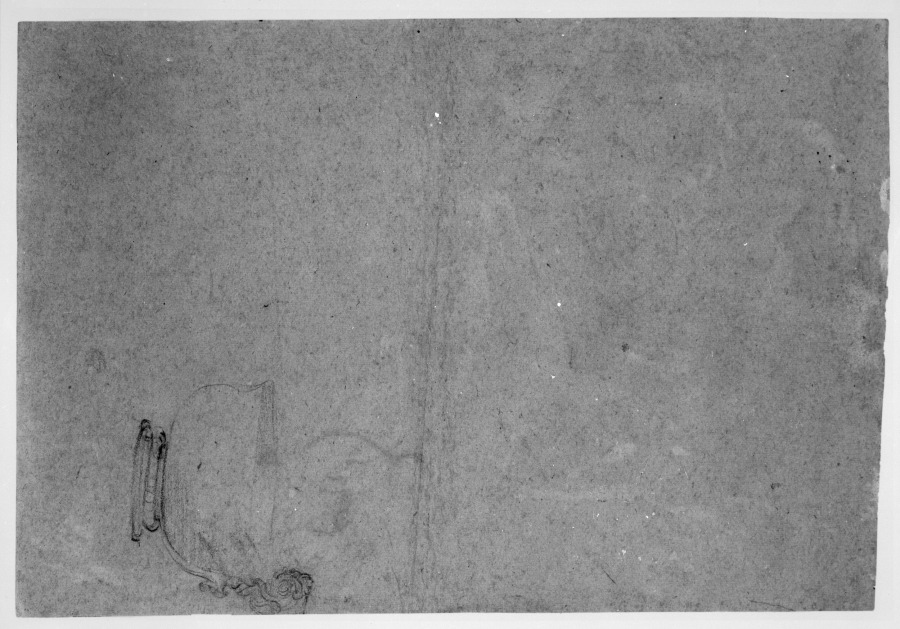
  3. Footed Vessel with Handle (verso)
Footed Vessel with Handle (verso), Annibale Carracci, 1595–97
Annibale Carracci, ritrattoAnnibale CarracciItalia, 1560–1609

Footed Vessel with Handle (verso)

1595–97 · Drawing

Si può ammirare?

Al momento non riceve

Cleveland Museum of Art

Cleveland, Stati Uniti

Appartiene alla collezione, ma al momento non è esposta.

Verificato
9 giorni fa
Ultimo cambio di stato
19 ago 2026
Fonte
Il museo
Sulla mappaPagina del museo

Sull’opera

To atone for the crime of killing his family, the Greek hero Hercules was required to perform twelve labors. In this final study for a fresco of this subject commissioned by Cardinal Odoardo Farnese for the ceiling of his study in his family’s Roman palace, Hercules rests, surrounded by evidence of his toil: the head of the Erymanthian boar he captured; the three golden apples of the Hesperides; and the hide of the Nemean lion on which he sits. The hero’s pose and exaggerated musculature are a result of the artist’s intense study of ancient models, and emulate specific antique sculptures depicting river gods in the Farnese collection. Carracci also worked with full knowledge of Michelangelo’s frescoes on the Sistine Chapel ceiling (1508-10), and the pose of Hercules may have been inspired by the reclining figure of Adam in Michelangelo's Creation of Adam scene.

Cleveland Museum of Art

Scheda

1595–97
15601609
Numero di inventario
1997.52.b

In catalogo

Disegni e acquerelliGessettoRinascimentoXVI secoloItaly, 16th century

Fonti

  • Cleveland Museum of Art
  • Immagine: Cleveland Museum of Art — Museum open access

Nel frattempo, nella vita di Annibale Carracci

Tutta la vita
  1. 1578–1595 · Luogo di lavoro

    Bologna

  2. 1594

    Cardinal Farnese summons the brothers to Rome

    In 1594 Cardinal Odoardo Farnese invited Annibale and his brother Agostino to Rome to decorate the Palazzo Farnese with frescoes on mythological subjects.

  3. 1595

    Moves to Rome for good, into the Palazzo Farnese

    Probably in September or October 1595 Carracci moved from Bologna to Rome for good and settled in the Palazzo Farnese.

  4. 1595–1609 · Luogo di lavoro

    Rome

  5. 1597–1605

    Assistants at the Palazzo Farnese: the masters to come

    Many of Annibale’s assistants and pupils on the projects at the Palazzo Farnese and the Herrera Chapel became pre-eminent artists of the next decades, among them Domenichino, Francesco Albani, Giovanni Lanfranco, Domenico Viola, Guido Reni and Sisto Badalocchio.
Altre opere di Annibale Carracci

Tutte le opere
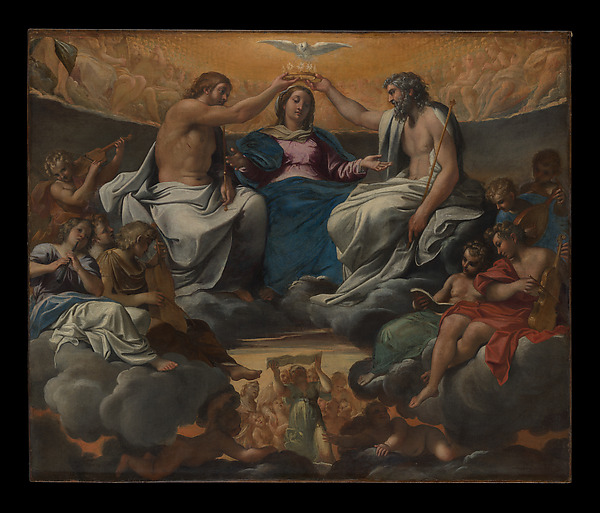
The Coronation of the Virgin, Annibale Carracci, after 1595

The Coronation of the Virgin

after 1595 · Metropolitan Museum of Art

Two Children Teasing a Cat, Annibale Carracci

Two Children Teasing a Cat

Metropolitan Museum of Art

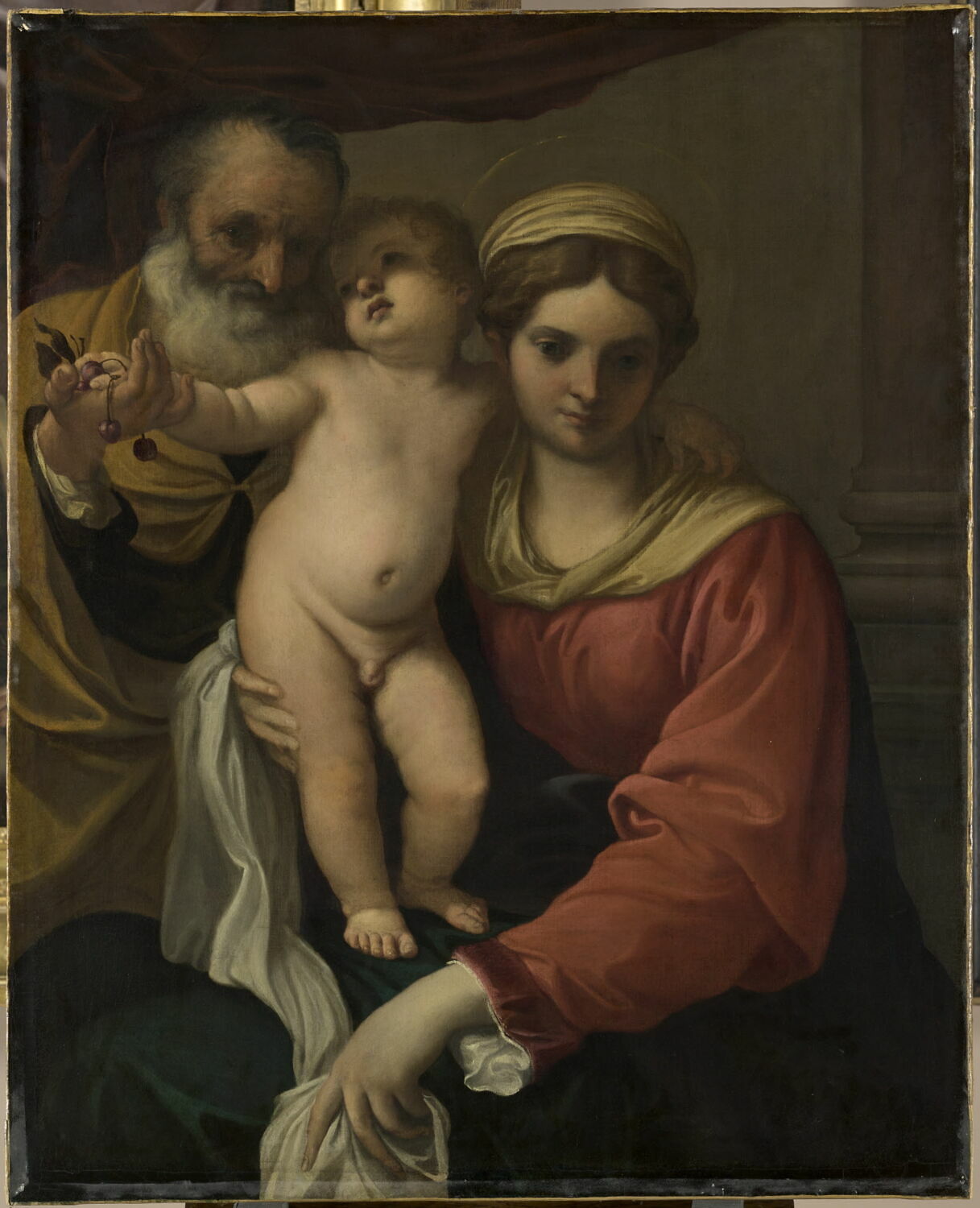
La Vierge aux cerises, Carrache, Annibal, 4e quart du XVIe siècle (1575 - 1600)

La Vierge aux cerises

4e quart du XVIe siècle (1575 - 1600) · Museo del Louvre

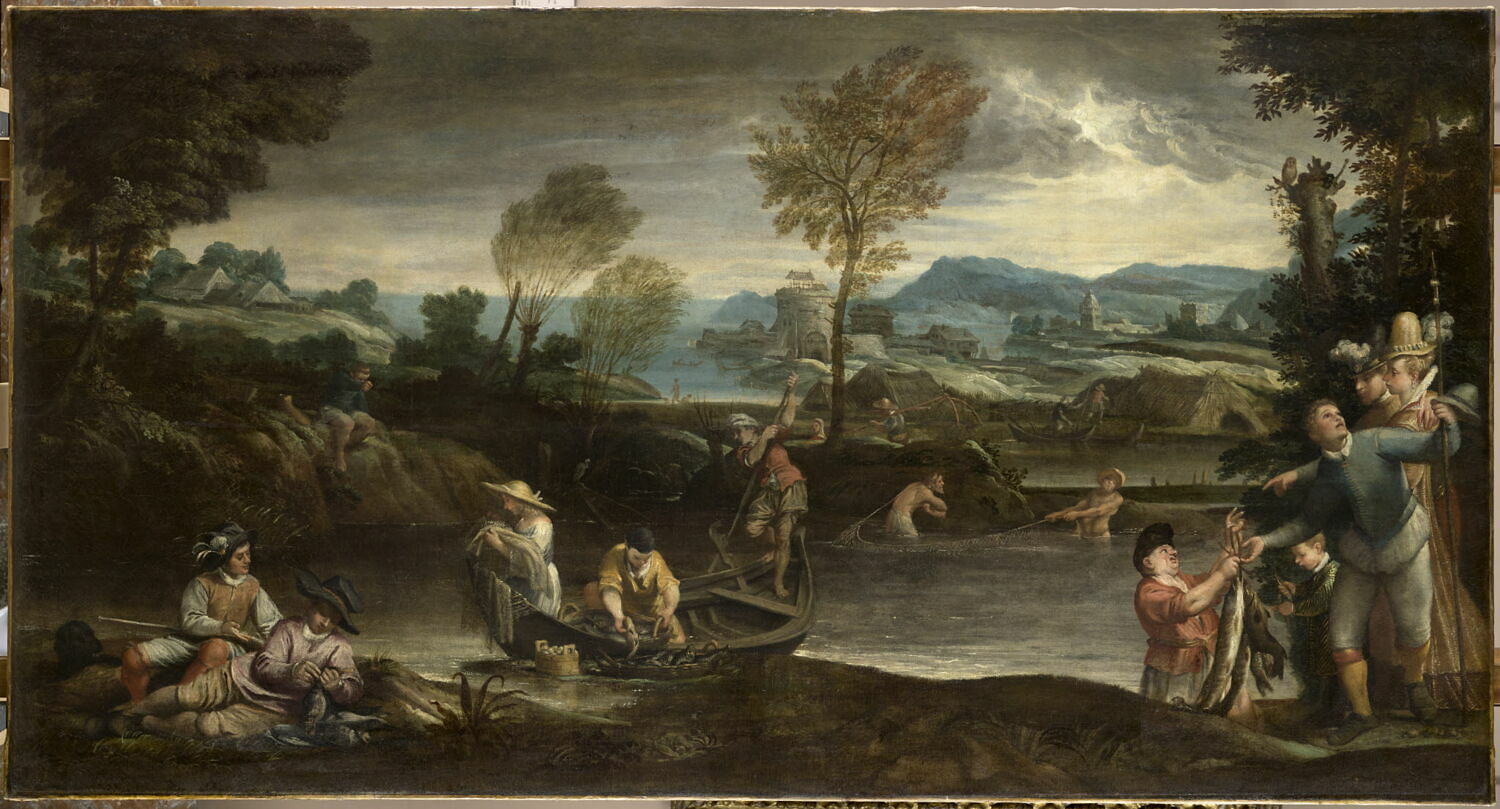
La Pêche, Carrache, Annibal, 4e quart du XVIe siècle (1575 - 1600)

La Pêche

4e quart du XVIe siècle (1575 - 1600) · Museo del Louvre

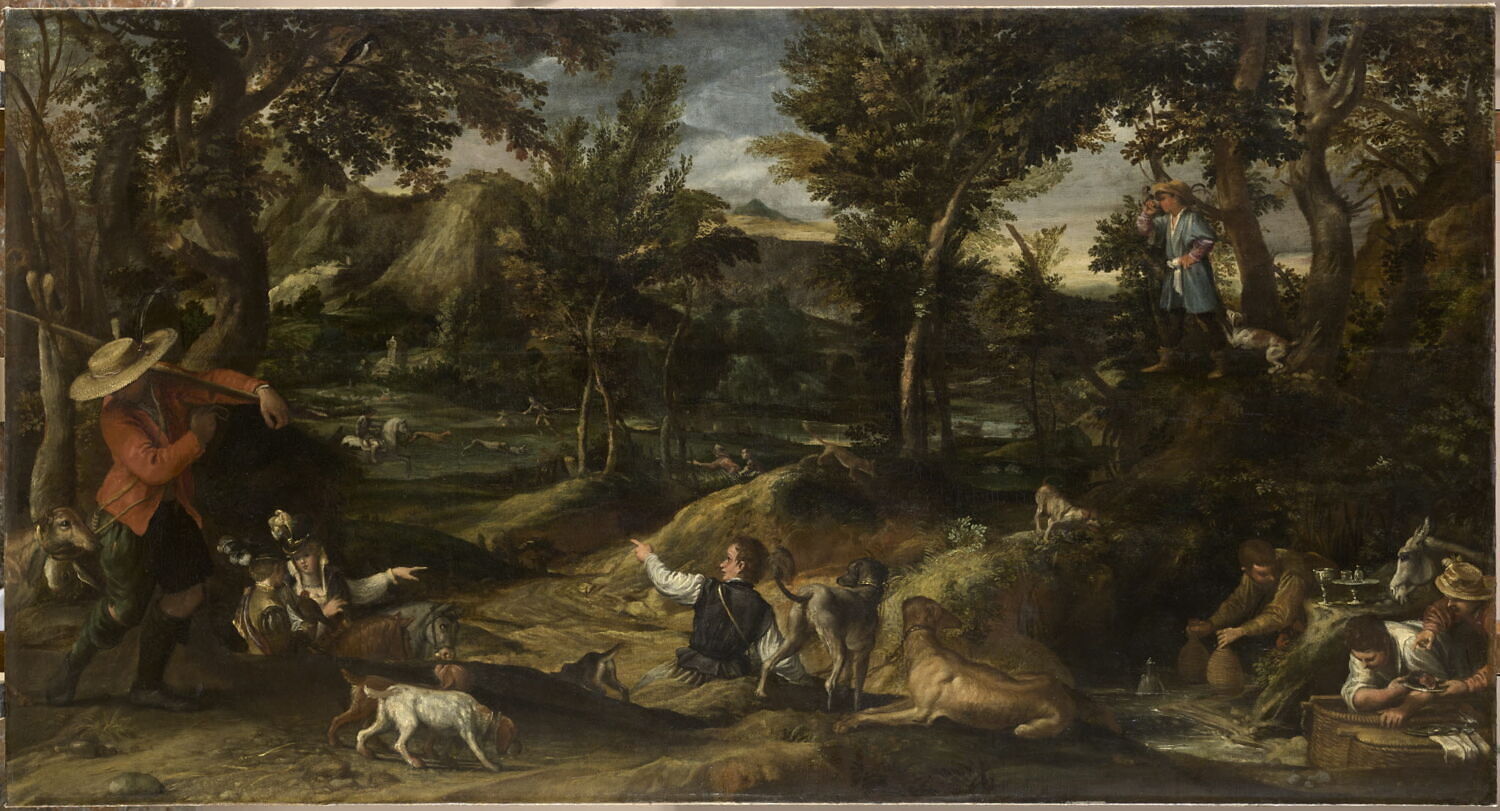
La Chasse, Carrache, Annibal, 4e quart du XVIe siècle (1575 - 1600)

La Chasse

4e quart du XVIe siècle (1575 - 1600) · Museo del Louvre

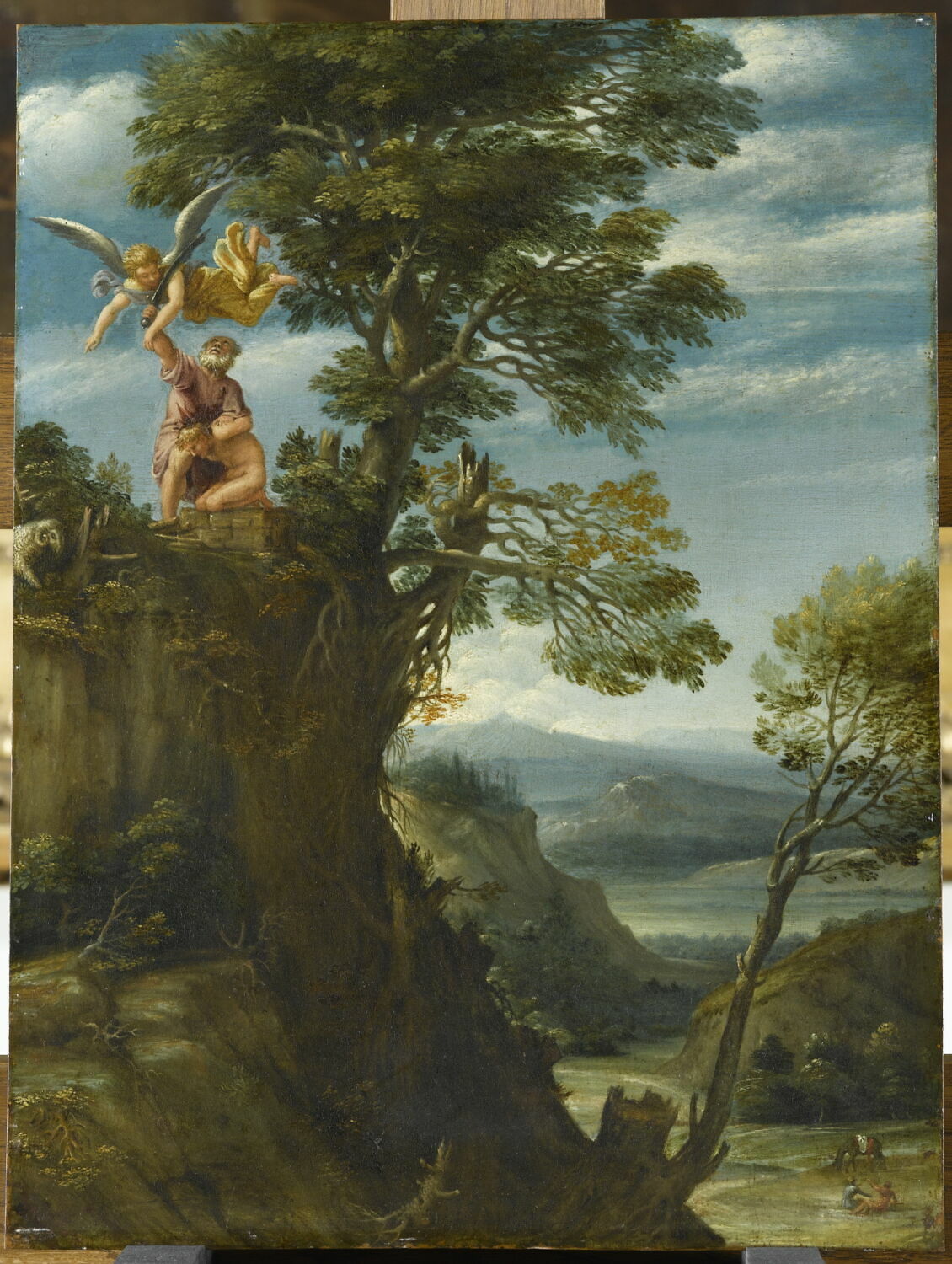
Le Sacrifice d'Abraham, Carrache, Annibal, 4e quart du XVIe siècle (1575 - 1600)

Le Sacrifice d'Abraham

4e quart du XVIe siècle (1575 - 1600) · Museo del Louvre

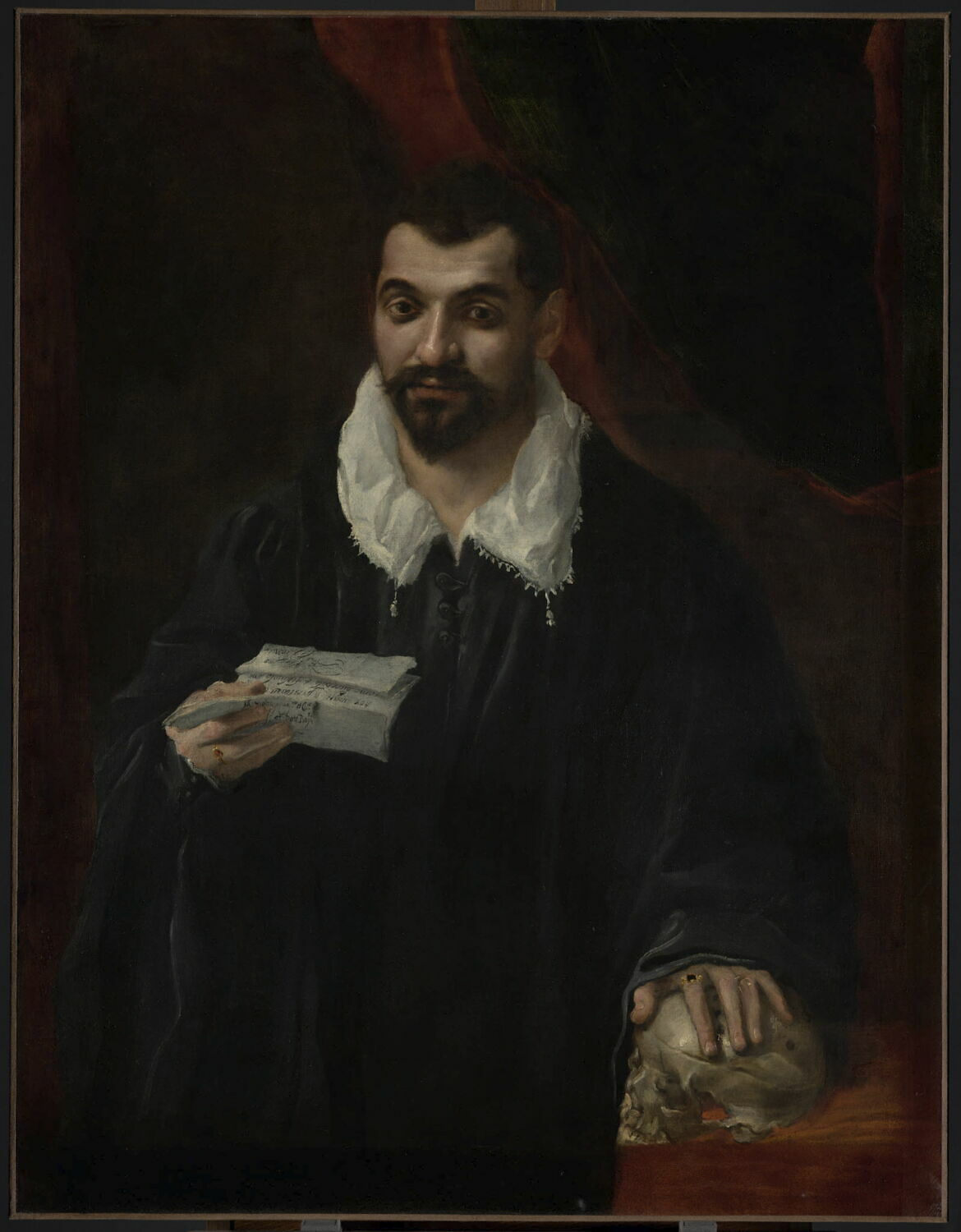
Portrait d'homme, dit autrefois Portrait du docteur Boissy, Carrache, Annibal, 4e quart du XVIe siècle (1575 - 1600)

Portrait d'homme, dit autrefois Portrait du docteur Boissy

4e quart du XVIe siècle (1575 - 1600) · Museo del Louvre

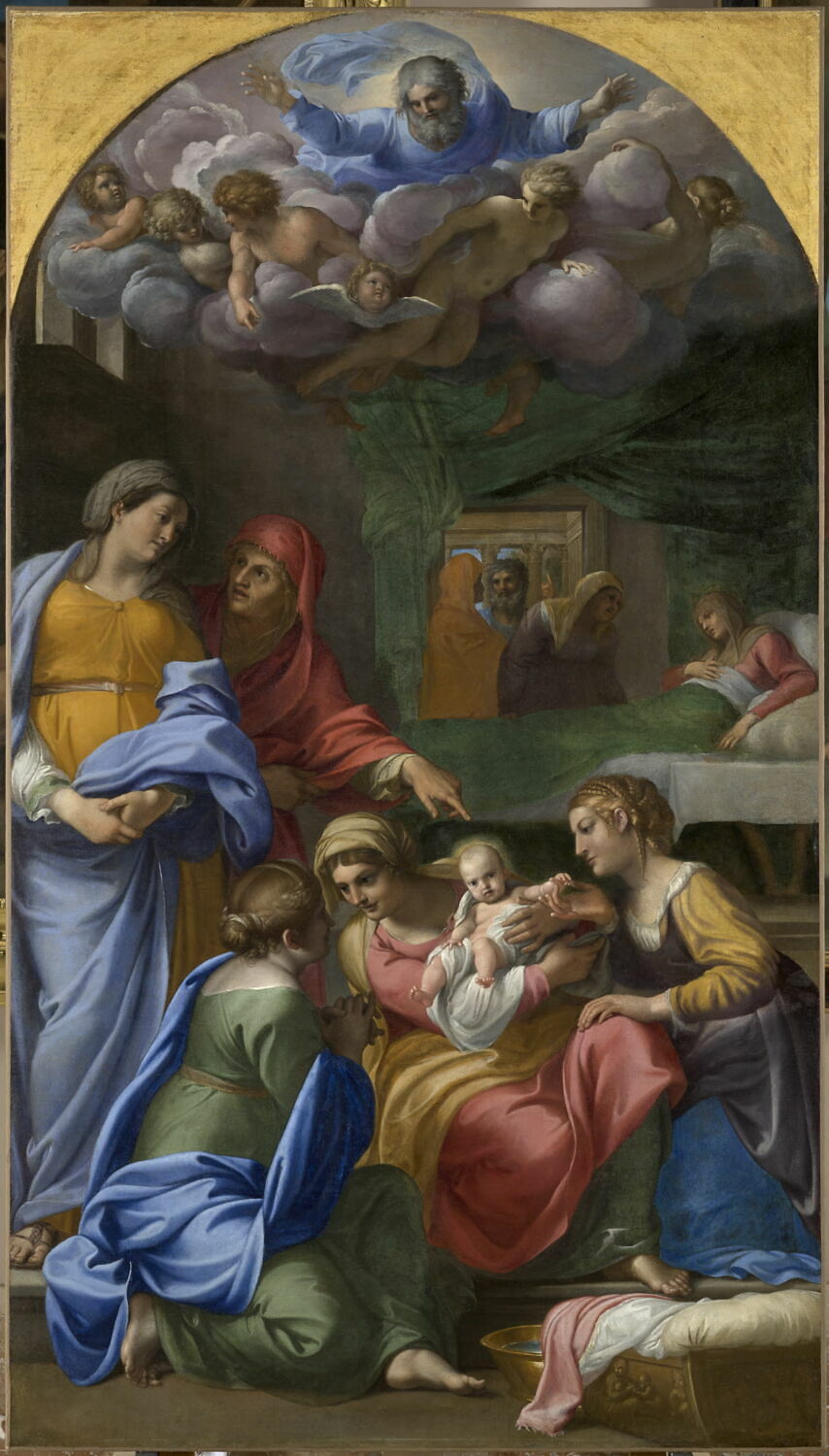
La Naissance de la Vierge, Carrache, Annibal, 4e quart du XVIe siècle (1575 - 1600)

La Naissance de la Vierge

4e quart du XVIe siècle (1575 - 1600) · Museo del Louvre

Sotto lo stesso tetto: Cleveland Museum of Art

Pagina del museo
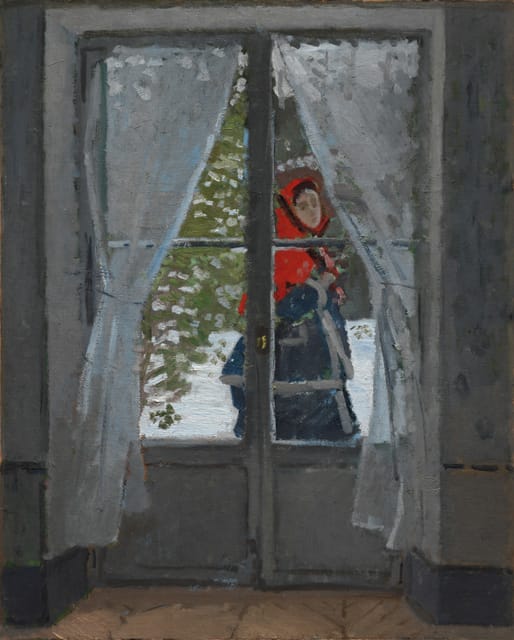
The Red Kerchief, Claude Monet, c. 1868–73

Claude Monet

The Red Kerchief, c. 1868–73

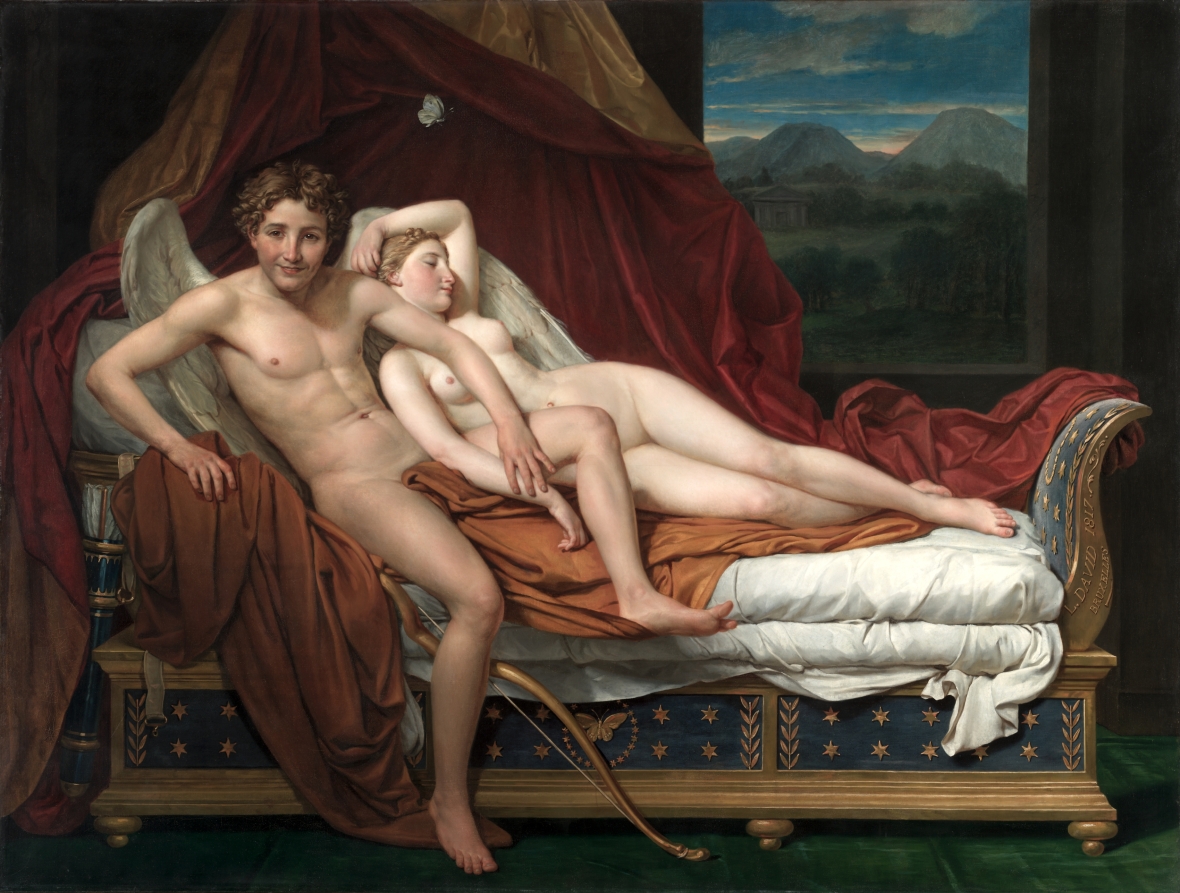
Cupid and Psyche, Jacques-Louis David, 1817

Jacques-Louis David

Amore e Psiche, 1817

Mars, Venus, and Eros, Marcantonio Raimondi possibly after Andrea Mantegna, 1508

Andrea Mantegna

Mars, Venus, and Eros, 1508

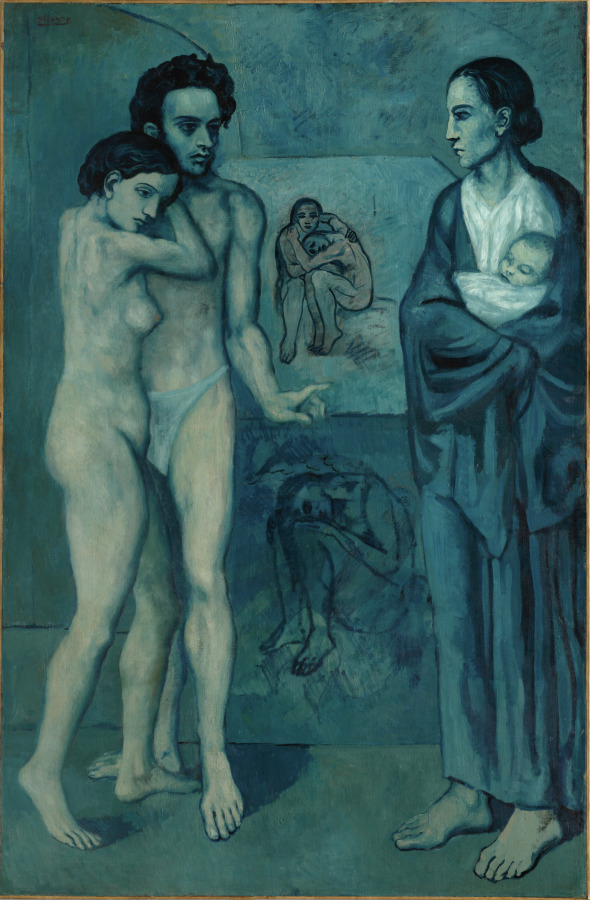
La Vie, Pablo Picasso, 1903

Pablo Picasso

La vita, 1903

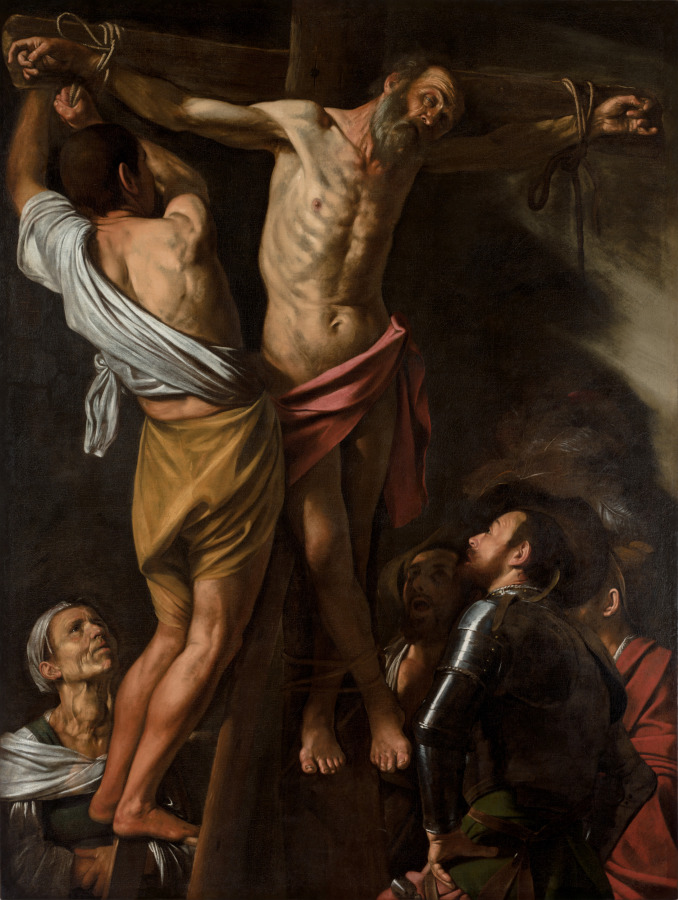
The Crucifixion of Saint Andrew, Caravaggio, 1606–7

Caravaggio

The Crucifixion of Saint Andrew, 1606–7

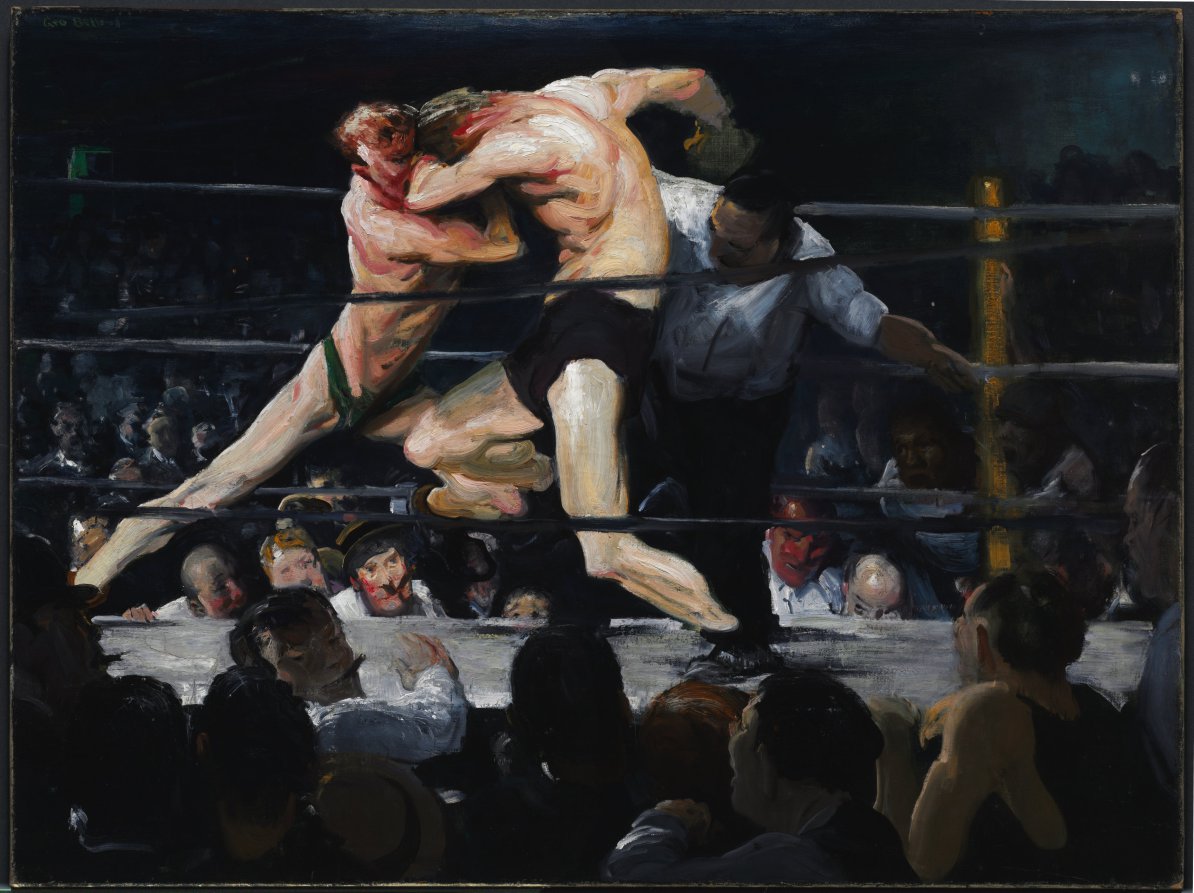
Stag at Sharkey's, George Bellows, 1909

George Bellows

Stag at Sharkey's, 1909

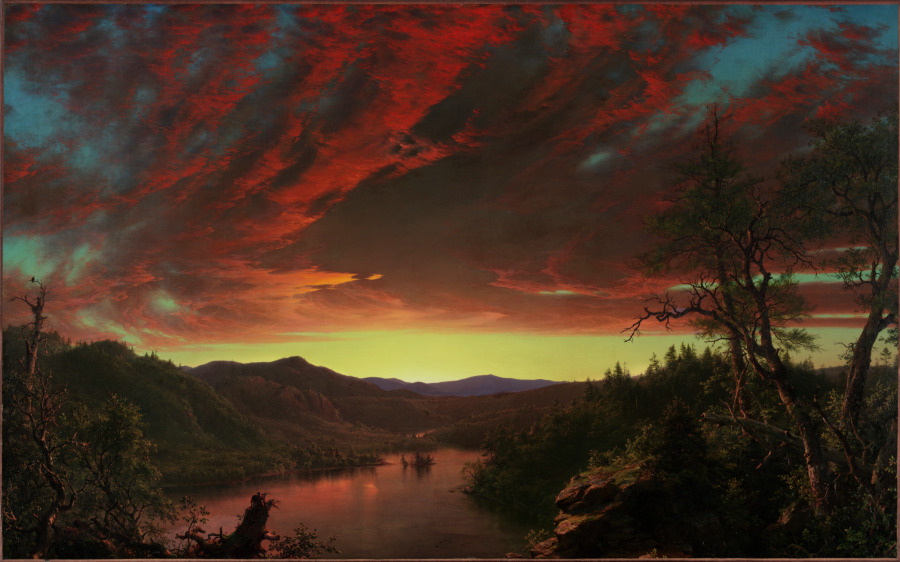
Twilight in the Wilderness, Frederic Edwin Church, 1860

Frederic Edwin Church

Twilight in the Wilderness, 1860

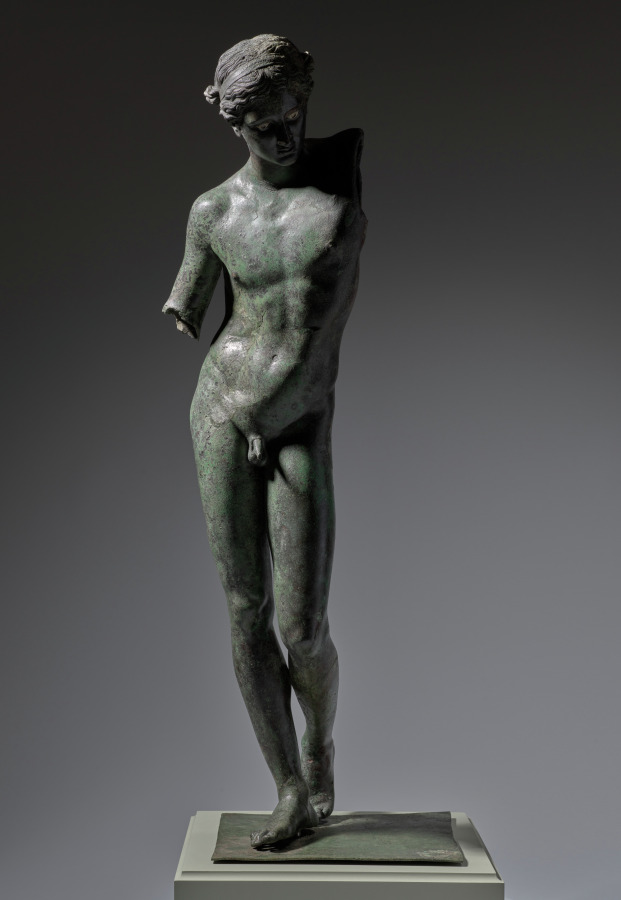
The Cleveland Apollo: Apollo Sauroktonos (Lizard-Slayer) or Apollo the Python-Slayer, Praxiteles, c. 350–200 BCE

Praxiteles

The Cleveland Apollo: Apollo Sauroktonos (Lizard-Slayer) or Apollo the Python-Slayer, c. 350–200 BCE