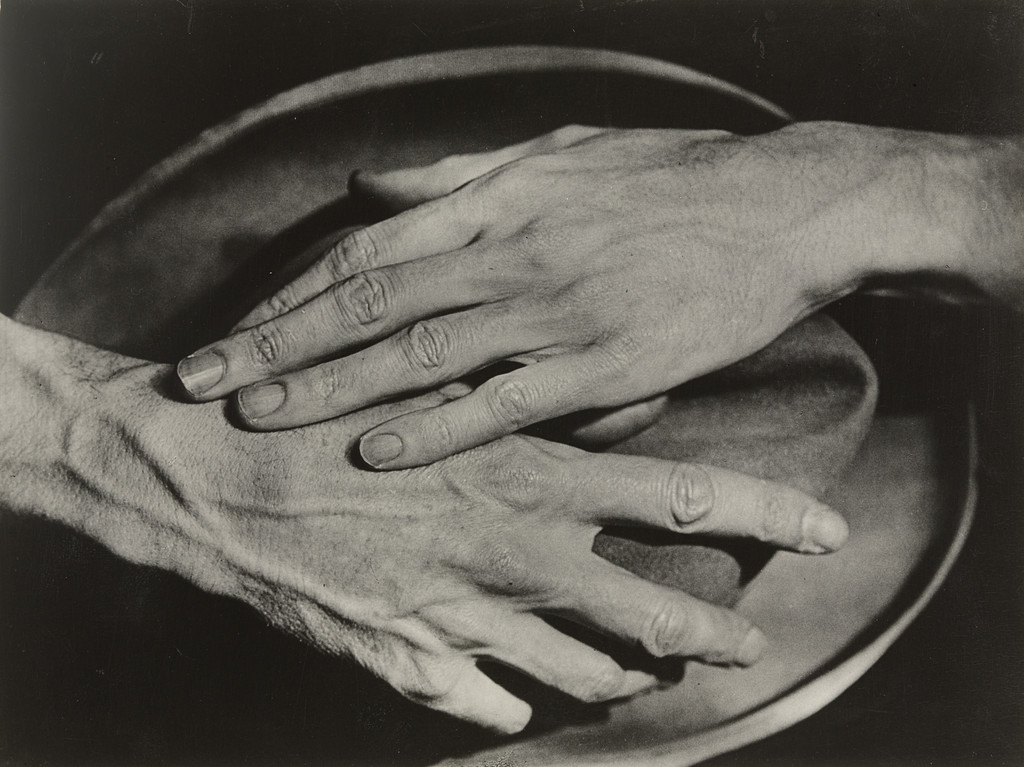
Berenice AbbottStati Uniti, 1898–1991
Fire Engine House #52
Si può ammirare?
Al momento non riceve

Art Institute of Chicago
Chicago, Stati Uniti
Appartiene alla collezione, ma al momento non è esposta.
- Verificato
- Ultimo cambio di stato
- Fonte
- I dati di collezione del museo stesso
Scheda
- Numero di inventario
- 1943.1395
In catalogo
Fonti
- Art Institute of Chicago: the museum's own open data · acquisita 7 giorni fa
- Immagine: Art Institute of Chicago — © the artist or rights holder
Nel frattempo, nella vita di Berenice Abbott
Tutta la vita1930s
The idea behind “Changing New York”
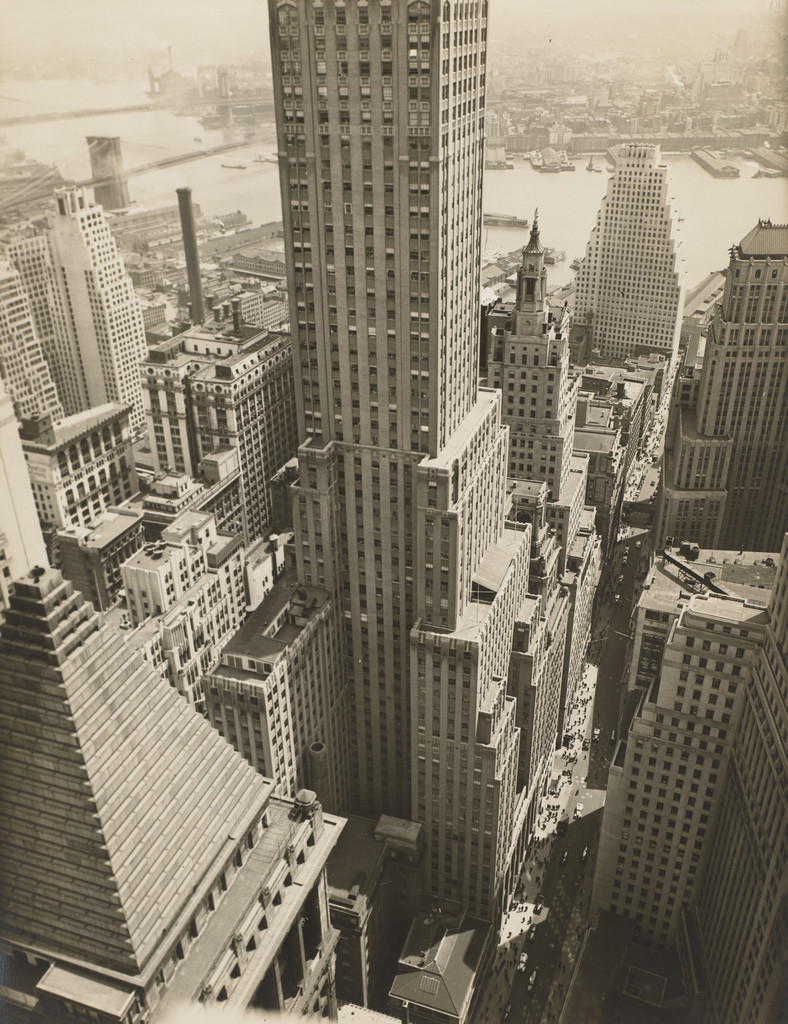
Her project is primarily a sociological study embedded within modernist aesthetic practices, meant to show the interaction between the city’s diverse people, the places where they live, work and play, and their daily activities. Lewis Mumford’s historical writings of the early 1930s strongly influence her, and buildings of the “paleotechnic era” often look downright menacing in her photographs.
1935
The Federal Art Project hires her as project supervisor
In 1935 the Federal Art Project (FAP) hires her as project supervisor for “Changing New York”: she continues to photograph the city while assistants help in the field and in the office, leaving her all her time for producing, printing and exhibiting her photographs. By the time she resigns from the FAP in 1939 she has produced 305 photographs, deposited at the Museum of the City of New York.
1935
Moves into a loft with the critic Elizabeth McCausland
She moves into a Greenwich Village loft with the art critic Elizabeth McCausland and lives with her until McCausland’s death in 1965. McCausland is an ardent supporter, writing about Abbott in the Springfield Daily Republican, Trend and New Masses (the latter under the pseudonym Elizabeth Noble) and contributing the captions for “Changing New York”.
1937
“Changing New York” exhibition at the Museum of the City of New York
Her first exhibition in New York (other accounts place an exhibition at this museum as early as 1934) becomes her best-known project. The photographs depict the city’s physical transformation, including changes to its neighbourhoods and the replacement of low-rise buildings with skyscrapers.
19 giugno 1937 – 12 settembre 1937
Took part in: foto '37
1939
The book “Changing New York” is published
The book, with captions by Elizabeth McCausland, is well received, but differs markedly from the one Abbott and McCausland first envisioned, especially in captions and sequencing; in 1973 it will be reissued as “New York in the 30’s”. Ralph Steiner writes in PM that her work is the greatest collection of photographs of New York City ever made.