ART WIKI32.963 in sala
MappaCollezioneArtistiMuseiMostreRivista
Accedi

ART WIKI

Dove è appeso il capolavoro, e quando si può entrare.

Collezioni: Art Institute of Chicago, Cleveland Museum of Art, Ermitage, Galleria Tret'jakov, Getty Museum, Harvard Art Museums, Hirshhorn Museum and Sculpture Garden, Metropolitan Museum of Art, Minneapolis Institute of Art, Museo del Louvre, Museo Puškin delle belle arti, Museo russo, Museum of Modern Art, National Gallery of Art, National Museum of Asian Art, National Portrait Gallery, Rijksmuseum, Smithsonian American Art Museum, Statens Museum for Kunst, Victoria and Albert Museum, Villa Getty, Whitney Museum of American Art, Catalogo statale del fondo museale russo (274 musei), Europeana (19 musei), Wikidata (6 musei), Paris Musées (12 musei) e Joconde, la banca dati dei musei del Ministero della Cultura francese (495 musei). Le immagini appartengono ai titolari dei diritti.

Sezioni

  • Mappa
  • Ricerca
  • Collezione
  • Capolavori
  • Esposte ora
  • Artisti

Altro

  • Musei e gallerie
  • Mostre
  • Rivista
  • Da dove vengono i dati
  • Privacy e cookie
HomeMappaCatalogo
  1. Collezione/
  2. Minneapolis Institute of Art/
  3. Erminia and the Shepherds
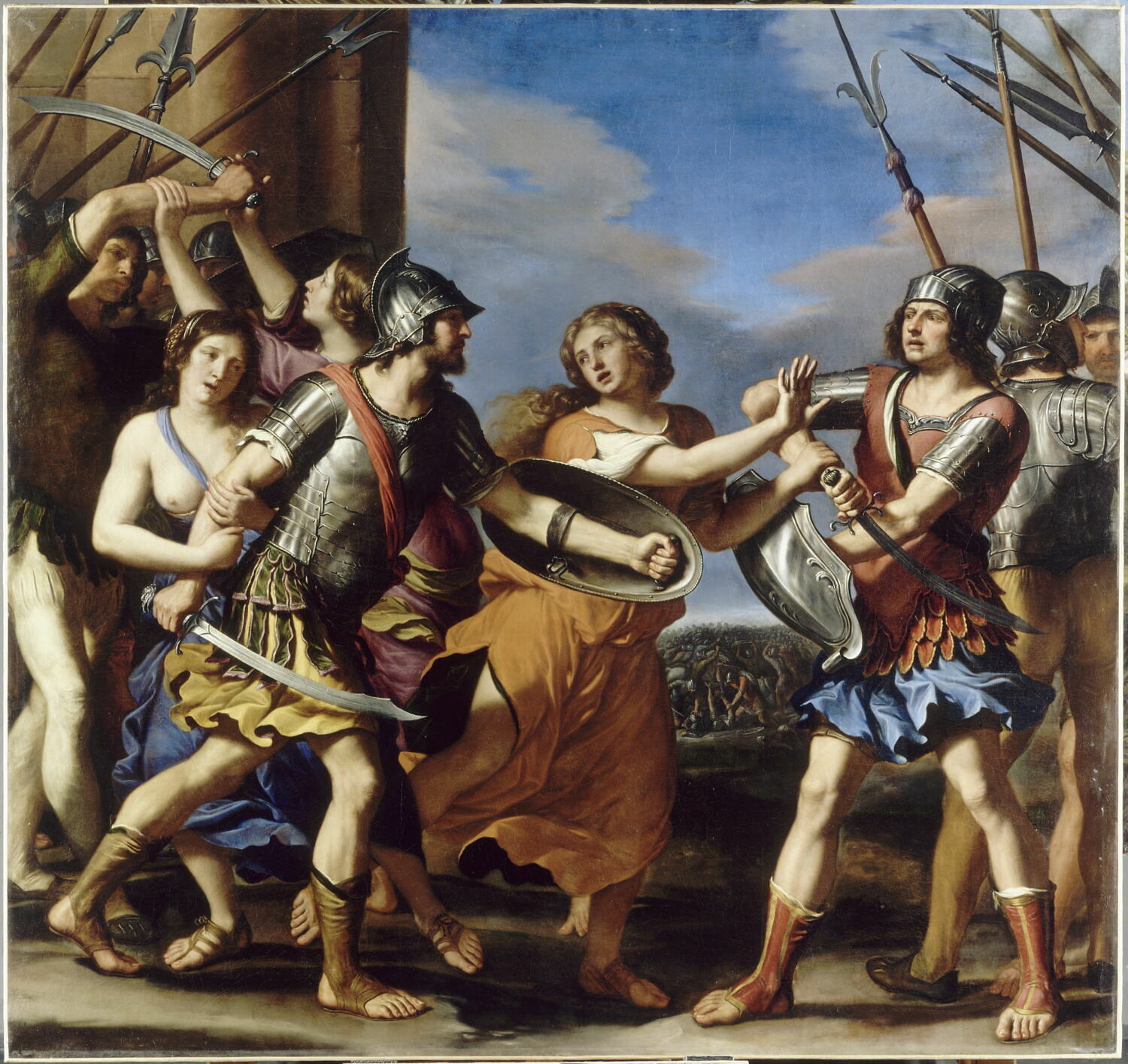
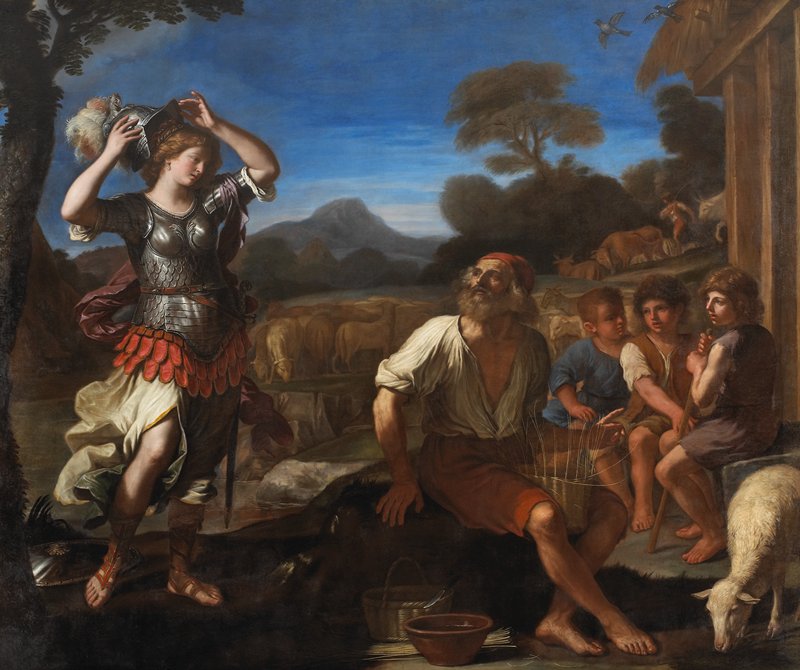
Erminia and the Shepherds, Guercino, 1648–49

Erminia and the Shepherds

1648–49 · Painting · 237.5 × 284.5 cm

Sul dipinto

Erminia e il pastore è un dipinto a olio su tela (237,5 × 284,5 cm) realizzato da Giovanni Francesco Barbieri, detto il Guercino, e databile al 1648 circa. È conservato nel Minneapolis Institute of Art di Minneapolis.

Wikipedia · CC BY-SA

Con le parole del museo

Guercino excelled at producing monumental, lushly colored Baroque paintings of literary subjects. This scene is from Torquato Tasso’s popular epic poem "Jerusalem Delivered" (1581). The story is set during the First Crusade (1096–99), when Christian warriors laid siege to Jerusalem, then under Muslim rule. Here, the Muslim princess Erminia, disguised in armor, has fled Jerusalem. Escaping to the forest, she comes upon a shepherd and his sons making baskets. They are startled, but she removes her helmet to calm their fears, and they give her shelter.

Continua a leggere

Guercino's "Erminia and the Shepherds" was commissioned by the important Sicilian collector Don Antonio Ruffo in 1648. Before Guercino completed the painting, Cardinal Fabrizio Savelli, the powerful papal legate to Bologna, saw the work in the artist's studio and insisted on acquiring it for himself. Guercino was thus compelled to paint a second version of the work for Ruffo. An entry in the artist’s account book dated January 14, 1649 records a handsome payment of 300 ducats (375 scudi) from Ruffo for an Erminia and the Shepherds, and just two days later, a second payment from Savelli is registered for roughly the same amount--100 doppie (or 370 scudi)--for the Erminia painting made for the "above noted Sig. Ruffo di Messina." Only the Minneapolis version survives.

Altre opere di Giovanni Francesco Barbieri, called Guercino

Tutte le opere

Nella stessa sala · G330, Minneapolis Institute of Art

Pagina del museo

Due to the picture's later south Italian provenance, scholars have assumed that the Minneapolis painting was the version Guercino sent to Ruffo. As some paintings from the Savelli collection later made their way to Naples too, such as Caravaggio's "Denial of Saint Peter" now in the Metropolitan Museum of Art, it is difficult to determine with any certainty whether the Minneapolis painting was Ruffo's or Savelli's.

[R. McGarry, 2018]

Minneapolis Institute of Art

Scheda

1648–49 · a 57 anni
15911666
Numero di inventario
62.12

Fonti

  • Minneapolis Institute of Art
  • Immagine: Minneapolis Institute of Art — public domain
Giovanni Francesco Barbieri, called Guercino, ritrattoGiovanni Francesco Barbieri, called GuercinoItalia, 1591–1666

Si può ammirare?

Sì, riceve visite

Minneapolis Institute of Art

Minneapolis, Stati Uniti

SalaG330

Esposta al pubblico. Chi lo garantisce è indicato qui sotto.

Verificato
3 giorni fa
Ultimo cambio di stato
25 set 2026
Fonte
Il museo
Sulla mappaPagina del museo
Samson Captured by the Philistines, Guercino, 1619

Samson Captured by the Philistines

1619 · Metropolitan Museum of Art

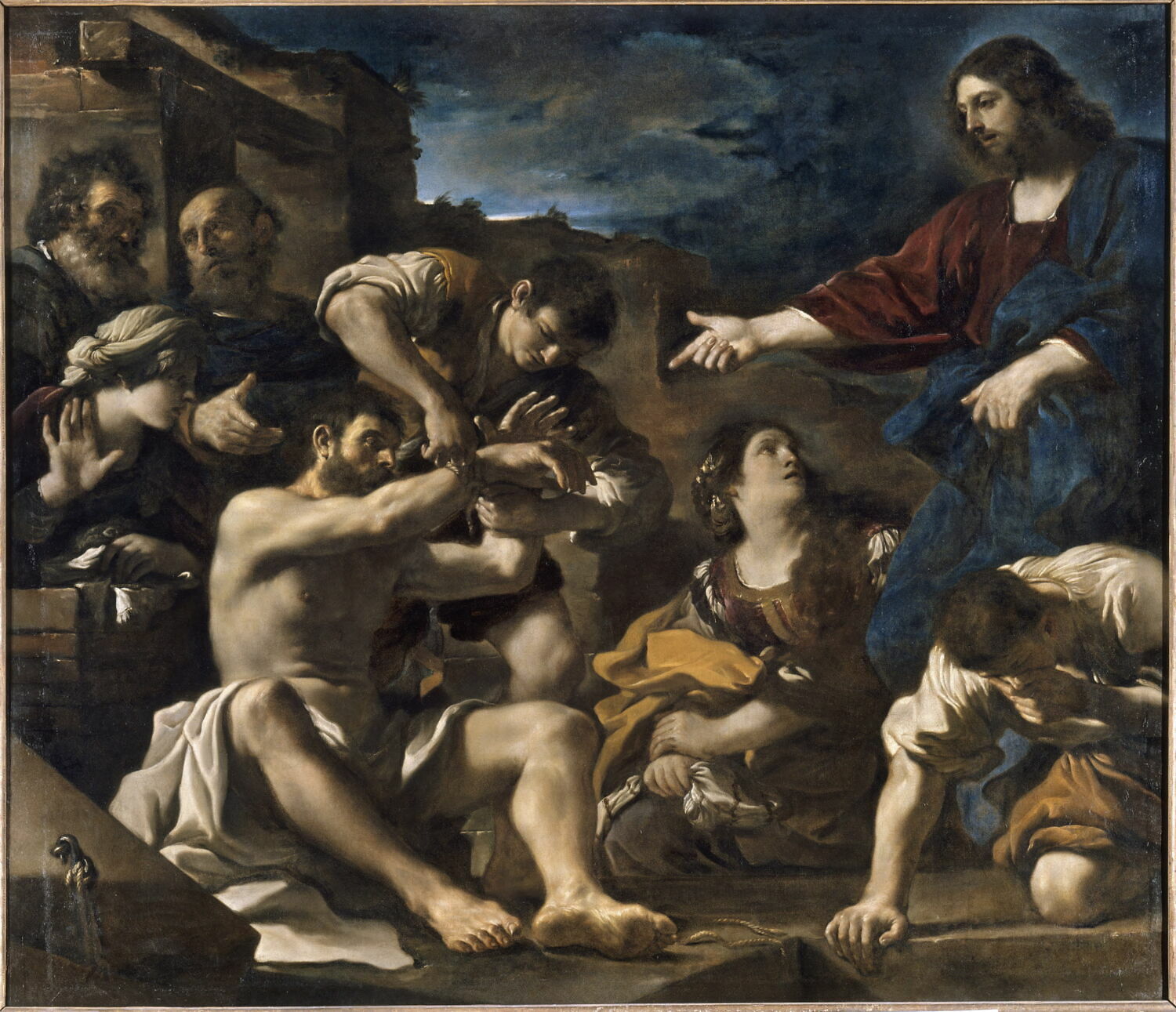
La Résurrection de Lazare, Le Guerchin, 1e quart du XVIIe siècle (1600 - 1625)

La Résurrection de Lazare

1e quart du XVIIe siècle (1600 - 1625) · Museo del Louvre

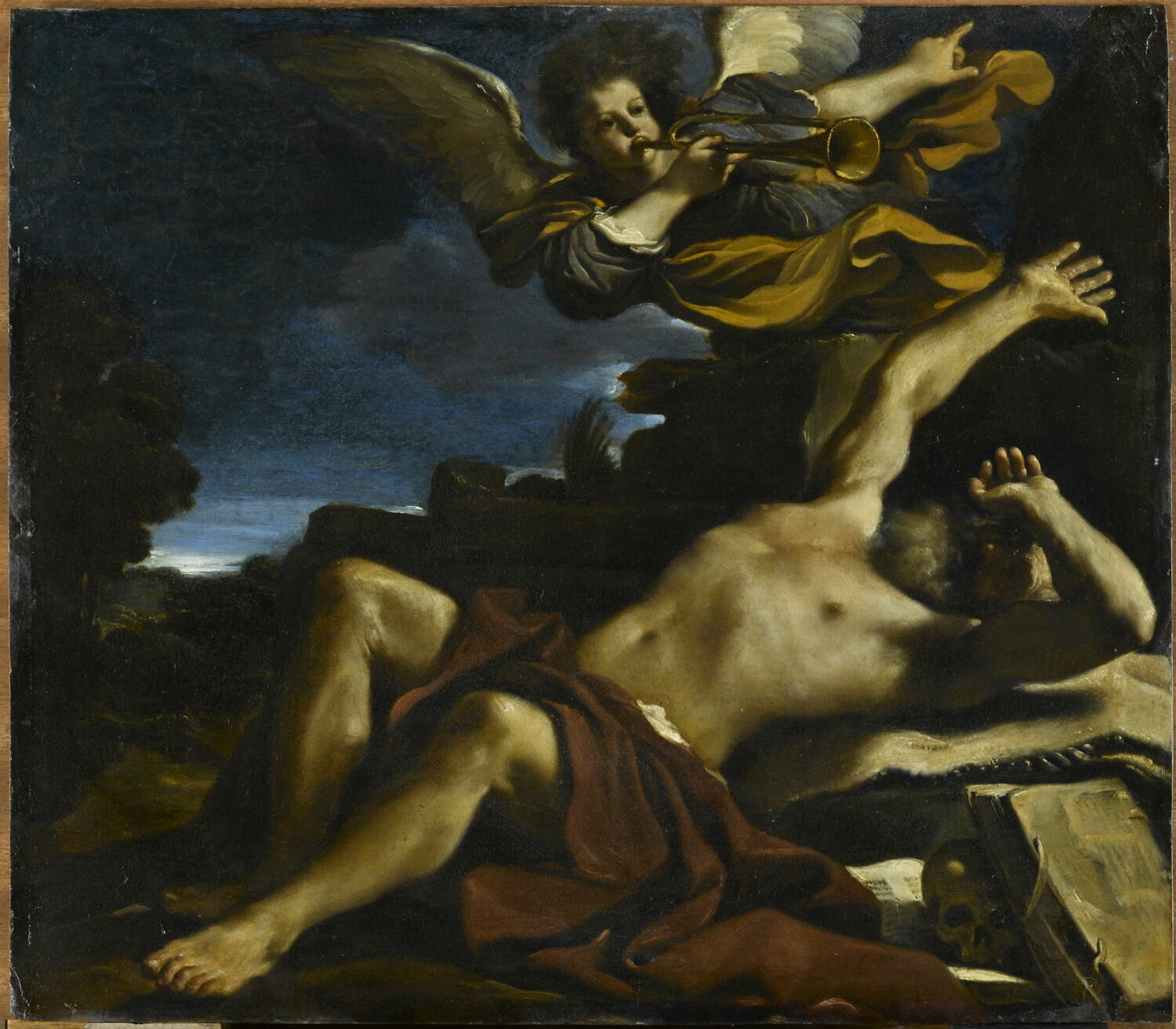
La Vision de saint Jérôme, Le Guerchin, 1e quart du XVIIe siècle (1600 - 1625)

La Vision de saint Jérôme

1e quart du XVIIe siècle (1600 - 1625) · Museo del Louvre

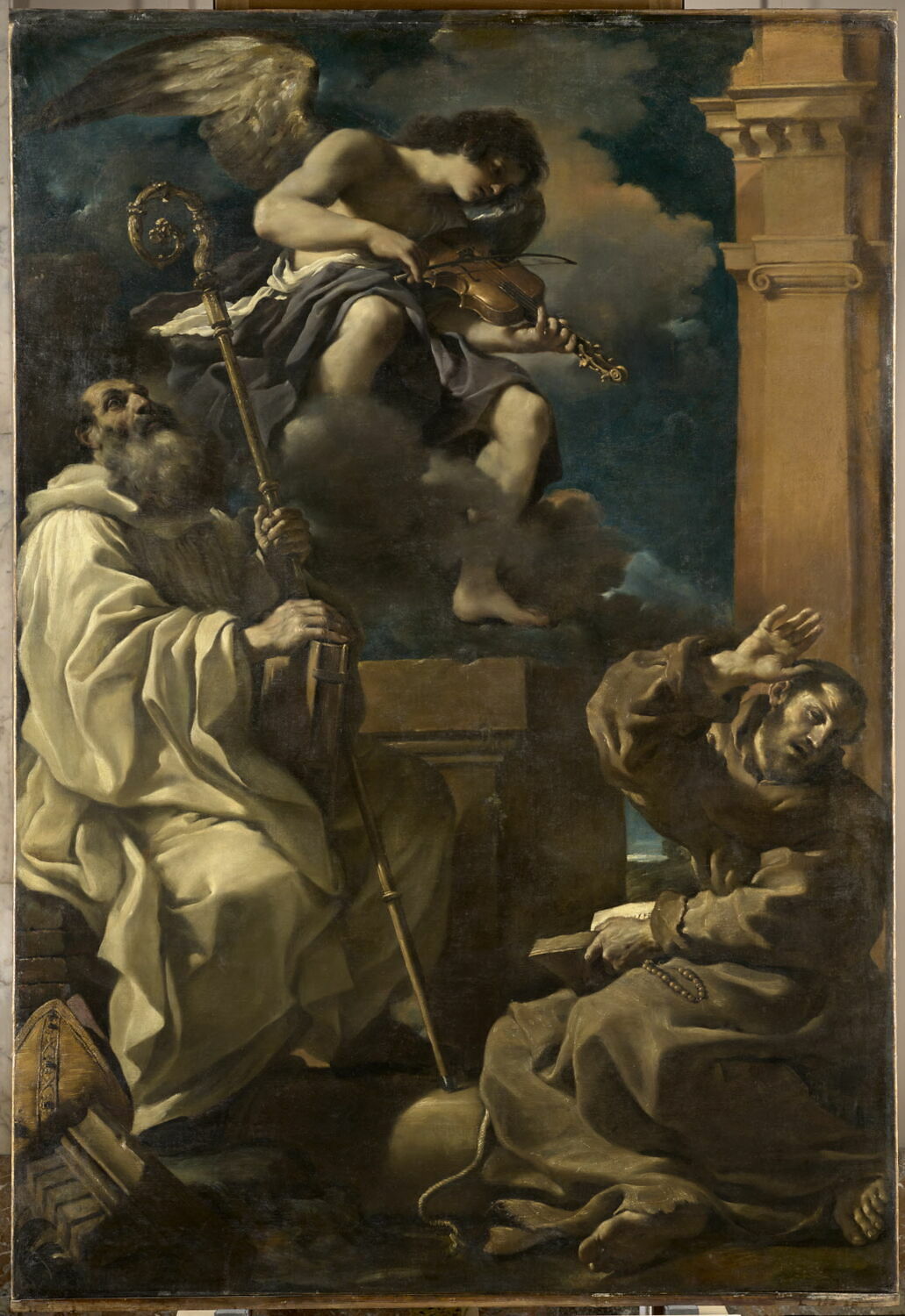
Saint François en extase et saint Benoît avec un ange musicien, Le Guerchin, 1e quart du XVIIe siècle (1620)

Saint François en extase et saint Benoît avec un ange musicien

1e quart du XVIIe siècle (1620) · Museo del Louvre

Pope Gregory XV, Guercino, about 1622–1623

Pope Gregory XV

about 1622–1623 · Getty Museum

Assumption of the Virgin Mary, Giovanni Francesco Barbieri, called Guercino, 1623

Assumption of the Virgin Mary

1623 · Ermitage

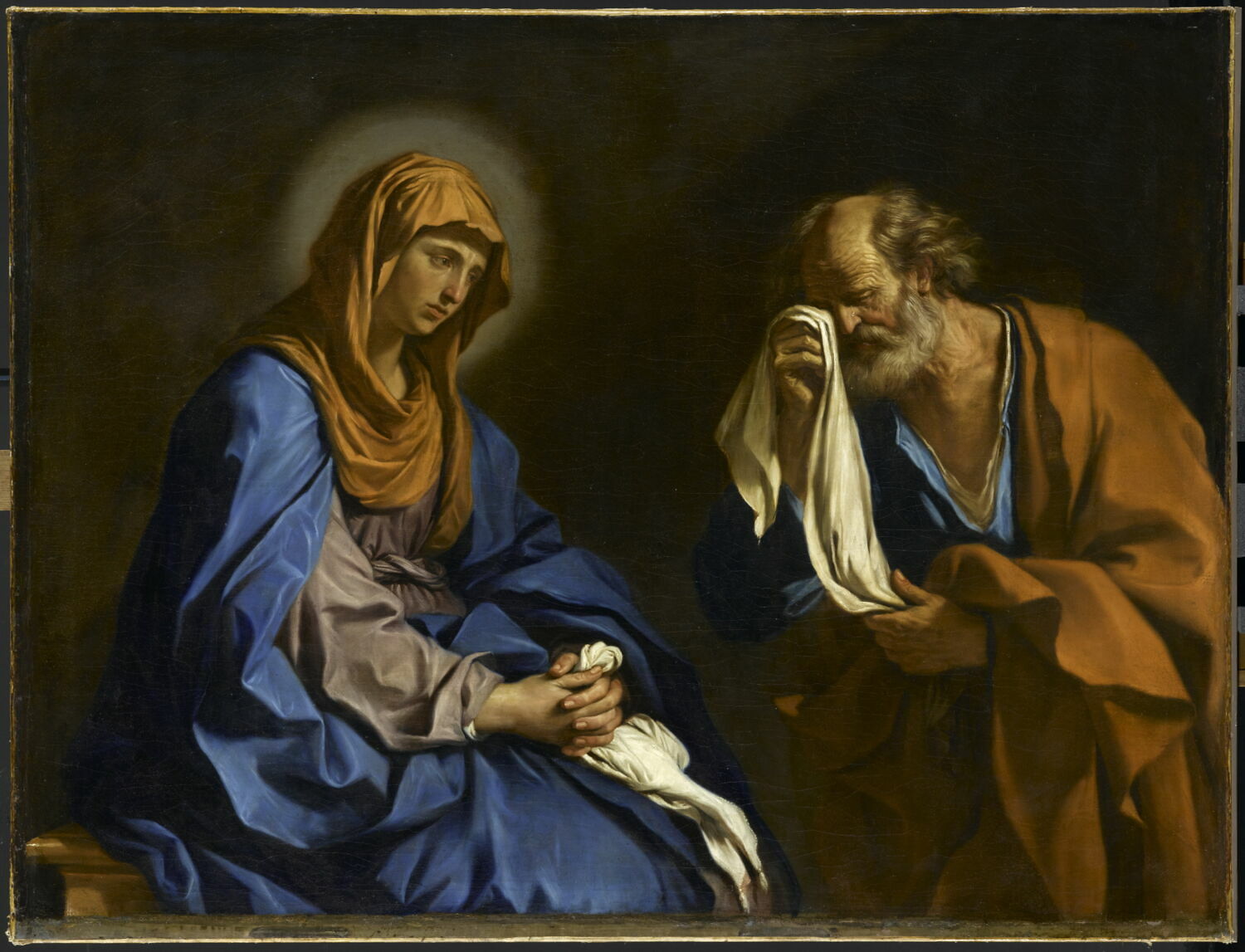
Les Larmes de saint Pierre, Le Guerchin, 2e quart du XVIIe siècle (1625 - 1650)

Les Larmes de saint Pierre

2e quart du XVIIe siècle (1625 - 1650) · Museo del Louvre

Hersilie séparant Romulus et Tatius, Le Guerchin, 2e quart du XVIIe siècle (1645)

Hersilie séparant Romulus et Tatius

2e quart du XVIIe siècle (1645) · Museo del Louvre

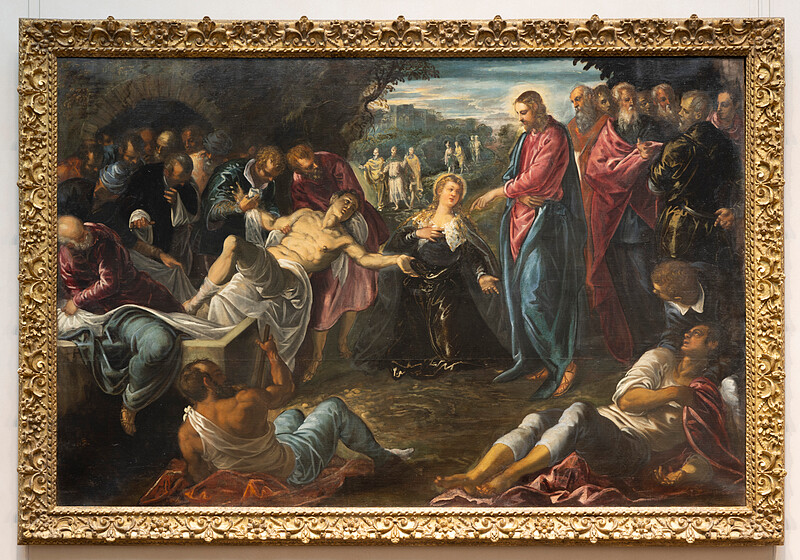
The Raising of Lazarus, Studio of Jacopo Tintoretto, late 1570 or 1580s

Jacopo Tintoretto

The Raising of Lazarus, late 1570 or 1580s

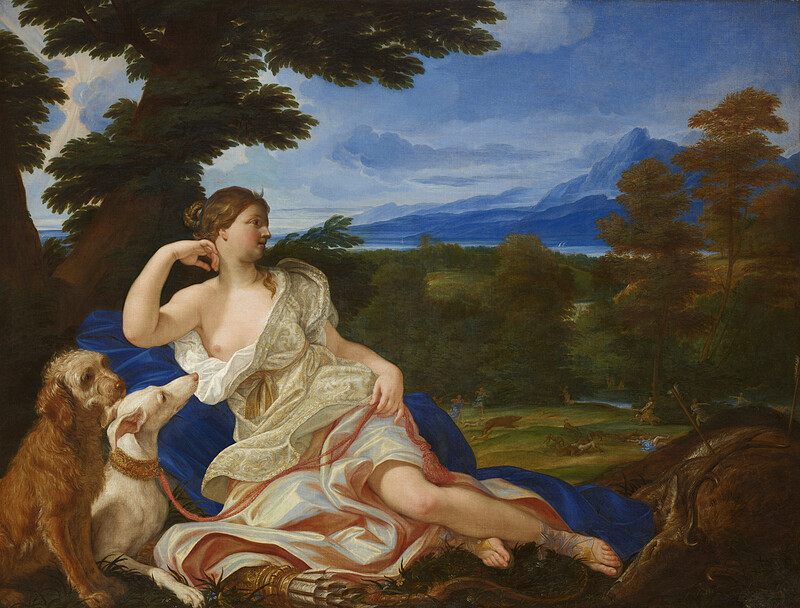
Diana the Huntress, Giovanni Battista Gaulli, c. 1690

Giovanni Battista Gaulli, called Baciccio

Diana the Huntress, c. 1690

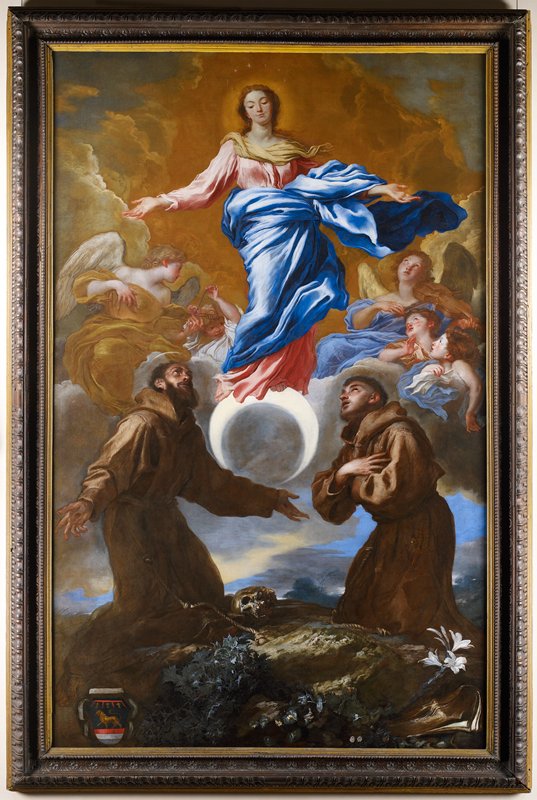
The Immaculate Conception with Saints Francis of Assisi and Anthony of Padua, Giovanni Benedetto Castiglione, 1649–50

Giovanni Benedetto Castiglione

The Immaculate Conception with Saints Francis of Assisi and Anthony of Padua, 1649–50

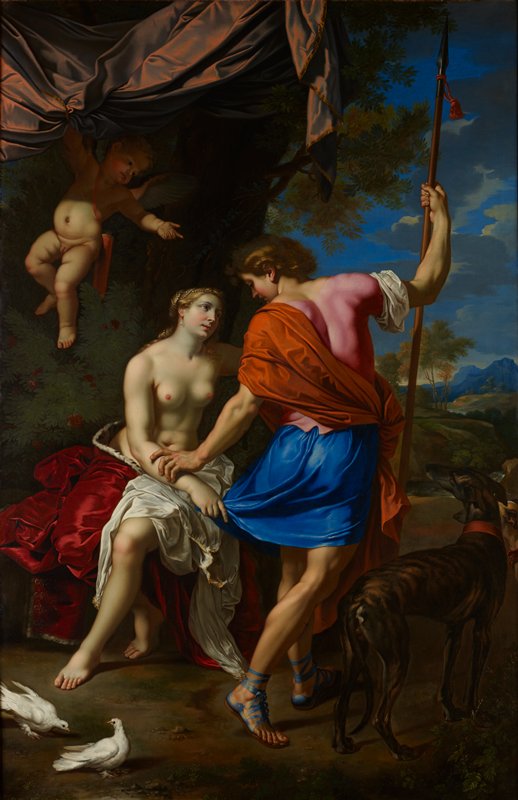
Venus and Adonis, Nicolas Mignard, c. 1650

Nicolas Mignard

Venus and Adonis, c. 1650

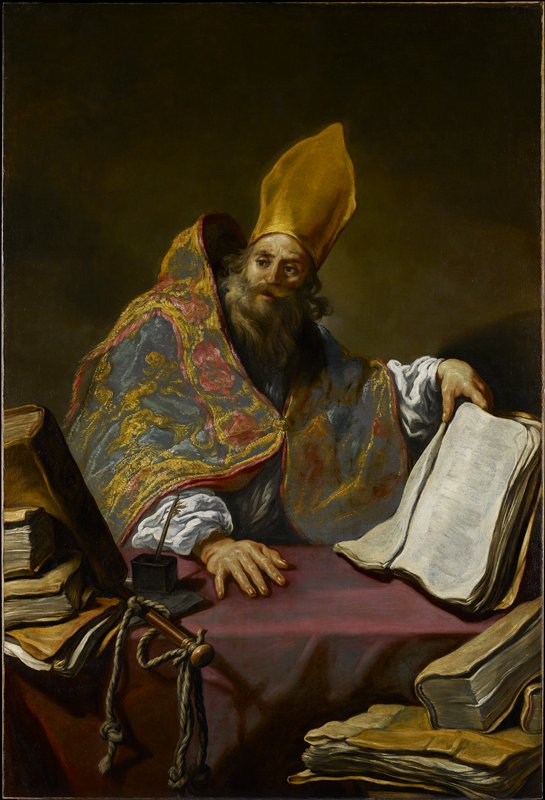
Saint Ambrose, Claude Vignon, 1623 or 1625

Claude Vignon

Saint Ambrose, 1623 or 1625

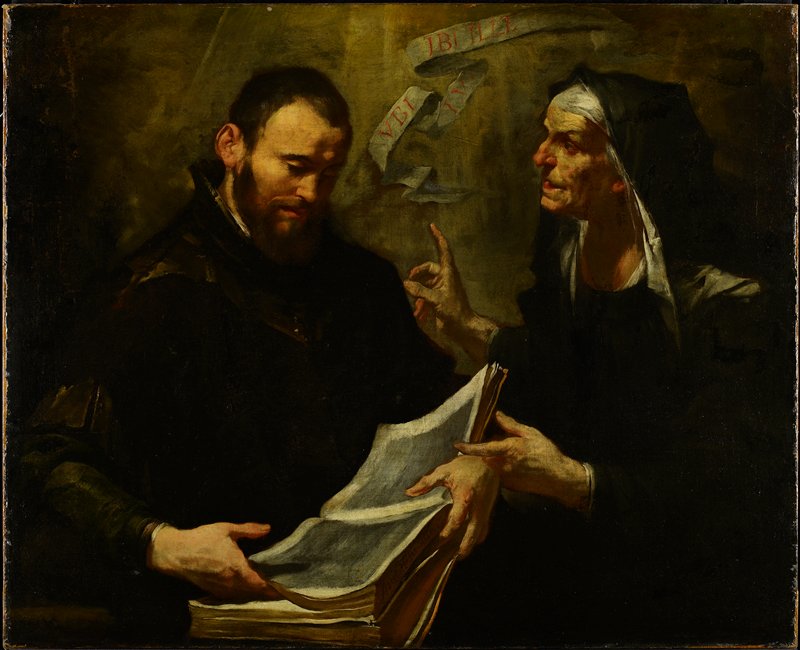
Saint Augustine and Saint Monica, Gioacchino Assereto, c. 1645–48

Attributed to Gioacchino Assereto

Saint Augustine and Saint Monica, c. 1645–48

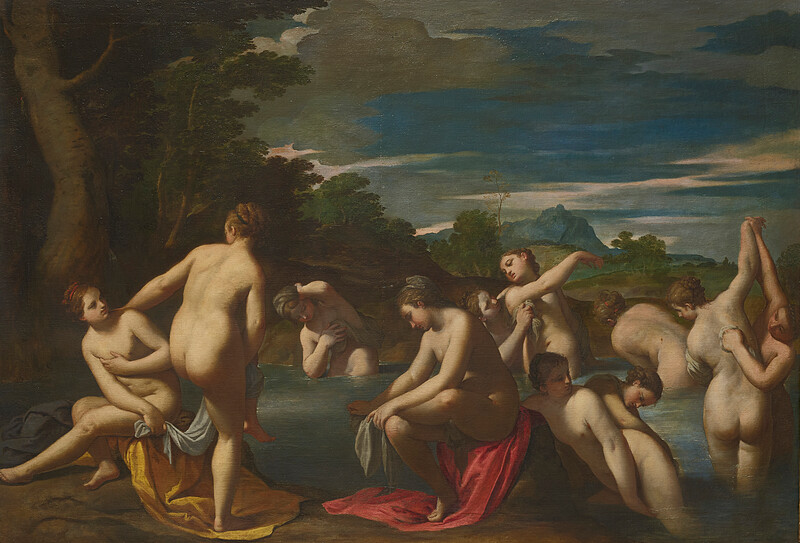
Nymphs at the Bath, Scarsellino, c. 1600

Scarsellino

Nymphs at the Bath, c. 1600

Monsignor Zondadari's Departure from Madrid and Blessing of the People, Placido Costanzi, 1728

Placido Costanzi

Monsignor Zondadari's Departure from Madrid and Blessing of the People, 1728

In catalogo

DipintiOlioPittura italianaBaroccoXVII secoloItalia