 William ChambersScozia, 1723–1796
Drawing
Si può ammirare?
Al momento non riceve

Victoria and Albert Museum
Londra, Regno Unito
Appartiene alla collezione, ma al momento non è esposta.
- Verificato
- 8 giorni fa
- Ultimo cambio di stato
- 25 set 2026
- Fonte
- I dati di collezione del museo stesso
Sull’opera
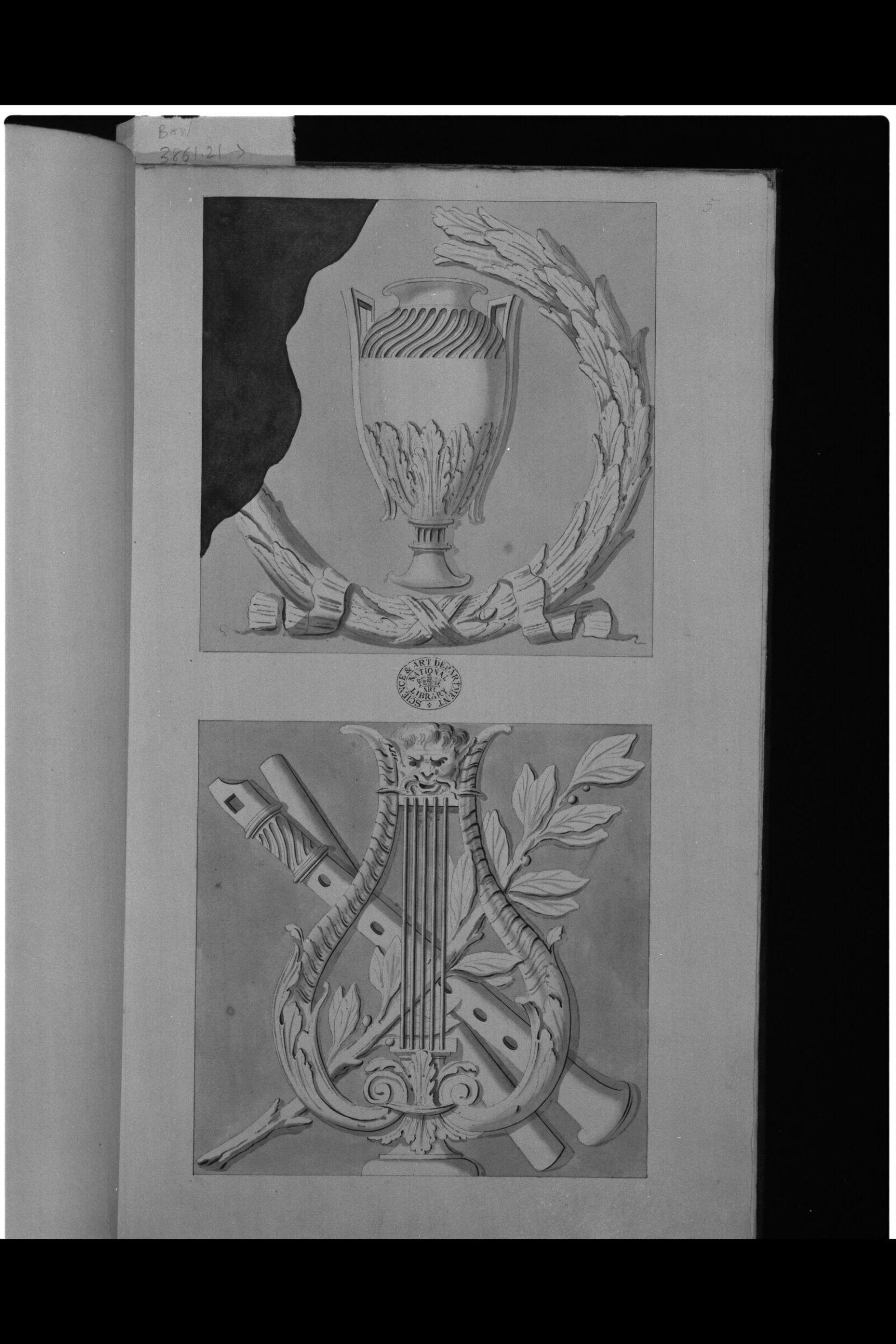
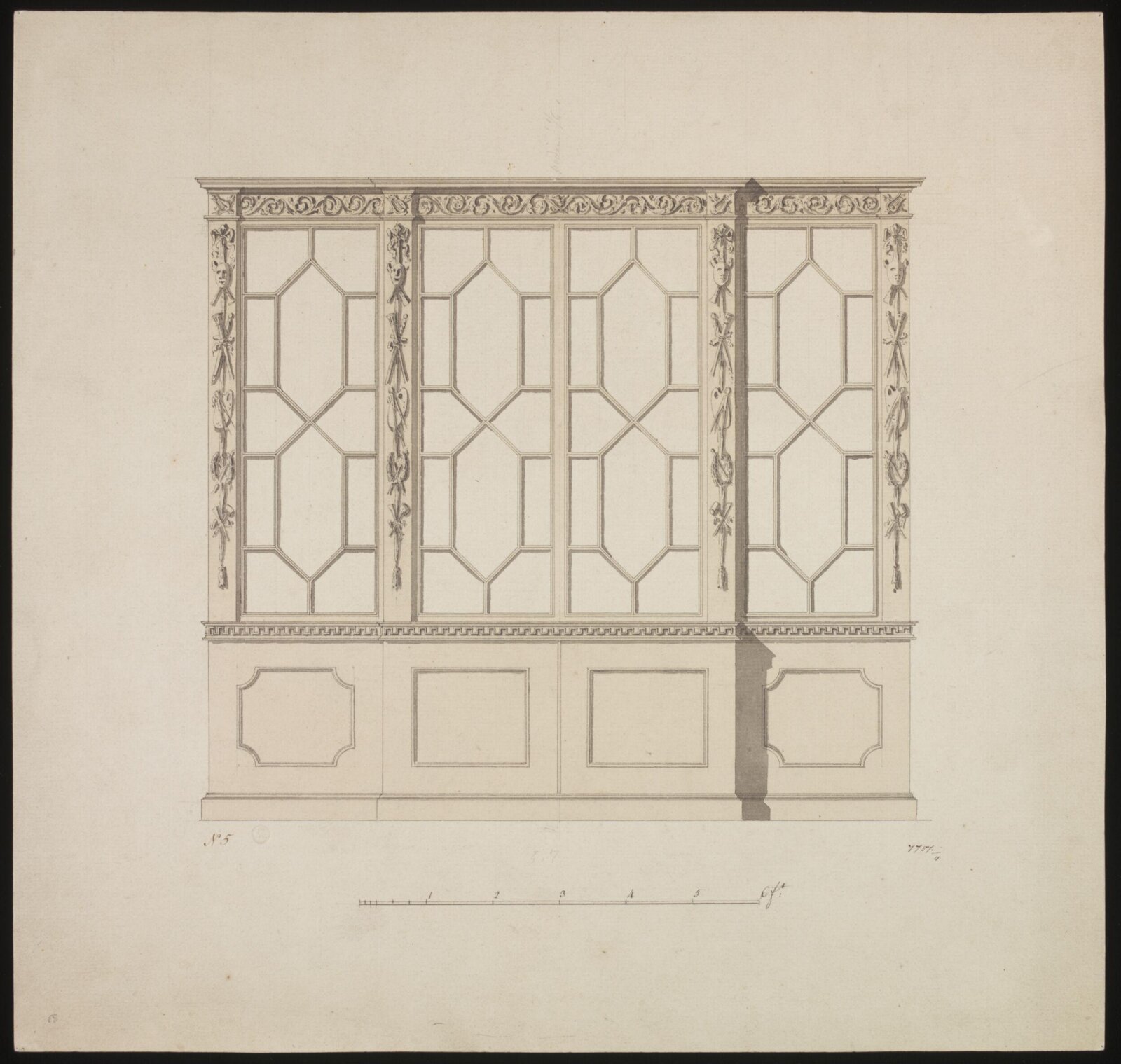
Elevation of a glazed bookcase by leading architect and designer Sir William Chambers (1723-1796). This design shows a large bookcase with a breakfront. It has four tall doors, glazed in a pattern based on hexagonal lozenges. The bottom of the bookcase has four doors with relief panels. The design exactly matches the description in an account of 1764 from the carver Sefferin Alken to the Marquess of Tavistock for a mahogany bookcase. The bookcase could have been made for any of Tavistock's houses. The trophies in this drawing are by different hands; one is possibly that of Chambers himself.
Read on
Chambers was born in Sweden and died in London. He travelled widely, visiting China, and studied architecture at the Ecole des Arts, Paris, from 1749 and in Italy from 1750 to 1755. Many of his drawings from this period are contained in his important 'Franco-Italian' album, held in the V&A. Chambers moved to London in 1755 and published his influential Treatise on Civil Architecture in 1759. Chambers demonstrated the breadth of his style in buildings such as Gower (later Carrington) House and Melbourne House, London, in such country houses as Duddingston, Scotland, and in the garden architecture he designed for Wilton House, Wiltshire, and at Kew Gardens. He became head of government building in 1782, and in this capacity built Somerset House, London.
Victoria and Albert Museum
Scheda
- Numero di inventario
- 7757:4
What it shows
In catalogo
Fonti
- Victoria and Albert Museum: the museum's own open data · acquisita 8 giorni fa
- Immagine: Victoria and Albert Museum — © Victoria and Albert Museum, London