 Roy JaminiIndia, 1887–1972
Drawing
Si può ammirare?
Al momento non riceve

Victoria and Albert Museum
Londra, Regno Unito
Appartiene alla collezione, ma al momento non è esposta.
- Verificato
- 8 giorni fa
- Ultimo cambio di stato
- 25 set 2026
- Fonte
- I dati di collezione del museo stesso
Sull’opera
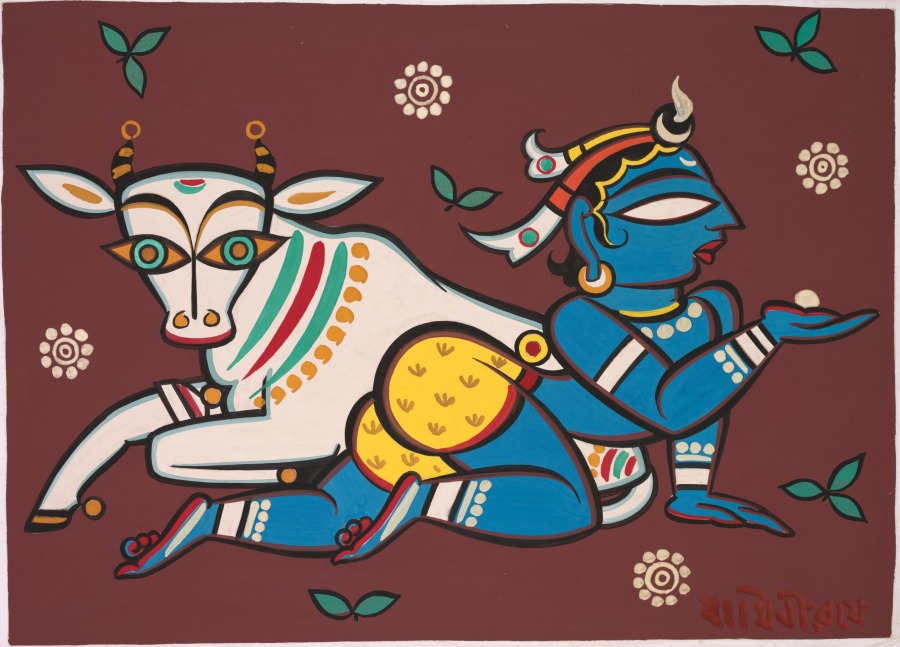
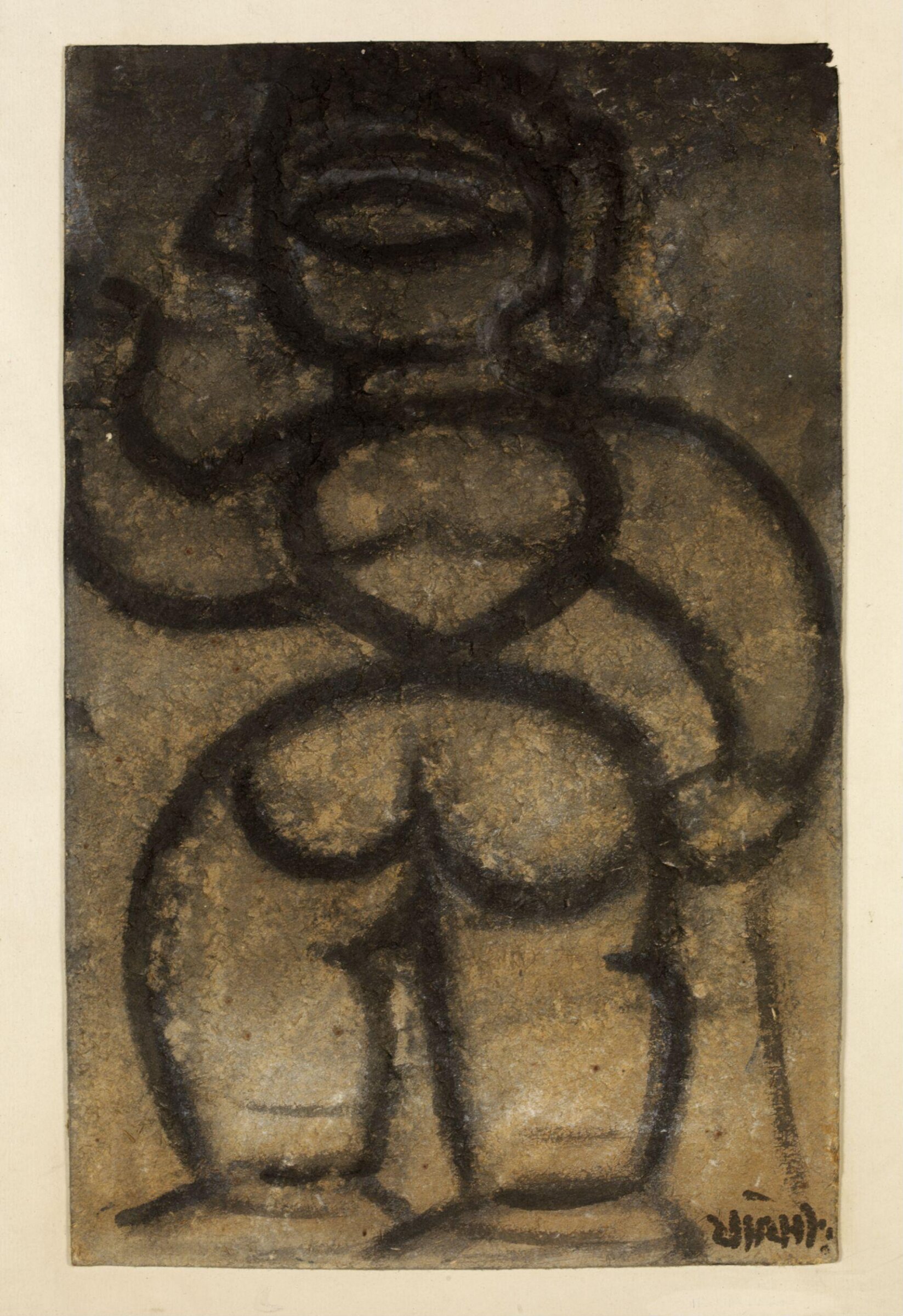
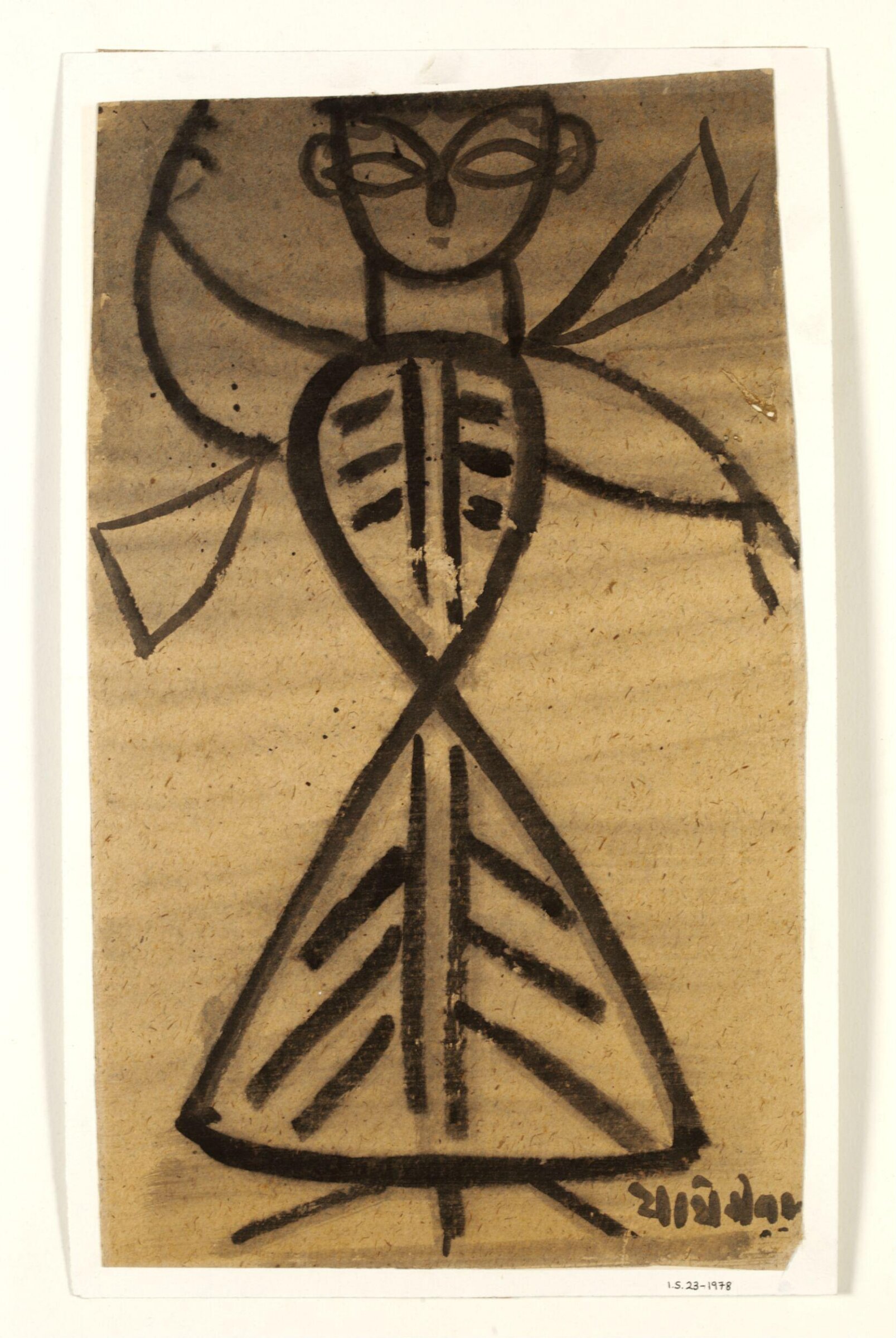
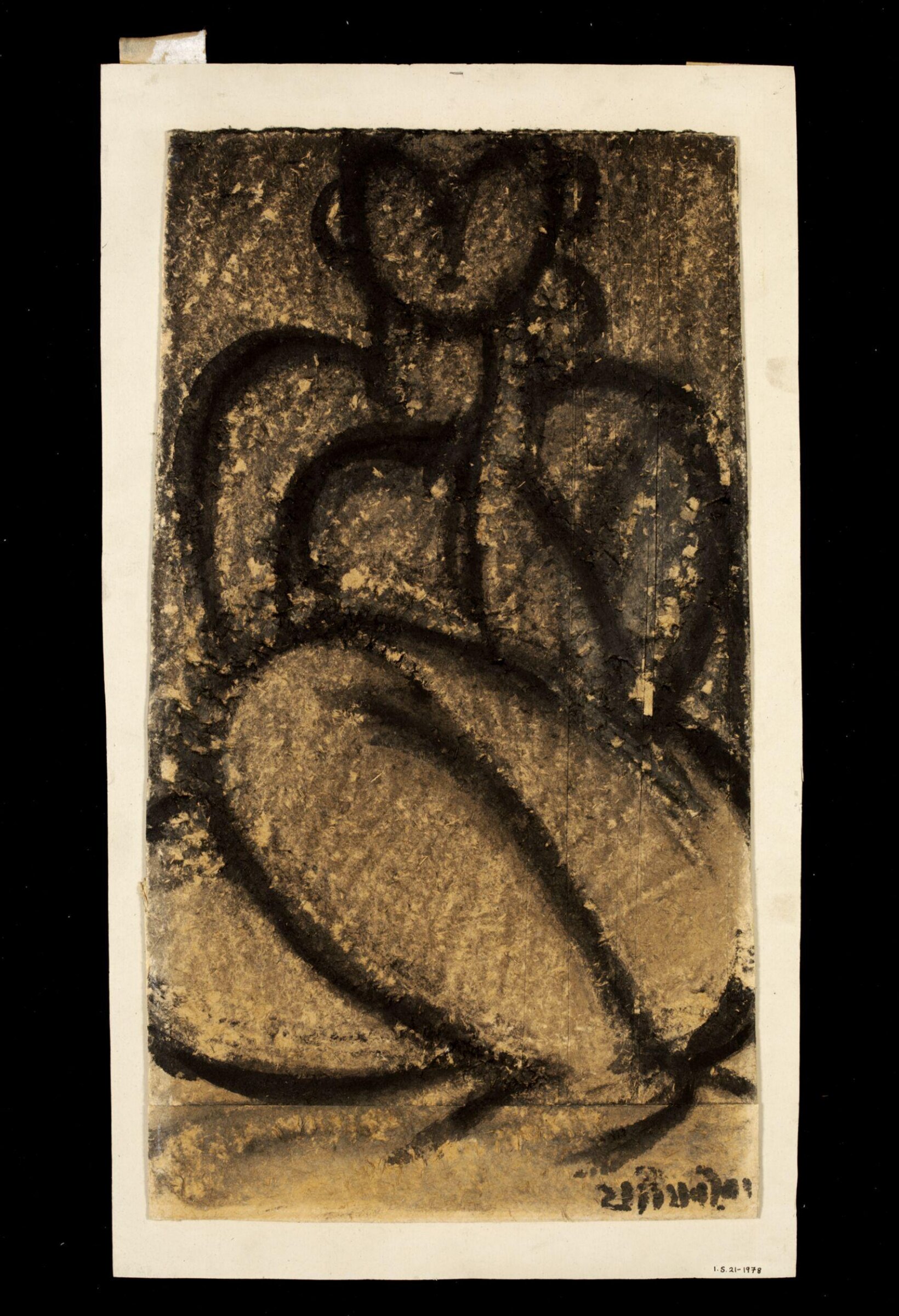
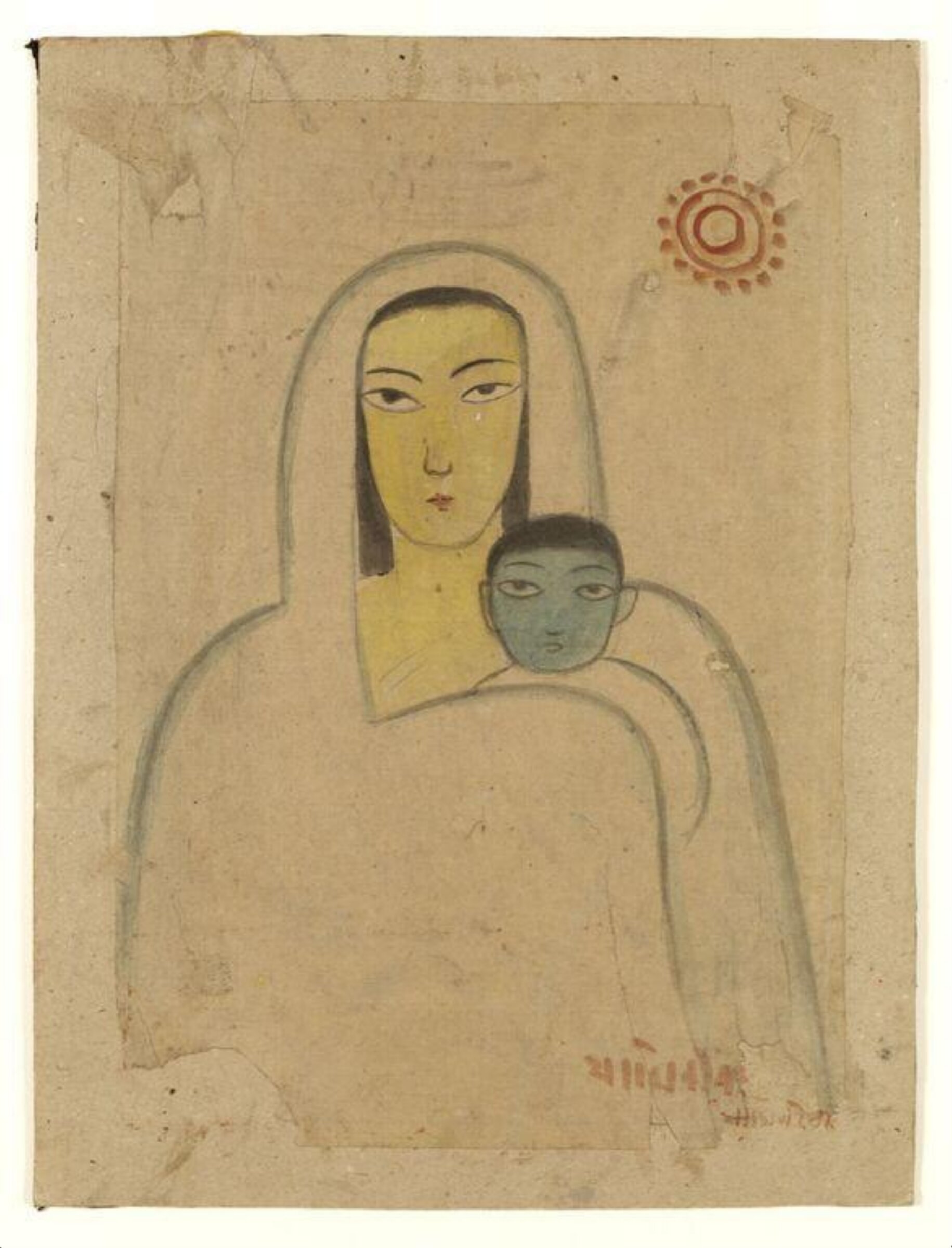
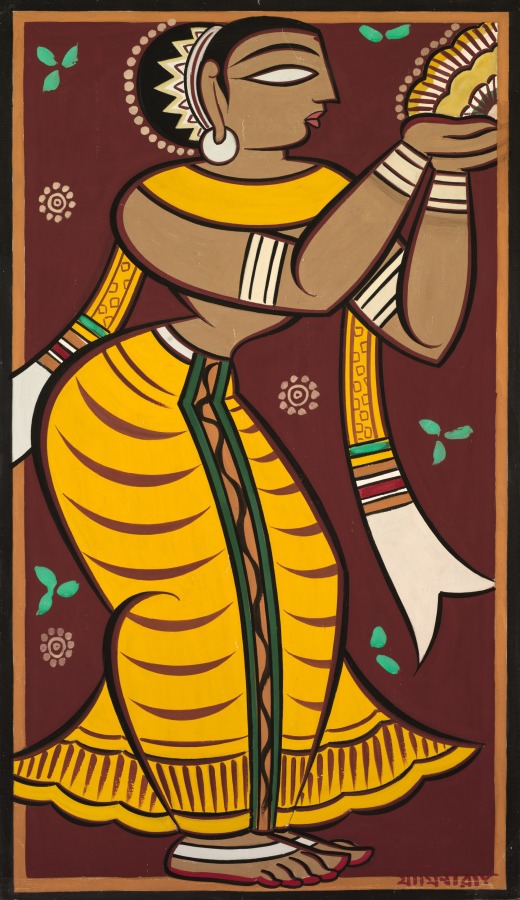
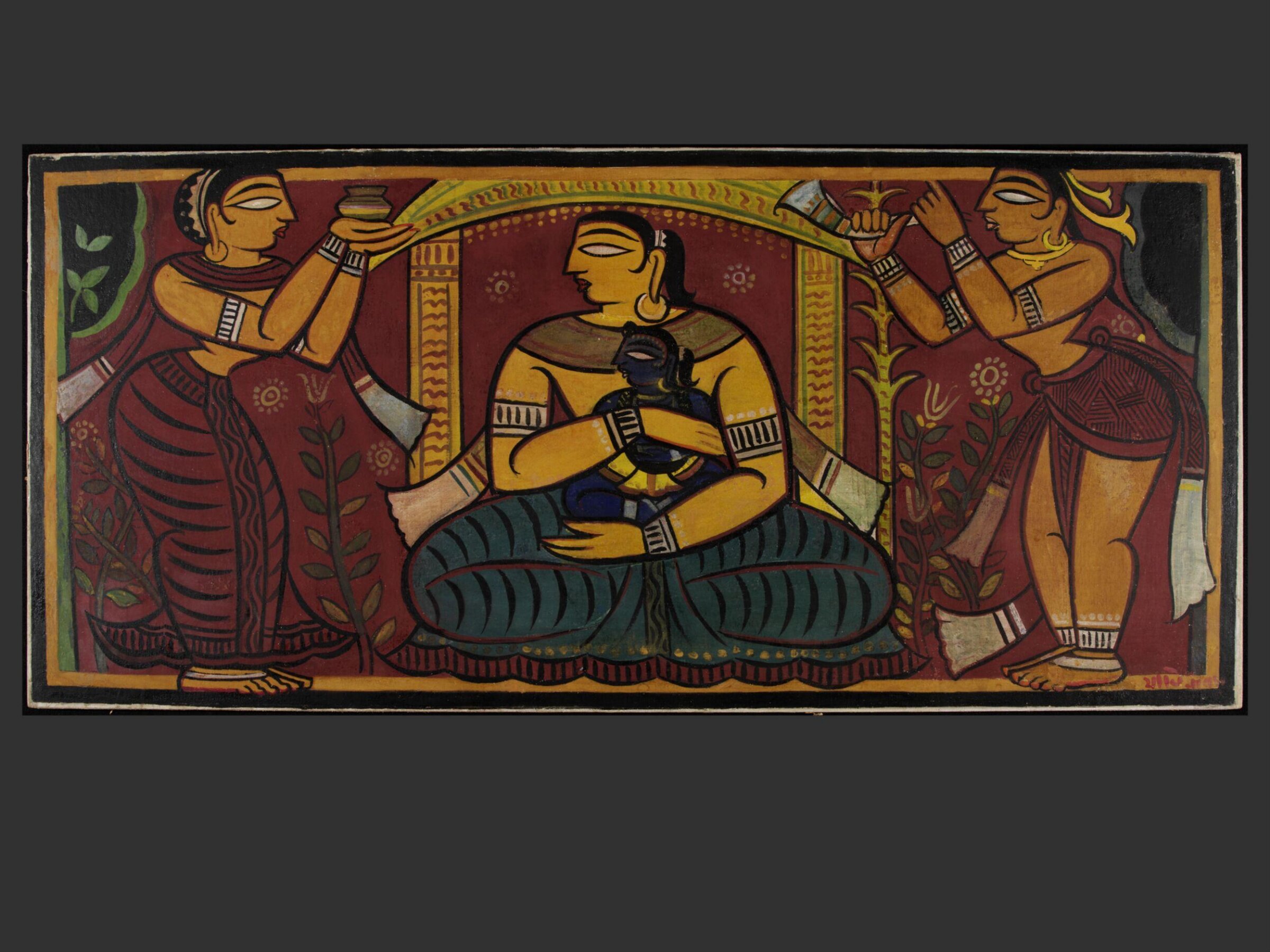
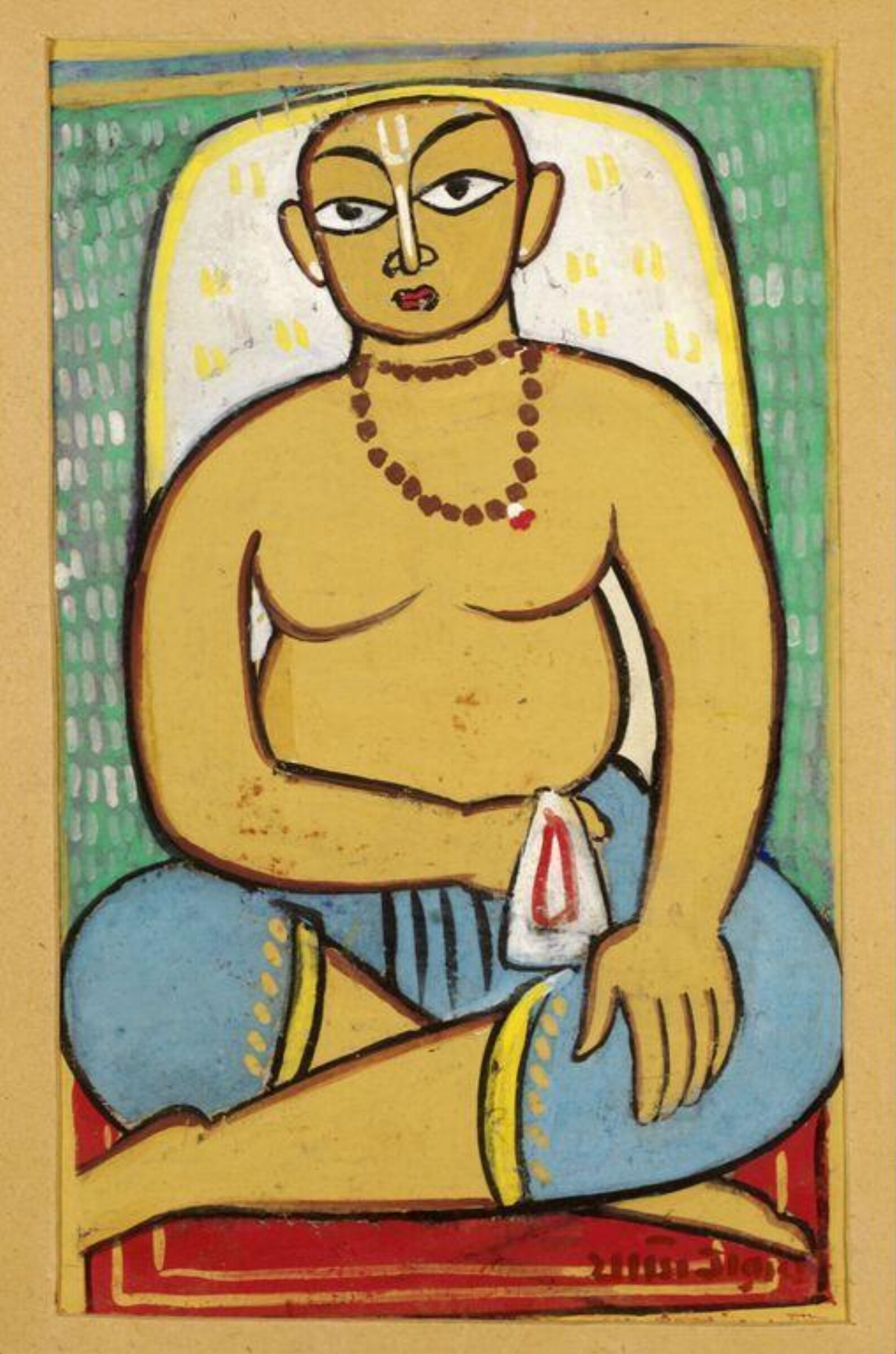
Jamini Roy (1887-1972) was one of the most important artists of the modern period in India, drawing on the popular and folk traditions of rural Bengal for his inspiration. He developed his own personal style which was characterised by bold lines and flat use of colour.
Read on
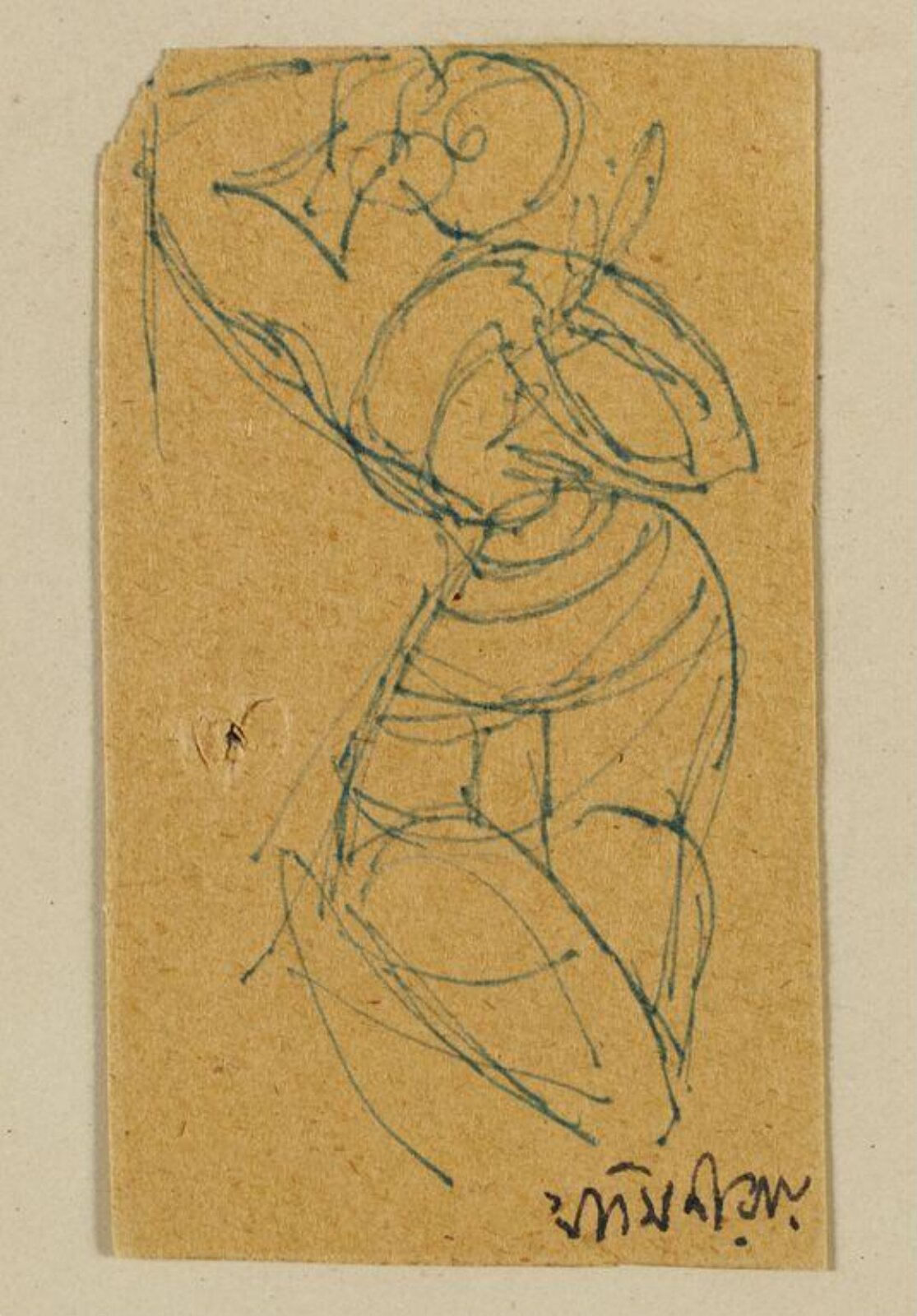
This sketch is one of a series in the V&A collection which show his experimentation with different subject matter. The drawing depicts the profile of a woman wearing a sari standing in the 'tribhanga' posture. The posture which means 'equipoised stance bent in three places' is the South Asian medieval equivalent of the classical western 'contrapposto'. The tribhanga is one of the five bhangas (equipoised stances) that can be found in traditional South Asian art. It is possible that Jamini based his drawing on a Khajuraho sculpture held at the Indian Museum of Calcutta. In this drawing, the woman is combing her hair while regarding herself in a hand-mirror; her right knee is bent. Her voluptuous forms are emphasised by the use of flowing yet minimal brush strokes. The inherent dynamism of the composition enhances the overall sense of poise and equilibrium.
Victoria and Albert Museum
Scheda
- Numero di inventario
- IS.71-1979
What it shows
In catalogo
Fonti
- Victoria and Albert Museum: the museum's own open data · acquisita 8 giorni fa
- Immagine: Victoria and Albert Museum — © Victoria and Albert Museum, London