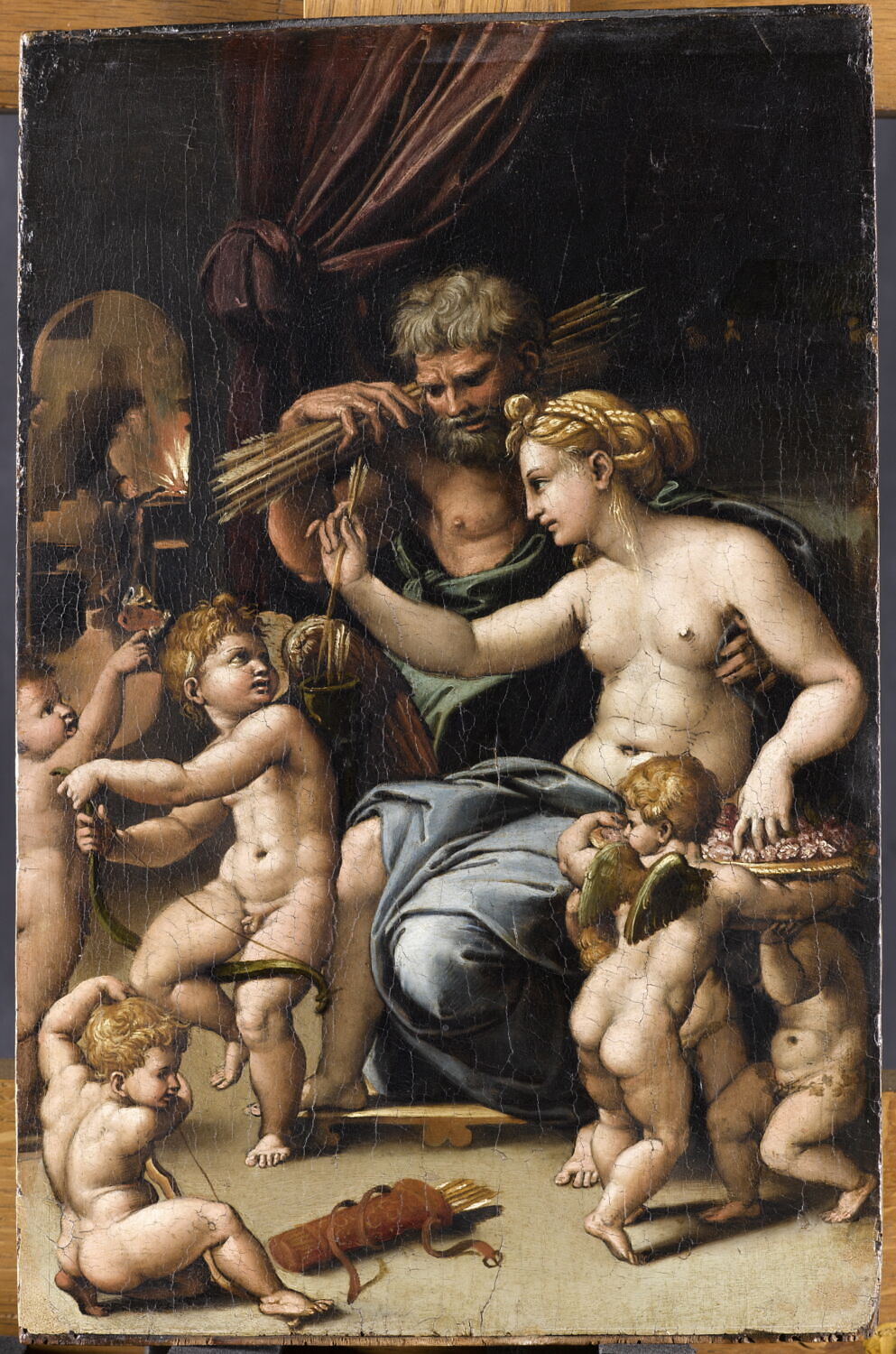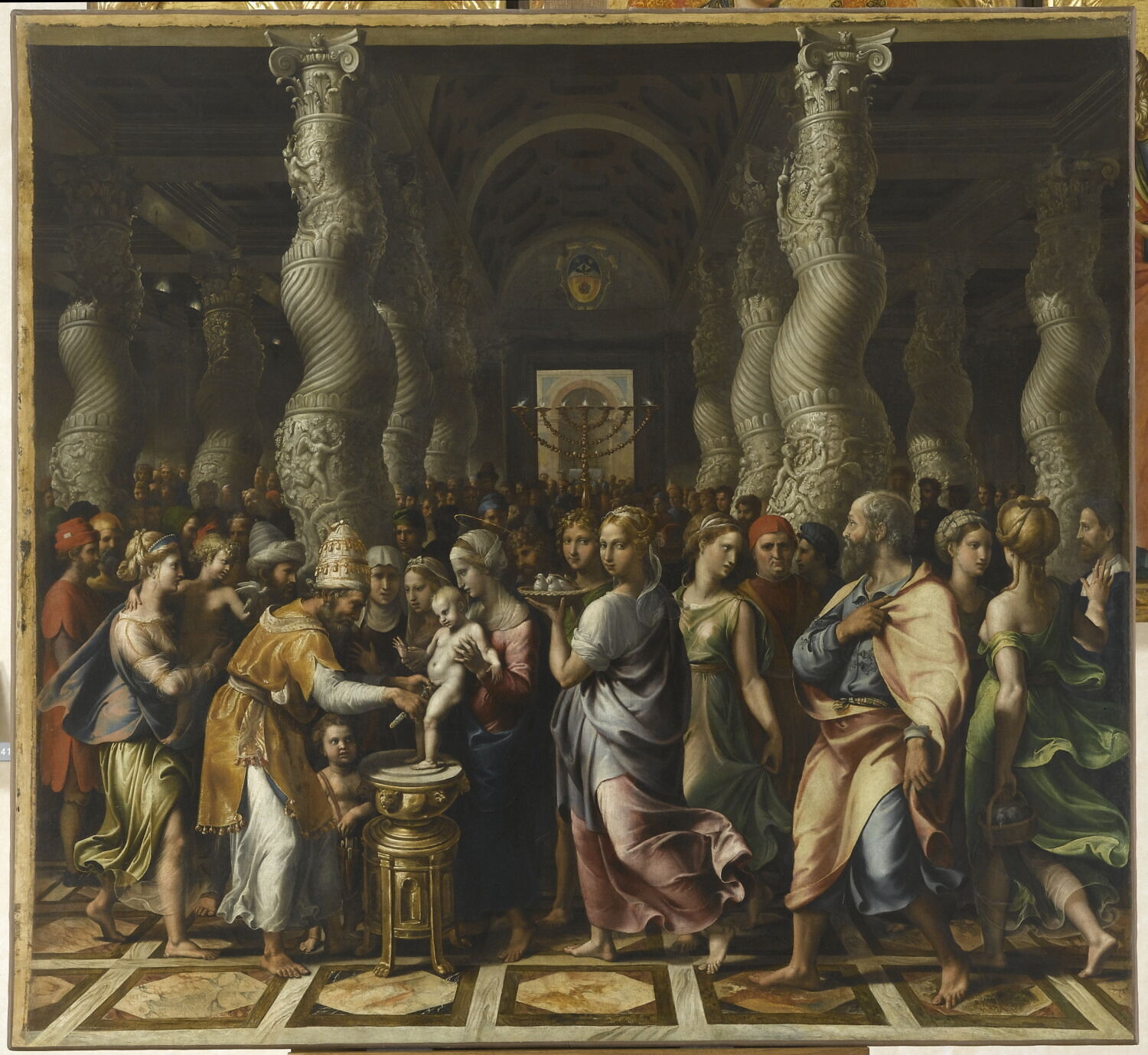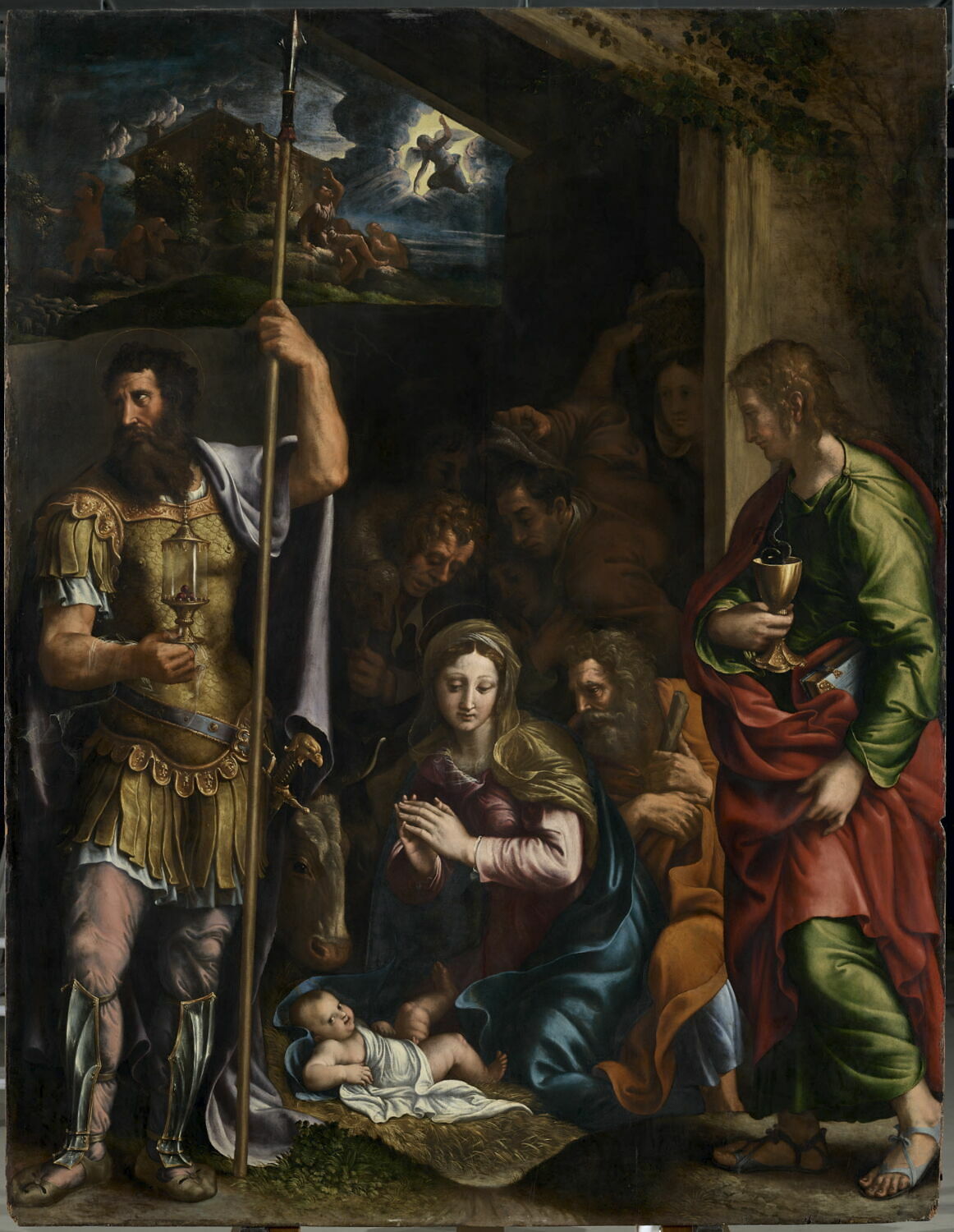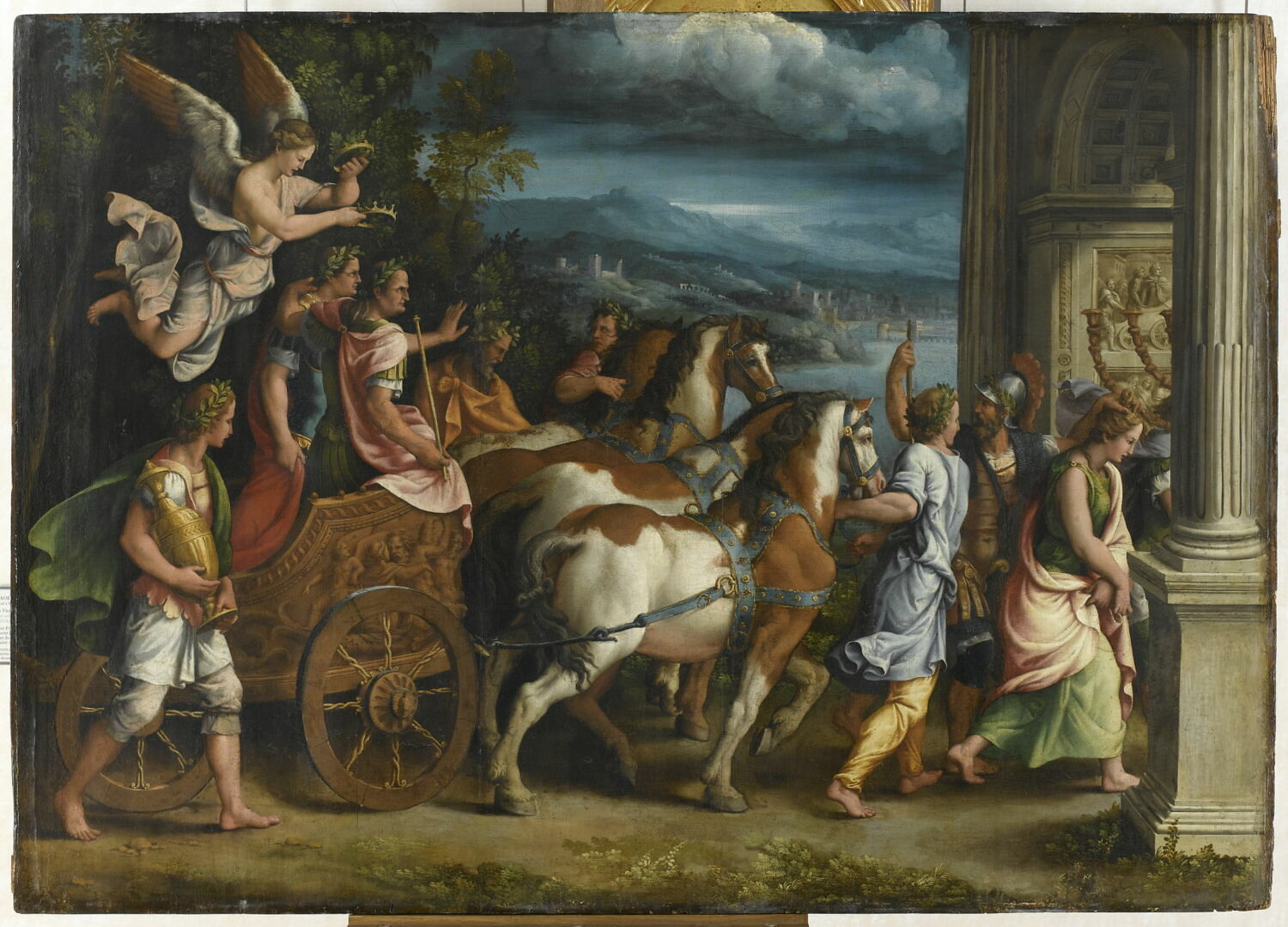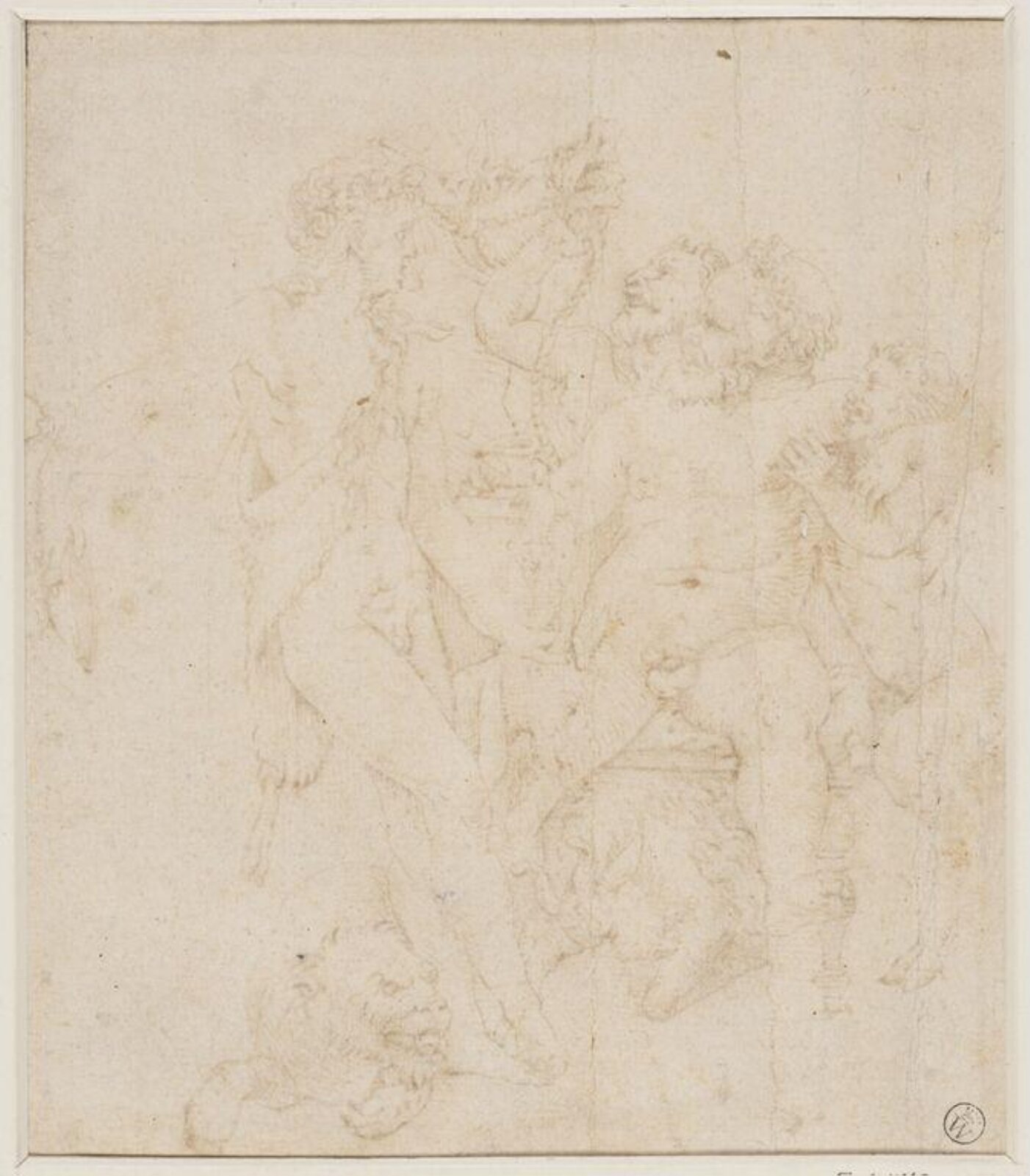
 Giulio RomanoItalia, 1499–1546
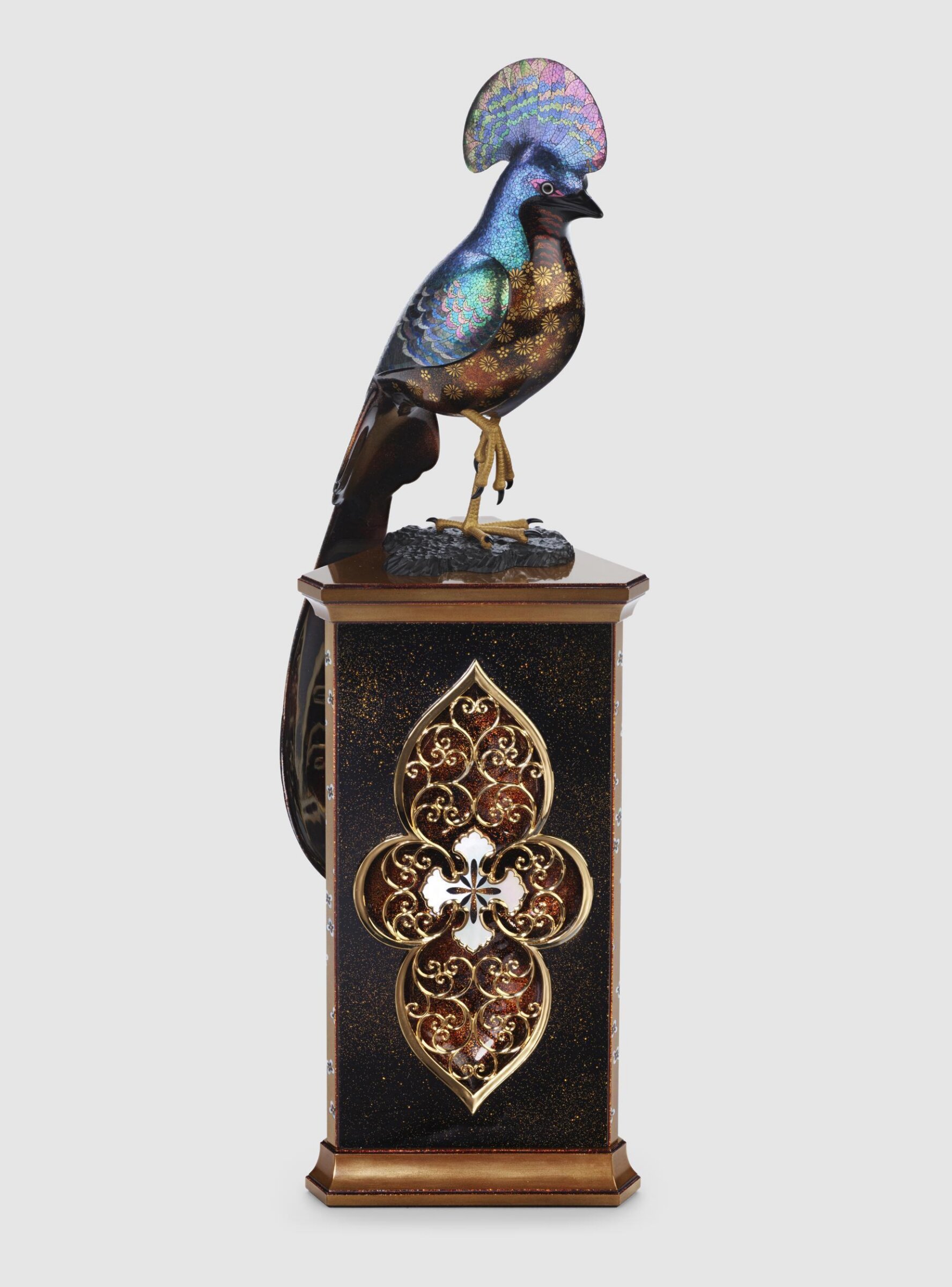
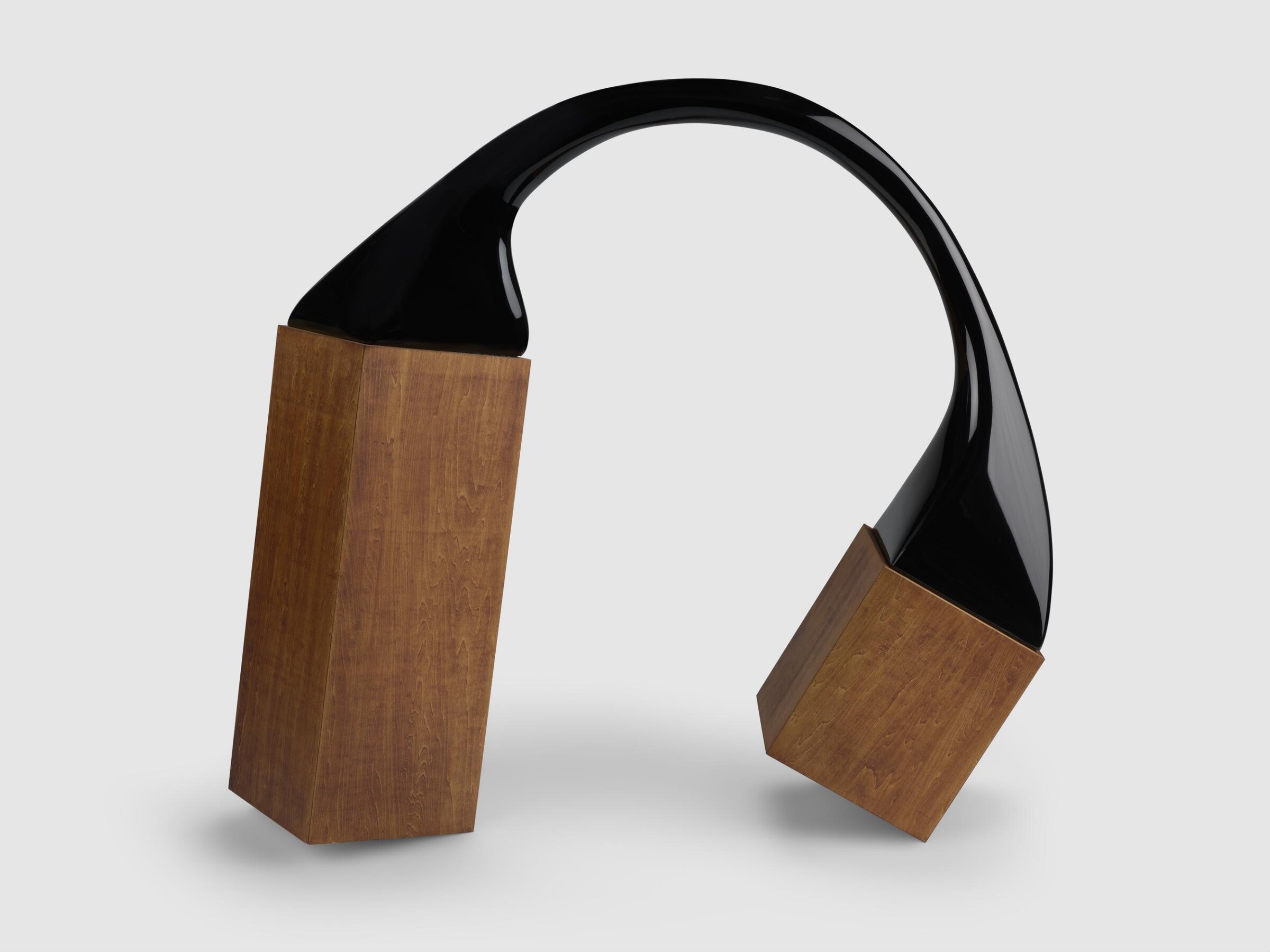
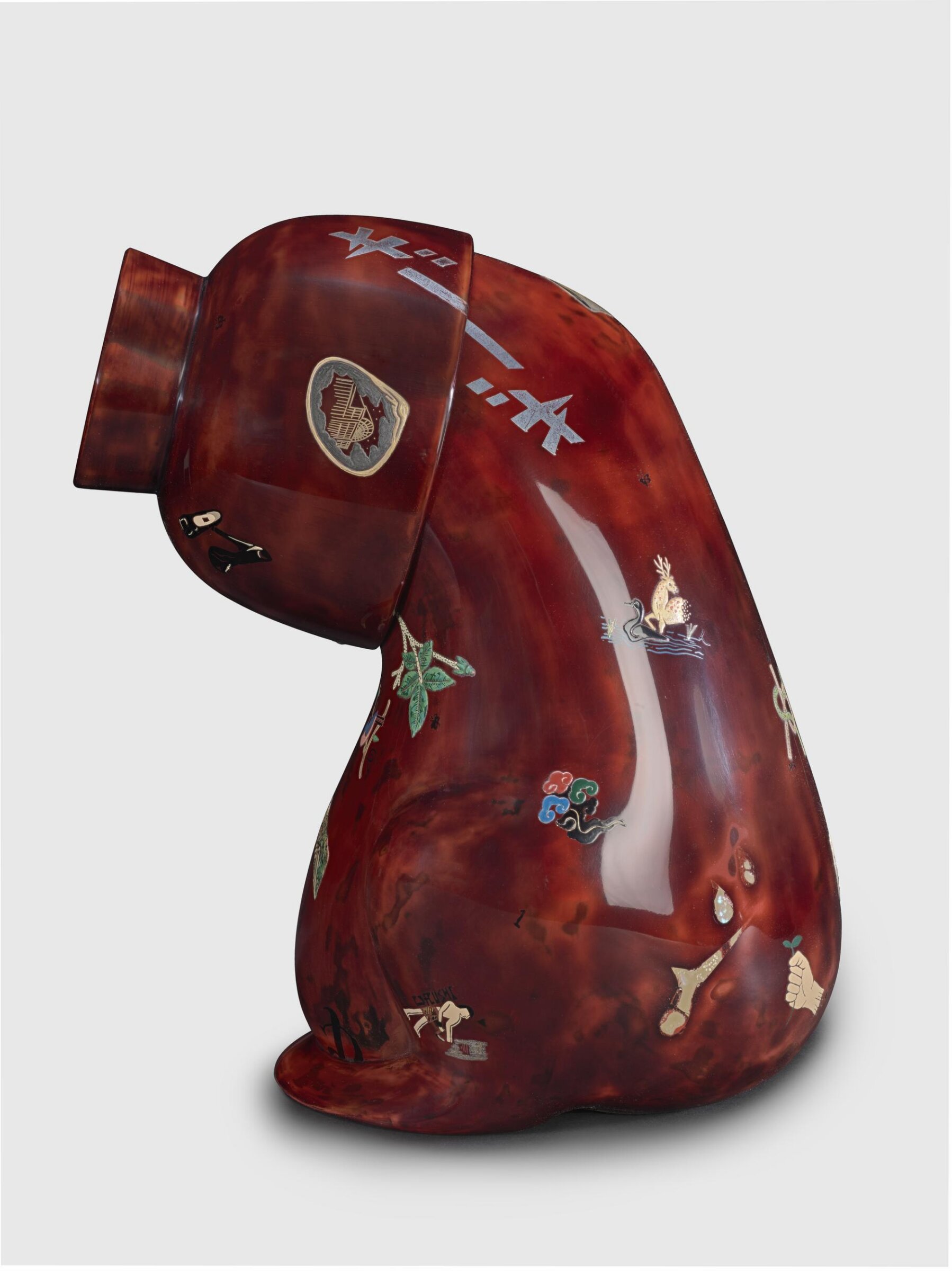
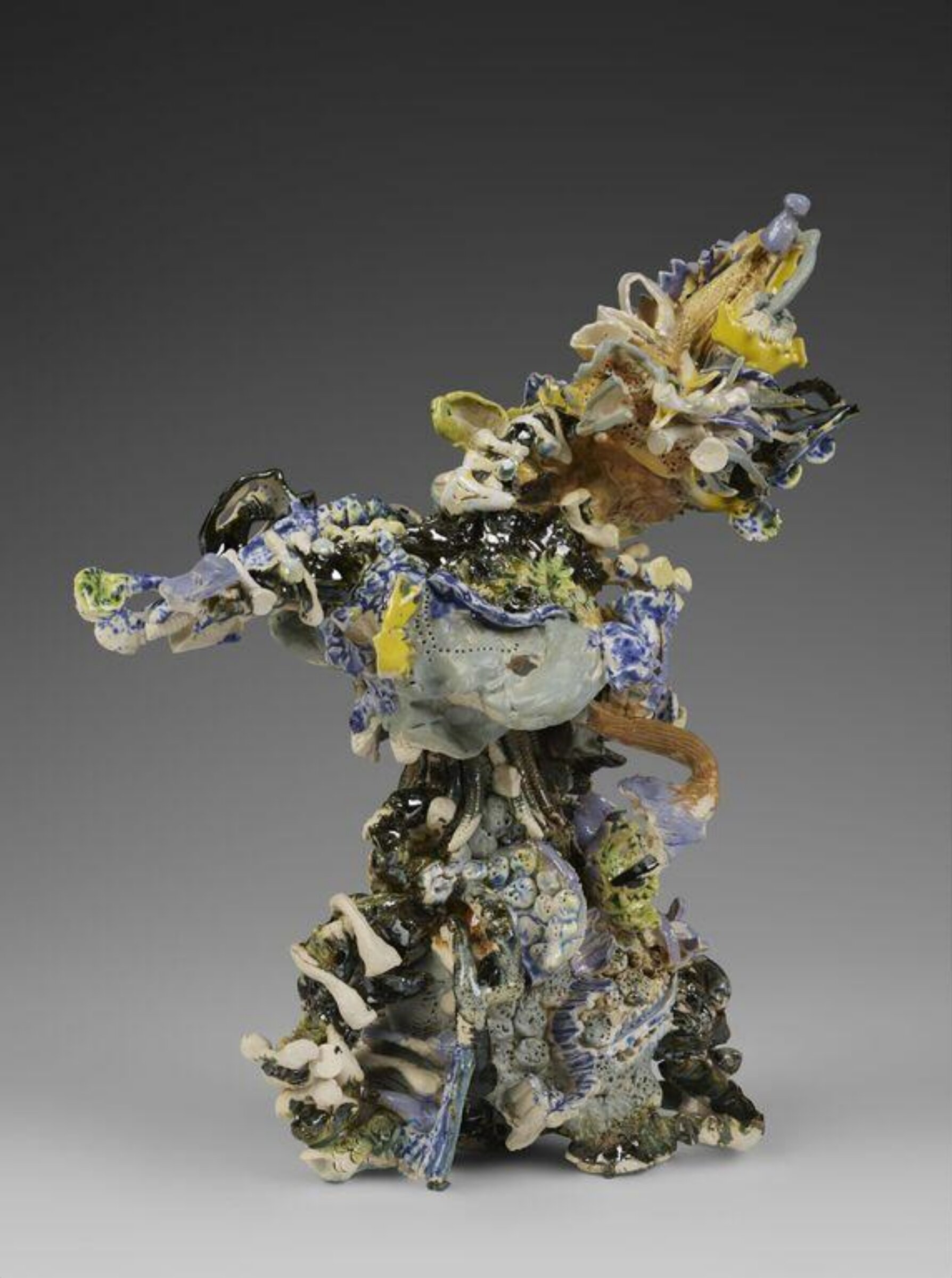
Drawing
Si può vedere?
Non esposta al momento
Dove si trova «Drawing» oggi? Collezione: Victoria and Albert Museum, Londra. Non esposta al momento. Verificato 25 settembre 2026.

Londra, Regno Unito
Appartiene alla collezione, ma al momento non è esposta.
- Verificato
- Ultimo cambio di stato
- Fonte
- Il museo
Scheda
- Numero di inventario
- E.4472-1920
In catalogo
Fonti
- Victoria and Albert Museum
- Immagine: Victoria and Albert Museum — © Victoria and Albert Museum, London
Nella vita di Giulio Romano
Tutta la vita1499
Born
c. 1515
Joins Raphael's workshop
The young Giulio became the most gifted pupil and one of the chief assistants in Raphael's crowded workshop, working with him on the frescoes of the Villa Farnesina and the Vatican Loggias and Stanze; his hand is recognised, for example, in the monochrome herms beneath the Expulsion of Heliodorus and the Fire in the Borgo. The start of the collaboration is placed around 1515.
1520
Inherits Raphael's workshop
After Raphael's early death, Giulio, under his master's will, inherited the workshop and its commissions together with his long-time collaborator Giovan Francesco Penni — the start of his independent career. He was entrusted with finishing the master's unfinished work, including the frescoes of the Hall of Constantine in the Vatican.
1520
Keeps the Vatican Stanze commission from Michelangelo
When Raphael died, Michelangelo tried to take over completing the frescoes of the Vatican Stanze, but Giulio, together with Perino del Vaga, kept the commission, since they held the drawings for much of the unfinished work.
late 1524
Moves to Mantua
Having finished his Roman commissions, Giulio agreed in late 1524 to move to Mantua, where he stayed for the rest of his life. There, as a non-native artist, he came to be called after his origin, Giulio Romano, 'the Roman' (the name is also linked to his fame as a connoisseur of Roman antiquities).
1526
Appointed prefect of Mantua's building works
The post of prefect of building works and 'superintendent of the city streets' put him in charge of all the court's architecture and art — from frescoes to the fanciful inventions fashionable at the Mannerist courts of Europe.