ART WIKI33.040 in sala
MappaCollezioneArtistiMuseiMostreRivista
Accedi

ART WIKI

Dove è appeso il capolavoro, e quando si può entrare.

Collezioni: Art Institute of Chicago, Cleveland Museum of Art, Ermitage, Galleria Tret'jakov, Getty Museum, Harvard Art Museums, Hirshhorn Museum and Sculpture Garden, Metropolitan Museum of Art, Minneapolis Institute of Art, Museo del Louvre, Museo Puškin delle belle arti, Museo russo, Museum of Modern Art, National Gallery of Art, National Museum of Asian Art, National Portrait Gallery, Rijksmuseum, Smithsonian American Art Museum, Statens Museum for Kunst, Victoria and Albert Museum, Villa Getty, Whitney Museum of American Art, Catalogo statale del fondo museale russo (274 musei), Europeana (19 musei), Wikidata (6 musei), Paris Musées (12 musei) e Joconde, la banca dati dei musei del Ministero della Cultura francese (495 musei). Le immagini appartengono ai titolari dei diritti.

Sezioni

  • Mappa
  • Ricerca
  • Collezione
  • Capolavori
  • Esposte ora
  • Artisti

Altro

  • Musei e gallerie
  • Mostre
  • Rivista
  • Da dove vengono i dati
  • Privacy e cookie
HomeMappaCatalogo
  1. Collezione/
  2. Gemäldegalerie Alte Meister/
  3. Die Auferstehung Christi
Die Auferstehung Christi, Paolo Veronese, 1570–1575
Paolo Veronese, ritrattoPaolo VeroneseItalia, 1528–1588

Die Auferstehung Christi

1570–1575 · Painting

Si può ammirare?

Non si sa

Gemäldegalerie Alte Meister

Dresda, Germania

Il proprietario è noto; non si sa se oggi sia esposta.

Ultimo cambio di stato
27 set 2026
Fonte
Il museo
Sulla mappaPagina del museo

Scheda

1570–1575
15281588

Nel frattempo, nella vita di Paolo Veronese

Tutta la vita
  1. 1568

    Vasari includes Veronese in his “Lives”

    The second edition of Giorgio Vasari's “Lives of the Most Excellent Painters, Sculptors, and Architects” (1568), with improved coverage of the Venetian school, included a biography of Paolo Veronese.

  2. 7 settembre 1568

    Son born: Gabriele Caliari

  3. 1570

    Son born: Carlo Caliari

  4. 18 July 1573

    Summoned before the Holy Inquisition over the “Last Supper”

    On 18 July 1573 Veronese was summoned before the Venetian Inquisition, which objected to figures, animals and indecorum unsuited to a Last Supper in his canvas. He answered that painters take the same liberties as poets and madmen; the tribunal ordered him to repaint the picture, but he refused, and in the end it was merely re-titled the “Feast in the House of Levi”.

  5. after 1575

    Signs “Paolo Caliari” again

    For several years in Venice Veronese signed his works “Paolo Veronese”, but after about 1575 he resumed signing “Paolo Caliari”, the signature that also appears on his earliest known painting.

  6. 1576

    Commissions from Emperor Rudolf II

    From 1576 Veronese worked on commissions from the Emperor Rudolf II of Habsburg; in this way the Venetian painter also influenced the “Rudolfine” artists of the Prague court.

Altre opere di Paolo Veronese

Tutte le opere

Dalla collezione: Gemäldegalerie Alte Meister

Pagina del museo

Sullo stesso tema · Auferstehung

Tutte le opere sul tema

Che cosa raffigura

AuferstehungCristoDrei MarienHistorienmalereiNeues Testament

In catalogo

DipintiPittura italianaPittura venezianaRinascimentoXVI secolo

Fonti

  • Gemäldegalerie Alte Meister
  • Immagine: Gemäldegalerie Alte Meister — In Copyright
Mars and Venus United by Love, Paolo Veronese, 1570s

Marte e Venere uniti dall'amore

1570s · Metropolitan Museum of Art

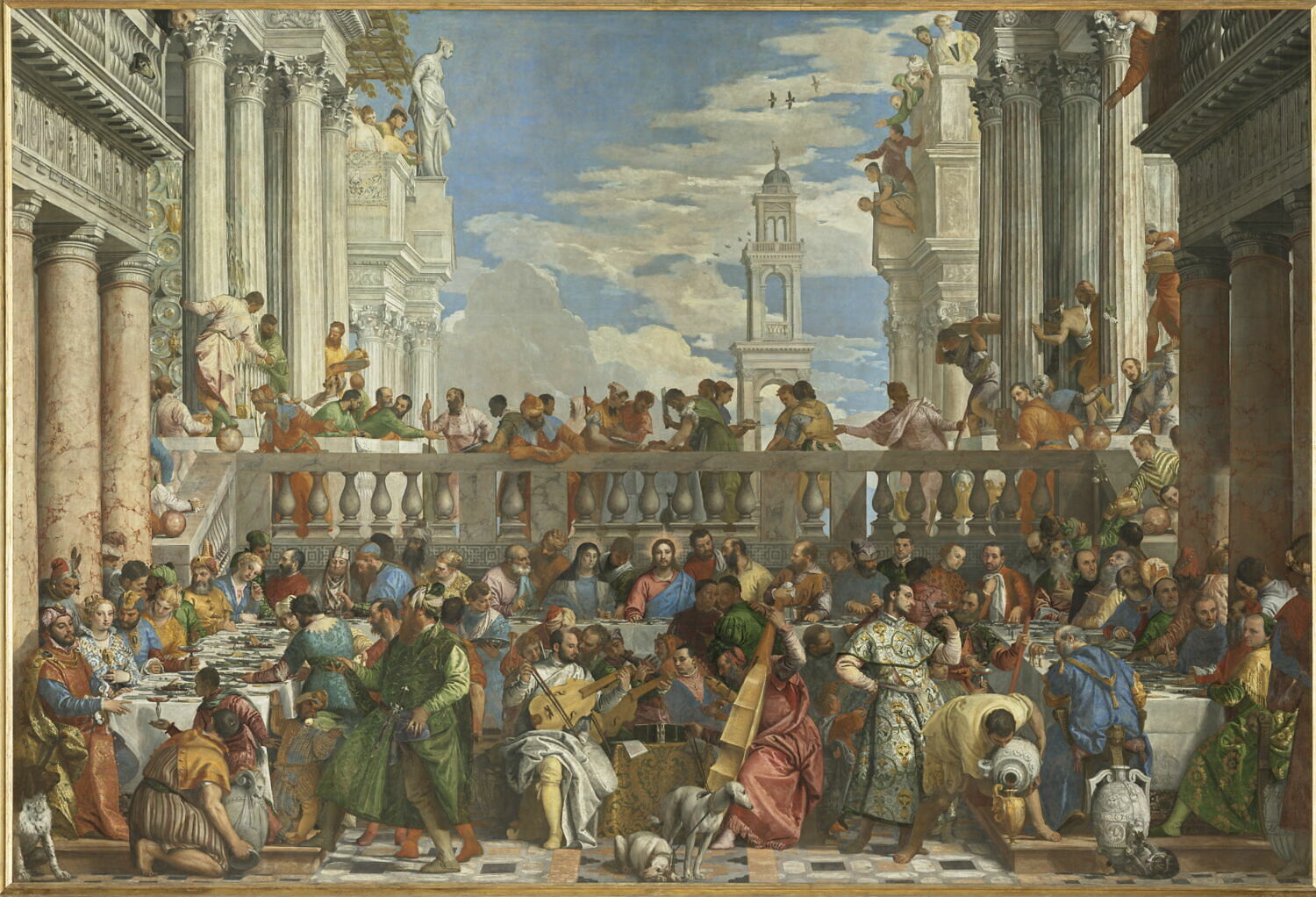
Les Noces de Cana, Paolo Caliari, dit Veronese, XVIe siècle (1500 - 1600)

Nozze di Cana

XVIe siècle (1500 - 1600) · Museo del Louvre

Diana (sketch), Paolo Veronese, 16th century

Diana (sketch)

16th century · Ermitage

Self-Portrait, Paolo Veronese, 16th century

Self-Portrait

16th century · Ermitage

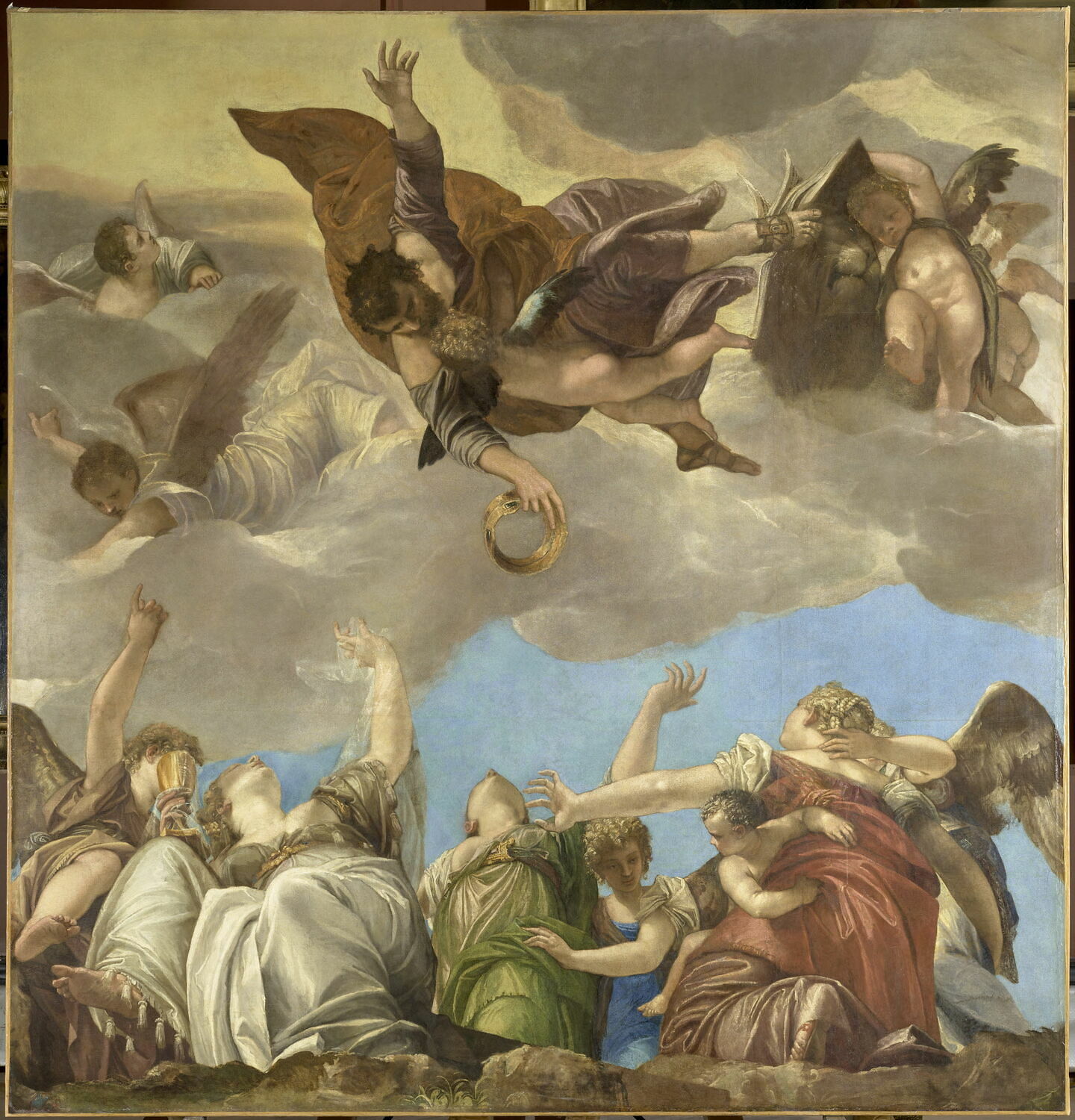
Saint Marc couronnant les Vertus théologales, Paolo Caliari, dit Veronese, XVIe siècle (1500 - 1600)

Saint Marc couronnant les Vertus théologales

XVIe siècle (1500 - 1600) · Museo del Louvre

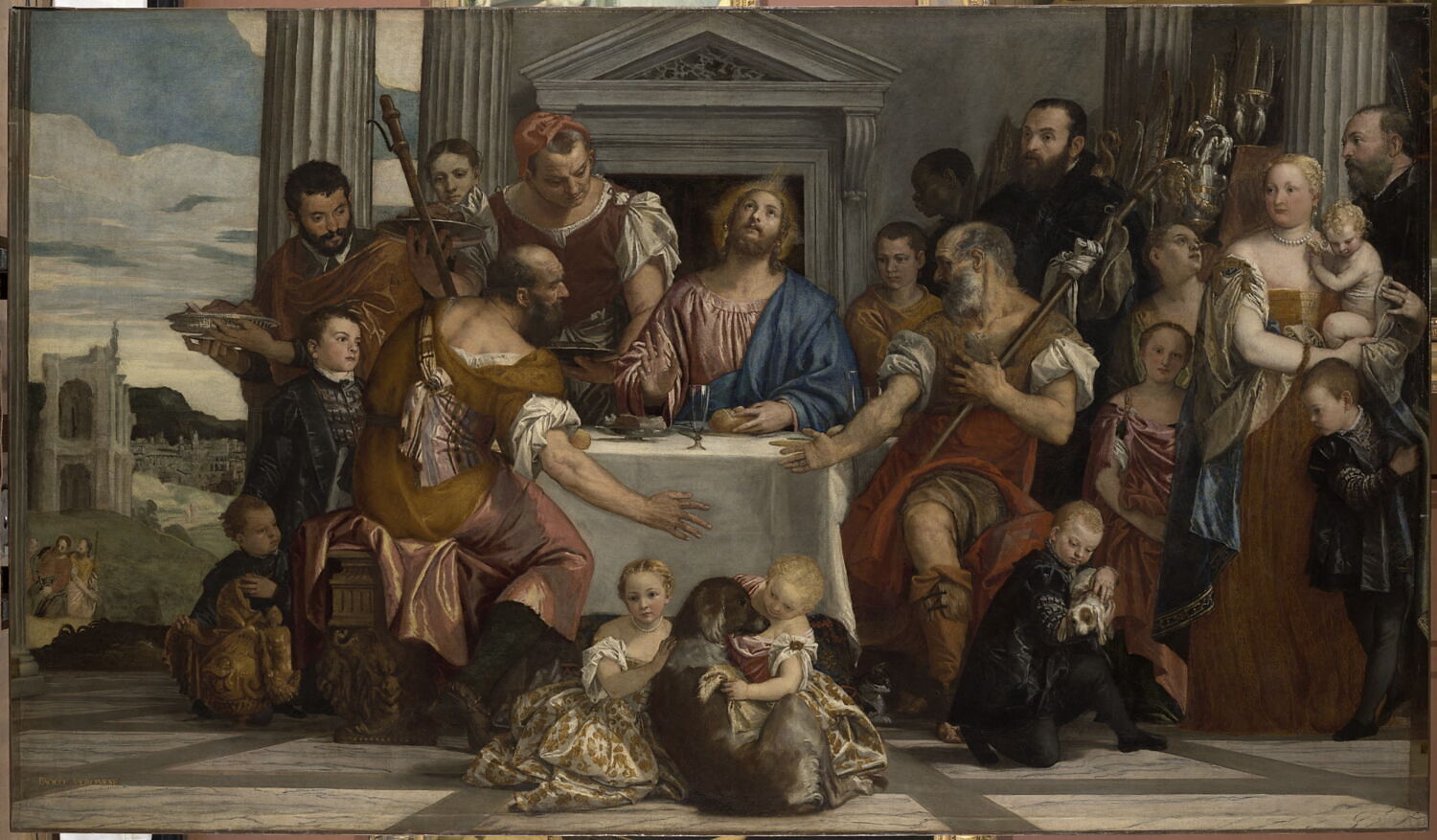
Les Pèlerins d'Emmaüs, Paolo Caliari, dit Veronese, XVIe siècle (1500 - 1600)

Les Pèlerins d'Emmaüs

XVIe siècle (1500 - 1600) · Museo del Louvre

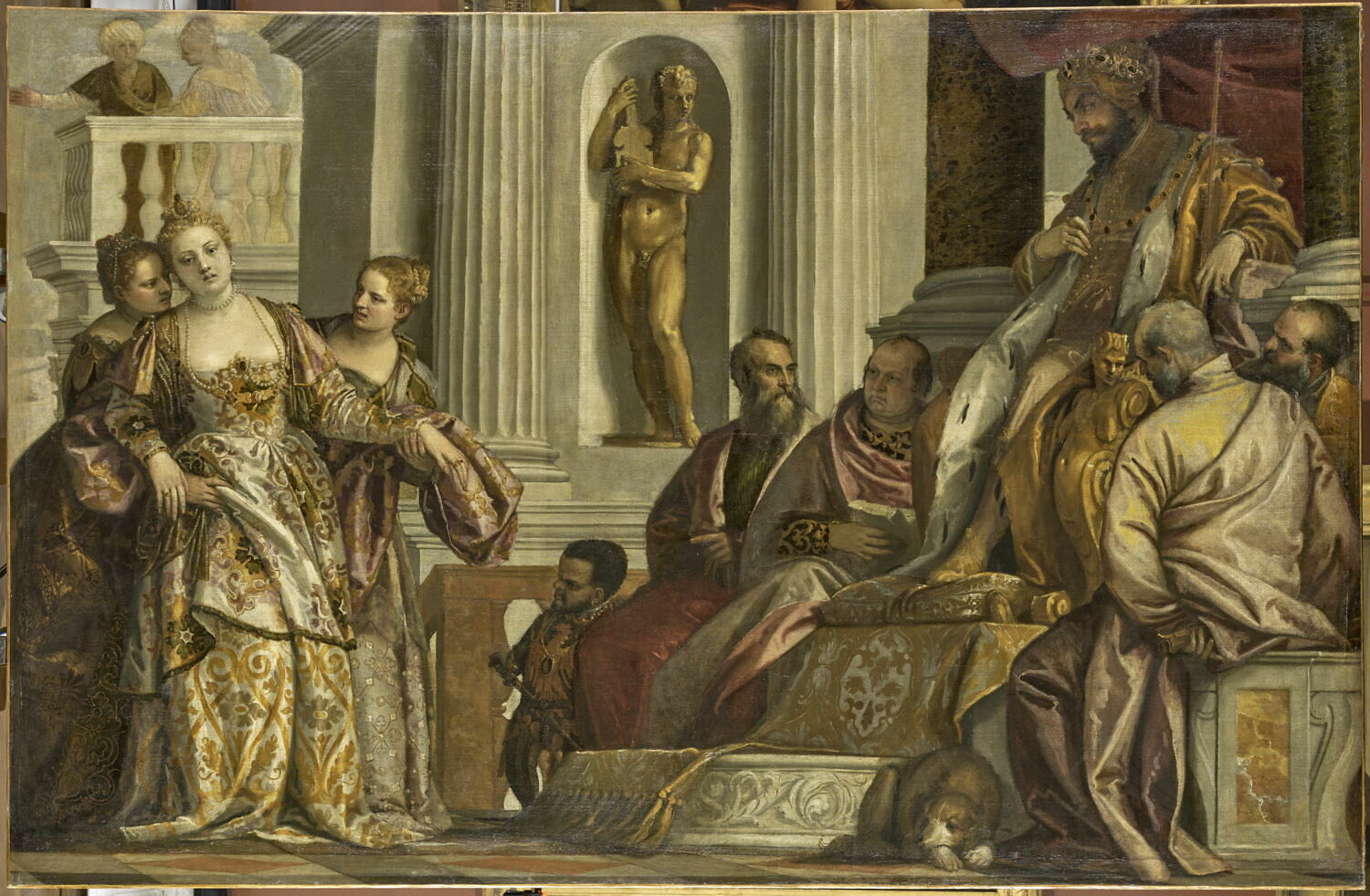
Esther et Assuérus, Paolo Caliari, dit Veronese, XVIe siècle (1500 - 1600)

Esther et Assuérus

XVIe siècle (1500 - 1600) · Museo del Louvre

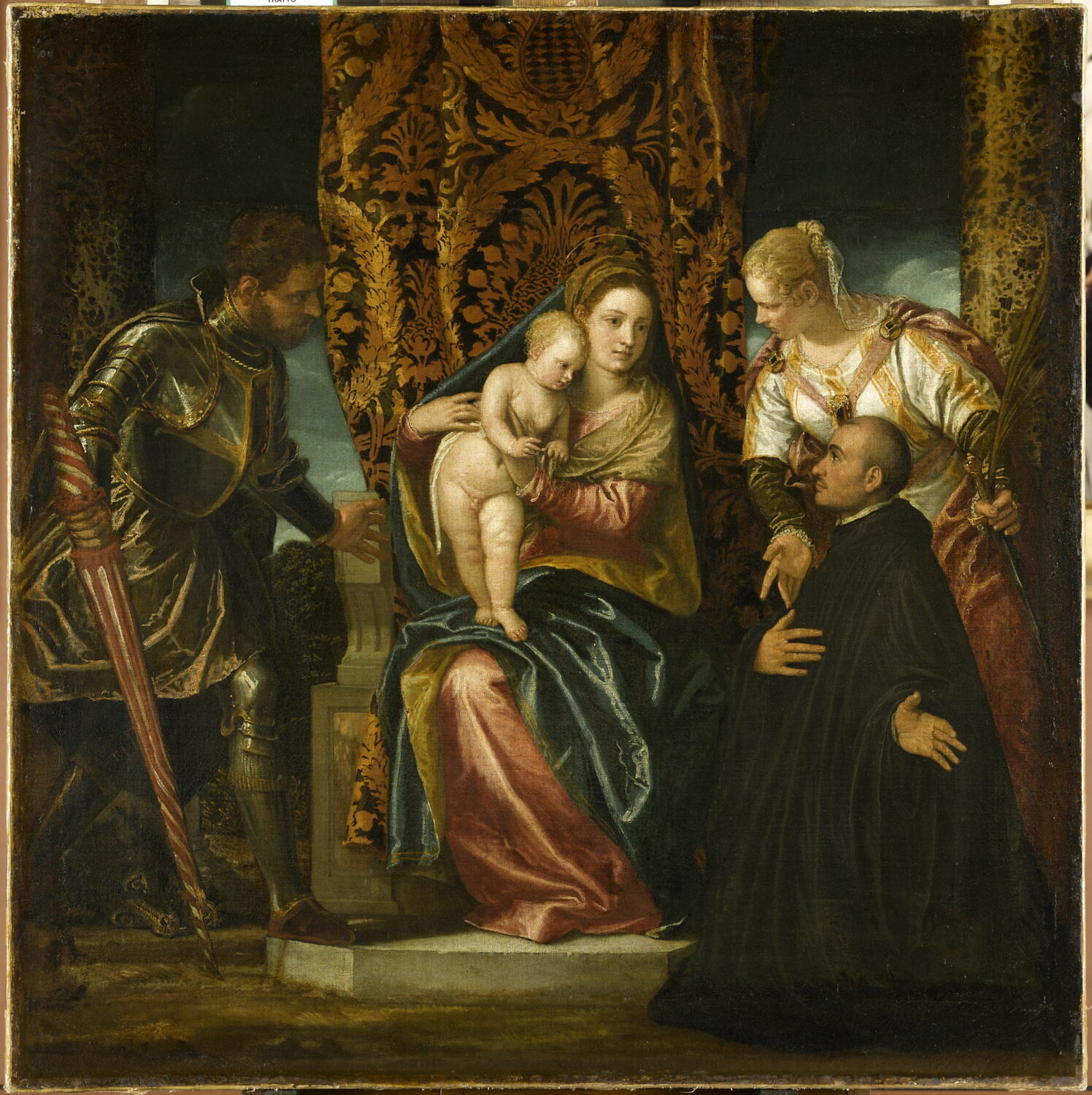
Vierge à l'Enfant avec saint Georges et sainte Justine présentant un bénédictin agenouillé, Paolo Caliari, dit Veronese, XVIe siècle (1500 - 1600)

Vierge à l'Enfant avec saint Georges et sainte Justine présentant un bénédictin agenouillé

XVIe siècle (1500 - 1600) · Museo del Louvre

Die Heilige Familie, Raphael, 1744

Raphael

Die Heilige Familie, 1744

Die Sixtinische Madonna, Raphael, 1512–1513

Raphael

Die Sixtinische Madonna, 1512–1513

Maria mit dem Kind und dem Johannesknaben, Raphael

Raphael

Maria mit dem Kind und dem Johannesknaben

Saskia mit der roten Blume, Rembrandt, 1641

Rembrandt van Rijn

Saskia mit der roten Blume, 1641

Der Rohrdommeljäger, Rembrandt, 1639

Rembrandt van Rijn

Der Rohrdommeljäger, 1639

Simson, an der Hochzeitstafel das Rätsel aufgebend, Rembrandt, 1638

Rembrandt van Rijn

Simson, an der Hochzeitstafel das Rätsel aufgebend, 1638

Ganymed in den Fängen des Adlers, Rembrandt, 1635

Rembrandt van Rijn

Ganymed in den Fängen des Adlers, 1635

Saskia van Uylenburgh als Mädchen, Rembrandt, 1633

Rembrandt van Rijn

Saskia van Uylenburgh als Mädchen, 1633

Die Auferstehung Christi, Albrecht Dürer, 1630–1673

Albrecht Dürer

Die Auferstehung Christi, 1630–1673

Herzog Anton Ulrich-Museum

Christus erscheint seiner Mutter, Albrecht Dürer, 1509

Albrecht Dürer

Christus erscheint seiner Mutter, 1509

Herzog Anton Ulrich-Museum

Die Auferstehung, Albrecht Dürer, 1509

Albrecht Dürer

Die Auferstehung, 1509

Herzog Anton Ulrich-Museum

Die Auferstehung, Albrecht Dürer, 1512

Albrecht Dürer

Die Auferstehung, 1512

Herzog Anton Ulrich-Museum

Das Jüngste Gericht, Jacopo Tintoretto, 1627–1642

Jacopo Tintoretto

Das Jüngste Gericht, 1627–1642

Herzog Anton Ulrich-Museum

[Das Paradies; Le Paradis], Jacques Callot, 1610–1611

Jacques Callot

[Das Paradies; Le Paradis], 1610–1611

Herzog Anton Ulrich-Museum

[Christus als Welterlöser; Le Sauveur], Jacques Callot, 1631–1632

Jacques Callot

[Christus als Welterlöser; Le Sauveur], 1631–1632

Herzog Anton Ulrich-Museum

[Die Auferstehung des Lazarus; Il ressuscite Lazare], Jacques Callot, 1635

Jacques Callot

[Die Auferstehung des Lazarus; Il ressuscite Lazare], 1635

Herzog Anton Ulrich-Museum