ART WIKI32.979 in sala
MappaCollezioneArtistiMuseiMostreRivista
Accedi

ART WIKI

Dove è appeso il capolavoro, e quando si può entrare.

Collezioni: Art Institute of Chicago, Cleveland Museum of Art, Ermitage, Galleria Tret'jakov, Getty Museum, Harvard Art Museums, Hirshhorn Museum and Sculpture Garden, Metropolitan Museum of Art, Minneapolis Institute of Art, Museo del Louvre, Museo Puškin delle belle arti, Museo russo, Museum of Modern Art, National Gallery of Art, National Museum of Asian Art, National Portrait Gallery, Rijksmuseum, Smithsonian American Art Museum, Statens Museum for Kunst, Victoria and Albert Museum, Villa Getty, Whitney Museum of American Art, Catalogo statale del fondo museale russo (274 musei), Europeana (19 musei), Wikidata (6 musei), Paris Musées (12 musei) e Joconde, la banca dati dei musei del Ministero della Cultura francese (495 musei). Le immagini appartengono ai titolari dei diritti.

Sezioni

  • Mappa
  • Ricerca
  • Collezione
  • Capolavori
  • Esposte ora
  • Artisti

Altro

  • Musei e gallerie
  • Mostre
  • Rivista
  • Da dove vengono i dati
  • Privacy e cookie
HomeMappaCatalogo
  1. Collezione/
  2. Ermitage/
  3. Self-Portrait
Self-Portrait, Paolo Veronese, 16th century

Self-Portrait

16th century · Painting · 63 × 50.5 cm

Scheda

Numero di inventario
ГЭ-119

Nel frattempo, nella vita di Paolo Veronese

Tutta la vita
  1. 1528

    Born

  2. 1553

    Moves to Venice: his first state commission

    In 1553 Caliari began working in Venice, possibly on the recommendation of the painter Giambattista Ponchino, then popular there. His first commission was the ceiling of the newly renovated Hall of the Council of Ten in the Doge's Palace: it already shows a mature style, with foreshortening that makes the figures seem to hang in the air above the viewer, a rich palette and sumptuous multi-figure compositions that fit naturally into a large room.

  3. c. mid-1550s

    Settles in Venice for good: signing as “Veronese”

    For several years Caliari divided his time between Verona, Venice and commissions in other cities, but around the middle of the 1550s he finally settled in Venice, where he spent most of the rest of his life. From then on he signed his paintings “Veronese”, “the Veronese”; the earliest of them that can be exactly dated, the “Transfiguration” in Montagnana cathedral, was finished on 3 June 1555.

  4. April 1566

    Marries Elena Badile in Verona

    In April 1566 Veronese went to his native Verona and married Elena Badile, daughter of his first master Antonio Badile. By then official recognition in Venice had secured him not only fame but also financial independence.

  5. 18 July 1573

    Summoned before the Holy Inquisition over the “Last Supper”

    On 18 July 1573 Veronese was summoned before the Venetian Inquisition, which objected to figures, animals and indecorum unsuited to a Last Supper in his canvas. He answered that painters take the same liberties as poets and madmen; the tribunal ordered him to repaint the picture, but he refused, and in the end it was merely re-titled the “Feast in the House of Levi”.

Altre opere di Paolo Veronese

Tutte le opere

Nella stessa sala · Зал 222, Ermitage

Pagina del museo
  • 19 aprile 1588

    Died

  • Paolo Veronese, ritrattoPaolo VeroneseItalia, 1528–1588

    Si può ammirare?

    Sì, riceve visite

    Ermitage

    San Pietroburgo, Russia

    Sala222

    Esposta al pubblico. Chi lo garantisce è indicato qui sotto.

    Verificato
    29 ago 2026
    Ultimo cambio di stato
    30 ago 2026
    Fonte
    Il museo
    Sulla mappaPagina del museo

    In catalogo

    DipintiOlioPittura italianaPittura venezianaRinascimentoXVI secoloItalia

    Fonti

    • Ermitage
    • Immagine: Ermitage — Museum open access
    Mars and Venus United by Love, Paolo Veronese, 1570s

    Marte e Venere uniti dall'amore

    1570s · Metropolitan Museum of Art

    Les Noces de Cana, Paolo Caliari, dit Veronese, XVIe siècle (1500 - 1600)

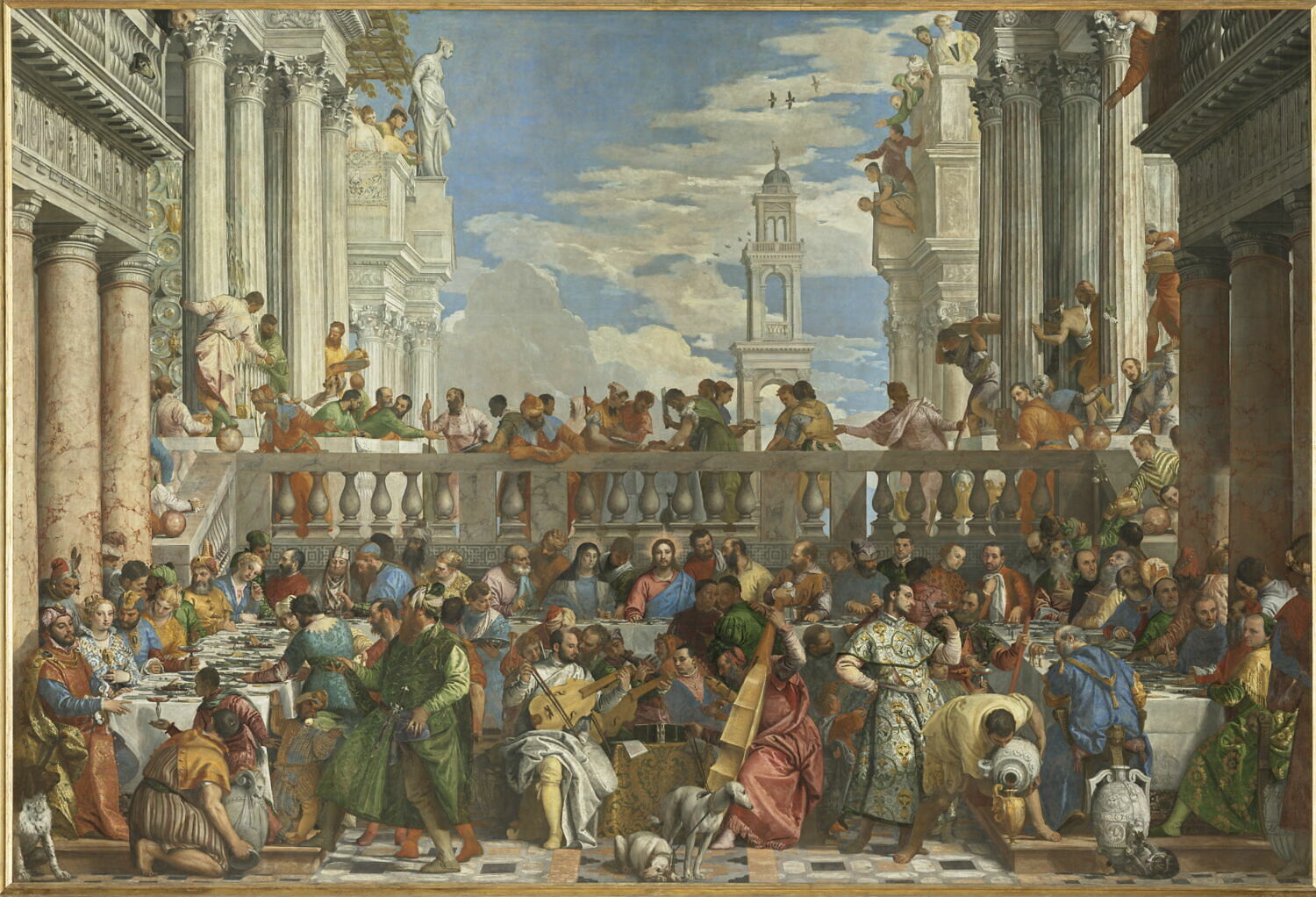
    Nozze di Cana

    XVIe siècle (1500 - 1600) · Museo del Louvre

    Diana (sketch), Paolo Veronese, 16th century

    Diana (sketch)

    16th century · Ermitage

    Saint Marc couronnant les Vertus théologales, Paolo Caliari, dit Veronese, XVIe siècle (1500 - 1600)

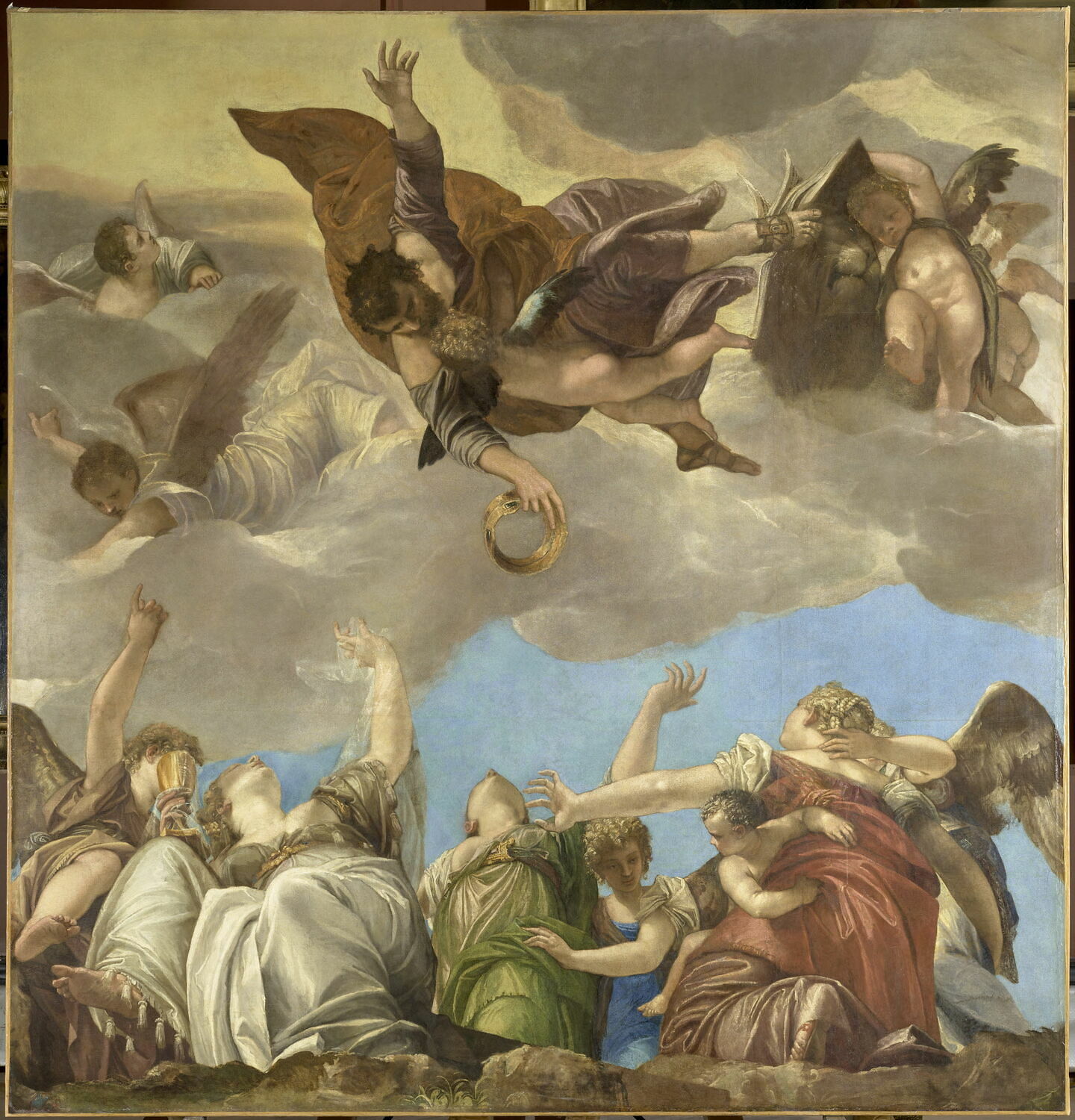
    Saint Marc couronnant les Vertus théologales

    XVIe siècle (1500 - 1600) · Museo del Louvre

    Les Pèlerins d'Emmaüs, Paolo Caliari, dit Veronese, XVIe siècle (1500 - 1600)

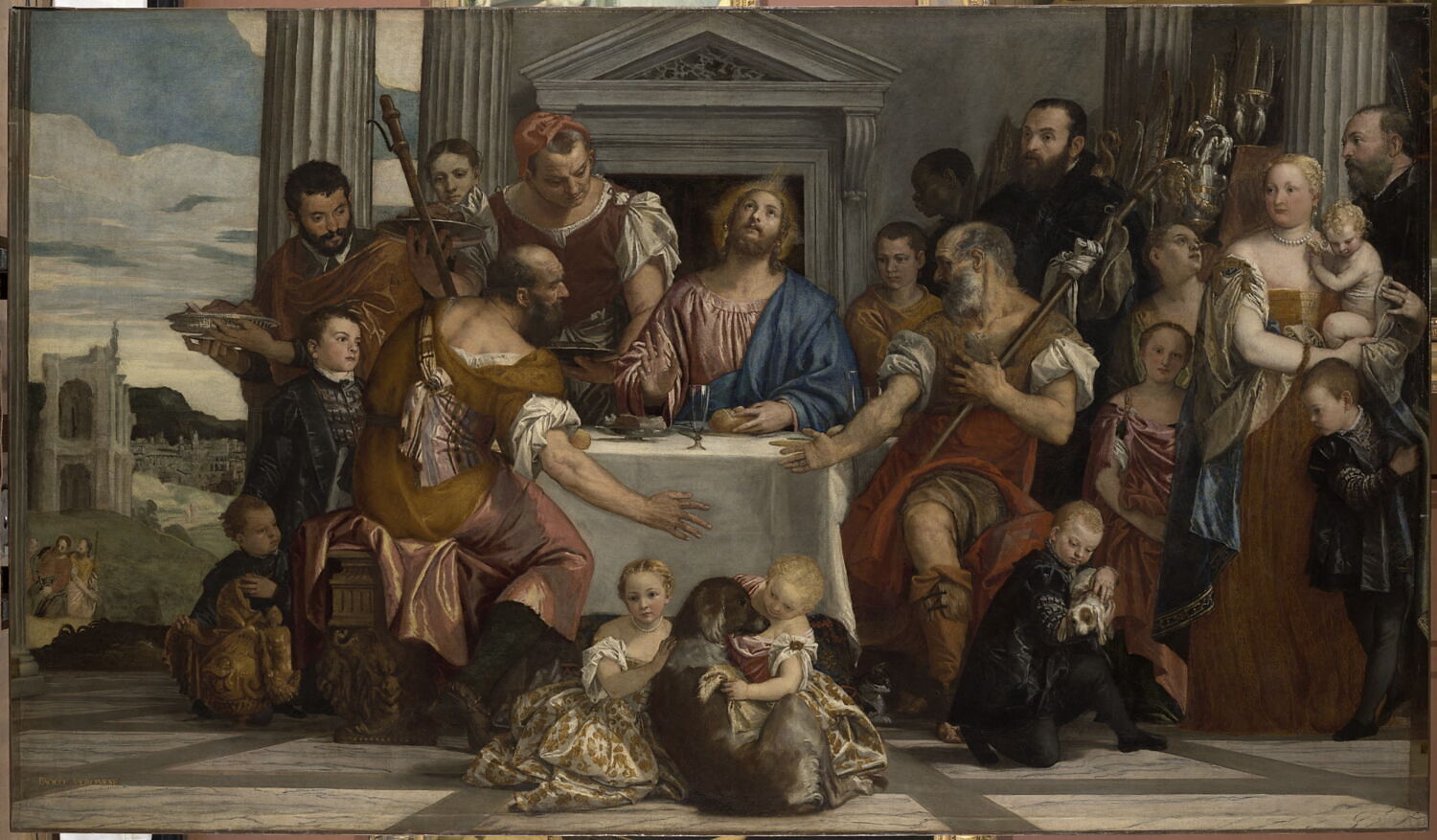
    Les Pèlerins d'Emmaüs

    XVIe siècle (1500 - 1600) · Museo del Louvre

    Esther et Assuérus, Paolo Caliari, dit Veronese, XVIe siècle (1500 - 1600)

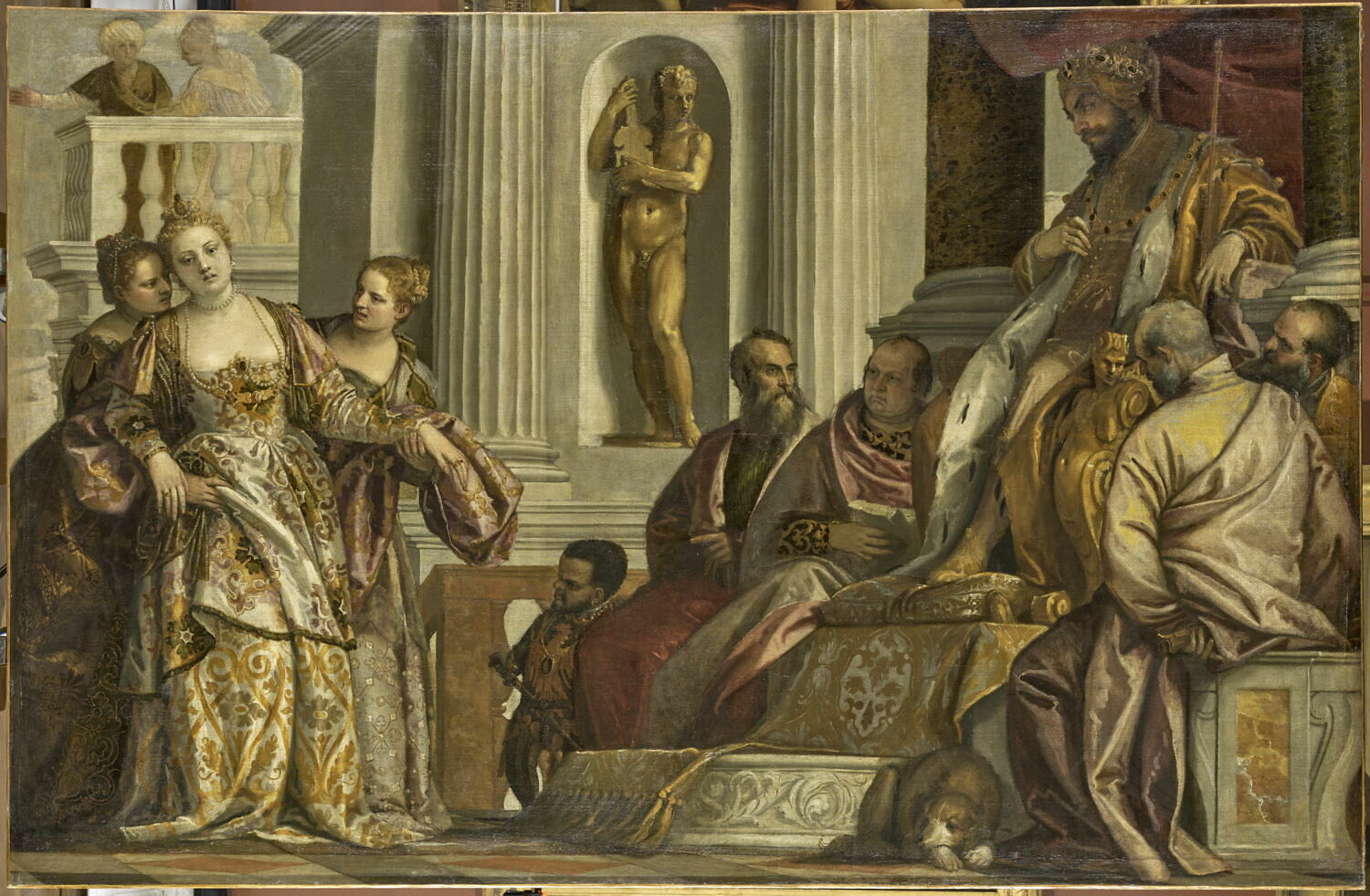
    Esther et Assuérus

    XVIe siècle (1500 - 1600) · Museo del Louvre

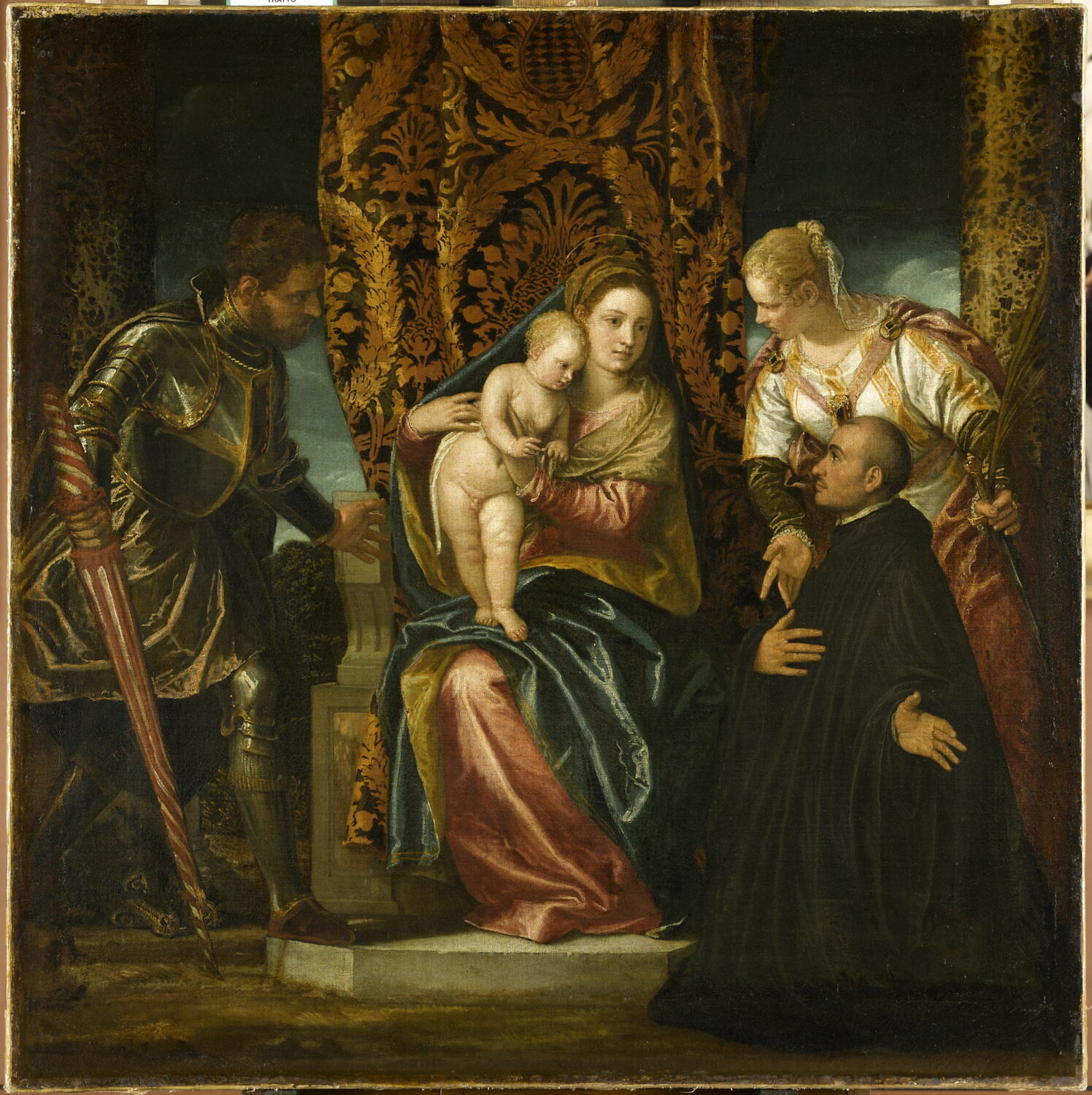
    Vierge à l'Enfant avec saint Georges et sainte Justine présentant un bénédictin agenouillé, Paolo Caliari, dit Veronese, XVIe siècle (1500 - 1600)

    Vierge à l'Enfant avec saint Georges et sainte Justine présentant un bénédictin agenouillé

    XVIe siècle (1500 - 1600) · Museo del Louvre

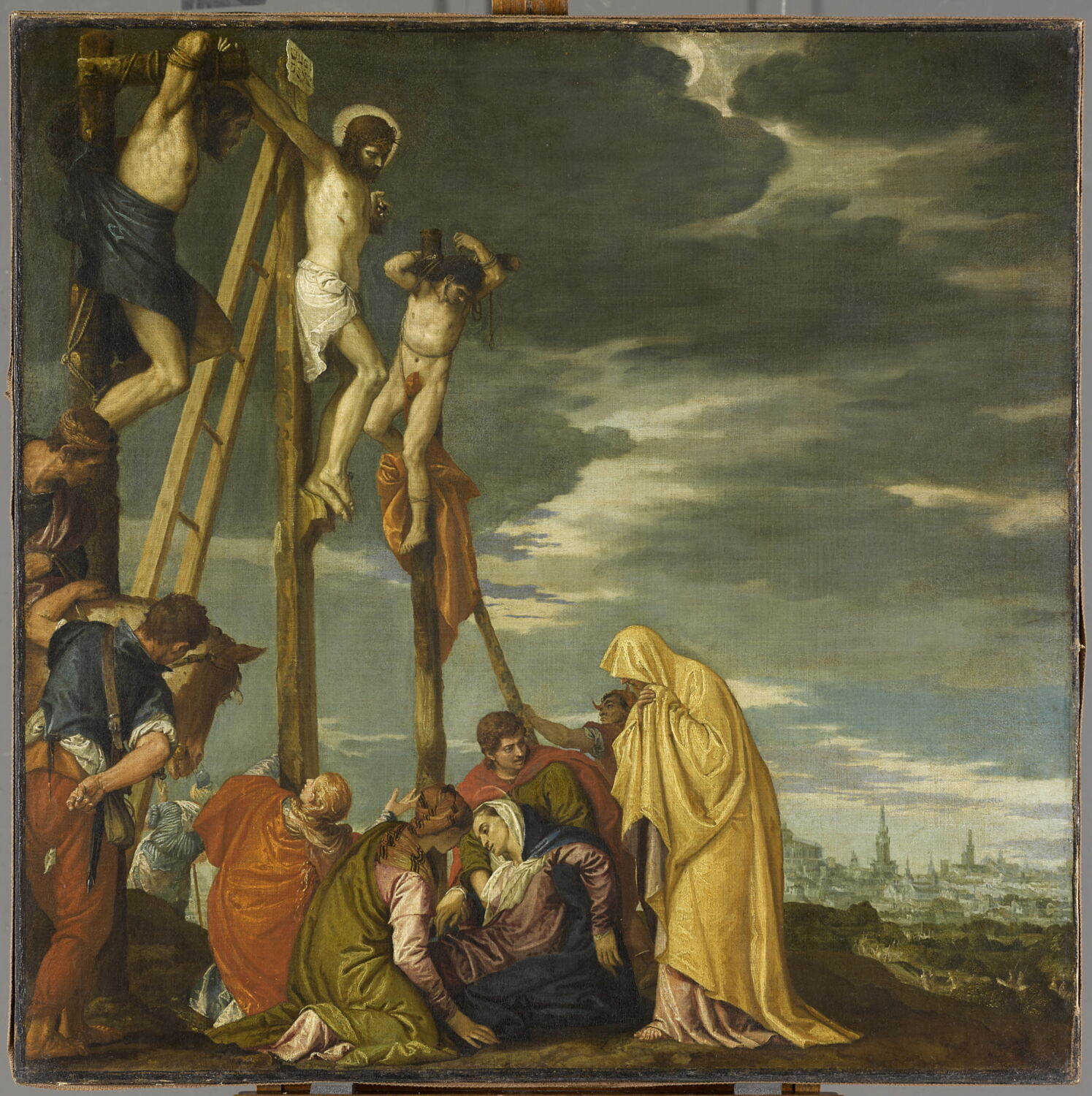
    La Crucifixion, Paolo Caliari, dit Veronese, XVIe siècle (1500 - 1600)

    La Crucifixion

    XVIe siècle (1500 - 1600) · Museo del Louvre

    St George, Jacopo Tintoretto, 1540s

    Jacopo Tintoretto

    St George, 1540s

    The Lamentation, Paolo Veronese, c. 1581

    Paolo Veronese

    The Lamentation, c. 1581

    Adoration of the Magi, Paolo Veronese, 1570s

    Paolo Veronese

    Adoration of the Magi, 1570s

    Mystic Marriage of St Catherine, Paolo Veronese, 1540s

    Paolo Veronese

    Mystic Marriage of St Catherine, 1540s

    Diana (sketch), Paolo Veronese, 16th century

    Paolo Veronese

    Diana (sketch), 16th century

    Portrait of a Man (Francesco Bassano?), Domenico Tintoretto, 1580s

    Domenico Tintoretto

    Portrait of a Man (Francesco Bassano?), 1580s

    Portrait of Tommaso Guinta, Benedetto Caliari, 1563

    Benedetto Caliari

    Portrait of Tommaso Guinta, 1563

    Holy Family with St Catherine, St Anne and St John, Benedetto Caliari, 1580s

    Benedetto Caliari

    Holy Family with St Catherine, St Anne and St John, 1580s