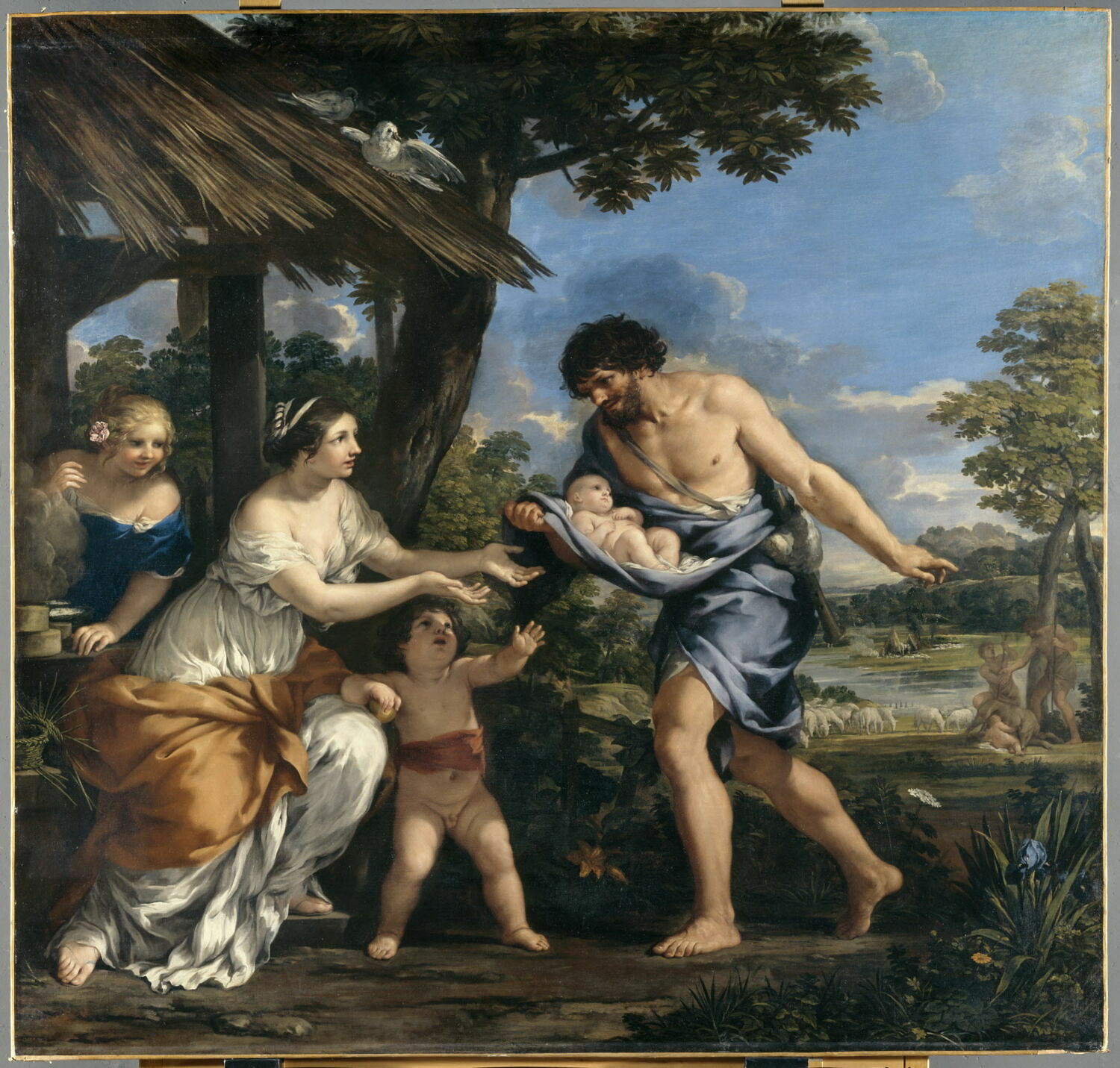
 Pietro da CortonaItalia, 1596–1669
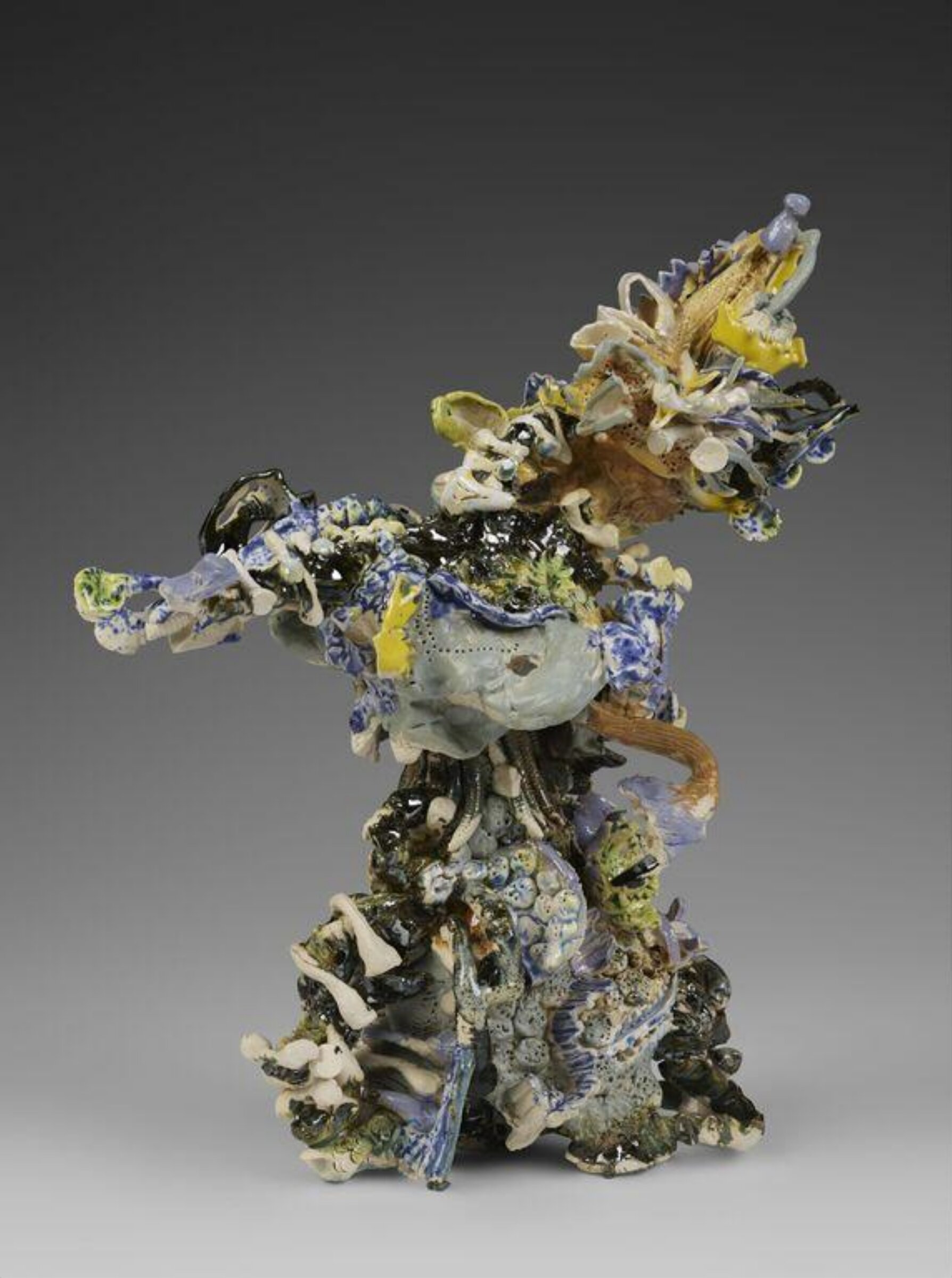
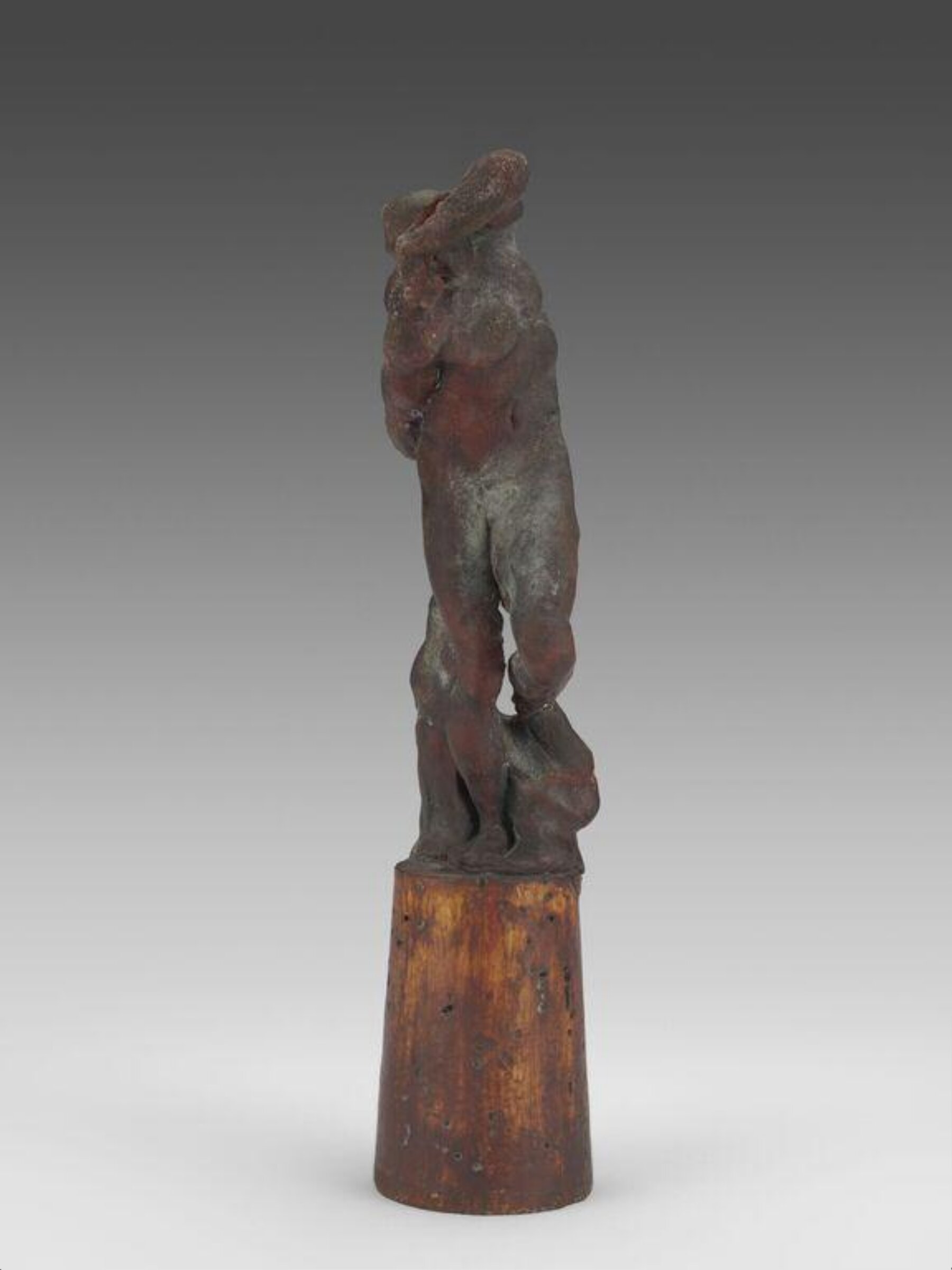
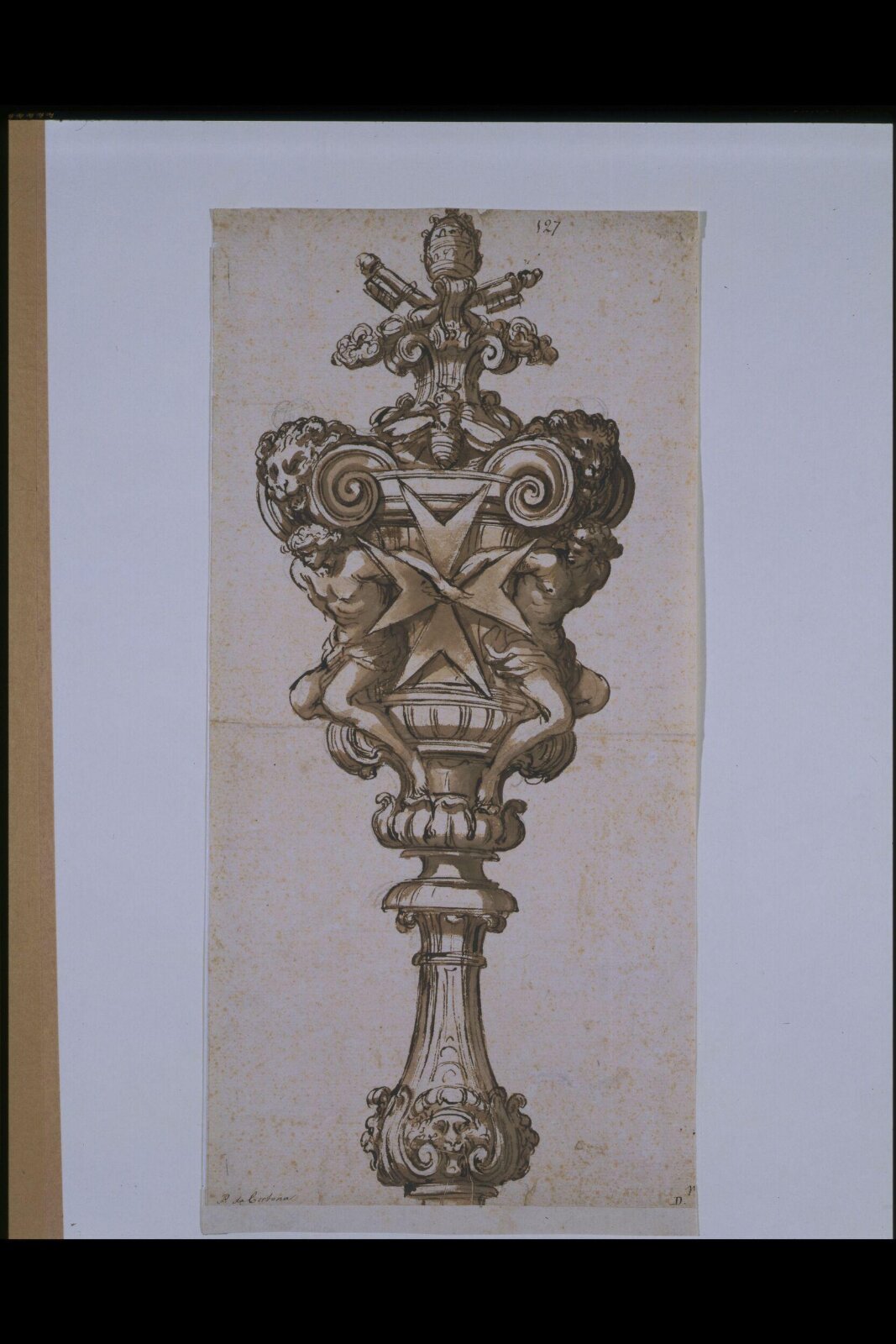
Design for a mace
Si può vedere?
Non esposta al momento
Dove si trova «Design for a mace» oggi? Collezione: Victoria and Albert Museum, Londra. Non esposta al momento. Verificato 25 settembre 2026.

Londra, Regno Unito
Appartiene alla collezione, ma al momento non è esposta.
- Verificato
- Ultimo cambio di stato
- Fonte
- Il museo
Scheda
- Numero di inventario
- D.1708-1885
Che cosa raffigura
In catalogo
Fonti
- Victoria and Albert Museum
- Immagine: Victoria and Albert Museum — © Victoria and Albert Museum, London
Nella vita di Pietro da Cortona
Tutta la vita1614–1669 · Luogo di lavoro
Rome
early 1620s
Meets Marcello Sacchetti
His acquaintance with the Marchese Marcello Sacchetti, later papal treasurer, proved decisive for his early career: it was his copy of Raphael's “Galatea” that caught Sacchetti's eye. For Sacchetti Pietro painted “The Sacrifice of Polyxena” and “The Triumph of Bacchus” (now in the Capitoline Museums), and through him he met the poet Giambattista Marino.
c. 1626
Meets Pope Urban VIII
In the Sacchetti circle Pietro met Pope Urban VIII Barberini and his nephew Cardinal Francesco Barberini. The pope recognised his talent before others and became his chief patron; the Barberini tapestry works wove the series “The History of Alexander the Great” and “From the Life of Pope Urban VIII” after Cortona's designs.
8 January 1634
Elected head of the Academy of Saint Luke
Cortona was elected president of the Roman Academy of Saint Luke (he led it until 1638). By then he had a large workshop where pupils finished the details of big canvases; among them were Francesco Romanelli, Giovanni Maria Bottalla, Ciro Ferri and Guglielmo Cortese, known as il Borgognone.
1652
A “Treatise on Painting and Sculpture” in code
In Florence appeared the treatise “On Painting and Sculpture: Their Use and Abuse”, written with the Jesuit Giovanni Domenico Ottonelli; the authors' names were hidden in the anagram “Britio Prenetteri”. Cortona set out his ideas on the artist's method and the role of preparatory drawings, and the book was soon called “the Manifesto of the Baroque”.
16 maggio 1669
Died