ART WIKI32.963 in sala
MappaCollezioneArtistiMuseiMostreRivista
Accedi

ART WIKI

Dove è appeso il capolavoro, e quando si può entrare.

Collezioni: Art Institute of Chicago, Cleveland Museum of Art, Ermitage, Galleria Tret'jakov, Getty Museum, Harvard Art Museums, Hirshhorn Museum and Sculpture Garden, Metropolitan Museum of Art, Minneapolis Institute of Art, Museo del Louvre, Museo Puškin delle belle arti, Museo russo, Museum of Modern Art, National Gallery of Art, National Museum of Asian Art, National Portrait Gallery, Rijksmuseum, Smithsonian American Art Museum, Statens Museum for Kunst, Victoria and Albert Museum, Villa Getty, Whitney Museum of American Art, Catalogo statale del fondo museale russo (274 musei), Europeana (19 musei), Wikidata (6 musei), Paris Musées (12 musei) e Joconde, la banca dati dei musei del Ministero della Cultura francese (495 musei). Le immagini appartengono ai titolari dei diritti.

Sezioni

  • Mappa
  • Ricerca
  • Collezione
  • Capolavori
  • Esposte ora
  • Artisti

Altro

  • Musei e gallerie
  • Mostre
  • Rivista
  • Da dove vengono i dati
  • Privacy e cookie
HomeMappaCatalogo
  1. Collezione/
  2. Cleveland Museum of Art/
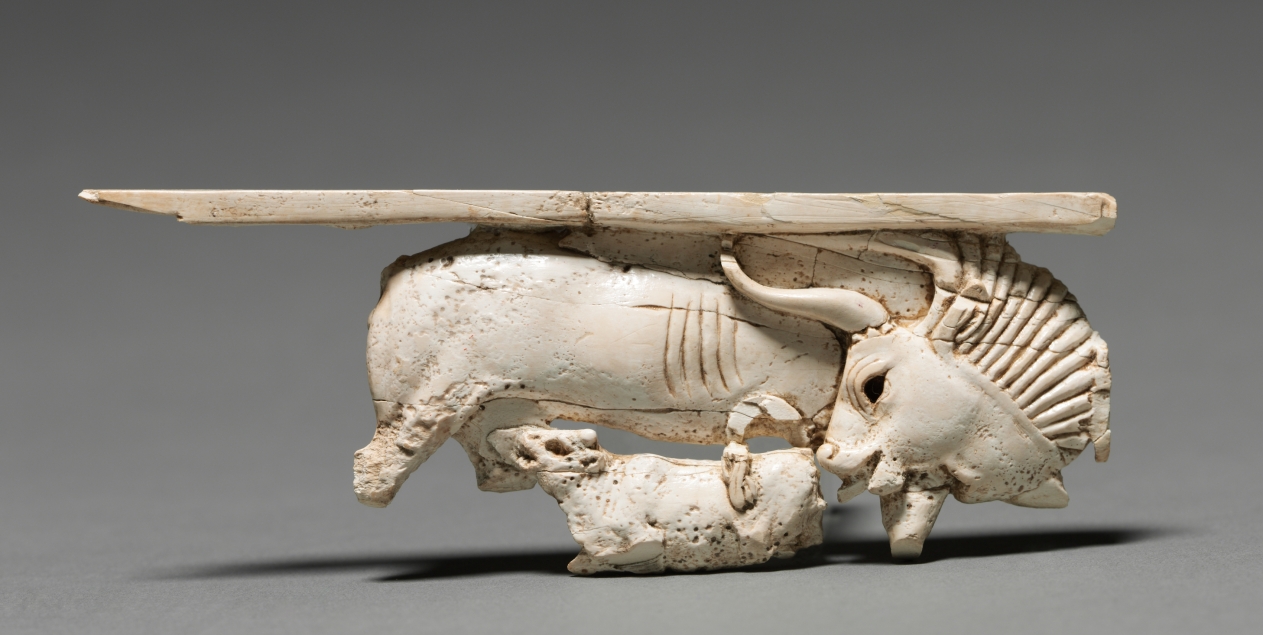
  3. Decorative Plaque: Cow Nursing Its Calf
Decorative Plaque: Cow Nursing Its Calf, 900–800 BCE

Decorative Plaque: Cow Nursing Its Calf

900–800 BCE · Ivory

Si può ammirare?

Sì, riceve visite

Cleveland Museum of Art

Cleveland, Stati Uniti

Sala102A Ancient Near East

Esposta al pubblico. Chi lo garantisce è indicato qui sotto.

Verificato
l’altro ieri
Ultimo cambio di stato
19 ago 2026
Fonte
Il museo
Sulla mappaPagina del museo

Sulla scultura

This small plaque was executed in the Phoenician style with symmetrical compositions, elongated figural proportions, and Egyptian subjects and motifs. Examples have been found throughout the Middle East, but thousands come from Nimrud where most were excavated in the storerooms of a military arsenal built by King Shalmaneser II (858-824 bc). When the Nimrud palace was sacked in the 7th century bc, these ivories were thrown into a well, where Sir Max Mallowan (the husband of Agatha Christie) discovered them in 1951. The monumental wall relief (1943.246) was found at the same Assyrian palace at Nimrud.

Cleveland Museum of Art

Scheda

Numero di inventario
1968.48

In catalogo

SculturaAvorioPhoenicia, Iraq, Nimrud

Fonti

  • Cleveland Museum of Art
  • Immagine: Cleveland Museum of Art — Museum open access
Sotto lo stesso tetto: Cleveland Museum of Art

Pagina del museo
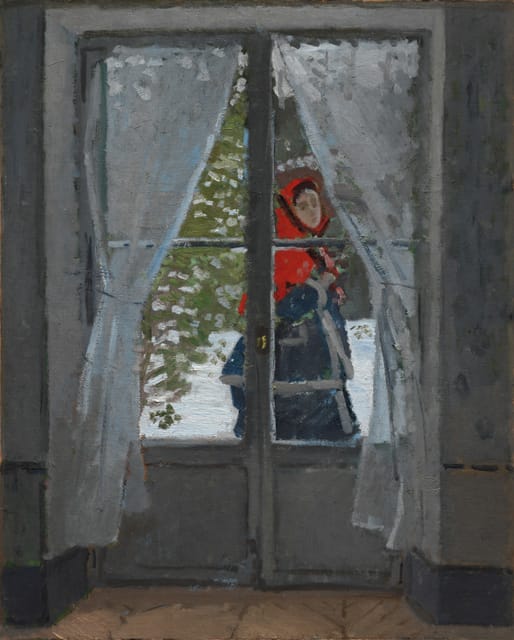
The Red Kerchief, Claude Monet, c. 1868–73

Claude Monet

The Red Kerchief, c. 1868–73

Melencolia I, Albrecht Dürer, 1514

Albrecht Dürer

Melencolia I, 1514

The Virgin and Child with the Pear, Albrecht Dürer, 1511

Albrecht Dürer

The Virgin and Child with the Pear, 1511

The Nativity, Albrecht Dürer, probably c. 1509/1510

Albrecht Dürer

The Nativity, probably c. 1509/1510

The Virgin and Child on a Crescent with a Starry Crown, Albrecht Dürer, 1508

Albrecht Dürer

The Virgin and Child on a Crescent with a Starry Crown, 1508

The Lamentation, Albrecht Dürer, 1507

Albrecht Dürer

The Lamentation, 1507

Large Horse, Albrecht Dürer, 1505

Albrecht Dürer

Large Horse, 1505

Nemesis (The Great Fortune), Albrecht Dürer, c. 1501/1502

Albrecht Dürer

Nemesis (The Great Fortune), c. 1501/1502